作者: admin

  • These are not times for half measures, these are times for defining our positions and taking a stand against fascism and imperial barbarism!

    These are not times for half measures, these are times for defining our positions and taking a stand against fascism and imperial barbarism!

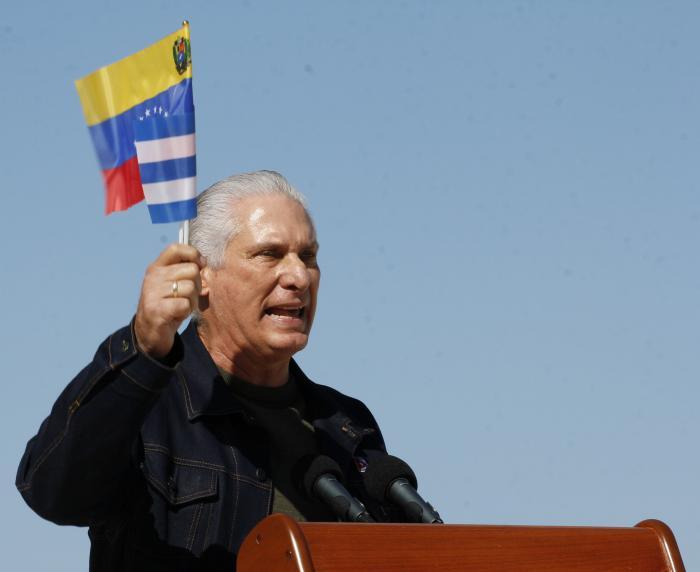
    In a fiery address delivered at Havana’s José Martí Anti-Imperialist Tribune, Cuban President Miguel Díaz-Canel delivered a scathing condemnation of what he termed “U.S. military aggression” against Venezuela and the alleged kidnapping of President Nicolás Maduro. The January 3rd speech framed the operation as an act of “state terrorism” that violates international law and threatens regional stability.

    Díaz-Canel characterized the predawn military action as a “cowardly, criminal, and treacherous” attack motivated by imperialist desires for Venezuela’s oil reserves and natural resources. He explicitly rejected the Monroe Doctrine and what he called the “fallacious narrative of narco-terrorism” that U.S. officials had allegedly propagated to justify intervention.

    The Cuban leader drew historical parallels, invoking Fidel Castro’s warnings about U.S. imperialism from two decades prior and comparing current U.S. leadership to Nazi propagandists employing Goebbels’ principle of repeating lies until they become accepted as truth. He further equated the Venezuela operation to “crimes against humanity committed by Israeli Zionism in the Gaza Strip.”

    Díaz-Canel called for international mobilization against what he described as an illegal regime change operation, emphasizing that the threat extended beyond Venezuela to all of humanity. He demanded proof of life for Maduro and his partner Cilia Flores, while asserting that the United States bears responsibility for their physical safety.

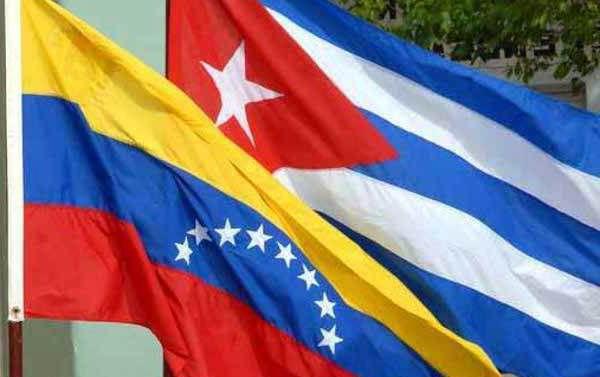
    The speech concluded with revolutionary slogans and declarations of solidarity between Cuba and Venezuela, with Díaz-Canel vowing that both nations would defend Venezuelan sovereignty at “a very high price” if necessary.
  • Embassy Expresses Sincere Gratitude for Government of St.Kitts and Nevis Voicing Concern over Taiwan Strait Situation

    Embassy Expresses Sincere Gratitude for Government of St.Kitts and Nevis Voicing Concern over Taiwan Strait Situation

    In a formal statement released on January 1st, 2026, the Taiwanese Embassy extended its profound appreciation to the Government of Saint Kitts and Nevis for its expressed concern regarding recent military exercises conducted by the Chinese People’s Liberation Army (PLA) in the vicinity of the Taiwan Strait. The diplomatic communication, originating from the Embassy, lauded the Caribbean nation’s stance, interpreting it as a firm endorsement of regional peace, stability, and the foundational principles of international law. The Embassy’s communiqué emphasized the deep value Taiwan places on its long-standing fraternal and diplomatic relationship with both the government and citizens of Saint Kitts and Nevis. Reaffirming a mutual dedication to peaceful international engagement, the statement highlighted a shared commitment to pursuing dialogue, exercising restraint, and adhering to responsible state conduct. Looking forward, the Embassy articulated an optimistic vision for enhanced bilateral collaboration throughout 2026, aiming to jointly advance mutual interests in peace, stability, and economic prosperity. The message concluded with cordial New Year’s greetings for the people of Saint Kitts and Nevis. The press release referenced an official statement from the Saint Kitts and Nevis government website, dated December 31st, 2025, which originally voiced apprehension over the escalating military situation in the strategic waterway.

  • Greg Walter, Son of National Hero Sir George H. Walter, Dies

    Greg Walter, Son of National Hero Sir George H. Walter, Dies

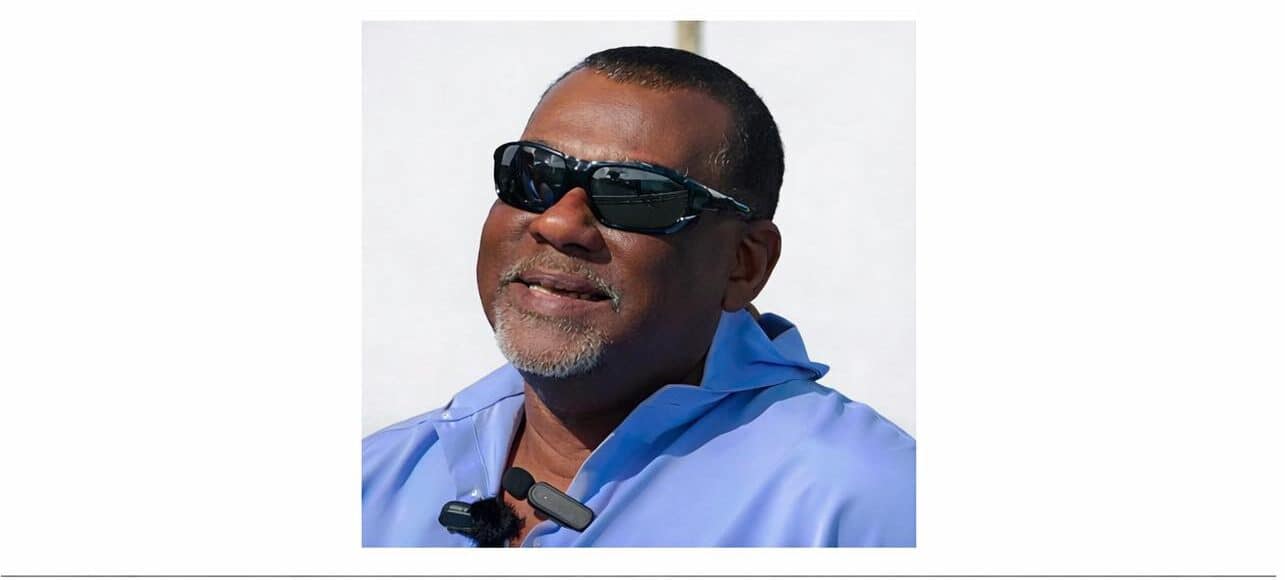
    Antigua and Barbuda mourns the passing of Greg Walter, son of the late National Hero and former Prime Minister Sir George H. Walter. The announcement of his death was confirmed through official state media channels, though specific details regarding the circumstances and timing remain undisclosed at this time.

    The Walter family legacy remains deeply embedded in the nation’s history, with Sir George H. Walter having served as the country’s second Prime Minister following independence. The elder Walter is celebrated as an instrumental force in shaping the nation’s labor movement and early political development, earning his designation as a National Hero for these monumental contributions.

    Greg Walter’s passing represents not just a personal family tragedy but a moment of national reflection on the Walter family’s enduring impact on Antiguan society. The absence of detailed information surrounding his death has left both the public and media awaiting further official statements. The government has yet to announce any commemorative plans, but the event has already sparked renewed interest in the historical legacy of the Walter family and their foundational role in the nation’s journey.

  • Army arrests repeat human trafficker in Santiago Rodríguez

    Army arrests repeat human trafficker in Santiago Rodríguez

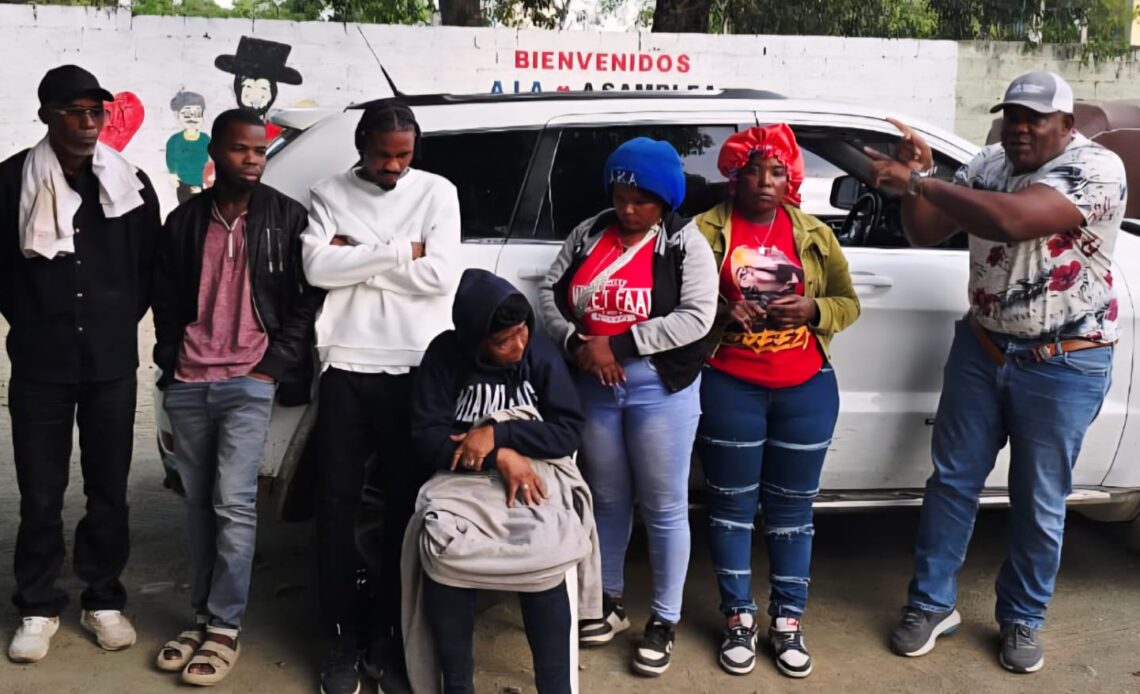
    In a significant border security operation, military forces of the Dominican Republic have captured a notorious human smuggling operative during an early morning interdiction mission. The arrest occurred in the Mamoncito sector of Monción municipality, Santiago Rodríguez province, where Army (ERD) personnel intercepted a white Jeep transporting six Haitian nationals lacking proper immigration documentation.

    The detained individual, identified as Expedito Rodríguez (alias ‘Bobolé’), represents a significant victory for border enforcement authorities. Military reports indicate Rodríguez demonstrated active resistance during apprehension, necessitating the application of controlled restraint techniques by ERD soldiers. The vehicle contained three male and three female migrants of Haitian origin, all found to be in irregular immigration status.

    Rodríguez’s criminal history reveals an established pattern of border-related offenses. Previously arrested in May 2023 during Operation Border in Dajabón, the suspect remained under judicial supervision requiring periodic court appearances at the time of his latest apprehension. This recurrence demonstrates the persistent challenges authorities face in combating transnational smuggling networks.

    Following standard protocol, both the suspected trafficker and the six migrants were transported to the ERD Fortress in Santiago Rodríguez for processing and subsequent transfer to the Public Prosecutor’s Office. The operation highlights the ongoing security efforts along the Dominican-Haitian border region, where human trafficking remains a persistent concern for Caribbean nations.

  • MIREX urges Dominicans in Venezuela to take precautions

    MIREX urges Dominicans in Venezuela to take precautions

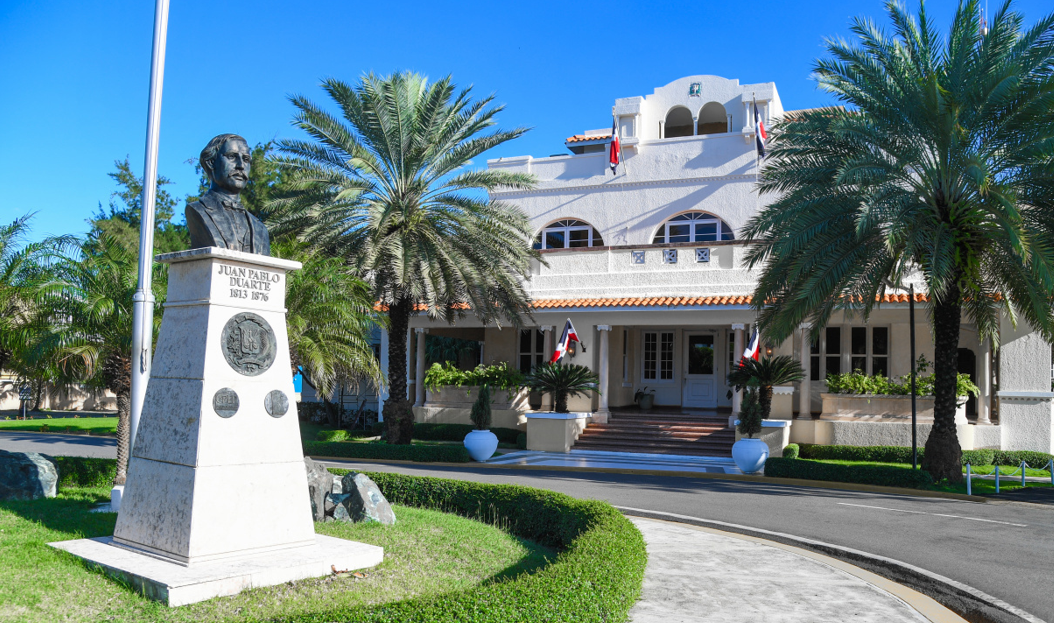
    The Dominican Republic’s Ministry of Foreign Affairs (MIREX) has escalated its security alert for Dominican nationals residing in Venezuela, issuing an urgent advisory for enhanced vigilance amid evolving circumstances in the South American nation. The ministry’s security directive emphasizes the critical importance of maintaining constant awareness through officially verified information channels.

    In an official communiqué released this week, MIREX clarified the current diplomatic representation arrangement confirming that since July 30, 2024, the Kingdom of Spain has assumed responsibility for protecting Dominican interests within Venezuelan territory. This consular protection agreement enables Dominican citizens requiring emergency assistance to contact the Spanish Consulate in Caracas through its dedicated 24-hour emergency line at +58 424 209 0264.

    While overseas consular services are handled through Spanish diplomatic channels, MIREX’s domestic operations continue to provide support during standard business hours. Dominican citizens can reach the ministry’s headquarters in Santo Domingo at (809) 987-7001, specifically extensions 7595, 7597, and 7100. Alternative communication remains available through the official email address proteccionnacionales@mirex.gob.do.

    The foreign ministry issued a firm recommendation against all non-essential travel to Venezuela until further notice, citing unresolved security concerns that could potentially endanger foreign visitors. This precautionary stance reflects the government’s commitment to citizen protection in regions experiencing political or social instability.

  • FLASH: Guide to getting your tickets to the 2026 FIFA World Cup

    FLASH: Guide to getting your tickets to the 2026 FIFA World Cup

    As Haiti’s national football team prepares for its historic participation in the 2026 FIFA World Cup, the Haitian Football Federation has released comprehensive guidelines for supporters seeking to secure match tickets through official channels. The ticket acquisition process operates exclusively through FIFA’s digital platform at FIFA.com/tickets, with authorities strongly cautioning against unauthorized resale websites that cannot guarantee stadium access.

    The registration protocol requires prospective attendees to establish an account on FIFA’s official portal by selecting ‘Tickets’ followed by ‘Create an account,’ meticulously completing personal information fields, and executing email validation to activate the account. Without successful verification, application submission remains impossible.

    Rather than conventional immediate purchasing, FIFA employs a Random Selection Draw mechanism designed to ensure equitable distribution. The current application phase concludes precisely on Tuesday, January 13, 2026 at 11:00 AM Eastern Time, with banking verification implemented to deter speculative practices. Successful applicants will receive notification commencing February 5, 2026, accompanied by confirmation emails and portal updates.

    Payment protocols vary according to preselected options: automatic debit arrangements process immediately upon selection, while manual payment requires swift completion within a constrained timeframe. When configuring ticket requests, supporters must designate Haiti as their preferred team and select specific matches, accompanied by seating category preferences ranging from Category 1 (premium lower stands) to Category 4 (economy upper stands). Financial transactions exclusively accept Visa and Mastercard payments.

    Group seating arrangements necessitate identical match selections, equivalent ticket categories, and mutual application number linkages among all party members. Critical administrative note: submitted applications become immutable, requiring complete cancellation and reapplication for any modifications. Ticket limits fluctuate according to match significance and are explicitly displayed during the selection process.

    The Haitian Football Federation offers supplemental assistance through partnership@fhf.ht and secretariat.general@fhf.ht for citizens experiencing technical challenges or requiring clarification beyond FIFA’s comprehensive FAQ section.

  • Several injured after bus accident in Higüey

    Several injured after bus accident in Higüey

    A public transportation vehicle carrying hotel workers veered off course and crashed in the eastern Dominican Republic on Sunday, resulting in multiple casualties. The incident occurred near the entrance to Anamuya, a coastal town within the province of La Altagracia, a region renowned for its tourism infrastructure.

    According to preliminary investigations by local authorities, the commercial bus was navigating a sharp curve when the driver reportedly lost control of the vehicle. This loss of control precipitated a collision with a large roadside advertising billboard. The impact caused significant damage to the front section of the bus.

    Emergency services were promptly dispatched to the scene to provide medical assistance and transport the injured to nearby medical facilities. While official sources have not released a finalized count of those harmed or their specific conditions, initial reports confirm that all passengers were employees of local hospitality establishments concluding their work shifts. The investigation into the precise cause of the accident, including potential factors like mechanical failure or road conditions, remains ongoing as authorities work to notify the victims’ families.

  • Information from the Revolutionary Government on combatants who fell in the line of duty in Venezuela

    Information from the Revolutionary Government on combatants who fell in the line of duty in Venezuela

    Cuba has confirmed the deaths of 32 military personnel in what it describes as a “criminal act of aggression and state terrorism” by the United States government against Venezuelan territory. The incident occurred during early hours of January 3, 2026, when Cuban combatants were reportedly conducting security operations at the request of Venezuelan authorities.

    According to official statements from the Cuban government, the deceased personnel were serving with the Revolutionary Armed Forces and Ministry of the Interior on cooperative defense missions in the Bolivarian Republic of Venezuela. The casualties resulted from both direct combat engagements with American forces and aerial bombardment of military facilities where Cuban troops were stationed.

    The Cuban government emphasized that its personnel demonstrated “dignity and heroism” during what it characterized as fierce resistance against the attackers. Following verification procedures, all affected families have been notified and have received personal condolences from Cuban leadership, including Army General Raúl Castro Ruz and President Miguel Díaz-Canel Bermúdez.

    The Revolutionary Government has announced plans to organize appropriate memorial actions to honor the fallen combatants, whom they describe as having embodied the solidarity principles valued by millions of Cubans. This incident represents a significant escalation in the ongoing geopolitical tensions between Cuba, Venezuela, and the United States.

  • President of the Republic Declares National Mourning

    President of the Republic Declares National Mourning

    Cuban President Miguel Díaz-Canel Bermúdez has issued Presidential Decree 1147, establishing a period of national mourning following the deaths of 32 Cuban military personnel in Venezuela. The solemn observance will commence at 6:00 a.m. on January 5 and continue through midnight on January 6, 2026.

    The decree, published in Cuba’s Official Gazette, comes in response to what the Cuban government describes as a criminal attack against Venezuela by the United States government on January 3, 2026. According to the presidential statement, the deceased Cubans were fulfilling missions at the request of Venezuelan counterpart agencies when they perished during combat operations or facility bombings.

    President Díaz-Canel characterized the fallen personnel as having fulfilled their duties with dignity and heroic resistance, noting that they embodied the solidarity principles valued by millions of Cubans. The declaration was made under constitutional authority granted by Article 125 of the Cuban Constitution and relevant provisions of Law 136 from October 28, 2020.

    During the mourning period, the Lone Star Flag will be flown at half-mast on all public buildings and military institutions nationwide. Additionally, all public entertainment and festive activities have been suspended throughout the two-day observance.

    The implementation and enforcement of these measures fall under the responsibility of ministers from the Revolutionary Armed Forces, Interior Ministry, and Foreign Affairs Ministry. The decree was formally issued from the Palace of the Revolution on January 4, 2026, designated as the ‘Year of the Centennial of Commander-in-Chief Fidel Castro Ruz.’

  • There can be no silence or acceptance in the face of this act of state terrorism

    There can be no silence or acceptance in the face of this act of state terrorism

    Havana witnessed massive demonstrations over the weekend as Cuban leadership and citizens united in vehement condemnation of what they termed “fascist” military aggression against Venezuela. The attack, which reportedly resulted in civilian casualties, has sparked international concern and drawn parallels to historical imperial interventions.

    President Miguel Díaz-Canel Bermúdez joined citizens at the Anti-Imperialist Tribune to protest both the assault on Venezuelan sovereignty and the alleged kidnapping of President Nicolás Maduro and First Combatant Cilia Flores. The gathering represented a significant show of solidarity between the two nations, with participants echoing the historic slogan “Cuba and Venezuela, one flag.”

    Gerardo Hernández Nordelo, national coordinator of Cuba’s Committees for the Defense of the Revolution, delivered a stark warning about the consequences of imperial aggression. “Humanity must raise its voice and tell the empire that we are in the 21st century,” he declared, criticizing unilateral actions that violate international norms. He emphasized that the bombs striking Venezuelan cities “did not ask who was a Chavista and who was not when they exploded,” highlighting the indiscriminate nature of the attacks.

    Cultural and political leaders framed the conflict as a fundamental struggle between opposing forces. Abel Prieto Jiménez, president of Casa de las Américas, characterized it as a battle between “the forces of hatred, war, and death and the forces of sovereignty, dignity, and life.” He invoked Fidel Castro’s famous statement on Vietnam—”We are willing to give even our own blood”—applying it to the current Venezuelan crisis.

    Fernando González Llort of the Cuban Institute of Friendship with the Peoples described the operation as a “cowardly and vile attack” that constitutes “a heinous assault on the aspiration to build a zone of peace.” He warned that the aggression transcends Venezuela’s borders and represents a direct challenge to international law.

    The scientific community joined the condemnation, with prominent researcher Belinda Sánchez Ramírez contrasting Cuba’s medical missions with what she called “specialists who cause death and pain.” She warned that today’s target might be Venezuela, but tomorrow it could be “Cuba, Nicaragua, Mexico, or any country with natural resources or independence.”

    Medical worker Agnerys Cruz Rodríguez, who spent a decade serving in Venezuela, questioned the international community’s silence: “Where is the United Nations? Where are those who define themselves as defenders of peace?”

    Young activists highlighted patterns of imperial strategy, with Adriana Amore Moreno noting a “familiar sequence” of economic sanctions, media warfare, financial blockade, and finally direct aggression. She affirmed that “Venezuela is not alone, because its cause is our cause,” emphasizing that Venezuelan sovereignty remains inseparable from broader Latin American struggles.