作者: admin

  • Former UN ambassador, Crispin Gregoire: CARICOM must find its voice amid Venezuela crisisis

    Former UN ambassador, Crispin Gregoire: CARICOM must find its voice amid Venezuela crisisis

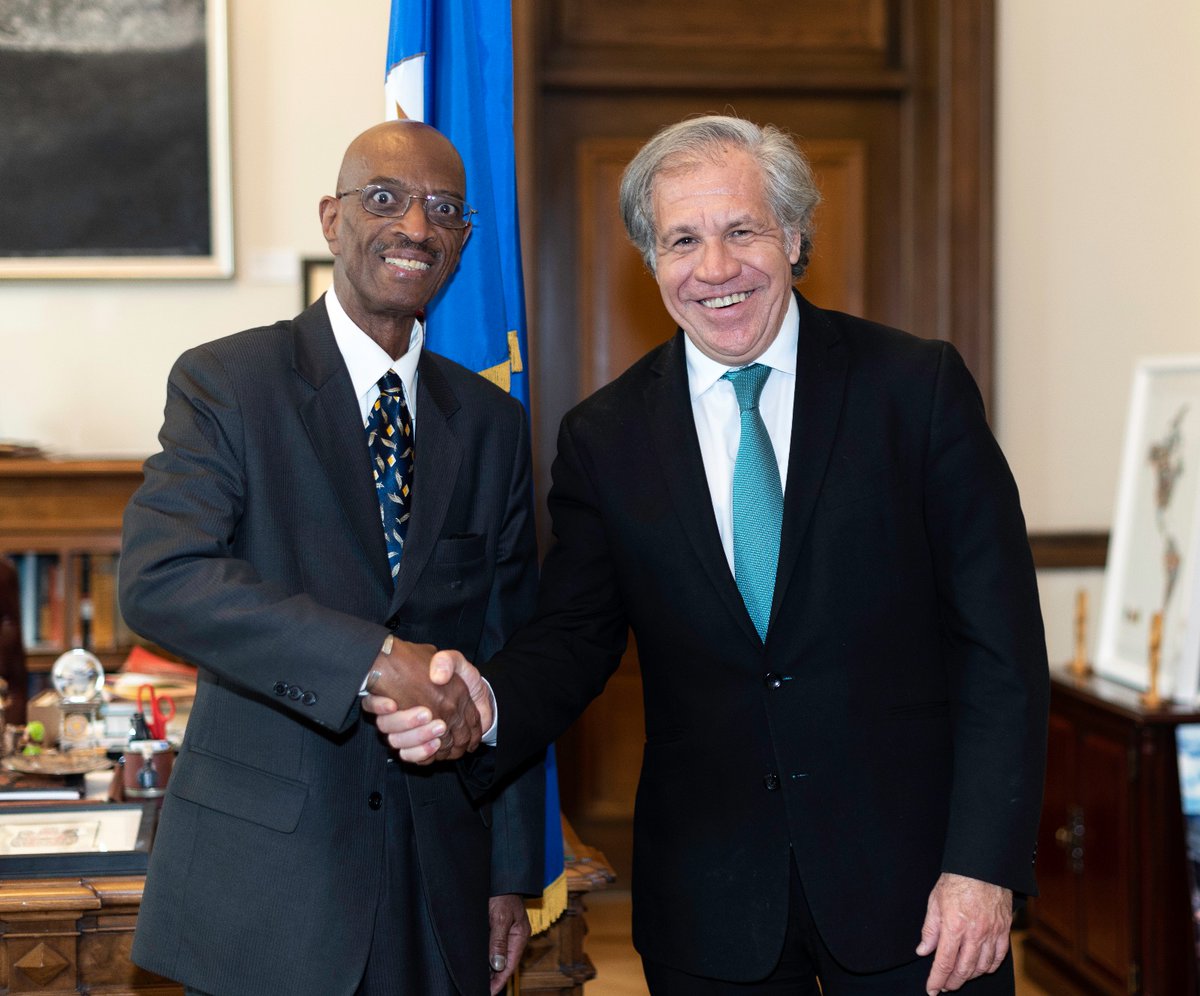
    In a striking development that has sent shockwaves through international diplomatic circles, former Dominican UN Ambassador Crispin Gregoire has issued an urgent appeal for Caribbean Community (CARICOM) leaders to break their silence regarding Venezuela’s escalating political crisis. This follows the dramatic capture of President Nicolás Maduro by U.S. forces in what Gregoire describes as a meticulously executed operation that has left Venezuela’s military and political establishment in disarray.

    Gregoire, expressing profound disappointment with what he characterizes as the region’s ‘timid’ response, emphasized that Caribbean leaders must demonstrate unity and engage directly with Washington during this critical juncture. The former ambassador revealed astonishing operational details, indicating that U.S. intelligence had successfully penetrated Maduro’s innermost security circle, allegedly relocating family members of his personal guards to the United States under new identities prior to the operation.

    The actual extraction, conducted by Delta Force operatives, reportedly unfolded with military precision—completing Maduro’s seizure along with his wife within a remarkable twelve-minute window. This operation has triggered profound legal and political questions regarding sovereignty violations and the bypassing of conventional diplomatic protocols.

    Maduro now confronts an extensive 700-page indictment in U.S. courts that portrays him as a central figure in international drug trafficking networks. Gregoire drew compelling parallels to the case of Panama’s Manuel Noriega, raising fundamental questions about the legitimacy of trying a foreign head of state apprehended under such controversial circumstances.

    The ambassador further highlighted the severe destabilization risks within Venezuela, where armed factions including Colombian groups and Maduro’s colectivos militia remain heavily armed and operational. Compounding regional concerns are emerging reports suggesting possible connections between Caribbean politicians and Maduro’s alleged narcotics network, with recent cocaine seizures in Dominica and investigations into energy officials fueling speculation about regional involvement.

    Gregoire’s central argument maintains that CARICOM’s continued silence represents a dangerous abdication of regional leadership that could ultimately compromise the Caribbean’s political sovereignty and international standing. He criticized regional leaders for what he perceives as their subdued response to the Trump administration’s actions, suggesting they have been ‘whipped into submission’ for political survival.

    This crisis transcends Venezuela’s immediate future, presenting a critical test of the Caribbean’s ability to assert its geopolitical interests amid great power intervention. Gregoire’s statement serves as a potent reminder that in moments of international upheaval, neutrality carries significant consequences.
  • China underscores willingness to deepen ties with Venezuela

    China underscores willingness to deepen ties with Venezuela

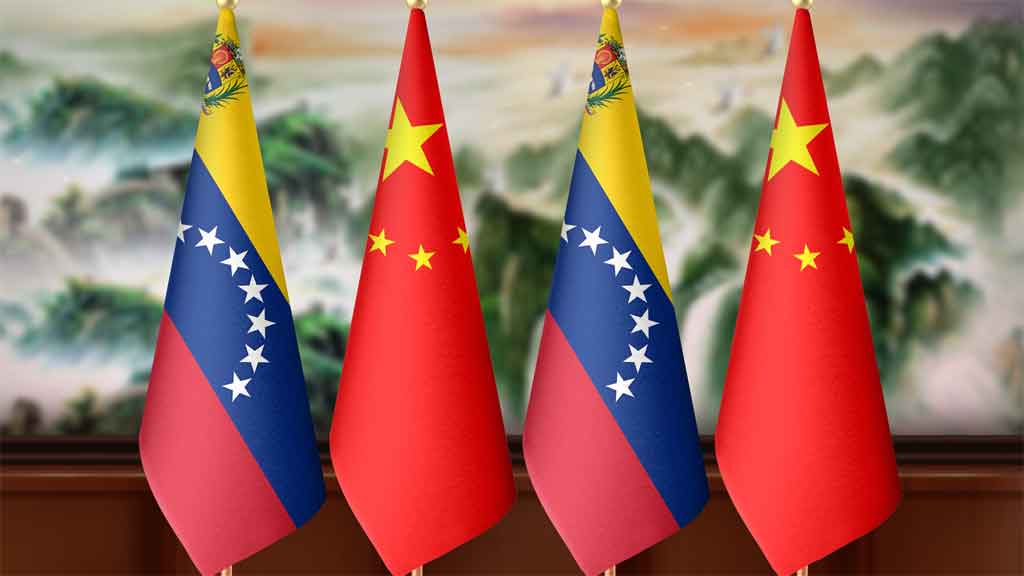
    In a firm diplomatic stance, China has denounced recent U.S. military operations in Venezuela while reaffirming its strategic partnership with the South American nation. Foreign Ministry Spokesperson Lin Jian declared that China’s legitimate interests in Venezuela would be legally protected, emphasizing Beijing’s commitment to international law and sovereign equality.

    The Chinese government expressed strong condemnation of what it termed the ‘abduction’ of Venezuelan President Nicolas Maduro and First Lady Cilia Flores following U.S. military airstrikes. Spokesperson Lin reiterated China’s position of respecting Venezuela’s sovereignty and independence, expressing confidence that Caracas would manage its internal affairs in accordance with its constitutional framework.

    Foreign Minister Wang Yi articulated Beijing’s rejection of unilateralism in international relations, explicitly criticizing the concept of any nation assuming the role of ‘world policeman’ or acting as a global judiciary. This statement reflects China’s broader foreign policy approach that prioritizes multilateralism and non-interference in sovereign states’ domestic affairs.

    The bilateral relationship between China and Venezuela was characterized as an ‘unwavering strategic partnership’ with comprehensive cooperation across multiple sectors including energy, infrastructure, and finance. This longstanding alliance has involved significant Chinese investment in Venezuela’s oil industry and development projects.

    Beijing has formally called upon the United States to immediately release President Maduro and his wife while ceasing what China describes as attempts to destabilize Venezuela’s constitutional order. The statement represents one of the most direct confrontations between Beijing and Washington regarding Western Hemisphere affairs in recent years.

  • AU prepares for Assembly of Heads of State and Government

    AU prepares for Assembly of Heads of State and Government

    The African Union (AU) has officially disclosed the comprehensive timeline for its forthcoming leadership summit, with high-level assemblies scheduled to culminate in February 2026. The detailed agenda was formally announced through the continental body’s official social media channels.

    The preparatory phase will commence with the 51st Ordinary Session of the Permanent Representatives’ Committee, convening from January 12 to 30. This crucial preliminary meeting will assemble ambassadors from member states alongside senior AU officials. Their primary mandate involves conducting thorough analyses of draft reports and meticulously formulating the agenda for the subsequent Executive Council session.

    Following this diplomatic groundwork, the 48th Ordinary Session of the Executive Council is slated for February 11-12. This ministerial-level gathering will bring together foreign ministers and other designated high-ranking officials from across the continent. The Council’s agenda focuses on substantive discussions regarding issues forwarded from the preparatory committee, alongside critical evaluations of policy implementation measures previously ordained by the Assembly. Participants will also dedicate significant effort to crafting detailed session agendas and drafting formal decisions for higher-level consideration.

    The entire process will reach its apex with the 39th Ordinary Session of the Assembly of Heads of State and Government on February 14-15, 2026. This premier gathering of African leaders represents the highest decision-making organ within the AU structure, where heads of state will convene to deliberate on and ultimately ratify decisions shaping the continent’s strategic direction.

  • Sri Lanka condemns US kidnapping of Maduro as piracy

    Sri Lanka condemns US kidnapping of Maduro as piracy

    The Communist Party of Sri Lanka (CPSL) has issued a strong condemnation of military actions targeting Venezuela, drawing explicit parallels to historical interventions by the United States. In a formal statement, the party characterized recent operations involving the deliberate bombing of civilian infrastructure as severe violations of international law that meet the criteria for war crimes.

    The CPSL analysis highlighted that these operations primarily targeted facilities essential to the daily lives and well-being of Venezuelan citizens, resulting in civilian casualties and creating severe humanitarian hardship. The party’s statement noted a ‘disturbing resemblance’ between these tactics and the systematic destruction of civilian infrastructure carried out in Iraq prior to the 2003 invasion.

    Contextualizing current events within broader historical patterns, the Sri Lankan political party referenced previous acts including the 2004 kidnapping of Haitian President Jean-Bertrand Aristide and the 1961 assassination of Patrice Lumumba, Prime Minister of the Democratic Republic of Congo. The CPSL framed these actions as part of a consistent pattern of imperialist objectives historically pursued by the United States to seize natural resources and wealth from sovereign nations.

    The party reiterated its firm rejection of these interventions and expressed unwavering solidarity with the Venezuelan people, praising their continued resistance against foreign interference and their defense of national sovereignty. The statement concluded by emphasizing the need for international accountability for actions that violate established international legal standards.

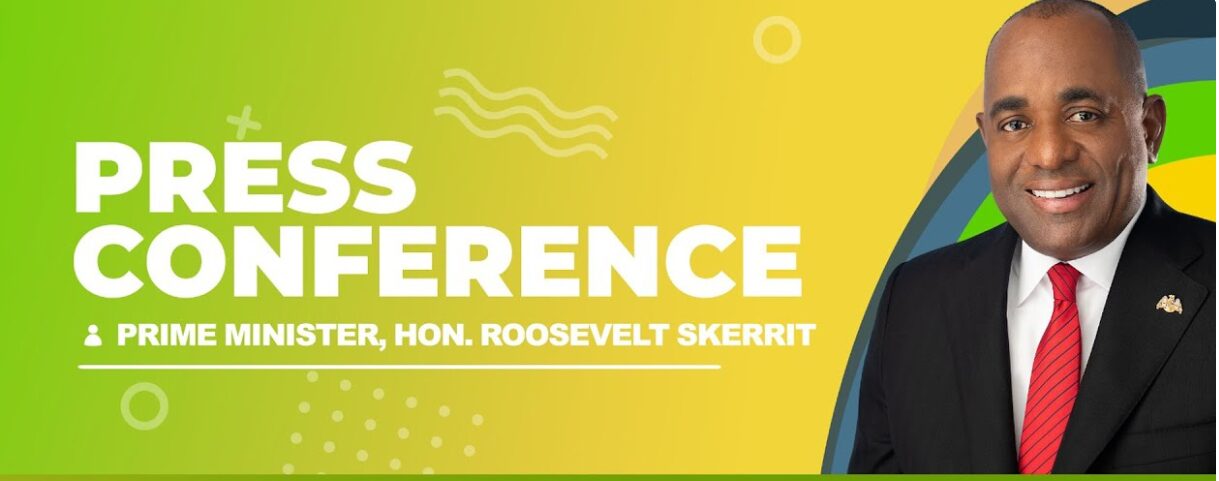
  • LIVE: Press conference with Prime Minister Roosevelt Skerrit

    LIVE: Press conference with Prime Minister Roosevelt Skerrit

    The digital landscape is undergoing a seismic shift as artificial intelligence redefines how users interact with information online. A new visual representation of search interface evolution reveals Google’s strategic pivot toward AI-driven answers, fundamentally challenging the conventional list-of-links approach that has dominated web navigation for decades.

    This transformative technology leverages advanced language models to synthesize information directly within search results, providing comprehensive responses without requiring users to click through multiple websites. The integration of AI capabilities represents the most significant evolution in search technology since the inception of modern search engines, potentially disrupting the entire digital ecosystem.

    The implementation of AI-powered search raises crucial questions about content attribution, website traffic distribution, and the future of online publishing. While users benefit from more immediate and synthesized answers, content creators and publishers face potential challenges in maintaining visibility and revenue streams traditionally generated through organic search traffic.

    This technological advancement also prompts discussions about information accuracy, as AI systems must balance comprehensiveness with reliability. The shift toward answer-based search results necessitates sophisticated verification mechanisms and transparent sourcing to maintain trust in the information ecosystem.

    Industry analysts suggest this transition may accelerate the development of more conversational and contextual search experiences, potentially integrating with voice assistants and augmented reality interfaces. The evolution represents not just an improvement in existing technology but a fundamental reimagining of how humans access and interact with digital knowledge.

  • Afgezette Venezolaanse president Maduro voor Amerikaanse rechtbank

    Afgezette Venezolaanse president Maduro voor Amerikaanse rechtbank

    In a landmark legal proceeding, deposed Venezuelan President Nicolás Maduro made his inaugural appearance before a United States federal court in Manhattan today. The embattled leader, accompanied by his wife Cilia Flores, faces serious charges of narco-terrorism that previously justified his extraordinary arrest and extradition to New York during the Trump administration.

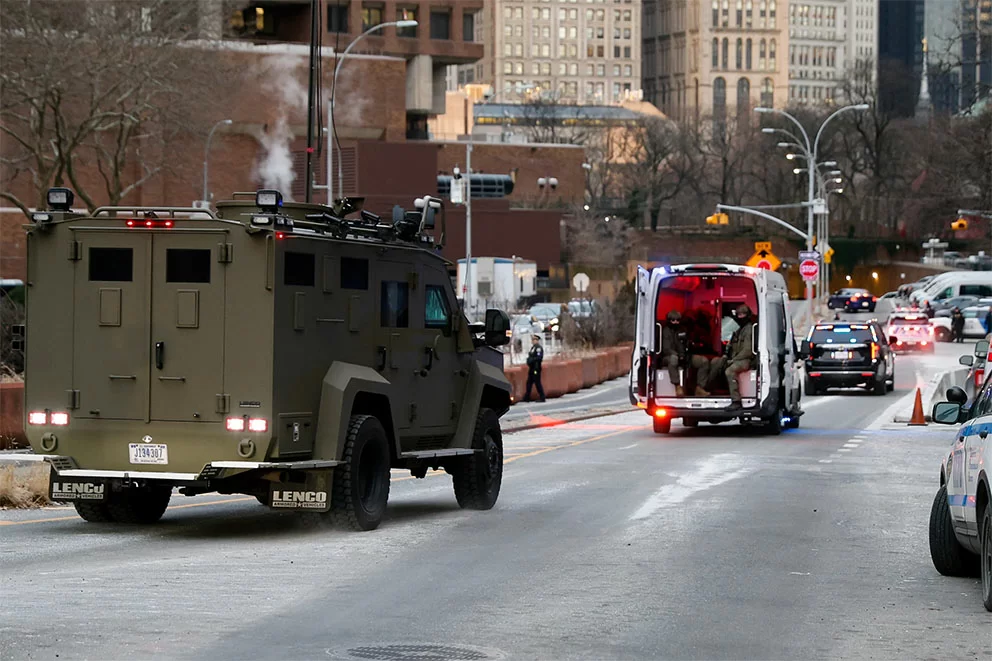
    The high-profile defendants arrived under intense security measures following an elaborate transport operation from Brooklyn’s detention facility. Surveillance footage captured Maduro displaying a noticeable limp as he transferred from a helicopter to an armored vehicle for final transport to the courthouse.

    This preliminary hearing initiates what promises to be an extended legal confrontation regarding jurisdictional authority over a sovereign leader. Maduro’s defense team is anticipated to invoke diplomatic immunity protections, mirroring unsuccessful arguments previously employed by Panamanian strongman Manuel Noriega during his 1990 U.S. prosecution.

    The American government maintains its non-recognition of Maduro’s controversial 2024 re-election legitimacy. Interim President Delcy Rodríguez has simultaneously demanded his repatriation while adopting unexpectedly conciliatory tones through social media channels, even extending cooperation invitations to Washington.

    Federal prosecutors allege systematic collaboration between Maduro’s administration and international drug cartels, accusing the Venezuelan leadership of facilitating thousands of tons of cocaine shipments to American soil. The indictment further encompasses grave accusations including kidnappings, torture, and targeted eliminations of drug trade competitors.

    Saturday’s military operation that secured Maduro’s capture primarily targeted regime criminal enterprises according to U.S. officials. Secretary of State Marco Rubio clarified temporary control objectives focused predominantly on enforcing petroleum embargo measures.

    President Trump concurrently articulated expansionist ambitions within the Western Hemisphere, launching verbal assaults against Colombian leader Gustavo Petro whom he accused of cocaine trade involvement.

    The comprehensive charges against Maduro, his spouse, and numerous Venezuelan officials span narcotics trafficking, weapons violations, and criminal conspiracy. Notably, while accusations involve the notorious Tren de Aragua criminal syndicate, U.S. intelligence assessments previously found no definitive government-gang collaboration.

    Additional corruption allegations detail bribery acceptance schemes wherein Maduro and Flores allegedly protected and facilitated drug traffickers operations for financial gain.

  • LETTER: Pre-Dawn Police Raids on Elderly Homes Raise Questions of Proportionality and Accountability

    LETTER: Pre-Dawn Police Raids on Elderly Homes Raise Questions of Proportionality and Accountability

    Recent law enforcement operations in Antigua have ignited serious constitutional debates regarding the balance between police authority and citizen protections. During the early hours of December 31, 2025, armed officers conducted simultaneous pre-dawn raids on two residential properties housing elderly occupants and young children, yielding no evidence of criminal activity despite the intrusive nature of the operations.

    The first incident involved a 63-year-old ailing woman and her caretaker daughters, whose home was entered by officers reportedly carrying military-style weapons around 3:00-4:00 a.m. The warrant sought illegal narcotics, firearms, and ammunition, but none were discovered. Simultaneously, a second residence occupied by a 70-year-old matriarch, her adult children, and young grandchildren operating a home-based business was searched under a separate warrant. Although this household had previous interactions with law enforcement, no illegal items were found.

    These events occur against the backdrop of Antigua and Barbuda’s legitimate anti-crime initiatives. In 2025, the Royal Police Force reported seizing over fifty illegal firearms and hundreds of ammunition rounds through targeted operations. The government had also implemented a National Gun Amnesty program encouraging voluntary surrender of weapons without prosecution.

    Constitutional experts emphasize that while search warrants require probable cause, the absence of recovered evidence doesn’t automatically invalidate authorization. However, multiple unsuccessful searches based on serious allegations naturally prompt public scrutiny of intelligence quality and authorization standards.

    The doctrine of proportionality emerges as a critical concern. The deployment of heavily armed units for pre-dawn raids in homes without known violent histories raises questions about appropriate restraint. Legal scholars note that even lawfully authorized searches must be executed reasonably according to circumstances.

    The incidents highlight systemic questions about post-search transparency and accountability mechanisms. What information are citizens entitled to receive when searches yield no evidence? What review processes exist for potentially erroneous intrusions? These questions touch upon the fundamental legal principle of ‘Ubi jus ibi remedium’ – where there is a right, there must be a remedy.

    While acknowledging law enforcement’s vital role in public safety, the article argues that true justice requires both the power to act and the wisdom to correct errors. A system worthy of public trust must demonstrate fairness, accountability, and commitment to protecting the dignity of innocent citizens alongside its crime-fighting responsibilities.

  • COMMENTARY: The oil myth obscuring Venezuela’s geopolitical reality

    COMMENTARY: The oil myth obscuring Venezuela’s geopolitical reality

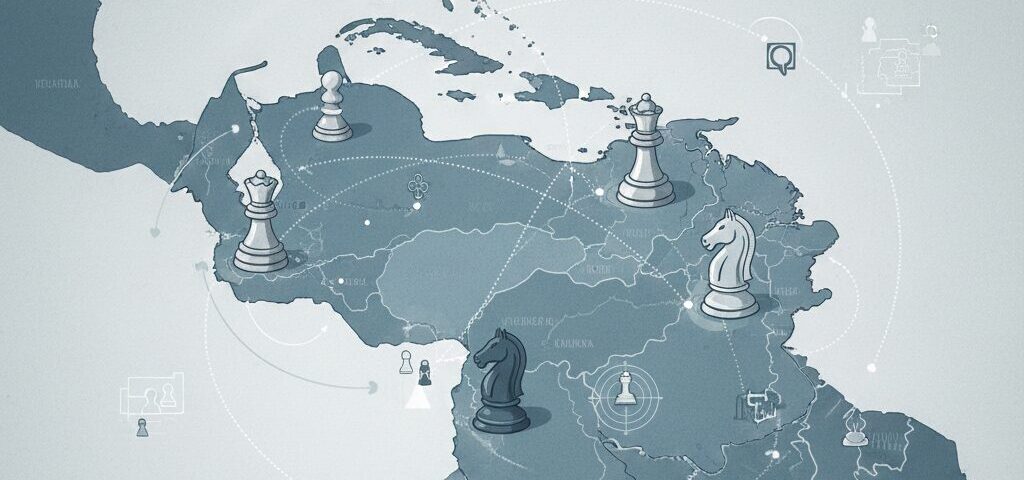
    A recent U.S. military operation targeting Venezuelan territory has generated significant geopolitical repercussions across the Western Hemisphere, with unconfirmed reports suggesting the capture of President Nicolás Maduro and his spouse by American forces. This development has reignited longstanding debates about sovereignty, foreign intervention, and great-power competition in Latin America.

    The operation represents an escalation of Washington’s prolonged pressure campaign against Caracas, which has historically centered on allegations of narcotics trafficking, corruption, and governance deficiencies. Recent months witnessed increased U.S. naval deployments and targeted strikes against vessels suspected of drug trafficking operations in Caribbean and eastern Pacific waters.

    Contrary to popular narratives suggesting energy motivations驱动 behind American actions, analytical evidence contradicts the theory that the United States seeks to control Venezuela’s substantial oil reserves. The U.S. currently maintains energy self-sufficiency through domestic production and exports, while Venezuelan crude requires specialized refining infrastructure that would demand substantial investment and modernization efforts.

    A more plausible explanation centers on geopolitical considerations, as Venezuela’s deepening alliances with nations designated as adversarial by Washington—including China, Russia, and Iran—has created strategic concerns about great-power competition extending into America’s traditional sphere of influence. The military campaign appears primarily focused on countering perceived hostile influences rather than securing energy resources.

    Regional responses have revealed profound political divisions across Latin America and the Caribbean. Multiple left-leaning governments, including those of Brazil, Mexico, and Chile, have vehemently condemned the operations as violations of international law and sovereignty, advocating instead for diplomatic solutions. Smaller Caribbean nations expressed concerns about potential refugee crises, economic disruption, and forced political alignment.

    Notably, some regional voices, including Dominican ceremonial President H.E. Sylvanie Burton, have characterized U.S. actions as ‘bullying behavior toward smaller nations,’ reflecting deep-seated sensitivities about power asymmetry and interventionism. While limited cooperation on counternarcotics operations continues with some Caribbean states, most governments have emphasized the primacy of peaceful conflict resolution and respect for national sovereignty.

  • Telting: Geen ruimte voor politieke benoemingen, deskundigheid centraal bij SLM

    Telting: Geen ruimte voor politieke benoemingen, deskundigheid centraal bij SLM

    Surinam Airways (SLM) has experienced substantial international interest in its executive vacancies, particularly for the position of Deputy Director Operations. The state-owned carrier’s initial recruitment phase has drawn numerous applications, including from Canadian aviation specialist Tomas Chlumecky, who professionally brands himself as the ‘Aviation Doctor’ and seeks to lead the airline’s transformation.

    President-Commissioner Telting emphasized that selection will follow rigorous merit-based protocols. ‘We’re implementing a comprehensive application matrix where the highest-scoring candidates will receive invitations. There’s no need for personal appeals—qualified applicants must simply apply through proper channels,’ Telting stated, underscoring the company’s commitment to transparent hiring practices.

    The recruitment process will include detailed background checks for former employees seeking reinstatement. Telting noted the importance of examining previous roles and departure circumstances, adding that ‘reinstating failed previous systems will not be permitted under any circumstances.’

    The successful candidate for Deputy Director Operations will simultaneously serve as Accountable Manager, bearing dual responsibility for all operational and safety standards while acting as primary liaison for aviation authorities. While newly appointed director Johan Sandie maintains ultimate executive responsibility, the deputy director will oversee critical functions including operational department leadership, policy development, compliance with international aviation standards, and strategic advisory to the board.

  • Free health screenings available at Queen’s Park today

    Free health screenings available at Queen’s Park today

    The Barbados Ministry of Health and Wellness is bringing essential healthcare services directly to communities through its innovative mobile clinic program. Today, residents can access comprehensive health screenings at Queen’s Park along Constitution Road in St. Michael without cost.

    The mobile facility will operate from 9:00 a.m. to 2:00 p.m., providing critical preventive healthcare services focused on early detection of various conditions. Available screenings include comprehensive evaluations for non-communicable diseases, blood pressure monitoring, blood glucose testing, prostate-specific antigen (PSA) assessments, sexually transmitted infection screenings, and guided breast examinations.

    This community health initiative will continue on Tuesday, January 6, with the mobile clinic stationed at Folkestone Marine Park in Holetown, St. James during identical operating hours. The Ministry has clarified that vaccination services will not be available at either location, with the program specifically focused on diagnostic and preventive screenings.

    The mobile clinic represents a strategic effort by Barbados health authorities to eliminate barriers to healthcare access and promote regular health monitoring among the population. By deploying medical services directly into community settings, the program aims to increase public participation in preventive healthcare practices that can identify potential health issues before they develop into more serious conditions.