作者: admin

  • Sean Paul’s ‘Like Glue’ is platinum

    Sean Paul’s ‘Like Glue’ is platinum

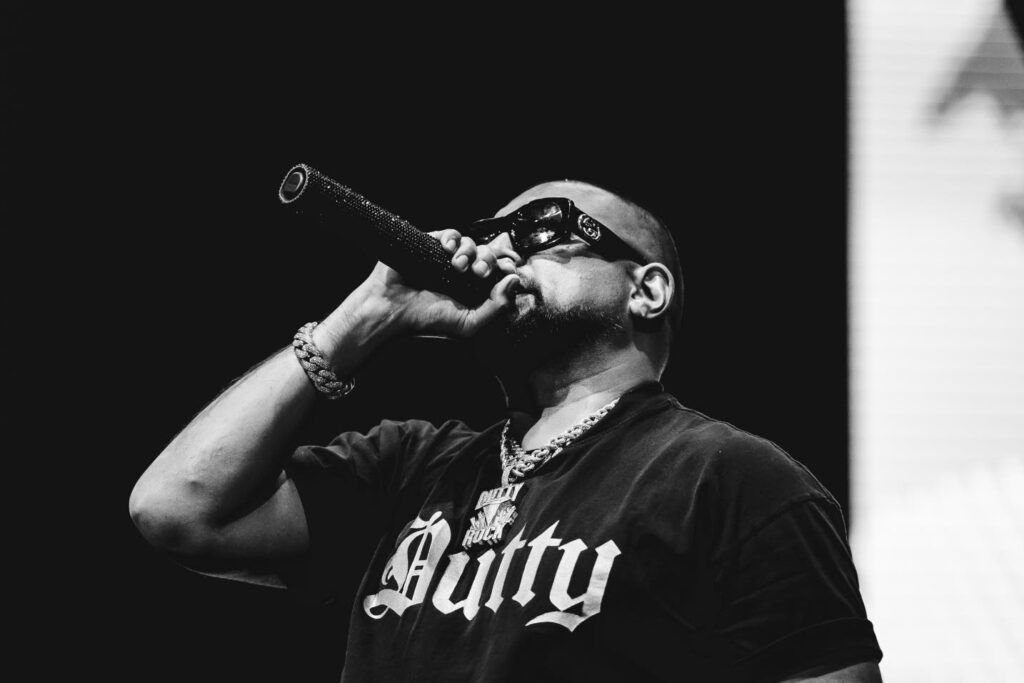
    Music producer Tony ‘CD’ Kelly’s visionary 2001 ‘Buy Out’ rhythm project has achieved a monumental milestone with Sean Paul’s iconic track ‘Like Glue’ receiving platinum certification in the United Kingdom. The British Phonographic Industry officially certified the song last Friday after it surpassed 600,000 units in combined sales and streams.

    The certification marks an extraordinary journey for the rhythm track that Kelly originally created in 1996 but shelved for five years before its eventual release. ‘Like Glue’ emerged as the most successful single from the compilation, reaching #3 on the UK Singles Chart, #13 on the Billboard Hot 100, and achieving top-10 status across multiple international markets including Canada, Australia, and several European countries.

    Kelly revealed in an exclusive interview that the rhythm’s creation stemmed from his experimental approach with new equipment. ‘I love to experiment and go against the grain,’ Kelly explained. ‘When I get new equipment, I dive into the sounds to see what may stimulate me and give me a vibe.’

    The ‘Buy Out’ rhythm spawned numerous hits including TOK’s ‘Money to Burn’, Mr Easy’s ‘She Drives Me Crazy’ (the first song recorded on the beat), Beenie Man’s ‘Miss LAP’, and Notch’s ‘Nuttin Nuh Go Suh’. All tracks were recorded at Kelly’s Lounge studio and released through his K-Licious label.

    This platinum certification represents Sean Paul’s tenth in the United Kingdom, solidifying his status as the most certified Jamaican artist in UK history. Kelly attributes the enduring success to the timeless quality of the music, noting that ‘classics are just that, classics’ and that new generations continue discovering the rhythm through social media and its inherent feel-good quality.


  • Chelsea appoint Liam Rosenior as new boss

    Chelsea appoint Liam Rosenior as new boss

    Chelsea Football Club has officially announced the appointment of Liam Rosenior as their new head coach, securing the 41-year-old Englishman on a substantial six-and-a-half-year contract that extends until 2032. This decision follows the sudden departure of former manager Enzo Maresca last week.

    Rosenior, who previously managed Hull City and most recently French Ligue 1 side Strasbourg, expressed profound humility and honor at his appointment. In an official statement released through Chelsea’s website, he emphasized his commitment to preserving the club’s unique spirit and proud trophy-winning legacy while building a team that embodies these core values in every match.

    The managerial transition occurs within the BlueCo multi-club ownership structure, with both Chelsea and Strasbourg operating under the Todd Boehly and Clearlake Capital consortium. Rosenior becomes the fourth permanent managerial appointment since BlueCo acquired the club from Roman Abramovich in 2022.

    Demonstrating remarkable professionalism, Rosenior personally addressed media in Strasbourg to announce his departure, expressing both excitement for his new role and genuine sadness about leaving the French club where he had developed strong connections. His emotional press conference revealed a coach deeply committed to respectful transitions, acknowledging that everything had been verbally agreed upon and would formalize within hours.

    Despite limited top-flight managerial experience, Rosenior brings a football pedigree as the son of former player and manager Leroy Rosenior, complemented by his own playing career across Fulham, Reading, and Hull City. His coaching journey includes various roles at Derby County, where he served as caretaker manager for 12 matches during the 2022/23 season, before taking permanent charge at Hull and subsequently achieving a respectable seventh-place finish with Strasbourg in Ligue 1.

    Rosenior’s first match in charge is anticipated to be Saturday’s FA Cup third-round tie against Championship side Charlton Athletic. Current under-21s coach Calum McFarlane will likely oversee Wednesday’s Premier League encounter at Fulham, maintaining continuity during this transitional period. Chelsea currently sits fifth in the Premier League standings, though recent form has shown only one victory in their last eight league matches, presenting immediate challenges for the incoming manager.

  • Broadgate main road in St Mary impassable due to landslide

    Broadgate main road in St Mary impassable due to landslide

    Residents and commuters in St. Mary, Jamaica, are facing significant travel disruptions following a major landslide that has completely blocked the Broadgate main road. The Jamaica Constabulary Force has officially declared the roadway impassable and is strongly advising the public to avoid the area entirely until further notice.

    In response to the incident, which was likely triggered by recent heavy rainfall in the region, law enforcement has implemented an immediate traffic diversion plan. Motorists are being urgently directed to utilize the Richmond main road as the primary alternative route to navigate around the affected zone. Authorities have emphasized the critical importance of exercising extreme caution while traveling through the parish, as unstable ground conditions may persist and present additional hazards.

    Emergency response teams and infrastructure crews have been deployed to assess the structural integrity of the area and initiate clearance operations. However, the full scope of the damage and the timeline for complete restoration of access remain under evaluation. The National Works Agency is coordinating with local police to manage the situation and provide real-time updates to the public as the remediation efforts progress. Officials have committed to issuing subsequent advisories as new information becomes available regarding the road’s status and the anticipated reopening.

  • US operation in Venezuela undermined international law—UN

    US operation in Venezuela undermined international law—UN

    GENEVA, Switzerland – The United Nations issued a stern condemnation on Tuesday regarding a recent U.S. military intervention in Venezuela, characterizing the operation as a severe breach of fundamental international legal principles. The forceful extraction of Venezuelan President Nicolas Maduro and First Lady Cilia Flores by American commandos has triggered significant diplomatic alarm.

    Ravina Shamdasani, spokesperson for the UN Human Rights Office, addressed the media in Geneva, emphasizing the inviolable tenet that nations must refrain from threatening or employing force against the territorial integrity or political sovereignty of any state. This statement directly challenges the legal justifications put forward by the United States for its audacious Saturday dawn operation, which was supported by aerial bombardments over Caracas and a substantial naval presence.

    The U.S. administration has defended its actions by citing the Maduro government’s extensive record of egregious human rights abuses. However, Shamdasani explicitly rejected this rationale, asserting that achieving accountability for such violations cannot be accomplished through unilateral military actions that themselves contravene international law. She underscored that her office has meticulously documented the progressive decay of Venezuela’s humanitarian and political climate for over a decade.

    Expressing profound apprehension, the UN official warned that the current instability, exacerbated by the U.S. intervention and the ensuing militarization within Venezuela, threatens to intensify the nation’s pre-existing crises rather than alleviate them. The incident marks a significant escalation in international tensions surrounding the Venezuelan situation.

  • Looking forward to next World Cup

    Looking forward to next World Cup

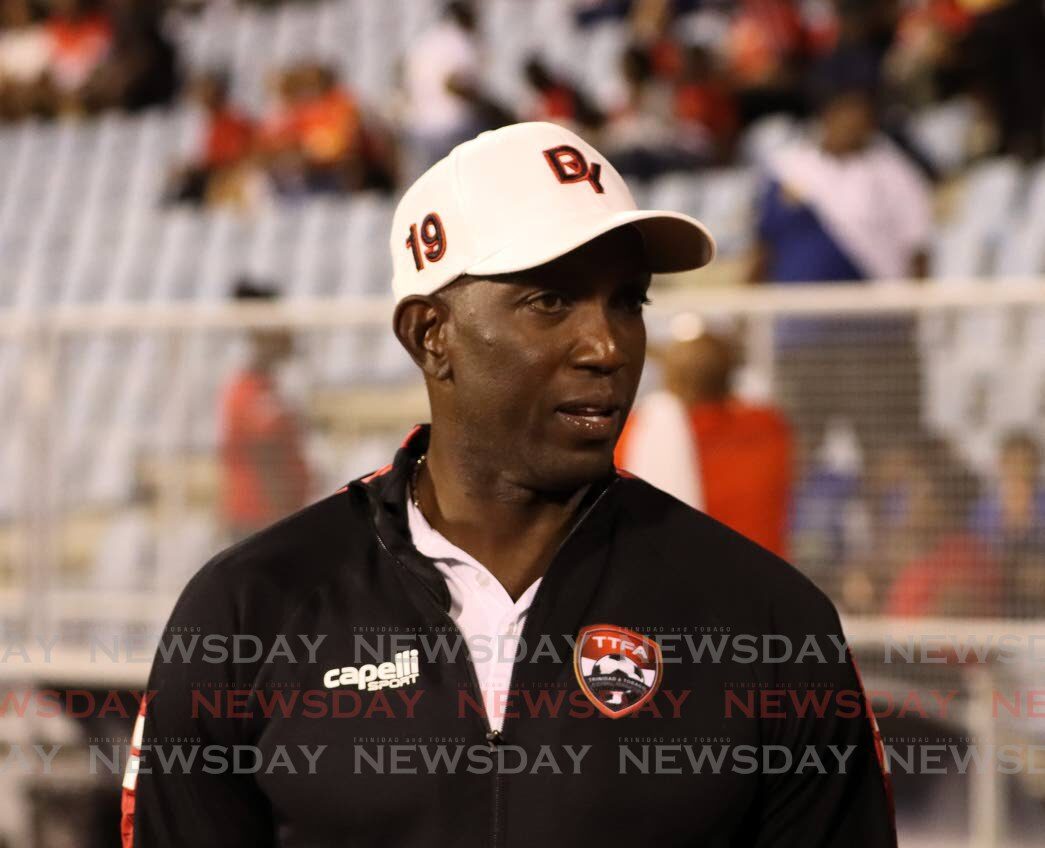
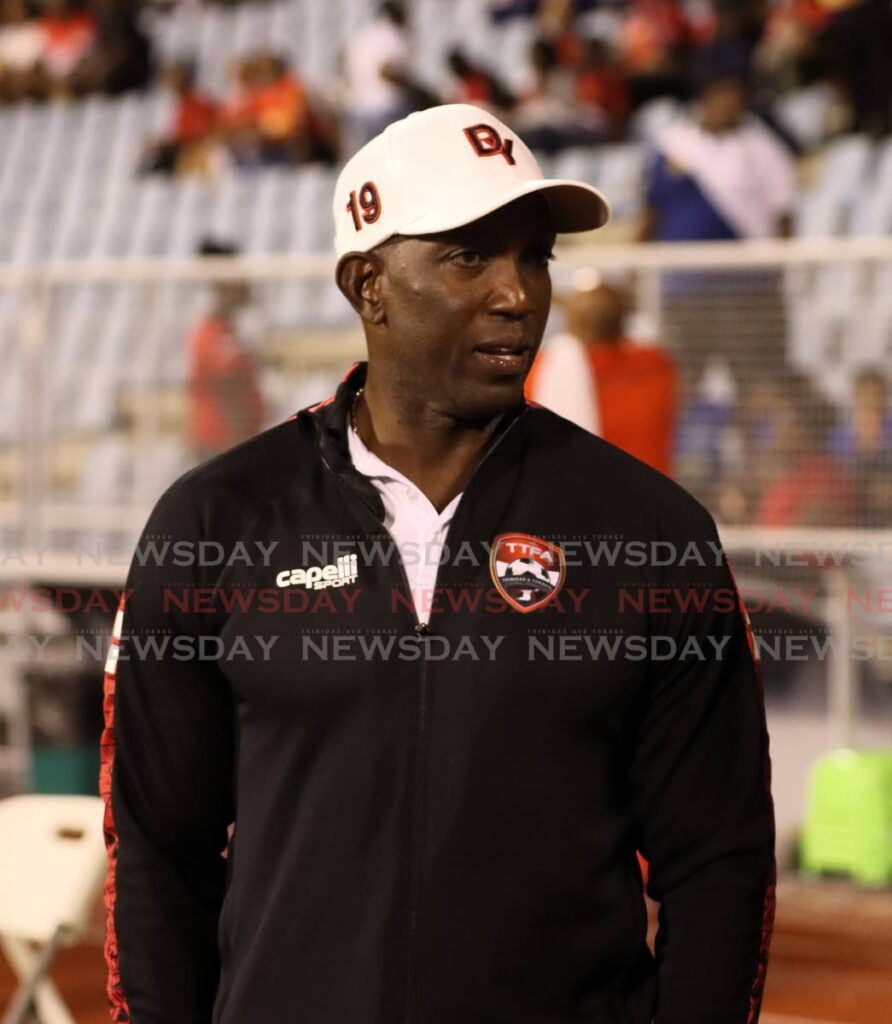
    Following Trinidad and Tobago’s failure to qualify for the 2026 FIFA World Cup under head coach Dwight Yorke, a passionate public appeal has emerged calling for strategic overhaul of the national football program.

    The critique, published in Newsday’s Letters to the Editor section by Princes Town resident AV Rampersad, argues for fundamental changes in team composition and philosophy. The central recommendation advocates for building the senior squad around young, home-based talent rather than relying on foreign-based professionals, who are perceived to approach domestic matches with insufficient competitive intensity.

    The letter characterizes international friendlies and home matches involving overseas players as ‘fete matches’ where the outcome becomes secondary to entertainment and celebration. This approach, the author contends, undermines serious competitive development when ‘winning is not everything—it is the only thing.’

    Despite the disappointing qualification campaign, the commentary expresses support for retaining Yorke as technical director while completely reimagining player selection criteria. The argument emphasizes that experience will naturally develop through sustained international exposure for domestic league players, creating a more dedicated and affordable national pool.

    The analysis concludes with forward-looking perspective, suggesting the federation should immediately begin constructing a youth-oriented squad capable of mounting a serious qualification bid for the 2030 World Cup cycle through sustained development rather than short-term solutions.

  • Odle wins NCC’s Welcome to the Gayelle in Moruga

    Odle wins NCC’s Welcome to the Gayelle in Moruga

    In a triumphant return to competitive form, five-time national stickfighting champion O’Neil Odle emerged victorious at the inaugural National Carnival Commission’s Welcome to the Gayelle tournament. The historic event, held on January 3rd at the Moruga Multi-Purpose Youth and Sport Facility, marked a significant revival of traditional martial arts within Trinidad and Tobago’s cultural landscape.

    The competition witnessed fierce athletic displays as more than a dozen nationally-recruited contenders vied for the prestigious top prize of $10,000. Selwyn John secured second position while Terrance Marcano claimed third place in the intensely contested matches that characterized the evening’s proceedings.

    According to the Ministry of Culture and Community Development, the event exceeded organizational expectations with robust community engagement. Over 200 patrons attended the free-admission spectacle, which featured diverse entertainment segments alongside the primary competitive bouts. The ministry emphasized that the tournament series aims to strengthen and preserve the national stickfighting circuit through accessible community-based events.

    Minister Michelle Benjamin personally addressed attendees, highlighting the government’s commitment to cultural preservation. The Welcome to the Gayelle initiative represents a single-round competition format scheduled across multiple communities, combining athletic competition with cultural performances.

    Future installments are confirmed for January 10th at Debe Junction and January 17th at Constantine Park in Tunapuna. All events will commence at 7 PM local time with live streaming available through the NCC’s official YouTube, Facebook, and Instagram platforms, ensuring global accessibility to these cultural showcases.

  • Coach Emrit: Players looking in must pressure Red Force starters

    Coach Emrit: Players looking in must pressure Red Force starters

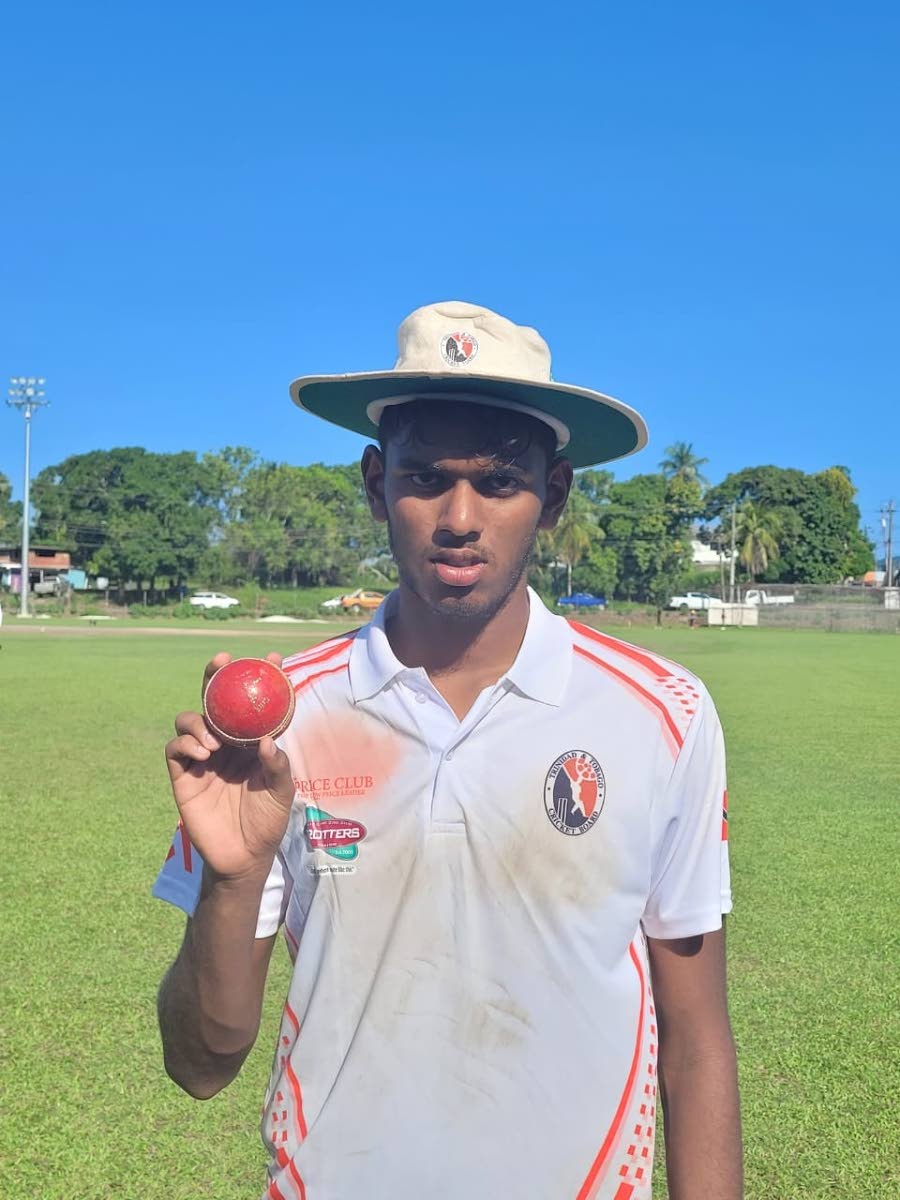
    Trinidad and Tobago Red Force head coach Rayad Emrit has issued a clarion call to domestic cricketers, emphasizing that exceptional performances in the upcoming local club season could secure coveted spots on the national squad for the West Indies Four-Day Championships commencing in April. With the regional tournament undergoing a shortened format and a later start this year, Emrit underscored a critical window of opportunity for emerging players to stake their claim.

    Despite finishing third in the 2025 championship behind champions Guyana Harpy Eagles and runners-up Barbados Pride, the Red Force management is not complacent. Emrit highlighted the importance of building a deep, competitive squad where reserve players exert significant pressure on the starting XI. ‘It is very important that your backup players are as good as your players on the field,’ Emrit stated. ‘If your reserves are very strong, then it puts a lot of pressure on the playing XI. It is good to have that headache.’

    Emrit explicitly warned against mediocrity, setting a high performance threshold for national selection. He asserted that averaging below 30 in club cricket is insufficient for regional success, signaling a shift towards a meritocracy based on tangible results. ‘We are not going to settle for mediocrity… We are not going to pick guys who are averaging 20 and 25 in club cricket to represent the national team. It is not going to work like that,’ he declared.

    Identifying specific talent, Emrit named several promising players on the selection radar, including Shatrughan Rambaran, Abdul-Raheem Toppin, Aadian Racha (currently with the West Indies Under-19 team), and Brendan Boodoo, another West Indies Under-19 alumnus. Their inclusion, however, is contingent upon consistent high-level performances in the National League competition set to begin in the coming weeks.

    Preparations for the regional campaign are set to intensify, with training sessions scheduled to commence on January 8. The initial phase will concentrate on elevating fitness, strength, conditioning, and mental fortitude—an area Emrit believes requires significant enhancement. Reflecting on the previous season, he conceded that the Guyana Harpy Eagles possessed a superior fitness level, a competitive edge the Red Force aims to develop. Following this conditioning period, the squad will engage in net sessions and trial matches to finalize team selection.

  • Test cricket: A fantastic game

    Test cricket: A fantastic game

    Amidst the rising popularity of shorter cricket formats, Test cricket continues to demonstrate its unparalleled strategic depth and enduring appeal. Unlike limited-overs variations, the traditional five-day format presents a complex battle of wits between bowler and batsman, where field placement ingenuity and pitch characteristics create a dynamic sporting theater that purists consider cricket’s ultimate expression.

    The essence of Test cricket lies in its unrestricted tactical freedom. Captains enjoy complete autonomy in field positioning (with the singular exception of limiting two fielders behind square leg), enabling sophisticated traps designed to induce batting errors. This strategic dimension transforms each delivery into a psychological duel where bowlers deploy deceptive variations while batsmen must constantly assess defensive and offensive options.

    Recent Australia-England Test matches highlighted how pitch preparation dramatically influences outcomes. The Melbourne Test witnessed an astonishing 36 wickets falling within 142 overs, leaving groundsmen and players astonished. Curator Matt Page acknowledged that leaving 10mm of grass proved excessive, demonstrating how human judgment in pitch preparation becomes an integral game element.

    Pitch conditions interact profoundly with weather patterns—sunny humidity versus cloud cover affects moisture retention and grass characteristics, requiring careful water management to maintain playing quality across five days. These variables demand batsmen develop technical adaptability while offering bowlers constantly evolving advantages based on surface conditions.

    The format’s popularity remains robust, evidenced by Melbourne’s record-breaking attendance exceeding 97,000 spectators across two days during recent Tests. This sustained enthusiasm contrasts with T20’s constraints, where bowlers face four-over limitations and field placements are standardized, reducing strategic complexity.

    Test cricket’s enduring appeal resides in its nuanced drama, technical variety, and uncompromising examination of skill—qualities that continue to captivate players and spectators despite evolving sporting preferences.

  • Looking forward to next World Cup

    Looking forward to next World Cup

    A pointed critique has emerged regarding the Trinidad and Tobago Football Association’s (TTFA) recent failure to secure qualification for the 2026 FIFA World Cup under head coach Dwight Yorke. The commentary, presented in a letter to the editor, calls for a fundamental strategic shift in the national team’s development philosophy.

    The core argument posits that the future of Trinidad and Tobago football hinges on constructing a squad primarily composed of young, home-based players. The author contends that foreign-based professionals often approach domestic matches with a lack of competitive seriousness, treating them as ‘fete matches’ where the outcome is secondary to the experience. This mentality, it is argued, is detrimental to building a cohesive and results-oriented national team.

    In a staunch defense of the current leadership, the letter concludes with a firm endorsement to ‘Keep Yorke,’ suggesting that the project requires time and a renewed focus on local talent. The message is underscored by a stark competitive ultimatum: ‘Winning is not everything. It is the only thing.’ This perspective advocates for a long-term rebuilding strategy centered on domestic leagues, with the aim of developing experience and cohesion for future World Cup campaigns, specifically looking ahead to 2030.

  • ‘Democrazy’

    ‘Democrazy’

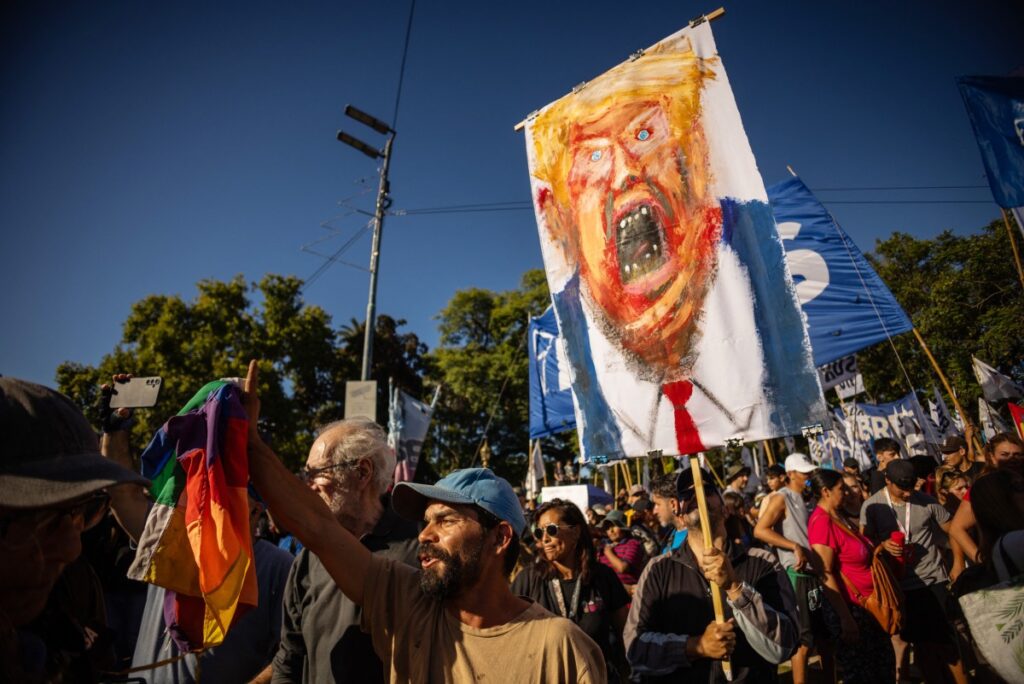
    The controversial extraction of Venezuelan leader Nicolás Maduro by United States authorities has ignited intense debate regarding the preservation of international legal standards. While potentially justifiable under specific American statutes, this operation represents a severe breach of established international protocols governing cross-border conduct.

    Despite criminal proceedings initiated against Maduro in New York federal court on January 5th regarding drug trafficking allegations, the circumstances of his apprehension remain legally questionable. The unsealing of indictments, assignment of legal counsel, and entry of pleas cannot rectify the fundamental irregularities surrounding his transfer to American jurisdiction.

    Maduro’s declaration of innocence from the courtroom dock contrasts starkly with the background of a U.S. president who has consistently demonstrated contempt for judicial processes while avoiding accountability for the January 6th insurrection. The current administration’s justice department faces additional scrutiny over alleged violations of the Epstein Files Transparency Act.

    The response from regional leaders has revealed concerning patterns of diplomatic caution. Trinidad and Tobago’s prime minister, while permitting covert radar installations in Tobago and discouraging public criticism of Trump, has simultaneously distanced the nation from participation in these operations. This diplomatic positioning occurs alongside muted responses from Caricom regarding sovereignty violations, suggesting widespread apprehension about potential retaliatory measures from the Trump administration.

    The erosion of international governance structures accelerated through conflicts in Gaza and Ukraine now faces further deterioration. The unilateral abduction of a national leader establishes dangerous precedents that prioritize power over legal frameworks, imperialistic ambitions over democratic principles, and unilateralism over international cooperation.

    With Venezuela’s political future remaining uncertain and international institutions like the United Nations limited to symbolic condemnations, the global community confronts a transformed geopolitical landscape where might increasingly supersedes established legal conventions.