作者: admin

  • COMMENTARY: Is Accepting Refugees in the National Interest?

    COMMENTARY: Is Accepting Refugees in the National Interest?

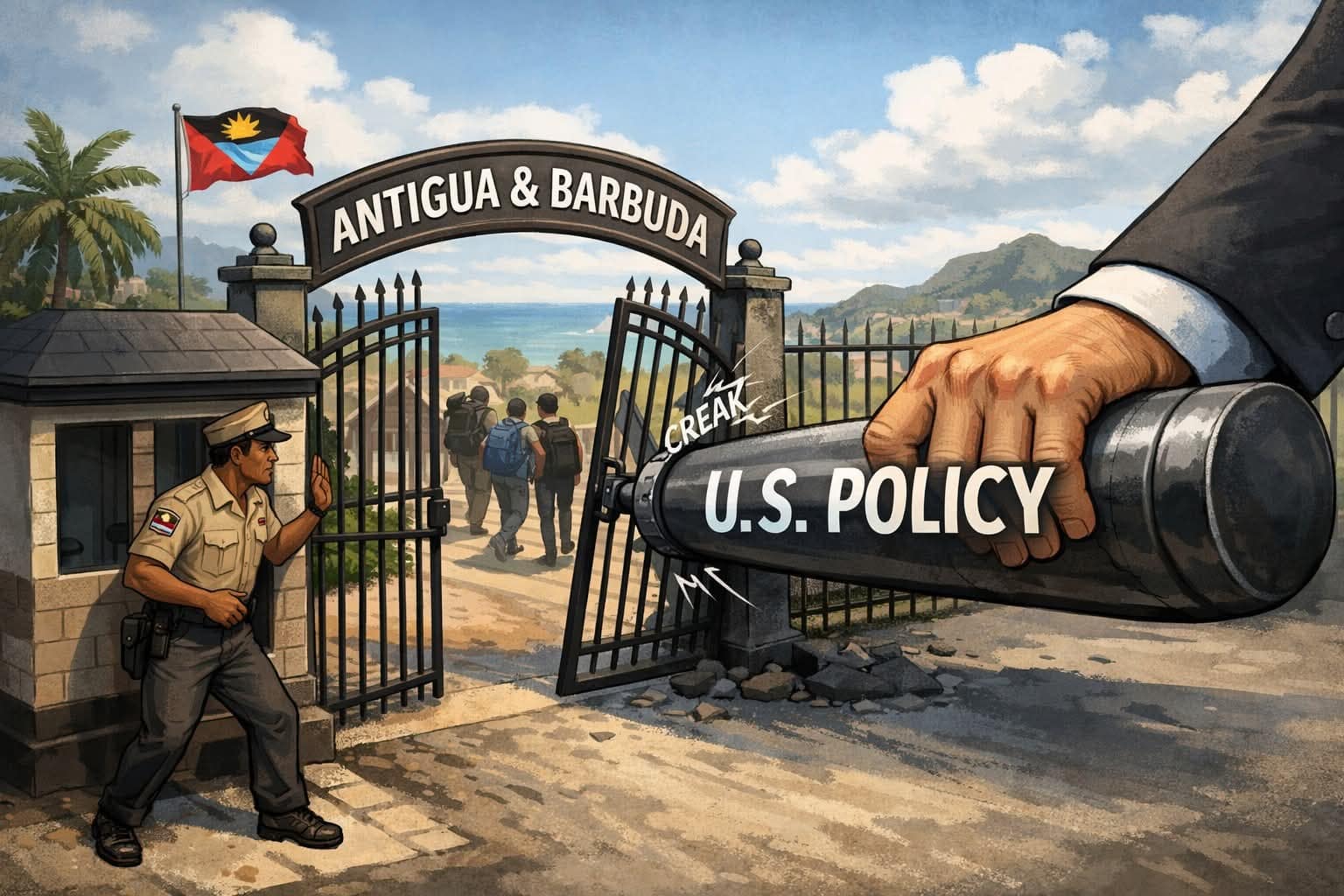
    A profound national debate is unfolding across Antigua and Barbuda regarding the government’s decision to accept deportees from the United States, a move critics are labeling as potentially catastrophic for the nation’s sovereignty and social fabric. Political commentator Yves Ephraim has framed this development as an existential crossroads for the twin-island state, urging citizens to look beyond partisan politics and consider the long-term implications.

    The timing of this agreement, coordinated simultaneously with neighboring Dominica, raises significant geopolitical questions. The arrangement follows closely behind recent diplomatic efforts to reverse U.S. visa restrictions and controversial allegations of Caribbean leaders’ collusion in the capture of Venezuelan President Nicolás Maduro. This synchronization suggests a broader strategic negotiation rather than an isolated humanitarian gesture.

    Ephraim articulates four core objections to the policy: First, he questions whether Antigua and Barbuda risk becoming a ‘dumping ground’ for individuals deemed undesirable by the United States and their countries of origin, potentially earning the derogatory ‘sh*thole country’ label previously used by U.S. officials. Second, he warns against trading national dignity for visa privileges, establishing a dangerous precedent of concession under pressure. Third, he challenges the fairness of a ‘friendly’ nation denying entry to Antiguan citizens while expecting unconditional acceptance of U.S. deportees. Finally, he suggests this agreement could permanently brand the nation as a security concern, justifying continued visa restrictions.

    The commentary draws parallels with global migration challenges, specifically referencing increased knife violence and sexual assaults in the United Kingdom following substantial refugee influxes. Ephraim emphasizes that economic consequences remain unassessed but potentially devastating. He concludes with a powerful invocation of the national anthem’s call to ‘defend her liberty,’ urging citizens to consider what future they envision for their children and whether accepting ‘dubious rejects’ aligns with that vision.
  • Venezuela’s Liberation is a signal: The Dominican Republic must act

    Venezuela’s Liberation is a signal: The Dominican Republic must act

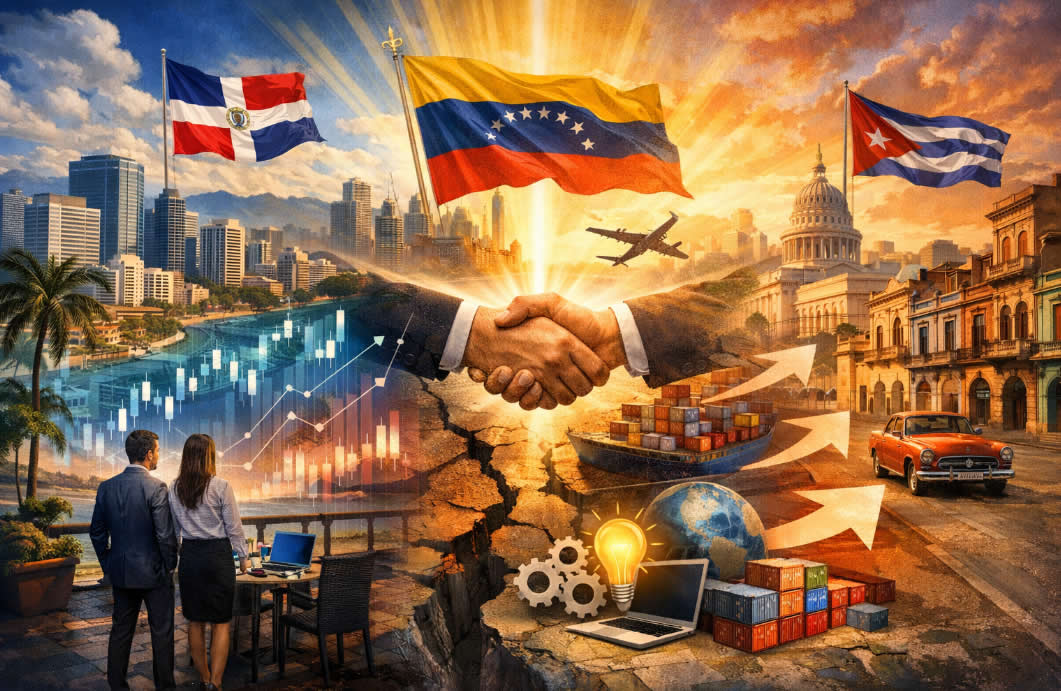
    A strategic recalibration is underway across Latin America, driven not by political declarations but by subtle shifts in economic posture. Venezuela’s gradual reintegration into regional dialogues—alongside potential Cuban transitions—is triggering significant behavioral changes among investors, entrepreneurs, and diaspora communities. This evolving landscape presents both unprecedented opportunities and critical warnings for the Dominican Republic.

    The real prize isn’t merely participating in reopening markets but becoming the operational platform that enables regional expansion. Historical patterns demonstrate that when long-closed economies reopen, they don’t gradually return—they experience explosive growth. The true beneficiaries are rarely the reopening countries themselves, but rather the nations that establish themselves as command centers for incorporation, talent development, capital structuring, and intellectual property registration.

    The Dominican Republic possesses unique advantages for this platform role: a growing digital nomad ecosystem, culturally agile workforce, emerging startup scene, international visibility, and economically influential diaspora networks. However, positioning requires deliberate engineering rather than passive assumption.

    For digital nomads, this represents leverage opportunity—early embeddedness in developing ecosystems grants access to high-value consulting, cross-border ventures, and equity opportunities. For Dominican entrepreneurs, it’s about scaling exportable structural necessities: logistics systems, financial infrastructure, workforce platforms, and compliance technologies rather than consumer apps alone.

    The critical risk involves strategic preparation. Without establishing itself as the designated center for company formation, system design, and operational management, the DR risks being overshadowed when Venezuela and Cuba attract massive international attention, infrastructure investment, and returning diaspora resources.

    Strategic imperatives include transitioning from talent destination to system builder, developing exportable intellectual property in SaaS, fintech, and smart city technologies, and preparing to provide payment systems, workforce pipelines, and compliance structures for reopening markets. This requires architectural design rather than mere hustle—creating frameworks that transform creativity into scalable value.

    This moment represents a rare convergence of stability, visibility, talent mobility, and regional curiosity. The Dominican Republic’s opportunity lies not in its size but in its timing. The fundamental question remains: will the nation design the changes benefiting the region or merely benefit from changes designed elsewhere?

  • Internationale kritiek op ontvoering Maduro tijdens spoedbijeenkomst VN-Veiligheidsraad

    Internationale kritiek op ontvoering Maduro tijdens spoedbijeenkomst VN-Veiligheidsraad

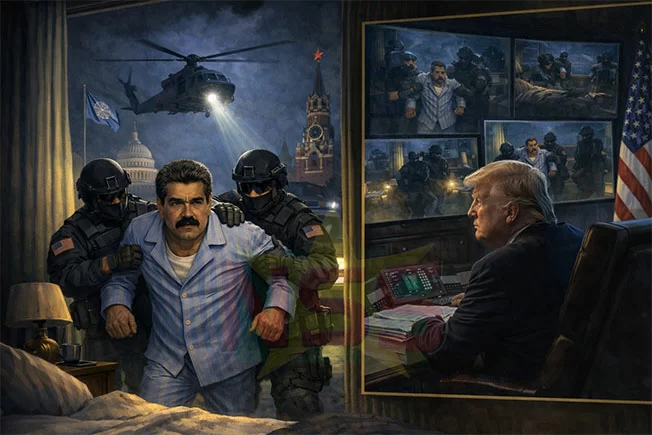
    The United Nations Security Council convened an emergency session in New York following the controversial apprehension of Venezuelan President Nicolás Maduro and his wife by US special forces. The operation, which multiple member states characterized as a violation of international law, has sparked unprecedented diplomatic backlash against Washington.

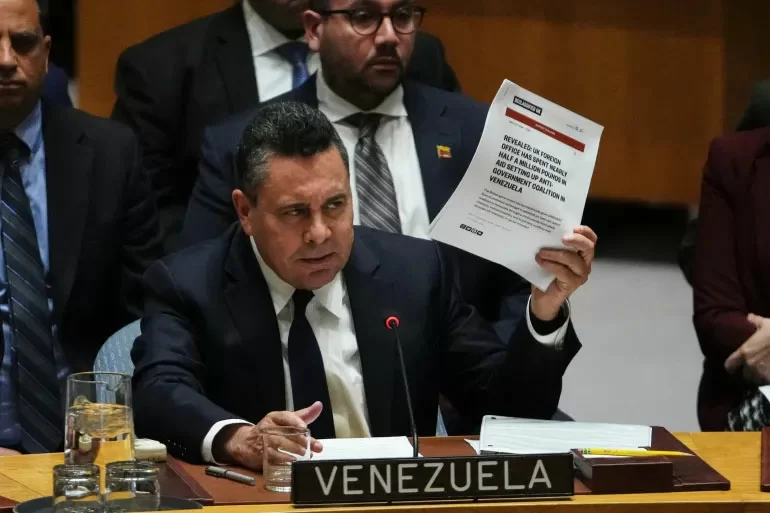
    Venezuela’s UN Ambassador Samuel Moncada denounced the mission during Monday’s urgent meeting, labeling it “an illegitimate armed assault without any legal justification.” This sentiment found resonance across the diplomatic spectrum, with unusual allies Russia, China, Cuba, and Colombia jointly condemning the action.

    The criticism extended beyond traditional US adversaries. Mexico and Denmark—typically aligned with American interests—delivered sharp rebukes. Mexican representatives emphasized the Security Council’s obligation to avoid double standards, while Danish diplomats pointedly referenced border inviolability, an apparent allusion to former President Trump’s previous threats regarding Greenland.

    France, initially supportive of Maduro’s detention, recalibrated its position, noting the military operation contravened principles of peaceful conflict resolution and prohibitions on unilateral force.

    Only the United States defended the operation, with Ambassador Mike Waltz characterizing it as a “surgical enforcement action” targeting two fugitive suspects. The White House justified the mission and accompanying airstrikes as essential for national security, despite presenting no verified evidence linking Maduro to “narcoterrorist” cartels.

    British and Latvian representatives redirected focus to Venezuela’s internal affairs, citing widespread repression, corruption, and drug trafficking under Maduro’s administration. The UK ambassador explicitly described Maduro’s claim to power as fraudulent.

    The Venezuelan government has called for international sanctions against the US and warned of escalating regional tensions. Both pro-Maduro loyalists and opposition factions within Venezuela remain on high alert, anticipating potential further conflict.

    Human rights organizations and numerous nations advocate for diplomatic solutions, cautioning against military intervention in an already volatile region. The Security Council remains divided, with permanent members threatening vetoes against additional measures.

    These developments highlight deteriorating international norms concerning sovereignty and the potential for destabilization throughout Latin America.

  • Security protocols activated at AILA after threat on Copa Airlines flight

    Security protocols activated at AILA after threat on Copa Airlines flight

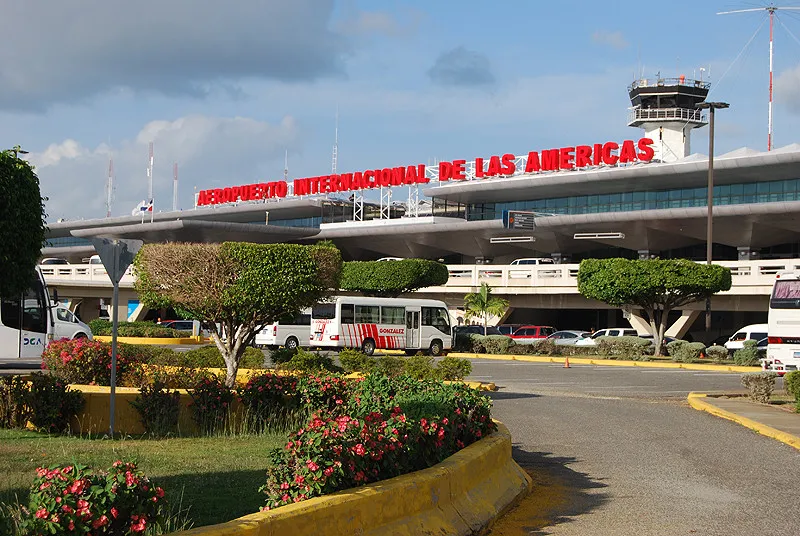
    Santo Domingo’s Las Américas International Airport (AILA) implemented comprehensive security measures on Tuesday after receiving a credible threat against Copa Airlines flight CM299. The airport administration, in collaboration with the Specialized Airport and Civil Aviation Security Corps (CESAC), executed a coordinated emergency response following established safety protocols designed to safeguard passengers, aviation personnel, and ground crew.

    As a precautionary measure, airport authorities temporarily diverted two incoming flights: JetBlue 590 was redirected to Cibao International Airport in Santiago while United Airlines flight 2404 was instructed to land at Punta Cana International Airport. The swift implementation of security procedures ensured that overall airport operations continued without significant disruption beyond these temporary diversions.

    Official sources confirmed that normal operations resumed promptly following the security sweep, with both diverted flights expected to return to AILA once authorities cleared the situation. CESAC, as the lead investigative agency, has assumed responsibility for all aspects of the threat assessment and will provide further details regarding the incident as the investigation progresses. The incident demonstrated the effectiveness of the Dominican Republic’s aviation security infrastructure in responding to potential threats while minimizing operational impact.

  • Reduced rainfall expected as frontal system weakens

    Reduced rainfall expected as frontal system weakens

    SANTO DOMINGO – Meteorological authorities in the Dominican Republic have confirmed the gradual dissipation of the frontal system that recently impacted the nation, signaling a substantial improvement in overall weather patterns. The latest assessment from the Dominican Institute of Meteorology (Indomet) indicates a nationwide decline in precipitation activity.

    While isolated morning showers may persist in specific northern and eastern provinces—including Puerto Plata, Espaillat, Hermanas Mirabal, La Altagracia, El Seibo, and Samaná—the majority of the country can anticipate predominantly clear skies. Meteorological analysis attributes the minimal cloudiness to an incoming low-humidity air mass. Isolated afternoon precipitation remains possible in elevated mountainous and densely forested regions due to localized climatic effects.

    Despite the improving forecast, the Emergency Operations Center (COE) has issued continued public safety warnings. Officials emphasize that rivers, streams, and ravines continue to pose significant threats due to persistently high water levels, powerful undercurrents, and reduced water clarity. The population is strongly advised to avoid all aquatic recreational activities and refrain from attempting to cross flooded waterways. The COE reiterated the importance of heeding official directives and maintaining vigilance by monitoring subsequent weather advisories for further developments.

  • Galibi al twee weken zonder water en stroom: Alles staat stil, dit is een ramp

    Galibi al twee weken zonder water en stroom: Alles staat stil, dit is een ramp

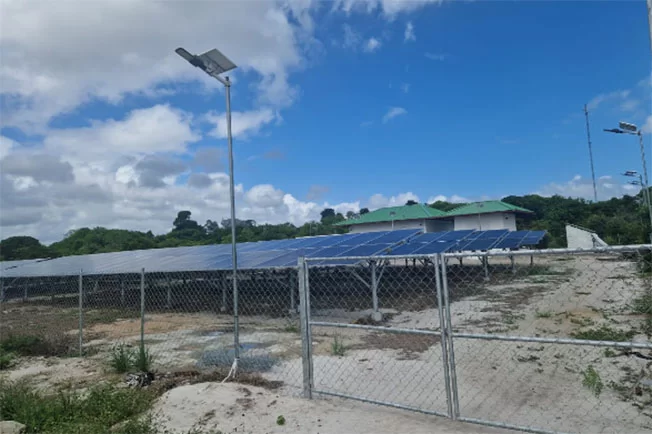
    The indigenous village of Galibi in Suriname’s Marowijne district has descended into a severe humanitarian crisis, enduring over two weeks without electricity and running water despite the recent completion of a solar energy project. Village Captain Ricardo Pané describes the situation as catastrophic, with daily life completely paralyzed.

    The power outage has triggered a chain reaction of problems: perishable food in refrigerators and freezers is spoiling, causing significant financial losses for households. Residents have been forced to rely on rainwater collection, while some families resort to using well water for cooking. Captain Pané emphasized the inequality in access, noting that not every household has a well, and many cannot afford frequent trips to Albina to purchase drinking water and ice.

    This crisis forced the community to endure the recent holiday season without basic utilities. Technical teams from the Ministry of Natural Resources have attempted twice to repair a defective generator, but both efforts proved unsuccessful. The electrical failure has simultaneously crippled the water supply system, leading to school closures and severely limited operations at government offices and health services.

    The situation is particularly frustrating given that PowerChina completed a solar panel project in November, which included a successful 72-hour trial operation. Captain Pané expressed bewilderment at the continued attempts to fix the old generator when a functional alternative exists. Additionally, the water installation has been malfunctioning for an extended period, with collaborative efforts underway with Total Energy to acquire a larger compressor to restore water pumping capabilities.

    “The government is fully aware of this emergency,” Pané stated. “Why must it reach this breaking point? We have urgently contacted both the district commissioner and the minister, and now await their response. This cannot continue—households are completely immobilized. Sanitation, laundry, everything has stopped. This is nothing short of a disaster.”

  • ILO reports Dominican unemployment at 4.9% in 2025

    ILO reports Dominican unemployment at 4.9% in 2025

    SANTO DOMINGO – The Dominican Republic has solidified its position as a regional leader in employment, maintaining one of Latin America’s lowest jobless rates according to newly released international data. Minister of Labor Eddy Olivares, citing the International Labour Organization’s (ILO) Labour Panorama 2025 report, announced the national unemployment rate reached approximately 4.9% in 2025, significantly outperforming the regional average of 6%.

    The nation’s economic resilience is largely attributed to robust expansion in labor-driven sectors including services, construction, and tourism. Minister Olivares credited this sustained employment recovery to the strategic public policies enacted under President Luis Abinader’s administration. These measures, which emphasize economic growth, social dialogue, and human-centric labor reforms, have collectively fortified the national job market.

    Looking forward, government projections indicate optimism for further improvement, with unemployment potentially dipping below the current 4.9% threshold by 2026. Strategic priorities will focus on enhancing youth employment opportunities, addressing workforce gender disparities, and accelerating the formalization of jobs. In collaboration with private sector partners and worker representatives, the Ministry of Labor plans to expand initiatives such as job placement services, first-job programs, vocational skills training, and comprehensive labor inspections. These coordinated efforts aim to cultivate an inclusive and sustainable labor framework for the future.

  • Column: Wie mag een president uit bed lichten?

    Column: Wie mag een president uit bed lichten?

    The recent detention of Venezuelan President Nicolás Maduro and his wife by United States authorities has ignited a profound debate about sovereignty, power politics, and the erosion of international legal norms. While Washington justifies the action as part of anti-narcotics operations, the incident represents a dangerous precedent in international relations.

    Maduro, despite controversies surrounding his administration, remains the democratically elected leader of a sovereign nation. International law explicitly protects sitting heads of state from foreign arrest and prosecution, establishing clear protocols through treaties, diplomatic channels, and international courts for addressing allegations against foreign leaders. The unilateral action bypasses these established mechanisms, substituting legal process with power-based intervention.

    The global response has been notably muted, revealing a troubling hypocrisy in the international community’s application of principles. Many nations that rightly condemned Russia’s invasion of Ukraine now demonstrate selective outrage when the United States violates international norms. This double standard undermines the very foundation of global governance.

    The United Nations Security Council remains paralyzed, particularly when a veto-wielding permanent member is directly involved in such actions. This institutional impotence exposes the fundamental flaw in the international system: rules only bind those without power to ignore them.

    Historical patterns suggest economic motivations behind the intervention, with Venezuela’s vast oil reserves and strategic location likely influencing the calculus. This echoes previous US military interventions in Iraq, Afghanistan, and Libya, which consistently produced chaos rather than democracy or stability.

    The silence of neighboring countries, including Suriname and CARICOM nations, carries significant implications. While caution is understandable, failure to defend sovereignty principles ultimately legitimizes their violation. Smaller nations particularly depend on a rules-based international order where might doesn’t automatically equal right.

    The operation reportedly resulted in casualties, though details remain scarce—another characteristic of interventions where accountability often follows action rather than preceding it.

    This situation transcends Venezuela or Maduro personally. It represents a critical test for whether international law maintains meaningful authority or merely serves as convenient rhetoric when aligned with powerful interests. The normalization of arbitrary power today establishes dangerous precedents that could affect any nation tomorrow.

  • CNTU launches pilot nighttime route from 11 p.m. to 5 a.m.

    CNTU launches pilot nighttime route from 11 p.m. to 5 a.m.

    Santo Domingo has initiated an innovative nighttime public transportation pilot program in response to the growing need for safe transit options for overnight workers. The National Central of Unified Transporters (CNTU) unveiled plans for a new route operating from 11:00 p.m. to 5:00 a.m. along the Duarte Highway–John F. Kennedy corridor.

    CNTU President William Pérez Figuereo emphasized the program’s primary objective: providing secure and dignified transportation for hundreds of night-shift employees who previously struggled with limited mobility options. The initiative specifically targets security personnel, restaurant staff, retail employees, street vendors, and day laborers who cannot access conventional taxi services due to financial constraints.

    The transportation union projects that approximately 500 businesses along the designated corridor could experience operational benefits from the extended service hours. Pérez Figuereo additionally highlighted potential secondary advantages, including reduced daytime traffic congestion as some commercial activities might shift to nighttime operations.

    Addressing security concerns inherent to nighttime operations, the CNTU leadership has formally requested protection support from the National Police and Ministry of Defense for participating drivers. Despite acknowledging the initiative’s potential initial lack of profitability, Pérez Figuereo strongly encouraged other transportation organizations to implement similar programs, framing the service as essential social infrastructure rather than purely commercial enterprise.

  • Authorities warn of sargassum arrival on Caribbean coasts by late January 2026

    Authorities warn of sargassum arrival on Caribbean coasts by late January 2026

    Santo Domingo environmental authorities have issued an alert regarding a significant sargassum seaweed incursion anticipated to reach Caribbean coastlines by January 2026. José Ramón Reyes, Vice Minister of Coastal and Marine Resources at the Ministry of Environment, indicated the algal phenomenon would likely follow patterns previously observed across the Antilles and Mexican coastlines.

    Unusual early detections have already been recorded, with sargassum appearing in atypical regions including northern coastal areas and eastern zones as early as December. Current nationwide estimates suggest approximately 800,000 tons of sargassum are present, though officials acknowledge difficulties in quantifying the full extent across all affected regions.

    In response to this growing environmental challenge, the Dominican government is implementing multiple strategic initiatives. The Ministry has established collaborative agreements with KOICA (Korean International Cooperation Agency) and the European Union’s Euroclima program to develop an advanced early warning system. This technology will provide coastal communities with critical 48 to 72-hour alerts before sargassum arrivals.

    Complementary monitoring efforts include a pilot project utilizing camera networks and drone surveillance in heavily impacted areas, developed through partnership with SOS Carbón. The Dominican Republic has additionally elevated the sargassum crisis to international forums, advocating for its recognition as a regional environmental emergency requiring coordinated multinational response strategies.