作者: admin

  • Universiteitsinstituut Kinderrechten lanceert folder bescherming van kinderen

    Universiteitsinstituut Kinderrechten lanceert folder bescherming van kinderen

    The University Institute for Children’s Rights at Suriname’s Anton de Kom University has launched a groundbreaking informational brochure designed to empower communities in identifying and preventing child abuse and domestic violence. This comprehensive resource provides crucial guidance for recognizing warning signs and taking appropriate action when children are at risk.

    The newly published document offers detailed explanations of what constitutes domestic violence against children, outlining specific behavioral and physical indicators that may signal abuse. It provides step-by-step instructions for concerned citizens to follow when they suspect a child is in danger, including legal procedures for obtaining protective orders through the judicial system.

    Additionally, the brochure features an extensive directory of essential support services and emergency contacts. Key institutions highlighted include local police departments, the Victim Support Bureau, Family Law Affairs Bureau, and the national Mi-helpline (accessible by dialing 123). This centralized information aims to streamline access to critical resources during emergency situations.

    Professor representatives from the Institute emphasized the importance of community vigilance, stating: ‘We must collectively refuse to turn a blind eye to signs of child maltreatment. This initiative represents our commitment to creating protective networks around vulnerable children through education and accessible reporting mechanisms.’

    The resource has been specifically designed as an accessible tool for parents, caregivers, educators, and community members, providing clear, actionable information without technical jargon. The digital version remains available for public download, ensuring widespread accessibility across Surinamese society.

  • Guyana will not strike a deal with US to settle border controversy with Venezuela

    Guyana will not strike a deal with US to settle border controversy with Venezuela

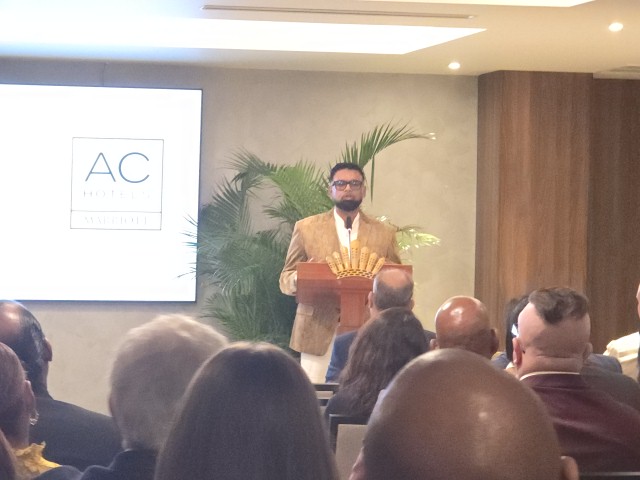
    President Irfaan Ali of Guyana has emphatically dismissed any possibility of yielding to potential United States pressure to negotiate a territorial settlement with Venezuela regarding the long-standing border controversy. Speaking to journalists during the inauguration of the AC Marriott Hotel in Ogle, East Coast Demerara, President Ali underscored that national security and territorial integrity remain non-negotiable priorities for his administration.

    ‘The safety and security of the Guyanese people, along with the integrity of our borders and sovereignty, will never be compromised,’ President Ali asserted, addressing speculation about potential US diplomatic intervention. While no formal request has been made by Washington, international relations analysts suggest the Trump administration might seek to broker an agreement ensuring unimpeded access to oil-rich zones in the Essequibo region, both onshore and offshore.

    The United States has consistently recognized Guyana’s existing borders across both Democratic and Republican administrations. Despite Guyana’s confidence in its case before the International Court of Justice regarding the validity of the 1899 Arbitral Tribunal Award, experts anticipate continued Venezuelan claims over the 160,000-square-kilometer Essequibo Region and its adjacent oil-abundant Atlantic waters.

    President Ali’s statements follow recent US actions in Venezuela that included the capture and extradition of President Nicolás Maduro and First Lady Cilia Flores to face charges related to narcotics, terrorism, and weapons violations. US President Donald Trump has declared that his administration would temporarily ‘run’ Venezuela, utilizing the nation’s oil revenues for its benefit.

    Addressing regional security concerns, President Ali highlighted significant shifts in the Caribbean’s democratic and security landscape, emphasizing the importance of stability in combating international criminal networks. He warned against complacency, noting that Guyana remains vulnerable to global networks influenced by events in other regions.

    The Guyanese leader also pointed to notable security improvements, citing a 25.5% reduction in serious crimes in 2025—the lowest in a decade—attributed to enhanced technology and community partnerships in law enforcement. ‘We are partnering with technology, innovation, and communities because investments depend heavily on a stable and secure environment,’ President Ali concluded.

  • Dossier houtexport  3: Waarom het vonnis in houtdossier ernstige vragen oproept…

    Dossier houtexport 3: Waarom het vonnis in houtdossier ernstige vragen oproept…

    A controversial court ruling in Suriname has compelled the state to issue phytosanitary certificates for timber shipments that demonstrably contradict their declared contents, creating both legal and administrative turmoil. Presiding Judge Robert Praag’s decision explicitly permits international non-compliance despite available alternatives, prioritizing economic interests over regulatory integrity.

    The judgment reveals the court’s awareness of the core issue: the certificates do not match the actual shipments. This represents not merely an interpretive discrepancy or administrative oversight, but objectively incorrect documentation. Nevertheless, the state must now issue these certificates under penalty of a SRD 1 million per hour fine.

    Historical context demonstrates this is not a sudden development. As early as August 2022, previous leadership at the Ministry of Agriculture, Livestock and Fisheries (LVV) and the National Plant Protection Organization (NPPO) identified systematic export of different wood species under the trade name ‘Mora roundlogs’ to India, violating both international phytosanitary regulations and India’s explicit import requirements. Internal correspondence shows the technical authority (NPPO) opposed issuing certificates for incorrect shipments, with international partners explicitly rejecting a proposed six-month ‘grace period’ in 2022.

    The court had several legally defensible alternatives: upholding international obligations as paramount, redirecting economic damages to civil proceedings against the state for years of failed policy, or providing temporary relief without legitimizing incorrect documentation. Instead, the ruling accepts the factual inaccuracy of the certificates based on the argument of irreversible economic damage.

    This decision shifts the burden of years of failed governance onto the technical integrity of the NPPO, Suriname’s international reputation, and its relationship with India. Phytosanitary certificates represent legal-international instruments rather than commercial documents, making deliberate issuance of incorrect documentation institutional falsehood rather than pragmatism.

    India’s perspective differs significantly from Suriname’s internal discussions. Indian authorities have repeatedly clarified that trade names are insufficient, only correct botanical names are permitted, and deviations are unacceptable regardless of internal problems in exporting countries. A national court ruling does not alter these requirements.

    The judgment has postponed rather than resolved the underlying issue. While exports remain largely on hold and inventories accumulate, the core problem persists: structural non-compliance cannot be normalized through judicial order. The LVV ministry has complied with the ruling under protest while simultaneously filing an appeal, recognizing that in a constitutional state, law should never be exchanged for convenience—not even once.

  • Dominican Republic among the best Caribbean countries for diving: here’s where to go

    Dominican Republic among the best Caribbean countries for diving: here’s where to go

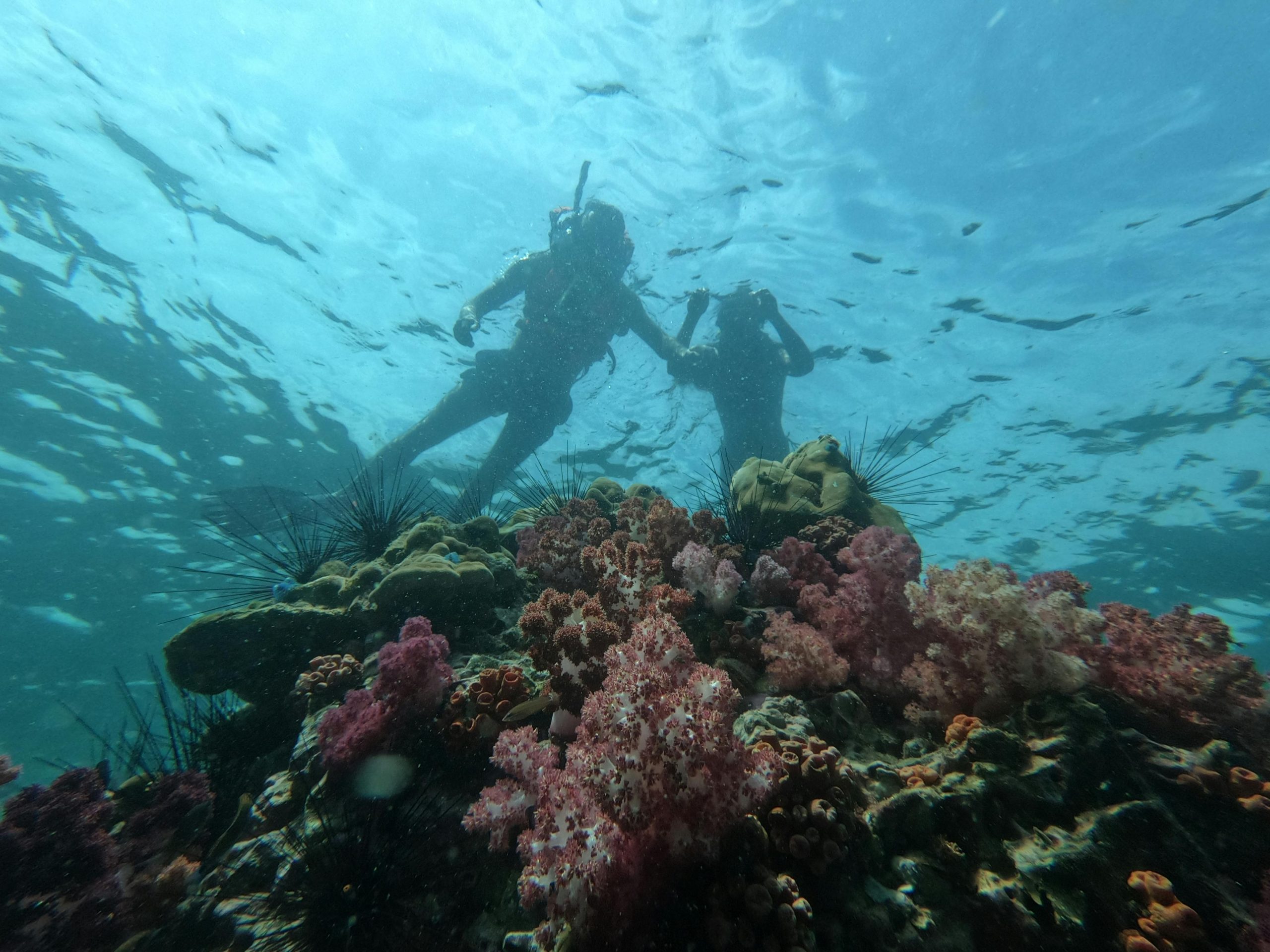
    The Dominican Republic has solidified its position as a top-tier Caribbean destination for scuba diving enthusiasts, leveraging its unique geographical positioning between the Atlantic Ocean and Caribbean Sea. This strategic location provides exceptionally diverse marine environments that significantly enhance underwater exploration experiences.

    Over recent years, the nation has developed into a highly attractive hub for divers of all skill levels seeking to encounter vibrant coral reefs, exotic tropical fish species, historical shipwrecks, and even shark interaction opportunities in controlled environments. This broad spectrum of aquatic adventures has substantially elevated the country’s profile within the adventure tourism sector.

    International recognition recently came from tour operator Divers Team, which positioned the Dominican Republic ninth among ten preferred Caribbean diving locations. This ranking places the destination alongside established diving meccas including Colombia’s San Andrés, Mexico’s Cozumel, Belize’s Blue Hole, and Cuba’s Jardines de la Reina. The Dominican Republic distinguishes itself through particularly varied underwater ecosystems.

    The Professional Association of Diving Instructors (PADI), the global diving industry’s foremost certifying organization, explicitly endorses the Dominican Republic as an ideal diving location for novices, advanced practitioners, and underwater photographers. PADI’s official resources document frequent sightings of sea turtles, rays, moray eels, and reef sharks alongside brilliantly colored tropical fish species.

    Additional advantages include consistently warm water temperatures, exceptional visibility conditions, and easily accessible dive sites. The country’s underwater attractions encompass coral reef systems, submerged caverns, dramatic wall formations, and historically significant shipwrecks distributed across multiple regions with numerous dive locations.

  • Hinche : OFATMA forces the closure of 3 construction sites

    Hinche : OFATMA forces the closure of 3 construction sites

    In a significant enforcement action, Haiti’s Occupational Health, Safety and Social Security Agency (OFATMA) has compelled the closure of three construction sites in the Hinche region for systematic non-compliance with labor regulations. The crackdown followed repeated refusals by site operators to register their workers with the national social security system, despite receiving multiple formal notices.

    The regulatory body characterized the operators’ conduct as deliberate resistance to legal obligations, prompting authorities to order immediate shutdowns. This decisive measure aims to terminate practices that violate Haiti’s social protection statutes and workplace safety standards.

    The enforcement operation was conducted under judicial supervision with support from officers of the Haitian National Police (PNH), ensuring adherence to legal protocols and maintaining public order throughout the process.

    OFATMA investigators reported that site operators exposed workers to substantial hazards by employing them without legal protection against occupational accidents and construction-related risks. The agency condemned this practice as a severe infringement of fundamental worker rights.

    The institution reaffirmed that Haitian legislation mandates all employers to formally declare their employees and fulfill corresponding social security contributions. Non-compliance coupled with defiance of regulatory authority subjects violators to stringent administrative sanctions and potential judicial proceedings.

    Legal actions are presently under deliberation, while any resumption of operations at the shuttered sites remains conditional upon complete regularization in strict accordance with existing legal frameworks.

  • Insecurity : Attacks and population displacements in Montrouis…

    Insecurity : Attacks and population displacements in Montrouis…

    The Lower Artibonite region of Haiti continues to grapple with a deteriorating security situation as a series of coordinated armed attacks have triggered significant population displacements and created severe humanitarian challenges. Following earlier violence in Pont-Sondé on November 29 and L’Estère on December 1, the commune of Montrouis experienced renewed hostilities between December 23-25 when armed groups targeted the 1st section of Délugé. The Canaan gang specifically attacked the locality of Piâtre, burning numerous homes and intensifying pressure on already strained host communities.

    According to the International Organization for Migration, approximately 1,120 individuals have been displaced by the recent violence, with all affected persons finding refuge with host families primarily in neighboring areas and the city of Saint-Marc. The Communal Section Administrative Council and General Directorate of Civil Protection report that most displaced persons are concentrated in surrounding localities including Rozo, Aymé, and Dipen. However, humanitarian access remains severely constrained as roads to these areas are subject to ongoing armed attacks and remain extremely dangerous for travel.

    The security environment remains highly volatile, particularly impacting humanitarian operations throughout the Saint-Marc commune. National Road #1, a critical transportation artery, remained impassable at Montrouis as of January 6 due to security concerns. These access constraints have significantly hampered rapid humanitarian response efforts, limiting the ability of aid workers to reach affected populations and maintain essential services.

    The General Directorate of Civil Protection in Artibonite, with support from the UN Office for the Coordination of Humanitarian Affairs, is actively monitoring the situation through existing coordination mechanisms established for the Lower Artibonite region. The continued violence highlights the persistent security challenges facing Haiti and the growing humanitarian needs of vulnerable populations caught in conflict-affected areas.

  • Ambulance crashes into utility pole

    Ambulance crashes into utility pole

    A medical emergency response turned hazardous on Saturday evening when an ambulance collided with a utility pole in the Tourama area, situated along the route between Overland and Orange Hill. The incident prompted immediate emergency protocols as authorities rushed to assess the situation.

    While official reports have not yet confirmed the extent of injuries stemming directly from the collision, emergency services deployed a secondary ambulance from Georgetown to the location. This backup unit provided medical assistance and transported at least one individual to a nearby hospital for further evaluation and treatment.

    The precise circumstances leading to the accident remain under investigation by local authorities. Initial inaccuracies in early reporting, which mistakenly identified the collision as involving another vehicle, have been corrected to confirm the ambulance struck infrastructure rather than another automobile.

    This remains an active situation with ongoing developments. Emergency services and local law enforcement are maintaining presence at the scene to ensure public safety and complete their preliminary assessment. Additional information regarding the condition of both the emergency personnel and any patients onboard during the incident is anticipated as the investigation progresses.

  • NIS head urges discussion about national health insurance

    NIS head urges discussion about national health insurance

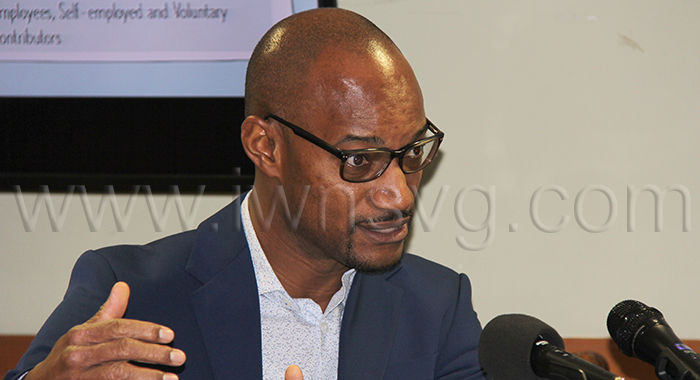
    Stewart Haynes, Executive Director of St. Vincent and the Grenadines’ National Insurance Services (NIS), has called for a comprehensive national dialogue regarding the potential implementation of National Health Insurance (NHI), urging policymakers not to dismiss the initiative without thorough examination.

    The newly elected New Democratic Party (NDP) administration, which assumed power on November 27, has committed to establishing NHI as a key policy priority. This represents a significant policy reversal from the previous Unity Labour Party government, which had deemed the healthcare initiative financially unfeasible.

    Speaking during a Boom FM interview commemorating NIS’s 39th anniversary, Haynes drew historical parallels between current NHI skepticism and similar reservations expressed about the national insurance system when it was first introduced in the mid-1980s. The seasoned actuary revealed he has already engaged in preliminary discussions with Prime Minister and Finance Minister Godwin Friday regarding NHI implementation frameworks.

    “The Prime Minister presented a compelling policy narrative during our meeting,” Haynes noted. “I subsequently raised several critical considerations including benefit structures, demographic factors, and economic implications that must inform any NHI framework.”

    Emphasizing that he was expressing personal views rather than official NIS positions, Haynes recommended establishing a specialized steering committee to reassess two-decade-old feasibility studies that require updating given contemporary demographic and economic realities. He referenced regional precedents, noting Grenada’s previous assessment without implementation and St. Kitts and Nevis’s ongoing NHI deliberations.

    The insurance executive outlined a methodical approach beginning with defining clear policy objectives: “We must first determine whether we prioritize quality enhancement, accessibility expansion, or affordability improvement. Subsequent strategies must then align with these established goals while accounting for demographic and economic constraints.”

    Haynes stressed the necessity of maintaining strict financial separation between NIS and potential NHI funds while strengthening governance mechanisms. He proposed a phased implementation approach, suggesting initial focus on administrative structure development before addressing financing mechanisms.

    Regarding previous cost concerns raised by former Prime Minister Ralph Gonsalves, Haynes noted that expense projections are directly tied to benefit packages: “Cost evaluations must correspond to specific coverage parameters. Blanket dismissals based on outdated assessments preclude informed decision-making regarding potentially viable scaled implementations.”

    Haynes concluded that technocrats should provide evidence-based guidance regarding implementation feasibility once clear policy objectives are established, emphasizing that customized solutions rather than one-size-fits-all approaches characterize successful NHI systems worldwide.

  • FLASH : Mgr Dumas agrees to lead the mediation at the end of the CPT’s mandate

    FLASH : Mgr Dumas agrees to lead the mediation at the end of the CPT’s mandate

    In a significant development for Haiti’s political future, Bishop Pierre-André Dumas has formally accepted the formidable task of mediating the nation’s escalating constitutional crisis. The Bishop of Anse-à-Veau and Miragoâne, who also serves as Vice-President of the Haitian Episcopal Conference, confirmed his pivotal role in a carefully worded letter addressed to Laurent Saint-Cyr, the Pro Tempore President and Coordinator of the Transitional Presidential Council (CPT).

    This intervention comes at the urgent request of approximately fifteen coalitions spanning Haiti’s political, economic, and civil society sectors, alongside international institutions including CARICOM, the Organization of American States (OAS), and the United Nations Integrated Office in Haiti (BINUH). The mediation seeks to establish consensus on forming an executive government before the CPT’s mandate expires on February 7, 2026, as stipulated in Article 12.1 of the April 4, 2024 Political Agreement.

    Despite acknowledging his ongoing recovery from unspecified health concerns, Bishop Dumas emphasized that “no sacrifice is too great to prevent the country from descending into chaos after February 7.” He characterized his acceptance as a decision made “with gravity and conscience” amid growing apprehensions about potential institutional collapse.

    The bishop has proposed critical meetings with Transitional Council leadership on January 22nd or 23rd to coordinate positions and develop contingency plans. His letter underscores the collaborative nature required between political leadership and religious guidance, noting that both sectors must “combine our efforts to avoid the chaos that threatens the country if we do not anticipate the events following February 7th.”

    This ecclesiastical intervention represents one of the most substantial peacemaking efforts since the establishment of the transitional government, highlighting the Catholic Church’s enduring influence in Haitian society and governance. The successful formation of a functional executive government before the February deadline now appears contingent upon Bishop Dumas’s mediation efforts.

  • Relatives of Justin De Los Santos are asking for help to find him after his disappearance in Verón.

    Relatives of Justin De Los Santos are asking for help to find him after his disappearance in Verón.

    Authorities and community members in the Dominican Republic have launched an extensive search operation for Justin De Los Santos Chalas, a 23-year-old construction painter who vanished under mysterious circumstances from the tourist district of Verón in Punta Cana. The young worker was last documented on December 11, 2025, at approximately 5:00 a.m. near his temporary residential area where he had been employed on local building projects.

    De Los Santos Chalas possesses distinctive physical characteristics that may aid in his identification: standing at an imposing 1.87 meters (approximately 6’1″) with a slender build, dark complexion, and notable dreadlock hairstyle. His disappearance has generated significant concern among both local residents and the expatriate community in the popular Caribbean tourist destination.

    Family representatives have expressed profound anxiety regarding his unexplained absence, noting that such behavior contradicts his established patterns of communication and work ethic. The National Police and missing persons organizations have been coordinating ground searches and reviewing surveillance footage from the vicinity where he was last observed.

    Investigators are appealing to both residents and visitors who might have been in the Verón area during the time of his disappearance to come forward with any potentially relevant information, however insignificant it might seem. Special hotlines have been established for tips regarding his whereabouts: 809-299-6352 and 809-474-4365.

    The case highlights the vulnerabilities faced by migrant workers in tourist economies and has sparked broader conversations about safety protocols for temporary workers in the Caribbean’s hospitality and construction industries.