
Recent court appearances of young men accused of multiple robberies have sparked concern, not just for the crimes they are charged with, but for the alarming display of gang-related hand signals both before and after proceedings. These gestures, far from being innocuous, serve as coded messages tied to gang identity, territorial claims, and power dynamics. Their public exhibition, particularly in high-profile settings like courtrooms or on social media, carries grave implications. Rival gangs may interpret these signals as provocations, potentially inciting retaliation, intimidation of informants, or further violence. Even more troubling is the observation of schoolchildren mimicking these gestures on the streets, oblivious to the life-threatening risks of being misidentified as gang affiliates. This underscores the urgent need for intervention. The Royal Barbados Police Force, led by the commissioner of police, must take immediate action to prevent such displays. Measures such as handcuffing individuals behind their backs or restricting their movements during public appearances could mitigate the spread of these dangerous signals. Prison officers must also ensure that detainees cannot communicate these gestures during transportation, court appearances, or processing. The media plays a pivotal role as well. While public awareness is essential, news outlets must exercise restraint in broadcasting images that inadvertently amplify gang messaging. Parents, too, bear responsibility in educating their children about the severe consequences of imitating these gestures, which may appear harmless on platforms like Facebook, Instagram, or TikTok but can signify gang affiliation. The unchecked proliferation of these signals risks normalizing gang culture and luring young people into destructive lifestyles. Urgent, coordinated efforts from law enforcement, prison authorities, the media, and parents are essential to curb this dangerous trend and safeguard communities.
作者: admin
-
US delays visa surcharge
The United States has postponed the enforcement of a $250 visa surcharge, initially set to take effect on October 1, 2025, as outlined in the One Big Beautiful Bill signed by President Donald Trump in July. The State Department has yet to confirm a new implementation timeline, leaving applicants from non-visa waiver countries, including Jamaica, in limbo. Once enacted, the surcharge will increase the total visa application cost to $435 per applicant, as it adds to the existing $185 fee. The Department of Homeland Security will oversee the collection of this fee, which is intended to bolster immigration enforcement, deter visa overstays, and fund border security initiatives. Notably, the surcharge is refundable for visa holders who comply with all visa terms and depart the U.S. within five days of expiration or after legally adjusting their status. However, the lack of clear refund procedures has sparked concerns that many travelers may never reclaim the fee. Critics argue that the surcharge disproportionately affects low-income travelers and could discourage tourism and commerce, particularly from Caribbean nations like Jamaica. In 2024, the U.S. issued 83,957 B1/B2 visas to Jamaicans, and while 2025 figures remain unavailable, immigration attorneys believe the surcharge may not significantly deter applicants. Nevertheless, the additional financial burden—amounting to $1,000 for a family of four—could impact travel plans for events such as weddings, funerals, or vacations.
-

Caribbean’s ‘first all-purpose’ dictionary aims to close classroom linguistic gaps
In a groundbreaking initiative, two Caribbean lexicographers are spearheading the creation of the region’s first general-purpose English dictionary, aiming to bridge linguistic gaps in education and validate Caribbean dialects. This project, led by Dr. Joseph T. Farquharson of the University of the West Indies (UWI) Mona and Dr. Jason F. Siegel of UWI Cave Hill, marks a significant step forward in linguistic representation, three decades after Richard Allsopp’s specialized *Dictionary of Caribbean English Usage*.
The endeavor is hailed as a landmark effort to ensure Caribbean schoolchildren are not disadvantaged by the lack of accessible linguistic resources. Dr. Siegel, who also heads the Richard and Jeannette Allsopp Centre for Caribbean Lexicography, emphasized the symbolic and practical importance of the project. He noted that while the Oxford English Dictionary (OED) recently added 12 Caribbean words, these terms have long been documented in regional lexicons.
Dr. Siegel highlighted the broader implications of the initiative, stating, ‘Having your own dictionary validates your dialect in the public eye. It counters the racist discourse that suggests there’s something wrong with the way Caribbean people speak.’ The project builds on the legacy of Richard Allsopp, whose 1995 *Dictionary of Caribbean English Usage* remains a cornerstone of Caribbean linguistics, and his wife Jeannette Allsopp, who expanded the field with her multilingual dictionary in 2003.
The new dictionary aims to be a comprehensive, all-purpose reference, capturing both regional vocabulary like ‘cou cou’ and ‘walk with’ and the standard English used alongside it. Unlike specialized glossaries, it will serve as a single trusted source for both local and international communication. Dr. Siegel underscored its educational value, stating that Caribbean children should not have to rely on disparate or unreliable sources to understand their own language.
While the project is still in its early stages, with funding and planning yet to be finalized, it is a top priority for the Allsopp Centre. This initiative not only celebrates Caribbean linguistic heritage but also seeks to empower future generations by providing them with the tools to navigate their linguistic identity confidently.
-

Police Search for Suspect Following Market Street Clothing Store Break-In
The Royal Police Force of Antigua and Barbuda has launched a manhunt for an individual suspected of breaking into a clothing store on Market Street in St. John’s. The incident, which occurred between Wednesday and Thursday of this week, involved the theft of an undisclosed sum of money, iPhones, Samsung tablets, and shoes. Authorities have since recovered several of the stolen items, which are now being held at the police station for further investigation. The public is being urged to refrain from purchasing any suspected stolen goods, as doing so constitutes a criminal offense. Anyone with information related to the case is encouraged to contact the Criminal Investigations Department (CID) at 462-3913/14 or Crime Stoppers at 800-TIPS (8477). The police have emphasized the importance of community cooperation in solving this case and ensuring justice is served.
-

Police Constable charged with indecent assault
In a significant legal development in Nassau, Bahamas, a Police Constable was brought before the Magistrate’s Court on Thursday, facing two counts of Indecent Assault. The officer entered a plea of not guilty to the charges. The court granted him bail set at $7,500, requiring two sureties for his release. The case stems from a formal complaint lodged with the police on Sunday, September 28, 2025. This incident has drawn attention to the conduct of law enforcement personnel and the judicial processes in the Bahamas. The case is expected to proceed with further hearings, as the legal system seeks to address the allegations while ensuring due process.
-

Open borders: Not a pressing priority for Barbadian consumers right now
The Government of Barbados has announced plans to expand freedom of movement within the Caribbean Community (CARICOM) by opening its borders to at least three additional states, including two from the Organisation of Eastern Caribbean States (OECS) and Belize. While this move is framed as a step toward regional integration, it has sparked significant criticism among Barbadians who feel it is ill-timed given the country’s pressing domestic challenges. Barbados is grappling with a soaring cost of living, stagnant wages, and overstretched public services. Many citizens argue that prioritizing border expansion before addressing these issues raises concerns about whose interests are truly being served. The potential influx of migrants, whether immediate or gradual, could exacerbate existing economic and social pressures. Critics liken the move to pouring water into a leaking bucket, emphasizing that it may worsen rather than alleviate the country’s problems. Unemployment and underemployment, particularly among the youth, remain high, and opening the labor market to more competition could further depress wages. Additionally, long healthcare wait times, scarce affordable housing, and inadequate schools and transportation systems are already straining the population. The Barbados Consumer Empowerment Network (BCEN) has expressed support for regional integration but insists it must be fair, reciprocal, and sustainable. They urge the government to focus on stabilizing the economy, reducing living costs, and improving public services before pursuing symbolic gestures of integration. BCEN emphasizes that leadership should be measured by how well it cares for its people, not by how quickly it opens its borders.
-
Minister reaffirms Caribbean tourism as a pillar of peace and identity
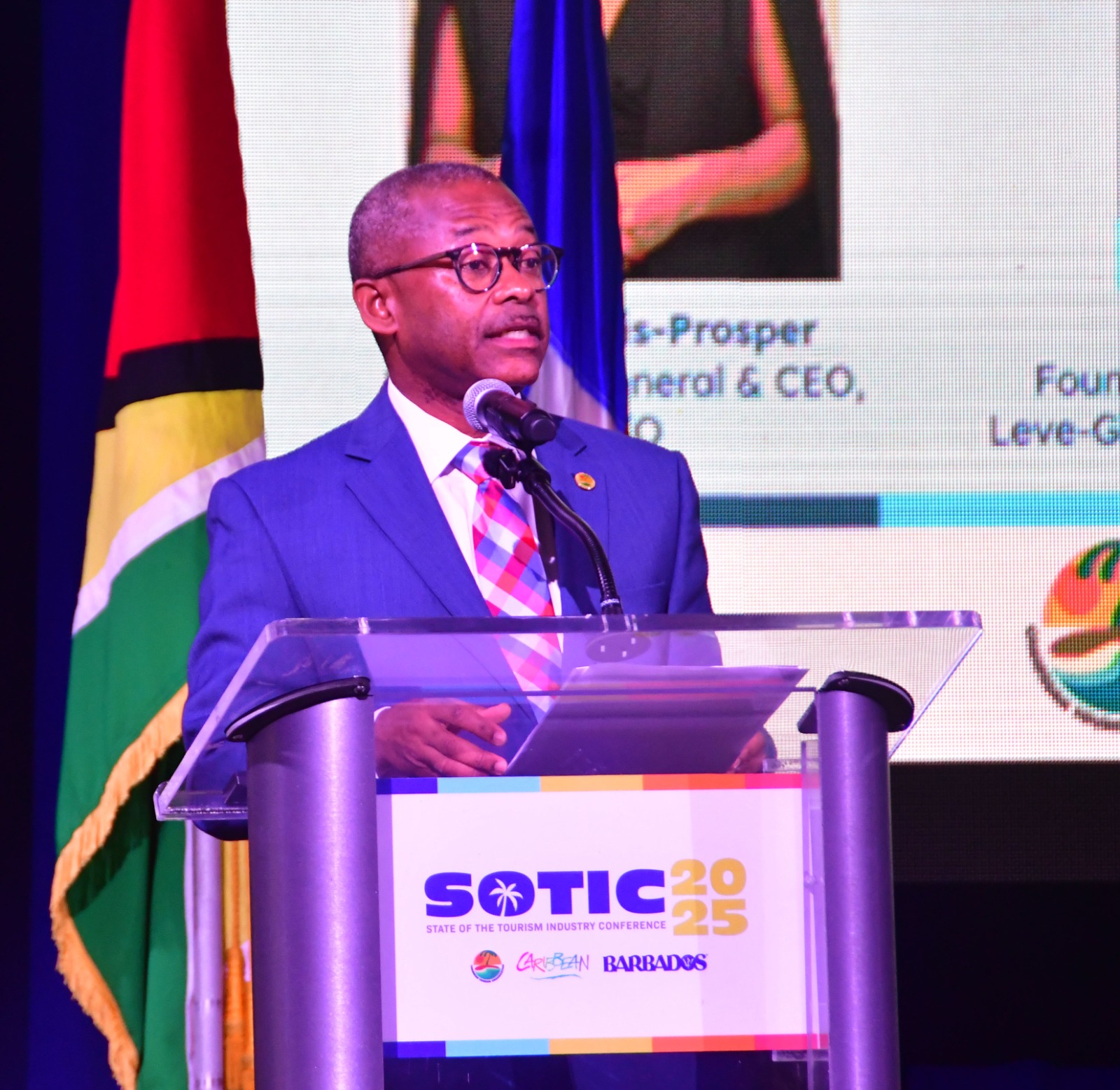
Ian Gooding-Edghill, Minister of Tourism, has reiterated the critical importance of preserving the Caribbean’s globally celebrated tourism brand. Speaking at the opening of the State of the Tourism Industry Conference (SOTIC) 2025 on October 1, his remarks come against a backdrop of escalating tensions in the southern Caribbean involving Guyana and Trinidad and Tobago. These nations have become entangled in a broader geopolitical conflict between the United States and Venezuela. The U.S. has intensified its campaign against drug trafficking networks allegedly linked to Venezuela’s government, particularly the Cartel de los Soles, which Washington claims is supported by high-ranking Venezuelan officials loyal to President Nicolás Maduro. With Maduro resisting U.S. pressure and American warships patrolling Caribbean waters, the region’s longstanding reputation as a peaceful haven is under threat. Gooding-Edghill echoed Prime Minister Mia Mottley’s recent address at the UN General Assembly, emphasizing the Caribbean’s identity as a zone of peace—a cornerstone of its tourism appeal. He stressed that maintaining this peaceful image is vital for nations like Barbados, where tourism is a primary economic driver. The minister highlighted the need to market the Caribbean as a sanctuary of safety and stability, offering visitors not just a vacation but an escape from global instability. Additionally, he advocated for leveraging cultural figures as soft power to amplify the Caribbean brand globally. He argued that the region’s sports heroes, musicians, and artists should serve as ambassadors, sharing authentic narratives that resonate internationally. Gooding-Edghill also underscored tourism’s deeper role in shaping Caribbean identity, describing it as the lifeblood of the region’s culture, creativity, and connection to the world. Reimagining tourism, he concluded, is synonymous with reimagining the Caribbean’s future.
-

Beyond right answers: Raising well-rounded children together
Barbados is currently undergoing a significant transformation in its education system, a shift that is both exhilarating and unsettling for parents and families. Change, especially when it concerns children, often evokes a sense of uncertainty. While some aspects of this transformation are welcomed, others are met with skepticism. However, the key lies in how we respond and guide our children to make the most of these changes. One of the most notable changes is the adoption of project-based learning, which moves away from traditional rote memorization and encourages students to delve into real-world problems, explore creative solutions, and demonstrate their understanding in meaningful ways. This approach not only prepares students for exams but also for life. Additionally, play-based learning has been introduced in early education, fostering curiosity and imagination. The challenge now is to maintain this spirit throughout the entire education system. As children progress, the focus often shifts to achieving the ‘right answer,’ which can stifle curiosity and creativity. The future will present complex problems without clear-cut solutions, making it essential to teach content while avoiding the trap of valuing only correct answers. Parents play a crucial role in this transformation. While it is natural to desire academic success for their children, it is important to recognize that true achievement is driven by curiosity, persistence, and the courage to try. The rise of AI and technology presents both opportunities and challenges. While these tools can enhance access to information and creativity, they also risk diminishing children’s ability to think independently and process deeply. Teachers are grappling with how to make assessments more authentic, ensuring they measure actual understanding rather than computer-generated responses. The home environment is vital in sustaining curiosity. Research indicates that many children lose their natural curiosity around age seven due to systems that reward only correct answers. Parents can counteract this by encouraging questions, engaging in thoughtful dialogue, and supporting home projects that allow children to lead and solve problems. By fostering curiosity, resilience, and empathy, Barbados aims to develop not just better students but better individuals. This transformation may be daunting, but the ultimate goal is to create self-sufficient, fully functional, and thinking human beings. Dr. Zhané Bridgeman-Maxwell, a science educator and researcher, is at the forefront of this movement, advocating for policy shifts and pedagogical innovation to redefine education in Barbados.
-
Over 13 Pounds of Cannabis Seized at Deep Water Harbor
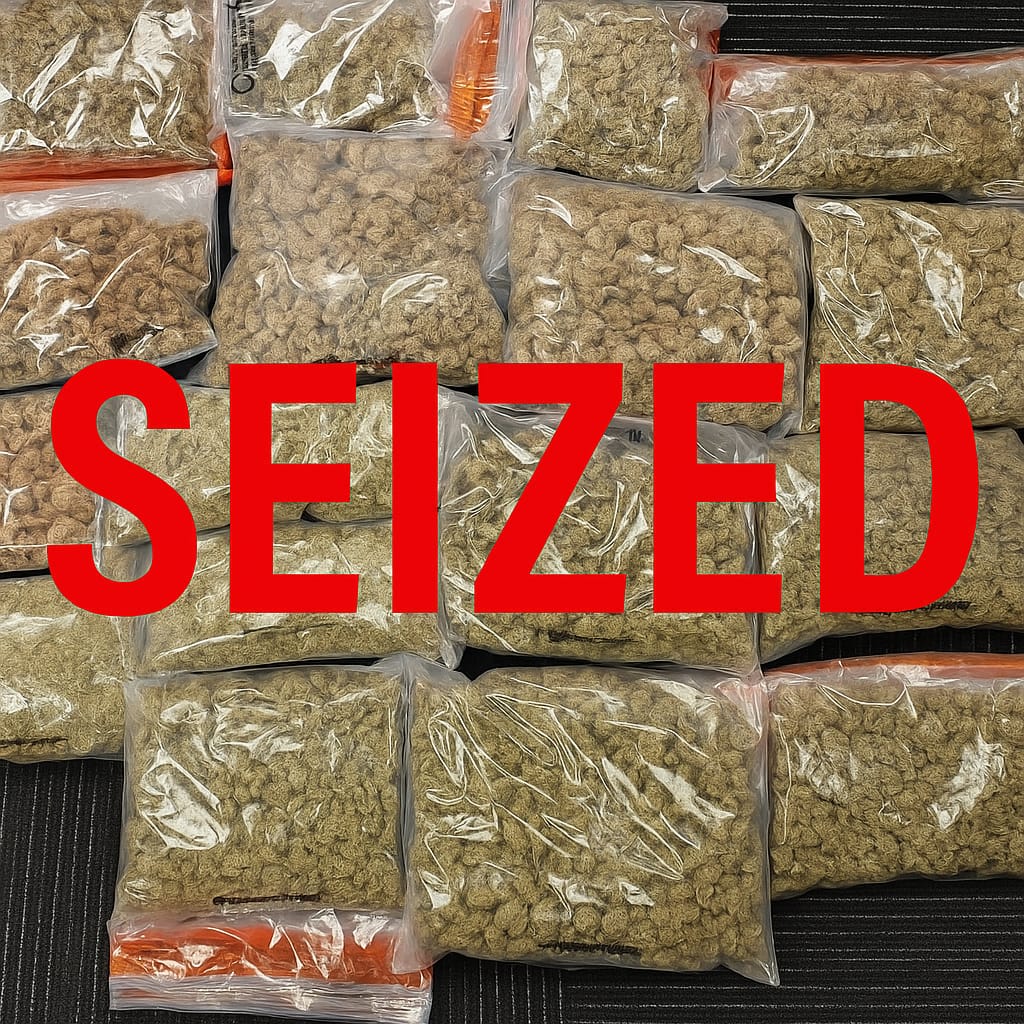
In a significant crackdown on illegal drug trafficking, the Royal Police Force of Antigua and Barbuda, in collaboration with Customs Enforcement, seized over 13 pounds of cannabis at the Deep Water Harbor on October 2, 2025. The operation, conducted by the Narcotics Department and the K-9 Unit, led to the discovery of 14 vacuum-sealed packages concealed in a brown cardboard box within the Custom Cargo Shed. The confiscated drugs, with an estimated street value of $81,000, were transported to Police Headquarters for further investigation. Authorities praised the joint efforts of the agencies involved and urged the public to continue supporting their fight against illegal drug trade. This seizure underscores the ongoing challenges and successes in combating narcotics trafficking in the region.
-
The Third Edition of Antigua and Barbuda Art Week Student Art Competition launched by the Tourism Authority
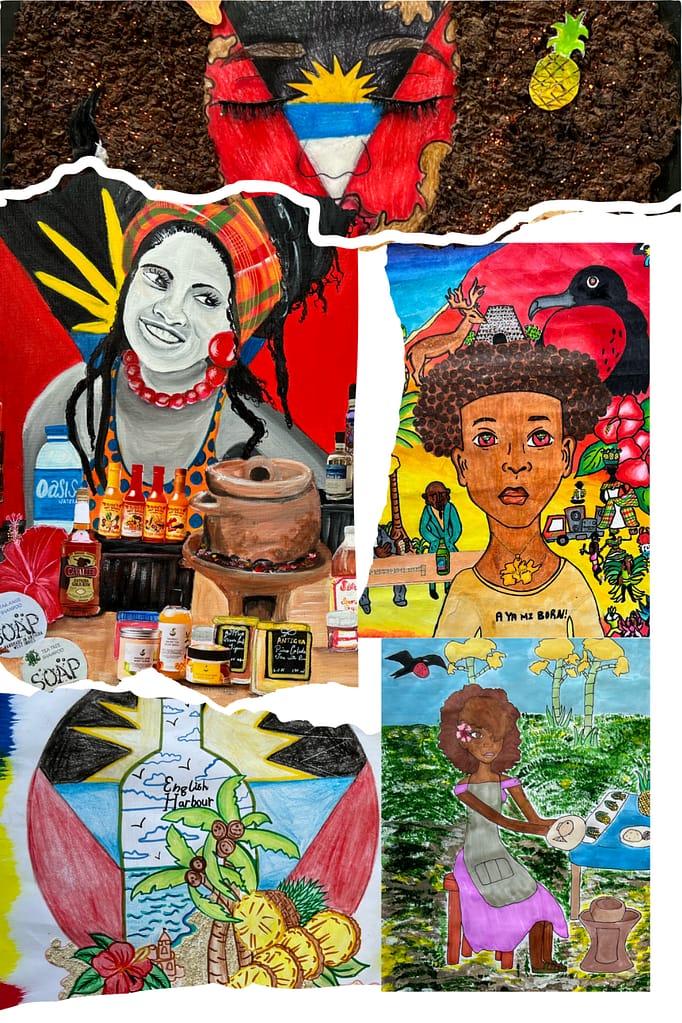
The Antigua and Barbuda Tourism Authority has announced the launch of the third annual Antigua and Barbuda Art Week (ABAW) Student Art Competition, running until November 21, 2025. This initiative provides a vibrant platform for young visual artists to celebrate their cultural heritage and showcase their creativity through art. The theme for this year, ‘Life in Antigua and Barbuda,’ invites students to depict everyday experiences, from island life and family traditions to natural beauty and defining moments of the twin-island nation.
Open to students aged 7 to 17, the competition is divided into three age categories: 7–9, 10–12, and 13–17. Participants can submit works in painting, drawing, or mixed media, utilizing materials such as watercolours, acrylics, crayons, or collage. Maria Blackman, Marketing Communications Manager and ABAW Committee member, emphasized the importance of the arts in enriching the visitor experience and sharing the nation’s story. She expressed excitement about how young artists will interpret this year’s theme.
Mauricia Frith, ABAW Student Art Competition Committee Lead, highlighted the originality and depth of past entries, anticipating even more profound reflections of Antiguan and Barbudan identity through the eyes of young creators. Submissions must be delivered to the Antigua and Barbuda Tourism Authority by November 21, 2025. A panel of professional artists will evaluate the entries, with winners announced at the ‘Rising Stars of Art’ awards ceremony on November 27 at V. C. Bird International Airport. The selected works will be displayed in the airport’s arrivals hall as part of the ‘Art and Fashion Exhibition,’ offering visitors a vibrant introduction to the nation’s creative talent. Prizes, including art supplies, will be awarded to top winners in each category.
Beyond the competition, Antigua and Barbuda Art Week 2025 will feature additional opportunities for young artists to develop their skills, including art demonstrations by Gilly Gobinet, an interactive sustainable art workshop by Good Humans 268 Inc., open galleries, and an Art and Culture Bus Tour on November 28. The event is supported by FLOW, whose commitment to youth development and creativity has been instrumental in the initiative’s success.
For more details on Antigua and Barbuda Art Week, including the event schedule and hotel packages, visit www.visitantiguabarbuda.com or follow @antiguabarbudaartweek on social media.