作者: admin

  • KHMH Nears CEO Appointment After Months of Vacancy

    KHMH Nears CEO Appointment After Months of Vacancy

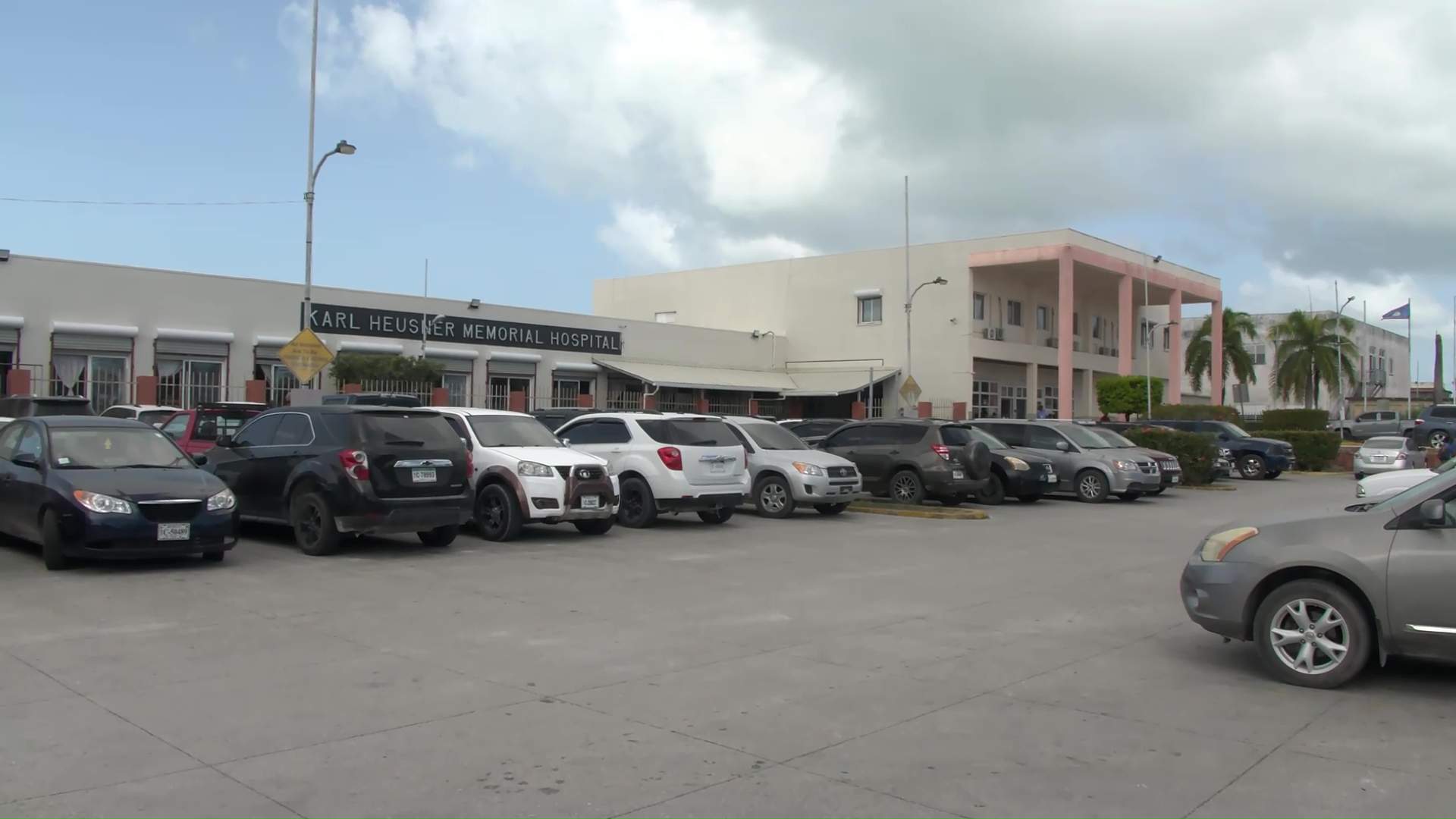
    Belize’s primary healthcare institution, Karl Heusner Memorial Hospital (KHMH), is approaching a critical leadership resolution following an extended period without permanent executive direction. The hospital’s top position has remained unoccupied since mid-October when former Chief Executive Officer Chandra Cansino’s contractual term concluded.

    Health and Wellness Minister Kevin Bernard has officially confirmed that the hospital’s Board of Governors now holds complete responsibility for determining the new appointment. Minister Bernard’s statement reveals that five qualified candidates have been shortlisted for comprehensive evaluation, with formal interviews scheduled imminently. The selection committee anticipates concluding the recruitment process before January concludes.

    During this transitional phase, the Ministry has implemented temporary administrative oversight to maintain operational continuity at the nation’s crucial medical referral center. While both internal and external candidates are under consideration, informed sources within KHMH administration suggest two prominent contenders have emerged: former Acting CEO Timothy Seguro and Financial Controller Sharine Reyes, who reportedly enjoys substantial support among board representatives.

    Healthcare observers emphasize the significance of this appointment as KHMH confronts persistent operational challenges including staff allocation constraints, budgetary limitations, and service delivery optimization. The new CEO will inherit responsibility for steering the institution through these complex healthcare management issues while maintaining quality patient care standards.

    Hospital administration officials stress that despite apparent frontrunners, the selection process remains actively competitive with no predetermined outcome. The final decision will reflect comprehensive assessment of each candidate’s qualifications and strategic vision for the institution’s future development.
  • Opposition Leader Jamale Pringle Meets EU Ambassador

    Opposition Leader Jamale Pringle Meets EU Ambassador

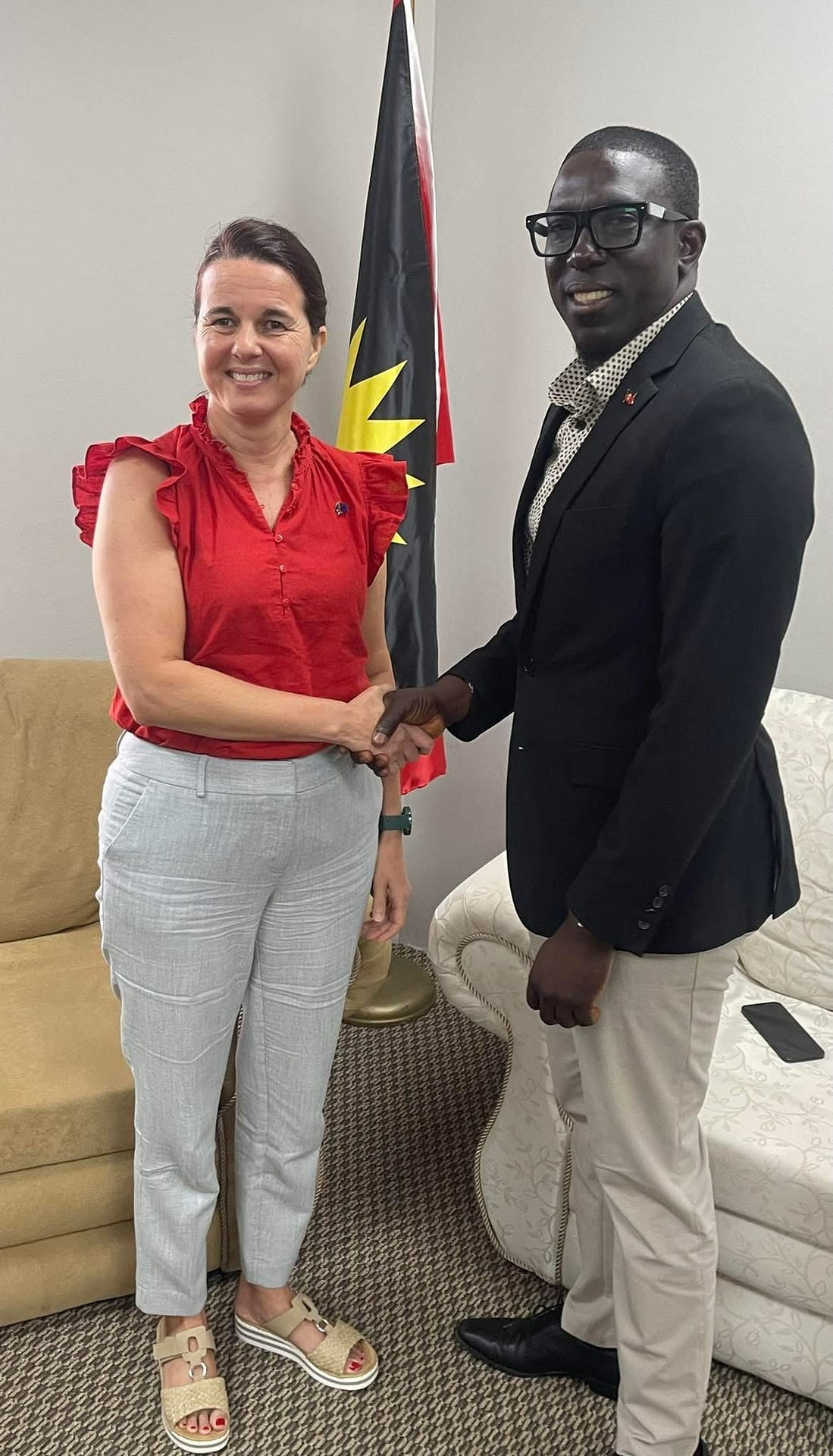
    In a significant diplomatic engagement, Jamale Pringle, Leader of the Opposition in Antigua and Barbuda, convened substantive talks with Fiona Ramsey, the European Union’s newly inaugurated Ambassador to the Eastern Caribbean. The high-level discussion centered on evolving geopolitical dynamics and pressing concerns regarding travel accessibility for citizens of Antigua and Barbuda.

    This strategic dialogue forms part of Ambassador Ramsey’s comprehensive introductory tour of regional leadership, following recent courtesy calls with Prime Minister Gaston Browne and Foreign Affairs Minister E. P. Chet Greene. These successive meetings have reinforced the enduring bilateral partnership between the Caribbean nation and the European bloc.

    Pringle characterized the timing of these consultations as particularly crucial given escalating global tensions and increased examination of mobility constraints affecting Caribbean nationals. The opposition leader emphasized the necessity of sustained diplomatic engagement to address these challenges effectively.

    The meeting underscores the continuity of diplomatic protocols regardless of domestic political divisions, demonstrating both government and opposition’s shared commitment to maintaining robust international relationships. Ambassador Ramsey’s outreach to multiple stakeholders signals the EU’s comprehensive approach to regional diplomacy in the Eastern Caribbean.

  • Political Graveyard? Musa’s New Ministry Explained

    Political Graveyard? Musa’s New Ministry Explained

    In a significant cabinet reshuffle last November, Belizean politician Kareem Musa experienced a notable shift in political fortunes, transitioning from the high-profile Ministry of Home Affairs and New Growth Industries to the traditionally less-visible portfolio of Immigration, Labour, and Governance. This ministerial department has historically been characterized by political observers as a ‘political graveyard’ due to its limited media attention and perceived administrative constraints.

    Despite this repositioning, Minister Musa has demonstrated unexpected enthusiasm for his new responsibilities. During a public engagement event on Tuesday, Musa openly acknowledged missing his previous role in police administration while simultaneously expressing genuine appreciation for his current position.

    “I miss the police ministry,” Musa conceded during the event, before elaborating on his positive experiences. “I’m enjoying my time here at immigration as well. I am absolutely impressed by the level of professionalism here at immigration, labor and governance.”

    The minister emphasized his ongoing familiarization tour through various departments within his portfolio, noting the welcoming reception he has received from staff members. Musa’s transition represents more than merely a change of office—it signifies a strategic test of his administrative capabilities in managing complex, albeit less publicly celebrated, government functions that are crucial to national stability and workforce development.

    Political analysts are monitoring whether Musa can transform this traditionally low-profile ministry into a platform for substantive policy achievements, potentially redefining its historical reputation within Belize’s political landscape.

  • FLASH : Royal Caribbean will not call at Haiti in 2026

    FLASH : Royal Caribbean will not call at Haiti in 2026

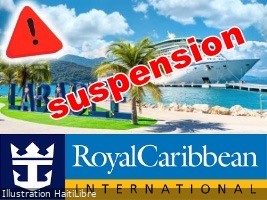
    In a significant operational shift, Royal Caribbean International has announced the extension of its suspension of port calls at Labadee, Haiti, through December 2026. The decision marks a substantial extension from the previously announced April 2026 timeline, effectively keeping the cruise line’s vessels away from its private Haitian destination for nearly two full years.

    The corporate parent, Royal Caribbean Group, characterized the move as ‘an abundance of caution’ in response to persistent security challenges in Haiti. The Caribbean nation currently carries a U.S. State Department Level 4 travel advisory—the most severe warning—due to widespread kidnappings, criminal activity, civil unrest, and inadequate healthcare infrastructure.

    Labadee, Royal Caribbean’s exclusive enclave on Haiti’s northern coast, has remained absent from scheduled itineraries since April 2025. The premium resort facility features five private beaches, an 800-meter zipline, water slides, jet ski rentals, and private cabanas, all protected by a dedicated security team. Despite these contained amenities, the company has prioritized passenger and crew safety amid Haiti’s deteriorating security situation.

    To mitigate the operational impact, Royal Caribbean has provided travel partners with alternative port options including Nassau in the Bahamas, Grand Turk in the Turks and Caicos Islands, and Cozumel, Mexico. The extended suspension represents one of the most significant operational adjustments in contemporary cruise tourism, reflecting the industry’s responsiveness to global security advisories and regional instability.

  • LETTER: Towards Constitutionalized AI Governance in the Commonwealth Caribbean

    LETTER: Towards Constitutionalized AI Governance in the Commonwealth Caribbean

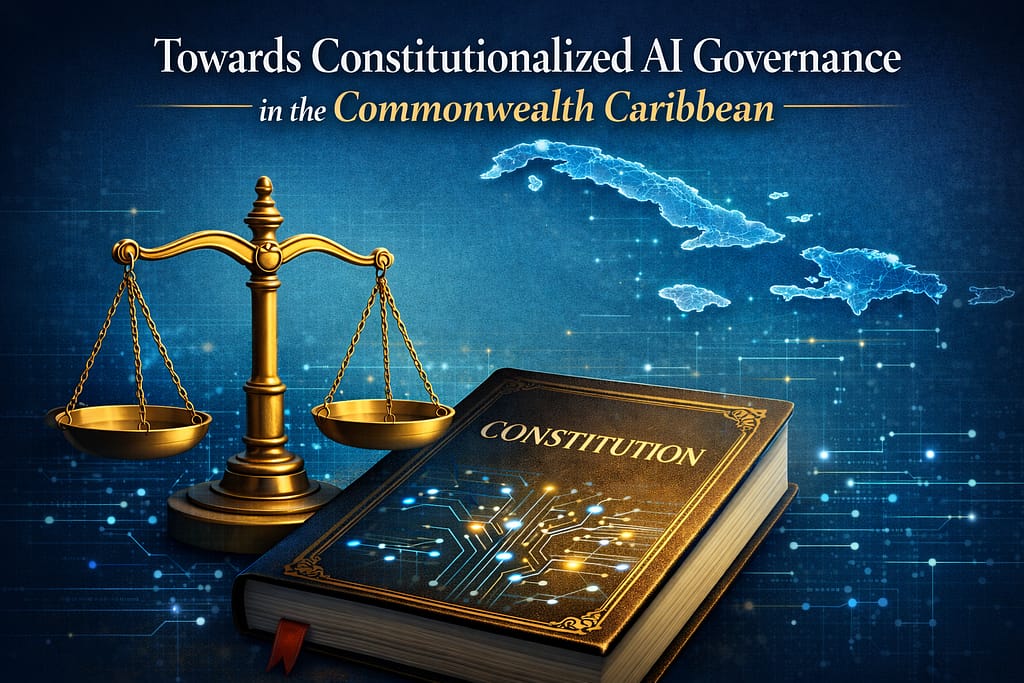
    A groundbreaking movement is emerging within the Commonwealth Caribbean as legal scholars and policymakers advocate for the constitutionalization of artificial intelligence governance. This initiative represents a proactive approach to embedding AI regulatory frameworks directly into the constitutional architecture of Caribbean nations.

    The proposed constitutional model addresses the unique socio-economic and cultural context of the Caribbean region while establishing comprehensive safeguards for digital rights, algorithmic transparency, and ethical AI development. By elevating AI governance to constitutional status, these nations would create permanent legal protections against algorithmic discrimination, data exploitation, and unauthorized surveillance practices.

    This constitutional approach distinguishes itself from conventional legislation by providing stronger judicial enforcement mechanisms and creating immutable citizen rights in the digital domain. The framework emphasizes regional cooperation while allowing for jurisdictional adaptations based on individual national requirements.

    Legal experts highlight that constitutionalized AI governance would position the Commonwealth Caribbean at the forefront of technological regulation, potentially establishing international standards for democratic digital governance. The movement reflects growing recognition that AI’s transformative potential requires equally transformative legal frameworks to ensure these technologies serve rather than undermine democratic values and human rights.

    The initiative has sparked regional dialogue about the intersection of technology law, constitutional theory, and post-colonial legal development, representing a significant innovation in how emerging technologies are governed within democratic systems.

  • Faber Slams Government’s ‘Timid’ Venezuela Response

    Faber Slams Government’s ‘Timid’ Venezuela Response

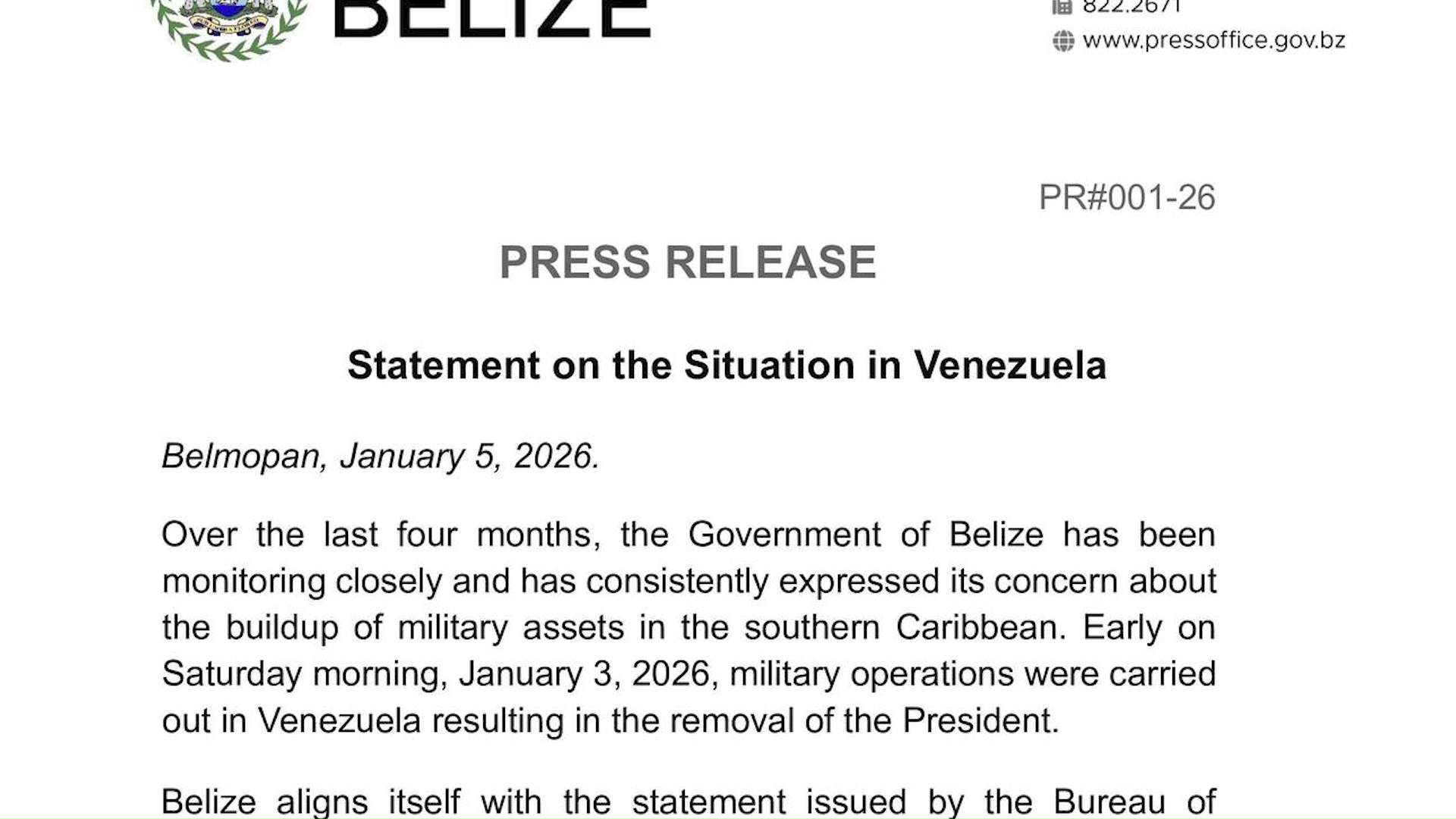
    In a striking critique of Belizean foreign policy, United Democratic Party Senator Patrick Faber has denounced the Briceño administration’s response to recent military operations in Venezuela as fundamentally inadequate. The opposition leader characterized the government’s January 5th statement as a deliberately vague document that fails to articulate Belize’s sovereign position while conspicuously avoiding direct reference to United States involvement.

    Faber asserted that the official communication reads as a generic obligatory release rather than a serious foreign policy declaration. He highlighted the puzzling omission of the United States as the executing force behind the Venezuelan military operation, despite the statement acknowledging the forcible removal of the Venezuelan president. This omission carries significant weight under international law, which explicitly prohibits regime change through military intervention.

    The opposition senator accused the government of hiding behind CARICOM’s collective regional stance rather than demonstrating independent leadership. According to Faber, Belize has chosen to align with regional positions while refusing to state its own convictions regarding the legality and legitimacy of the Venezuelan situation. The approach suggests a government more concerned with maintaining favorable relations with Washington than asserting principled sovereignty, reflecting what Faber describes as a timid diplomatic posture that undermines Belize’s independent voice in international affairs.

  • Belize Mourns Two Icons: Tourism Pioneer and Healthcare Leader

    Belize Mourns Two Icons: Tourism Pioneer and Healthcare Leader

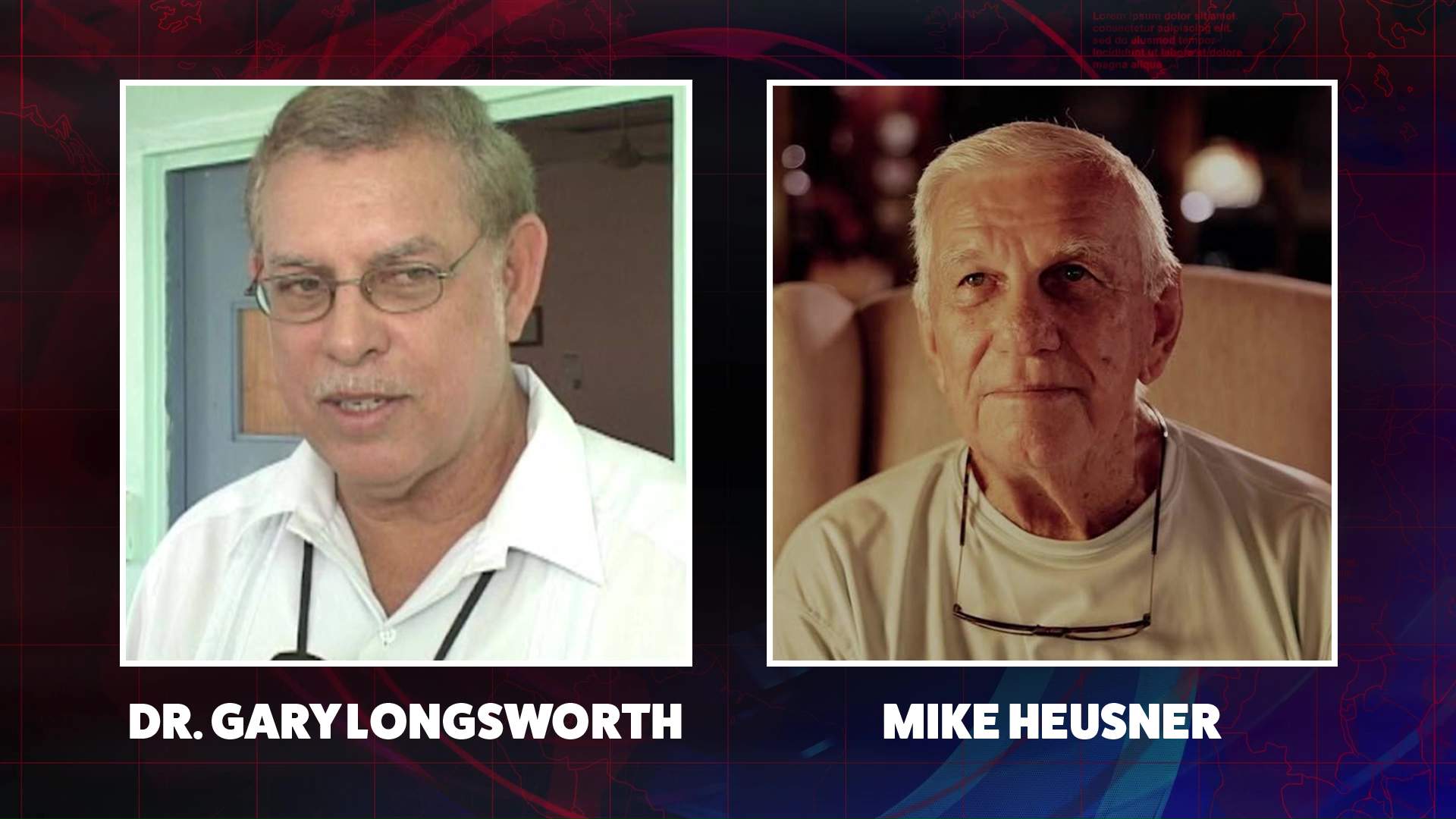
    The nation of Belize confronts a profound dual loss this week with the passing of two distinguished figures who shaped critical sectors of national development. Michael J. ‘Mike’ Heusner, a visionary in eco-tourism and sport fishing, and Dr. Francis Gary Longsworth, a transformative healthcare leader, have both died, leaving enduring legacies.

    Heusner, renowned as the longtime steward of Belize River Lodge, was instrumental in establishing Belize’s global reputation as a premier destination for angling and nature-based tourism. A pioneering conservationist, he advocated for sustainable practices for decades, serving in pivotal roles with the Belize Audubon Society and various tourism boards. His groundbreaking work was formally recognized in 2018 when he was named an Oceana Ocean Hero. Minister of Tourism Anthony Mahler and the Belize Tourism Board have publicly honored Heusner, crediting him for inspiring generations and fundamentally shaping the nation’s tourism identity.

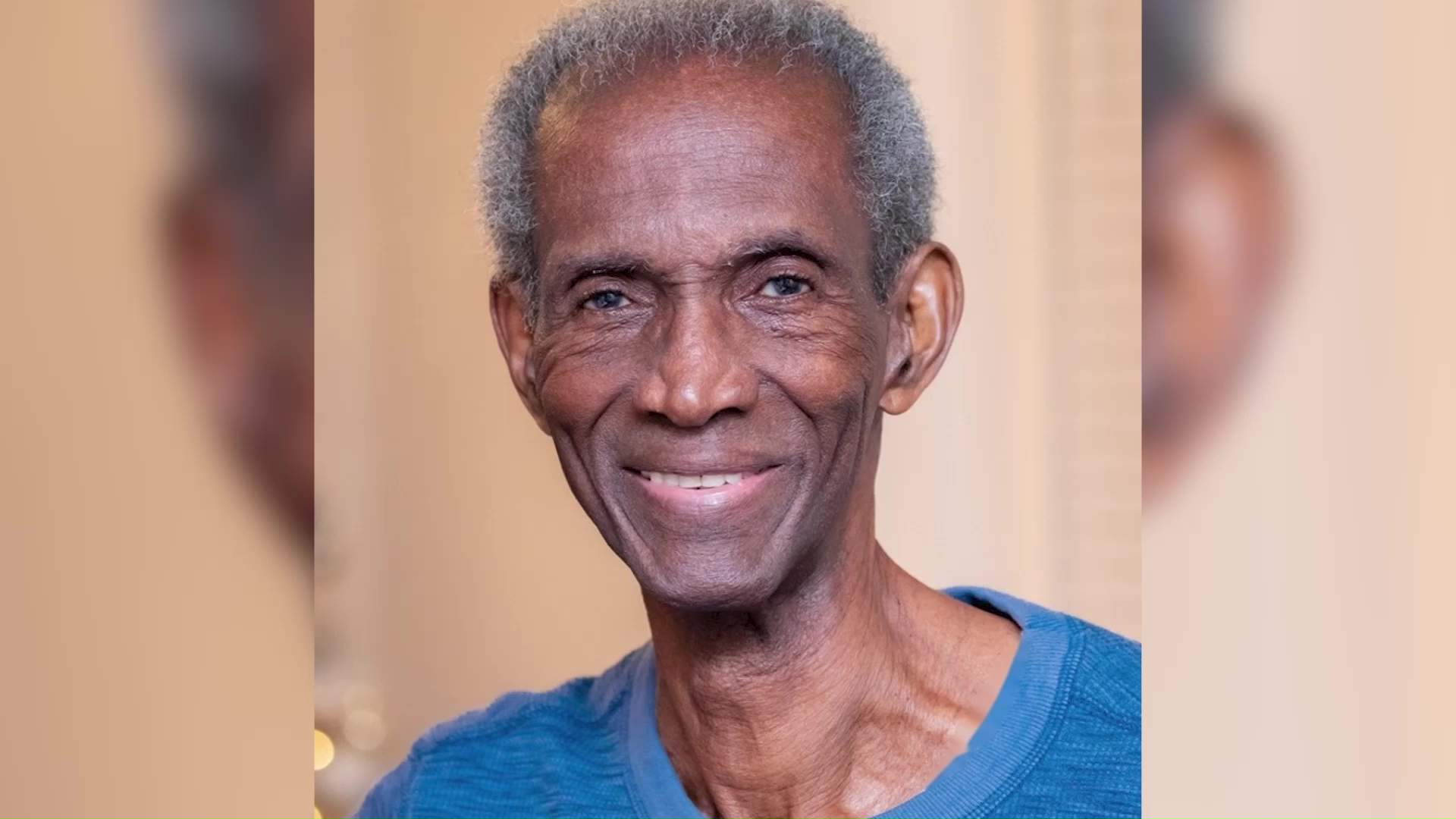
    Simultaneously, the medical community grieves the loss of Dr. Francis Gary Longsworth, the former Chief Executive Officer of the Karl Heusner Memorial Hospital (KHMH). Dr. Longsworth passed away following a brief illness. His career began in academia as a biology lecturer before he pursued medicine at the University of the West Indies. Returning to Belize, he ascended to lead KHMH, where his tenure was marked by significant advancements, most notably the establishment of the Neonatal-Pediatric Intensive Care Unit. Colleagues universally describe him as a calm, approachable, and deeply dedicated leader. His commitment extended beyond the hospital walls through his service on the HelpAge Belize board and relentless efforts to enhance national medical services. He is survived by his former wife, Luz, and their two adult children. His passing marks the end of an era defined by compassionate and progressive healthcare leadership.

  • Faber Slams PM for Skipping Gordon’s Funeral

    Faber Slams PM for Skipping Gordon’s Funeral

    Belize’s political landscape witnessed a significant confrontation as Lead Opposition Senator Patrick Faber publicly criticized Prime Minister John Briceño for his conspicuous absence at the state funeral of former Senator Henry Gordon. The January 13 ceremony, which featured full state honors including a twenty-one-gun salute performed by the Belize Defense Forces, was attended by the country’s highest officials except the sitting Prime Minister.

    Faber emphasized the symbolic importance of the Prime Minister’s absence during the solemn occasion that celebrated Gordon’s extensive public service career. The Opposition Senator noted that while the ceremony was attended by Governor General Dame Froyla Tzalam, Opposition Leader Moses Barrow, Senate President Carolyn Trench-Sandiford, and other dignitaries, the missing head of government represented what Faber characterized as a profound disrespect to Gordon’s legacy.

    The protocol breach became particularly evident during the wreath-laying ceremony, where four wreaths were prepared for placement—one each for the Governor General, the Opposition Leader, and representatives from the legislative chambers Gordon served in, with the fourth designated for the Prime Minister. According to Faber’s account, the Prime Minister’s wreath remained untouched on its tripod throughout the service and was left in place even after the ceremony concluded, creating what the Opposition Senator described as a visually striking representation of the alleged disregard for ceremonial traditions and respect for deceased public servants.

    Faber’s condemnation framed the incident as not merely a personal snub but as indicative of broader concerns about the administration’s respect for political traditions and veteran public servants, potentially signaling deeper political tensions within Belize’s governance structure.

  • Woning met inboedel afgebrand in Brokopondo

    Woning met inboedel afgebrand in Brokopondo

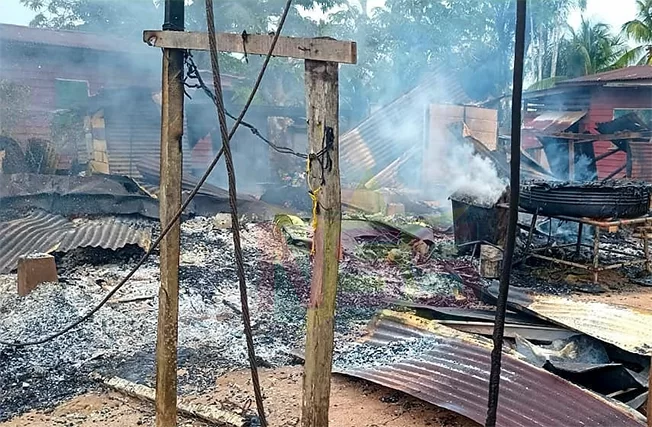
    A devastating afternoon fire has completely destroyed a residential property in the Victoria Assigron area, leaving nothing but ashes where a family home once stood. Emergency services responded to the emergency call as flames engulfed the wooden structure with such intensity that firefighters, despite their rapid intervention, could not salvage the building or its contents.

    The timber-frame construction contributed to the rapid spread of the blaze, which consumed the entire property along with all personal belongings within. Fortunately, all residents managed to evacuate safely and were accounted for at the scene, escaping physical injury in what authorities are calling a miraculous outcome given the severity of the destruction.

    Fire crews remained on site for several hours conducting containment and cooling operations to prevent any potential reignition. The complete loss of the property has raised questions about fire safety measures in the region’s wooden structures.

    Investigators from the appropriate authorities have launched a formal inquiry into the incident’s origins. While the exact cause remains undetermined pending examination of the scene, officials have indicated that the investigation will consider all potential factors including electrical faults, accidental ignition sources, and structural considerations. The community has begun mobilizing support efforts for the displaced residents who lost everything in the catastrophic event.

  • First Dominican e-passport to be issued to President Abinader today

    First Dominican e-passport to be issued to President Abinader today

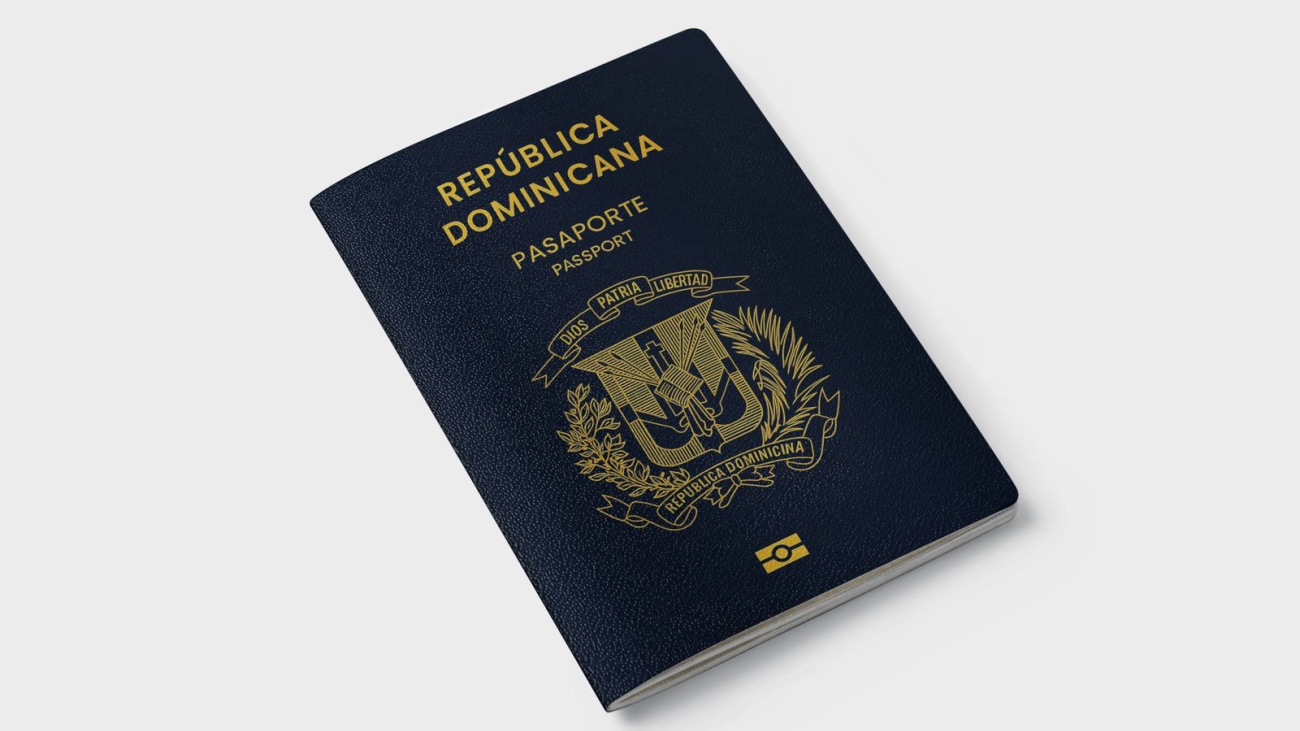
    SANTO DOMINGO – In a ceremonial event symbolizing a major technological advancement for the nation, President Luis Abinader is poised to personally receive the very first copy of the Dominican Republic’s new electronic passport this Wednesday. The milestone event, scheduled for 10:30 a.m. at the newly inaugurated headquarters of the General Directorate of Passports (DGP), will feature the president overseeing the official printing test of the inaugural booklet, effectively launching a new chapter in the country’s identification and travel security infrastructure.

    The deployment of the e-passport follows a meticulously executed pilot program initiated in early January. This critical testing phase, which concluded on January 10, was designed to rigorously assess the functionality, security protocols, and overall performance of the sophisticated new documents, which feature an embedded electronic chip. In preparation for the nationwide rollout, the DGP has been accepting appointments since December for citizens whose existing passports have either expired or carry a validity of fewer than six months. These appointments are essential for the collection of enhanced biometric and demographic data, including digital photographs, fingerprints, and signatures.

    The transition to the new system will be implemented through a carefully structured, phased geographical expansion. Data collection services are set to commence on February 19, starting with the highest-demand offices located in the National District. A subsequent expansion will see services roll out to Santo Domingo and the northern region throughout March and April, followed by the eastern and southern areas between April and May. The final stage of the comprehensive implementation plan will extend the new passport system to Dominican consulates abroad, with a projected completion window between June and December of this year. To guarantee a smooth and orderly transition for all citizens, the DGP has announced that appointment slots at each office will be made available two weeks in advance.