作者: admin

  • Climate Change awareness programme in Grenada’s schools

    Climate Change awareness programme in Grenada’s schools

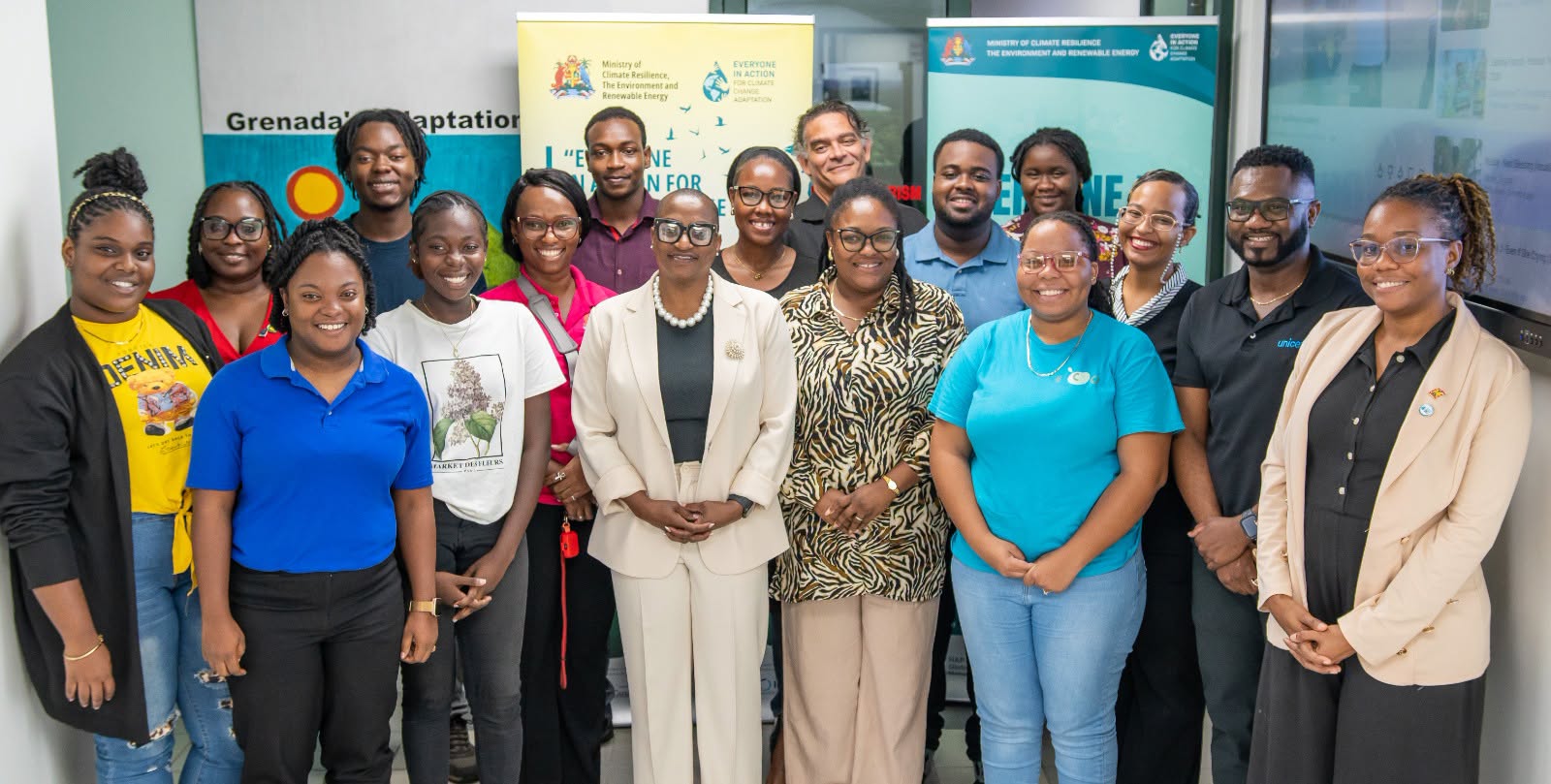
    On August 27, Grenada’s Ministry of Climate Resilience, the Environment and Renewable Energy brought together youth-focused environmental organizations, international partners, and educational groups for a strategic orientation and collaborative planning workshop. The gathering centered on scaling up the Youth in Action for Climate Change Adaptation School Awareness Campaign, an initiative designed to embed climate literacy across the country’s primary and secondary education systems.

    First launched in June 2025, the campaign tailors interactive, age-appropriate learning activities to students from pre-primary through secondary school. Its core goal is to help young learners grasp how climate change uniquely impacts Grenada’s small island ecosystem, and understand the adaptive actions that individuals and local communities can take to build long-term resilience.

    Hosted at the Ministry of Infrastructure Development Conference Room in the national Ministerial Complex, the August 27 workshop aligned with the ministry’s broader strategy to strengthen cross-sector partnerships, expand the campaign’s geographic reach across Grenada, and build the capacity of youth organizations to lead climate education both in classrooms and through community-based extracurricular programs.

    The workshop opened with opening remarks from Permanent Secretary Peron Johnson, who stressed that intentional collaboration with active youth-led groups is critical to expanding the campaign’s impact, deepening meaningful youth engagement on climate issues, and driving collective climate action across schools and local neighborhoods. Following Johnson’s address, Clive Murray, Programme Specialist for Disaster Risk Reduction and Climate Change at UNICEF, outlined UNICEF’s ongoing support for Grenada’s National Adaptation Plan (NAP) process, with a specific focus on integrating child-centered priorities into national climate planning.

    Dr. Roxanne Graham-Victor, Grenada’s National Climate Change Adaptation Officer, then delivered a detailed overview of the country’s updated Revised National Adaptation Plan 2025–2030, explaining how the school awareness campaign aligns with the plan’s targets and Grenada’s broader national goals for sustainable development and climate resilience.

    Attendees at the workshop represented a diverse range of organizations, including the Caribbean Youth Environment Network (CYEN) Grenada Chapter, the Caribbean Youth Climate Council (CYCC), Akata Farms, UNICEF, 195in365 Be the Change, the T A Marryshow Community College Environmental Awareness Movement (TEAM), the St George’s University Education Conservation Outreach (ECO) Club, and RCC Caribbean. During the session, participating partners were introduced to the range of interactive methodologies already being deployed through the campaign. These include age-adapted activities such as interactive classroom presentations on climate science, traditional storytelling for preschool learners, hands-on prop and visual aid activities, lessons on Grenada’s historical relationship to water resources, creative writing and poetry competitions focused on climate themes, student-led role-play enactments of local climate adaptation projects, and poster-making campaigns that center youth-produced climate messaging. All activities are designed to make climate change accessible, relatable, and engaging for learners across every age group.

    Beyond introducing existing campaign frameworks, the workshop created an open space for participating organizations to share new ideas for strengthening the initiative, and to outline how their unique networks and expertise can support future school outreach efforts. Partners also had the opportunity to outline what types of support — including specialized training, updated educational materials, access to resources, and administrative backing — they would need from the ministry to fully participate in the campaign’s expansion.

    Through this collaborative, stakeholder-driven approach, the Ministry of Climate Resilience aims to build a broad, coordinated network of trained individuals and organizations that can collectively advance climate change awareness and action among Grenada’s children and young people. Ultimately, the Youth in Action campaign supports the full implementation of Grenada’s Revised NAP by translating national climate resilience priorities into hands-on, practical learning experiences. These experiences encourage young people to understand the climate challenges facing their local communities, and empower them to take ownership of building a more climate-resilient future for Grenada.
  • Cabinet Supports Young Antiguan Artist as Part of CHOGM 2026 Outreach Efforts

    Cabinet Supports Young Antiguan Artist as Part of CHOGM 2026 Outreach Efforts

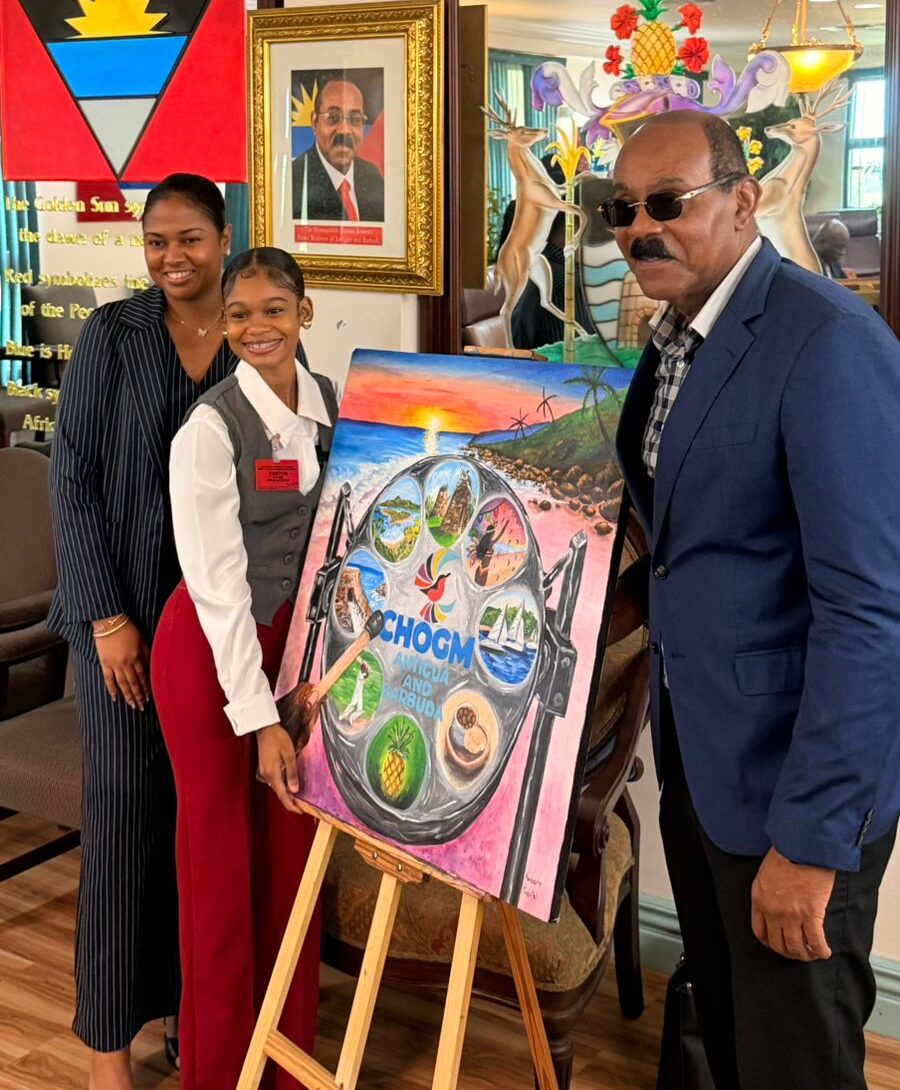
    In a formal display of support for homegrown creative talent, the Cabinet of Antigua and Barbuda has pledged to continue nurturing 21-year-old Antiguan visual artist Kimberly Pimentel, after she presented her original Commonwealth Heads of Government Meeting (CHOGM) 2026-themed work during Wednesday’s weekly Cabinet gathering.

    Pimentel was handpicked by the CHOGM 2026 Outreach Committee to take on the creative commission: crafting a one-of-a-kind piece that would embody the unique spirit of Antigua and Barbuda as it prepares to host the 2026 iteration of this major international summit. The finished work weaves together iconic elements of the nation’s natural landscapes, centuries-old cultural traditions, and core national identity, while also underscoring the historical importance of Antigua and Barbuda stepping into the global spotlight as the host of this high-profile event.

    During her appearance at the meeting, Pimentel walked Cabinet members through the conceptual framework of her artwork, breaking down the personal and national inspirations that shaped each creative choice she made. In response, Cabinet members voiced widespread admiration for Pimentel’s work, framing continued support for the young artist as a core component of the government’s broader push to elevate emerging local talent and foster a thriving creative ecosystem across the twin-island nation.

    Prime Minister Gaston Browne, the Honorable member for St. John’s City East, publicly welcomed the outreach initiative and extended his personal gratitude to Pimentel for her meaningful contribution to the national preparations for CHOGM 2026.

    Briana Anthony, lead for the CHOGM 2026 Outreach initiative and Public Relations Officer for the planning committee, explained that the project grew out of the committee’s core mission: connecting with everyday Antiguans and Barbudans through a diverse range of accessible platforms, ensuring that the message and excitement around the 2026 summit reaches people across every sector, community, and interest group.

    “We made a conscious decision that our outreach couldn’t be limited to traditional political or policy spaces – it has to meet people where they are, whether that’s in creative communities, local arts scenes, or neighborhood groups,” Anthony noted. “It felt perfectly natural to challenge Kimberly to use her remarkable artistic talent to help us expand our outreach and create a new, relatable pathway for people across the country to engage with CHOGM 2026. Her work does double duty: it showcases the incredible skill of a young Antiguan creator, while also telling a distinctly Antiguan story as we get ready to welcome delegates and visitors from across the Commonwealth.”

    For her part, Pimentel says she is deeply grateful for the opportunity to contribute to the national CHOGM 2026 effort, and for the unwavering support she has received from the government of Antigua and Barbuda as she advances her creative career.

    “This opportunity has allowed me to share my art with the nation and contribute to something that will put Antigua and Barbuda on the global map,” Pimentel shared. “I couldn’t have asked for a better platform to grow as an artist, and I’m thankful for the government’s belief in young creative talent like me.”

  • Now expired documents show Mohamed’s boat was certified, inspected

    Now expired documents show Mohamed’s boat was certified, inspected

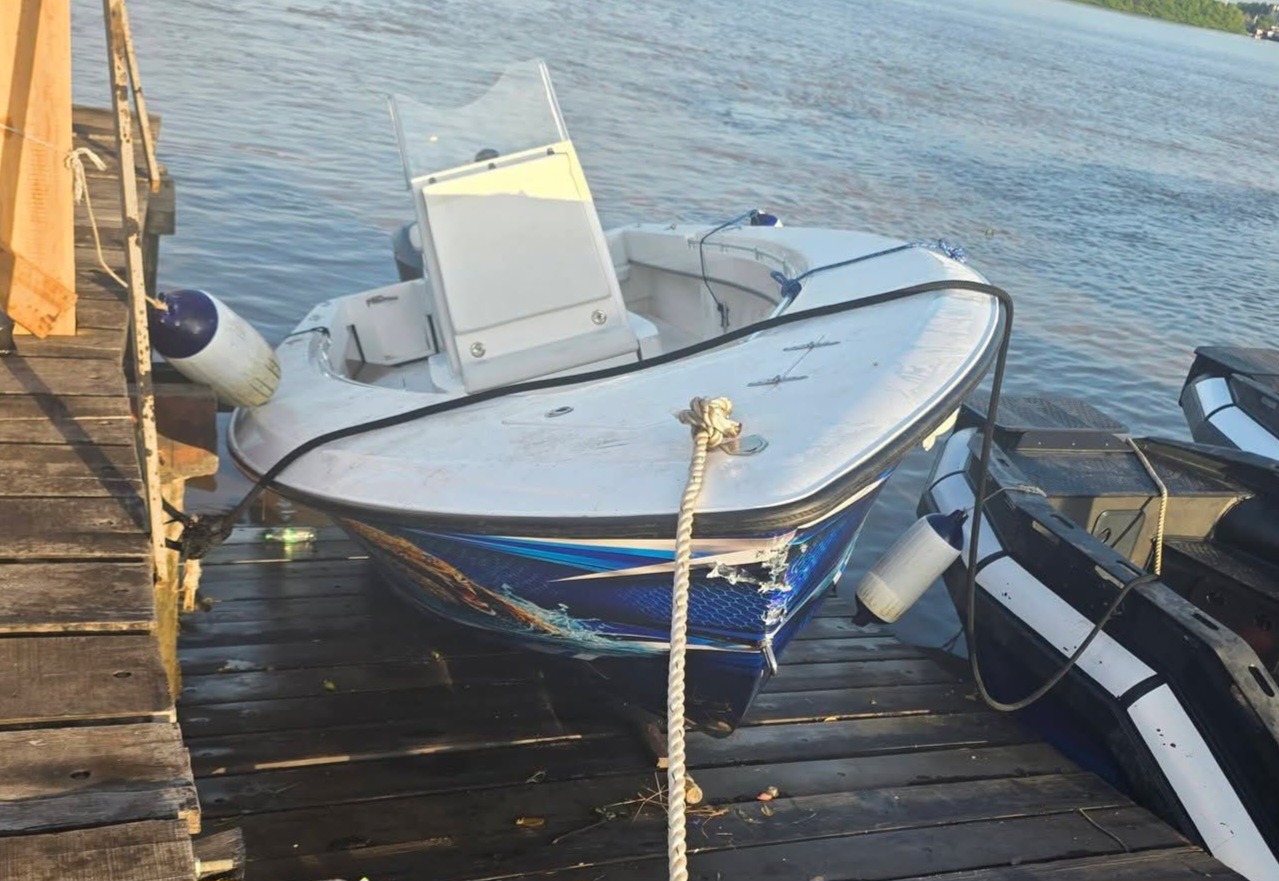
    On a pre-dawn raid in late August 2026, Guyanese opposition leader Azruddin Mohamed faced the detention of his private vessel, the *Prince AZ II*, after a joint police-coast guard maritime patrol stopped him for failing to produce valid operating documentation. What followed has since clarified the situation while raising new regulatory questions over the incident.

    Shortly after the Maritime Administration (MARAD) released an official statement claiming neither Mohamed nor his vessel held valid operating licenses, the opposition leader announced Thursday that he had located the missing paperwork. However, the discovered documents reveal a critical issue: both the operating license and the required certificate of inspection expired seven years prior, in September 2018. Both documents were originally issued in December 2017.

    Public records from the license lay out the vessel’s approved operating parameters: the fiberglass passenger-cargo vessel is cleared to carry up to six passengers and two crew members, operate with two 600-horsepower outboard engines, and is restricted to routes along the Demerara and Essequibo rivers and their tributaries. The inspection certificate adds further restrictions: the vessel is prohibited from traveling during nighttime hours between sunset and sunrise, and must be crewed by one Grade 3 boatmaster and one Category 4 deck rating.

    The sequence of events that led to the detention began on Tuesday, August 25, when Mohamed and five fellow parliamentarians from his We Invest in Nationhood party traveled via the *Prince AZ II* to Port Kaituma and Mabaruma. The trip was organized to meet with survivors and family members of victims of the July 2026 sinking of the state-owned ferry MV Barima, a major public incident that has already sparked political debate in the country.

    According to official police accounts, joint patrol officers spotted the vessel traveling along the Demerara River toward Friendship at approximately 9:50 PM that night, well after the sunset curfew listed on the expired inspection certificate. Officers activated their sirens to order the vessel to stop, but it reportedly failed to comply and accelerated away, prompting a short pursuit before it was finally intercepted and detained at the Friendship wharf. The vessel and all occupants were then escorted to the Ruimveldt marine police base in Georgetown ahead of further review.

    Mohamed has defended his position, noting that he previously held a valid personal captain’s license, but cannot currently produce it because the Police Force’s Special Organised Crime Unit seized a collection of his personal documents earlier in 2026.

    Legal analysts who have reviewed the case say that there is a key legal distinction between operating a vessel with no license ever obtained versus operating with documentation that has lapsed. Even so, they note that a seven-year expiration window is likely to be viewed as a serious violation by Guyana’s maritime regulatory authorities, which will have final say over any potential penalties.

  • Regering stelt Grassalco aansprakelijk voor vervuiling Moeroekreek

    Regering stelt Grassalco aansprakelijk voor vervuiling Moeroekreek

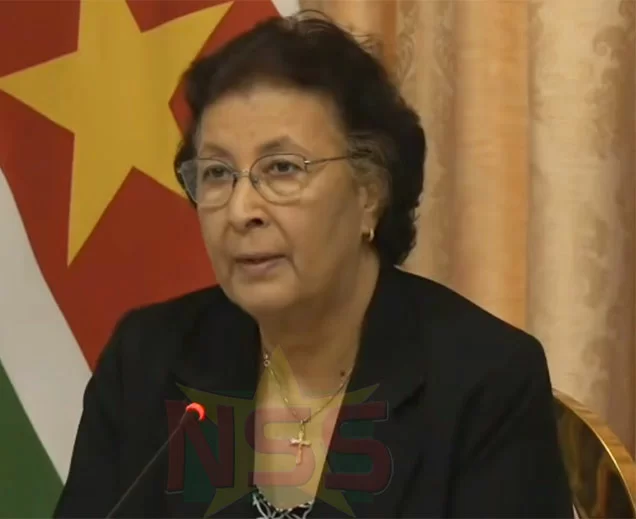
    In a breaking press briefing held on August 27, Suriname President Jennifer Simons announced that the national government will formally hold state-owned gold mining company Grassalco accountable for widespread ecological damage stemming from toxic pollution along the Moeroekreek, which has triggered mass fish die-offs in the region.

    Preliminary findings from the country’s National Environmental Authority (NMA) have confirmed with high certainty that the pollution originated on a mining concession held by Grassalco, Simons confirmed during the ongoing press conference. Additional test results show that toxic substances remain detectable in fish caught from the affected waterway, leading public health authorities to strongly advise against consuming fish from the area for the foreseeable future. The National Assembly, currently convened for its regular session, is scheduled to receive a full briefing from the administration on the unfolding situation before the end of the day.

    According to Simons, the central government only recently received the NMA’s official final report, and Grassalco has already been notified that a formal notice of liability is en route. The document, expected to be delivered by Thursday evening or no later than Friday morning, will outline the government’s claim for damages and initiate discussions on how the company will contribute to remedying the pollution’s far-reaching impacts.

    Grassalco has informed the administration that it has already implemented initial corrective measures and relocated the mining unit that operated at the contaminated site, Simons said. However, government officials are still waiting for a formal written account of these actions from the company. Starting Friday, a joint interagency task force including NMA inspectors, national police, military personnel, and other security services will deploy to the Moeroekreek region to conduct on-site inspections. The team will verify whether the relocated mining operation now meets all required national environmental and safety regulations.

    Should the inspection find the operation still non-compliant, the site will be immediately ordered to suspend activities pending further corrections, the president announced. Authorities will also launch a deeper probe into the company’s past operational practices at the concession. Simons stressed that the investigation and remediation process is far from over, and the government’s warning against consuming local fish remains in full effect while toxic residues persist.

    The president has already held initial consultations with community leaders from Indigenous and local villages in the affected area. On Friday, she will lead expanded talks with community members to share full investigation results, outline potential impacts, discuss upcoming regulatory and remediation measures, and map out the next steps for the response.

    Beyond addressing the Moeroekreek incident, the Simons administration is using this case to push for broader regulatory reform of Suriname’s gold mining sector, which has long been linked to widespread environmental degradation in the country’s interior. New and renewed mining permits are currently paused across the country as authorities conduct a full sector-wide audit to map out legal and illegal mining operations across the interior. Authorities are also deploying advanced monitoring technology to track unreported mining activity across remote regions.

    The government expects to release a new package of broader protective regulations within two weeks, aimed at safeguarding vulnerable interior regions including community residential areas, critical river ecosystems, and watersheds that are essential to preventing future large-scale pollution events. Simons emphasized that the administration is moving away from the longstanding practice of only responding to pollution incidents with ad-hoc measures, and is working to build a permanent, structural framework for regulating the gold sector and protecting Suriname’s natural environment.

    “Gold is found across almost all of Suriname, but we cannot allow prospecting and mining to take place everywhere,” the president stated.

  • Men are not born leaders

    Men are not born leaders

    A coalition of four prominent Caribbean civil society organizations — the Caribbean Family Planning Affiliation (CFPA), IGNITE, Youth Advocacy Movement (YAM) Grenada, and Caribbean Religious Voices for Justice (CRVJ) — has called for open, constructive public dialogue after a top Caribbean Examinations Council (CXC) official made controversial comments framing leadership as an inherent male birthright. Dr. Nicole Manning, CXC’s Chief Operations Officer, recently claimed that men are born to lead, and that wider society should actively work to keep men in positions of authority. The coalition is pushing back against this claim, not to exclude men from leadership roles, but to challenge the dangerous idea that gender alone should grant access to power.

    Drawing on theological framing from the Christian faith, CRVJ noted that the foundational creation story shared by most Abrahamic religions emphasizes equal dignity for all people, stating “So God created humankind in his image… male and female he created them.” (Genesis 1:27). The coalition points out that while selective religious interpretations have historically been used to prop up male privilege and justify gender-based inequality, these readings directly contradict Jesus Christ’s core message of radical love, liberation, and radical inclusion for all people.

    The coalition emphasizes that there is no biological basis for dividing leadership and followership along gender lines. All children are born with unique potential, the group argues, and effective leadership is cultivated over time through intentional development of character, access to quality education, equal opportunity, meaningful relationship building, and practice taking responsibility for serving others. What is often mislabeled as “natural male leadership” is simply the outcome of systemic advantage: societies have long granted boys unearned authority from childhood while pressure girls to accept subordinate roles, turning repeated privilege into a pattern that appears natural to casual observers.

    This dynamic is particularly visible across the Caribbean, the coalition notes. For generations, Caribbean women have stepped into leadership roles across every sector — leading households, grassroots communities, churches, schools, businesses, national advocacy movements, and entire nations — yet much of this transformative work has remained invisible or under-compensated, sidelined by persistent gender norms.

    Instead of asking how society can help men retain their grip on power, the coalition argues, the public should confront deeper structural questions: Who designed the current systems that reserve leadership for men? Who is locked out of these spaces? And why should gender, rather than proven competence, strong character, and genuine calling, determine who gets to lead?

    Rooted in Christian teaching, the coalition offers an alternative model of leadership, aligned with Jesus’s radical reorientation of power: “Whoever wants to be first must be servant of all.” (Mark 9:35). True leadership, the group argues, is defined by service, accountability, and a commitment to lifting up all community members, not domination of others or a sense of inherent entitlement to power.

    The coalition supports a region-wide conversation about supporting boys and men, but stresses that this dialogue must center on building healthy masculinity — one that encourages boys to grow into compassionate, courageous, collaborative, and emotionally whole people, rather than equating manhood with control over others. This same freedom must extend to girls and women: they deserve the unapologetic right to pursue and hold leadership positions on their own merit.

    Closing the persistent gender leadership gap is not about swapping male leaders for female leaders, the group clarifies. The ultimate goal is transforming the systemic structures that have tied power and leadership access to gender for centuries. Schools, churches, universities, workplaces, and public institutions across the region should assess leadership potential based on proven competence, personal integrity, clear vision, commitment to service, and accountability — not biological sex.

    The coalition calls for a coordinated, region-wide response to address gender gaps in leadership, and frames this work as a collective opportunity to build a more equitable Caribbean. In this vision, both women and men can bring their full, authentic selves to leadership, power is shared rather than hoarded by a privileged group, and leadership is exercised to serve the common good rather than to rule over others.

    This work is not an attack on men, the coalition emphasizes. It is an open invitation to all Caribbean people to reimagine and build a more just, effective model of leadership for the region.

    A disclaimer notes that NOW Grenada does not take responsibility for the opinions and content shared by contributing organizations, and provides a channel for reporting abusive content.

  • ‘Major discrepancies’ at 2 schools causing delay of CXC results press release

    ‘Major discrepancies’ at 2 schools causing delay of CXC results press release

    A planned public release of the annual national aggregate results for this year’s Caribbean Secondary Education Certificate (CSEC) examinations has been put on hold by education officials, after two major grading inconsistencies were uncovered affecting multiple subject areas at two separate institutions, Education Minister Phillip Jackson confirmed to Parliament this Thursday.

    The announcement comes more than a week after individual test-takers gained access to their personal grades via the Caribbean Examinations Council (CXC)’s online student portal on August 18. According to Jackson, the delay is limited exclusively to the compilation and publication of the broad national performance breakdown that compares outcomes across schools; it has not impacted any student’s ability to view, share or use their personal results for post-secondary enrollment processes.

    “Two major discrepancies were identified for a number of subjects across two schools. We flagged the issue internally first, then immediately notified the CXC, which is currently working to correct the errors,” Jackson explained to legislators. “We made the call to hold off on releasing the full national dataset because publishing it with these inconsistencies intact would have been premature. It could have skewed inter-school performance rankings and distorted the overall national picture, which would have been unfair to institutions and students alike.”

    Jackson emphasized that the disruption has not derailed the academic progression of the vast majority of CSEC candidates. Almost all test-takers have already accessed their individual grades and submitted them to support college admissions, with many having already secured enrollment for upcoming terms. The minister even offered a personal example, noting that his own son had passed all of his CSEC subjects and had completed his college registration already.

    “For over a week, every candidate has held their own results. Parents have been fully informed of their children’s performance, and the entire education system is continuing to operate as normal, with no interruptions to student progression,” Jackson said. “This delay only affects the aggregated public data report, not the individual outcomes students rely on for their next academic steps.”

    Officials from the Ministry of Education are continuing to work closely with the CXC to resolve the grading anomalies, Jackson confirmed. Once all corrections are finalized and the accuracy of the national dataset is verified, the ministry will publish the full performance summary via an official public statement. “We are working assiduously alongside the CXC to sort out this issue as quickly as possible, and we will release the full results as soon as that process is complete,” he added.

    In a closing note to candidates, Jackson reminded students who did not achieve the scores they had targeted that a second chance is already scheduled. Those wishing to improve their results will be able to resit their affected CSEC examinations this coming January. While the minister declined to share specific details on the nature of the identified discrepancies or name the two impacted institutions, he framed the delay as a necessary precaution to safeguard the integrity of school performance rankings and guarantee the accuracy of the national CSEC results report.

  • Hopeful sign for Grenadines reefs as rare staghorn coral found off Battowia

    Hopeful sign for Grenadines reefs as rare staghorn coral found off Battowia

    Marine conservationists across St. Vincent and the Grenadines are hailing a recent rediscovery as one of the most hopeful developments for local coral ecosystems since two devastating environmental events: Hurricane Beryl and the 2023–2024 global coral bleaching event. Both disturbances left severe, lasting damage to coral populations across the island chain, particularly for two keystone Acropora species.

    Staghorn coral and its close relative elkhorn coral (Acropora palmata) are far more ecologically significant than their abundance would suggest in the Grenadines. These branching coral species act as natural coastal barriers, absorbing wave energy to shield shorelines from erosion and storm damage, while their complex structures provide critical habitat, feeding grounds, and nursery space for hundreds of species of reef fish that support both local biodiversity and artisanal fishing communities. Following the consecutive climate-driven shocks of the bleaching event and hurricane, scientists formally classified both species as functionally extinct in local waters—meaning they could no longer sustain viable, self-sustaining populations in the region.

    To change this outcome, two regional conservation organizations—the Windward Islands Environment Foundation-affiliated WAM Inc. and the Centre for Livelihoods, Ecosystems, Energy, Adaptation and Resilience in the Caribbean, Ltd. (CLEAR Caribbean Ltd.)—launched an innovative citizen science campaign last year. The initiative invited diverse groups that spend regular time on the water, including local dive operators, artisanal fisherfolk, tourists, and frontline conservation staff, across St. Vincent and the Grenadines to report any potential sightings of elkhorn and staghorn coral to research teams. The project centered the local knowledge of communities that interact with these marine ecosystems daily, a perspective often overlooked in traditional scientific research.

    That community-centered approach delivered a breakthrough last week, when Ormar McKinnis, a long-time veteran fisherman based in Paget Farm on the island of Bequia, contacted WAM to report a cluster of staghorn coral he had spotted off the uninhabited coast of Battowia Island. Within days, a joint research expedition was organized: WAM’s Bequia-based researchers Jessica Jaja and Holly Bynoe teamed up with Cathy Howard-Sachs and Scott Hutton from the local dive operator Dive Bequia to survey the reported site, a stretch of coast none of the team members had previously visited for research.

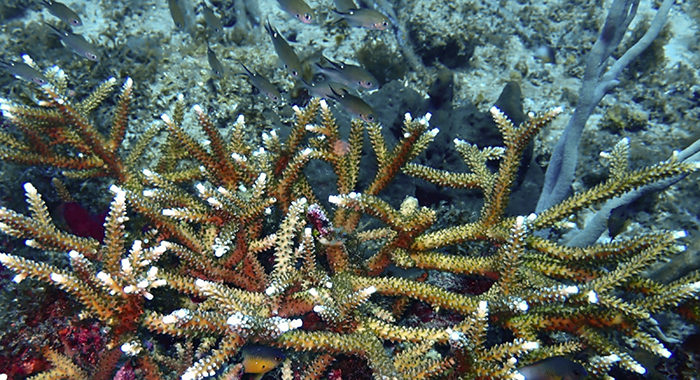
    To the team’s surprise and delight, the reconnaissance trip documented roughly 15 live staghorn coral colonies, many of which were young, newly established colonies in the earliest stages of healthy growth, thriving along the Battowia coastline. The number of corals found on this first exploratory trip far exceeded the team’s pre-expedition expectations. Researchers also noted that far more young staghorn colonies were visible growing in the area than the team could measure and document during their initial visit, prompting the immediate scheduling of follow-up systematic surveys to monitor the population’s growth and health over time.

    In the coming weeks, tissue samples will be collected from the newly discovered corals for genetic testing. This analysis will help scientists determine whether the colonies are distinct, genetically unique individuals or fragmented clones of a single surviving parent colony, data that will be critical for future conservation planning.

    Owen Day, a coastal scientist and executive director of CLEAR Caribbean, explained that the rediscovery has the potential to significantly strengthen the entire region’s coral conservation efforts. “It is really excellent news and will help increase the genetic diversity in our nurseries throughout SVG. It could be a lifeline for this once dominant species. The site could be a refugium, where strong currents have kept the temperatures down a little and reduced bleaching mortality,” Day said.

    Marion Isaacs, executive director of WAM Inc., echoed that optimism, noting that the find provides an unprecedented opportunity to understand natural coral recovery after major disturbance. “It gives us a real window into what’s returning post-bleaching and post-Beryl, and a starting point for understanding the growth patterns and sizes we’ll need to age these colonies properly,” Isaacs said. Most importantly, she emphasized, the discovery underscores the critical value of community participation in marine conservation. “More than anything, this mission reminds us how vital it is for fishermen and everyone else out on the water to keep sharing what they see. This discovery simply wouldn’t have happened without Ormar sharing his knowledge, and it’s exactly the kind of citizen-led intelligence our campaign was designed to unlock,” she added.

  • Leisure : Did you know ? #54

    Leisure : Did you know ? #54

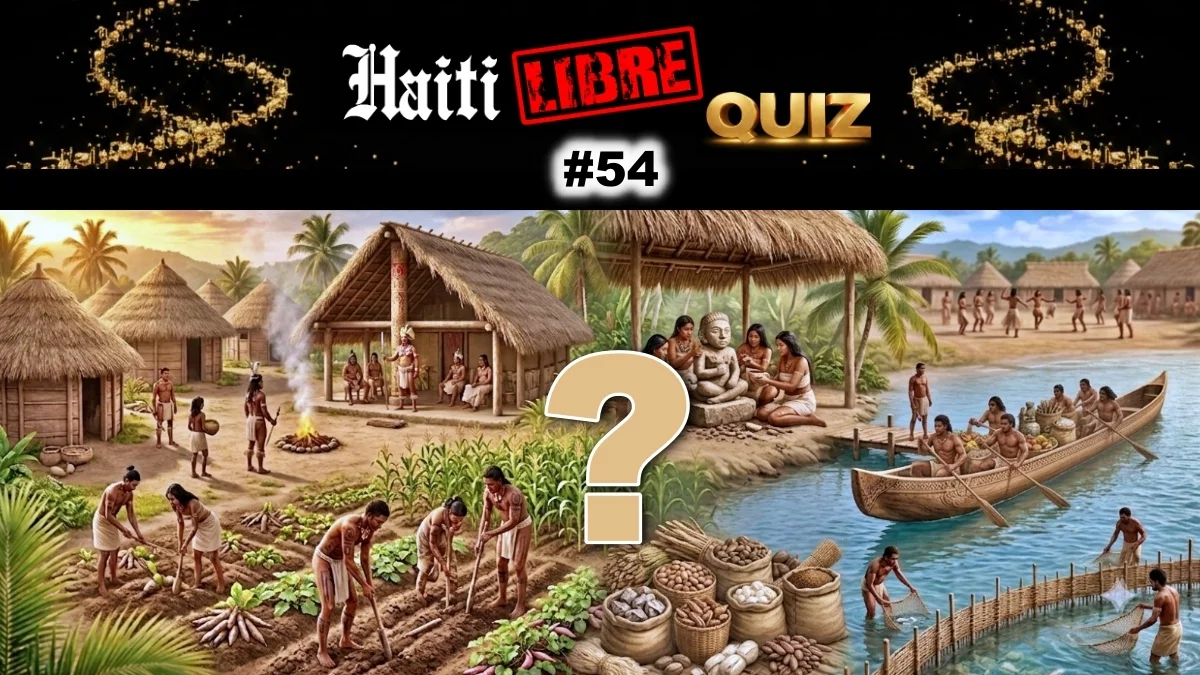
    In its popular biweekly “Did You Know?” knowledge series, HaitiLibre has shared a fascinating deep dive into the cultural history of the Taíno people, spotlighting the sacred ritual ball game that shaped their social and spiritual life. This 54th installment of the series, released as part of the platform’s ongoing quiz series, explores little-known details about batey, the centuries-old traditional game with far deeper meaning than simple recreation. The batey game, played on a marked rectangular public plaza that shared the same name, was a core part of Taíno communal and religious life. The playing plaza itself was defined by large, flat standing stones, many of which are still decorated with ancient Taíno petroglyphs that survive to this day. Matches pitted two teams against one another, using a solid, bouncy ball crafted from natural vegetable rubber or tree resin. A defining rule of the game banned players from using their hands or feet to touch the ball; instead, participants had to keep the ball in play using only their hips, elbows, shoulders, and knees, which were often protected by thick belts carved from stone or wood. Far more than a casual leisure activity, batey served critical social and spiritual functions within Taíno communities. The game was frequently used to peacefully resolve disputes between rival chiefdoms, offering a nonviolent alternative to conflict. It was also a centerpiece of major religious festivals, held to honor Taíno deities, and often concluded with formal, solemn religious ceremonies that reinforced community bonds. This historical insight comes directly from the answer key for the platform’s dedicated Haiti Tainos Quiz 1.1, part of a growing collection of general knowledge quizzes hosted by HaitiLibre. As of its latest monthly update on August 1, 2026, the platform added 30 brand-new quizzes, bringing the total number of available interactive knowledge games to 210, with new content added every single month. All of the platform’s exclusive quizzes are completely free to access, require no user registration, and are designed to suit audiences of all ages and knowledge levels. Each quiz is offered in both French and English, with three distinct difficulty tiers: easy, intermediate, and hard, to accommodate casual learners and trivia experts alike. Visitors can explore hundreds of quizzes covering topics ranging from Haitian history and culture to global current events and general knowledge, with a dedicated expert menu for users seeking more challenging content. HaitiLibre encourages visitors to explore the full quiz collection at https://quiz.haitilibre.com/en, share the platform with friends and family, and submit feedback and suggestions via the comment form at the end of every quiz. The initiative emphasizes learning through exploration, encouraging users to stick with challenging questions rather than giving up, turning every wrong answer into an opportunity to discover new knowledge to share with others. The “Did You Know?” series has released 53 prior installments, all of which are archived and accessible via the HaitiLibre website for users interested in exploring more cultural and historical facts about Haiti and the wider world.

  • Another Caribbean newspaper to cease publication after 31 years

    Another Caribbean newspaper to cease publication after 31 years

    After 31 years of continuous, award-winning coverage of politics, culture and community life in St Vincent and the Grenadines, the country’s long-running newspaper Searchlight will join a growing list of shuttered Caribbean news outlets when it ceases all operations next month. Parent company Interactive Media Limited announced this week that the title will run its final print edition on September 25, and will pause all digital operations pending a full review of the brand’s future, marking the end of an era for one of the Caribbean’s most recognizable local news institutions.

    Searchlight’s impending closure is not an isolated event, but the latest symptom of a cascading crisis that has swept through the Caribbean’s independent media sector in 2025. Earlier this year, two of the region’s most historic print titles shut their doors permanently: after 32 years of publication, Trinidad and Tobago’s Newsday wound down operations in January, and just two months later, Guyana’s 39-year-old independent stalwart Stabroek News ceased print and digital publication amid voluntary liquidation of its parent company. Even digital-native outlets have not escaped the pressure: in July 2025, regional digital news platform Loop News, which operated across 11 Caribbean markets for more than a decade, shut down after its parent company Digicel Group made the strategic decision to exit consumer-facing content and refocus on its core enterprise telecommunications business.

    The leaders of the shuttered outlets have pointed to a consistent set of interconnected challenges that have made independent, professional news production unviable across the region. Grant Taylor, managing director of Newsday, described the industry’s struggles as a “perfect storm of challenges” that has pushed once-stable titles into unresolvable debt. For print titles in particular, the pressures have been acute: decades of declining circulation have been paired with a collapse in print advertising revenue, while rising costs for materials, distribution and labor have eaten further into already thin margins. Even outlets that have pivoted to digital operations have failed to offset these losses, as both audiences and advertising spending have shifted overwhelmingly to global social media and big tech platforms that siphon off revenue that once sustained local news organizations.

    The loss of Loop News, which was built from the ground up as a regional digital operation, dealt a particularly sharp blow to hopes that an online-only model would solve the industry’s survival crisis. The platform’s closure proved that simply moving operations online is not enough to secure long-term sustainability for Caribbean news organizations, leaving industry leaders searching for new solutions to the sector’s deep structural problems.

    Wesley Gibbings, vice president of the Media Institute of the Caribbean, warned earlier this year that the region is currently in a “watershed period” for independent journalism. As more advertising dollars flow to global tech giants rather than local news outlets, the survival of professional, local reporting that holds power to account and serves community information needs is increasingly uncertain. Searchlight’s shutdown has amplified these concerns, with media practitioners warning that the growing wave of closures risks eroding media diversity and leaving communities across the Caribbean without access to independent, trusted local news.

    Unlike the other outlets that have permanently closed this year, Searchlight has left the door open to a potential future reboot. While the print edition will end for good on September 25, the title’s digital operations are only being paused, not permanently canceled, as Interactive Media Limited conducts a full review of the operation’s long-term strategic direction. For now, though, the end of Searchlight’s 31-year run marks another major blow to the Caribbean’s struggling independent media landscape.

  • BGIS urged to build on CBU Media Awards success

    BGIS urged to build on CBU Media Awards success

    Barbados has made history at the 37th annual Caribbean Broadcasting Union (CBU) Media Awards held in Guyana, turning in a dominant performance that secured the island nation 15 total awards and eight special mentions — with the Barbados Government Information Service (BGIS) leading the charge by claiming seven awards and one special honor. The landmark results marked a clear improvement from the BGIS’s 2023 showing, where the agency took home five awards and three special mentions, a progress highlighted by top government officials during a celebratory awards presentation this week.

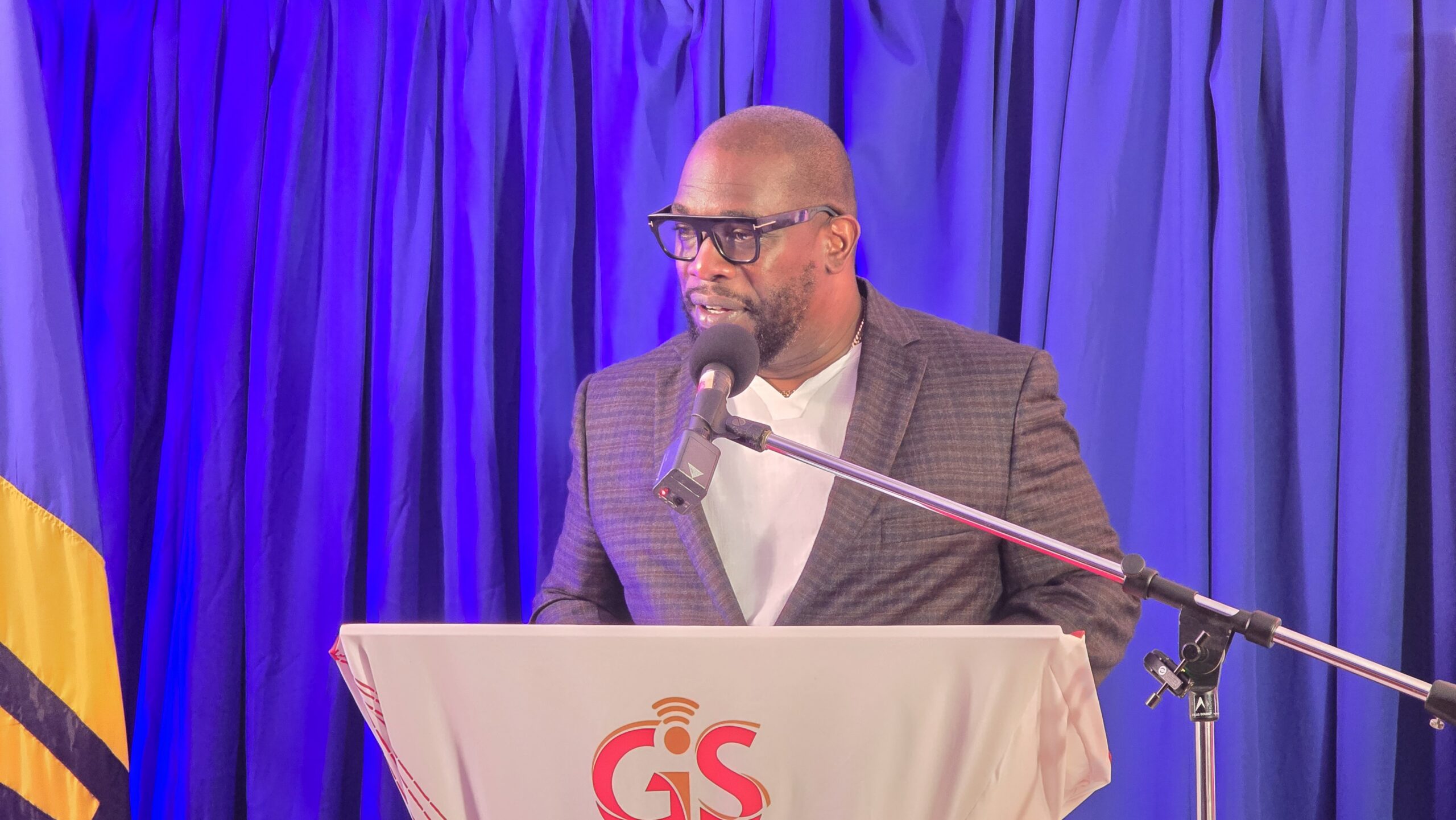
    At the Wednesday ceremony honoring winning teams from BGIS, the National Transformation Initiative (NTI), and Barbados Community College (BCC), Minister of Information Gregory Nicholls pushed the BGIS to build on its recent momentum, setting an ambitious target for future competitions. “This time we converted the special mentions into actual awards along with one special mention,” Nicholls noted. “So I expect by next year we will double in this because you’ve done a little bit of an improvement this year, so next year I’m expecting us to work together. Notice I said for us to leave the gap between you and the competition so far behind that they don’t worry about these awards in 2028.”

    Nicholls emphasized that the cross-category wins — spanning digital content, public service announcements, television, radio, and cultural reporting — debunk any skepticism around the quality of state-run media, proving that public media institutions can not only meet but exceed the highest industry standards for creative excellence and factual accuracy. Beyond journalistic quality, the minister framed BGIS as a cornerstone of Barbados’s national identity, positioning the agency as a critical player in the country’s cultural defense against external misinformation and inauthentic storytelling.

    “GIS has aided in bridging the gap between the state and citizens,” Nicholls said. “We all grew up hearing a lot of the programmes of GIS almost naturally on the radio and on television, seeing them a lifetime. I’ve been emphasising that the GIS like a number of other institutions in Barbados, the National Cultural Foundation, the Caribbean Broadcasting Corporation, are all important institutions in our cultural defence as a people. While other institutions overseas and abroad may offer skill and size and resources that are able to do things more efficiently, they’re not going to tell the authentic Barbadian story. They’re not going to be able to secure any legacy and what we as Barbadian people have achieved. They’re not going to be able to tell us objectively what is fact and what is fiction, what is news and information from disinformation and misinformation.”

    CBU President Anthony Greene echoed Nicholls’ praise, noting that Barbados’s top-to-bottom victory is unprecedented in the modern history of the regional awards, and crediting both veteran media teams and first-time entrants for the island’s success. “This is not a statement to overlook,” Greene said. “This is testimony that government information services do good media work, that is to be applauded, that is to be recognised and acknowledged and of course, it, like I said, led the charge of Barbados for the first time in the modern era, the CBU Awards Barbados dominated the regional competition in a number of trophies and certificates won, and it was ably supported by first-time entrants as well.”

    Greene specifically highlighted the performance of BCC, a first-time participant that earned recognition in the CBU’s brand-new student reporting category, noting that academic-media partnerships are key to sustaining a strong, independent media sector across Caribbean democracies. “[It] gives me great pleasure to acknowledge the work of the Barbados Community College because academia and media plays a critical part to the continuity of a sector that is critical to our democracies,” he added.

    Stein Hansen, acting United Nations Resident Coordinator for Barbados and the Eastern Caribbean, also extended congratulations to all winning teams, noting that the range of recognized work reflects the consistently high quality of Barbadian media across beats. This year marked the launch of the UN’s new Sustainable Development Goals (SDG) Champion award, created to elevate Caribbean media coverage of pressing global and regional issues including climate action, gender equality, public health, and equitable economic opportunity.

    “This speaks to the quality of the work being produced in newsrooms and studios across the island,” Hansen said. “I’m especially proud that for the first time, the United Nations presented the [SDG] Champion award. We launched this award to recognise the stories being told across the Caribbean media on climate action, gender equality, health, and economic opportunity- essential work in service of our shared future.”

    A full breakdown of BGIS’s awards saw Paula Harper-Grant and Rommel Cumberbatch take home Best Public Service Advertisement – Digital for *Bees in Agriculture* and Best Public Service Advertisement – Television for *Christmas Praedial Larceny*, while Harper-Grant and Andre Olton won Best Public Service Advertisement – Radio for *Encouraging Good Hand Hygiene*. A team of eight journalists including Mikul Elcock, Aisha Reid, and Andre Olton claimed Financial Literacy Journalism – Television for *Money Matters: Navigating Your Financial Future*. Sheena Forde-Craigg and Tyson Henry won Excellence in Media Coverage of Caribbean Arts and Culture – Print for *Beyond Buns and Flying Fish*, and also earned a special mention for Best News Story – Print for *Tourism, Airlift, Accolades and Arrivals*. Elcock additionally won Best Director – Television, and Olton took home Best Sound Engineer – Radio.

    Outside of BGIS, the NTI received a special mention in the SDG Champion category for its digital feature *Interview with STARR Bajan – Janelle Skinner*, and BCC student Victoria Boyce earned a special mention in the new Best Student Item – Digital category for her reporting project *Female Students Stepping Into Male Spaces*. The landmark wins have set a new bar for regional media competition, with leaders across government and the CBU already looking ahead to next year’s event.