
Barbados has been downgraded from Tier 2 to the Tier 2 Watch List in the United States’ 2025 Trafficking in Persons (TIP) Report, signaling concerns over the country’s insufficient progress in combating human trafficking. The Tier 2 Watch List designation is reserved for nations showing declining efforts, failure to identify victims, or worsening trafficking conditions. The US State Department highlighted that while Barbados has made notable efforts, it failed to demonstrate overall improvement compared to the previous reporting period, a critical requirement for maintaining Tier 2 status. This downgrade places Barbados under closer scrutiny for potential backsliding in anti-trafficking measures. The TIP Report, a globally influential assessment, emphasized that Barbados does not fully meet the minimum standards for eliminating trafficking. Key shortcomings include the absence of trafficking investigations, prosecutions, or convictions under the country’s anti-trafficking law. Additionally, no trafficking victims were identified or assisted for the third consecutive year, and no anti-trafficking training was provided to first responders. The government also failed to draft or implement a new national action plan after the previous one expired in 2023. While Barbados continued screening vulnerable populations and conducting public awareness campaigns, these efforts were deemed insufficient to retain Tier 2 status. The report criticized the Trafficking in Persons Prevention Act for allowing fines instead of imprisonment for sex trafficking, a provision the US government argues undermines the severity of the crime. Further concerns were raised about systemic issues within the justice system, including resource shortages, court backlogs, and the lack of dedicated courts for trafficking cases. Civil society groups reported that law enforcement prioritized other high-profile crimes, leaving trafficking cases under-investigated. Experts also pointed to inadequate screening of at-risk populations, such as migrant workers and women in commercial sex, as a significant gap in Barbados’ anti-trafficking efforts.
作者: admin
-
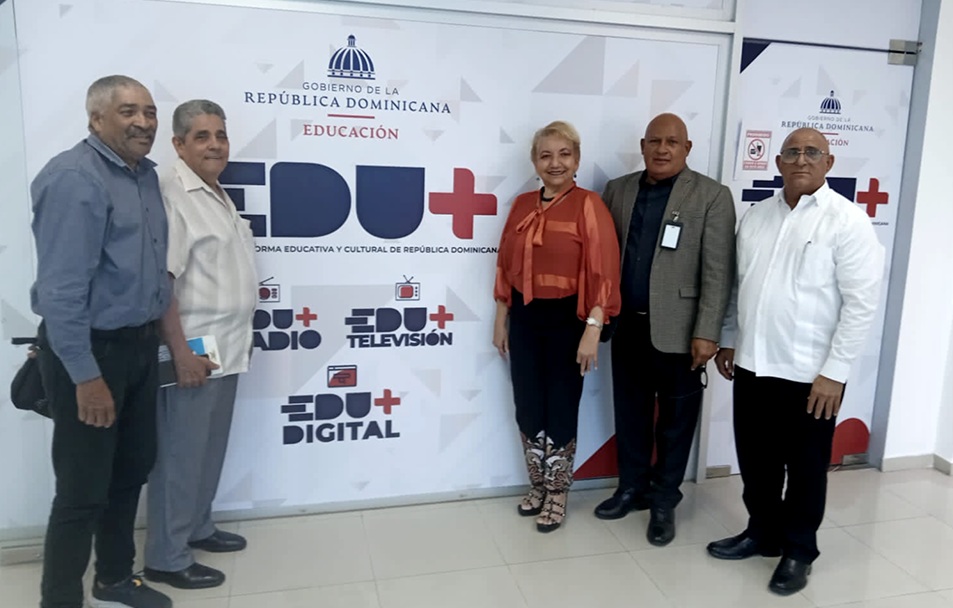
ISFODOSU professor Fátima Pons drives community engagement through school projects
The Félix Evaristo Mejía (FEM) campus of the Higher Institute for Teacher Training (ISFODOSU) is deepening its community engagement by delivering specialized value to local schools and businesses. Spearheaded by Dr. Fátima Pons, a distinguished research professor and head of the Extension Division at FEM, this initiative underscores the institution’s commitment to fostering collaborative solutions for societal challenges in the Dominican Republic. Dr. Pons emphasized the importance of direct collaboration with educational spaces during a recent appearance on the EduMás platform’s “Viva la Mañana” program. She highlighted the role of ISFODOSU in empowering teachers, counselors, and principals to drive collective progress. Families are also central to ISFODOSU’s vision, as they are seen as the cornerstone of community development. The university’s outreach efforts have been met with enthusiastic responses from local communities. Among the innovative projects led by Dr. Pons is the Educational Sites Project, which transitions schools from traditional bulletin boards to digital platforms like Google Sites, enhancing transparency and project management. Another key initiative, the Positive Discipline Project, integrates research-based strategies from renowned educators such as Dr. Becky Bailey and Dr. Randall Sprick to promote positive behavior across school ecosystems. Dr. Pons, a dedicated educator and researcher, reaffirmed ISFODOSU’s mission to cultivate pedagogical excellence, emphasizing the institution’s focus on ethics, principles, and values in shaping the future of Dominican education.
-
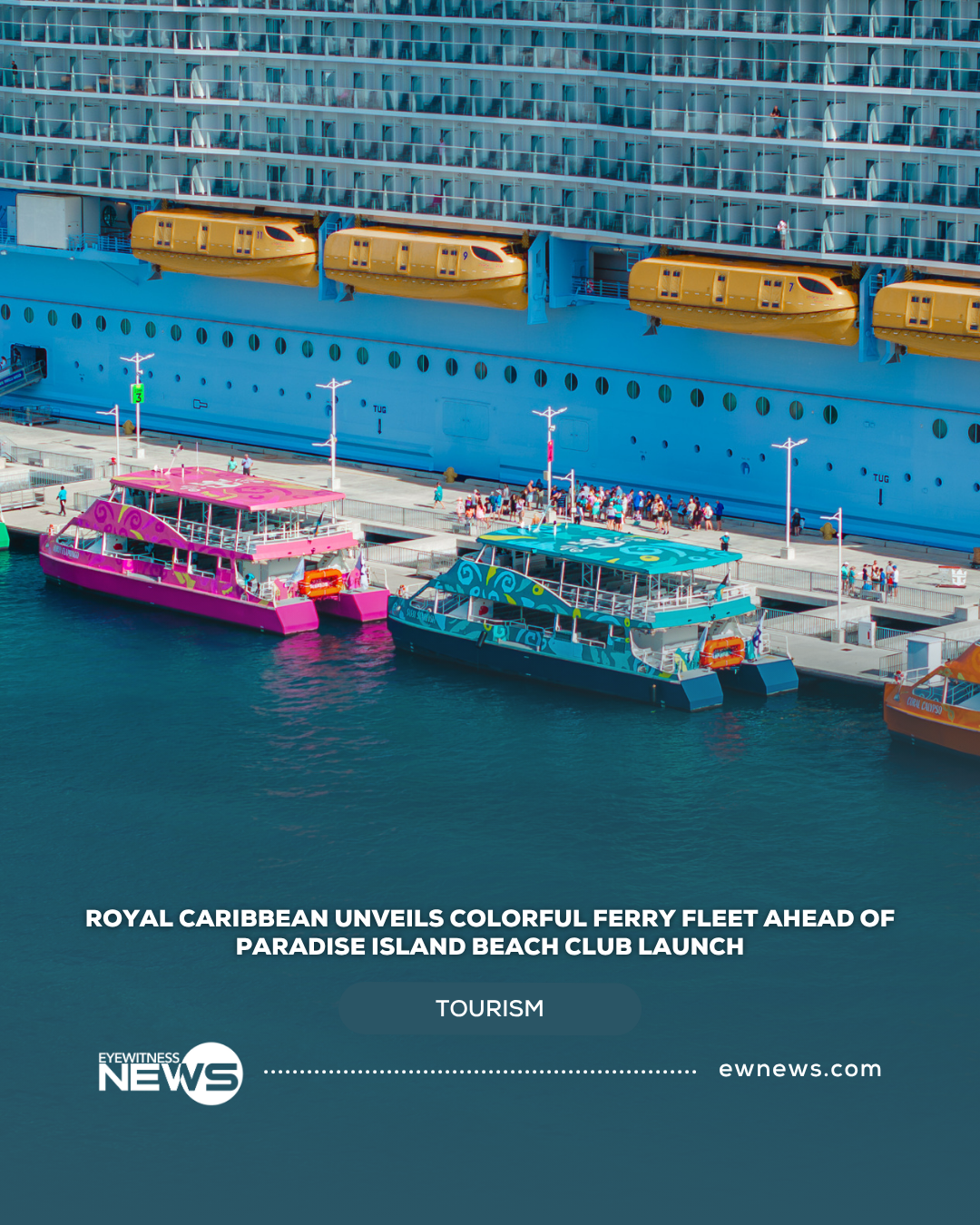
Royal Caribbean Unveils Colorful Ferry Fleet Ahead of Paradise Island Beach Club Launch
NASSAU, BAHAMAS — Royal Caribbean is set to make a splash with the introduction of a dynamic fleet of water ferries, designed to transport visitors to the eagerly awaited Royal Beach Club Paradise Island, slated for a December 2025 opening. The five bespoke ferries, managed by Bahamas Transport Logistics (BTL), a Bahamian-owned company, will serve as the initial touchpoint for cruise passengers heading to the new beach club. These vessels are engineered to blend efficiency with local culture, featuring lightweight aluminum hulls for seamless travel and vibrant, tropical-inspired designs. Philip Simon, President of Royal Caribbean Group Bahamas, emphasized the company’s commitment to delivering an exceptional, sustainable, and authentically Bahamian experience. The ferries, each named and colored after Bahamian wildlife — Flirty Flamingo (pink), Sassy Starfish (blue), Coral Calypso (orange), Twisted Turtle (green), and Lucky Lizard (turquoise) — are equipped with advanced navigation and propulsion systems, ensuring quick turnarounds while embodying the islands’ relaxed, fun-loving spirit. BTL’s involvement highlights Royal Caribbean’s dedication to centering Bahamians in the project, with the company overseeing daily operations and maintaining international safety and service standards. The ferry fleet is part of a broader initiative to infuse Bahamian culture into every facet of the Royal Beach Club Paradise Island experience, from food and entertainment to decor and staffing. This 2025 launch will mark Royal Caribbean’s first private beach club, combining the island’s natural allure with the cruise line’s renowned hospitality. As development progresses on Paradise Island, the ferry fleet’s debut is poised to herald a uniquely Bahamian welcome for the thousands of visitors anticipated upon the project’s official opening.
-

Hubbard’s Motor launches GAC vehicle brand in Grenada
Hubbard’s Motor, a key player in the Auto Division of Goddard Enterprises Limited (GEL), has officially announced the launch of the globally acclaimed GAC vehicle brand in Grenada. This strategic partnership brings together GAC’s award-winning designs, cutting-edge technology, and Hubbard’s Motor’s longstanding reputation for reliability and service excellence. GAC, ranked #181 on the 2024 Fortune Global 500 and recognized by J.D. Power as the #1 Quality Chinese Brand for eight consecutive years, sold over 2 million vehicles worldwide in 2024. With international collaborations including Honda, Toyota, and Mitsubishi, GAC is now poised to transform Grenada’s automotive landscape. The initial lineup features the Emkoo, a futuristic SUV; the GS3 Emzoom, awarded Highest Quality Compact SUV in China; and the AION EV Series, honored as China’s Highest Quality Electric Vehicles in 2024. Each vehicle undergoes rigorous durability testing, and customers in Grenada will benefit from extensive warranties, including 7 years/250,000 km coverage for the Emkoo and Emzoom, and 8 years/160,000 km for the AION EV Series. Osmond Henry, General Manager of Hubbard’s Motor, emphasized that GAC’s exceptional design, performance, and safety standards, combined with Hubbard’s trusted after-sales service, will redefine the driving experience in Grenada. Christopher Dowden, Manager of Hubbard’s Motor, highlighted that this launch is not just about introducing new vehicles but shaping the future of mobility on the island. This collaboration ensures Grenadian drivers have access to world-class automotive solutions that blend innovation, reliability, and local expertise.
-

A new wave of young farmers is stepping forward to shape the future of Antigua and Barbuda’s agriculture
Antigua and Barbuda is making significant strides in revitalizing its agricultural sector by empowering the younger generation. The recent relaunch of the Antigua and Barbuda Youth Forum for Agriculture (ABAFI) underscores the government’s commitment to addressing the aging farmer demographic, which currently averages over 55 years old. Agriculture Minister Anthony Smith Jr. emphasized the urgency of investing in youth and women to ensure the sector’s sustainability.
-

Burnett Renews Call for Police Accountability Board as Families Wait for Justice
Retired Assistant Commissioner of Police Nuffield Burnett has reiterated his call for the creation of a Police Accountability Board, emphasizing the urgent need to address transparency issues and restore public confidence in law enforcement. Speaking at a United Progressive Party town hall, Burnett highlighted the growing concern over unresolved cases and the lack of clear communication with affected families, which he argued is eroding trust in the justice system.
Burnett pointed out that many families are left in the dark for months or even years, unsure whether investigations into serious crimes, including suspicious deaths, are being actively pursued. This silence, he noted, not only exacerbates the suffering of victims’ relatives but also fosters an environment ripe for rumors and speculation, further damaging the relationship between the public and the police.
He stressed that while frontline officers often face resource constraints, accountability must extend to higher levels of command. Burnett proposed that an independent Police Accountability Board could serve as a crucial oversight mechanism, ensuring that investigations are conducted transparently and efficiently. Such a body, he argued, would provide much-needed assurance to the public that cases are being handled with integrity and diligence.
Burnett’s remarks were part of a broader discussion on crime and governance, where panelists linked rising violence to systemic failures in planning and coordination. His intervention underscored the human impact of these issues, drawing attention to the plight of families who have been left waiting for answers.
For Burnett, the establishment of a Police Accountability Board is not merely about oversight—it is a vital step toward rebuilding public trust. ‘Accountability has to start from the top and flow through all levels,’ he asserted, emphasizing the need for transparency and responsiveness in addressing public concerns.
-

Stephon Jackson, Second Suspect Charged in High Street Robbery
In a significant development in the High Street robbery case, the Royal Police Force of Antigua and Barbuda has arrested and charged 27-year-old Stephon Jackson of Clare Hall. The incident, which occurred on September 22, involved the robbery of two individuals who were stripped of their vehicle, mobile phones, and other valuables. Jackson is alleged to have acted alongside other accomplices in the crime. Earlier, a 17-year-old from Clare Hall was also arrested and charged in connection with the same incident. Jackson is expected to appear in court later this week. Meanwhile, a third suspect voluntarily surrendered to the police on Tuesday, marking a crucial breakthrough in the ongoing investigation. Authorities continue to probe the matter, emphasizing their commitment to bringing all perpetrators to justice. The case has drawn public attention, highlighting concerns over street crime in the region.
-

COMMENTARY: The long walk to full free movement within the CARICOM Single Market
A significant milestone in Caribbean integration has been reached as the Caribbean Community (CARICOM) announces full free movement among four member states: Belize, Dominica, St. Vincent and the Grenadines, and Barbados. This landmark decision, rooted in the Enhanced Cooperation Chapter of the Revised Treaty of Chaguaramas, marks a transformative step toward regional unity and economic collaboration. The initiative, spearheaded by Prime Ministers Mia Mottley, John Briceño, Roosevelt Skerritt, and Ralph Gonsalves, builds upon the foundation laid by the 1989 Grand Anse Declaration, which envisioned a Single Market for the Caribbean. Citizens of these nations can now travel, work, and reside indefinitely across the participating jurisdictions without the need for work permits or additional visas. This development not only strengthens regional ties but also opens doors for enhanced cultural exchange, economic opportunities, and shared governance. Dr. Kai-Ann Skeete, Trade Policy Research Fellow at the Shridath Ramphal Centre, emphasizes the importance of this integration, urging young professionals to explore opportunities within the OECS territories, which have long embraced free movement. She also calls for strategic communication, technological innovation, and civil society engagement to address challenges such as transportation, standardization, and geopolitical tensions. As CARICOM moves forward, the region must harness youthful energy and collective wisdom to ensure equitable and sustainable development. The words of former Barbados Prime Minister Owen Arthur resonate deeply: ‘It is time to now give Caribbean unity a chance.’
-

Pringle Says Lack of Trust Undermines Crime-Fighting Efforts
Opposition Leader Jamale Pringle has raised concerns over the growing mistrust between the public and law enforcement, stating that it is severely hindering crime-solving efforts. Speaking at a United Progressive Party town hall, Pringle emphasized the need for stronger community engagement and greater transparency from the police to rebuild confidence. He cited a recent incident in Scarit’s Pasture where a resident, who considered sharing surveillance footage with the police, received a handwritten threat the following morning, warning them against cooperating. Pringle argued that such breaches of confidentiality undermine trust and discourage citizens from providing crucial information. He stressed that rebuilding this trust requires not only safeguarding sensitive communications but also fostering closer interactions between the police and the community. Additionally, Pringle criticized the lack of regular updates on ongoing investigations, urging law enforcement to keep the public informed to demonstrate that cases are being actively pursued. His remarks were part of a broader discussion on crime, accountability, and governance, where panelists also proposed measures such as independent investigations and enhanced border security.
-

A Response to the UWI Incident Article
A recent article published on September 30, 2025, detailing an alleged seizure incident involving a student at the University of the West Indies Foundation for International Cooperation (UWI-FIC), has sparked significant controversy. The article claimed that the university failed to respond adequately to the situation. However, a concerned mother, whose daughter experienced a similar incident on the same day, has raised serious doubts about the accuracy and motives behind the report. In a heartfelt response, she emphasized that the details provided in the article were inconsistent with her daughter’s experience and questioned whether the author was impersonating or misrepresenting the event. The mother highlighted the importance of using established internal channels to address such issues rather than resorting to public criticism. She also expressed concern that the article could damage the long-standing collaborative relationship between her family and the university, which has been instrumental in supporting her daughter’s education. As an educator and advocate for equitable access to education, she urged the author to retract the article and issue a public apology to protect her daughter’s reputation and the integrity of UWI-FIC. She emphasized the university’s critical role in the region’s development and called for constructive dialogue to address health-related challenges in academic settings.