
The Government of Barbados has announced plans to expand freedom of movement within the Caribbean Community (CARICOM) by opening its borders to at least three additional states, including two from the Organisation of Eastern Caribbean States (OECS) and Belize. While this move is framed as a step toward regional integration, it has sparked significant criticism among Barbadians who feel it is ill-timed given the country’s pressing domestic challenges. Barbados is grappling with a soaring cost of living, stagnant wages, and overstretched public services. Many citizens argue that prioritizing border expansion before addressing these issues raises concerns about whose interests are truly being served. The potential influx of migrants, whether immediate or gradual, could exacerbate existing economic and social pressures. Critics liken the move to pouring water into a leaking bucket, emphasizing that it may worsen rather than alleviate the country’s problems. Unemployment and underemployment, particularly among the youth, remain high, and opening the labor market to more competition could further depress wages. Additionally, long healthcare wait times, scarce affordable housing, and inadequate schools and transportation systems are already straining the population. The Barbados Consumer Empowerment Network (BCEN) has expressed support for regional integration but insists it must be fair, reciprocal, and sustainable. They urge the government to focus on stabilizing the economy, reducing living costs, and improving public services before pursuing symbolic gestures of integration. BCEN emphasizes that leadership should be measured by how well it cares for its people, not by how quickly it opens its borders.
作者: admin
-
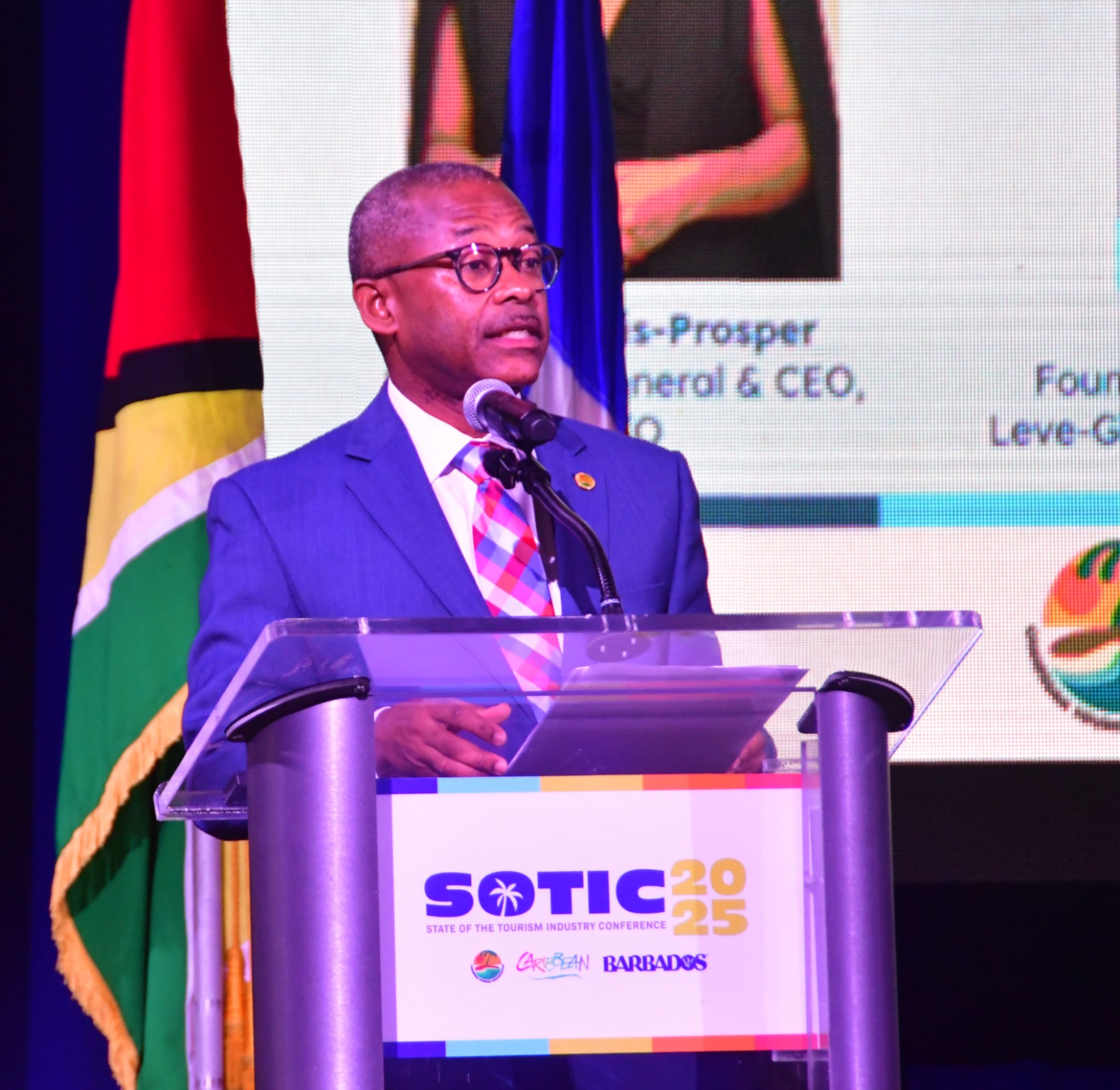
Minister reaffirms Caribbean tourism as a pillar of peace and identity
Ian Gooding-Edghill, Minister of Tourism, has reiterated the critical importance of preserving the Caribbean’s globally celebrated tourism brand. Speaking at the opening of the State of the Tourism Industry Conference (SOTIC) 2025 on October 1, his remarks come against a backdrop of escalating tensions in the southern Caribbean involving Guyana and Trinidad and Tobago. These nations have become entangled in a broader geopolitical conflict between the United States and Venezuela. The U.S. has intensified its campaign against drug trafficking networks allegedly linked to Venezuela’s government, particularly the Cartel de los Soles, which Washington claims is supported by high-ranking Venezuelan officials loyal to President Nicolás Maduro. With Maduro resisting U.S. pressure and American warships patrolling Caribbean waters, the region’s longstanding reputation as a peaceful haven is under threat. Gooding-Edghill echoed Prime Minister Mia Mottley’s recent address at the UN General Assembly, emphasizing the Caribbean’s identity as a zone of peace—a cornerstone of its tourism appeal. He stressed that maintaining this peaceful image is vital for nations like Barbados, where tourism is a primary economic driver. The minister highlighted the need to market the Caribbean as a sanctuary of safety and stability, offering visitors not just a vacation but an escape from global instability. Additionally, he advocated for leveraging cultural figures as soft power to amplify the Caribbean brand globally. He argued that the region’s sports heroes, musicians, and artists should serve as ambassadors, sharing authentic narratives that resonate internationally. Gooding-Edghill also underscored tourism’s deeper role in shaping Caribbean identity, describing it as the lifeblood of the region’s culture, creativity, and connection to the world. Reimagining tourism, he concluded, is synonymous with reimagining the Caribbean’s future.
-

Beyond right answers: Raising well-rounded children together
Barbados is currently undergoing a significant transformation in its education system, a shift that is both exhilarating and unsettling for parents and families. Change, especially when it concerns children, often evokes a sense of uncertainty. While some aspects of this transformation are welcomed, others are met with skepticism. However, the key lies in how we respond and guide our children to make the most of these changes. One of the most notable changes is the adoption of project-based learning, which moves away from traditional rote memorization and encourages students to delve into real-world problems, explore creative solutions, and demonstrate their understanding in meaningful ways. This approach not only prepares students for exams but also for life. Additionally, play-based learning has been introduced in early education, fostering curiosity and imagination. The challenge now is to maintain this spirit throughout the entire education system. As children progress, the focus often shifts to achieving the ‘right answer,’ which can stifle curiosity and creativity. The future will present complex problems without clear-cut solutions, making it essential to teach content while avoiding the trap of valuing only correct answers. Parents play a crucial role in this transformation. While it is natural to desire academic success for their children, it is important to recognize that true achievement is driven by curiosity, persistence, and the courage to try. The rise of AI and technology presents both opportunities and challenges. While these tools can enhance access to information and creativity, they also risk diminishing children’s ability to think independently and process deeply. Teachers are grappling with how to make assessments more authentic, ensuring they measure actual understanding rather than computer-generated responses. The home environment is vital in sustaining curiosity. Research indicates that many children lose their natural curiosity around age seven due to systems that reward only correct answers. Parents can counteract this by encouraging questions, engaging in thoughtful dialogue, and supporting home projects that allow children to lead and solve problems. By fostering curiosity, resilience, and empathy, Barbados aims to develop not just better students but better individuals. This transformation may be daunting, but the ultimate goal is to create self-sufficient, fully functional, and thinking human beings. Dr. Zhané Bridgeman-Maxwell, a science educator and researcher, is at the forefront of this movement, advocating for policy shifts and pedagogical innovation to redefine education in Barbados.
-

Over 13 Pounds of Cannabis Seized at Deep Water Harbor
In a significant crackdown on illegal drug trafficking, the Royal Police Force of Antigua and Barbuda, in collaboration with Customs Enforcement, seized over 13 pounds of cannabis at the Deep Water Harbor on October 2, 2025. The operation, conducted by the Narcotics Department and the K-9 Unit, led to the discovery of 14 vacuum-sealed packages concealed in a brown cardboard box within the Custom Cargo Shed. The confiscated drugs, with an estimated street value of $81,000, were transported to Police Headquarters for further investigation. Authorities praised the joint efforts of the agencies involved and urged the public to continue supporting their fight against illegal drug trade. This seizure underscores the ongoing challenges and successes in combating narcotics trafficking in the region.
-
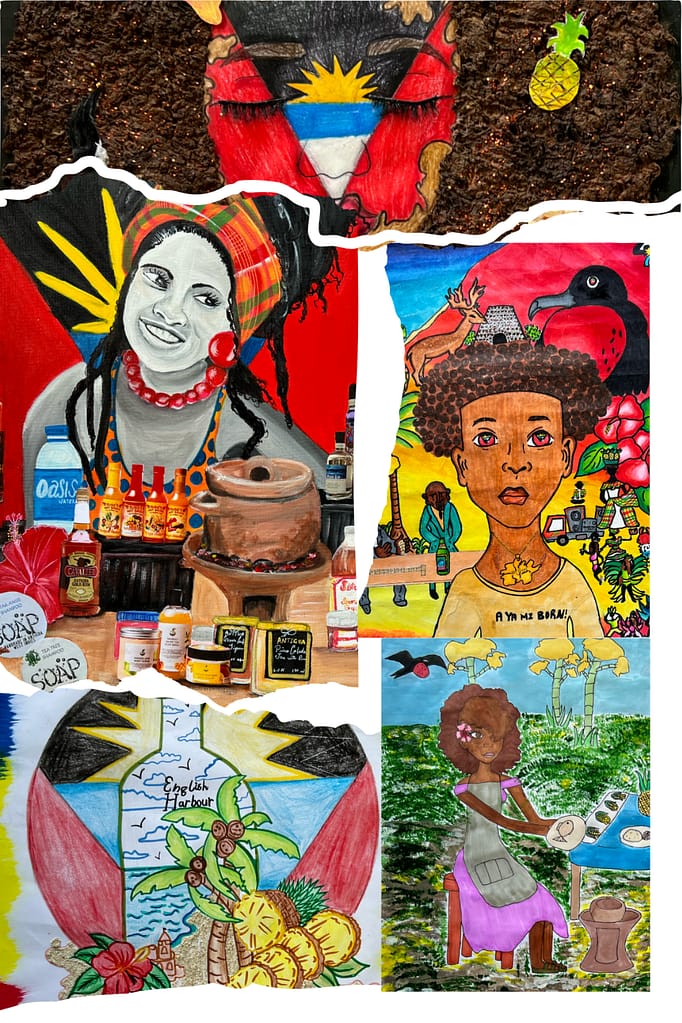
The Third Edition of Antigua and Barbuda Art Week Student Art Competition launched by the Tourism Authority
The Antigua and Barbuda Tourism Authority has announced the launch of the third annual Antigua and Barbuda Art Week (ABAW) Student Art Competition, running until November 21, 2025. This initiative provides a vibrant platform for young visual artists to celebrate their cultural heritage and showcase their creativity through art. The theme for this year, ‘Life in Antigua and Barbuda,’ invites students to depict everyday experiences, from island life and family traditions to natural beauty and defining moments of the twin-island nation.
Open to students aged 7 to 17, the competition is divided into three age categories: 7–9, 10–12, and 13–17. Participants can submit works in painting, drawing, or mixed media, utilizing materials such as watercolours, acrylics, crayons, or collage. Maria Blackman, Marketing Communications Manager and ABAW Committee member, emphasized the importance of the arts in enriching the visitor experience and sharing the nation’s story. She expressed excitement about how young artists will interpret this year’s theme.
Mauricia Frith, ABAW Student Art Competition Committee Lead, highlighted the originality and depth of past entries, anticipating even more profound reflections of Antiguan and Barbudan identity through the eyes of young creators. Submissions must be delivered to the Antigua and Barbuda Tourism Authority by November 21, 2025. A panel of professional artists will evaluate the entries, with winners announced at the ‘Rising Stars of Art’ awards ceremony on November 27 at V. C. Bird International Airport. The selected works will be displayed in the airport’s arrivals hall as part of the ‘Art and Fashion Exhibition,’ offering visitors a vibrant introduction to the nation’s creative talent. Prizes, including art supplies, will be awarded to top winners in each category.
Beyond the competition, Antigua and Barbuda Art Week 2025 will feature additional opportunities for young artists to develop their skills, including art demonstrations by Gilly Gobinet, an interactive sustainable art workshop by Good Humans 268 Inc., open galleries, and an Art and Culture Bus Tour on November 28. The event is supported by FLOW, whose commitment to youth development and creativity has been instrumental in the initiative’s success.
For more details on Antigua and Barbuda Art Week, including the event schedule and hotel packages, visit www.visitantiguabarbuda.com or follow @antiguabarbudaartweek on social media.
-

Bayville community in shock after shooting
A tranquil morning in Bayville turned into a scene of chaos and fear when a local taxi driver, identified by neighbors as Andrew, was shot during an attempted robbery on Thursday. The incident, which occurred in front of his young child, has left the community in shock and questioning their long-held sense of security. Andrew was washing his taxi van when an assailant approached and shot him, marking the first violent crime of this nature in the area in over five decades. A nearby resident, who has lived in Bayville for more than 50 years, expressed disbelief, stating, “We have never had anything like that in this area, never. I am 53 and I have never heard of anything like this here.” She described Andrew as a kind and helpful man, always willing to assist others, often with the help of his children. Another neighbor echoed these sentiments, calling Andrew a “very nice fella” and expressing deep sadness over the incident. The shooting has also raised concerns about the behavior of some young people in the community, with one local worker noting, “They have a lot of young people in the area, and the majority of them, some of them are disrespectful to other people.” The victim is currently in stable condition at the Queen Elizabeth Hospital, and authorities are investigating the incident. This event has not only shattered the peace of Bayville but also highlighted the growing need for community vigilance and youth engagement to prevent such tragedies in the future.
-
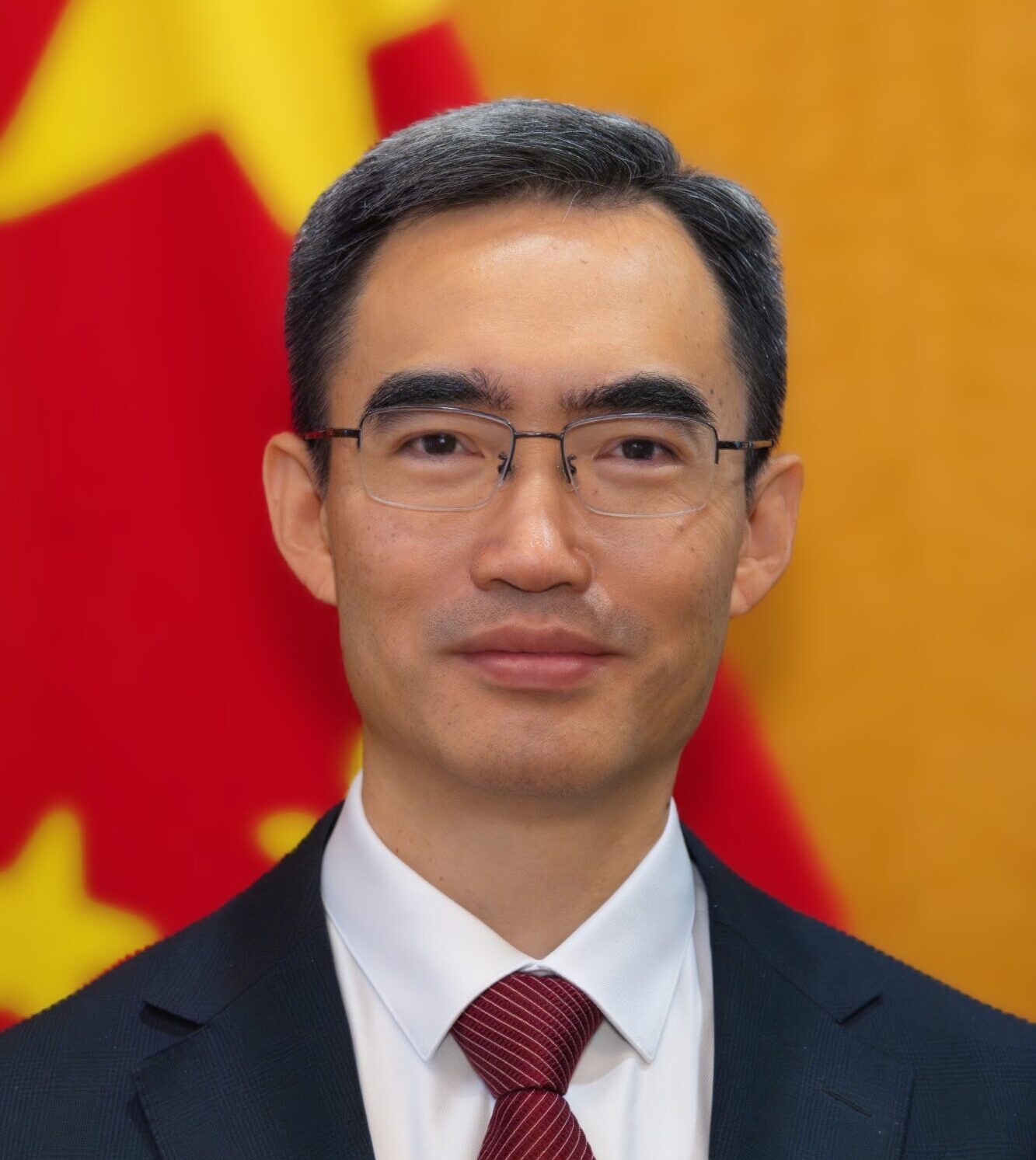
Empowering Half the Sky
China is set to host the Global Leaders’ Meeting on Gender Equality and Women’s Empowerment in Beijing later this year, an event that has garnered significant international attention. Leaders and representatives from numerous countries will convene to celebrate advancements in women’s rights, share experiences, and strategize for future progress. This meeting highlights China’s dedication to promoting gender equality and empowering women globally.
Historically, women have played a pivotal role in shaping human civilization, yet they have long faced systemic discrimination. In China’s feudal past, women were relegated to domestic roles, denied education and employment, and often subjected to abuse. The establishment of the Communist Party of China (CPC) in 1921 marked a turning point, as the CPC championed women’s liberation and gender equality. Following the founding of the People’s Republic of China, laws were enacted to protect women’s rights, leading to significant improvements in their status. Women gained access to education, employment, suffrage, and equal standing in family and society.
Under President Xi Jinping’s leadership, China has continued to make strides in women’s rights. Gender equality has been integrated into the CPC’s political agenda and national development plans. Legal protections for women have been strengthened, resulting in a 95% reduction in cases of abduction and trafficking from 2013 to 2024. Women now constitute 50.76% of higher education students, and maternal mortality rates have dropped by 76.9%. Women’s life expectancy has risen to 80.9 years, reflecting improved healthcare and living standards.
Chinese women are excelling in various fields, from science and engineering to entrepreneurship and governance. The digital economy has opened new opportunities, with women comprising over half of internet entrepreneurs and one-third of the workforce in emerging industries. Women’s participation in family decision-making has also increased, with 90% of married women involved in major family decisions.
China’s commitment to gender equality extends globally. Through initiatives like the Belt and Road and South-South Cooperation, China has collaborated with over 140 countries, 420 women’s organizations, and trained more than 200,000 women worldwide. The Global Development and South-South Cooperation Fund has supported women-focused projects worth nearly $40 million across 20 countries.
As the world prepares for the Global Leaders’ Meeting, China calls for renewed global commitment to gender equality. The goals include strengthening legal protections, closing education and healthcare gaps, leveraging technology, and integrating gender perspectives into global governance. Together, we can create a world where all women and girls can thrive.
-

Barbadian banker among six appointed after CIBC Caribbean training
CIBC Caribbean has recently appointed six young professionals to pivotal frontline banking roles across the region, marking a significant step in nurturing the next generation of financial leaders. Among the appointees is Shamar Shorey from Barbados, who has joined the Platinum Banking team as a relationship manager. These appointments follow the successful completion of the bank’s Chief Commercial Office (CCO) Immersion Programme, an 18-month intensive initiative designed to attract and develop top talent for CIBC Caribbean’s Corporate and Personal and Business Banking segments. The programme combines hands-on experience, mentorship, and exposure to critical areas of the bank’s operations, equipping participants with the skills necessary for frontline roles. Graduates are offered permanent positions upon completion, reinforcing the bank’s commitment to fostering long-term careers. Pim van der Burg, Chief Commercial Officer, highlighted that the programme challenges the misconception that young professionals are unwilling to commit to the demanding nature of financial services. He urged the new appointees to view themselves not just as bank representatives but as trusted partners to their clients, emphasizing the importance of dedication and resilience in modern banking. The graduation ceremony, held simultaneously via video conference across five Caribbean countries, underscored the bank’s reliance on technology to enhance its operations and connectivity. The new appointees include Andreen Mitchell from Jamaica, Christina Rammanth from Trinidad, Kara Daville from the Bahamas, Shaun Morgan from the Cayman Islands, and Kimani Nugent from Jamaica, each taking on roles in Personal and Business Banking or Corporate Banking teams. Shorey shared his transformative journey, from learning to write small credits to managing multi-million-dollar projects, and expressed his appreciation for the interconnectedness of the bank’s departments. Janine Billy, Chief Human Resources Officer, emphasized the programme’s role in future-proofing the bank by creating a modern, community-driven organization that balances technology, innovation, and efficiency with the right talent. Jeffrey Newton, Director of Credit Underwriting and Portfolio Management, reminded graduates that banking is built on trust, accountability, and client service, urging them to prioritize clients in every decision. This cohort of the CCO Immersion Programme began in March 2024 and concluded in August 2025, marking a new chapter for both the graduates and CIBC Caribbean.
-
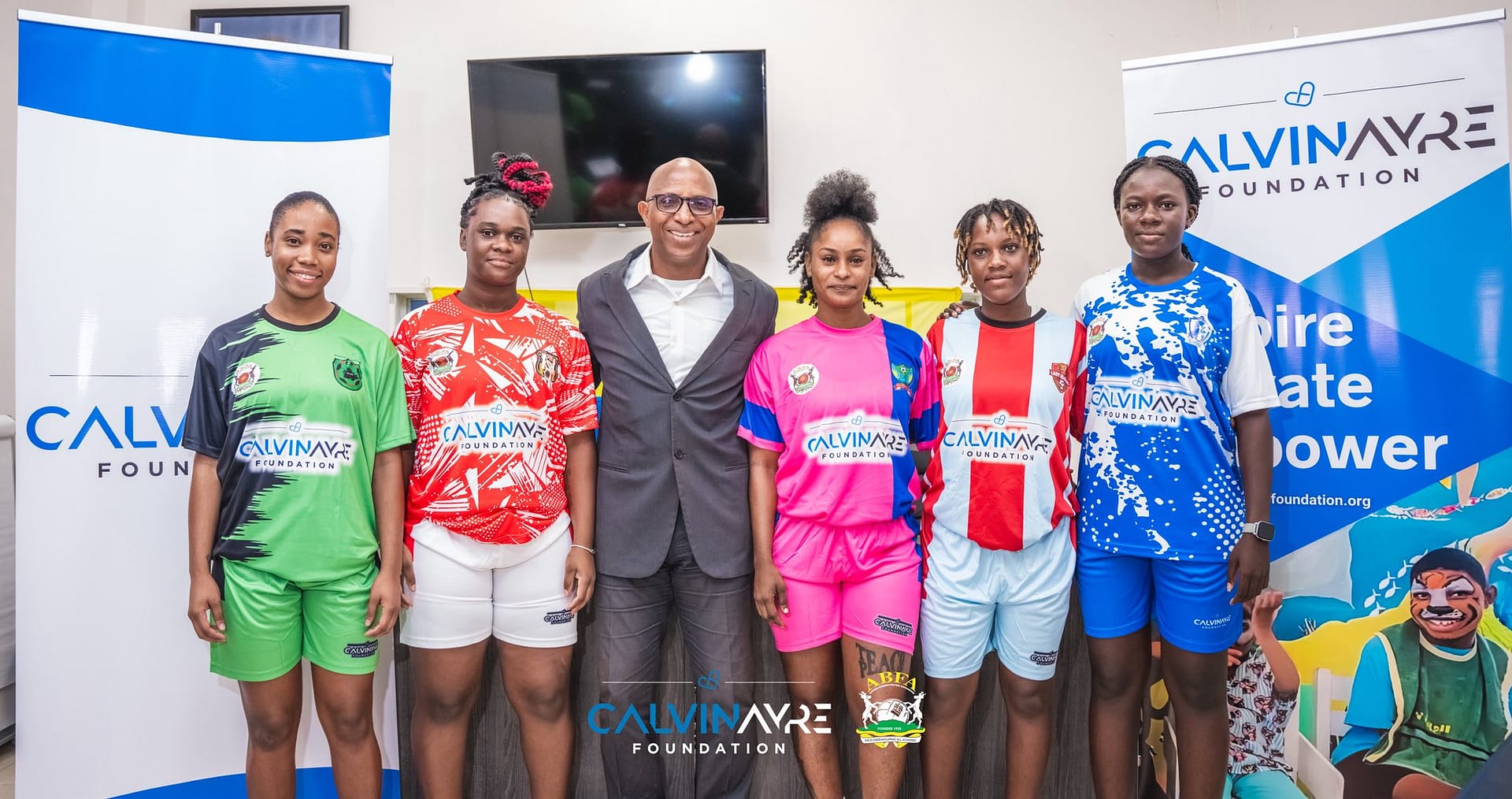
Calvin Ayre Foundation to Invest $500K in Antigua and Barbuda Women’s Football
In a landmark move for women’s football in the Caribbean, the Calvin Ayre Foundation (CAF) has pledged $500,000 over five years to support Antigua and Barbuda’s Women’s Premier League. The announcement was made on 2 October at a joint press conference with the Antigua and Barbuda Football Association (ABFA) in the Everton Gonsalves Conference Room. Ms. Jamilla Kirwan, CAF’s manager, revealed that the foundation will serve as the title sponsor for the league, marking the largest private-sector investment in women’s football in the region outside of Jamaica and Trinidad. The funding will be allocated to league development, player support, and elevating the overall standard of women’s football in the country. The Women’s Premier League is scheduled to commence on 5 October with a double-header at the ABFA Technical Center, starting at 16:00 local time. This initiative underscores a significant step forward in promoting gender equality and sports development in the Caribbean.
-

Woman appointed Archbishop of Canterbury in a historic first for the Church of England
In a historic move, Sarah Mullally has been appointed as the new Archbishop of Canterbury, becoming the first woman to hold the position in its 1,400-year history. The 63-year-old, who previously served as the Bishop of London, will now lead the global Anglican Communion, comprising 85 million members. Mullally’s appointment marks a significant milestone for the Church of England, which has been grappling with declining relevance in an increasingly secular society. Her diverse background, including a distinguished career as a nurse and Chief Nursing Officer for England, brings a unique perspective to her new role. Mullally’s leadership will be tested as she navigates internal divisions between conservative and liberal factions, addresses the fallout from past safeguarding failures, and works to rebuild trust within the church. Her appointment, made possible by reforms introduced by her predecessor Justin Welby, has been met with mixed reactions, particularly from conservative Anglican groups in Africa and Asia. Mullally has pledged to prioritize listening to survivors of abuse, caring for the vulnerable, and fostering a culture of safety and wellbeing. She will officially assume her role in March 2026, succeeding Welby, who resigned amid controversy over his handling of a child abuse scandal. As the spiritual leader of the Anglican Communion, Mullally will also face the challenge of reversing declining church attendance and addressing financial pressures. Her appointment reflects a broader shift within the Church of England toward inclusivity and modernization, though it remains to be seen how she will bridge the growing divide between the church’s liberal and conservative wings.