作者: admin

  • Baron Bliss’s Vision for Belize Lives On 100 Years Later

    Baron Bliss’s Vision for Belize Lives On 100 Years Later

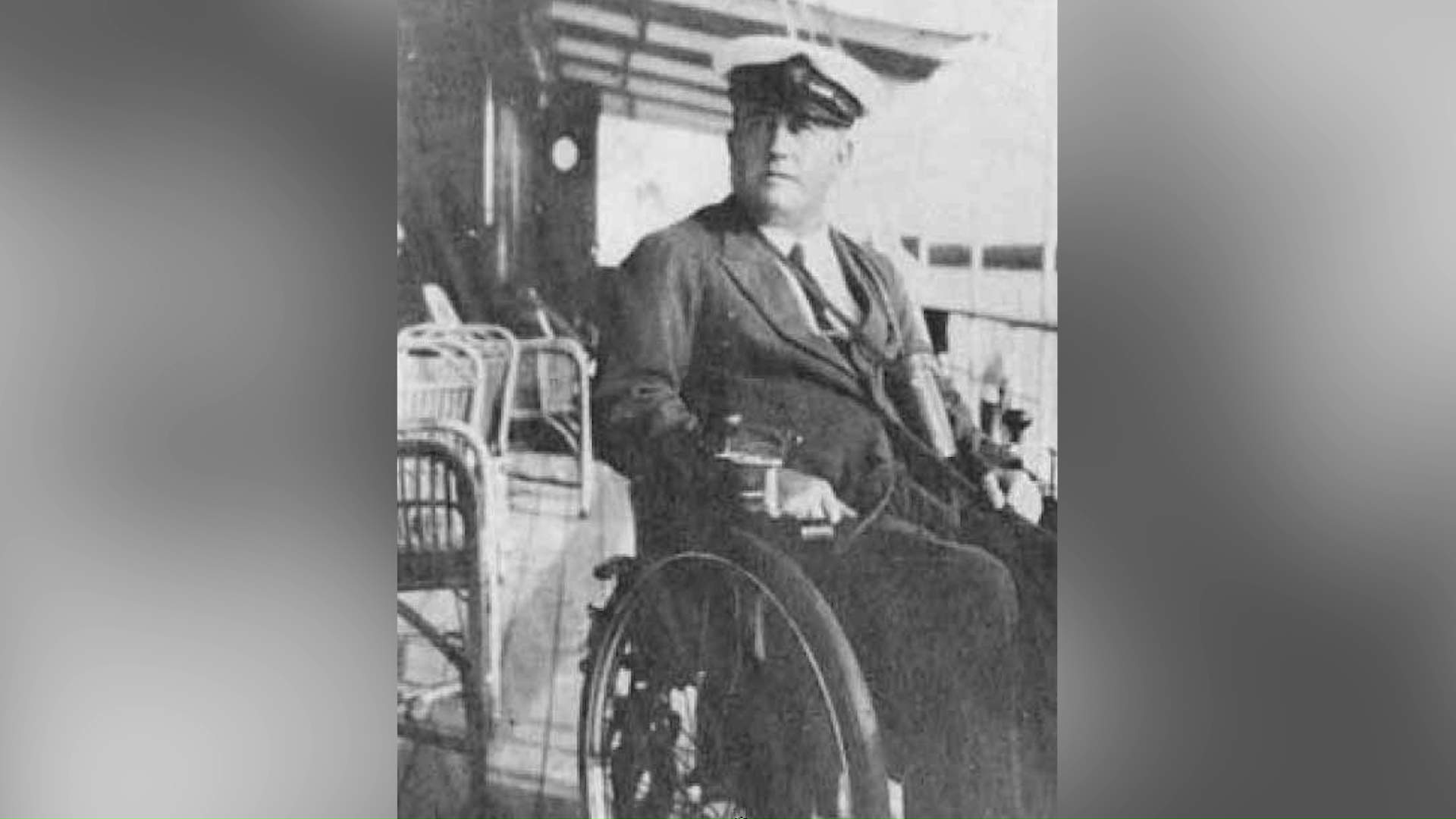
    A century after his historic arrival, the extraordinary legacy of Baron Henry Edward Ernest Victor Bliss continues to fundamentally shape Belize’s national development. On January 14, 1926, the paralyzed British nobleman anchored his yacht off the coast of what was then British Honduras, never physically stepping ashore yet profoundly connecting with the country from the waters. His subsequent bequest of approximately $1.8 million—equivalent to tens of millions today—established an enduring trust that has fueled Belize’s educational, cultural, and scientific advancement for generations.

    Bliss’s visionary will specifically prohibited funds from being allocated to religious institutions, military purposes, or dance halls, instead mandating investment in secular development projects. This groundbreaking stipulation, as historian Nicholas Sanchez emphasizes, represented a radical departure from conventional philanthropy of the era. The trust’s impact is visibly embedded throughout Belize: it facilitated the acquisition of land for the capital city Belmopan, established the nationally significant Bliss Promenade, funded the nurses’ training college that has assisted countless births, and created cultural landmarks including the Bliss Center for the Performing Arts.

    Kim Vasquez, Executive Director of the Institute of Creative Arts housed within the Bliss Center, reflects that the Baron recognized Belize’s potential without ever walking its soil. His philanthropic model—supporting infrastructure, education, and arts without religious conditions—has become woven into the nation’s identity. Despite this profound impact, the centenary of his arrival passed without official ceremony, prompting cultural leaders to advocate for renewed recognition of Belize’s ‘greatest benefactor.’

    As Belize enters its second century under Bliss’s influence, the conversation has evolved from mere commemoration to active stewardship. The challenge now lies in honoring his vision through contemporary philanthropy and maintaining the transformative impact of a trust that continues to empower Belizean society across educational, cultural, and developmental spheres.


  • Baron Bliss Lighthouse Crumbles Amid Neglect

    Baron Bliss Lighthouse Crumbles Amid Neglect

    As Belize commemorates the centennial anniversary of Baron Bliss’s arrival, a disturbing reality overshadows the celebrations. The Baron Bliss Lighthouse, which houses the tomb of the nation’s greatest benefactor and serves as a critical maritime navigation aid, is facing existential threats due to severe neglect and misuse.

    The historic structure exhibits alarming structural deterioration, including a visible lean and a collapsing seawall. Instead of being treated as a national treasure, the site has degenerated into a venue for public drinking, drug use, and inappropriate sexual activities. Historian Nicholas Sanchez condemns the rampant public urination and vandalism occurring at the monument, noting that such disrespect would be unthinkable at comparable sites elsewhere in the world.

    Sanchez emphasizes the lighthouse’s dual significance as both a historical landmark and an active maritime safety installation that guides vessels with its distinctive light pattern—two flashes every five seconds—preventing ships from running aground in shallow waters. The historian also highlights the concerning pattern of historical erasure through the repeated renaming of Baron Bliss Park, where the benefactor was initially interred before being moved to the lighthouse site.

    The current state of the monument raises serious questions about Belize’s commitment to preserving its cultural heritage and honoring the legacy of the man whose substantial bequest continues to benefit the nation through the Baron Bliss Trust.

  • Officials assure public of safety on Juan Pablo Duarte Bridge

    Officials assure public of safety on Juan Pablo Duarte Bridge

    SANTO DOMINGO – Dominican infrastructure authorities have issued official reassurances regarding the structural integrity of the Juan Pablo Duarte Bridge spanning the Ozama River, following public concern over social media images showing apparent damage. A comprehensive technical evaluation conducted by the Public Infrastructure Oversight Commission for Climate Change in collaboration with the National Office for Seismic Evaluation and Vulnerability of Infrastructure and Buildings (ONESVIE) concluded that the bridge remains fully operational and safe for public use.

    The investigation determined that the visible damage depicted in viral social media posts is confined to non-structural secondary masonry walls, which play no role in the bridge’s load-bearing capacity or overall structural stability. ONESVIE, serving as the commission’s executive director, confirmed that preliminary analyses verify the structure’s compliance with all mandated safety and operational standards, asserting that there exists no identifiable risk to daily commuters or transportation activities.

    In a related development, government officials revealed the initiation of a public bidding process to engage specialized diagnostic services for multiple strategic bridges across the nation. This infrastructure initiative, financially backed by the Inter-American Development Bank (IDB), will encompass detailed evaluations of the Juan Pablo Duarte and Juan Bosch bridges in Santo Domingo, the Hermanos Patiño bridge in Santiago, and the Mauricio Báez bridge in San Pedro de Macorís. The program will employ cutting-edge testing technologies to facilitate proactive maintenance strategies, thereby enhancing the long-term durability, safety, and reliability of these critical transportation arteries.

  • FLASH : Mgr. Dumas withdraws from the mediation process and explains his decision

    FLASH : Mgr. Dumas withdraws from the mediation process and explains his decision

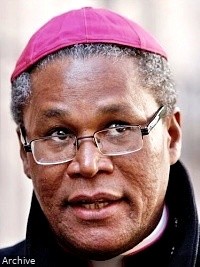
    In a significant development within Haiti’s ongoing political crisis, Bishop Pierre-André Dumas of Anse-à-Veau and Miragoâne has formally withdrawn from his potential role as national mediator. The announcement came through an extensive statement released on social media platforms on January 14, 2025.

    The bishop, who also serves as Vice-President of the Haitian Episcopal Conference, clarified that his initial involvement stemmed from external requests by political coalitions, civil society organizations, and international figures rather than personal ambition. He emphasized that his participation was always conceived within a strictly pastoral context, aligned with Church teachings but not as an official representative of Haiti’s Conference of Bishops.

    Bishop Dumas articulated his philosophical approach to conflict resolution, referencing the Church’s ‘culture of encounter’ principle that emphasizes inclusive listening and dialogue without condemnation. His vision centered on creating spaces where constructive conversation could replace violence, though he explicitly denied any intention to develop political solutions directly.

    However, recent developments including misinformation campaigns, misinterpretations of his role, and apparent political manipulation have compelled his withdrawal. After consulting with advisors and engaging in spiritual reflection, the bishop determined that continued operational involvement would be counterproductive to the peace process.

    Notably, Bishop Dumas referenced personal physical scars from past violence as symbolic of Haiti’s broader wounds from internal divisions and fratricidal conflicts. Despite his withdrawal from formal mediation, he reaffirmed his unwavering belief in Haiti’s potential for renewal and called for authentic Haitian-led solutions faithful to the nation’s founding ideals of liberty, equality, and fraternity.

    The bishop’s statement concludes with a powerful call to honor Haitian sovereignty while choosing responsibility and hope, maintaining his commitment to supporting dialogue and national reconstruction through spiritual rather than political channels.

  • Former DLP heavyweight Lashley flocks to Bees, seeks City nod

    Former DLP heavyweight Lashley flocks to Bees, seeks City nod

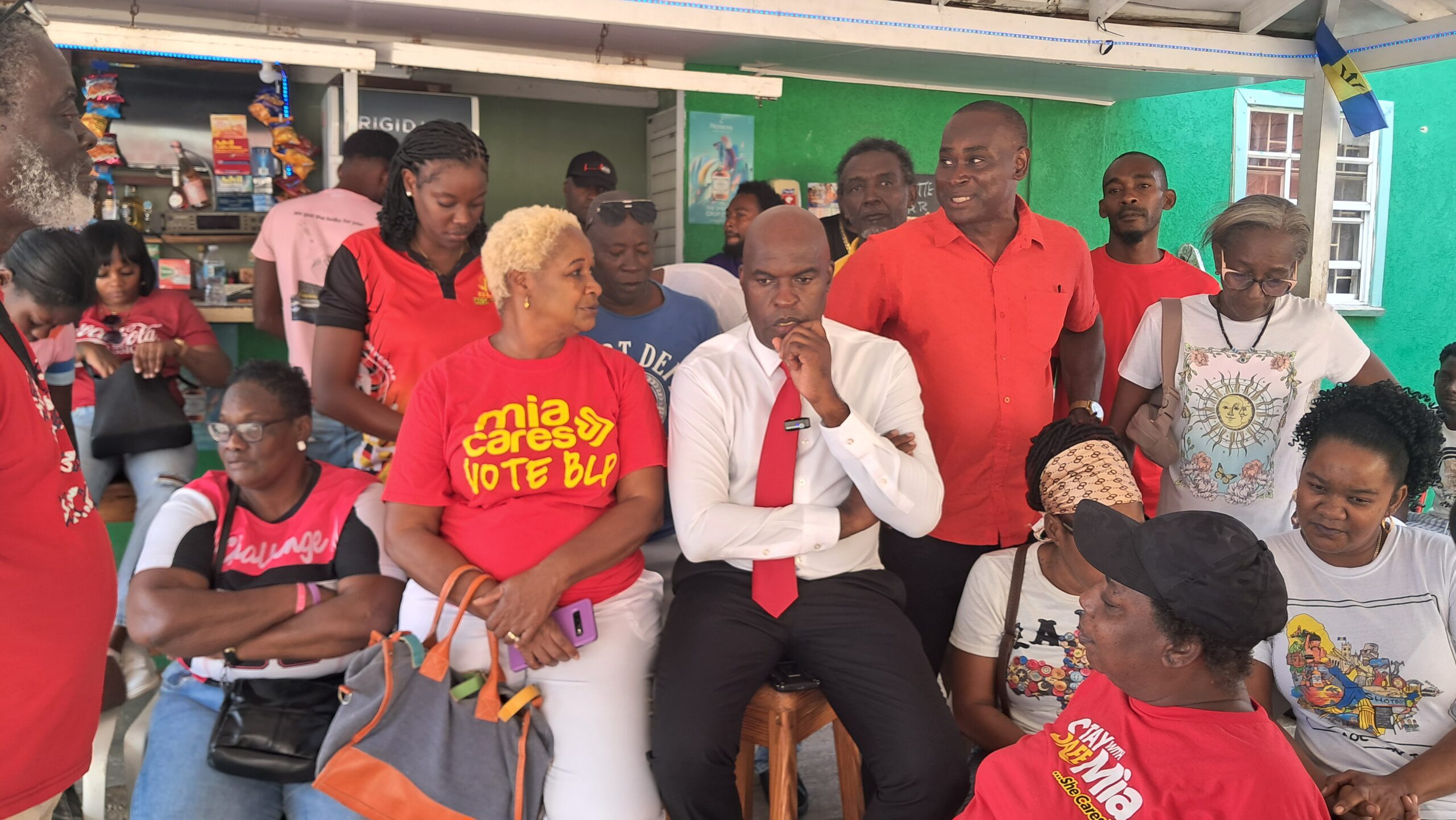
    In a significant realignment of Barbados’s political landscape, veteran attorney and former Democratic Labour Party (DLP) minister Michael Lashley has announced his bid for the Barbados Labour Party (BLP) nomination in The City of Bridgetown constituency. This development follows sitting MP Corey Lane’s confirmation that he will not contest the next general election, expected to be called imminently.

    Addressing supporters at the Pondside Bar on Wellington Street, Lashley acknowledged Lane’s contributions before formally declaring his intention to seek the nomination. “Corey Lane has resigned, and I must pay respect to the contribution he has made to the constituency,” Lashley stated, emphasizing that he only entered the race following Lane’s departure to respect the democratic process.

    The former housing minister, who represented St Philip North for 15 years under the DLP banner, outlined an ambitious platform focused on addressing Bridgetown’s most pressing challenges. Highlighting housing as a critical issue, Lashley pointed to his previous accomplishments: “As minister of housing, I engineered the land acquisition at Whitepark Road where completed units now house families. I also initiated the acquisition process at Mason Hall Street for 84 units, which will now receive attention from the National Housing Corporation.”

    Beyond housing, Lashley pledged to tackle waste management, youth unemployment, and educational deficiencies. His proposed initiatives include reintroducing a school breakfast program, creating specialized projects for elderly residents, and establishing mobile libraries alongside youth sports organizations. “Sometimes we have to put aside our differences,” Lashley emphasized. “It’s all hands on deck to work for the betterment of the country and for the betterment of The City.”

    The candidacy received immediate endorsement from Henderson Williams, who previously ran as the DLP’s Bridgetown candidate in 2018 before joining the BLP. Williams praised Lashley’s commitment to forming a council to manage the city’s diverse needs, noting that “every other parish comes into The City for some kind of support, which puts tremendous stress on the environment.”

    Political analyst Devaron Bruce characterized Lashley’s move as strategically significant, describing it as a reflection of the DLP’s diminished national standing. “This shows where the Democratic Labour Party stands nationally if they’re losing what would have been one of their few viable previous MPs,” Bruce observed. He noted that the BLP gains a figure with “national persona and identity in both the legal and political realm” without needing to disrupt existing constituency arrangements.

    With the nomination meeting scheduled for Saturday, Bruce concluded that Lashley’s extensive experience—including three elections to the House of Assembly and established legal reputation—positions him favorably against prospective DLP candidate Dale Rowe, characterizing the transition as “clean” from a party management standpoint.

  • No Unusual Increase in Mosquito‑Borne Diseases, Public Health Surveillance Confirms

    No Unusual Increase in Mosquito‑Borne Diseases, Public Health Surveillance Confirms

    The Ministry of Health, Wellness, Environment and Civil Service Affairs in Antigua and Barbuda has issued a public advisory confirming the absence of unusual mosquito-borne disease outbreaks across the nation. Through comprehensive national surveillance systems, health authorities maintain constant monitoring of diseases including Dengue, Zika, Chikungunya, Yellow Fever, and Oropouche virus, with all indicators currently reflecting normal baseline levels.

    Epidemiological data reveals that Dengue Fever, historically the most prevalent mosquito-transmitted illness in the region, has returned to expected parameters following heightened activity in 2023. Surveillance confirms no documented Dengue cases thus far in 2026. Similarly, other arboviral diseases demonstrate minimal transmission, with Zika virus recording only two instances in 2025 and zero detections this year. No cases of Chikungunya, Yellow Fever, or Oropouche virus have been identified during the same monitoring period.

    Despite the stable epidemiological situation, health officials emphasize that disease prevention remains a shared communal responsibility. Vector control operations continue through systematic inspections, larval source reduction initiatives, and targeted intervention measures. These efforts are enhanced through coordinated waste management and environmental sanitation programs conducted in partnership with national agencies.

    The Ministry urges citizens to implement robust household protective measures including elimination of standing water sources, secure covering of water storage containers, and proper disposal of potential mosquito breeding materials. Public cooperation with vector control teams during routine inspections is strongly encouraged.

    Health authorities assure residents that surveillance mechanisms remain fully operational, with commitments to immediate official communication should disease activity patterns change. The Ministry extended gratitude to the public for their ongoing collaboration in safeguarding community health across Antigua and Barbuda.

  • Police Cracking Down on Bella Vista as Shooting Suspect Arrested

    Police Cracking Down on Bella Vista as Shooting Suspect Arrested

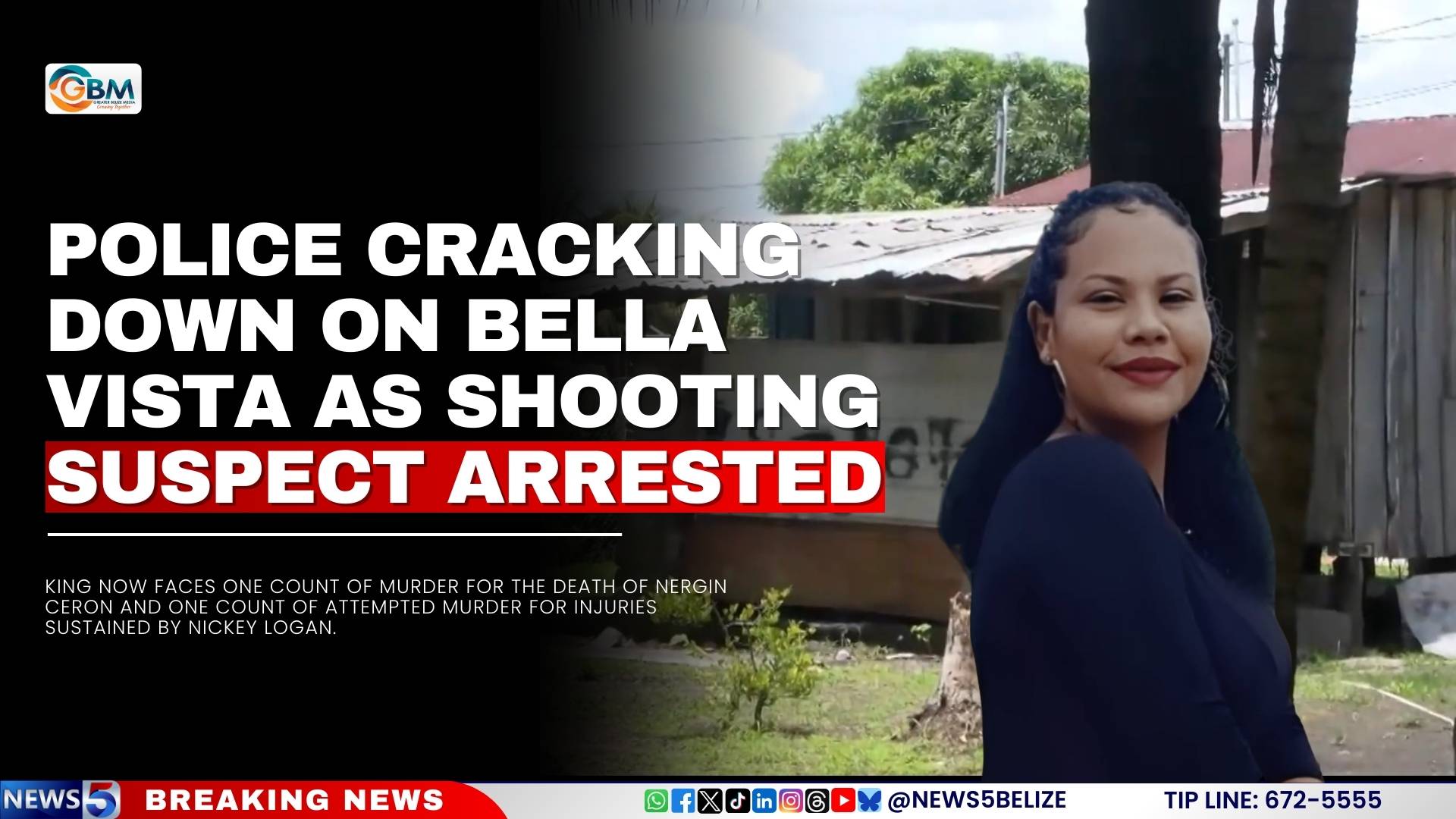
    Law enforcement authorities have achieved a significant breakthrough in a four-month homicide investigation with the arrest of a suspect connected to a deadly home invasion shooting in Bella Vista Village. Jerdell Benjamin King, a 21-year-old resident of Independence Village, was taken into custody on January 14, 2026, facing serious criminal charges.

    The tragic incident occurred in the early hours of September 6 when an armed assailant forcibly entered a family residence and opened fire without warning. The attack resulted in the immediate death of 24-year-old Narjin Ceron, while his partner Nickey Logan sustained six gunshot wounds as she heroically protected their young child from the barrage of bullets.

    Following this brutal assault and a concerning escalation of violent crimes within the community, local police departments implemented enhanced security measures throughout Bella Vista Village. These initiatives included substantially increased operational patrols and intelligence-gathering operations aimed at restoring public safety and preventing further criminal activity.

    King now confronts formal charges including one count of murder for the death of Ceron and one count of attempted murder for the critical injuries inflicted upon Logan. The arrest represents a crucial development in a case that has deeply affected the rural community, though police investigations into the broader pattern of violence in the region continue.

  • Cabinet Brief Makes No Mention of BTL/SpeedNet Deal

    Cabinet Brief Makes No Mention of BTL/SpeedNet Deal

    The Belizean Cabinet’s official briefing document from its Tuesday session has generated significant attention due to a conspicuous omission—the complete absence of any reference to the proposed BTL/SpeedNet telecommunications acquisition. This high-profile deal has been at the center of intense public discourse and mounting questions regarding governmental transparency in recent weeks.

    While the Cabinet communiqué highlighted agricultural sector advancements—specifically the establishment of a National Cacao Committee designed to enhance international market compliance—it remained silent on the telecommunications matter that has dominated national conversation.

    The absence of the telecom deal from official records stands in stark contrast to the detailed coverage of agricultural initiatives. The approved cacao sector measures aim to bolster competitiveness through strategic implementation of international standards, yet the telecommunications industry continues operating without comparable regulatory oversight frameworks.

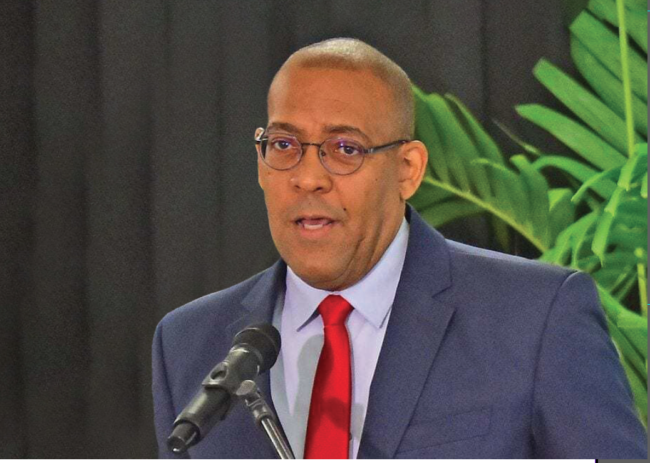
    Opposition Leader Tracy Panton addressed these transparency concerns during a Tuesday press briefing, emphasizing the critical need for robust competition laws. “Effective legislation must encourage market competition, which inherently drives innovation and creative solutions while ensuring consumers receive optimal services at fair pricing structures,” Panton stated.

    She acknowledged existing provisions within the Telecommunications Act that theoretically address anti-competitive practices but highlighted systemic issues: “The fundamental problem resides in the appointment process—the same government that constitutes BTL’s board simultaneously positions their associates within the Public Utilities Commission.”

    Panton concluded with a call for structural reform, insisting that statutory bodies and public boards must include formal opposition representation to ensure balanced governance and prevent conflicts of interest.

  • Zorg voor kinderen die stotteren wordt versterkt

    Zorg voor kinderen die stotteren wordt versterkt

    A significant advancement in speech therapy services is unfolding across the Dutch Caribbean region as specialized training programs enhance care for children who stutter. Suriname currently hosts an intensive professional development course bringing together speech therapists from Suriname, Curaçao, and Aruba with the primary objective of improving support systems for young stutterers and their families.

    Fifteen speech therapists from Suriname are participating in the ‘Stuttering in Children’ certification program, while seven colleagues from Curaçao and Aruba are attending via virtual platforms. The training is conducted by certified stuttering therapists Irma Uijterlinde and Liesbeth Zoontjens, who traveled specifically to Suriname to deliver the specialized curriculum according to therapist Gracia Nelson.

    Zoontjens emphasized the critical need for expanded expertise, noting that only three specialized stuttering therapists currently serve the entire Dutch Caribbean population. ‘With improved knowledge and techniques, speech therapists can provide more targeted guidance to both children who stutter and their parents,’ she explained. Uijterlinde reinforced the importance of early intervention, stating: ‘The sooner a child receives appropriate help, the greater their chances of recovery and normal developmental progression.’

    Medical statistics indicate that approximately 1% of the general population experiences stuttering conditions. The phenomenon is more prevalent among young children, with about 8% of children under six years old undergoing a stuttering phase. Notably, one quarter of these children will develop persistent stuttering patterns without professional intervention. Timely therapeutic support can substantially reduce the long-term impact on communication abilities and social development.

    The comprehensive curriculum addresses multiple facets of stuttering management, including diagnostic procedures, parental guidance strategies, and collaborative approaches with educational institutions. The initial training days focus on therapeutic techniques for children under six years old, followed by specialized modules addressing the needs of children aged six to twelve years. A follow-up session is scheduled for March to reinforce learning outcomes and clinical applications.

    The professional development initiative commenced Monday at the Association of Medici building and will continue through January 17th, representing a concerted effort to address regional healthcare disparities in speech pathology services.

  • Symmonds: ‘Abundance of other avenues’ despite US visa halt

    Symmonds: ‘Abundance of other avenues’ despite US visa halt

    In a significant shift in immigration policy, the United States Department of State has announced an indefinite suspension of immigrant visa processing for nationals from 75 countries worldwide. The sweeping measure, which takes effect next Wednesday, particularly impacts citizens from Barbados and most CARICOM (Caribbean Community) member states seeking permanent relocation to the US.

    The policy exemption applies to only three CARICOM nations: Guyana, Suriname, and Trinidad and Tobago. The suspension encompasses numerous South American countries including Brazil and Colombia, alongside substantial portions of Africa.

    State Department spokesperson Tommy Pigott clarified that the suspension stems from concerns that immigrants from these nations “take welfare from the American people at unacceptable rates.” The move utilizes longstanding “Public Charge” provisions within US immigration law, allowing authorities to deny entry to applicants deemed likely to become financial burdens on public resources.

    Barbados Foreign Minister Kerrie Symmonds addressed the development with measured diplomacy, acknowledging the US right to implement border regulations while reassuring Barbadians that the nation’s “highly regarded and globally respected” status provides alternative relocation opportunities. He emphasized that the suspension exclusively affects immigrant visas for permanent residency and employment, leaving non-immigrant categories such as tourist, student, and temporary work visas unchanged.

    The policy refinement follows increased scrutiny directives issued last year under the “public charge” provision, targeting individuals the administration believes might strain public resources. Historical immigration data indicates that while Caribbean immigrants demonstrate relatively high labor-force participation (approximately 67%, exceeding the US-born rate), households headed by Caribbean immigrants show elevated welfare usage at about 51% compared to 30% for native households.

    Notably, Barbados distinguishes itself through its migration patterns and policy approach. Unlike some regional neighbors identified as significant sources of economically vulnerable migrant populations, Barbados and Eastern Caribbean states typically experience skilled, tertiary-educated emigration. Barbados has further differentiated itself by rejecting Citizenship by Investment programs in favor of a reputation-sensitive approach to citizenship and residency.