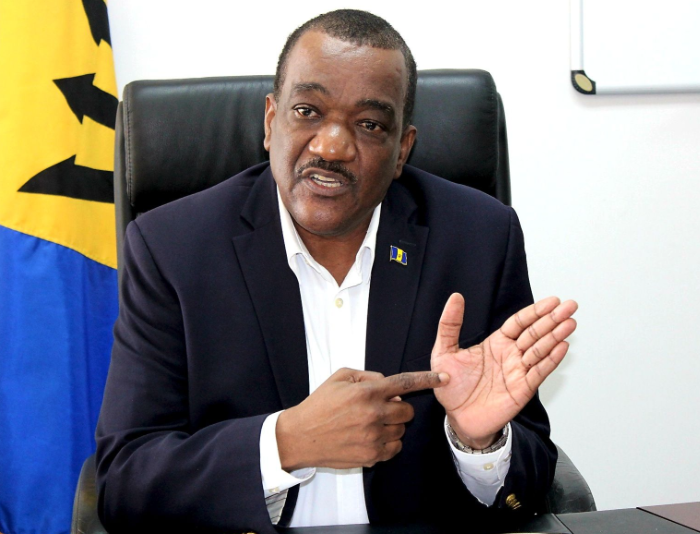
On November 30, Barbados will witness a historic moment as Lieutenant Colonel Jeffrey Davidson Bostic is sworn in as the nation’s second president on Independence Day. This transition marks more than a ceremonial shift; it symbolizes a rare bipartisan consensus in a political landscape often marred by division. Prime Minister Mia Mottley and Opposition Leader Ralph Thorne jointly nominated and endorsed Lt Col Bostic, highlighting his ability to transcend political loyalties and embody the values of service and discipline. Both leaders emphasized his moral authority, forged through a lifetime of prioritizing nation over self. Mottley lauded Bostic’s distinguished military career, his leadership during the COVID-19 pandemic as health minister, and his capacity to bridge divides between the military and civilian spheres. Thorne, meanwhile, called for unity, urging Barbadians to reject cynicism and embrace the occasion as a collective step forward. He stressed that the presidency, while inherently political, must remain non-partisan, requiring a leader with stability, wisdom, and a sense of justice. The bipartisan support for Bostic underscores a shared commitment to maintaining public trust in the presidency. As he prepares to succeed President Sandra Mason, whose tenure was marked by grace and dignity, Bostic faces the challenge of building on her legacy while addressing pressing issues such as economic restructuring and social cohesion. His extensive experience in the Barbados Defence Force and government positions him as a unifying figure capable of steering the nation with balance and wisdom. As Barbados approaches Independence Day, there is cautious optimism that Lt Col Bostic will embody the leadership the country needs in this pivotal moment.
作者: admin
-
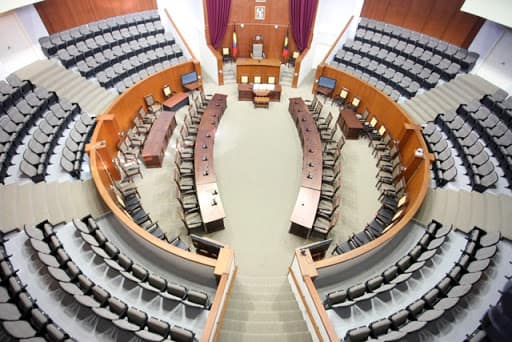
Parliament to Debate Multiple Bills on October 14
The Parliament of Antigua and Barbuda is set to convene on Tuesday, October 14, to deliberate on a series of pivotal legislative proposals aimed at addressing critical national issues. The agenda, as outlined by Maurice Merchant, Director General of Communications, includes the Prices Bill, which seeks to regulate the costs of goods and services, and the Disabilities and Equal Opportunities Bill, designed to enhance inclusivity and fairness. Additionally, lawmakers will examine the Electronic Evidence Amendment Bill, a crucial measure in combating crime through modernized legal frameworks. The session will also feature discussions on the Advanced Passenger Information and Passenger Name Record Bill, which aims to bolster travel security and data sharing, alongside the Eastern Caribbean Citizenship by Investment Regulatory Authority Agreement Bill and the Fatal Accidents Bill. This legislative push underscores the government’s commitment to modernizing the nation’s legal infrastructure, improving consumer protection, and safeguarding human rights. The upcoming parliamentary sitting reflects a proactive approach to addressing both domestic and international challenges, ensuring Antigua and Barbuda remains aligned with global standards in governance and security.
-

St. John’s Catholic Primary School will be closed
In response to an urgent Flash Flood Warning issued by the Ministry of Education, St. John’s Catholic Primary School in Antigua and Barbuda has announced its closure on Friday, October 10, 2025. The decision was made to ensure the safety of students, staff, and families amidst severe weather conditions. The school administration has urged parents and guardians to remain vigilant and take necessary precautions during this period of heavy rainfall. The closure aligns with the government’s directive to prioritize public safety during natural disasters. The school expressed gratitude for the community’s understanding and cooperation in these challenging circumstances. Additionally, the announcement included a promotional note encouraging local businesses to advertise on Antigua’s most visited news platform, offering customizable digital marketing packages. For inquiries, interested parties were directed to contact [email protected].
-
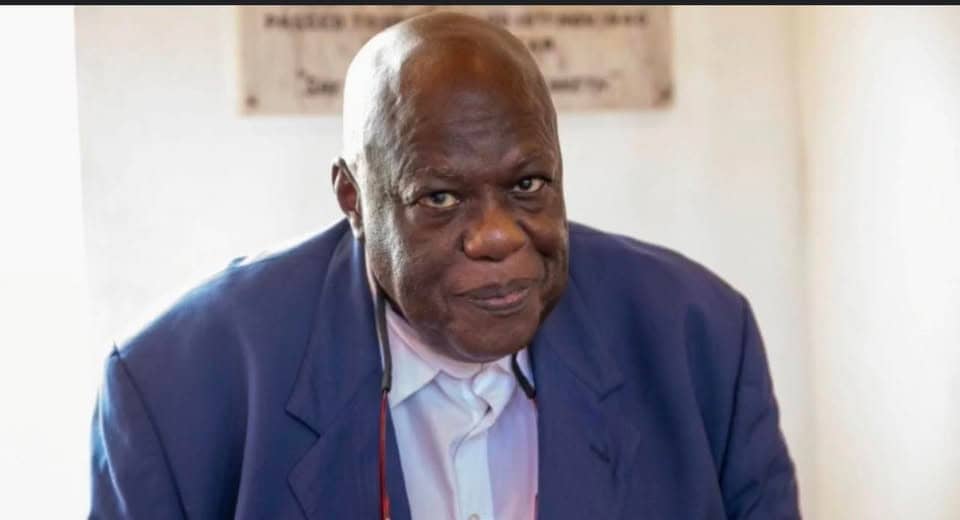
Cabinet Honors Legacy of Broadcaster and Former MP Nat Moses Francis
The Cabinet of Antigua and Barbuda has formally recognized the passing of Nathaniel “Nat Moses” Francis, a distinguished broadcaster and former Member of Parliament, during its weekly post-Cabinet press briefing. Maurice Merchant, the Director General of Communications, conveyed the Cabinet’s condolences to Francis’ family, friends, and colleagues, while celebrating his significant contributions to both national politics and Caribbean media. Merchant, who had previously collaborated with Francis at ZDK Radio, reminisced about his impactful presence in the broadcasting industry, describing him as a cornerstone of the station’s success. The Cabinet also acknowledged the death of Winston Gomes, a former port official and union leader, with Prime Minister Gaston Browne personally extending sympathies to Gomes’ family and the port and union communities. Both individuals were lauded for their enduring legacies in their respective fields.
-

VHP: Marrondag symbool van vrijheid, verzet en waardigheid
On the occasion of Maroon Day, the Progressive Reform Party (VHP) of Suriname has expressed its deep appreciation for the historical struggle and contributions of the Maroons to the nation’s freedom. The VHP emphasized that this day is not only a moment of remembrance but also a call to address persistent inequality and challenges in the country’s interior regions. Maroon Day, observed annually on October 10 since 1974, commemorates the 1760 peace treaty between the Okanisi tribe and colonial rulers in Paramaribo, marking the end of the brutal hunt for escaped slaves. This date, proposed by Maroon historian André Pakosie in consultation with tribal leaders, symbolizes both the peace achieved and the heroic resistance of Maroon ancestors against slavery and oppression. The VHP highlighted the Maroons’ enduring fight for justice and freedom, pledging continued efforts to resolve land rights issues critical to Maroon communities. The party acknowledged the difficult living conditions faced by many in the interior, where communities maintain rich traditions and cultural diversity. Progress under former President Chan Santokhi’s administration, including improvements in water, electricity, and education, was noted, with the VHP reaffirming its commitment to enhancing quality of life in these areas. Maroon Day remains a powerful symbol of freedom, resistance, and cultural richness, inspiring Surinamese society to this day. The VHP extended warm wishes to the entire Surinamese community, especially its Maroon brothers and sisters, for a meaningful and joyous celebration.
-

APUA says power will be restored to affected areas but safety first
Recent adverse weather conditions have led to power disruptions across several areas of Antigua. The island’s electricity service providers have confirmed that repair teams are on high alert and will be deployed to affected locations as soon as safety permits. The authorities have urged residents to remain patient and assured them that efforts are underway to restore power swiftly. In a statement, the utility company emphasized their commitment to resolving the issue promptly while prioritizing the safety of both residents and repair crews. Meanwhile, the company also took the opportunity to promote their digital marketing services, inviting businesses to advertise on their widely visited news platform. For inquiries, interested parties can reach out via email at [email protected].
-

Cramming for the national exam — ULP style
In North Leeward, the air is thick with the sounds of heavy machinery and the sight of sudden activity. Long-neglected roads are being graded, hardcourts are under construction, and materials are being dumped at various sites. Students are being called in groups to receive laptops and scholarships, while arrowroot farmers, who have been struggling since the 2001 volcanic eruption, are finally receiving relief. Amidst all this, there is talk of hotel development, even though similar projects announced years ago in other parts of the country have yet to materialize. What ties all these developments together? It’s the ULP government’s frantic efforts to prepare for the upcoming general elections, a phenomenon akin to a student cramming for a national exam. Just as the education policy promotes students to secondary school regardless of their mastery of the required knowledge, the government seems to be adopting a similar approach—hoping to scrape through by making last-minute efforts. However, this strategy raises questions about the government’s ability to implement a holistic development policy that benefits everyone consistently over time, rather than in the final weeks of its political life. The analogy extends further: just as students who cram often fail to master the subject matter, a government that relies on last-minute efforts may not be equipped to perform at the required level. The closer these developments are to the election, the more they are expected to leave a lasting impression on voters. Yet, this short-term political strategy may not be enough to bridge the development gap with other countries in the region. As Independence Day approaches, more announcements of such initiatives are widely anticipated.
-

Antigua’s UWI Five Islands Campus to Lead Regional Blue Economy Collaboration Under New MoU
In a landmark development for Caribbean regional cooperation, the Caribbean Regional Fisheries Mechanism (CRFM) has inked two significant Memoranda of Understanding (MoUs) aimed at bolstering fisheries management and advancing the Blue Economy. The first agreement, signed on September 30, 2025, during the Sixteenth Special Meeting of the CRFM Ministerial Council in Saint Kitts and Nevis, formalizes a partnership with the Organisation of Eastern Caribbean States (OECS). This historic accord was executed by Dr. Marc Williams, Executive Director of the CRFM Secretariat, and H.E. Dr. Didacus Jules, Director General of the OECS, during the Caribbean Week of Agriculture (CWA), an annual event organized by the Caribbean Community (CARICOM) Secretariat. The MoU, spanning 2025 to 2028, aims to enhance governance, management, and resilience in fisheries, while fostering youth and women empowerment, economic development, and research collaboration in the sector. Dr. Williams emphasized the importance of formalizing the long-standing informal relationship between the CRFM and OECS, which includes eight shared member states. Dr. Jules highlighted the agreement’s potential to elevate collaboration to new heights, particularly in areas such as safety at sea, insurance for fishers, and the integration of agriculture and fisheries. Earlier in September, the CRFM also signed a five-year MoU with the University of the West Indies (UWI), represented by Professor Carl Justin Robinson, Campus Principal of the UWI Five Islands Campus in Antigua and Barbuda. This agreement focuses on academic and educational collaboration in blue economy development, marine spatial planning, climate change adaptation, and ecosystem resilience. The Centre of Excellence for Oceanography and the Blue Economy (COBE), a joint initiative involving the Government of Antigua and Barbuda, UWI, the Commonwealth Secretariat, and the Association of Commonwealth Universities, will play a pivotal role in supporting these efforts. These agreements mark a significant step forward in regional cooperation, aiming to create sustainable and inclusive growth in the Caribbean’s fisheries and Blue Economy sectors.
-

All schools closed Friday in Antigua and Barbuda
In response to an ongoing Flash Flood Warning, the Ministry of Education in Antigua and Barbuda has declared that all public schools will remain closed on Friday, October 10. The decision, aimed at ensuring the safety of students and staff, comes as the twin-island nation braces for severe weather conditions. Private educational institutions have also been urged to suspend classes for the day, aligning with the government’s precautionary measures. This announcement underscores the government’s commitment to prioritizing public safety during natural disasters. Residents are advised to stay informed through official channels and take necessary precautions to mitigate risks associated with the impending floods.
-
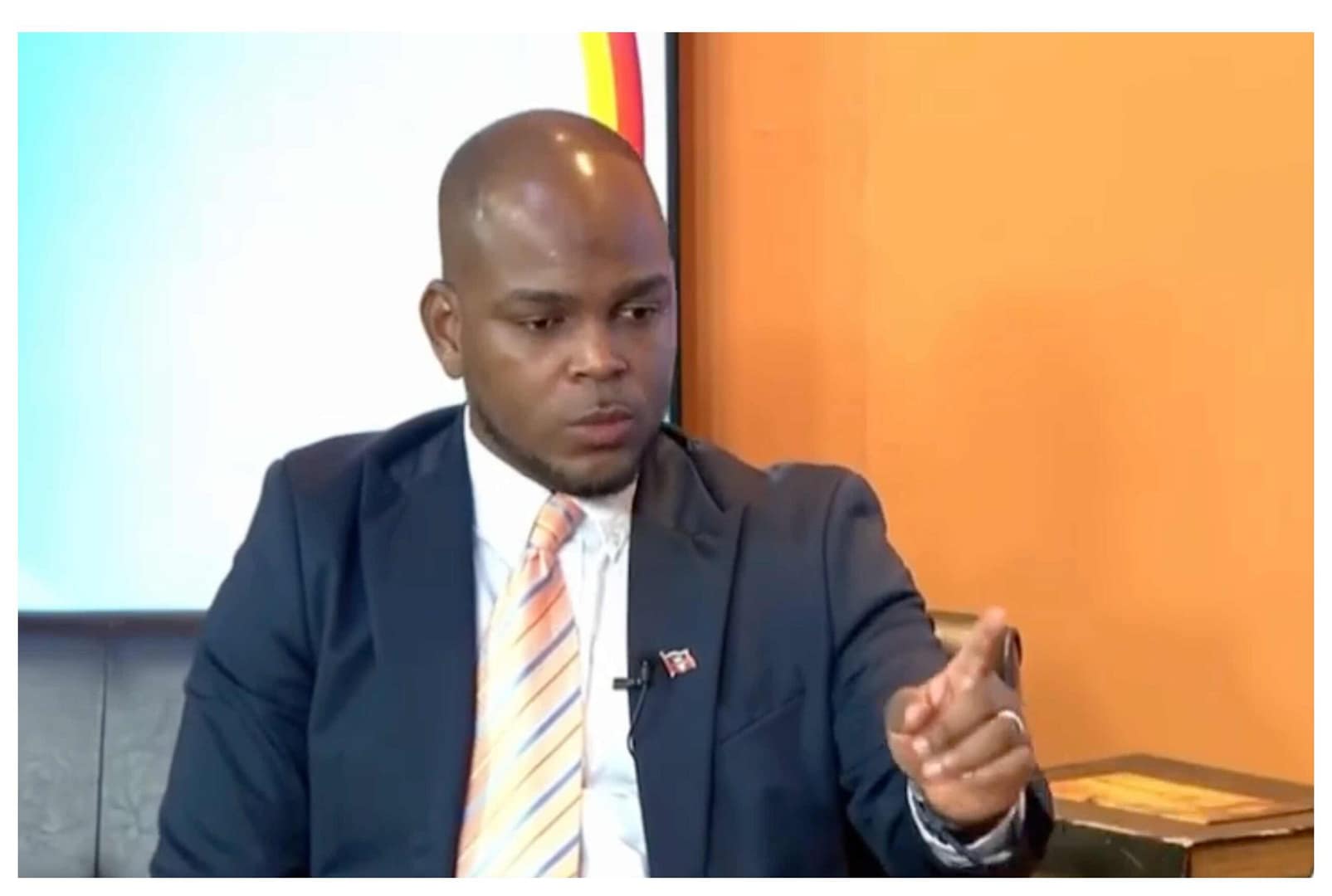
Minister Warns of Growing Health Threats from Diabetes and Falling Vaccination Rates
Senator Michael Joseph, the Minister of State in the Ministry of Health, Wellness and the Environment, has issued a stark warning about the escalating health challenges in Antigua and Barbuda. The nation is grappling with a dual burden: a surge in non-communicable diseases (NCDs) and a concerning decline in vaccination rates globally. Speaking on ABS-TV’s ‘Government in Motion,’ Joseph emphasized that the Caribbean region currently leads in the prevalence of NCDs, which are now the primary cause of death. He highlighted high blood pressure, diabetes, cholesterol, strokes, and cancer as the most pressing concerns, noting that these conditions are placing immense financial strain on the country’s health budget. ‘Unless we find mechanisms to address these issues, the financial demands will create a health crisis worse than the current situation,’ he stated. Joseph also expressed alarm over the global trend of declining vaccination coverage, particularly in developed nations where school vaccination requirements are being rolled back. He warned that this could lead to the resurgence of infectious diseases like measles, mumps, rubella, and polio in the Caribbean. Given Antigua and Barbuda’s reliance on tourism and its strong travel connections, the senator stressed the heightened risk of imported communicable diseases. He revealed that the government is collaborating with regional and international health partners, including the Pan American Health Organization (PAHO), to bolster prevention and treatment strategies. Joseph urged households to reconsider their stance on vaccinations, emphasizing the critical need to protect public health and avoid further strain on the nation’s healthcare infrastructure.