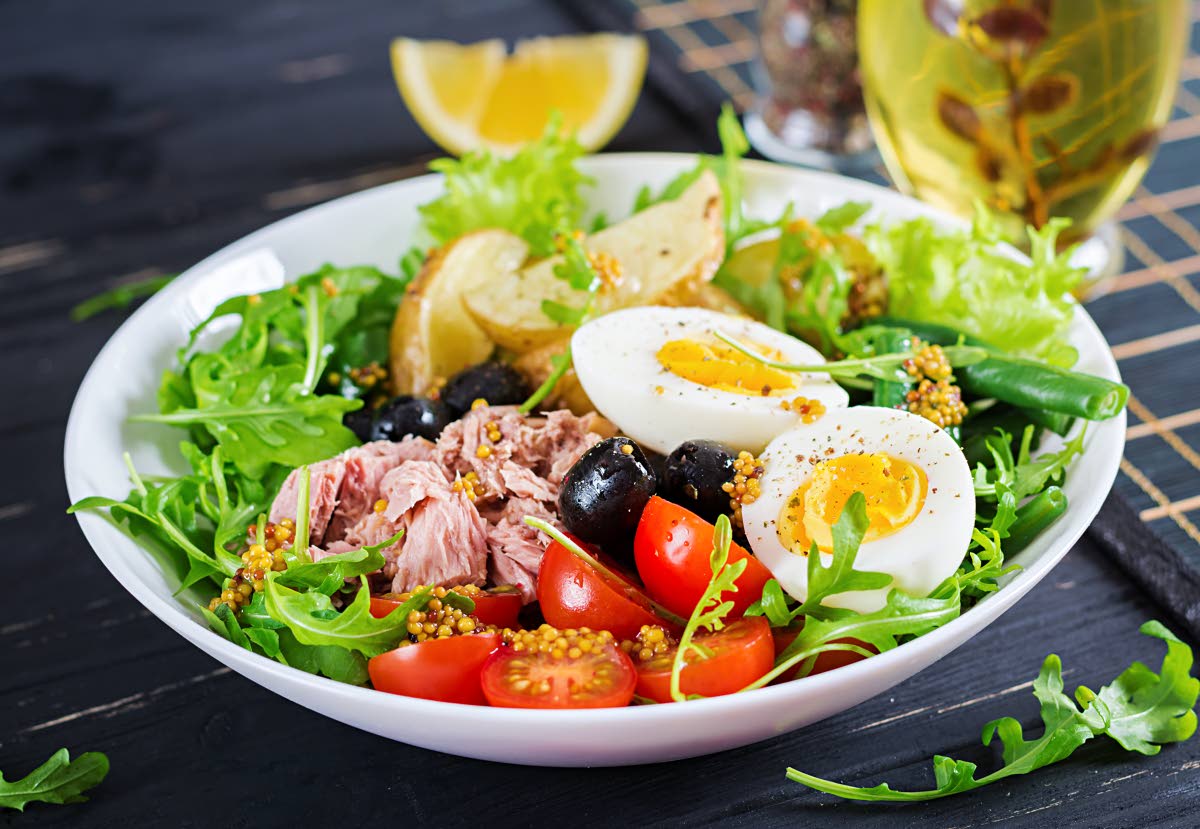
The importance of diet in cancer prevention, treatment, and recovery is increasingly supported by scientific evidence, according to surgical oncologist Dr. Rajen Rampaul. He highlights that dietary choices not only reduce cancer risk and recurrence but also play a pivotal role in overall health. Regulatory bodies, such as the International Agency for Research on Cancer, have classified certain foods, particularly red meat, as class-one carcinogens, linking them to colorectal and breast cancers. Dr. Rampaul warns against misleading online information about anti-cancer diets and supplements, emphasizing the need for evidence-based medical guidance. He advocates for whole, plant-based diets, such as the Mediterranean or vegetarian patterns, which are associated with longer, healthier lives. Anti-oestrogen foods like soy, beans, spinach, flax seeds, and turmeric are particularly beneficial. Conversely, foods that promote a high-oestrogen environment may increase cancer recurrence risk and should be minimized. Dr. Rampaul also underscores the benefits of fasting, citing a 2020 study that showed intermittent fasting boosts the immune system. He advises avoiding animal proteins and saturated fats, which contribute to inflammation and elevated cancer risk. Smoking and alcohol should also be eliminated to reduce cancer risk. For patients undergoing treatment, Dr. Rampaul emphasizes the importance of pre-habilitation—enhancing nutritional status before treatment begins. He recommends prescribed protein supplements, protein-enriched drinks, and a balanced intake of vitamins and minerals. Hydration is crucial, with a daily intake of at least three liters of water recommended. Post-treatment nutrition should focus on rebuilding strength, maintaining a healthy weight, and reducing recurrence risk through balanced, evidence-based dietary choices. Dr. Rampaul encourages patients to work with dietitians to adapt these principles to local cuisine, ensuring dietary changes are practical and enjoyable. He concludes that adopting a whole-grain, plant-based diet, avoiding processed foods and red meat, and staying hydrated are simple yet powerful steps toward sustained wellness after cancer treatment.
作者: admin
-

Understanding breast health in young girls
Breast health is often perceived as a concern primarily for adult women, particularly those in their 30s and 40s. However, Dr. Rajen Rampaul, a renowned breast oncologist and reconstructive surgeon, emphasizes that awareness should begin much earlier—even in childhood. As the medical director at Pink Hibiscus Breast Health Specialists, Dr. Rampaul has dedicated decades to breast care and cancer treatment, advocating for a proactive approach to breast wellness. He explains that breast development in young girls, typically between ages eight and 15, is a natural part of puberty. During this period, the emergence of the breast bud, often accompanied by discomfort or pain, is a common occurrence. While these changes can cause concern among parents and young girls, Dr. Rampaul reassures that they are almost always normal and not indicative of health problems. Breast cancer, he stresses, is extraordinarily rare in this age group, with medical literature recording only isolated cases worldwide. Instead, the most common breast condition among adolescents is fibroadenoma—a benign lump that is non-cancerous and rarely a cause for concern. Dr. Rampaul underscores the importance of education and reassurance for both parents and young girls. He recommends consulting a doctor when unusual symptoms arise, not because cancer is likely, but to provide clarity and peace of mind. Ultrasound is the preferred imaging tool for this age group, as it is safe, painless, and free from radiation risks. Hormonal changes during puberty are the primary drivers of breast development and related discomforts. Conditions like polycystic ovarian syndrome (PCOS) can also influence breast health, causing pain and lumpiness due to erratic hormonal cycles. While family history plays a significant role in assessing breast cancer risk in adults, Dr. Rampaul assures that genetics are not a factor during puberty. He advocates for schools and communities to play a pivotal role in promoting breast-health awareness, focusing on normal development and benign conditions rather than instilling fear. Early education, he believes, empowers girls to grow into confident, informed women who are unafraid to take charge of their health.
-
Motherhood after breast cancer
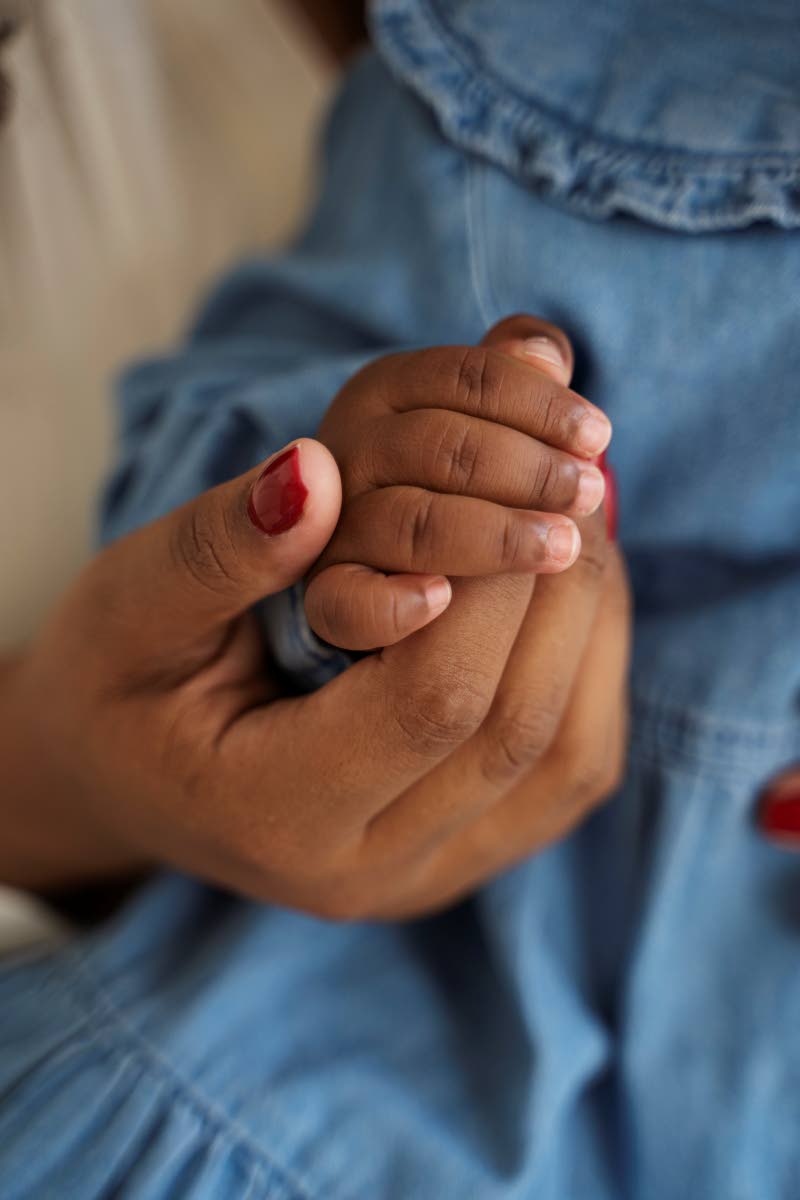
A breast cancer diagnosis can feel like a life-altering setback, especially for women aspiring to start or expand their families. However, Dr. Rajen Rampaul, a renowned breast oncologist and reconstructive surgeon, offers a message of hope and empowerment. With nearly three decades of experience, Dr. Rampaul has dedicated his career to advancing women’s health and breast cancer care. As the medical director at Pink Hibiscus Breast Health Specialists, he leads one of the Caribbean’s premier centers for breast-related treatments, specializing in radioactive and oncoplastic surgeries—procedures recognized as the global gold standard.
Dr. Rampaul emphasizes that breast cancer does not mark the end of a woman’s dreams of motherhood. Advances in treatment and fertility preservation have made it increasingly safe for survivors to conceive and raise children. While breast cancer itself does not directly impact reproductive potential, the choice of treatment can significantly influence fertility. For instance, chemotherapy can affect ovarian cells, potentially impairing egg production, whereas radiation therapy, typically directed at the breast, does not harm fertility. Hormone therapy, however, can reduce estrogen levels, which are crucial for fertility and pregnancy.
To address these challenges, Dr. Rampaul highlights the importance of individualized fertility preservation strategies. Options include ovarian suppression, tissue freezing, and, in some cases, embryo harvesting. However, he cautions that time constraints often make embryo harvesting impractical for urgent cancer treatments. For women with hormone-positive cancers, ovarian stimulation is not recommended, but tissue freezing remains a viable option.
Pregnancy after breast cancer requires careful planning and medical supervision. Dr. Rampaul advises waiting at least five years post-treatment, though this timeline must consider the patient’s age and cancer type. Hormone-positive cancers pose a higher risk of recurrence during pregnancy due to elevated estrogen levels, whereas hormone-negative cancers do not carry this risk. Breastfeeding after treatment depends on the type of surgery and whether radiation was involved. While mastectomy or radiation may limit breastfeeding ability, it does not affect a woman’s capacity to conceive or deliver a healthy baby.
Dr. Rampaul underscores the importance of emotional and psychological support for breast cancer survivors. He encourages women to seek comprehensive counseling and utilize growing online support systems. ‘Our role as medical practitioners is to help patients achieve a full and beautiful life, which includes the possibility of motherhood,’ he says. With modern medical advancements and compassionate care, breast cancer survivors can confidently pursue their dreams of starting or growing their families.
-
Living a full life, road to recovery
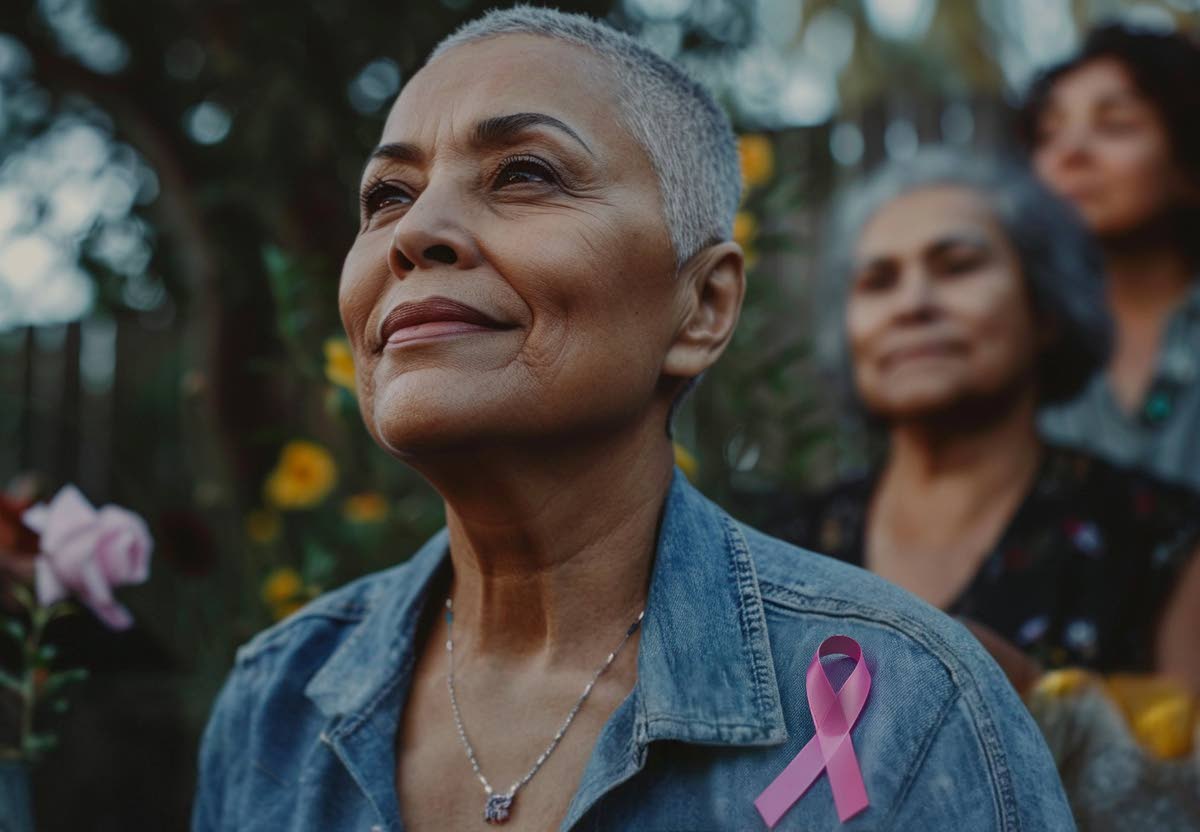
Breast cancer, a life-altering diagnosis, often shatters the dreams of young women, including aspirations of marriage, motherhood, and career growth. Dr. Rajen Rampaul, a breast oncologist and reconstructive surgeon, highlights the unique challenges faced by younger patients, particularly concerns about fertility, identity, and long-term plans. Unlike older women who may have already raised families, younger survivors grapple with the emotional and physical toll of treatment, including fatigue, scarring, and fertility loss, which disrupt their daily lives and responsibilities.
Dr. Rampaul emphasizes the transformative role of breast reconstruction in restoring confidence and reintegrating survivors into society. Psychological support, he notes, is equally critical, with initiatives like the Think Pink support group providing a safe space for women to share experiences and navigate their journeys. He underscores the importance of open communication with partners and family members to maintain healthy relationships during recovery.
Practical lifestyle changes, such as maintaining a healthy weight through diet and exercise, are vital for reducing the risk of recurrence. Dr. Rampaul also advises regular follow-ups, adhering to international guidelines, to monitor patients’ health. For those concerned about their children’s risk of developing cancer, he recommends proper risk assessment based on family history and age.
Ultimately, Dr. Rampaul encourages survivors to embrace life fully, emphasizing that healing begins with honesty, connection, and the belief that life can be wholesome again. ‘Communication is the key,’ he says, urging patients to share their fears and seek support from loved ones and professionals.
-

Rough start for Trinidad and Tobago at Pan Am Table Tennis Champs
Trinidad and Tobago’s table tennis representatives, Derron Douglas and Imani Edwards-Taylor, encountered a challenging beginning to their 2025 Pan American Table Tennis Championship journey. The tournament commenced on October 12 at the Rock Hill Sports and Event Centre in South Carolina, USA. The duo teamed up for the mixed doubles event but were outplayed by Canada’s Simeon Martin and Natalie Chan, suffering a straight-sets defeat with scores of 4-11, 6-11, and 5-11. Edwards-Taylor then faced a tough battle in the women’s singles round-of-64, losing 4-1 to Mexico’s Monica Munoz. Despite a brief comeback in the fourth set, Edwards-Taylor was overpowered in the decisive fifth set. Similarly, Douglas struggled in the men’s singles, falling 4-0 to Mexico’s Axel Emmanuel Lovo Alvarez, who dominated the match with consistent performances across all sets. The early setbacks have placed Trinidad and Tobago’s athletes under significant pressure as they aim to regroup for their upcoming matches.
-

Officials elated with standard at Carifta Gymnastics trials
The future of gymnastics in Trinidad and Tobago (TT) is looking exceptionally promising, as over 170 young athletes demonstrated their talent during the Carifta Gymnastics Trials held on October 11 and 12 at the National Cycling Centre in Couva. The trials, which featured gymnasts aged seven to 19, aimed to select the national team for the upcoming Carifta Gymnastics Championships scheduled for December 6-7 at the same venue. Michelle Frankland, chairperson of the TT Gymnastics Federation’s women’s artistic committee, expressed her enthusiasm for the sport’s rapid growth and increasing competitiveness. ‘The level of our gymnastics in TT is tremendous,’ she said, highlighting the participation of 177 gymnasts across various categories, including the US Artistic Gymnastics and the Pan American Gymnastics Union Hopes. Frankland noted that the sport has expanded significantly, with 15-16 clubs now producing top-tier gymnasts, a marked increase from just a few dominant clubs in previous years. TT is set to host the regional championships for the first time, and Frankland is optimistic about the federation’s renewed energy and purpose. ‘We’re expecting participation from Aruba, Bahamas, Bermuda, Barbados, and others,’ she said. ‘It’s giving our federation a new energy and purpose.’ Christopher George, president of the TT Gymnastics Federation, echoed this optimism, emphasizing the steady improvement of the nation’s gymnasts. ‘Every year, we’re building up on the last,’ George said. ‘We dominated last year and we’re hoping to do it again this year.’ He added that the trials and training are crucial for preparing the athletes to perform at their best, with the ultimate goal of seeing homegrown gymnasts reach the World Championships and Olympics. With four local athletes now competing at level ten, the highest junior tier, George believes the pathway to international success is becoming clearer. ‘It’s monumental,’ he said. ‘We have three years until the Olympics, and it’s quite possible that one of these girls could get an opportunity to compete at the World Champs, and if they train extremely hard, they can get to the Olympics in 2028.’
-

St James Police Youth Club hosts Beyond the Beat concert
The St James Police Youth Club marked its 33rd anniversary with a spectacular concert titled ‘Beyond the Beat,’ held at the Four Roads Community Centre in Diego Martin on October 5. The event was a vibrant celebration of culture and talent, featuring a lineup of distinguished performers and honoring cultural icon Gene Toney, founder of Cocorite YuJamaas. The concert showcased a diverse array of performances, including the rhythmic beats of the Diegoville Drummers, the energetic moves of Organized Chaos, and the captivating dances by the St James Police Youth Club Ballroom Dancing Academy, featuring Taylor McCalfin and Malik Sharbodie. Austin ‘SuperBlue’ Lyons, a legendary calypsonian, thrilled the audience with his dynamic performance, while Xhaiden Darius, the 2025 National Junior Calypso Monarch, delivered a standout act. The Cocorite Ujamaa Folk Performers added a traditional touch with their fan dance, and the Ignited Dancers (Juniors) brought youthful energy to the stage. The event also included a special award presentation to calypsonian Philip ‘Black Sage’ Murray by Corporal Derrick Sharbodie, founder and manager of the St James Police Youth Club. Newsday photographer Faith Ayoung captured the essence of the celebration through her lens, documenting the memorable moments of this cultural extravaganza.
-

West Indies rely on ‘application’ in fightback against Kuldeep-inspired India
In a display of determination, the West Indies cricket team ended day three of the second Test against India at 173-2 in their second innings, still needing 97 runs to force India to bat again. Despite being forced to follow-on after being bowled out for 248 in their first innings, the visitors showcased a spirited performance, particularly from opener John Campbell and Shai Hope, who remained unbeaten at 87 and 66 respectively. Their unbroken 138-run partnership stands as the highest for the West Indies in Tests this year. Earlier, India’s Kuldeep Yadav claimed five wickets, helping the hosts enforce the follow-on. Assistant Coach Ryan ten Doeschate defended the decision, stating it was a valuable test for the team. West Indies spinner Khary Pierre emphasized the importance of application, noting the deteriorating pitch could pose challenges for India’s batsmen. India had previously won the first Test in Ahmedabad by an innings and 140 runs.
-
Tufton hoping to end stigma with Bellevue name change
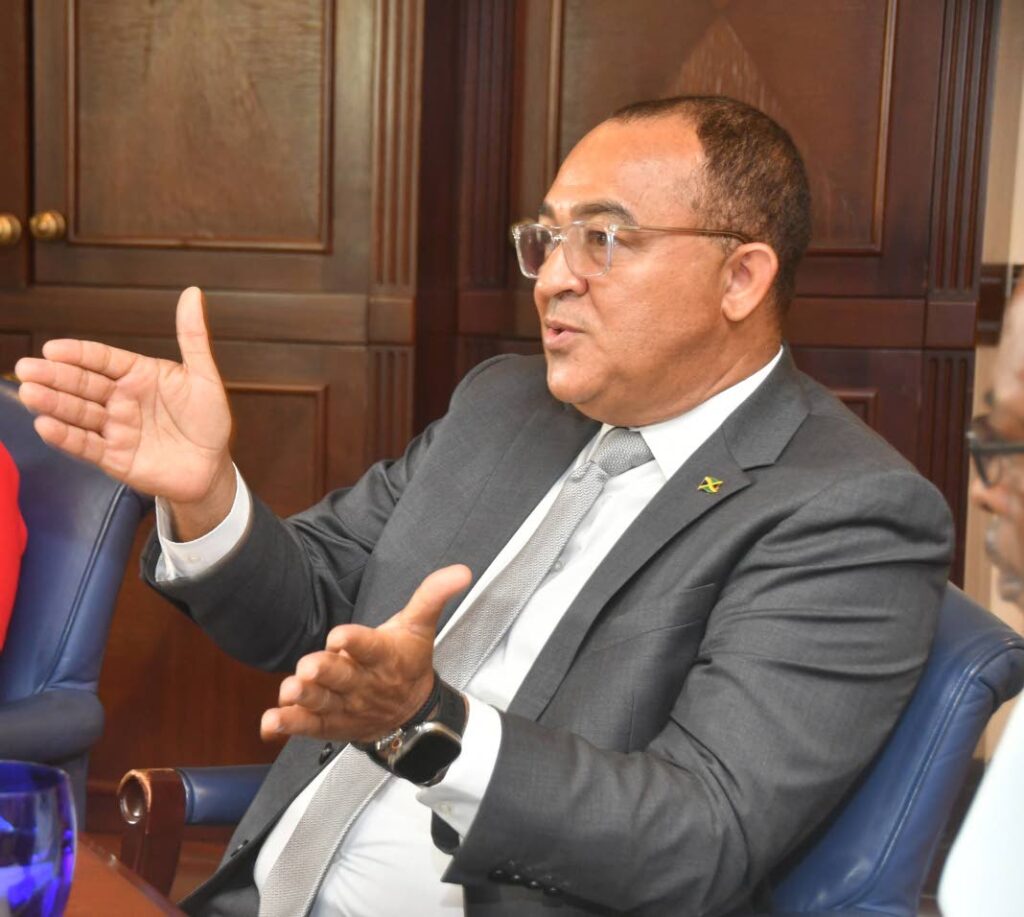
For many Jamaicans, the mention of Bellevue Hospital evokes images of a ‘madhouse’ or ‘mad people,’ a perception deeply rooted in its history since its establishment in 1861 as the Jamaica Lunatic Asylum. This negative stigma has persisted for over a century, but Jamaica’s Health and Wellness Minister, Dr. Christopher Tufton, is determined to change this narrative. Speaking at a recent Jamaica Observer Monday Exchange, Tufton emphasized the need to rebrand the institution to foster a more positive public perception of mental health care. ‘The name Bellevue itself carries a stigma,’ Tufton stated, adding that renaming the hospital is a consideration he will recommend as part of broader reforms. The hospital is set for redevelopment, with plans to construct a 100-bed facility to address acute mental health cases. The 50-acre site will be segmented, with portions dedicated to mental wellness and other health-related purposes. Tufton stressed the importance of repositioning Bellevue as a place of healing and support, rather than a source of societal ostracism. Historically, Bellevue began as a mental health facility in the 1840s, evolving from the Jamaica Lunatic Asylum to its current name in 1946. Today, it serves approximately 400 patients across 23 wards and is the largest psychiatric institution in the English-speaking Caribbean. Since 2010, the hospital has undergone significant reforms, focusing on de-stigmatization, decentralization, and reducing long-term institutionalization. The goal is to rehabilitate patients swiftly and reintegrate them into their communities, marking a shift toward a more progressive approach to mental health care in Jamaica.
-

Advocate.Pioneer.Prodigy
The transformative impact of Allan ‘Skill’ Cole on Jamaica’s music landscape was celebrated during a heartfelt thanksgiving service at the National Arena on October 11. Kay Osbourne, a close friend of Cole for over six decades and former general manager at Television Jamaica, highlighted his pivotal role in breaking barriers for reggae and Rastafari music on Jamaican radio in the 1970s. At a time when such genres were shunned by mainstream media, Cole’s relentless efforts ensured that the music of The Wailers, including Bob Marley, Peter Tosh, and Bunny Wailer, found its way onto airwaves, particularly through the Jamaica Broadcasting Corporation. This marked a significant shift in the cultural and musical identity of Jamaica. Cole, a prodigy who represented Jamaica in football at just 15, was deeply intertwined with the music scene. His defiance of societal norms and his advocacy for Rastafari messages through music were instrumental in the roots-reggae explosion of the era. The service featured tributes from prominent artists such as Beenie Man, Junior Reid, and Stephen Marley, underscoring Cole’s enduring legacy. Cole, who managed Bob Marley during his final U.S. tour in 1980, epitomized the social awakening of Jamaica in the 1960s and 1970s. His contributions to music and culture were honored by industry figures, including Marcia Griffiths, Olivia Grange, and Mark Golding, who gathered to pay their respects.