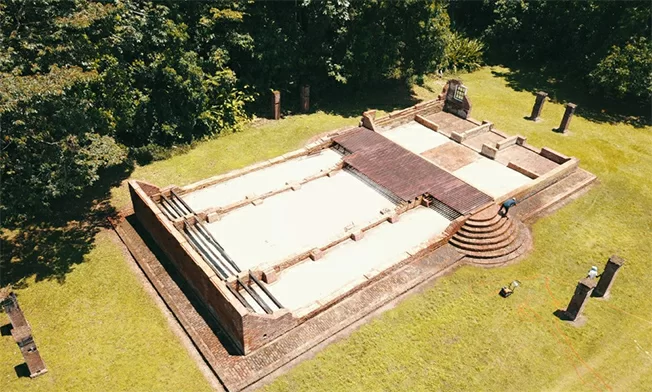
On October 12, 1685, the Beraha VeSalom (BVS) Synagogue, a monumental structure in Jodensavanne, Suriname, was officially inaugurated. This synagogue, whose name translates to ‘Blessing and Peace,’ stood as the heart of the Jewish village and left a lasting impression on visitors due to its grandeur and architectural significance. It was the first synagogue of architectural importance in the Western Hemisphere. Over the centuries, BVS has been extensively documented in writings, paintings, and prints, often depicted from a distance. Approximately 240 years ago, its centennial was celebrated with great pomp in the presence of Governor Wichers, members of the Council of Police and Justice, and numerous dignitaries from Paramaribo. Beyond its religious function, BVS served as a courthouse for minor legal cases, an archive, and a meeting space for the church board. It also acted as a fortress against attacks by maroons, with armed Jewish men preparing for potential assaults during significant religious observances like Yom Kippur. Historical records reveal that on September 30, 1790, Jodensavanne was thrown into turmoil due to a rumored maroon attack, prompting the local militia to guard the synagogue. The construction and maintenance of this once-imposing building were carried out by enslaved individuals, whose contributions are now being honored by the Jodensavanne Foundation as part of the 340th-anniversary commemoration. The foundation has planned several activities to mark this milestone, including the publication of articles, exhibitions, and volunteer programs, all aimed at celebrating the legacy of the Beraha VeSalom Synagogue.
作者: admin
-

Junior Ministers Assigned New Portfolios
In a strategic move to enhance governance and broaden leadership experience, the Government of Antigua and Barbuda has announced the reassignment of two prominent senators to new ministerial roles. Effective Monday, 12 October, Senator Shenella Govia, previously serving as Minister of State in the Ministry of Education, Sport and Creative Industries, will now take on the role of Minister of State in the Ministry of Housing and Works. Concurrently, Senator Clement Antonio, who formerly held the position in the Ministry of Housing and Works, has been reassigned as Minister of State in the Ministry of Education, Sport and Creative Industries, with additional responsibilities overseeing the Antigua and Barbuda Festivals Commission. Prime Minister Gaston Browne emphasized that these reassignments are part of the government’s rotation policy, designed to provide young leaders with diverse experiences and strengthen the overall governance framework. The appointments were made under Section 69 (4) of the Constitution of Antigua and Barbuda, which grants the Prime Minister the authority to assign ministerial offices, with the Governor-General formalizing the appointments. Both senators are among the youngest in the current administration, reflecting the government’s commitment to nurturing emerging talent and ensuring dynamic leadership.
-
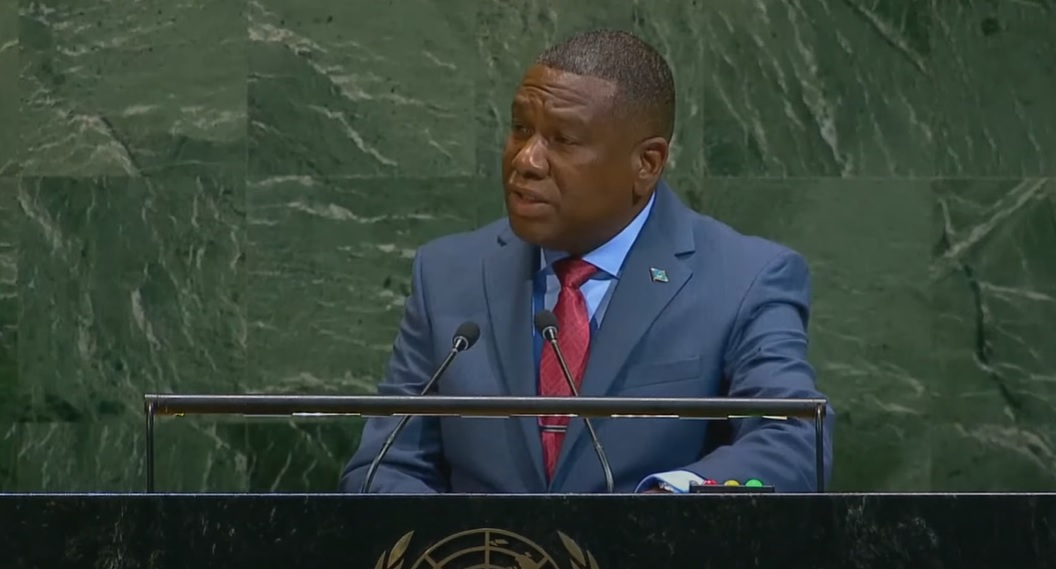
Diplomacy over firepower: Saint Lucia and CARICOM weigh in on a divided region
As geopolitical tensions between the United States and Venezuela intensify, Caribbean nations, led by Saint Lucia, are rallying for dialogue and reaffirming the region’s status as a ‘Zone of Peace.’ During his address at the United Nations General Assembly, Saint Lucia’s External Affairs Minister, Alva Baptiste, emphasized the importance of diplomacy and peaceful resolution of conflicts, particularly referencing the 2014 declaration by Latin American and Caribbean leaders that established the region as a peace zone under the principles of the UN Charter. Baptiste expressed concern over the escalating tensions between Venezuela and the US, urging both nations to avoid violence. He also highlighted the need for a peaceful resolution to the Venezuela-Guyana border dispute and called for an end to the US embargo on Cuba. Additionally, Baptiste underscored the role of small nations in advocating for non-violent diplomacy and addressing regional crises, such as the ongoing turmoil in Haiti. CARICOM leaders, including Barbados’ Prime Minister Mia Mottley and St. Vincent and the Grenadines’ Prime Minister Ralph Gonsalves, echoed these sentiments, warning against unilateral militarization and stressing the importance of regional stability. Meanwhile, Trinidad and Tobago’s Prime Minister Kamla Persad-Bissessar offered conditional support for US military operations in the Caribbean, citing a reduction in crime as a positive outcome. Back in Saint Lucia, Police Commissioner Verne Garde emphasized the importance of strengthening border security to combat illegal trafficking, while maintaining regional collaboration with neighboring nations. The collective call for peace comes amid recent confrontations between the US and Venezuela, including accusations of illegal incursions and military strikes in the Caribbean Sea.
-
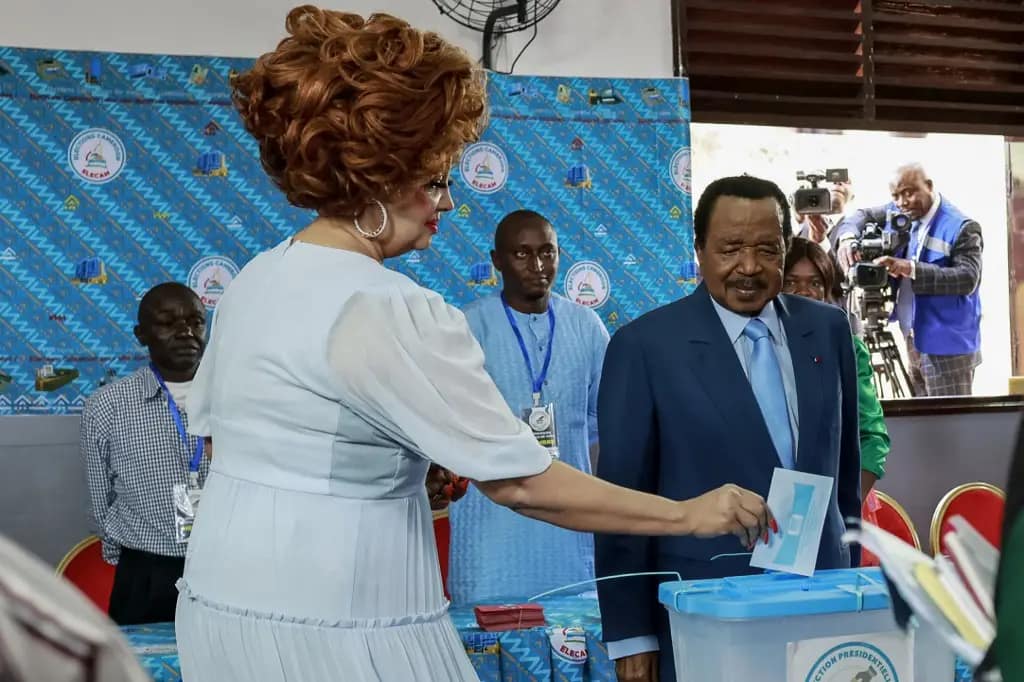
Cameroon’s 92-year-old president poised for eighth term
Cameroonians headed to the polls on Sunday in a pivotal election that could see 92-year-old Paul Biya, the world’s oldest serving head of state, extend his 43-year reign. The election, marked by a mix of calm and unexpected enthusiasm, unfolded across the central African nation, where half the population is under 20 years old. Biya, who has been in power since 1982, faced 11 challengers, including former employment minister Issa Tchiroma Bakary, 79, who garnered significant attention despite the incumbent’s dominance. Over eight million eligible voters participated in the one-round election, many of whom have only known Biya as their leader. AFP journalists observed voters crowding polling stations in the capital Yaounde, which closed in the early evening. Jean-Alain Andzongo, an official from the national electoral authority, described the voting process as “calm.” Despite the apparent tranquility, political scientist Stephane Akoa cautioned against naivety, noting the ruling system’s ability to influence outcomes. However, he acknowledged that the campaign had been unusually lively, suggesting the possibility of surprises. Biya, after casting his ballot in the Bastos neighborhood near the presidential palace, remained cautious, stating, “Nothing is certain. Let’s wait until we know the name of the elected official.” The election results will determine whether Cameroon continues under Biya’s long-standing rule or embarks on a new political chapter.
-
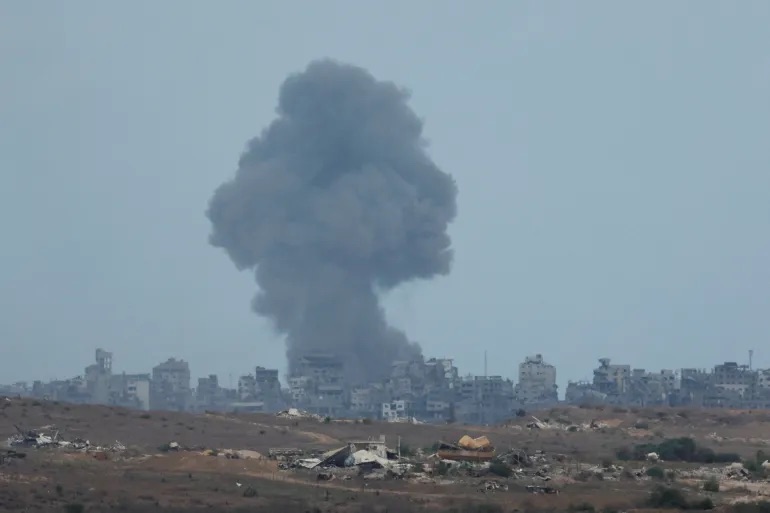
Israel confirms signing phase one of Gaza ceasefire deal with Hamas
The Israeli government has officially confirmed the signing of the first phase of a ceasefire agreement with Hamas, marking a significant step toward ending the prolonged conflict in Gaza. The war, which has claimed the lives of over 67,000 Palestinians over two years, has seen intense negotiations culminating in this pivotal deal. The agreement was finalized in Sharm el-Sheikh, Egypt, on the morning of October 9, following three days of rigorous discussions, as reported by Israeli government spokesperson Shosh Bedrosian. This initial phase aligns with U.S. President Donald Trump’s 20-point plan to resolve the conflict. Key provisions include the release of the remaining Israeli captives in Gaza—20 of whom are believed to be alive—within 72 hours, in exchange for Palestinian prisoners. Additionally, Israel is required to withdraw its troops to a mutually agreed-upon line. The ceasefire is set to take effect 24 hours after Israel’s Cabinet ratifies the agreement, expected later this evening. Once the 24-hour period concludes, the 72-hour window for the captives’ release will commence. However, the Israeli spokesperson clarified that Palestinian leader Marwan Barghouti will not be part of the prisoner exchange, a decision likely to provoke discontent among Palestinians. Furthermore, Israel will retain control over more than half of Gaza despite the troop withdrawal stipulated in the deal.
-
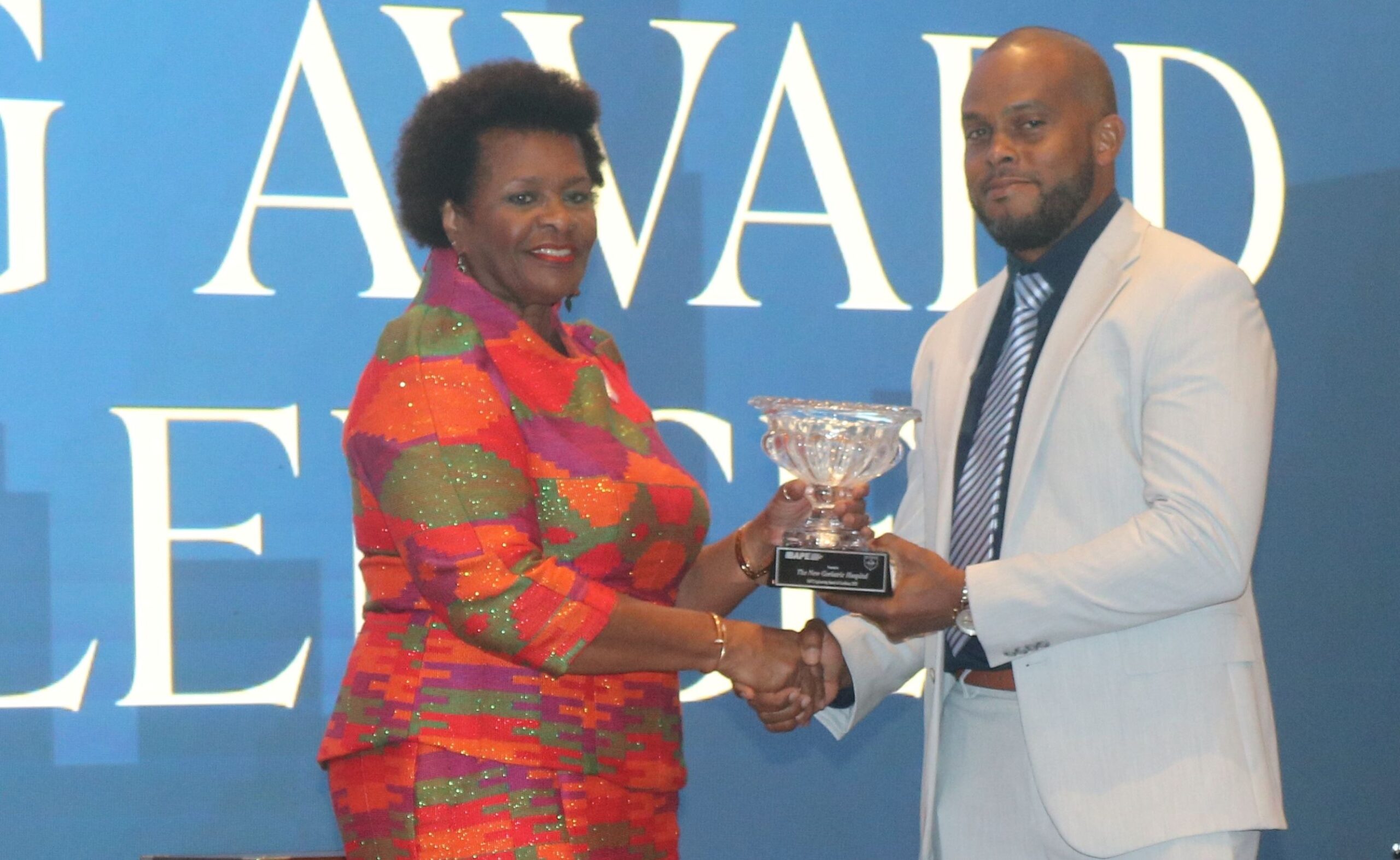
Engineer Orson Alleyne receives prestigious BAPE award
The Barbados Association of Professional Engineers (BAPE) celebrated the pinnacle of engineering innovation and achievement at its 2025 Annual Engineering Awards and Dinner, held at the luxurious Wyndham Grand Barbados Sam Lord’s Castle Resort and Spa. The event highlighted the transformative power of engineering in addressing societal needs and advancing national development. Engineer Orson Alleyne of Steinbok Management Services Inc. was honored with the prestigious BAPE Annual Engineering Award of Excellence for his leadership in the construction of the new Geriatric Hospital at Waterford, St Michael, which was also crowned Project of the Year. The hospital, a groundbreaking initiative, integrates renewable energy, sustainable design, and compassionate care, setting a new benchmark for healthcare infrastructure in Barbados. Alleyne emphasized the collaborative effort behind the project, involving engineers, architects, environmental scientists, and contractors, and praised the vision of integrating innovation and purpose to serve the nation. Other notable projects recognized included the Digital Innovation and Health Tech Hub at Newton, Christ Church, and the Oceana Innovation Hub at Bay Street, St Michael. The ceremony also honored Akeem Nurse with the BAPE President’s Award for his leadership in revamping the organization’s website, while Karen Walkes and The Most Honourable Richard Edghill were distinguished as Fellows. Keith Best was acknowledged as an honorary member for his over 40 years of service to the Barbados National Standards Institute. The event underscored the critical role of engineering in driving social change and shaping a sustainable future.
-
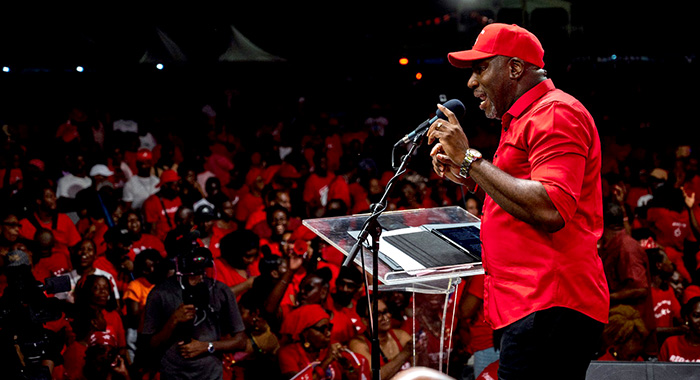
Brewster tells untruths while saying NDP ‘lie’
In a heated political exchange, Central Leeward MP Orando Brewster of the Unity Labour Party (ULP) accused the opposition New Democratic Party (NDP) of distorting facts and failing to collaborate on critical national issues. Speaking at a ULP campaign rally in Layou on October 11, 2025, Brewster criticized the NDP for its approach to crime, claiming the party erected a billboard to ‘advertise crime’ rather than working with the government to address the issue. This accusation comes despite Prime Minister Ralph Gonsalves’ repeated rejection of the NDP’s offers to collaborate on crime prevention. Brewster also misrepresented Central Kingstown MP St. Clair Leacock’s stance on parliamentary salaries and hospital financing, further escalating tensions. The NDP defended its actions, stating the billboard aimed to spark a necessary conversation about crime. Meanwhile, Brewster faces a challenge from NDP candidate Conroy Huggins, a former educator who lost his job due to the ULP’s COVID-19 vaccine mandate. The political rivalry underscores deep divisions in St. Vincent and the Grenadines, with both parties vying for public support ahead of the upcoming elections.
-
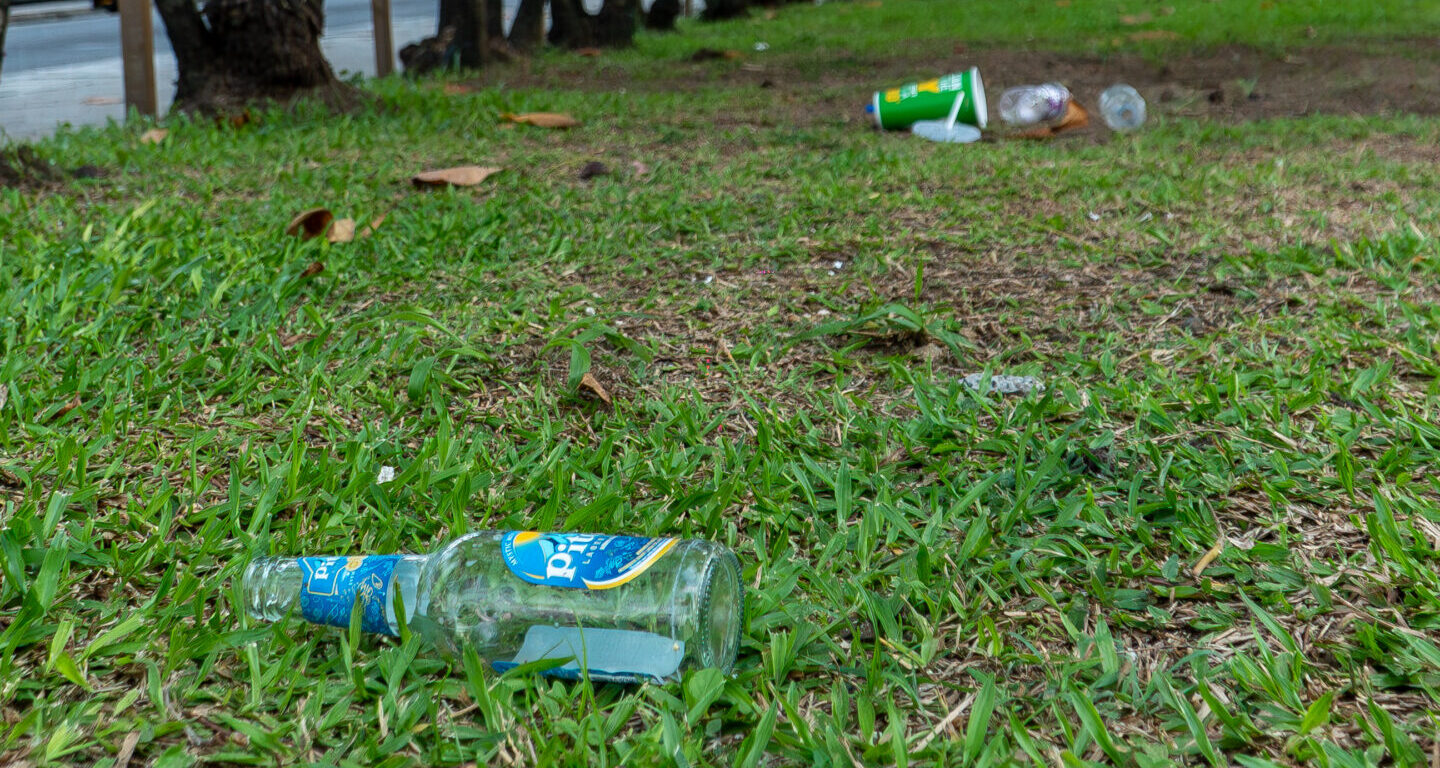
Are our waste habits tarnishing the country’s beauty?
Beneath the lush landscapes and pristine beaches that make Saint Lucia a Caribbean paradise lies a growing environmental crisis—widespread littering and improper waste disposal. Dr. James Fletcher, Saint Lucia’s former Minister for Sustainable Development and current CARICOM Climate Envoy, has highlighted the island’s struggle with roadside garbage, polluted rivers, and beaches strewn with plastic. Despite its reputation as ‘The Helen of the West Indies,’ the island’s waste problem is among the worst in the region, threatening both its natural beauty and public health. Fletcher emphasizes that the issue extends beyond aesthetics, with blocked drains causing flooding, plastic waste harming marine life, and food waste attracting pests. He calls for a fundamental shift in public behavior, supported by stronger policies and affordable alternatives to single-use plastics. While initiatives like the Styrofoam and Plastics (Prohibition) Act and private sector efforts, such as Massy Stores’ plastic bag charge, have shown progress, Fletcher stresses the need for comprehensive solutions, including education, awareness campaigns, and innovative packaging made from local materials like banana stems or bamboo. The challenge, he notes, lies in changing entrenched habits, particularly among adults, to ensure long-term sustainability.
-
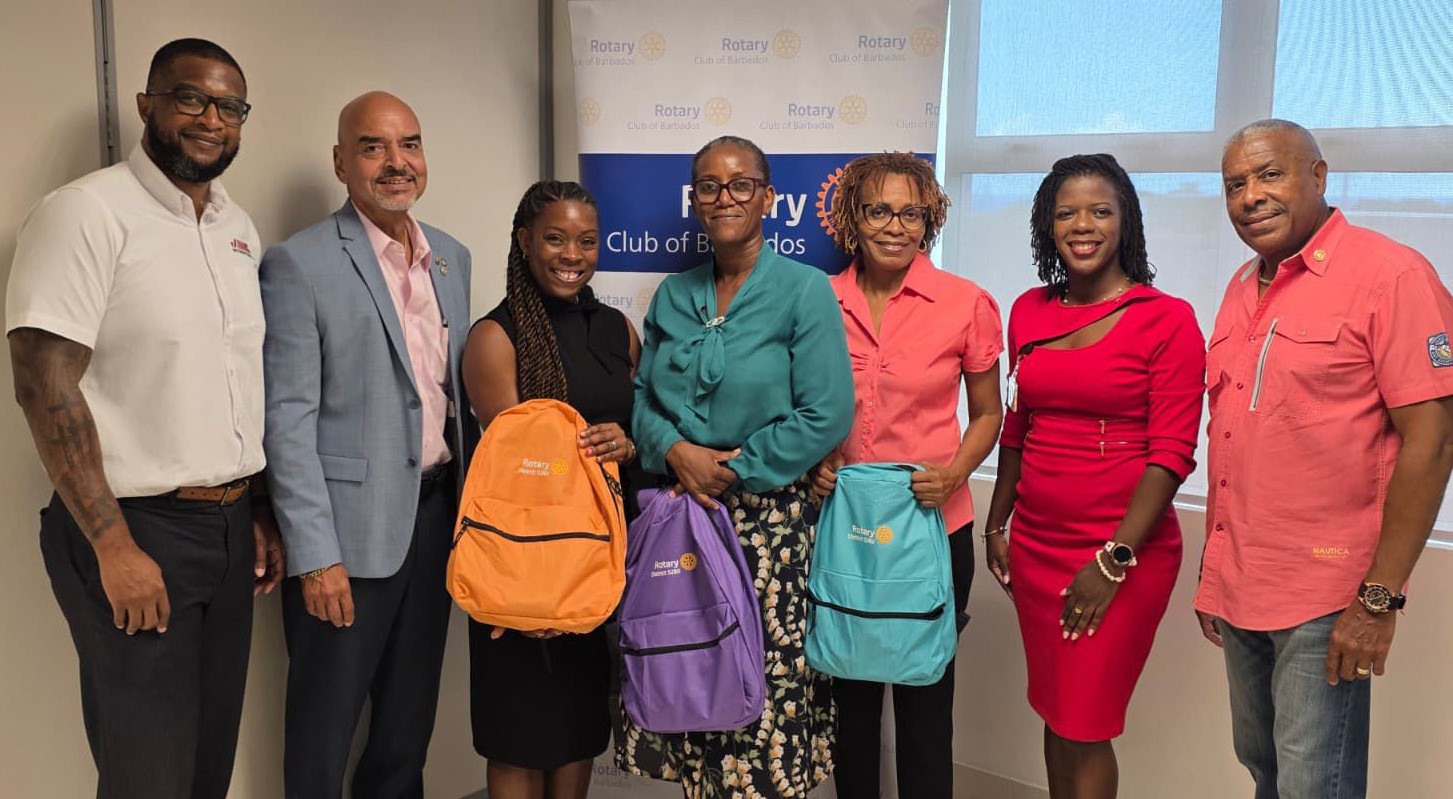
Rotary Club launches ‘Tools for Tomorrow’ to support students in need
The Rotary Club of Barbados has unveiled its transformative ‘Tools for Tomorrow’ initiative, designed to provide students with essential school supplies to enhance their educational journey. The official launch ceremony, attended by principals from Charles F Broome Primary, St Elizabeth Primary, and Half Moon Fort Primary, highlighted the program’s mission to instill hope and encouragement among students facing significant challenges.
Katrina Alkins, the club’s Director of Community Service, emphasized the broader significance of education, stating, ‘Education transcends classroom lessons; it’s about equipping our children with the resources they need to forge a brighter future for themselves, their families, and Barbados as a nation. Often, something as basic as a school bag, notebooks, or pencils can profoundly impact a child’s attitude toward learning and their confidence among peers.’
The initiative reflects Rotary’s enduring principle of ‘service above self,’ aiming to dismantle obstacles that prevent children from fully participating in their education. The Rotary Club also acknowledged the pivotal role of school principals in molding the nation’s future. ‘We extend our deepest gratitude to our principals for their unwavering leadership, patience, and dedication,’ Katrina added. ‘Your efforts shape not only young minds but also the character and destiny of our country. This project is our way of supporting you in the invaluable work you do daily.’
-
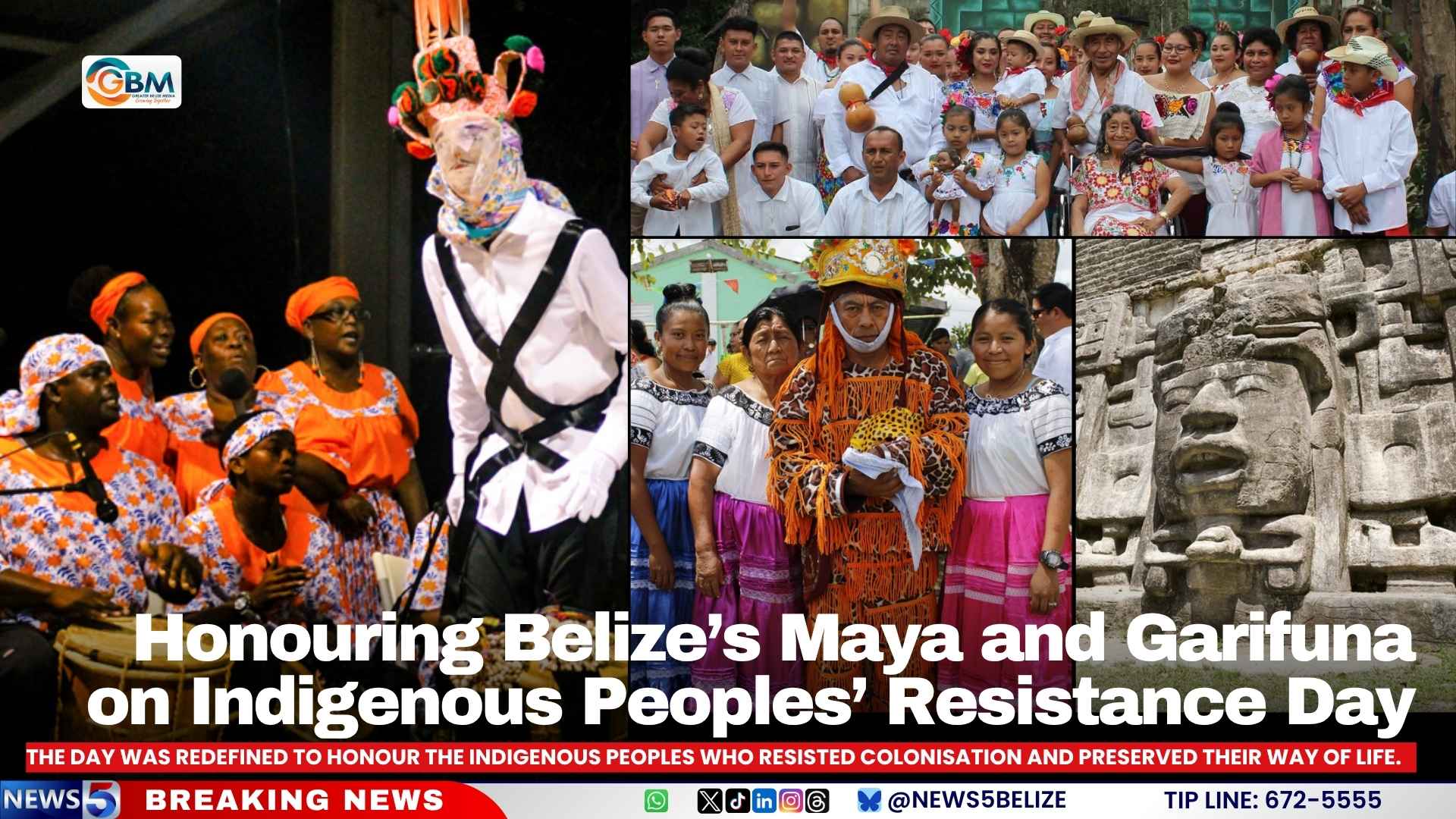
Honouring Belize’s Maya and Garifuna on Indigenous Peoples’ Resistance Day
On October 12th, Belize joins the Americas in commemorating Indigenous Peoples’ Resistance Day, a day dedicated to celebrating the resilience, culture, and enduring legacy of Indigenous communities. This significant occasion replaces the outdated narrative of ‘discovery’ with a focus on resistance, acknowledging that the lands Christopher Columbus encountered in 1492 were already inhabited by thriving societies. For decades, the day was observed as Columbus Day, but a deeper understanding of history has led to a profound shift in perspective, redefining the day to honor Indigenous peoples who resisted colonization and preserved their way of life. In Belize, the day pays tribute to the country’s two main Indigenous groups: the Maya and the Garifuna. The Maya, one of the region’s oldest civilizations, continue to uphold ancestral practices such as farming, spiritual ceremonies, and community traditions. Belize is home to three distinct Maya groups: the Yucatec Maya, the Mopan Maya, and the Ketchi Maya, each maintaining their own language, customs, and cultural identity while sharing deep historical and spiritual ties to the land. Many Mestizos in Belize also carry Maya ancestry, a legacy of intermarriage between Indigenous peoples and Spanish settlers during and after colonization, forming a unique cultural identity that connects Mestizo communities to Maya heritage. The Garifuna, descendants of West and Central Africans who intermarried with Indigenous Caribbean peoples on the island of St Vincent in the 17th century, are also honored today. Their culture, recognized by UNESCO in 2001 as a Masterpiece of the Oral and Intangible Heritage of Humanity, is celebrated for its language, music, dance, storytelling, and communal rituals. Beyond cultural expression, the Garifuna play a vital role in local governance, education, and the defense of ancestral lands, ensuring their heritage and identity remain alive for future generations. Today’s observance serves as a reminder of the need to protect Indigenous rights, cultural heritage, and land security, while also calling for reflection on Belize’s multi-ethnic identity and shared history.