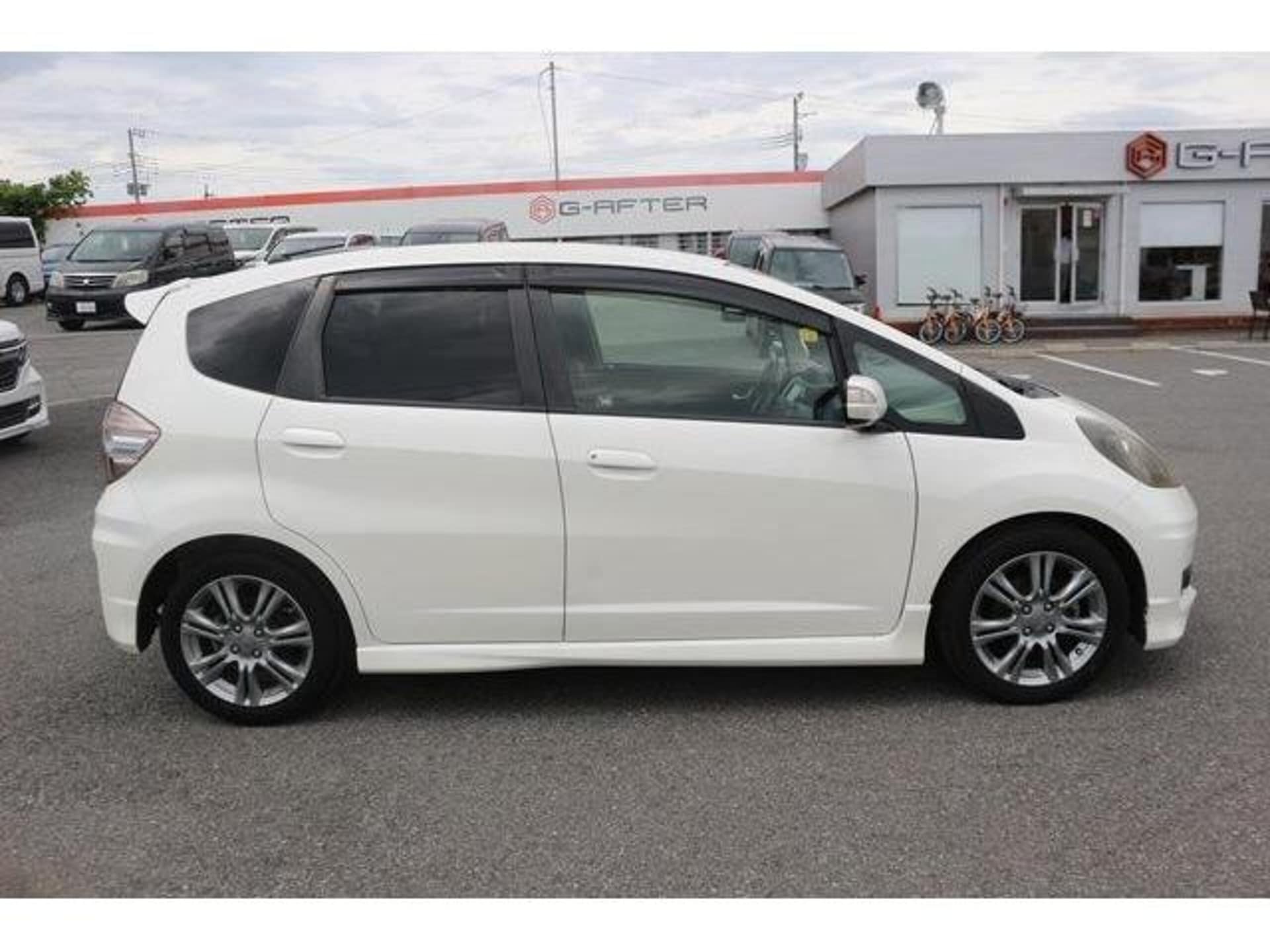
Authorities are offering a $5,000 reward for information leading to the recovery of a stolen vehicle or the arrest of the perpetrators involved in the crime. The vehicle in question is a white 2011 Honda Fit RS, bearing the license plate A71654, which was stolen at gunpoint on October 12 in the Pita Pocket, Popes Head Street area. At the time of the theft, the car contained the owner’s personal identification, cash, and bank cards, adding urgency to the investigation. Law enforcement is urging anyone with relevant information to contact the nearest police station immediately, assuring that all tips will be handled with the strictest confidentiality. The public is encouraged to share this notice widely to aid in the recovery of the vehicle and the apprehension of those responsible. Additionally, the notice includes a promotional message for advertising opportunities with the most visited news site in Antigua, offering customizable digital marketing packages. For inquiries, interested parties can reach out via email at [email protected].
作者: admin
-

OPINION: What cannabis legislation can teach us about foreign direct investment (Part 2)
In the competitive landscape of foreign direct investment (FDI), Saint Lucia and other Caribbean nations offer substantial tax concessions to attract investors. These incentives include VAT relief on building materials, income tax exemptions, property tax waivers, and customs duty exemptions on imports. Such measures are part of a broader strategy to stimulate economic growth and job creation. However, the International Monetary Fund (IMF) has raised concerns about the sustainability of these incentives, noting that the cost per job in the formal sector can be as high as $2,500. Research also indicates that some countries forfeit up to 16% of their annual GDP through tax incentives, with limited tangible benefits. Despite these criticisms, proponents argue that without such incentives, investment and job creation would stagnate. To address these challenges, the Regulated Substance Authority (RSA) and other stakeholders are focusing on sector-specific incentives that prioritize corporate social responsibility, environmental protection, and compliance with national and international laws. Additionally, efforts are underway to improve the ease of doing business in Saint Lucia, addressing issues such as limited access to financing, weak insolvency mechanisms, and high energy costs. The RSA is also working to integrate traditional communities, such as the Rastafari, into the burgeoning cannabis industry, ensuring that development does not displace local stakeholders. The consultative process undertaken by the RSA serves as a model for broader legislative and policy initiatives, emphasizing public engagement and transparency. As Saint Lucia navigates the complexities of FDI, balancing economic growth with sustainable development remains a critical challenge.
-
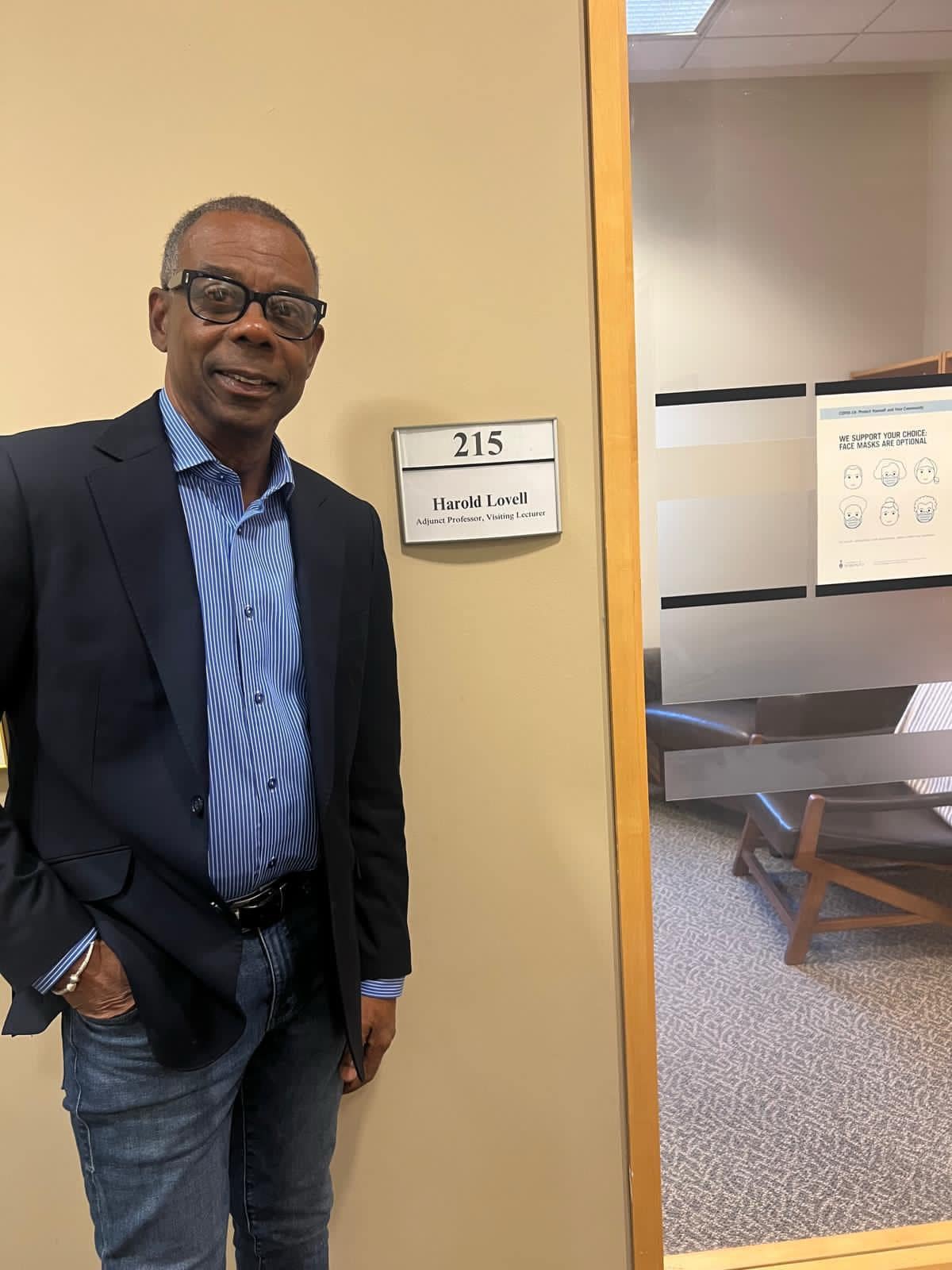
Harold Lovell: The Man Who Turned His Back on the People of All Saints West
Anthony Smith Jr., a dedicated representative of All Saints West, has broken his silence to address the political maneuvers of Harold Lovell, a former Minister of Finance, Tourism, and Aviation. Smith Jr. accuses Lovell of neglecting the constituency during his tenure, despite holding significant governmental power. Lovell, who is now campaigning in All Saints West, is portrayed as an outsider with a history of failing to support the community. Smith Jr. highlights the dismissal of Chandlah Coddington, a fellow UPP member, as a prime example of Lovell’s disregard for local needs. Coddington, who had twice won unanimous victories at the polls, was ignored when he pleaded for basic infrastructure improvements. Smith Jr. emphasizes that he has been working tirelessly for the community, even using personal resources to build roads, long before Lovell’s recent interest in the area. He calls for accountability and prioritization of All Saints West, asserting that the people deserve better than Lovell’s empty promises. Smith Jr. concludes by reaffirming his commitment to the community and urging voters to recognize the true face of Lovell’s leadership.
-

Blue Ocean Dredging Equipment En Route to Antigua
In a significant move to bolster coastal resilience and infrastructure development, Antigua and Barbuda has acquired a state-of-the-art dredging excavator and barge. Prime Minister Gaston Browne confirmed that the equipment, purchased by the government for Blue Ocean, has been disassembled and shipped from the Port of Holland to Antigua and Barbuda. This acquisition positions the government as the majority shareholder in Blue Ocean, marking a strategic investment in the nation’s future. The heavy-duty machinery is set to play a pivotal role in dredging, beach replenishment, and land reclamation projects, which are essential for mitigating coastal erosion and enhancing environmental sustainability. The initiative underscores the government’s commitment to safeguarding the nation’s coastline and fostering long-term economic growth. Additionally, the government has emphasized the importance of such infrastructure projects in attracting tourism and supporting local industries. The move is part of a broader strategy to strengthen Antigua and Barbuda’s resilience against climate change and natural disasters, ensuring a sustainable future for its citizens.
-
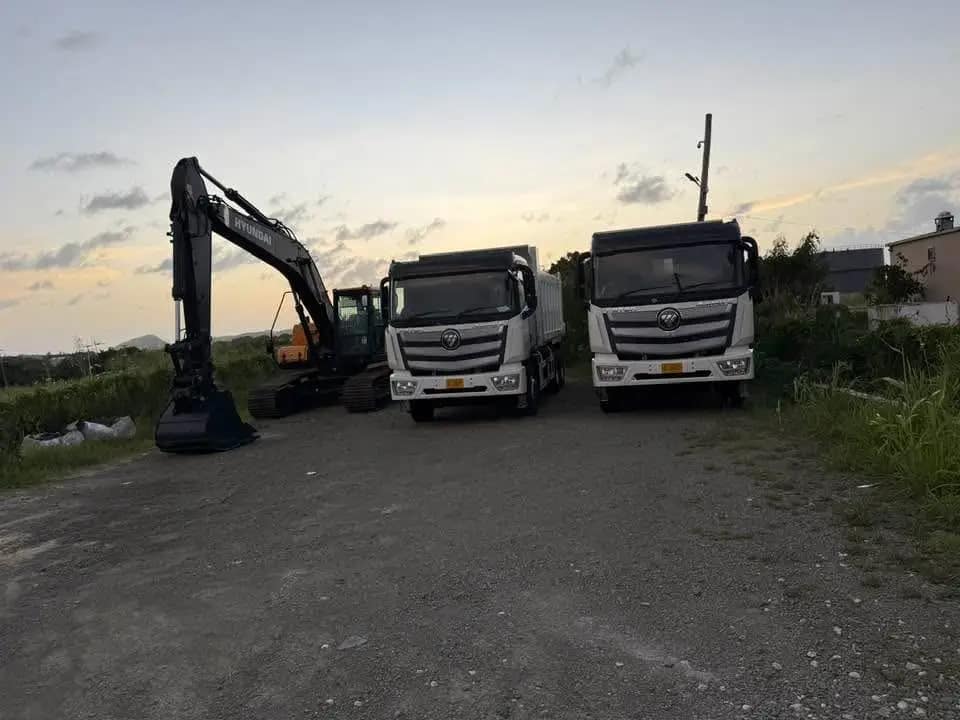
Two trucks and an excavator purchased to help farmers
In a significant move to bolster agricultural productivity, Prime Minister Browne announced the acquisition of two 20-ton trucks and an excavator for the Ministry of Agriculture. These resources are earmarked to assist farmers in constructing ponds and dams on their farms, as well as preparing sub-base layers for farm roads. This initiative aims to enhance water management and improve transportation infrastructure, crucial for the efficiency of agricultural operations. Additionally, the government plans to install solar lights on farms to facilitate night work, thereby extending the working hours and potentially increasing output. This dual approach of providing heavy machinery and renewable energy solutions underscores the government’s commitment to modernizing the agricultural sector and supporting local farmers in Antigua.
-
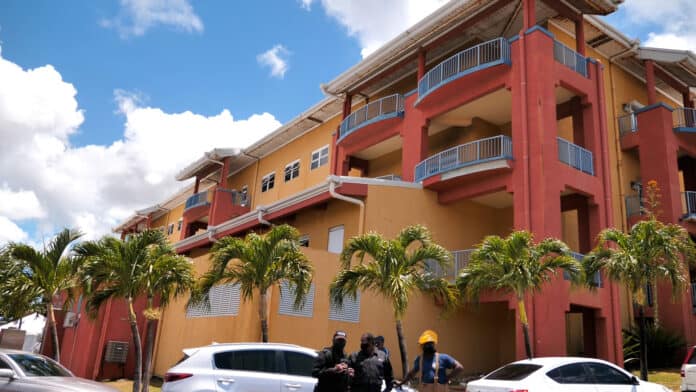
Man shot during attempted robbery in Cooks in stable condition, police say
A man is currently in stable condition at Sir Lester Bird Medical Centre after being shot in the chest during an attempted robbery in the Cooks area early Saturday morning. According to authorities, the incident occurred shortly after 4 a.m. when the victim was walking to the market. A masked gunman reportedly demanded money and, without hesitation, opened fire, striking the victim in the chest. The assailant fled the scene on foot, leaving the victim critically injured. Emergency Medical Services arrived promptly and transported the victim to Sir Lester Bird Medical Centre by 4:20 a.m., where he is now under observation. Police are actively investigating the case and have urged anyone with information to contact the Criminal Investigations Department at 462-3913 or call 911. The incident has raised concerns about safety in the area, with residents calling for increased police presence. Meanwhile, the community remains hopeful for the victim’s full recovery.
-
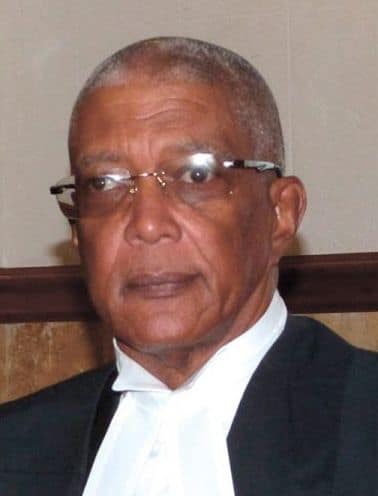
Retired Justice Stanley John Returns to Antigua Bench
Retired High Court Judge Stanley John is set to return to Antigua and Barbuda, where he will serve as an acting judge on the Eastern Caribbean Supreme Court. The Judicial and Legal Services Commission announced that Justice John will be stationed in Antigua from October 4 to December 22, 2025. This marks his second stint in the country, having previously served from 2019 to 2022. Most recently, he acted as a High Court judge in the Virgin Islands. His return follows the departure of Justice Tunde Bakre, who served on the Antigua bench for less than two years. Bakre, a Nigerian-born jurist, was sworn in on September 29, 2023, and presided over several high-profile cases, including Antigua and Barbuda’s first judge-alone murder trial. Bakre has since been appointed to the Supreme Court of the Turks and Caicos Islands, where he was sworn in on October 3, 2025. Justice John’s reappointment underscores the Eastern Caribbean Supreme Court’s commitment to maintaining experienced judicial leadership in the region.
-
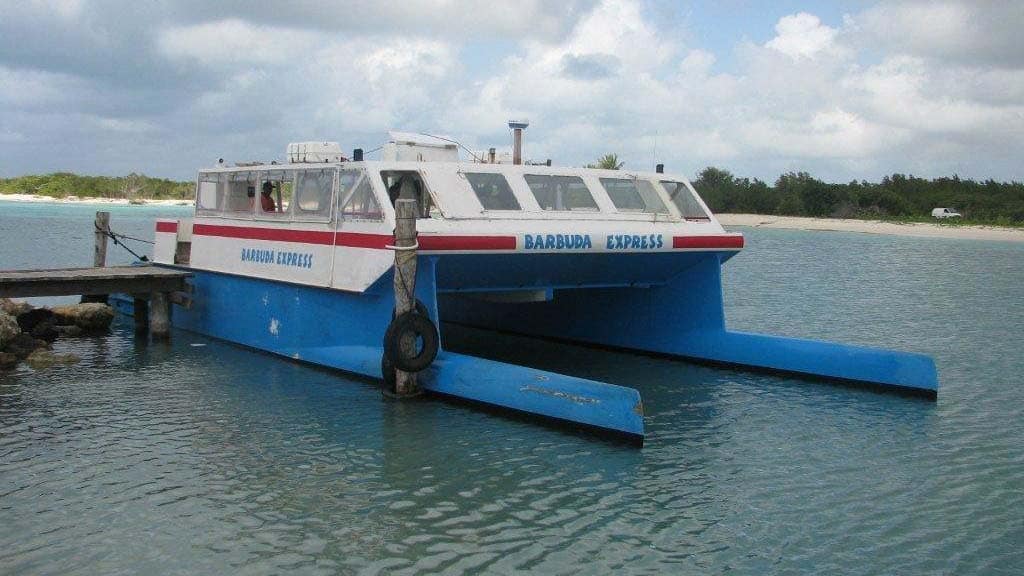
Government Moves Forward with New Port in Barbuda for Trade and Tourism
The government of Antigua and Barbuda has announced significant progress in its plans to construct a new port in Barbuda, aiming to enhance the island’s trade and tourism sectors. During a post-Cabinet press briefing on Thursday, Maurice Merchant, the Director General of Communications, revealed that a potential site for the port has been identified after extensive discussions. Merchant emphasized the necessity of the project, stating, ‘There is a clear need for a new port in Barbuda to improve trade and tourism, particularly for the docking of yachts and other vessels.’ Senior government officials recently visited the proposed site to evaluate its suitability, with a comprehensive report expected shortly. The new port is expected to bolster Barbuda’s rapidly growing tourism industry, which has seen a surge in investment in recent years. Merchant highlighted, ‘Barbuda has been developing rapidly, and tourism remains one of its key economic drivers.’ Once the site assessment is finalized, the Cabinet will review design and construction proposals before proceeding with the project. This initiative is part of the government’s broader strategy to strengthen Barbuda’s economic foundation through enhanced maritime infrastructure and improved regional trade connections.
-
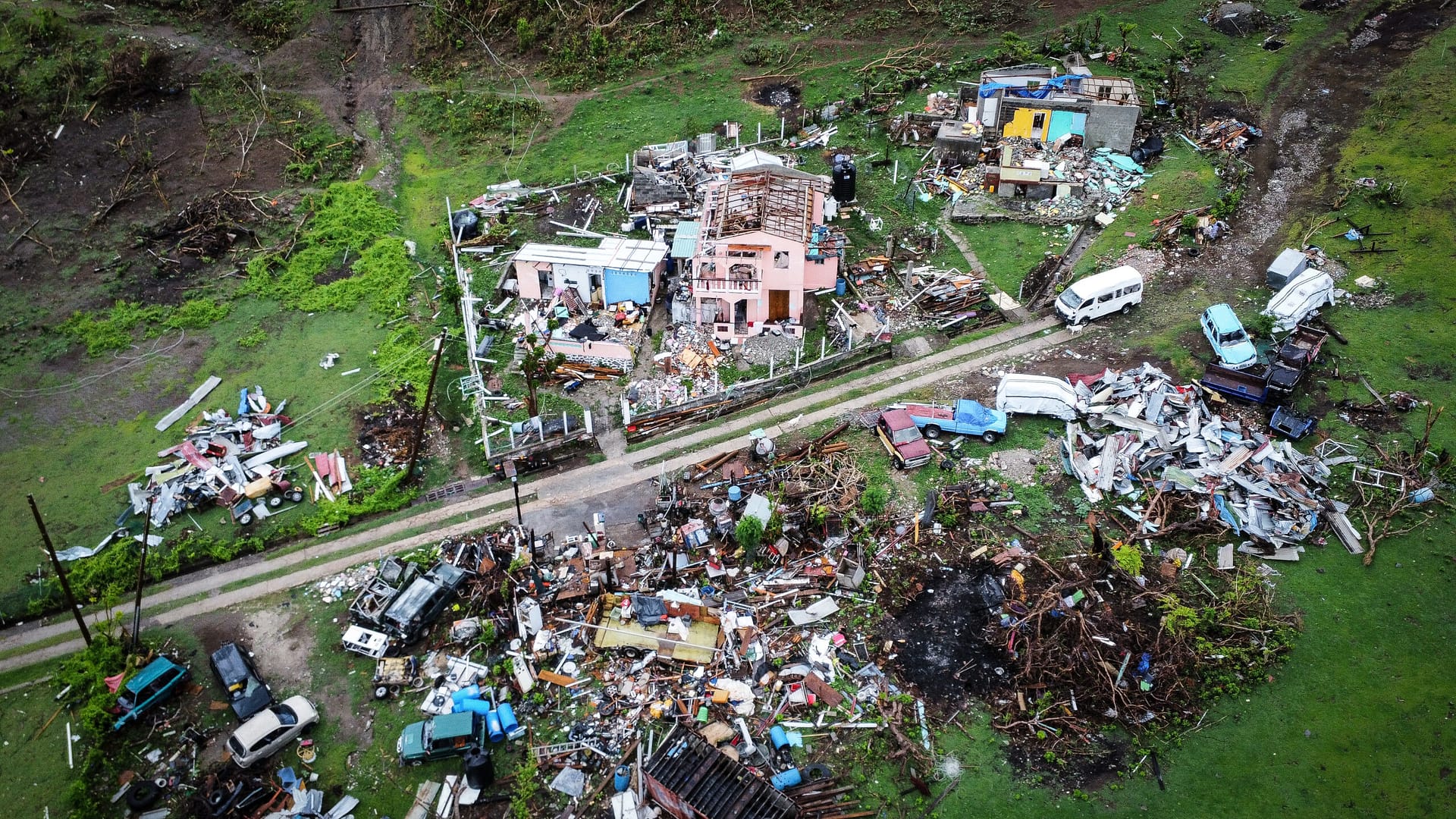
OM Chief Highlights Record Disaster Displacement and Calls for Resilience Funding
The catastrophic aftermath of Hurricane Beryl on Union Island in Saint Vincent and the Grenadines has laid bare the urgent need for enhanced disaster resilience. Aerial imagery reveals widespread destruction, with two-thirds of buildings obliterated, leaving countless residents homeless. Critical infrastructure—power, water, and transportation—lies in ruins, crippling daily life and exacerbating the island’s economic woes. The tourism sector, a cornerstone of the local economy, has suffered colossal losses, triggering a vicious cycle of unemployment, poverty, and food insecurity. The International Organization for Migration (IOM) has seized this moment to amplify its call for a paradigm shift in global financing. This year’s International Day for Disaster Risk Reduction (IDDRR) underscores the theme ‘Fund Resilience, Not Disasters,’ urging a redirection of resources from reactive disaster response to proactive prevention and preparedness. IOM Director General Amy Pope emphasized the criticality of resilience investments, stating, ‘Every dollar invested in resilience saves many more in avoided losses and protects the dignity of those most at risk.’ The statistics are stark: 2024 saw a record 46 million people displaced by disasters, yet disaster risk reduction remains woefully underfunded, with most governments allocating less than 1% of their budgets to prevention. IOM is advocating for scaled-up investments from governments, donors, and the private sector to mitigate disaster impacts and bolster resilience. This includes integrating human mobility into risk-informed development and climate finance, ensuring communities can adapt, relocate, or rebuild with dignity. As the 30th UN Climate Change Conference (COP30) approaches, IOM aims to position disaster and climate risk reduction at the forefront of climate finance negotiations, leveraging tools like the Risk Index for Climate Displacement and the Climate Catalytic Fund to target hotspots, prevent displacement, and safeguard development gains.
-

Social Security in the sun: Using your U.S. benefits to retire in the Dominican Republic
For many Americans, the idea of retiring in the Dominican Republic is no longer just a dream but an attainable and affordable reality. With over 700,000 Americans receiving Social Security benefits abroad in more than 180 countries, the Dominican Republic has emerged as a top destination for retirees seeking a lower cost of living and a slower pace of life. The country’s tropical climate, vibrant culture, and ease of managing U.S. benefits make it an attractive option for those looking to stretch their retirement dollars. From the mountain views of Jarabacoa to the coastal tranquility of Punta Cana, retirees can enjoy a high quality of life while making their Social Security payments go further. The U.S. Social Security Administration (SSA) approves the Dominican Republic for receiving benefits abroad, ensuring retirees can access their funds seamlessly. To manage payments, most retirees maintain a U.S. bank account and transfer funds as needed, though opening a local account in pesos or U.S. dollars is also an option. Popular banks like Banreservas, Banco Popular, and Scotiabank support international transactions, making financial management straightforward. Retirees can also minimize transfer fees by using services like Wise, Remitly, or Xoom, which offer competitive exchange rates and low fees. The cost of living in the Dominican Republic is significantly lower than in the U.S., with a single retiree living comfortably on $1,500–$2,000 per month and couples budgeting around $2,500. Rent in mid-sized cities like Santiago averages $850–$1,100, while smaller towns offer even more affordable options. Fresh local produce and dining out are inexpensive, though imported goods tend to be pricier. Healthcare is high-quality and far more affordable than in the U.S., adding to the appeal. Retirees can also explore residency options through the Pensionado visa, which requires a guaranteed monthly income of at least $1,500. Many retirees are choosing to purchase property in full-service residential communities, which offer amenities like 24-hour security, pools, gyms, and beachfront access, often with tax incentives under the CONFOTUR law. For those considering this lifestyle, real estate professionals like Rosalyn Ortega-Elie of Smart Caribbean Properties provide guidance on selecting the right community and navigating the legal process of buying property abroad. With its affordability, beauty, and ease of living, the Dominican Republic is becoming an increasingly popular choice for Americans looking to retire in paradise.