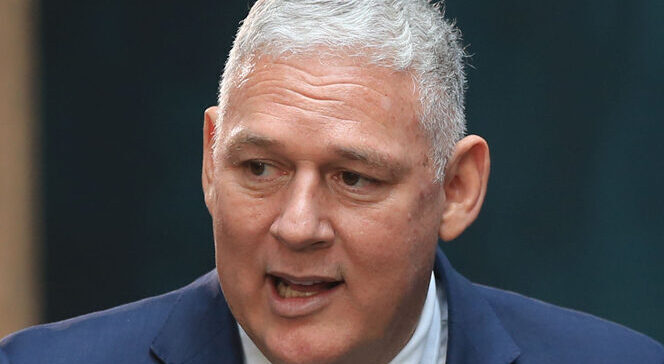
In a landmark ruling on October 15, 2025, the Caribbean Court of Justice (CCJ) dismissed an appeal filed by former Saint Lucian Prime Minister Allen Chastanet, marking the culmination of a contentious legal battle. The appeal sought to challenge the discontinuation of criminal proceedings against Saint Lucia’s current Deputy Prime Minister, Dr. Ernest Hilaire, over allegations dating back to 2020. The case centered on claims that Dr. Hilaire failed to present a commercial invoice for a vehicle imported during his tenure as High Commissioner in London. Following a change in government and mediation efforts, the Saint Lucian Customs Comptroller opted to halt the prosecution, a decision later approved by a Magistrate. Chastanet contested this move, arguing that the Director of Public Prosecutions (DPP) had assumed control of the case by January 2021 and that only the DPP had the constitutional authority to discontinue proceedings. He further alleged that the decision was politically motivated and an abuse of power. However, both the High Court and the Court of Appeal rejected his judicial review application, a stance upheld by the CCJ. The CCJ, led by Mr. Justice Eboe-Osuji and supported by President Anderson and Justices Rajnauth-Lee, Barrow, and Ononaiwu, ruled that there was insufficient evidence to prove the DPP had taken over the case. The Court emphasized that the DPP had never claimed responsibility, and the Magistrate’s approval of the withdrawal rendered it a judicial act, immune to challenge. Justice Barrow highlighted inconsistencies in Chastanet’s arguments, noting the illogicality of seeking to reinstate a case he claimed the Comptroller had no authority to withdraw. The appeal was dismissed without costs, with Chastanet represented by a team including Mr. Garth Patterson KC and the respondents by Mr. Anthony Astaphan KC and Mr. Seryozha Cenac.
作者: admin
-

OPINION: Mental Health is the New Economic Imperative
As the world observes Mental Health Awareness Month each October, the focus often remains on awareness rather than actionable change. However, mental well-being is not merely a health concern but a critical economic imperative. The mental wellness of a population directly influences a nation’s capacity for growth, innovation, and sustainable development. Without it, policies, investments, and technological advancements fall short of their potential. Globally, over one billion people live with mental health conditions, with depression and anxiety alone costing the world economy an estimated $1 trillion annually in lost productivity, according to the World Health Organization (WHO). The International Labour Organization (ILO) adds that 12 billion working days are lost each year due to mental distress, undermining productivity and economic stability worldwide. For small island developing states like Antigua and Barbuda, the impact is even more severe. These nations rely heavily on human capital, particularly in tourism, education, and service industries. When mental health falters, economies stall. The Organisation for Economic Co-operation and Development (OECD) estimates that in some countries, the cost of mental ill-health exceeds 4% of GDP, surpassing education budgets. This underscores that the mental health crisis is not just a moral issue but an economic emergency. Antigua and Barbuda is now at a pivotal moment. The government is set to introduce a groundbreaking Mental Health Bill, replacing the outdated Mental Treatment Act of 1957, which reflected an era of confinement and stigma rather than compassion and science. Developed with technical support from the Pan American Health Organization (PAHO), the new legislation aligns with international human rights standards, ensuring voluntary care, protecting against discrimination, and expanding access to mental health services. In September 2025, PAHO engaged government officials, healthcare professionals, and civil society in finalizing the bill, emphasizing a shift from institutional care to community-based, rights-oriented models. This reform is not just about health; it’s an economic strategy. Timely and dignified mental health care enables individuals to work, create, and contribute to national growth. Reducing stigma fosters inclusive and productive workplaces, while accessible care strengthens families and social systems. Antigua and Barbuda’s collaboration with PAHO through the Multi-Country Cooperation Strategy (MCCS) marks a critical shift in prioritizing mental health, equity, and primary-care integration. The nation also co-hosted the hemispheric event “Uniting the Americas for Mental Health: From Commitment to Action” during the OAS General Assembly, setting a regional agenda that positions mental wellness as central to sustainable development. The Caribbean’s unique challenges—economic uncertainty, climate-related disasters, and colonial trauma—make this reform especially urgent. The ILO warns that precarious work and job insecurity are leading psychosocial risk factors, with nearly half of Caribbean workers experiencing these conditions. However, evidence shows that investment in mental health yields remarkable returns: for every $1 invested, the WHO finds an average return of $2 or more in better health and productivity. Antigua and Barbuda’s reform serves as a model for small island states, aiming to modernize care, deinstitutionalize treatment, and strengthen community services. Effective implementation can enhance workforce participation, reduce dependency ratios, and foster innovation. However, the law alone is insufficient. Investment in human resources, data systems, and public education is crucial. Training more community health professionals, equipping primary care centers, and teaching emotional literacy in schools are essential steps. Currently, mental health spending in many low- and middle-income countries accounts for less than 2% of total health budgets, a figure Antigua and Barbuda must surpass to set a regional benchmark. Cultural change is equally vital. Normalizing conversations around mental wellness and prioritizing psychological safety in homes, schools, and workplaces fosters emotional resilience, enabling populations to respond to shocks and build sustainable livelihoods. Antigua and Barbuda’s mental health reform is both timely and transformative, demonstrating that mental health is not a cost but a catalyst for progress. As the nation prepares to adopt the new Mental Health Bill, it has the opportunity to lead by example, building a society where dignity, inclusion, and care are seen not as luxuries but as economic strategies. Ultimately, there can be no real development without well-being and no lasting prosperity without peace of mind.
-
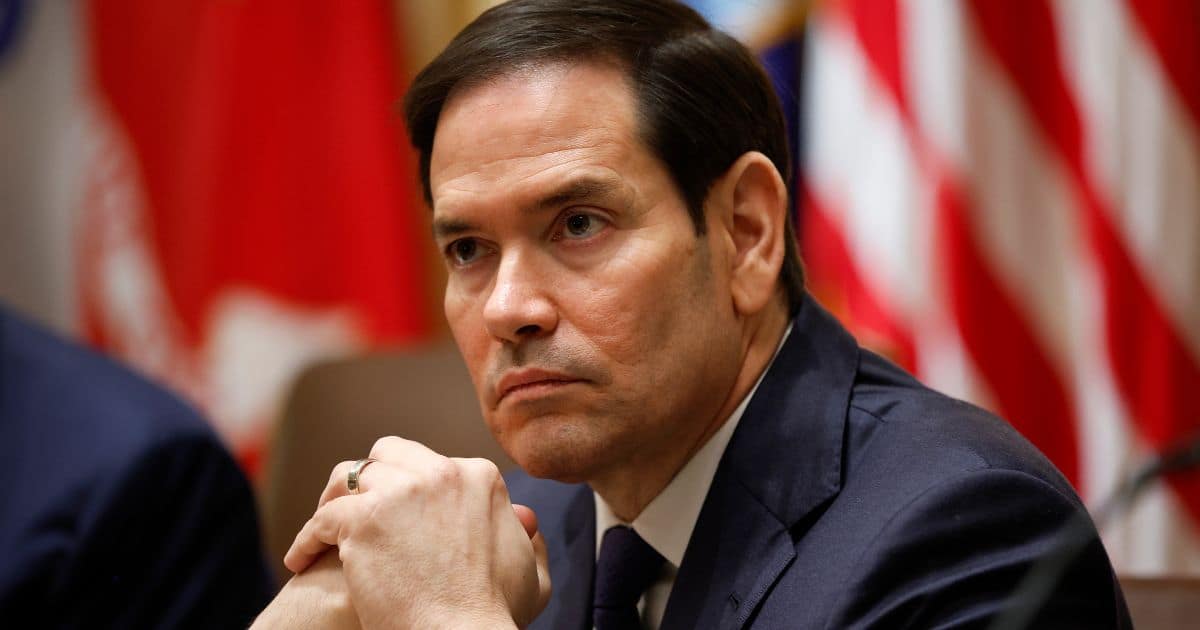
State Department Revokes Visas for Foreign Nationals Who Celebrated Charlie Kirk’s Assassination
In a decisive move, the U.S. State Department has revoked the visas of several foreign nationals who publicly celebrated the assassination of conservative figure Charlie Kirk. The announcement, made via a series of posts on X (formerly Twitter), underscores the administration’s commitment to protecting American values and citizens from those who glorify violence and hatred. Secretary of State Marco Rubio and President Donald Trump have both emphasized that the U.S. will not tolerate individuals who exploit its hospitality to spread divisive rhetoric or celebrate the death of Americans. Among those affected are individuals from Argentina, South Africa, Mexico, Brazil, Germany, and Paraguay, whose inflammatory comments about Kirk’s death were deemed unacceptable. Deputy Secretary of State Chris Landau had earlier expressed his disgust at the gleeful reactions to Kirk’s assassination, directing consular officials to take swift action. The visa revocations, which began immediately after the incident, signal a broader effort to enforce immigration laws and safeguard national integrity. This development follows a high-profile meeting between President Trump, Secretary Rubio, and Argentine President Javier Milei at the White House, highlighting the administration’s focus on both domestic and international security concerns.
-
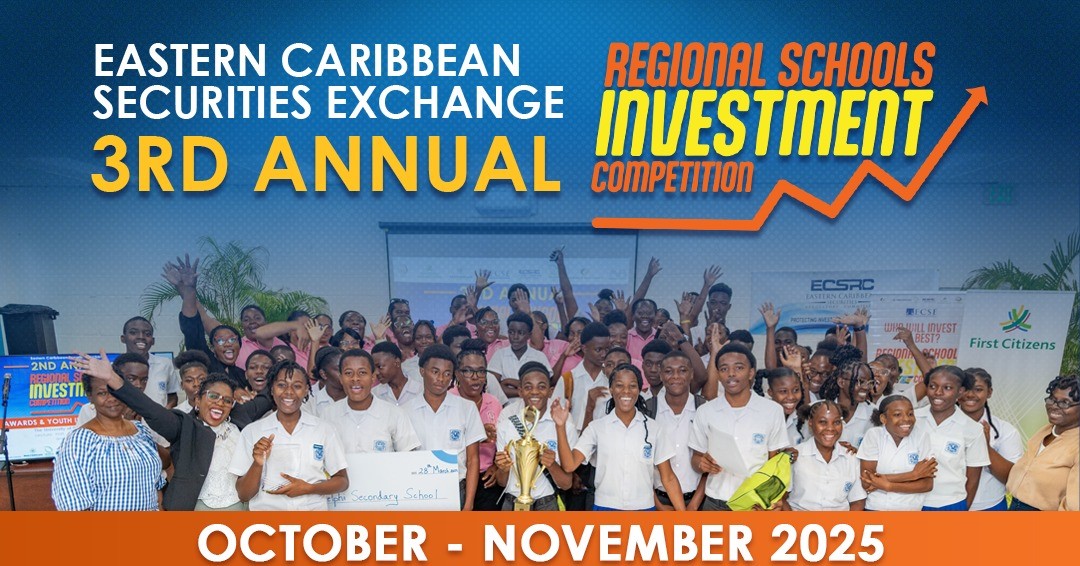
3rd Annual Regional Schools Investment Competition
High schools and first-year college students from across the Eastern Caribbean Currency Union (ECCU) are currently participating in the 3rd Annual Regional Schools Investment Competition. This innovative event, running from October 14 to November 7, 2025, offers students a unique opportunity to engage with the Eastern Caribbean Securities Exchange (ECSE) and gain hands-on experience in securities market activities. The competition aims to foster financial literacy and investment skills among young people, preparing them for future roles in the region’s financial markets. The initiative is a collaborative effort between the ECSE, the Eastern Caribbean Securities Regulatory Commission (ECSRC), and licensed broker-dealers. Participants will compete for the prestigious title of Regional Schools Investment Champion, with the competition kicking off with an Education Webinar on October 2 and a detailed briefing on October 8. Now in its third year, the event aligns with the ECSE and ECSRC’s 24th anniversary, celebrated on October 19, 2025. Updates on the competition can be found on the ECSE’s official website and social media platforms.
-

Senator backs ‘automatic DNA tests’ in maintenance cases
Opposition Senator Andre Worrell has reiterated his call for mandatory DNA testing at the commencement of child maintenance and paternity proceedings, emphasizing that such a measure would promote fairness and prevent future emotional and financial turmoil. During Wednesday’s Senate debate on the Family Leave Bill, Sen. Worrell aligned his stance with that of acting Chief Magistrate Deidre McKenna, who last month advocated for automatic DNA testing to bring greater clarity and equity to family legal matters. McKenna, speaking at a panel discussion on financial child support delinquency, suggested that Barbados should adopt a system where DNA testing is automatically conducted when a man is brought before the court for maintenance. She argued that this approach would eliminate uncertainty and ensure that maintenance obligations are based on verified paternity. Sen. Worrell, while supporting the Family Leave Bill, which extends maternity leave and introduces paid paternity leave, highlighted the need for the legal system to ensure fairness for men by making paternity testing accessible and affordable. He pointed out that many men face significant emotional and financial distress when they later discover they are not the biological fathers of children they were ordered to support. Worrell proposed that introducing DNA testing at the outset of maintenance proceedings would mitigate these issues, benefiting all parties involved. He suggested that early paternity testing should be integrated into the legal process to prevent prolonged disputes and ensure that maintenance decisions are grounded in scientific evidence.
-
Caribbean Sea: Zone of Peace and prosperity
The Caribbean Sea, a vital lifeline for numerous sovereign nations and dependent territories, is under threat as recent US military strikes on alleged drug-smuggling boats have sparked outrage and fear across the region. Since September 2, 2025, the US Southern Command has conducted four strikes in the southern Caribbean near Venezuela, resulting in at least 21 deaths. Washington justifies these actions as part of its fight against ‘narcoterrorism,’ targeting the Venezuelan gang ‘Tren de Aragua,’ which it designated a foreign terrorist organization in February 2025. However, these strikes have raised serious concerns about sovereignty, legality, and the potential for escalating militarization in a region historically committed to peace.
The Caribbean has long been a major transshipment route for narcotics moving from South America to North America, and regional nations have cooperated with the US in counter-narcotics efforts for decades. Yet, the recent strikes are deeply intertwined with the deteriorating US-Venezuela relations, which have worsened under successive US administrations. The deployment of 4,000 US troops near Venezuela’s coast has fueled speculation of a potential regime change, prompting Venezuela to declare a state of emergency and bolster its military defenses. Colombia’s President Gustavo Petro has also condemned the strikes, noting that Colombian nationals may have been among the victims.
The UN Security Council held an emergency session on October 10, 2025, at Venezuela’s request, but meaningful action is unlikely due to the US veto power. Critics, including Human Rights Watch, have condemned the strikes as extrajudicial killings and violations of international law, with no credible evidence provided to confirm the targeted vessels were involved in drug smuggling. There are fears that the victims could have been innocent migrants or fishermen.
The Caribbean Sea, though less than 1% of the world’s ocean area, accounts for 27% of the global ocean economy and 18% of regional GDP, according to the Inter-American Development Bank. Its waters are crucial for fisheries, tourism, shipping, and other industries. Escalating military tensions threaten the region’s blue economy, which many Caribbean nations are developing through sustainable fisheries, renewable energy, and maritime transport. Increased militarization could deter investment, disrupt livelihoods, and imperil future prosperity.
Historically, the Caribbean has prided itself on being a ‘Zone of Peace,’ a principle reaffirmed by regional leaders at the 80th UN General Assembly. However, cracks are emerging in the Caribbean Community (Caricom) unity, with Trinidad and Tobago’s Prime Minister Kamla Persad-Bissessar publicly supporting the US actions. Reports also suggest the US has approached Grenada to host radar equipment, further complicating regional solidarity.
Caricom must engage diplomatically with the US, leveraging support from the Caribbean diaspora, civil society, and international allies to prevent further escalation. Over 60 US civil society organizations have expressed concerns about the legality and morality of the strikes, while senior Democrats have demanded evidence. The UN has called for restraint, emphasizing that efforts to combat transnational crime must comply with international law.
The Caribbean must unite to defend its shared patrimony, ensuring that the Caribbean Sea remains a zone of peace and prosperity. Preserving this principle is not just a diplomatic goal but a moral, social, and economic necessity.
-

Barbados ‘leads CARICOM’ in introducing paid paternity leave
Barbados has made history by becoming the first Caribbean Community (CARICOM) nation to introduce paid paternity leave, marking a significant milestone in supporting working families. Senator Lisa Cummins, Minister of Energy and Business, announced this landmark achievement during the Senate’s deliberation on the Family Leave Bill, which had already passed the House of Assembly. The legislation extends maternity leave from 12 to 14 weeks for single births and 17 weeks for multiple births, while granting fathers three weeks of paid paternity leave—a first in the region. Senator Cummins emphasized that Barbados is now “proudly leading the way” in parental support, outpacing its regional counterparts. While countries like the Dominican Republic offer two days of paid paternity leave and Suriname provides eight days, Barbados stands alone in CARICOM with its comprehensive paid paternity leave policy. Senator Cummins highlighted the contrast with developed nations such as Japan, South Korea, Sweden, Iceland, and Norway, which offer significantly longer parental leave periods. However, she underscored the importance of contextualizing Barbados’ progress within its economic realities as a small developing nation. The Minister also shared data on Barbados’ investment in maternity benefits, noting a decline in beneficiaries from 1,300 in 2015 to 842 in 2025, with corresponding payouts decreasing from $6.9 million to $5.4 million. She stressed that the new legislation is not merely a financial measure but a profound social investment in family well-being. Senator Cummins emphasized the irreplaceable value of the early weeks and years in a child’s life, stating that this policy reflects the government’s commitment to modernizing social care and promoting equal parenting roles. Describing the initiative as “critical” and “groundbreaking,” she affirmed its role in fostering stronger families and a more equitable society.
-

Island clinches top wedding destination award for second year
Barbados has once again been honored as the Caribbean’s leading wedding destination, securing the title for the second consecutive year. This prestigious recognition was announced at the World Travel Awards (WTA) Caribbean & North American Gala Ceremony, held on October 4 at Sandals Grande in St Lucia. The event, which celebrates excellence in the travel and tourism sectors, brought together industry leaders and contenders from across the region. The Barbados Tourism Marketing Inc. (BTMI) expressed pride in the achievement, attributing it to the island’s unwavering commitment to developing a world-class wedding industry. Cheryl Carter, BTMI’s Chief Operations Officer, emphasized the island’s dedication to creating unforgettable wedding experiences, leveraging its rich culture, stunning venues, and exceptional hospitality. The ceremony also marked the third leg of WTA’s Grand Tour 2025, showcasing the region’s finest travel and tourism organizations. Graham Clarke, Director of BTMI’s Caribbean department, highlighted the significance of the award amidst fierce competition from neighboring destinations, crediting local stakeholders for their pivotal role in securing the honor. WTA founder Graham Cooke praised the winners for setting new benchmarks in tourism excellence. Since its inception in 1993, the World Travel Awards have been a hallmark of industry achievement, celebrating outstanding contributions to travel, tourism, and hospitality globally.
-

GARFIN monitoring CLICO payout after court ruling
In a significant development for thousands of policyholders, the Grenada Supreme Court has approved an initial distribution of approximately EC$9.5 million to CLICO International Life (CIL) policyholders, marking a long-awaited step toward financial recovery. The decision, announced on 12 May 2025, comes 14 years after the company’s collapse in 2011, which left many Grenadian families without life insurance benefits and retirement savings. Despite this progress, the payout represents only 6.59% of the total admitted claims, which amount to EC$144.9 million. The distribution follows a small claims scheme, with claims under EC$50 receiving no payment due to high processing costs, while claims between EC$50 and EC$1,000 will be paid in full. Policyholders with claims between EC$1,000 and EC$15,576 can choose between a lump sum payment of EC$1,000 or 5.5% of their total claim amount, while claims over EC$15,576 will receive 5.5% of their claim value. The Grenada Authority for the Regulations of Financial Institutions (GARFIN) has urged policyholders to review correspondence and respond promptly if they have not received personalized letters by 31 October 2025. The Judicial Manager has also launched a dedicated website to provide updates on the ongoing judicial process, ensuring transparency and communication with affected parties.
-
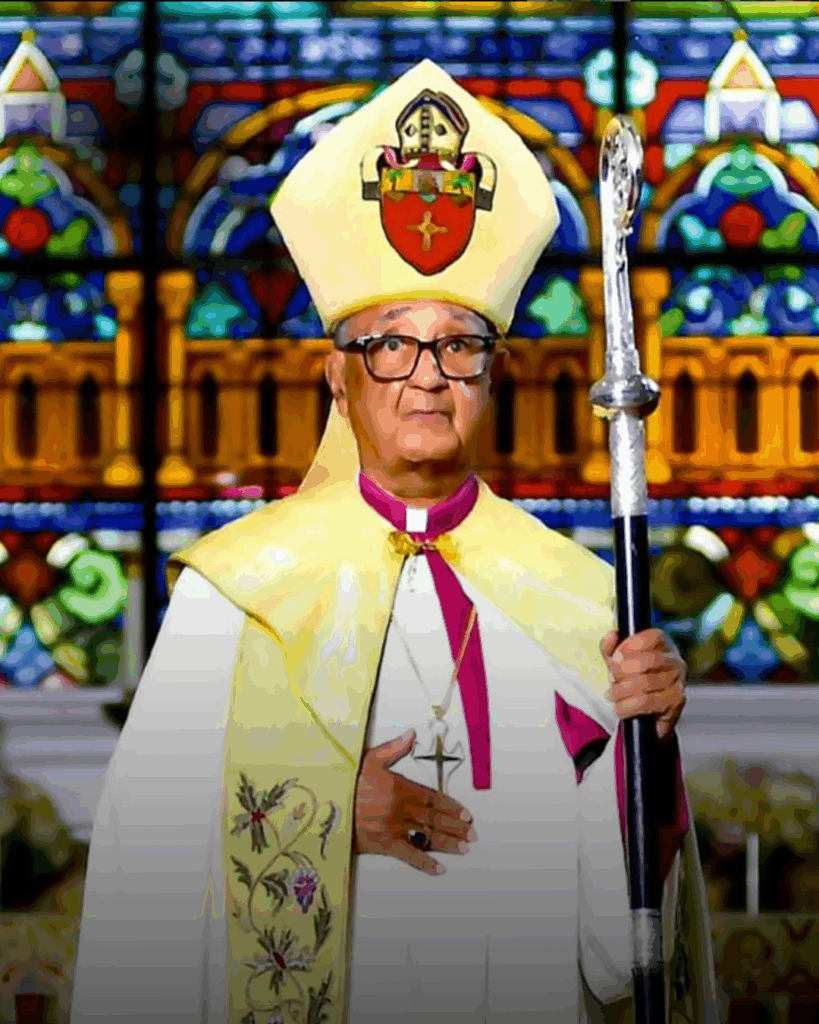
Tributes pour in for late West Indian Anglican Archbishop Drexel Gomez
The Caribbean and the global Anglican community are united in mourning the passing of Archbishop Drexel Gomez, a revered figure in the Anglican Church, who died on Tuesday at the age of 88. Born in the Bahamas, Gomez was a trailblazer in the Church, becoming the first Caribbean-born Bishop of Barbados in 1972 at just 36 years old. His leadership spanned two decades, marking a historic chapter in the diocese’s 200-year history. In 1998, he ascended to the role of Archbishop of the Church in the Province of the West Indies, further cementing his legacy. Prime Minister Mia Mottley of Barbados paid heartfelt tribute to Gomez, recalling his gentle demeanor, unwavering authority, and profound impact on both the Church and society. She highlighted his ability to connect with people of all ages and his fearless engagement with social and political issues. Bishop Michael Maxwell of Barbados also honored Gomez’s life, emphasizing his dedication to the Church and his contributions to the Anglican Communion. Bahamian Prime Minister Philip Davis remembered Gomez as a spiritual guide and a steadfast servant of the Bahamian people, whose moral clarity and quiet courage left an indelible mark. Archbishop Gomez’s life and work continue to inspire generations, leaving a legacy of faith, leadership, and compassion.