
Cuban President Miguel Díaz-Canel Bermúdez, First Secretary of the Party’s Central Committee, delivered a compelling address at the Third International Meeting of Theoretical Publications of Left-wing Parties and Movements. Emphasizing the interconnectedness of global struggles, Díaz-Canel asserted that threats to any nation are threats to all, urging left-wing forces worldwide to mobilize consciousness and foster strategic political communication. He highlighted the importance of international solidarity in achieving ideological sovereignty, which he described as not only territorial but also symbolic, cultural, and spiritual. The Cuban leader called for unity in the fight against global capitalism, stressing the need for a counterpoint to colonization. His remarks followed a keynote lecture by French-Spanish professor Ignacio Ramonet, who explored the challenges posed by quantum artificial superintelligence and the rapid advancements in technology. Ramonet warned of the risks of misinformation and manipulation while acknowledging the opportunities these technologies present for progressive forces. Díaz-Canel underscored the revolutionary nature of the meeting, describing it as a space for holistic debate on contemporary issues, rooted in socialist construction and the will to transform the world. He praised the efforts of left-wing parties and movements operating in capitalist societies and those building socialism, emphasizing the need to harness technology for emancipatory purposes. The Cuban president also proposed the creation of an international network of left-wing publications to coordinate efforts against imperialist media offensives, promote ideological unity, and train new generations of revolutionary communicators. The event, part of the Centennial celebrations of Fidel Castro Ruz, served as a platform to honor his legacy and inspire collective action for a better world.
作者: admin
-
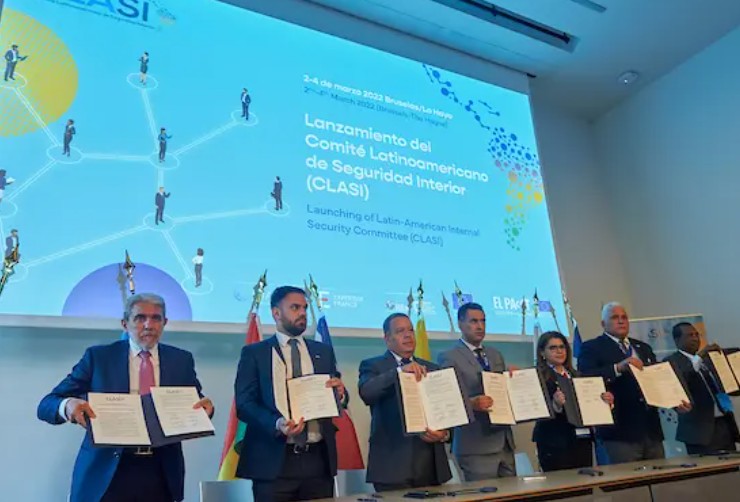
Dominican Republic elected Pro Tempore President of CLASI for 2026–2027
Santo Domingo – In a landmark diplomatic achievement, the Dominican Republic has been elected Pro Tempore President of the Latin American Committee on Internal Security (CLASI) for the 2026–2027 term. This prestigious role underscores the nation’s institutional and technical capabilities in spearheading regional cooperation on internal security, justice, and crime prevention. The election highlights the European Union’s confidence in the Dominican Republic’s strides in institutional modernization, democratic governance, and its robust efforts to combat organized crime. CLASI, bolstered by the EU’s EL PAcCTO program, serves as a platform for Latin American countries to harmonize policies on security and justice. The Dominican Republic’s Vice Ministry of Internal Security will lead this initiative, coordinating inter-institutional policies, engaging with international organizations, and setting strategic priorities for the region. The Pro Tempore Presidency will focus on fostering multilateral alliances, promoting evidence-based security models, driving innovation, and upholding human rights. This leadership position is expected to enhance collaboration with the EU and CLASI member nations, facilitating technical assistance, knowledge exchange, and the implementation of sustainable security projects across Latin America.
-
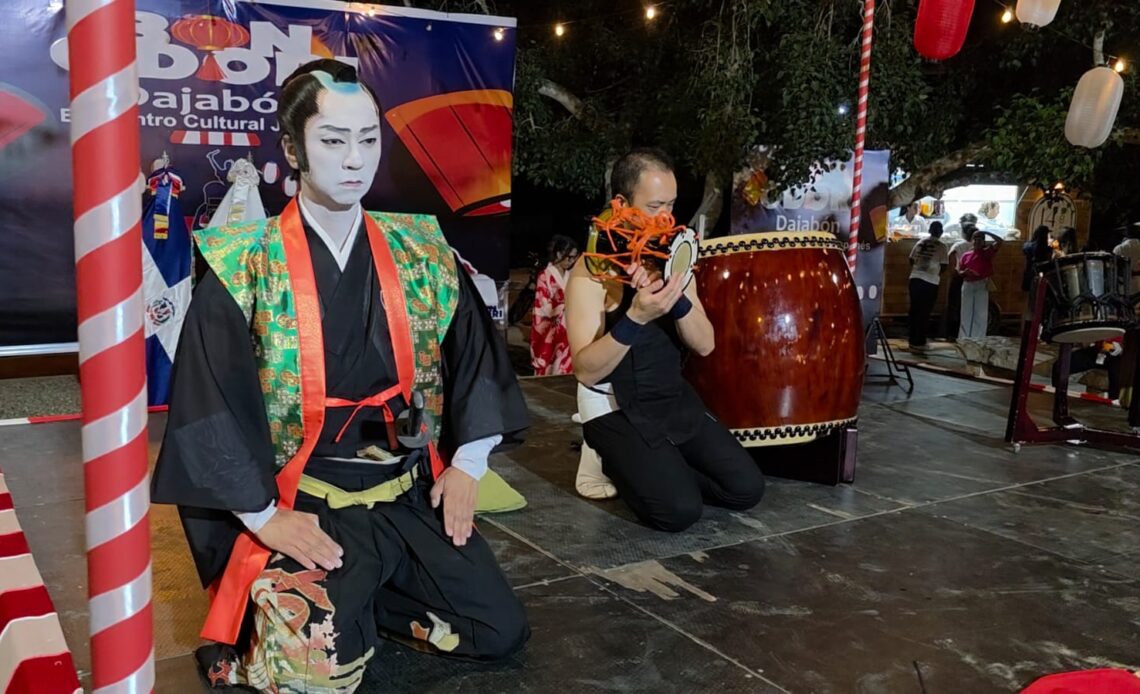
Bon Odori festival brings Japanese culture to life in Dajabón
The vibrant town of La Vigía in Dajabón recently hosted the Japanese Cultural Gathering ‘Bon Odori,’ a spectacular event that seamlessly blended Dominican and Japanese traditions. This celebration, held in the heart of the first Japanese colony in the Dominican Republic, was a feast for the senses, featuring traditional music, dance, and cuisine that paid homage to both cultures. Attendees were treated to the thunderous beats of taiko drums, mesmerizing ancestral dances, and the sight of participants adorned in yukatas, all while indulging in authentic Japanese delicacies like sushi and curry under the soft glow of traditional lanterns. The festival also highlighted local handicrafts, offering a comprehensive cultural experience. Omar Mukai, president of the Association of Japanese Descendants, emphasized the event’s mission to preserve and share Japanese heritage, which has been an integral part of Dominican culture for nearly 70 years. The Bon Odori, traditionally celebrated during Japan’s Obon Festival, is a joyous occasion that honors the spirits of ancestors with gratitude. The event was organized by Mukai in collaboration with the Ecotourism Cluster of Dajabón, led by Kathia Sarit De Mukai.
-

UNICEF donates safe space for migrant children and women
In a significant move to address the needs of vulnerable migrants, the General Directorate of Migration (DGM) in Santiago, Dominican Republic, has unveiled a new safe space designed specifically for children, adolescents, and pregnant or nursing women intercepted due to irregular immigration status. The facility, generously donated by UNICEF, is equipped to offer secure and comfortable conditions during the migration process. This initiative is part of a larger agreement that includes the establishment of three such centers, with one already operational in Dajabón and another under construction in Elías Piña. The combined investment for these projects exceeds 18.2 million Dominican pesos. Each center is thoughtfully designed with recreational areas, offices for psychosocial support, rest zones, accessibility features, and air conditioning to ensure the privacy, well-being, and protection of its users. The inauguration ceremony was graced by the presence of UNICEF officials Geny Lozada and Yamira Cuesta, IOM representative Santos Miguel Román, CONANI official Natividad Rodríguez, and DGM representatives General Juan Carlos Vicente Pérez and Colonel Manuel Carrasco Guerrero.
-
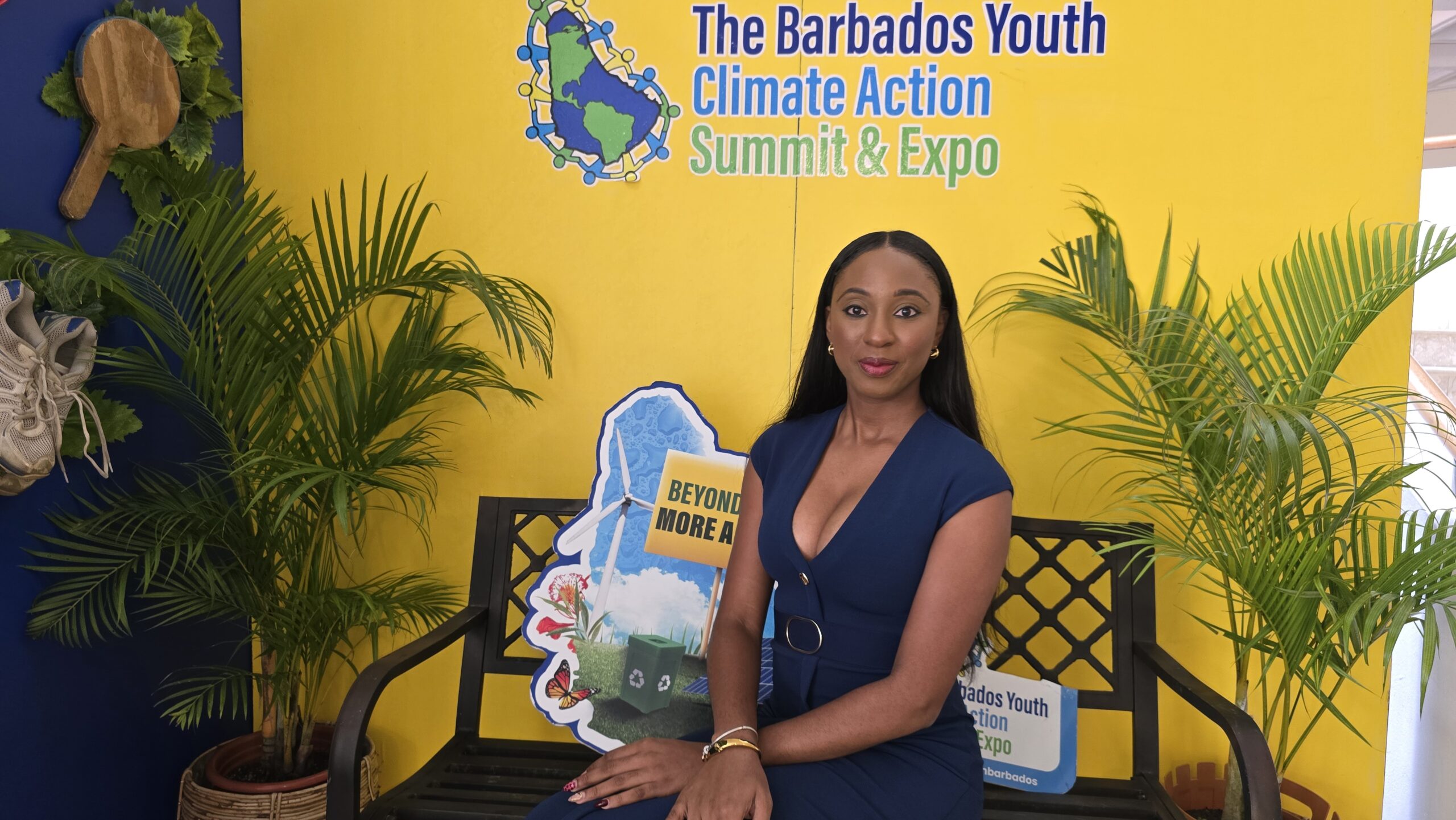
Unchecked coastal projects threaten Barbados’ identity, says UN youth advisor
A United Nations climate advisor has issued a stark warning about the rapid coastal development in Barbados, emphasizing that the construction of new hotels and high-rise condominiums is eroding the island’s natural character. Speaking at the Barbados Youth Climate Action Summit and Expo, Ashley Lashley, a prominent environmental advocate, criticized the prioritization of profit over sustainability, calling for a fundamental shift in how progress is measured.
-
Column: Plaatsing nog mogelijk!
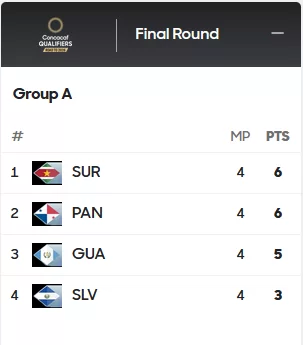
Suriname has emerged as a strong contender in the latest FIFA window, securing two draws and now sharing the top spot with Panama due to a superior goal difference. Despite Natio’s commendable performances, the team managed to secure only two points from these matches. While Suriname can take pride in these results, especially considering the numerous opportunities their opponents had in the away game, it is evident that the attack line requires reinforcement. Had Natio capitalized on their chances in the home game, they could have clinched a victory. The match against Panama was a different story, where Suriname could have easily faced defeat if their opponents had converted their opportunities. This underscores the urgent need for the management to recruit prolific strikers to ensure that created chances are effectively converted into goals. It is rare for teams to capitalize on every opportunity, but it is equally uncommon to squander as many chances as Suriname did. While preventing the opponent from scoring is not always possible, it is crucial to ensure that more goals are scored when opportunities arise. This is the key to securing three points, which is ultimately what matters. Unfortunately, goal-scoring remains a challenge even for professional teams. If Suriname aims to qualify for the World Cup, the attack line must perform better, as no matter how cohesive the teamwork is, without goals, victories cannot be achieved. With two matches remaining, Suriname still has a chance to qualify for the World Cup. However, converting these matches into wins and scoring more goals is crucial, especially since Panama has the same number of points, and goal difference could be decisive. In top-tier sports, there is no room for complacency or what is locally referred to as ‘tjepotie.’ Players are recruited to perform specific roles, and if they repeatedly fail to deliver, they must make way for others who are in better form. Natio is now stronger than ever, and opponents are aware of this, as evidenced by the tactics employed to negatively impact the team’s performance, such as loud music played near the hotel at night or discriminatory actions. It is high time that Natio’s growth is reflected in the final standings, as the points are essential for qualification. Lessons must be learned from the mistakes made in the last two matches without assigning blame. The limited points earned are a collective responsibility and must be addressed as such. Playing World Cup qualifiers is a new experience for all involved, and mistakes are inevitable. The key is to learn from these mistakes and find solutions collectively. In the final phase of the group matches, Natio can no longer afford any missteps. The focus must remain unwavering: World Cup participation. Qualification is still within reach!
-
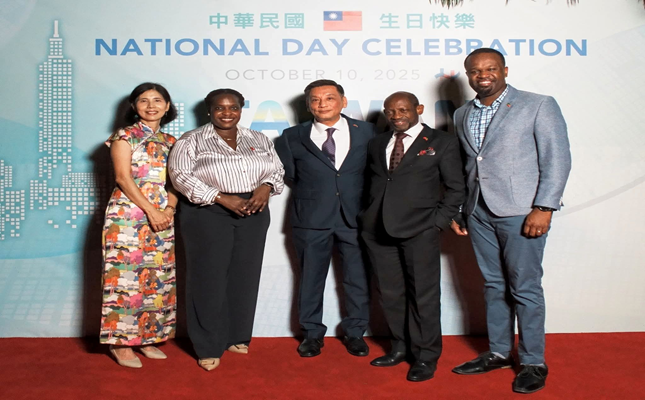
The Embassy of the Republic of China (Taiwan) Celebrated the 114th National Day and 42nd Anniversary of Diplomatic Relations with St. Christopher and Nevis
On October 9, 2025, the Embassy of the Republic of China (Taiwan) in St. Christopher and Nevis hosted a grand reception at the picturesque Palms Court Gardens restaurant to commemorate the 114th National Day of Taiwan and the 42nd anniversary of diplomatic relations between the two nations. The event underscored the enduring partnership and mutual respect shared by Taiwan and St. Kitts and Nevis.
Ambassador Edward Tao, in his opening address, likened the 42-year friendship to ‘fine rum—smoother and richer with time.’ He extended his gratitude to the Government and people of St. Kitts and Nevis for their unwavering support in international forums and their commitment to shared values of democracy, freedom, and mutual respect.
The Right Honourable Dr. Denzil Llewellyn Douglas, Senior Minister and Minister of Foreign Affairs of St. Kitts and Nevis, lauded Taiwan as a reliable and valued partner. He highlighted Taiwan’s significant contributions to the Federation’s development across various sectors and reaffirmed the Government’s dedication to advocating for Taiwan on the global stage.
The celebration was graced by prominent figures, including Hon. Dr. Joyelle Clarke, Hon. Konris Maynard, Hon. Garth Wilkins, the Acting Commander of the St. Kitts and Nevis Defence Force, senior government officials, business leaders, and members of the diplomatic corps.
Attendees were treated to a vibrant showcase of Taiwanese culture, featuring a dynamic Dragon Dance, the traditional Third Prince performance, and a heartfelt rendition of ‘Happy Birthday’ for Taiwan. The festivities reflected the deep-rooted friendship and shared joy between the peoples of Taiwan and St. Kitts and Nevis.
-
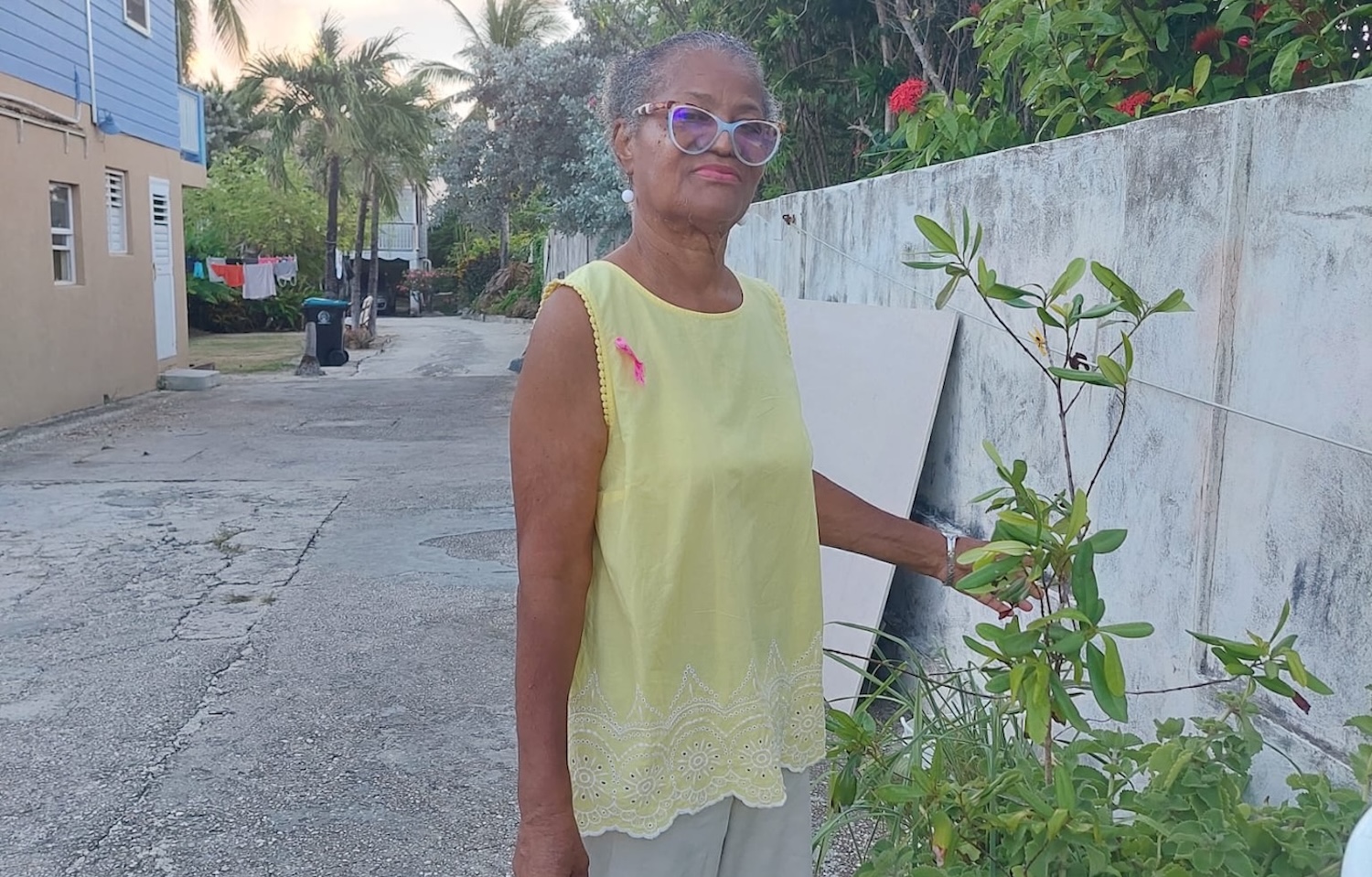
How faith carried Marquita Jordan beyond cancer
At 72, Marquita Jordan reflects on a life-altering journey that began over three decades ago when she discovered a lump in her right breast. Initially dismissed by her doctor as benign, Jordan’s intuition led her to seek a second opinion. A mammogram revealed the harsh truth: she had breast cancer. The diagnosis, initially perceived as a death sentence, marked the start of a profound battle marked by resilience, faith, and healing.
-
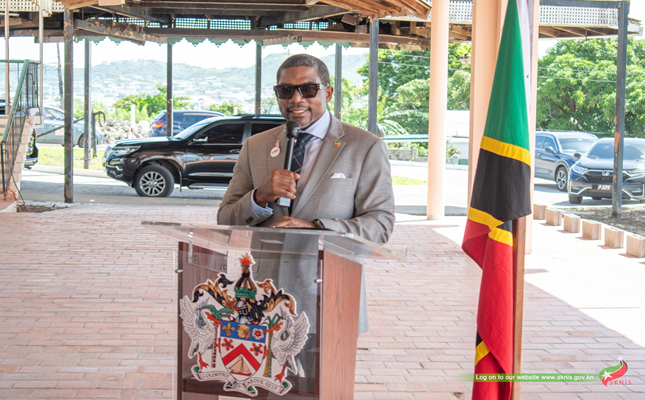
Another historic chapter for Fort Thomas as new site for transformative symbol of Love Museum and Monuments, celebrating Caribbean and global heritage
In a groundbreaking move for cultural preservation and tourism development, the historic Fort Thomas property in Basseterre, Saint Kitts, is set to become a world-class heritage destination. Prime Minister Dr. Terrance Drew led the official ground-breaking ceremony for The Symbol of Love Museum and Monuments, a $30 million project poised to redefine the region’s tourism and cultural landscape. The initiative marks a significant milestone for the 8.7-acre site, which has remained dormant for over two decades since its acquisition by the government in 1999. Prime Minister Drew emphasized the project’s dual focus on preserving local heritage and fostering global connections. The development, led by Caribbean developer ABL Inc., will feature two flagship institutions: the Caribbean Museum of History and the International Museum. These museums will highlight the region’s resilience, creativity, and unity while showcasing its ties to global human progress. The site will also include botanical gardens, restaurants, cafés, and replicas of world heritage monuments, creating a seamless blend of education, culture, and leisure. The project, funded entirely through foreign direct investment, follows a lease-to-own model, ensuring accountability and local benefits. It will generate jobs, entrepreneurship opportunities, and renewed vitality for the Fortlands area. Minister of Tourism Marsha Henderson praised the initiative for aligning with the Federation’s sustainable tourism agenda, emphasizing its potential to empower local communities and preserve cultural heritage. The development is expected to position Saint Kitts and Nevis as a regional hub for history, heritage, and human connection, further enhancing its reputation as an innovative and authentic tourism destination.
-
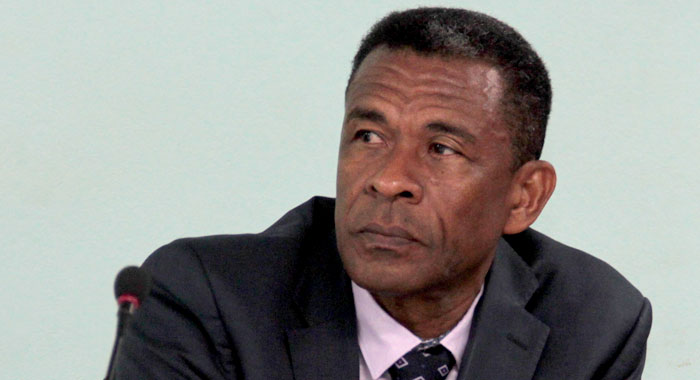
PM confirms Canada asked that Huggins be removed as CG
Prime Minister Ralph Gonsalves of St. Vincent and the Grenadines (SVG) has acknowledged that former Consul General to Toronto, Fitz Huggins, exceeded the permissible duration of his diplomatic posting in Canada. Gonsalves revealed that Kingstown had requested an additional three-month extension for Huggins, which was granted by the Canadian government until the end of September. This development follows speculation within the Vincentian community in Canada regarding the abrupt conclusion of Huggins’ 12-year tenure. Gonsalves addressed the matter on NBC Radio, refuting claims by the opposition New Democratic Party (NDP) that Huggins was dismissed, emphasizing that his government did not terminate his role. He clarified that Canada imposes limits on the duration of consular postings, and Huggins had surpassed this period. Huggins, who served with distinction, had sought additional time to complete ongoing initiatives, prompting SVG to request an extension from Ottawa. Gonsalves highlighted that similar regulations exist in the United States for diplomatic personnel. Huggins, in a Facebook post on October 2, hinted at legal action against detractors while expressing gratitude for his assignment and community support. His tenure was marked by contributions such as sending medical supplies and decommissioned vehicles to SVG, though he was also embroiled in controversy over the purchase of a government-leased vehicle. Gonsalves defended Huggins’ actions, noting that the vehicle was acquired at a higher cost than the lease terms, saving SVG money. Huggins’ appointment in 2013 was seen as a political compromise, as he had initially sought to become the Unity Labour Party’s candidate for East St. George in the 2015 elections, a position ultimately secured by the Prime Minister’s son, Camillo Gonsalves.