
West Indies Test captain Roston Chase has lauded his team for their valiant effort in the second Test against India, even though they suffered a defeat and lost the two-match series. The regional team managed to extend the game into the fifth day before India secured a seven-wicket victory on Tuesday, completing a 2-0 series sweep. Despite a dismal first innings that forced the West Indies to follow on, opener John Campbell notched his maiden Test century, and Shai Hope ended an eight-year wait for a Test hundred, propelling the team to a commendable 390 in their second innings. Although this marked the Windies’ sixth loss in seven Test matches this year, Chase expressed optimism about the team’s fighting spirit, especially after their innings and 140-run defeat in the first Test. ‘This is the kind of fight I wanted to see from us. It’s a stepping stone and a building block for us to improve as a Test-playing nation,’ Chase stated during a post-match press conference. He emphasized the importance of maintaining this positive momentum, even in defeat, to extract valuable lessons from each game. However, Chase acknowledged that the team’s batting remains a critical area for improvement. ‘Our batting has let us down in the last two series. We have a strong bowling attack despite injuries, but we need to post better first-innings totals to compete in the Test Championship,’ he added. Looking ahead, Chase believes that facing top-tier teams like Australia and India provides essential preparation for upcoming series against Sri Lanka and Pakistan in 2026. ‘These tough matches are part of our growth. If we learn from these experiences, we can be more competitive against teams closer to our ranking,’ he concluded.
作者: admin
-
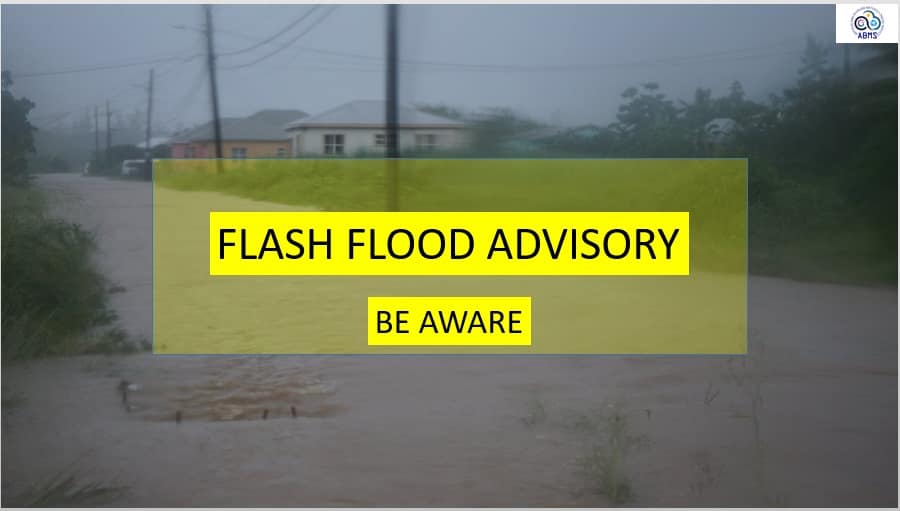
Flash Flood Advisory Issued for Antigua and Barbuda
The Antigua and Barbuda Meteorological Service has issued a flash flood advisory for the twin-island nation, alerting residents to potential minor flooding in low-lying and flood-prone areas. The advisory, which remains in effect until noon on Thursday, comes as a persistent weather trough continues to bring heavy showers and thunderstorms across the islands. Radar estimates indicate that over an inch of rain has already fallen, with additional rainfall expected throughout the morning. Residents are urged to exercise caution, avoid flooded roads, and move to higher ground if necessary. Officials anticipate minor disruptions but do not expect major damage. Forecaster Patrice Edwards advised the public to stay updated through local media or contact the Met Office at 463-4638 for further information. The situation underscores the importance of preparedness during severe weather events in the region.
-
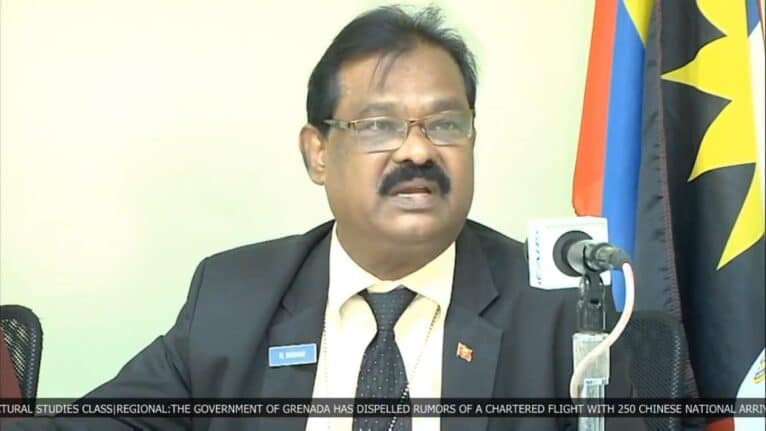
Customs Comptroller Raju Boddu Resigns, Citing Health Reasons
In a surprising turn of events, Raju Boddu, the Comptroller of Customs in Antigua and Barbuda, has resigned from his position, marking the end of his extensive tenure as head of the Customs and Excise Division. Sources reveal that Boddu submitted his resignation earlier this week, attributing his decision to health concerns. However, the abrupt nature of his departure has sparked widespread speculation within the department and beyond, with rumors swirling about an ongoing internal investigation. Boddu, a veteran customs administrator, is known for his stringent enforcement strategies and significant contributions to modernizing customs operations during his years in Antigua and Barbuda. Authorities have yet to announce an interim replacement, leaving the department in a state of uncertainty. Opposition Members of Parliament are reportedly preparing to raise pointed questions in the upcoming parliamentary session, seeking clarity on the circumstances surrounding Boddu’s resignation. Whispers of ‘irregularities’ and potential misconduct have further fueled the intrigue, though no official statements have been made to confirm these allegations. As the silence from official channels continues, the void left by Boddu’s departure raises more questions than answers, leaving the public and political observers eager for transparency and resolution.
-
Connecting communities, government, and markets
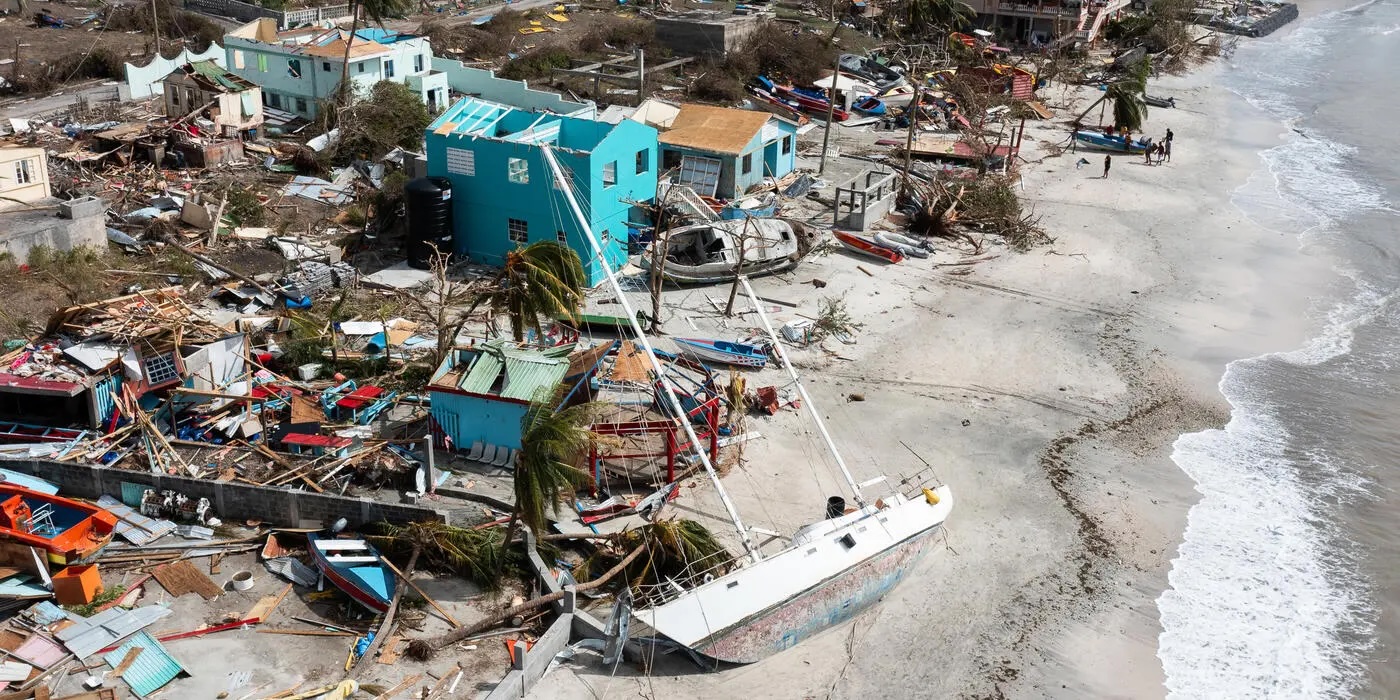
When hurricanes devastate the Caribbean, recovery extends beyond rebuilding infrastructure. It hinges on the ability of farmers to replace lost livestock, fishers to access damaged docks, market vendors to preserve perishable goods, and tourism workers to survive prolonged hotel closures. These individuals are the backbone of local economies, yet they often face the longest delays in receiving aid. While governments and private insurers play crucial roles, they frequently fall short in addressing the immediate, small-scale needs of vulnerable workers. Governments focus on large-scale recovery efforts, such as repairing roads and restoring power grids, but struggle to swiftly address individual needs like restoring contaminated wells or replacing fishing equipment. Private insurers, on the other hand, cater primarily to businesses with formal assets, leaving informal workers—such as farmers without land titles or fishers with uninsured boats—without coverage. This gap in disaster response is where meso-level Climate and Disaster Risk Finance and Insurance (CDRFI) steps in. By linking government and insurance resources with the trust and reach of community organizations, meso-level CDRFI creates a more efficient and equitable recovery system. Community institutions, such as cooperatives and NGOs, act as direct links to vulnerable populations, identifying needs and distributing resources. Financial tools like parametric insurance and community savings funds are managed through these groups, ensuring faster and fairer payouts. Governments and private insurers provide broader support, making the system sustainable. Research by the Caribbean Policy Development Centre (CPDC) reveals that 79% of organizations serving vulnerable workers lack budgets for disaster response. Meso-level CDRFI empowers these organizations to access financial resources, deliver support directly, and reduce recovery time. Beyond financial aid, this approach fosters trust, transparency, and local decision-making, essential for long-term resilience. As climate risks escalate, meso-level CDRFI offers a practical solution to strengthen the Caribbean’s disaster response, ensuring that recovery is both swift and equitable.
-

Two Saint Lucian stars return home on holiday
Joseph Marcell, the internationally renowned actor celebrated for his iconic role as Geoffrey Butler in *The Fresh Prince of Bel-Air*, is currently savoring a much-needed holiday in his homeland, Saint Lucia. This visit follows his recent performance in Scotland, where he starred in the world premiere staging of Bach’s rediscovered work, *Markus Passion*.
-
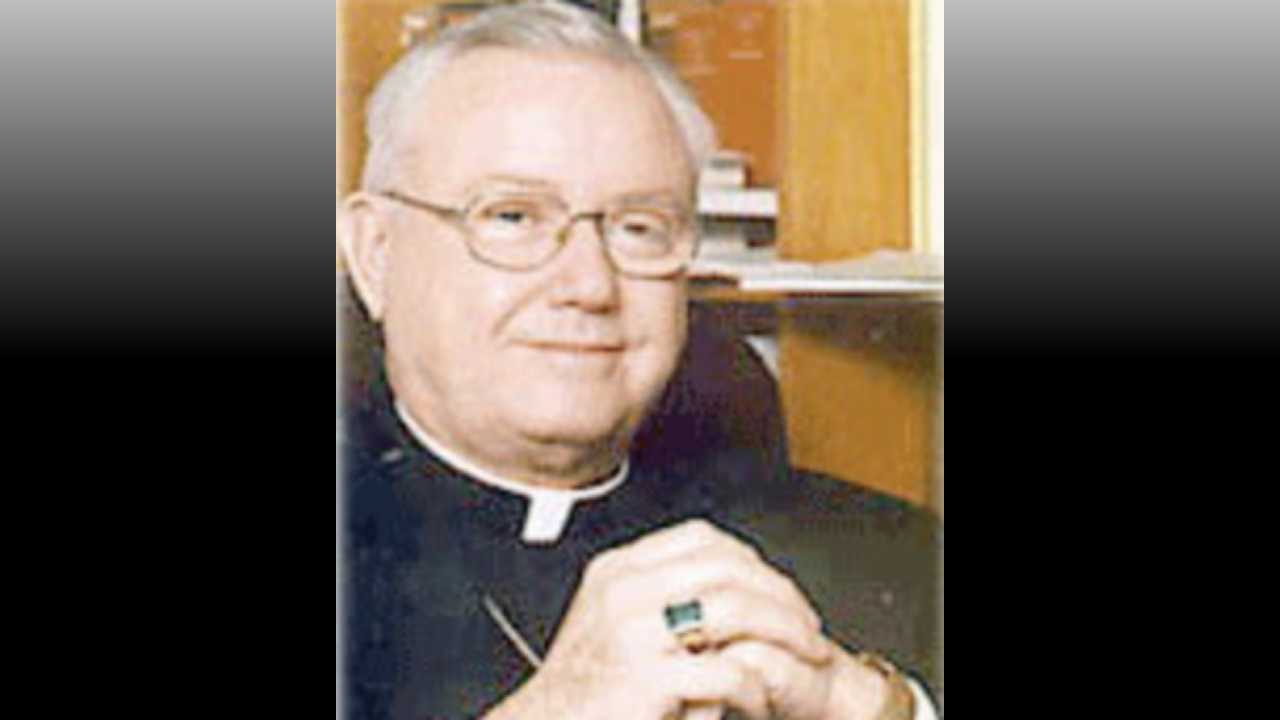
Former Bishop of Dominica Edward Gilbert passes away
The former Bishop of Dominica, Edward Gilbert, has passed away, according to reports from Dominica News Online (DNO). The respected clergyman died at approximately 11:30 pm last night in a Redemptorist retirement home located in Florida. Details surrounding his passing remain limited at this time, but further information is expected to be released in a subsequent update. Bishop Gilbert’s contributions to the religious community in Dominica and beyond have left a lasting legacy, and his death marks a significant loss for the Catholic Church and its followers. The news has prompted an outpouring of condolences from those who knew him and were touched by his work. As the community mourns, many are reflecting on his life of service and dedication to faith.
-
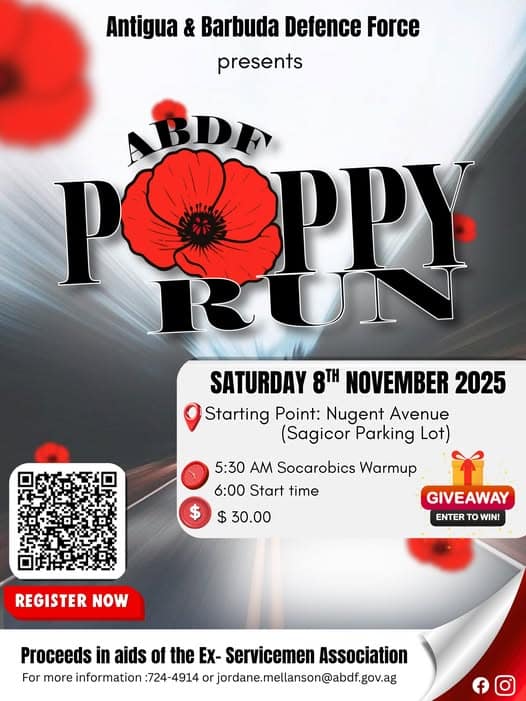
ABDF Announces New Route for 2025 Poppy Run/Walk
The Antigua and Barbuda Defence Force (ABDF) has announced a significant update to this year’s 5K Poppy Run/Walk, with the event set to commence from Nugent Avenue, deviating from its traditional route. Scheduled for Saturday, 8 November 2025, the annual event aims to honor the nation’s military heroes while promoting community engagement through a healthy and meaningful activity. Organizers are encouraging residents to begin training and register early to secure their participation slots. Participants will also have the chance to win exciting prizes from sponsors such as Royalton Antigua Resort & Spa, Subway, Carlisle Bay Antigua, Wadadli Cats, The Hut, and Meg’s Total Wellness. The ABDF emphasized that the event is not only a tribute to military service but also an opportunity to foster community spirit and physical wellness. Registration is now open online, with additional details available on the ABDF website. The event promises to be a memorable occasion, blending patriotism, health, and community camaraderie.
-
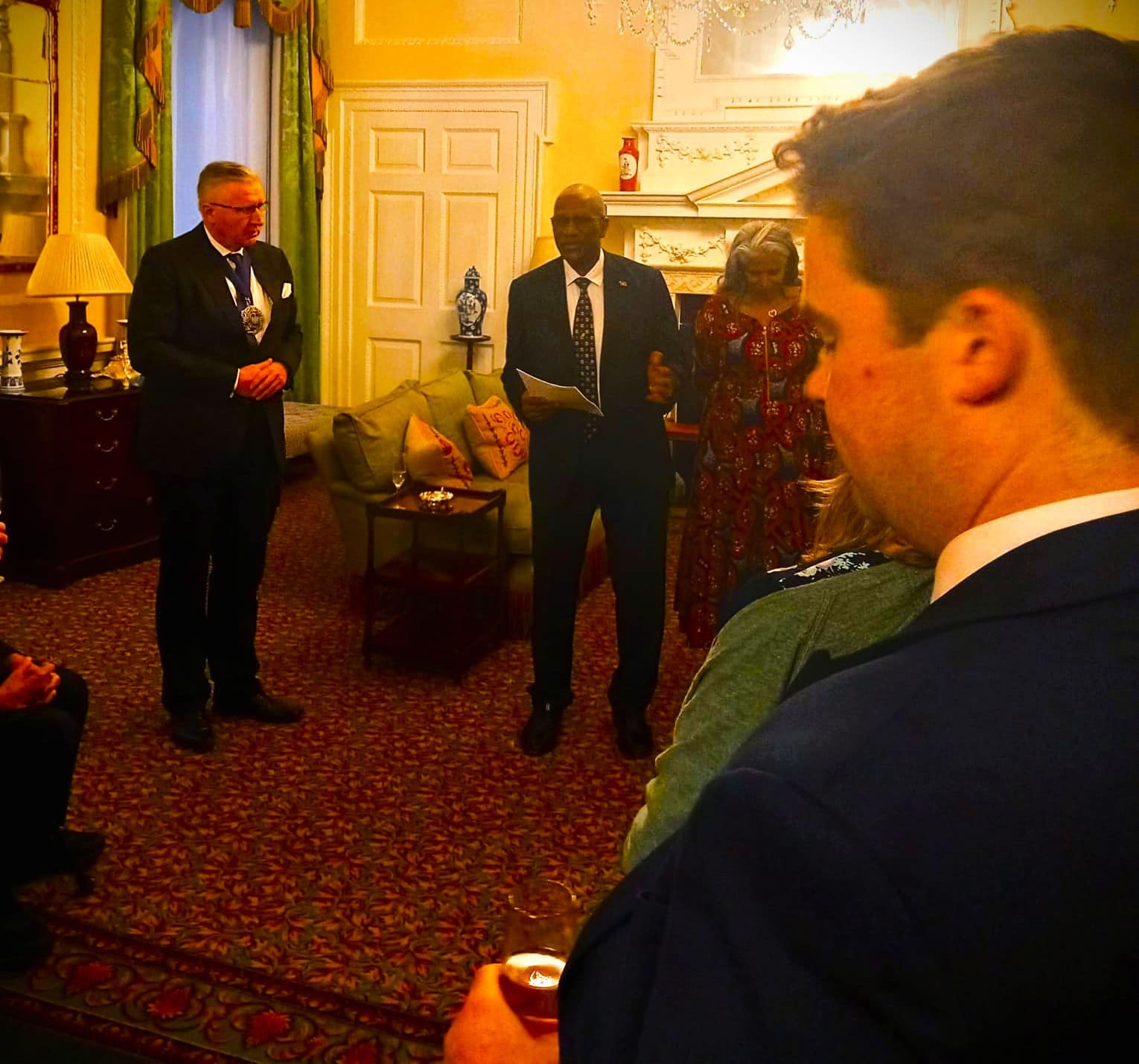
Governor-General of Antigua and Barbuda Calls for Renewed Partnership between the City of London and the Caribbean at Mansion House Reception
His Excellency Sir Rodney Williams, Governor-General of Antigua and Barbuda and President of the West India Committee, delivered a keynote address at a prestigious fundraising reception hosted by The Rt Hon The Lord Mayor of London at Mansion House. The event, held on October 13, 2025, aimed to support the West India Committee’s mission and celebrate its historic ties with the City of London. Attendees included members of the diplomatic corps, business leaders, and representatives from the Caribbean community. Sir Rodney highlighted the Committee’s founding in 1735 and its pioneering role in establishing the Thames Police in 1798, the world’s oldest serving police force. He praised the Committee’s enduring commitment to public service, humanitarian aid, and education, emphasizing its innovative spirit. In a gesture of recognition, The Lord Mayor and Lady Mayoress were awarded Honorary Life Fellowships of the West India Committee. Sir Rodney humorously remarked that the honor made them “honorary West Indians,” complete with the warmth and rhythm the title implies. He also expressed gratitude for His Majesty The King’s continued interest in the Committee’s work and referenced the upcoming Commonwealth Heads of Government Meeting (CHOGM) in Antigua and Barbuda in 2026. The Governor-General commended Mrs. Blondel Cluff, Chief Executive of the West India Committee, and Mr. David Wells, Charity Secretary, for their dedicated leadership. He also acknowledged Mr. Algy Cluff for restoring the memorial gates at Shirley Heights, a UNESCO World Heritage Site. The evening concluded with Sir Rodney urging renewed partnership and generosity to support the Committee’s mission, emphasizing the importance of continued collaboration between the City of London and the Caribbean.
-

GFNC’s Snack Attack: 5 high schools competing
The Grenada Food and Nutrition Council (GFNC) has unveiled the participating schools for the highly anticipated High Schools Snack Attack! competition. This innovative initiative aims to foster creativity, nutrition awareness, and entrepreneurial spirit among students by challenging them to develop healthy, market-ready snacks using locally sourced ingredients. The participating schools, listed alphabetically, include Bishop’s College, Carriacou; Grenada Boys’ Secondary School; Grenada Seventh Day Comprehensive School; J W Fletcher Catholic Secondary School; and Presentation Brothers’ College. The competition will provide students with expert mentorship, hands-on training, and opportunities to hone their business, teamwork, and marketing skills. The event will culminate in a Grand Finale and Awards Ceremony, where finalists will showcase their snack creations to judges and the public. By encouraging the use of local ingredients, Snack Attack! not only promotes healthier eating habits but also supports Grenada’s food and nutrition security. For more information about the GFNC and its initiatives, visit their official website or follow them on social media. To schedule a nutrition counselling session, contact the GFNC directly.
-
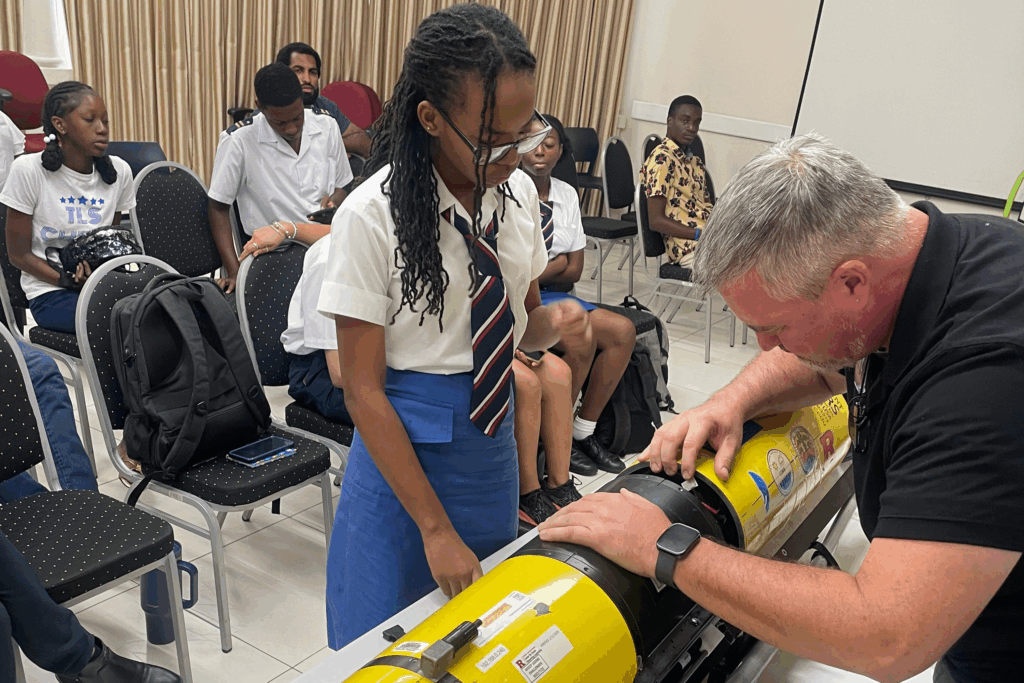
‘Breakthrough’ in hurricane forecasts from ocean glider data
A groundbreaking field experiment in the Caribbean has marked a significant leap forward in hurricane prediction, thanks to the deployment of an autonomous underwater glider. The Vetlesen Caribbean Hurricane Ocean Glider Science Field Experiment, spearheaded by the Caribbean Institute for Meteorology and Hydrology (CIMH) in collaboration with Rutgers University and other partners, has yielded transformative data that is already enhancing the accuracy of hurricane forecasts across the region. The glider, which spent three months navigating the waters between Barbados, Guyana, and Trinidad, collected critical ocean temperature and salinity readings. These measurements are pivotal in understanding the spatial variations that influence hurricane development and intensity. Dr. David Farrell, principal of CIMH, emphasized the dual benefits of the project: improving hurricane forecasting and supporting fisheries and other maritime activities. The data has already corrected longstanding flaws in existing ocean models, extending forecast accuracy beyond the surveyed areas. Scott Glenn, a professor of marine sciences at Rutgers University, highlighted the widespread impact of the glider’s data, which has improved ocean forecasts across the Antilles. This development is expected to significantly enhance early warning systems and disaster preparedness in the region. The project also integrates the Caribbean into the global Sentinel Initiative, fostering international collaboration in ocean research. As the hurricane season draws to a close, Dr. Farrell urged continued vigilance, noting that the insights gained from this experiment will guide future forecasting and preparedness efforts, better equipping the Caribbean to face potential weather challenges.