
KINGSTON, Jamaica — A collision occurred on Harbour Street in downtown Kingston early Friday morning, leaving at least two military personnel injured. According to reports confirmed by Observer Online, the police have stated that there were no fatalities resulting from the incident. While specific details about the crash remain unclear, social media footage indicates that a military vehicle and another car were involved in the accident. Viral videos depict two individuals in military uniforms on the ground near the crash site. One soldier is seen leaning against a stoplight pole, receiving assistance from a colleague, while the second injured individual lies on the sidewalk. Authorities are expected to release further details as the investigation progresses. (Photo: Llewellyn Wynter)
作者: admin
-

Guyanese gov’t hints at implementing tougher laws to deal with gambling
The Government of Guyana has unveiled plans to introduce stringent regulatory reforms and taxation measures aimed at curbing the escalating gambling crisis, which has left numerous families in financial turmoil. Vice President Bharrat Jagdeo highlighted the alarming proliferation of gambling activities, which have transitioned from traditional hotel-based casinos to pervasive mobile applications, exacerbating social issues, particularly among single parents. Speaking at his weekly press briefing, Jagdeo emphasized the detrimental impact of a lenient licensing and taxation framework, which has facilitated the unchecked spread of gambling across the nation. Originally intended to bolster the hotel industry by generating supplementary revenue, the issuance of casino licenses was initially restricted to establishments with at least 150 rooms and high service standards. However, the landscape has drastically shifted, with hundreds of small gambling outlets now operating nationwide, many of which are accessible via apps enabling 24/7 betting. Jagdeo expressed grave concern over the societal ramifications, citing numerous accounts of families being torn apart and parents squandering their earnings on online betting. He stressed that while the government respects citizens’ rights, gambling must be transformed into a high-cost, tightly regulated activity to deter excessive participation. The proposed measures will include robust taxation policies and a call for a cultural shift in attitudes towards gambling, which he believes undermines long-term aspirations such as homeownership and financial security. The decision to act swiftly has been bolstered by appeals from religious organizations, with Jagdeo firmly stating, ‘We are not going to allow that to continue.’
-
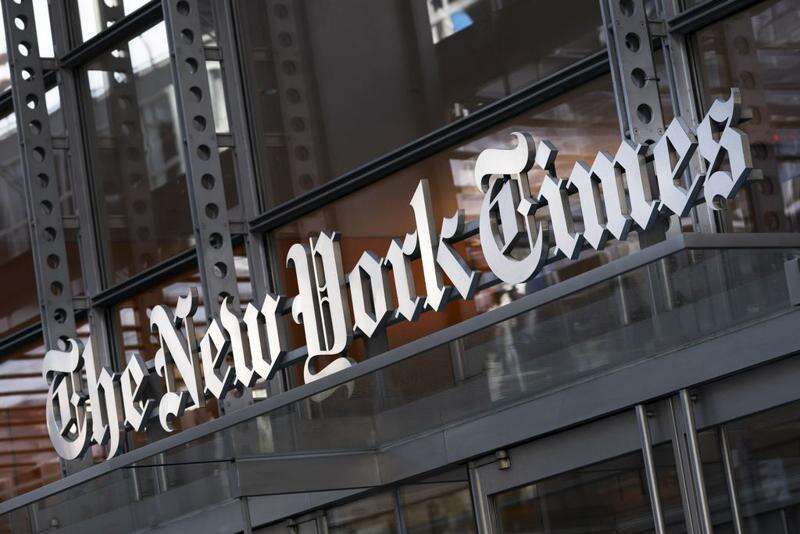
Trump refiles $15 bn defamation lawsuit against New York Times
Former U.S. President Donald Trump has reignited his legal battle against The New York Times by refiling a $15 billion defamation lawsuit, according to recent court filings. This move comes just weeks after a federal judge dismissed the initial complaint in September. The lawsuit, now streamlined to 40 pages from its original 85, targets The Times, three of its reporters, and publisher Penguin Random House, accusing them of publishing “false, defamatory, and malicious” content. The legal action specifically highlights a book and two articles that Trump claims were designed to tarnish his professional reputation. The lawsuit seeks compensatory damages of at least $15 billion, along with punitive damages to be determined at trial. This renewed legal challenge is part of Trump’s broader campaign against media outlets he perceives as biased against him. Since his return to the White House, Trump has escalated his criticism of the press, restricting access to journalists and filing multiple lawsuits demanding substantial compensation. In July, he sued media mogul Rupert Murdoch and The Wall Street Journal for $10 billion over reports about a book and a letter allegedly sent to Jeffrey Epstein. Additionally, Paramount settled a $16 million lawsuit with Trump regarding election coverage on CBS News’ “60 Minutes,” which he claimed was unfairly edited to favor his 2024 election rival, Kamala Harris.
-
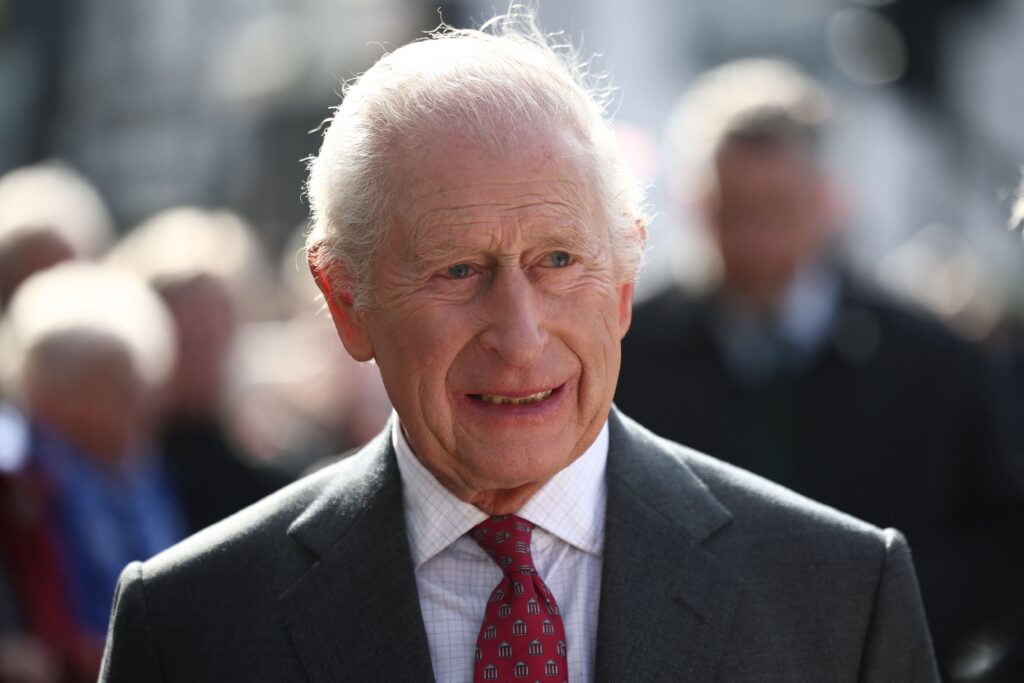
King Charles III to make first visit with Pope Leo
In a landmark event for Anglo-Catholic relations, Britain’s King Charles III and Queen Camilla are set to embark on an historic state visit to the Vatican on October 22-23, 2025. This visit, announced by Buckingham Palace on Friday, will mark the first meeting between the British monarchs and Pope Leo XIV since his election in May 2025. The trip follows a private visit by the royal couple to Pope Francis, Leo’s predecessor, just months before his passing in April 2025. Pope Leo XIV, the first American pope with a background in missionary work in Peru, was elected on May 8, 2025. The visit coincides with the special jubilee year, celebrated every 25 years, and will include a service in the Sistine Chapel highlighting the shared environmental commitments of the Pope and the King. Additionally, King Charles will visit a seminary training Commonwealth priests, while Queen Camilla will engage with Catholic sisters involved in girls’ education programs addressing issues like sexual violence and human trafficking. This visit is seen as a pivotal moment in the evolving relationship between the Catholic Church and the Church of England, emphasizing themes of unity and hope. The Church of England, established in the 16th century by Henry VIII after his split from the Catholic Church, has historically had strained relations with Rome. However, modern times have seen a more amicable relationship between the two faiths. King Charles, who has previously visited the Vatican five times as Prince of Wales, last met Pope Francis in April 2025, despite the pontiff’s declining health. The King, currently undergoing cancer treatment, has long been an advocate for environmental protection, a cause he shares with both Pope Francis and Pope Leo XIV.
-
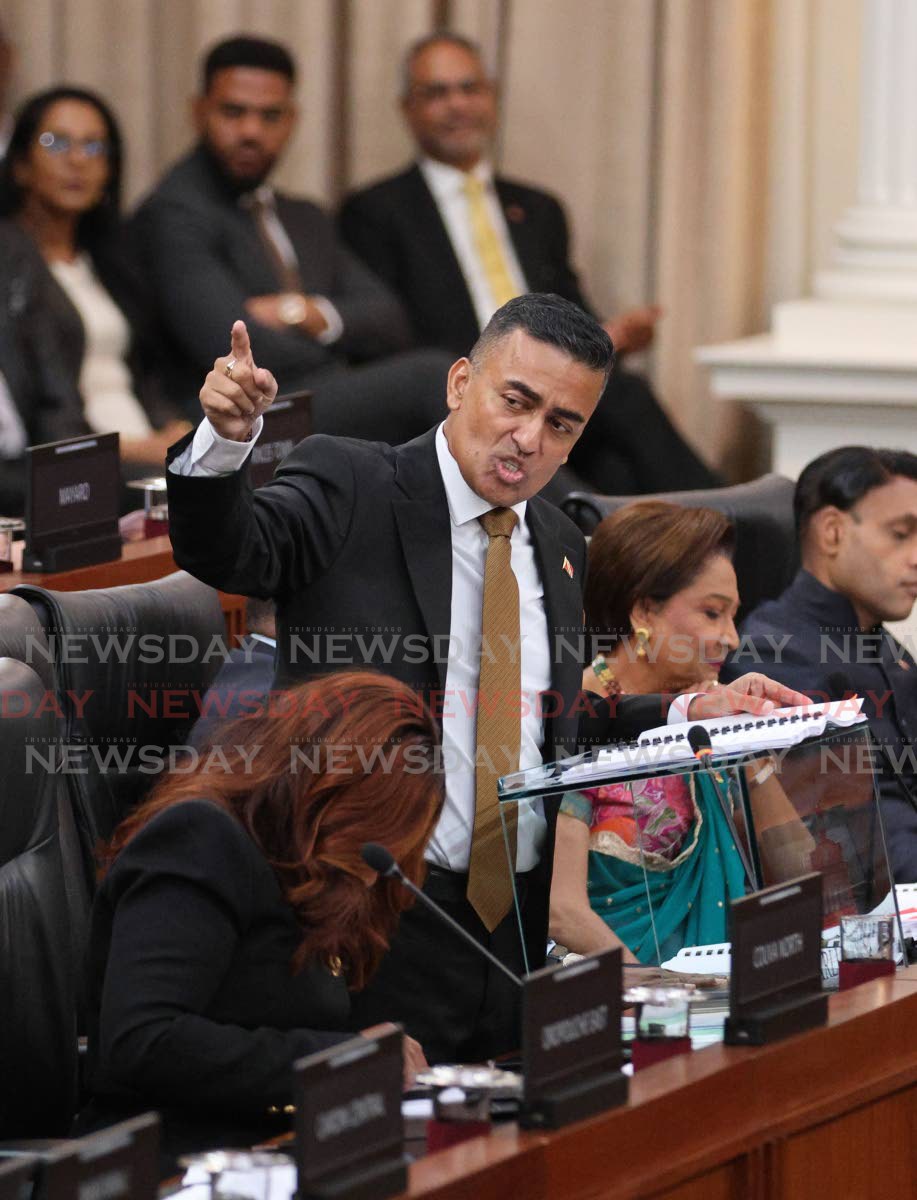
Budget economically precarious
Finance Minister Davendranath Tancoo unveiled Trinidad and Tobago’s 2025-2026 national budget on October 13 at the Red House in Port of Spain. The budget, delivered with confidence and compassion, promises significant relief measures, including wage increases for public servants, fuel subsidies, and investments in education and housing. However, the fiscal framework hinges on optimistic assumptions about oil and gas revenues, raising concerns about its long-term sustainability.
Central to the budget is the assumption of an oil price of US$73.25 per barrel, which underpins the projected modest deficit of 2.17% of GDP. However, global forecasts from institutions like the IMF and the World Bank predict Brent crude prices averaging US$60-65 per barrel in 2026—a 15-20% shortfall compared to the government’s estimates. Given Trinidad and Tobago’s oil production of 55,000 barrels per day, this discrepancy could result in a petroleum revenue shortfall of $1.3 to $1.6 billion. Combined with potential delays in gas field development, total revenue could fall short by $4-5 billion, pushing the deficit closer to 5-6% of GDP.
The budget also assumes a rise in natural gas production from 2.6 to 3.2 billion cubic feet per day by 2027, largely dependent on projects like Shell’s Manatee field. However, industry timelines suggest even a one-year delay could derail these projections. Meanwhile, oil production remains near historic lows, with no major new discoveries monetized, casting doubt on the energy sector’s ability to deliver the anticipated revenues.
On the expenditure side, the budget is ambitious, committing to a 10% wage increase for public servants, costing $214 million annually, and reinstating part of the fuel subsidy by reducing super gasoline prices by $1 per litre. Additionally, multi-billion-dollar allocations for infrastructure, education, and social support programs further strain the fiscal framework. While these measures are individually defensible, collectively they embed a permanently higher wage and subsidy bill that will persist even if energy revenues falter.
To bolster non-energy revenue, the government introduced new measures, including a 0.25% asset levy on banks and insurers, a $0.05 per kilowatt-hour electricity surcharge, and higher excise duties on alcohol and tobacco. These are expected to generate $1-1.5 billion in additional revenue, but this falls short of addressing a potential $4 billion shortfall. Moreover, the asset levy may lead to higher lending rates and service fees, potentially dampening private-sector investment.
The budget’s development promises, such as 20,000 affordable homes and $150 million for laptops, are commendable but overly ambitious given the country’s fiscal capacity and implementation track record. Without robust private-sector partnerships or multilateral financing, many projects may face delays or downsizing as fiscal pressures mount.
Tobago’s allocation of 6.3% (approximately $3.7 billion) represents a modest improvement, but the 10% wage increase across the public service signifies a structural shift in expenditure. This higher wage cost limits future fiscal flexibility unless revenues rise sharply—a scenario unlikely under current global energy conditions.
If oil prices average US$62-65 per barrel and gas production remains flat, total revenue could hover around $51-52 billion against expenditures of $59 billion, resulting in a deficit closer to $7-8 billion. Financing this gap would require new borrowing or drawdowns from the Heritage and Stabilisation Fund, both of which would weaken fiscal resilience.
In conclusion, while the 2025-2026 budget is socially generous and politically astute, it is economically precarious. It offers short-term relief and comfort after years of austerity but bets heavily on an energy rebound that may not materialize soon enough. The real risk lies in a country counting on oil dollars that the market may never deliver, trading short-term satisfaction for long-term vulnerability.
-
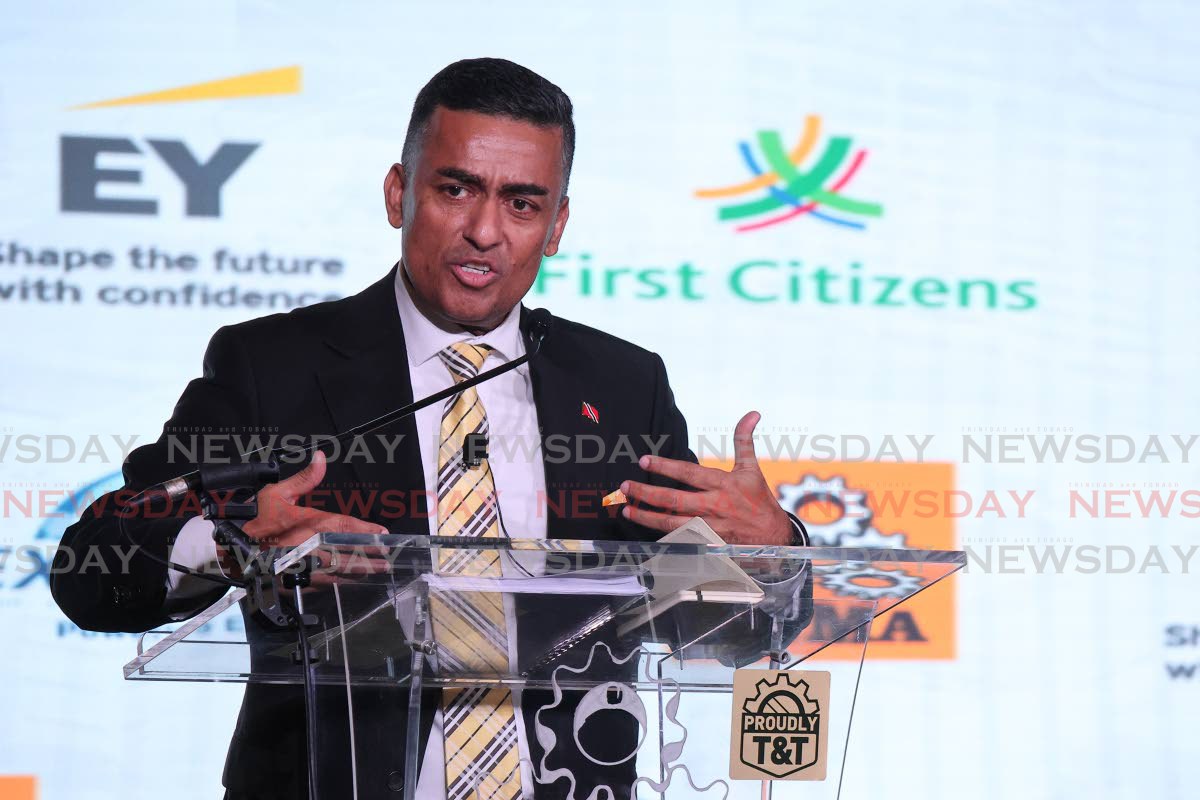
Come clean on collapse of import cover
In a startling revelation, Trinidad and Tobago’s import cover has dropped to a mere 5.4 months, the lowest level recorded in decades. This critical metric, which measures how long foreign reserves can sustain national imports in the event of disrupted foreign earnings, serves as a barometer of economic stability. The sharp decline has sparked widespread concern among policymakers and citizens alike, signaling potential vulnerabilities in the nation’s financial health.
When the People’s National Movement (PNM) assumed office in 2015, the import cover stood at a robust 11 months. Over the subsequent decade, it gradually decreased to approximately eight months by early 2025. This decline, though worrisome, unfolded against a backdrop of global challenges, including energy shocks, inflation, and the COVID-19 pandemic.
However, the situation has taken a dramatic turn under the United National Congress (UNC) administration. In just five months, the import cover has plummeted from eight months to five months, a steeper decline than witnessed over the entire previous ten-year period. This rapid deterioration suggests deeper systemic issues, such as unsustainable foreign exchange spending, mismanagement of reserves, or a failure to restore investor and export confidence.
While supporters of the UNC may attribute the economic fragility to the PNM’s legacy, the current administration cannot evade accountability for its policy decisions. The alarming pace of the decline indicates either a lack of control or a failure to grasp the urgency of the situation. Trinidad and Tobago cannot afford a repeat of past foreign exchange crises.
Finance Minister Davendranath Tancoo and the Central Bank must now provide transparent explanations to the public. What policies have contributed to this steep decline in reserves? Are factors such as capital flight, excessive imports, or the depletion of savings to fund short-term consumption at play?
The numbers are unequivocal: the economy is losing reserves at an unprecedented rate. The government must act swiftly and with transparency to restore confidence and prevent a further downward spiral. The stakes are high, and the time for decisive action is now.
-
Budget: new ideas, old strategies
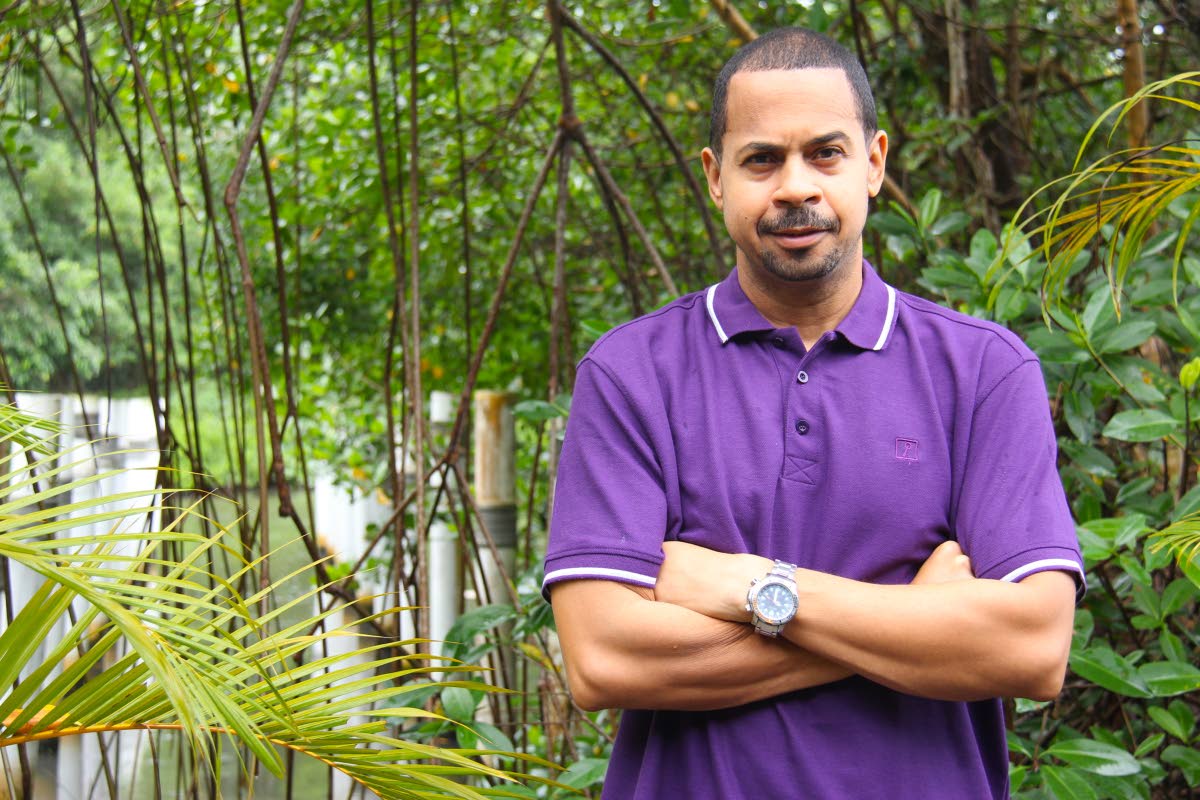
In the aftermath of Finance Minister Davendranath Tancoo’s budget presentation, reactions have been mixed, with some praising it as a ‘people’s budget’ while others remain sceptical of its long-term viability. The budget, which shifts financial burdens from the working class to banks, insurance companies, and landlords, has been described as a political solution to a complex economic problem. However, critics argue that this approach merely redistributes costs rather than addressing systemic issues.
-

Divali Nagar highlights
The National Council of Indian Culture (NCIC) launched its annual Divali Nagar festival on October 11 at the Divali Nagar compound in Chaguanas, Trinidad and Tobago. This year’s theme, ‘Loka Sangraha – Welfare of the World,’ underscores the universal principles of Hindu philosophy and their relevance in today’s global society. The festival, a vibrant celebration of Indian culture and traditions, featured a series of captivating performances and rituals. Among the highlights was Ishana Ramjit of the Shiva Ghana Organisation, who opened the event with a traditional deya ceremony. Over the following days, the Nagar came alive with performances by pannist Sunanda Mohip, devotional aarti rituals, and cultural showcases by children from the Sunil Ramsook Music Academy and members of Sathyam’s Dance Academy. President Christine Kangaloo graced the event on October 15, engaging in discussions with NCIC president Surujdeo Mangaroo during her tour. Newsday photographers Angelo Marcelle and Grevic Alvarado documented the festivities, capturing the essence of this cultural extravaganza.
-

Trini Cooking with Natasha adds creative twist to Divali sweets
For Natasha Laggan, a renowned food content creator and culinary influencer, Divali transcends the boundaries of a mere festival—it is an emotion, a sensory experience that defines her identity. Born into a Trinidad and Tobago family of Indian descent, Laggan’s earliest memories of Divali are steeped in the flickering glow of deyas, the aromatic allure of ghee and geera, and the joyous laughter echoing from the kitchen. These moments not only shaped her love for food but also cemented her connection to her cultural roots.
-

Karen Sylvester to exhibit at Studio Joli
Renowned artist Karen Sylvester is set to unveil her latest exhibition, ‘Somewhat Familiar,’ at Studio Joli in St James, Trinidad, starting October 18. The showcase will feature Sylvester’s signature lush landscapes and intricate details, which have cemented her reputation as a master of her craft. Drawing inspiration from her childhood along the banks of a river in Trinidad’s Northern Range, Sylvester’s works are a heartfelt tribute to nature and her homeland. Despite lacking formal training, she has honed her skills through meticulous observation, blending sketches, photographs, and vivid memory recall to transform physical landscapes into evocative emotional experiences. Since 1993, Sylvester has participated in numerous solo and group exhibitions both locally and internationally. Beyond her artistic pursuits, she is deeply committed to community engagement, contributing to art auctions, environmental conservation, and educational initiatives. Her works are celebrated in the National Museum and private collections worldwide. ‘Somewhat Familiar’ will run until October 30, inviting viewers to immerse themselves in her art and rediscover their appreciation for the natural world. For more details, contact Studio Joli at 705-7907 or visit their website.