
In a significant move to uphold the integrity of the legal profession, Chief Justice Leslie Haynes announced on Friday that stricter penalties are being introduced for lawyers who fail to meet their professional obligations. Speaking at a special sitting for 34 newly admitted attorneys-at-law at the No. 1 Supreme Court, Haynes revealed that a draft amendment to the Legal Professions Act is currently under review. This update aims to overhaul the disciplinary framework governing legal practitioners.
作者: admin
-

Politic : Ceremony of the 219th anniversary of the assassination of Dessalines (video)
On October 17, 2025, Haiti solemnly commemorated the 219th anniversary of the assassination of General Jean-Jacques Dessalines, a pivotal figure in the nation’s history and its first emperor. The ceremony, held at the Villa d’Accueil, was presided over by Laurent Saint Cyr, the Pro tempore President and Coordinator of the Transitional Council. Attendees included Prime Minister Alix Didier Fils-Aimé, members of the government, judiciary, military, and diplomatic corps, underscoring the event’s national significance. In his address, Saint Cyr honored Dessalines’ legacy, emphasizing his unwavering commitment to Haiti’s freedom and dignity. He highlighted the current challenges facing the nation, urging unity and resilience in the face of threats to its sovereignty. Saint Cyr also stressed the importance of restoring security as a precursor to organizing free and credible elections, a crucial step for Haiti’s future. Prime Minister Fils-Aimé echoed these sentiments, paying homage to Dessalines as the ‘Hero of Heroes’ and reaffirming the state’s dedication to the ideals of liberty, unity, and national sovereignty. The ceremony served as a powerful reminder of Haiti’s enduring spirit and its commitment to the legacy of its founding father, Jean-Jacques Dessalines.
-

FLASH : The USA sanctions two major Haitian terrorists
In a significant move to combat terrorism, the U.S. Department of the Treasury’s Office of Foreign Assets Control (OFAC) announced sanctions on October 17, 2025, targeting two prominent Haitian gang leaders, Dimitri Herard and Kempes Sanon. Both individuals are linked to the notorious Haitian gang coalition ‘Viv Ansanm,’ which was designated as a Specially Designated Global Terrorist Organization (SDGT) and a Foreign Terrorist Organization by the U.S. Department of State on May 2, 2025. The sanctions were enacted under Executive Order 13224, which aims to disrupt terrorist activities by targeting their supporters and financiers. Dimitri Herard, a former Haitian police officer and ex-Commander-in-Chief of the General Security Unit of the National Palace, has been implicated in the 2021 assassination of former President Jovenel Moïse. Since his escape from prison in 2024, Herard has allegedly provided training and weapons to ‘Viv Ansanm,’ fueling coordinated attacks against Haitian state institutions. Kempes Sanon, leader of the Bel Air gang—a key member of the ‘Viv Ansanm’ alliance—has been accused of orchestrating civilian killings, extortion, and kidnappings. The OFAC sanctions freeze all U.S.-based assets of the designated individuals and prohibit American entities from engaging in transactions with them. Violations could result in severe civil or criminal penalties. Additionally, foreign financial institutions facilitating transactions for these individuals risk secondary sanctions, including restrictions on U.S. correspondent accounts. This action underscores the U.S. government’s commitment to curbing terrorism and stabilizing Haiti’s fragile political landscape.
-

Marshall: Sound judgement, not technology, makes good lawyers
The legal community in Barbados is on the cusp of implementing new guidelines to regulate the use of artificial intelligence (AI) in legal practice. This development comes as the island’s judiciary seeks to address concerns raised by Chief Justice Leslie Haynes and Attorney General Dale Marshall regarding the potential misuse of AI, which could undermine professional competence.
-

Spanish businessmen highlight the advantages and challenges of investing in the Dominican Republic.
The Dominican Republic has solidified its position as a global investment hub, attracting significant Spanish investment totaling $1.126 billion, second only to the United States. This surge is attributed to the nation’s robust legal security, macroeconomic stability, and attractive incentives, as highlighted by executives from the Official Spanish Chamber of Commerce in the Dominican Republic (CAMACOESRD) and the Dominican Week in Spain (SEDE) platform during a recent luncheon hosted by the Corripio Communications Group. Francisco (Paco) Pérez, president of CAMACOESRD, emphasized the country’s exceptional economic, social, and political stability, which stands out in an era of global polarization. He noted that Spanish investment has diversified beyond tourism into strategic sectors like renewable energy, infrastructure, and communications. José Maldonado, vice president of SEDE, underscored the role of the Renewable Energy Law and the double taxation treaty between the two nations in driving investment. However, challenges remain, particularly in improving service infrastructure and education to meet the demands of new investments. Pérez and other leaders stressed the importance of maintaining tax incentives to sustain the Dominican Republic’s regional leadership, citing competition from countries like Jamaica and Costa Rica. In a bid to further promote the country, Spanish business leaders announced the upcoming SEDE event, scheduled for March 27-31 in Madrid and Asturias, which will showcase the Dominican Republic’s banking system, digital advancements, and creative industries.
-
Government Strikes $128M Deal for Fortis’ Hydro Assets and BEL Shares
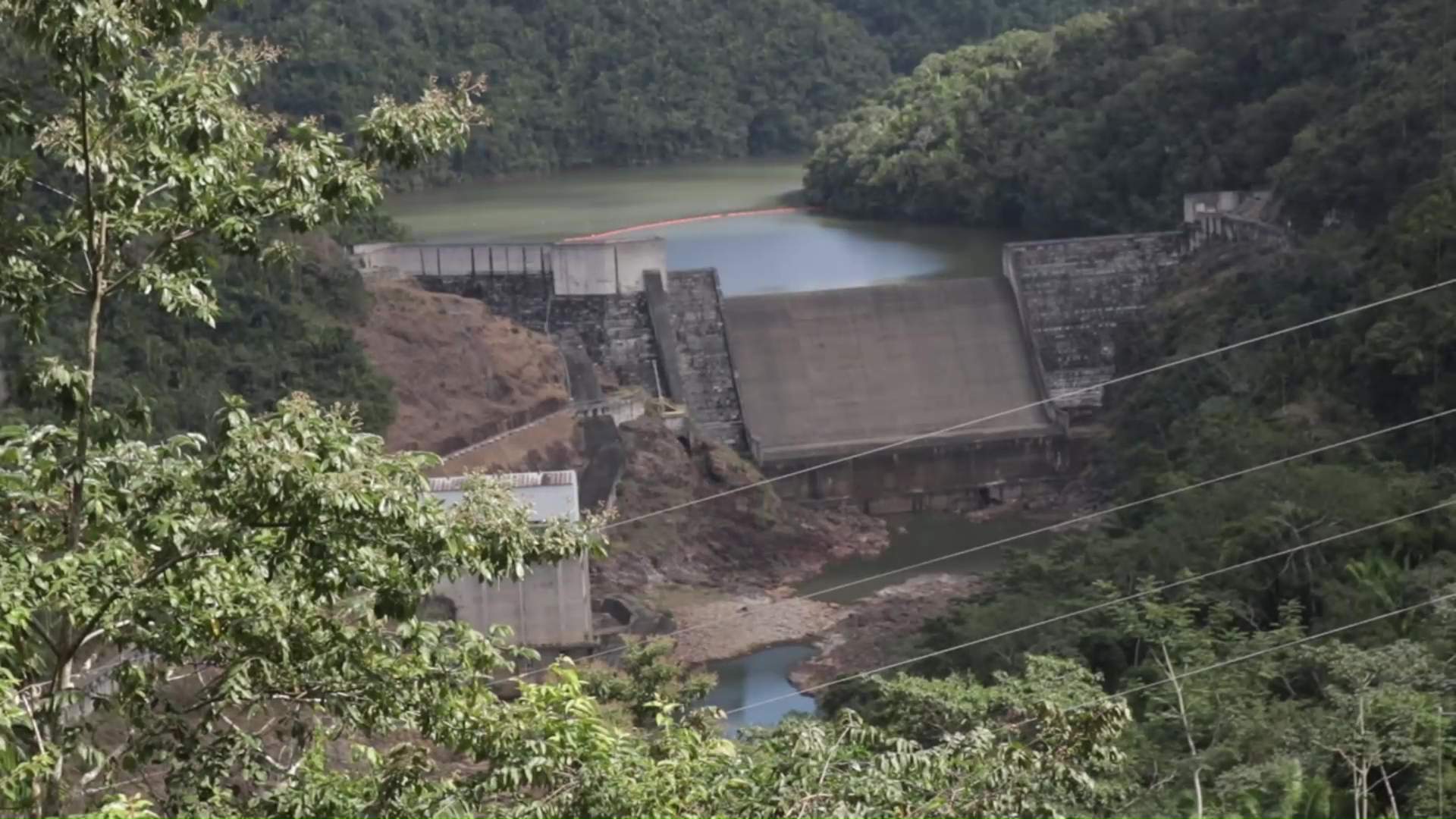
In a landmark move, the Belizean government, led by Prime Minister John Briceño, has finalized a $128 million deal to acquire Fortis Belize’s hydro assets and a 33% stake in Belize Electricity Limited (BEL). The agreement, announced in the House of Representatives, follows an independent valuation by Nera Consulting, which appraised the hydro assets at $122 million. Through strategic negotiations, the government secured a $12 million discount, reducing the cost to $110 million. Additionally, the BEL shares, initially valued at $62 million, were purchased for just $18 million, marking a significant reduction. Prime Minister Briceño emphasized that the final prices were based on historical data, global projections, and future profitability, ensuring a fair deal for taxpayers. However, the acquisition raises critical questions about its impact on consumers. Will electricity tariffs decrease, and if so, when? How will hydrological risks, such as droughts and low reservoir levels, affect hydroelectric power generation? Furthermore, how will Belize’s reliance on imported electricity from Mexico influence tariff stability post-acquisition? The Public Utilities Commission (PUC) may conduct a separate review to adjust rates based on revised generation costs, adding another layer of complexity to this transformative deal.
-
Hydro Deal Adds to Debt; Gov’t Bets on Recovery Plan
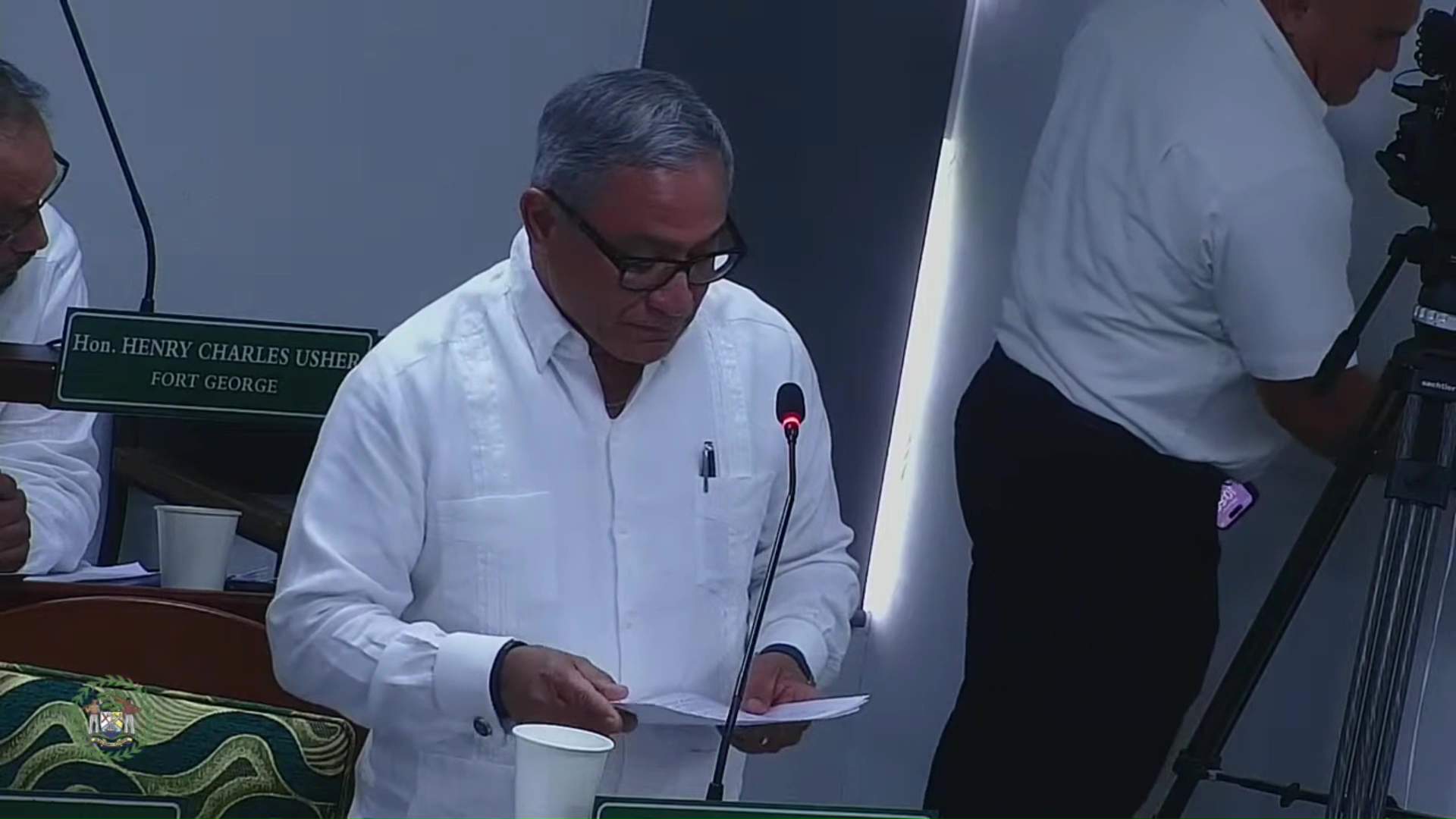
In a significant economic development, Belize’s government has announced a hydro deal that will temporarily increase the nation’s debt-to-GDP ratio by 4%. Prime Minister John Briceño addressed the public today, emphasizing that this move is part of a broader recovery plan aimed at stabilizing the economy. To finance the deal, the government will issue treasury notes, leveraging domestic resources rather than foreign borrowing. The Central Bank is tasked with securing $122 million in foreign exchange to facilitate the transaction. The Prime Minister assured citizens that the government plans to divest shares in hydro plants to offset costs, aiming to break even or even achieve a profit. This strategy involves selling shares to local institutional investors, including credit unions and insurance companies. While the immediate impact on public debt is marginal, the long-term success of this plan hinges on market conditions and investor confidence. The government remains optimistic, projecting that the sale of these shares will exceed their current purchase price of $1.50 per share. However, questions linger about potential risks, such as drought, tariff shocks, or shifts in investor appetite, and whether the government has contingency plans in place.
-

Panton Questions Economic Impact of Fortis Nationalization on Electricity Costs
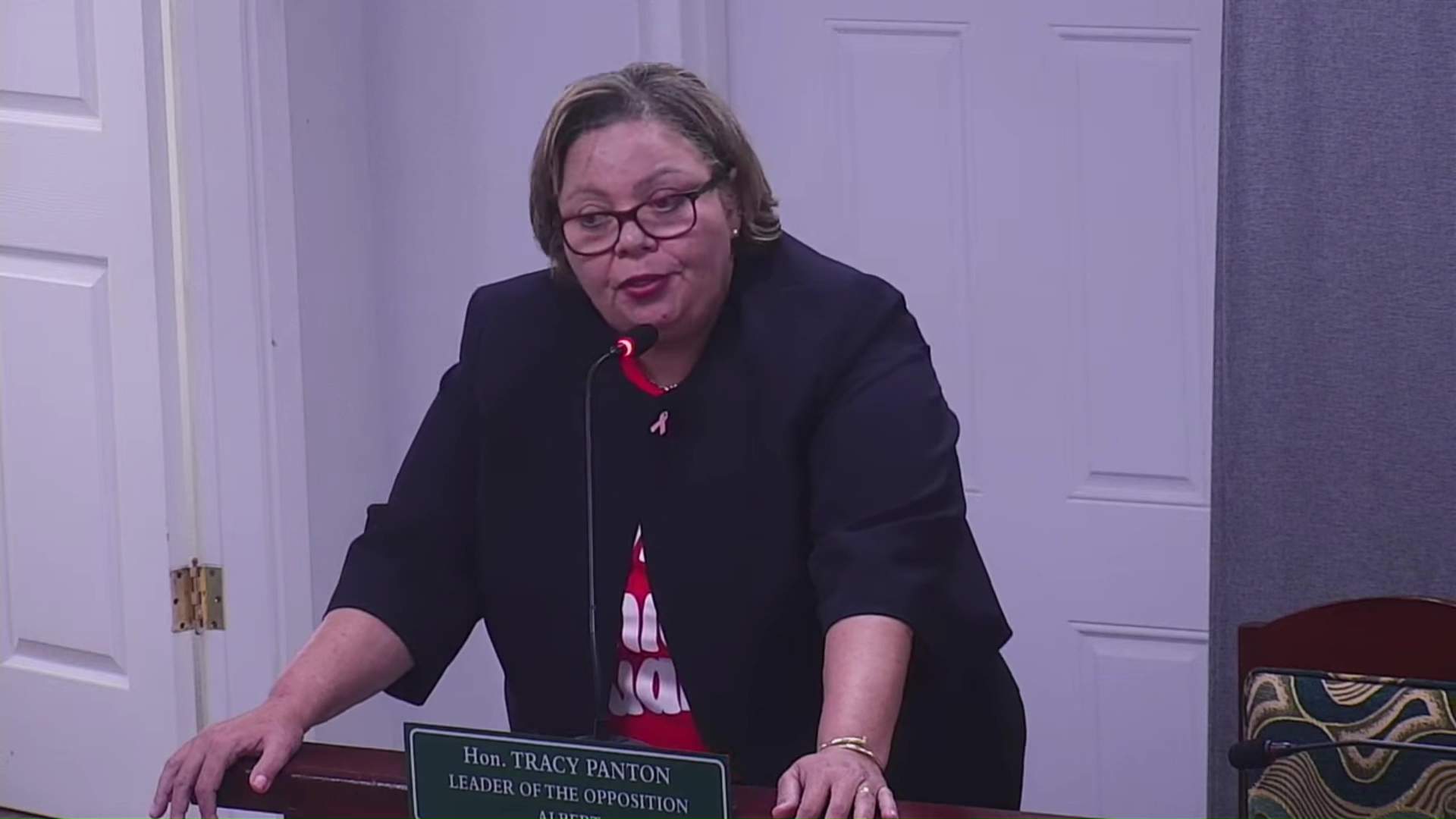
In a heated session in the House of Representatives, opposition leader Tracy Panton strongly criticized the Belizean government’s decision to nationalize Fortis, raising concerns about the potential impact on electricity costs for citizens. Panton argued that the nationalization of Fortis would not automatically lead to cheaper electricity for Belizeans. She referenced recent statements by Prime Minister John Briceño, suggesting that if the government had focused as much on reducing electricity costs as it did on negotiating the Fortis deal, Belizeans might have seen tangible financial relief. Panton emphasized the importance of transparency, urging the government to clearly explain the benefits of the $260 million loan arrangement to the public. She highlighted the significant role energy costs play for residential, commercial, and industrial sectors, including tourism, and called for meaningful efforts to address the high cost of energy in the country. The debate underscores growing concerns about the economic implications of the Fortis nationalization and its potential burden on Belizean households and businesses.
-
Opposition Questions Tax Breaks in Share Sale; Small Businesses Left Out?
The recent Fortis and BEL share sale has sparked significant debate, with Opposition Leader Tracy Panton raising critical concerns about the fairness of tax exemptions granted to domestic investors. Panton revealed that these investors will enjoy substantial tax breaks, including exemptions from stamp duty, business tax, income tax, and withholding tax on dividends or interest. While this appears advantageous for large institutional players, Panton argues that small and medium-sized enterprises (MSMEs) are left without such benefits, creating an uneven playing field. The government’s plan to sell shares to recover acquisition costs has further fueled skepticism about who truly stands to gain. Panton emphasized the disparity, noting that while Belizeans face rising utility costs, fuel taxes, and GST, these major investors are granted a ‘tax-free paradise.’ The Opposition’s critique highlights broader issues of economic inequality and the burden placed on ordinary citizens amidst these financial maneuvers.
-

Police Seize Rifle, Ammo in San Ignacio House Search
In a significant operation in San Ignacio, law enforcement officials have arrested three individuals following the discovery of a substantial arsenal of weapons and ammunition during a targeted house search. The raid, conducted earlier today, took place at a residence on Maya Street, home to 51-year-old Reina Isabel Amaya. Also present were two other occupants: 20-year-old Henry Jeremy Amaya and 27-year-old Jose Santos Amaya. During the search, officers uncovered a GIVATI-brand, nine-millimeter rifle-style firearm, accompanied by two magazines, a drum magazine, and an alarming quantity of ammunition—195 rounds of nine-millimeter and 20 rounds of .223 caliber. The cache was reportedly concealed within a bucket inside the property. None of the individuals could provide a valid firearm license, leading to their immediate detention. They are currently held at the San Ignacio Police Station, pending formal charges. Authorities are intensifying their investigation to determine the origins and purpose of such a significant weapons stockpile in a residential area.