作者: admin

  • GovTech Barbados launches test site to unify, simplify public services

    GovTech Barbados launches test site to unify, simplify public services

    Barbados has unveiled a groundbreaking digital platform, alpha.gov.bb, aimed at revolutionizing how citizens access and utilize government services. This initiative, spearheaded by GovTech Barbados, seeks to consolidate the government’s online presence into a unified, user-centric portal that will eventually replace the existing gov.bb site. The platform is designed to make services more intuitive, transparent, and accessible, marking a significant step in the nation’s digital transformation journey.

    Mark Boyce, CEO of GovTech Barbados, emphasized the importance of agility and citizen feedback in this project. ‘We’re shifting away from lengthy development cycles that often result in services that are difficult to navigate. Instead, we’re focusing on delivering incremental improvements based on real-time user input,’ he explained. The alpha site features simplified ‘entry pages’ that clearly outline the purpose of each service, required documentation, processing times, and relevant contact points. This approach aims to eliminate the confusion and inefficiencies that currently plague government service access.

    Boyce highlighted the broader vision behind the initiative: ‘Our goal is to create a seamless experience where citizens feel they’re interacting with a single, cohesive government rather than multiple disjointed entities.’ To achieve this, GovTech is standardizing the design and functionality of services across departments, ensuring consistency and ease of use. The team plans to roll out updates in rapid cycles, supported by citizen panels that will provide valuable insights into public needs and frustrations.

    Barbadians are encouraged to explore alpha.gov.bb and contribute to its evolution by sharing their feedback. This collaborative approach underscores GovTech’s commitment to prioritizing usability and transparency over bureaucratic inefficiencies, setting a new standard for digital governance in the region.

  • Aloneness vs loneliness: A gift of time and freedom

    Aloneness vs loneliness: A gift of time and freedom

    The distinction between aloneness and loneliness is profound, yet often misunderstood. While loneliness is characterized by a sense of disconnection and emotional distress, aloneness offers a unique opportunity for self-discovery and empowerment. This concept is beautifully encapsulated in the biblical verse, “Yet I am not alone, for the Father is with me” (John 16:32). Aloneness is not a void but a space where autonomy flourishes, allowing individuals to take control of their time and lives. It is a chance to design one’s existence free from external pressures, fostering creativity, reflection, and spiritual growth. For the author, solitude has been a lifelong practice, beginning in their teenage years and continuing through university, career, and retirement. Their daily routine—waking at 2 a.m. for three hours of focused work followed by naps—has led to remarkable productivity and personal fulfillment. The key lies in perception: viewing aloneness as a gift rather than a punishment transforms it into fertile ground for healing, joy, and growth. While human connection remains essential, aloneness allows individuals to cultivate their inner selves, enabling them to engage with others from a place of wholeness rather than need. Ultimately, aloneness is a gift of freedom, offering the power to shape one’s time and life, while loneliness is merely a lack of perspective. The choice between the two lies within us.

  • VIDEO: PM Agrees to Provide Securities Information Following Parliamentary Question

    VIDEO: PM Agrees to Provide Securities Information Following Parliamentary Question

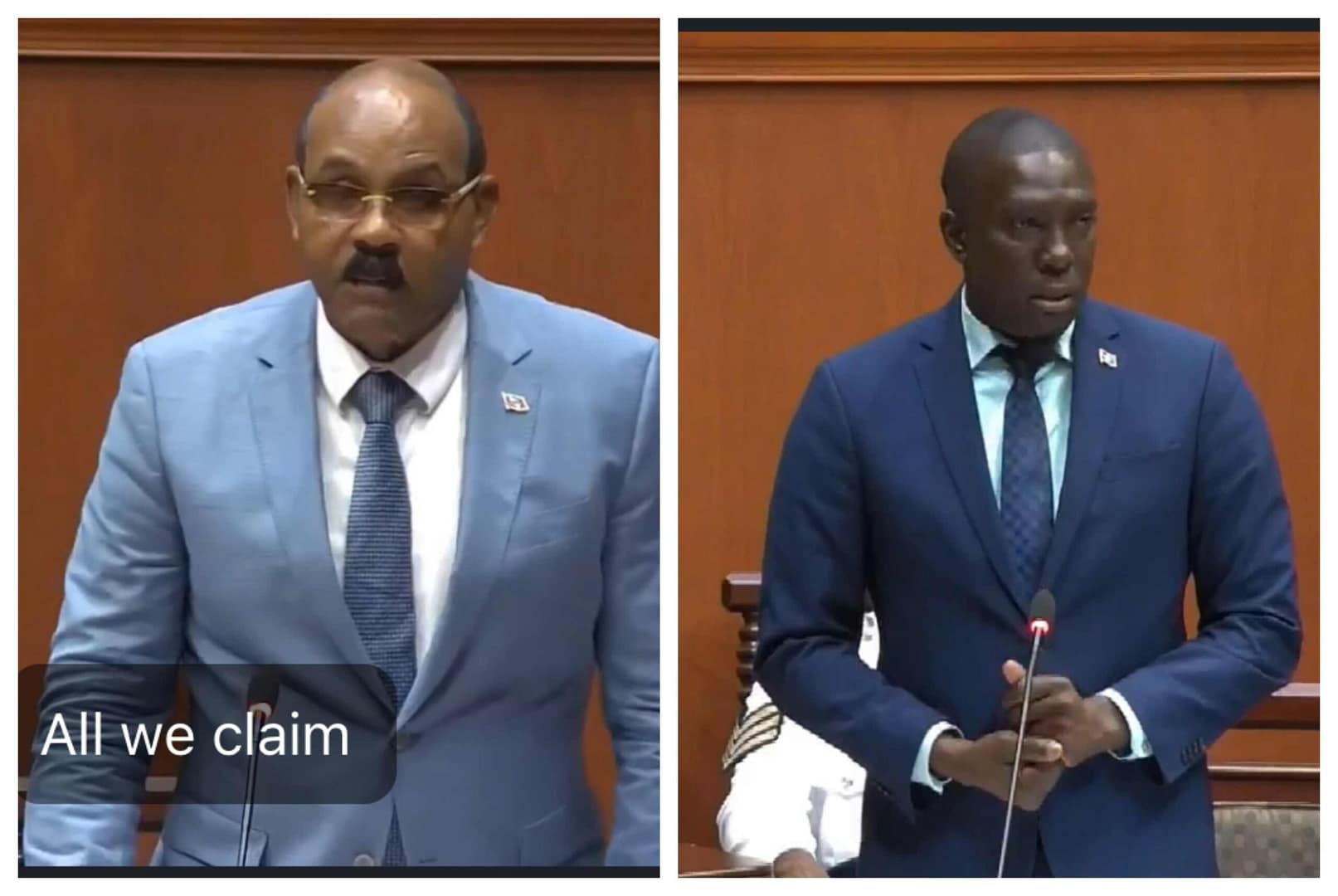
    In a significant parliamentary session, Prime Minister Gaston Browne of Antigua and Barbuda has vowed to enhance the transparency of the government’s securities holdings. This commitment comes in response to persistent inquiries from the Opposition regarding compliance with the Finance Administration Act. During Thursday’s House of Representatives meeting, the Member for All Saints East and St. Luke questioned the Prime Minister’s adherence to Section 46(3)(a) of the Act, which mandates the Finance Minister to disclose full details of securities purchased. Browne acknowledged that while the government has historically omitted such filings, the information is publicly accessible through the Eastern Caribbean Securities Exchange (ECSE) and is included in the annual budget statement. He explained that the dynamic nature of securities trading—where bonds may be issued and repaid within short periods—makes frequent reporting cumbersome. However, Browne proposed a biannual update on the government’s outstanding securities to improve transparency. The Opposition also cited Section 46(3)(b), which requires the submission of all security purchase agreements. Browne clarified that such filings would establish a new precedent, as no previous government has submitted these documents to Parliament. He emphasized that the securities in question are publicly traded, not private transactions, and reiterated his administration’s commitment to transparency. When pressed about the government’s shareholdings in entities like Blue Ocean, West Indies Oil Company, and State Insurance, Browne expressed no objection to disclosing these details. He noted that such information is already publicly available through the company registry but affirmed his willingness to present it to Parliament if requested. The Prime Minister further distinguished between frequently traded securities, such as treasury bills, and permanent shareholdings in companies, confirming that the latter could be tabled in Parliament. This exchange marked a rare and substantive discussion on the transparency of government investments and securities reporting, underscoring the Browne administration’s pledge to uphold accountability.

  • LIVE: Police receive 6 new vehicles to strengthen law enforcement and community patrols

    LIVE: Police receive 6 new vehicles to strengthen law enforcement and community patrols

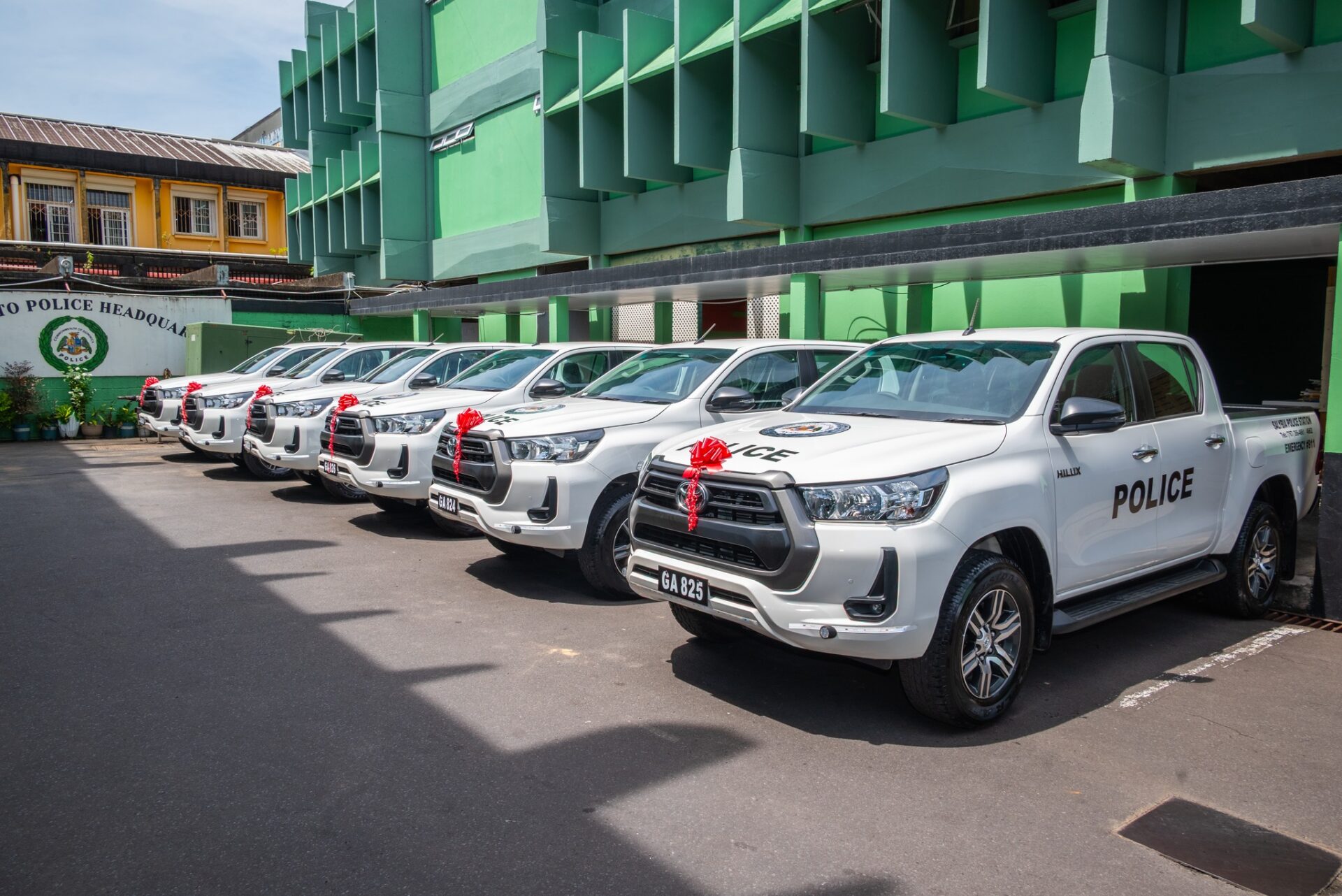
    In a significant move to enhance law enforcement capabilities, the Government of Dominica has officially handed over six new vehicles to the Commonwealth of Dominica Police Force (CDPF). This initiative, aimed at strengthening community patrols and improving response times, was announced during a formal ceremony held at the Police Headquarters on Friday. The vehicles, a generous donation from one of Dominica’s economic citizens, were requested by Prime Minister Roosevelt Skerrit. Four of these vehicles will be strategically deployed to Salisbury, Salybia, Pointe Michel, and La Plaine to ensure more efficient public service. Prime Minister Skerrit emphasized the importance of equipping the police with necessary resources, stating, ‘This is part of our efforts to ensure that the police have the resources that it needs to carry out this mandate and of course access to transportation is key in this.’ He also highlighted the evolution of policing over the past two decades, noting the increased number of communities that need coverage. Minister for National Security Rayburn Blackmoore revealed that the vehicles were custom-built to the specifications provided by the police, ensuring that the force received exactly what it needed. The Prime Minister’s presence at the ceremony underscored the government’s commitment to supporting the police force, with the most critical outstations receiving their vehicles promptly. Blackmoore expressed hope that the new fleet would lead to quicker response times and improved service delivery.

  • Two violent attacks, one deadly, within 24 hours leave community reeling

    Two violent attacks, one deadly, within 24 hours leave community reeling

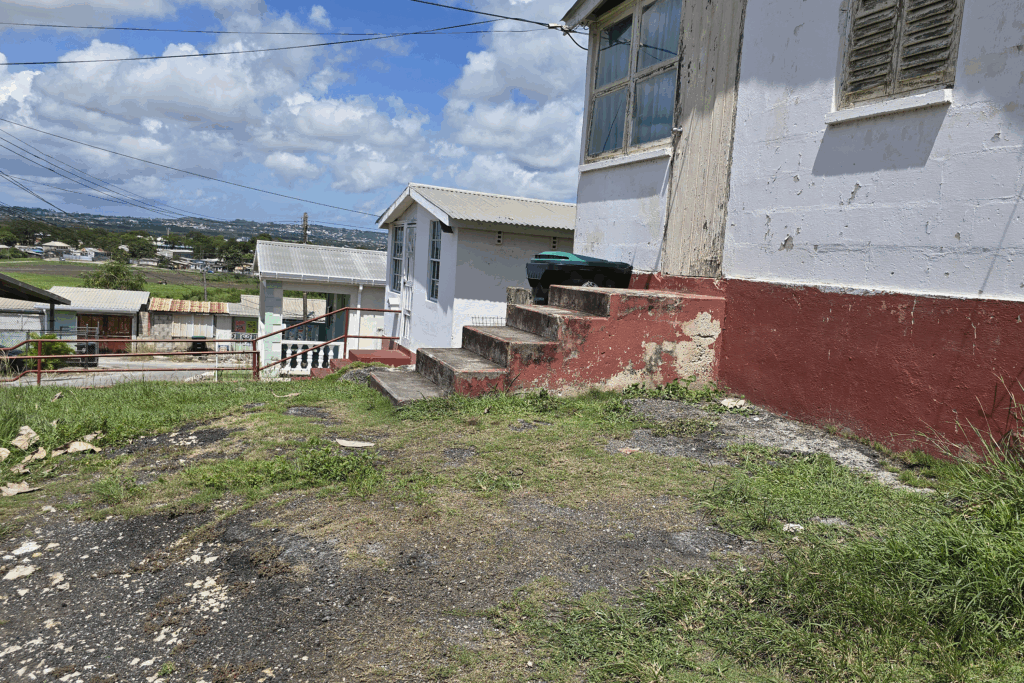
    The Pine community in St Michael, Barbados, is reeling from a series of violent incidents that have left residents fearful and frustrated. On Thursday night, 21-year-old Chrishon Gooding was fatally shot while sitting on a step at the corner of Stafford Hill. Less than 24 hours later, another violent episode unfolded when a young man was stabbed on Glendale Close. The victim, whose identity remains unknown, was rushed to Queen Elizabeth Hospital by ambulance. Police investigations into both incidents are ongoing.

  • 17-year-old Charge for Multiple Traffic Offences

    17-year-old Charge for Multiple Traffic Offences

    In a recent development, the Royal Police Force of Antigua and Barbuda has arrested and charged a 17-year-old male from Fort Road for multiple traffic-related offences. The incidents, which occurred on October 13, 2025, involved the teenager driving a white 2011 Honda Fit motor car without a valid driver’s licence, operating the vehicle without insurance, and fraudulently using a registration number assigned to another individual. The vehicle was intercepted during routine police operations in the city. The accused has been taken into custody and is expected to appear in court to face the charges. The Police Administration has reiterated the importance of adhering to traffic laws, emphasizing that driving without a valid licence or insurance is a serious offence. They have urged all motorists to comply with road safety regulations to ensure public safety. This case highlights the ongoing efforts by law enforcement to curb traffic violations and promote responsible driving practices in the region.

  • A New World Order – or the formal admission of the Old?

    A New World Order – or the formal admission of the Old?

    The concept of a ‘rules-based international order’ has long been a cornerstone of global diplomacy, suggesting that laws govern power. However, the reality is starkly different: power has always dictated the rules, often reshaping them to suit its interests. Today, this dynamic is no longer concealed; the alteration of rules occurs openly, with few feigning surprise. From the Treaty of Westphalia in 1648 to the United Nations Charter in 1945, the principle of sovereign equality among nations has been more aspirational than actual. Legal sovereignty—the right to be free from interference—is universally proclaimed, but political sovereignty—the ability to act independently—remains the privilege of a few. Small and powerless nations have long understood this disparity through experience, not theory. The current global landscape is marked by a blunt exercise of power, where multilateral commitments are treated as conveniences, treaties are optional, and international courts are ignored. This shift is not about achieving objectives but about discarding pretenses. For small states, sovereignty is not a tool to dictate but a fragile shield of defense—a space to choose partners, legislate priorities, and speak truths. When this space contracts, their independence becomes ceremonial rather than substantive. The Caribbean Community (CARICOM), once declared a Zone of Peace by visionary leaders, now faces threats from external military intrusions justified under the guise of security. Former Jamaican Prime Minister P. J. Patterson warns that such actions erode sovereignty and regional autonomy. The paradox of small states lies in their dependence on international law, which they are powerless to enforce when ignored. Sanctions, trade restrictions, and underfunded human-rights mechanisms further marginalize them. The so-called ‘new world order’ is not new but a candid admission of the old hierarchy, where might makes the rules. For small nations, sovereignty may soon mean little more than managing domestic affairs without offending powerful interests. Yet, the response must not be withdrawal or despair but a steadfast insistence on the language of law and principle. The Caribbean’s security and prosperity have long benefited from principled partnerships with larger democracies, and these must remain within the framework of law. The challenge is not to submit to a power-dominated order but to prevent the old hierarchy from becoming unashamedly permanent. When law is silenced, equity collapses, leaving the powerless helpless. Caution and courage are now imperative.

  • The enduring value of volunteerism in trade unions

    The enduring value of volunteerism in trade unions

    Trade unions rely heavily on the dedication of volunteers who contribute their time, skills, and expertise without financial compensation. These individuals are driven by a commitment to advancing the collective interests of workers, focusing on advocacy, member support, and recruitment. Guided by the core values of mutuality and reciprocity, they strive to foster positive changes in workplaces and communities. Their involvement not only benefits the union but also provides personal growth opportunities, such as skill development, confidence building, and networking. However, the integrity of the union depends on volunteers who are genuinely committed to the cause, rather than those seeking personal gain. Volunteers often serve as shop stewards, representing members within workplaces, and are elected or appointed through democratic processes. Leadership roles are similarly filled by individuals chosen by the membership, who operate under the union’s constitution and regulations. While volunteers are not financially compensated, they may receive reasonable out-of-pocket expenses or stipends. It is crucial to distinguish between volunteers and paid staff, ensuring that volunteers complement rather than replace salaried employees, especially during industrial disputes. Training and resources should be provided to support volunteers, and their needs must be considered in the union’s annual budget. The tireless efforts of these unsung heroes are invaluable, as they work behind the scenes to create a more just and equitable society.

  • ‘Only licensed taxis’: Government, Uber move to calm backlash

    ‘Only licensed taxis’: Government, Uber move to calm backlash

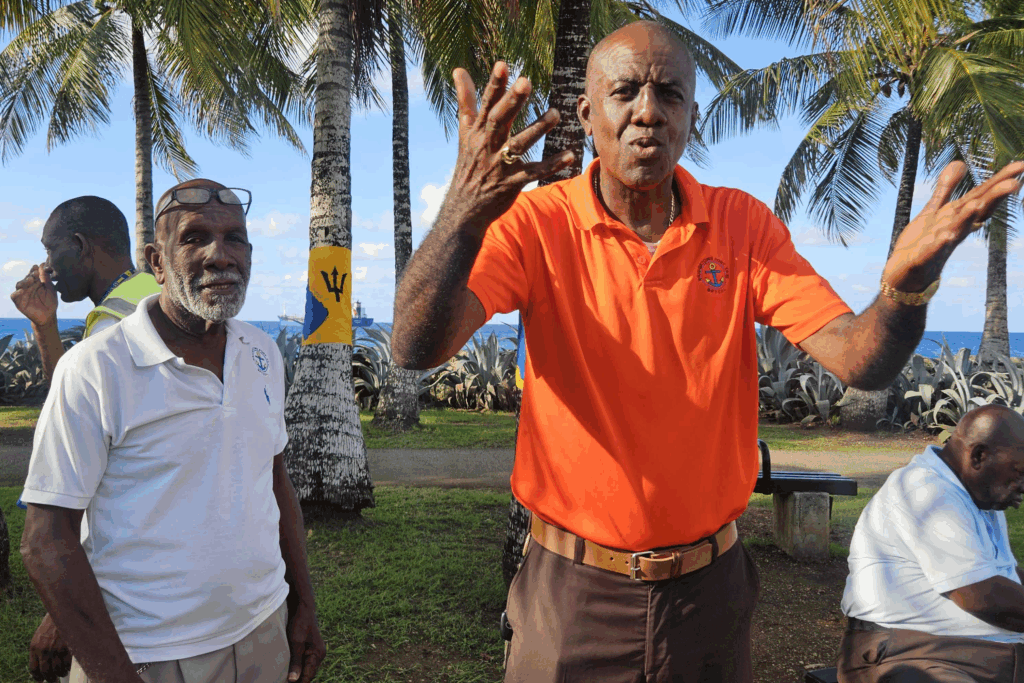
    The imminent launch of Uber in Barbados has ignited a heated debate, prompting swift responses from both the government and the ride-hailing giant. Scheduled to go live on October 22, Uber has clarified that its platform will exclusively cater to licensed taxi drivers, adhering to rates regulated by the Transport Authority. This announcement follows protests by local taxi operators, who gathered outside the Bridgetown Port to voice concerns over potential job losses, economic strain, and the perceived threat to their industry. Uber emphasized that its app will only feature the Uber Taxi product, ensuring that drivers receive the full regulated fare despite initial testing discrepancies caused by automatic discounts. Transport Minister Santia Bradshaw reiterated that Uber must operate within Barbados’ legal framework, allowing only registered taxis with proper permits to provide services. However, veteran taxi operators like Colvin Yarde expressed deep reservations, arguing that the government granted Uber’s license without adequate consultation. Yarde warned of a ripple effect on the economy, citing potential losses in tax revenue, insurance, and fuel sales. Kenneth Knight of the Bridgetown Port Taxi Co-operative questioned Uber’s suitability for Barbados, advocating for locally developed ride-hailing solutions instead. As tensions rise, stakeholders are calling for direct dialogue with Prime Minister Mia Amor Mottley before Uber’s official rollout.

  • ‘Include us’: Commonwealth disabled people’s forum urges ahead of 2026 summit

    ‘Include us’: Commonwealth disabled people’s forum urges ahead of 2026 summit

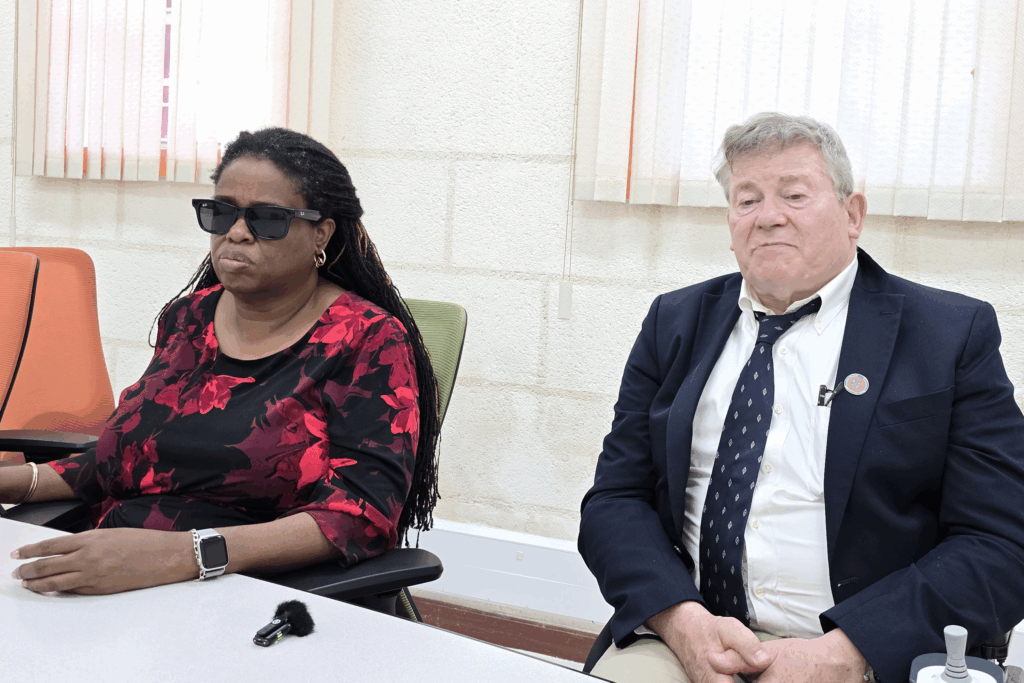
    In a compelling call to action, the Commonwealth Disabled People’s Forum (CDPF) has urged governments across the 56-nation Commonwealth to place disability inclusion and accessibility at the forefront of their agenda during the upcoming Commonwealth Heads of Government Meeting (CHOGM) in Antigua in 2026. This appeal comes as advocates highlight the persistent inequalities faced by over 430 million disabled individuals within the Commonwealth, a group of predominantly former British colonies. Richard Rieser, General Secretary of the CDPF, emphasized the need for full implementation of the UN Convention on the Rights of Persons with Disabilities, which 55 of the 56 Commonwealth nations, including Barbados, have ratified. While Barbados has made strides with its new Persons with Disabilities Act, many Caribbean nations and other regions within the Commonwealth still lack robust frameworks for disability rights. Rieser stressed the urgency of adopting a Disability Inclusion Action Plan at the 2026 summit, ensuring disability becomes a clear priority in the Commonwealth’s agenda. Currently, disability issues are notably absent from the Commonwealth’s five-year plan. The Antigua summit will mark the 20th anniversary of the UN Convention on the Rights of Persons with Disabilities, yet millions of disabled individuals continue to face barriers to equal access in education, health, employment, and housing. Rieser called on governments to revisit their commitments and collaborate across the Commonwealth to turn these promises into reality. He also highlighted the importance of public awareness and education to shift societal perceptions of disability, urging employers to recognize the value of hiring disabled individuals. Kerry-Ann Ifill, CDPF Vice-Chair, underscored the need for genuine leadership from Commonwealth governments, recalling the exclusion faced by disabled participants at the 2022 CHOGM in Rwanda. She emphasized that inclusion is a right, not charity, and called for systemic accessibility in schools, workplaces, transportation, and government buildings. Rieser also praised initiatives like the regional youth leadership training in Barbados, which empowered young advocates to push for disability inclusion in their respective countries. He criticized the Commonwealth’s tokenistic approach to disability issues, urging fair and equitable treatment for all.