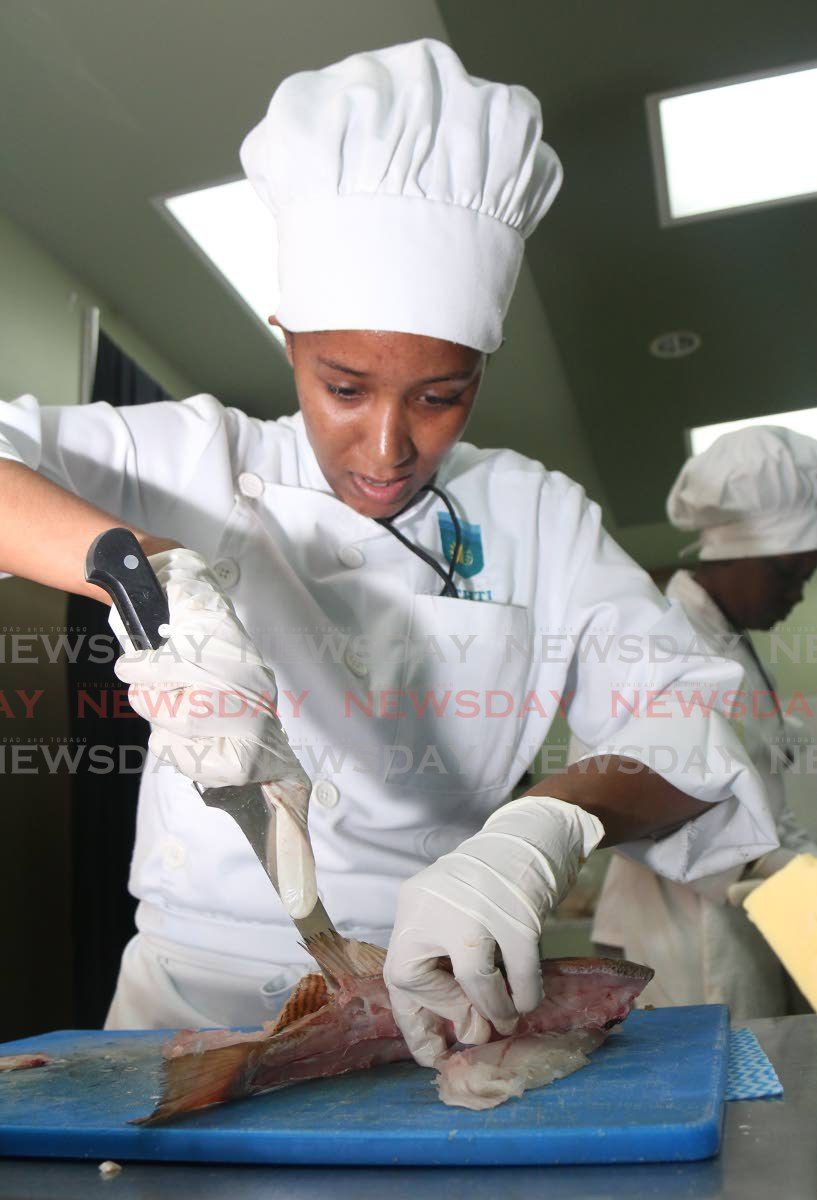
The Trinidad and Tobago Hospitality and Tourism Institute (TTHTI), once a cornerstone of the nation’s hospitality sector, is set to reopen following an announcement by the Finance Minister. This move has reignited hope for the revitalization of an industry that has long struggled with systemic challenges. The institution, located in Chaguaramas, was abruptly closed in 2020, ostensibly due to COVID-19 restrictions. However, the closure was merely the culmination of years of financial neglect, administrative mismanagement, and dwindling government support. The TTHTI had been grappling with unpaid subventions totaling $13.17 million, and its registration with the Accreditation Council remained incomplete, raising concerns about the transferability of student records. Despite efforts by some students to transfer to the Tobago Hospitality and Tourism Institute, the abrupt shutdown left many in limbo. The closure also drew criticism from then-Education Minister Dr. Nyan Gadsby-Dolly, though no concrete action was taken to address the issue. Over its 48-year history, the TTHTI had not only trained aspiring hospitality professionals but also offered popular short courses in culinary arts to individuals of all ages. Its graduates played a pivotal role in initiatives like the School Feeding Programme and went on to establish successful businesses in the hospitality sector. The Finance Minister’s pledge to reopen the institute must go beyond mere restoration; it demands a comprehensive modernization of the facility to align with the evolving needs of the industry. This revival could serve as a critical step in the broader agenda of economic diversification, ensuring that the hospitality sector remains a vital contributor to the nation’s economy.
作者: admin
-

Occupational therapy association aims to expand services in local healthcare
As World Occupational Therapy Day approaches on October 27, the Trinidad and Tobago Occupational Therapy Association (TTOTA) reflects on 20 years of transformative work under this year’s theme, ‘Occupational Therapy in Action.’ Khamara-Lani Tarradath, TTOTA’s chairman, emphasizes the importance of focusing on shared humanity and strengths rather than differences, advocating for inclusive and accessible environments where everyone can thrive. Occupational therapy, a healthcare profession dedicated to helping individuals of all ages engage fully in daily activities, has evolved significantly since TTOTA’s inception in 2004. Founded by four pioneers—Lesley Garcia, Neela Ojar, Rosemary Green, and Margaret Hussain—the association has grown into a national force, influencing health policies and promoting accessibility, rehabilitation, and community inclusion. Over the years, TTOTA has achieved milestones such as launching the first master’s degree in occupational therapy at the University of the Southern Caribbean, hosting regional conferences, and initiating community projects like Team HOPE, which raised over $200,000. Despite these successes, challenges remain, including financial barriers, limited public sector positions, and public misunderstanding of the profession. Shaianne Pemberton, TTOTA’s public relations officer, highlights the need for increased government funding, expanded public sector roles, and greater public education to strengthen the impact of occupational therapy. The association continues to advocate for its members while advancing national healthcare goals, focusing on improving access to therapy services and enhancing health literacy. To mark its 20th anniversary, TTOTA will host its first-ever awards ceremony on November 26, celebrating outstanding contributions to the field. Additionally, the association is supporting a Caregiver Health Fair at St Ann’s Psychiatric Hospital on November 1, empowering caregivers of individuals with disabilities. Looking ahead, TTOTA envisions a future where occupational therapy is widely recognized, accessible, and integrated across health, education, and community services, with growth in non-traditional roles such as corporate wellness, disaster relief, and sports rehabilitation. The public is encouraged to support the field by engaging with TTOTA’s outreach events, attending awareness sessions, or contributing through donations and volunteerism.
-
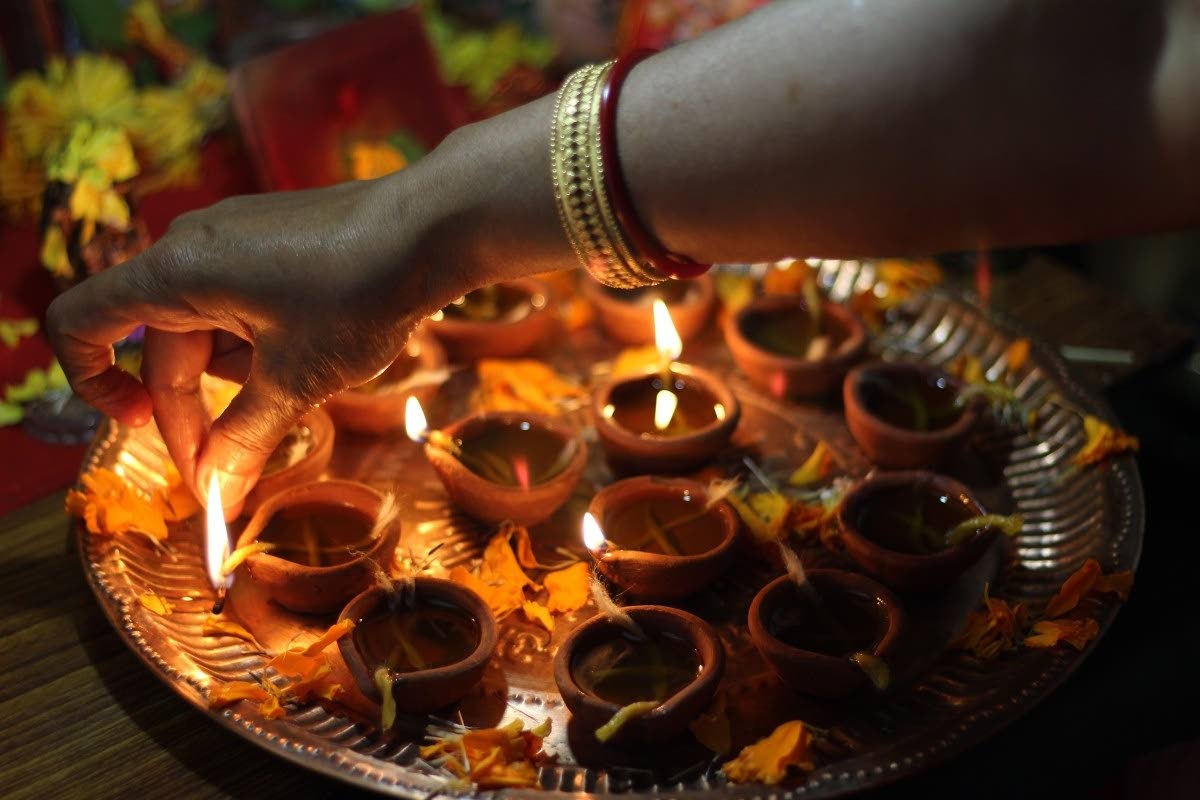
Caribbean, diaspora voices on Divali: One light across oceans
The festival of Divali, a celebration of light, unity, and the triumph of good over evil, transcends geographical boundaries, uniting Caribbean and South Asian communities worldwide. From the vibrant streets of New York to the serene shores of the Turks and Caicos, and from the bustling neighborhoods of Guyana to the distant villages of Suriname and The Gambia, the diaspora creatively preserves the essence of Divali, blending tradition with modern life in foreign lands.
In Toronto, Devin Latchmana, a Canadian of Trinidadian and Guyanese descent, reflects on the evolution of Divali celebrations. Growing up in a Hindu household in Canada, he recalls a time when the festival was less recognized. Today, Divali is celebrated with grandeur, marked by decorations, traditional foods, and public acknowledgment. Latchmana and his family honor the festival with elaborate rituals, including puja, bhajans, and the preparation of traditional dishes, fostering a sense of pride and community.
In the Turks and Caicos Islands, Shivani Kamble, originally from Mumbai, India, emphasizes the universal values of Divali. For her, the festival is a celebration of unity and the human spirit, transcending cultural and religious boundaries. Kamble hosts an annual Divali party, inviting friends and neighbors to share in the joy, creating a sense of belonging and togetherness.
In Washington DC, Bhisham Persad, an architect and pundit from Trinidad, views Divali as both a cultural and spiritual experience. He highlights the festival’s significance in connecting with one’s inner self and celebrating prosperity and purity. Despite the more private nature of celebrations in the US, Persad remains hopeful for broader recognition, noting recent declarations of Divali as a holiday in California and New York.
In New York, Trinidadian Narda Mohammed finds a deeper spiritual meaning in Divali, despite the challenges of celebrating in a less communal environment. She keeps her traditions alive through food, sharing Trini culture with those around her.
In The Gambia, Catherine Andrews, originally from Trinidad, introduces Divali traditions to her new community, adapting to local resources to create makeshift deyas and preparing traditional Trinidadian vegetarian dishes.
In Guyana, Lakhram Bhagirat emphasizes the importance of family and community in Divali celebrations. He decorates his home with fairy lights and intricate rangolis, preparing traditional sweets and dishes, and lighting deyas to honor the festival.
In Suriname, Rudy Soeroedjlall Ardjoen highlights the unifying nature of Divali, celebrated by people of all ethnicities and faiths. The festival includes cultural events, deya lighting, and communal gatherings, fostering a sense of brotherhood and togetherness.
Across the globe, Divali serves as a beacon of light, unity, and cultural preservation, bringing communities together in celebration and reflection.
-
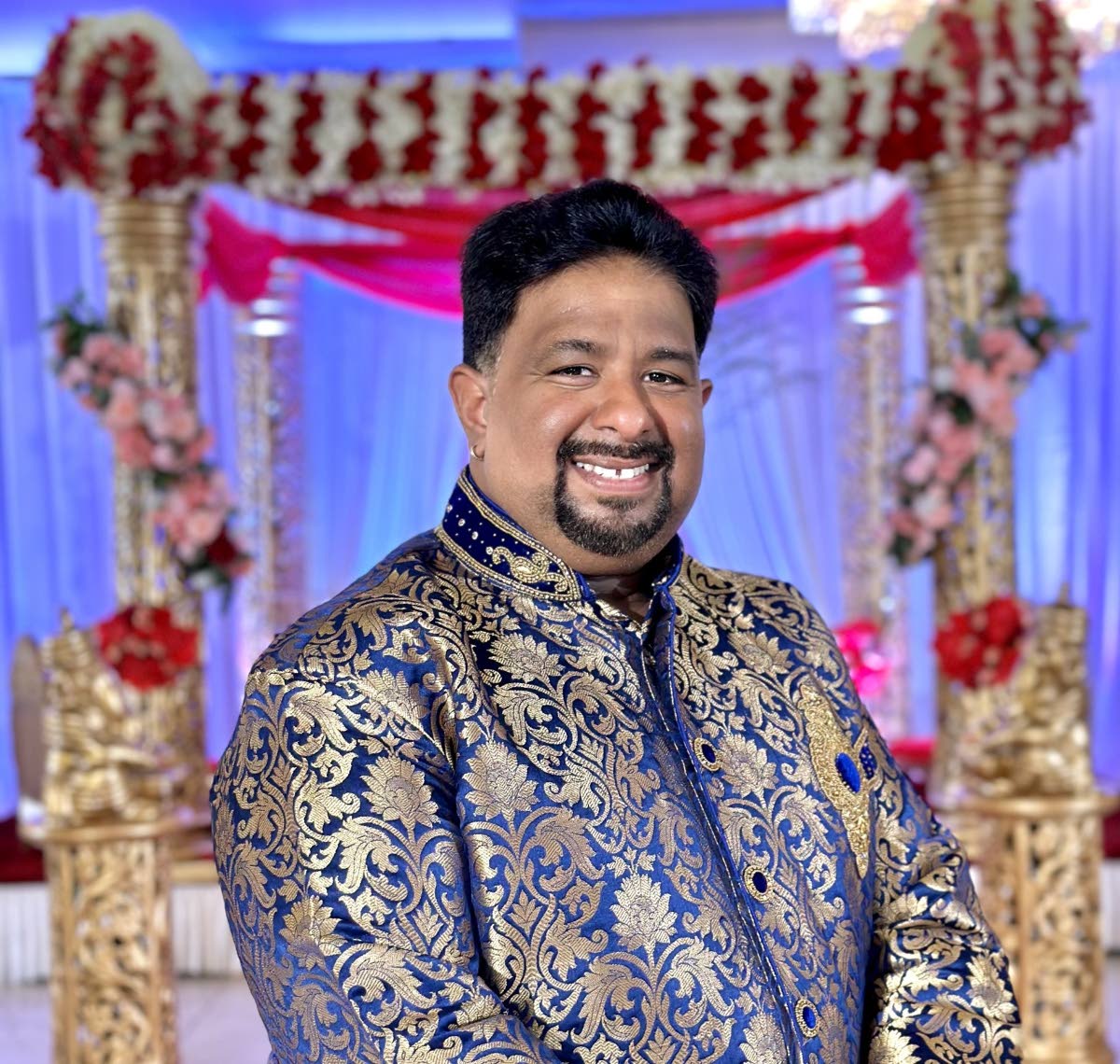
Aaron Jewan Singh: Imparting the light of musical wisdom
For Aaron Jewan Singh, a 51-year-old music instructor and guru, Divali represents the enlightenment of the spirit through knowledge. Born in Marabella, Trinidad and Tobago, Singh has dedicated over four decades to mastering and teaching Indian classical music. Today, he is celebrated as one of the nation’s most revered musicians, sharing his passion and expertise with students across Trinidad, Canada, and the United States. This Divali, Singh’s mission is to ensure that the light of cultural knowledge continues to shine brightly, preserving the rich heritage of Indian classical and chutney music. To mark the occasion, he has released a new song titled *Happy Divali*. Singh believes that Divali symbolizes the triumph of light over darkness, equating that light with wisdom. Through his teachings and compositions, he sees himself as lighting a metaphorical *deya* (oil lamp) in the world, spreading hope and inspiration. Singh’s journey began in a musically rich household. His parents, both accomplished musicians, immersed him in rhythm and melody from a young age. By the age of five, he was already performing publicly, accompanying renowned vocalists on the *dholak*, a traditional hand drum. His talent quickly earned him recognition, and by his teens, he was a sought-after accompanist for top performers across the Caribbean and North America. Despite facing cultural and financial challenges after migrating to the U.S. in 1997, Singh remained steadfast in his commitment to music. In 2019, he co-founded the Trinidad Classical Music Foundation (TCM) with Priya Paray, a young singer dedicated to mastering Trinidad’s classical traditions. Through TCM, Singh mentors a new generation of musicians, ensuring that the rhythms of Trinidad continue to resonate globally. His dream is to leave a lasting legacy, keeping the music and culture alive for future generations. This Divali, Singh sends a message of hope and unity, urging everyone to celebrate the festival as a symbol of renewal and strength.
-
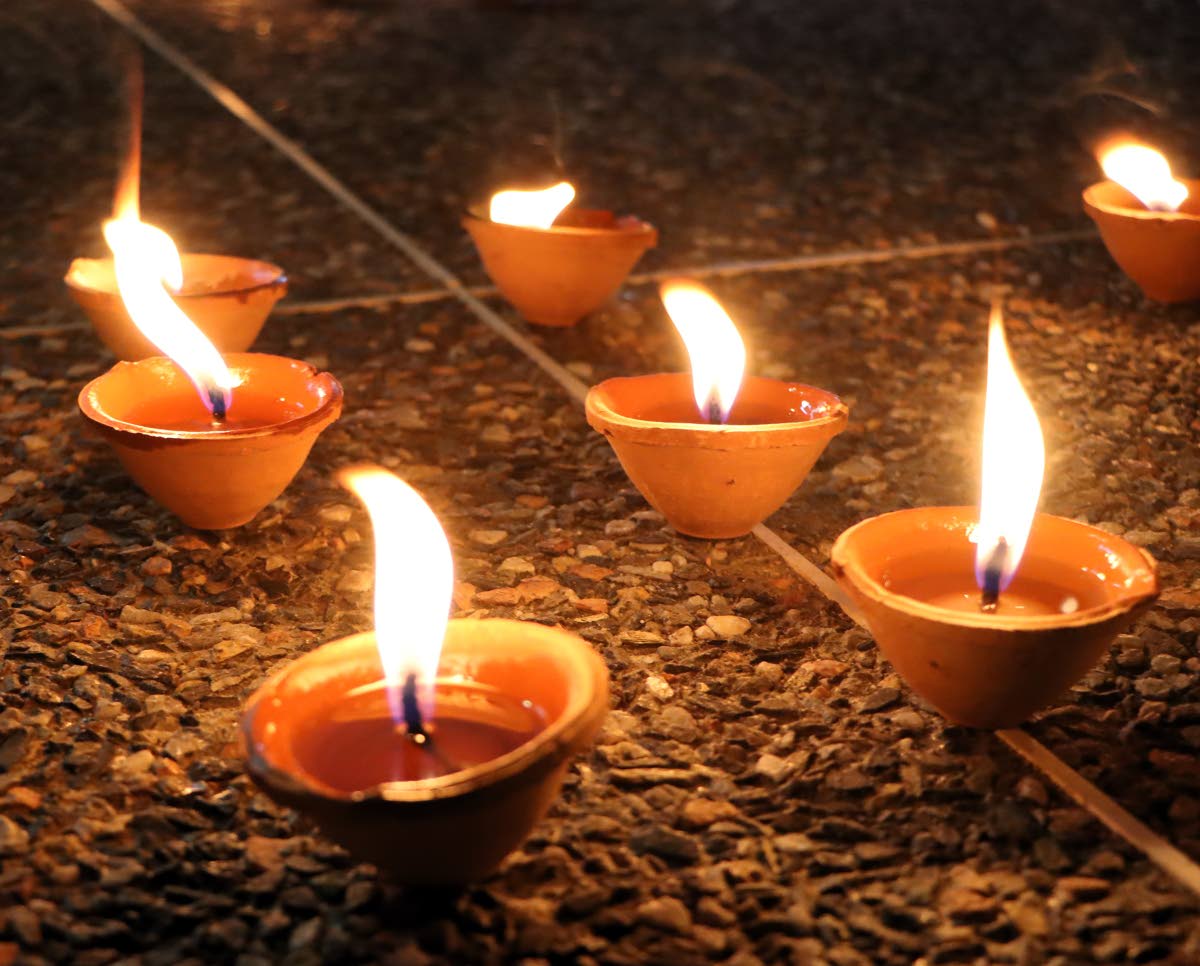
Divali: The celebration of light for the enlightenment of life
Divali, also known as Deepavali or Deepamalika, is a festival that transcends borders, cultures, and generations, symbolizing the triumph of light over darkness and good over evil. Rooted in ancient scriptures, this sacred occasion carries a profound spiritual message: to live in the light, share it with others, and become a beacon of hope for the world. The clay lamp, or deya, serves as a powerful metaphor for the human body, with its flame representing the inner light of consciousness. Lighting a deya is a call to dispel ignorance, confusion, and negativity, fostering an awakening of awareness on personal, familial, social, and global levels.
Historically, Divali has been celebrated as a divine victory across various epochs. From Lord Indra’s ascension as King of the heavens to the Pandavas’ triumph in the Mahabharat war, the festival has marked moments of enlightenment and renewal. In modern times, India’s independence in 1947 and the inauguration of the Sri Ram Mandir in Ayodhya in 2024 have further illuminated the nation’s journey toward freedom and unity. The lighting of millions of deyas across the globe underscores the festival’s universal appeal and its ability to unite people across cultures and creeds.
In the postmodern era, humanity continues to grapple with challenges such as war, terrorism, and the proliferation of destructive weapons. Swami Brahma Swarupananda, founder of Brahma Vidya Peetham International, emphasizes that the true struggle lies within the human mind. The lighting of deyas symbolizes the eradication of inner turmoil, urging individuals and nations to embrace truth, compassion, and harmony. At Brahma Vidya Peetham, the celebration of Divali extends beyond the physical act of lighting lamps to fostering love and goodwill among neighbors, communities, and nations.
In Trinidad and Tobago (TT), Divali is celebrated with immense devotion and cultural pride. The annual Divali Nagar in Chaguanas, established in 1986, attracts thousands, showcasing the community’s deep connection to its Indian heritage. This year, the festival’s radiance was further amplified by the Artificial Limb Fitment Camp inaugurated at the Diplomatic Centre, a collaborative effort led by Prime Minister Kamla Persad-Bissessar, Indian Prime Minister Narendra Modi, and Indian High Commissioner Dr. Pradeep Rajpurohit. As the world celebrates Divali, Swami Brahma Swarupananda offers a heartfelt prayer for global peace, prosperity, and unity, urging humanity to live in the light and share it with all.
-

Speyside top Tobago, book SSFL boys’ championship division ‘Big 5’ spot
The Secondary Schools Football League (SSFL) boys’ championship division is reaching its climax, with several teams securing their positions in the highly anticipated ‘Big 5’ playoffs. Speyside Secondary has already clinched the top spot in the Tobago zone, cementing their place in the playoffs after a dominant 10-0 victory over Pentecostal Light and Life on October 17. In the east zone, Hillview College remains unbeaten with 21 points and a staggering +48 goal difference, setting the stage for a decisive clash against second-placed El Dorado East Secondary on October 21. Meanwhile, the central zone sees Presentation College Chaguanas leading with 24 points, though Chaguanas North Secondary has appealed the SSFL’s decision to award Presentation a 3-0 win for their abandoned September 22 match. The south zone is equally competitive, with Palo Seco Secondary holding a slim one-point lead over Pleasantville Secondary, who recently triumphed 3-1 against Siparia West Secondary. In the north, Mucurapo West and East Mucurapo Secondary are locked in a tight battle for the final playoff spot. As the final round of matches approaches, the SSFL Appeals Committee is set to rule on Chaguanas North’s appeal, adding further intrigue to an already thrilling season.
-
Trinidad and Tobago stands firm with US on regional security
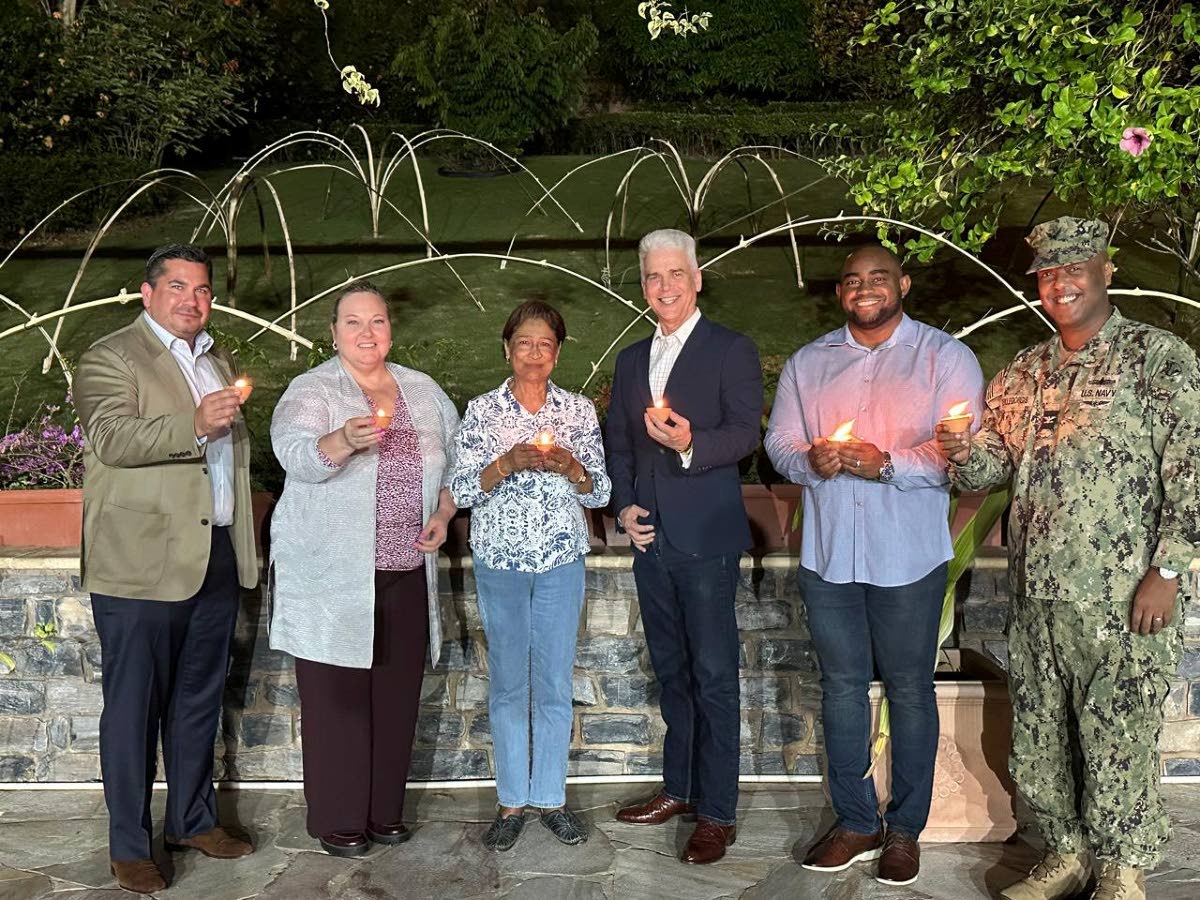
The government of Trinidad and Tobago (TT) has publicly diverged from Caricom’s collective stance on maintaining the Caribbean as a zone of peace, opting instead to support the United States’ military intervention in the region. This decision, announced on October 19, follows Caricom’s October 18 statement reaffirming the principle of regional peace, which noted TT’s reservation on the matter. The Caricom statement emphasized dialogue and international cooperation to combat narco-trafficking and illegal arms trade, while TT’s government expressed unwavering support for US-led operations aimed at curbing transnational crime. Prime Minister Kamla Persad-Bissessar has consistently endorsed US military presence in the southern Caribbean, citing the threat posed by criminal organizations. International relations experts have criticized TT’s stance, with some describing it as a setback for Caricom’s integration efforts. Meanwhile, the US has intensified its anti-narcotics operations, recently targeting a vessel allegedly linked to Colombia’s National Liberation Army (ELN), a group classified as a terrorist organization. The incident has raised concerns about regional stability and the potential for collateral damage in the ongoing US-Venezuela tensions.
-
Police have ‘no additional information’ on US threat
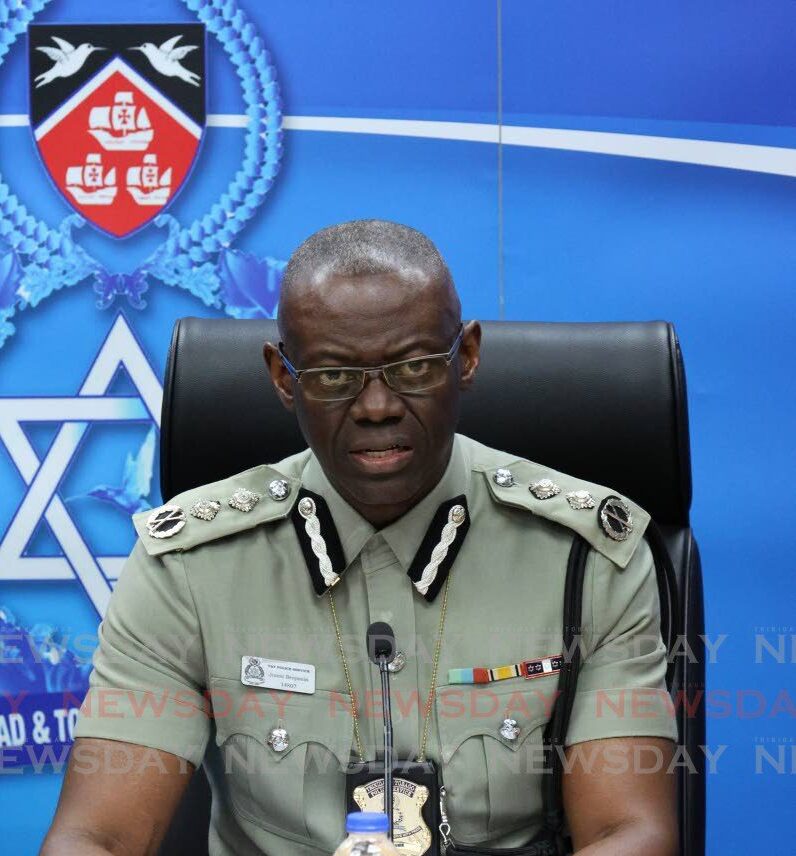
Acting Police Commissioner Junior Benjamin has reassured the public that there is no immediate threat to Trinidad and Tobago (TT) following a security alert issued by the US Embassy. The embassy advised US nationals to avoid visiting US government facilities in TT during the Divali holiday weekend, citing a heightened state of alert. However, Benjamin emphasized that local intelligence does not indicate any specific danger to citizens or critical infrastructure. He stated that while the Trinidad and Tobago Police Service (TTPS) lacks additional information beyond what is publicly available, they have implemented proactive security measures to ensure safety. These measures include increased vigilance at police stations and regular checks on essential services such as the TT Electricity Commission (TTEC) and the Water and Sewerage Authority (WASA). Benjamin urged the public to remain calm, noting that there is no evidence of unusual activity within TT. Meanwhile, Finance Minister Dave Tancoo criticized the spread of misinformation on social media, particularly a false claim about a security alert at the Central Bank of TT. He dismissed the message as fake news and accused certain ‘news sources’ of inciting panic. Tancoo emphasized that any US actions toward Venezuela would be highly confidential and unlikely to be disclosed to local media. He encouraged the public to rely on credible sources for accurate information.
-
In search of role models
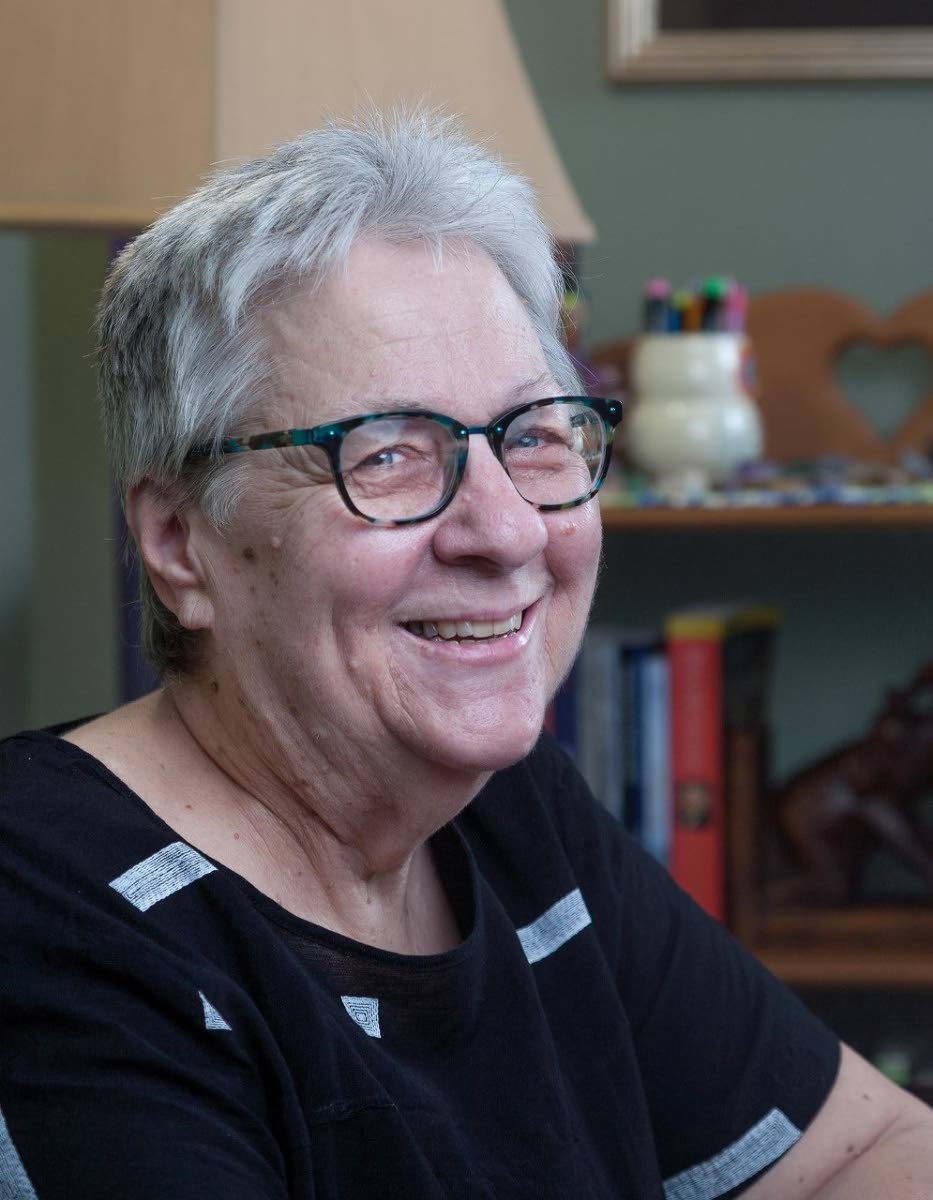
Sixty years ago, at the age of 12, Debbie Jacob found solace in the life of Jane Goodall, the English-born primatologist, whose journey mirrored her own isolated upbringing on a remote Ohio dairy farm. Surrounded by cows, dogs, and horses, Jacob’s father named each of his 56 dairy cows, fostering a deep connection with animals that paralleled Goodall’s groundbreaking work with chimpanzees in Africa. Goodall’s unconventional approach—naming the chimpanzees she studied and observing their tool-making abilities—challenged scientific norms and redefined humanity’s understanding of animals. This shared reverence for animals inspired Jacob to spend 14 years researching and writing about police dogs, a testament to the profound influence of role models. Role models, Jacob argues, provide purpose, build confidence, and validate life choices. They remind us to be resilient and relevant, qualities exemplified by Goodall, who reinvented herself in her later years as an animal activist and environmentalist. Goodall’s tireless efforts to protect the planet for both humans and animals left an indelible legacy of hope and ecological awareness. Her message remains clear: we share this planet with animals and must work together to preserve it. Goodall’s journey also highlights the importance of curiosity and ambition over formal qualifications. Discovered by archaeologist Louis Leakey, who saw potential in her despite her lack of expertise, Goodall became the first person to observe chimpanzees in the wild. This belief in untapped potential shaped Jacob’s career, allowing her to excel in diverse fields without formal training. However, Jacob laments the modern world’s reluctance to take chances on individuals driven by heart and ambition. In an era dominated by systems and curricula, the qualities once valued in role models—honesty, diligence, trust, and risk-taking—are increasingly overlooked. Yet, the need for role models remains urgent, as the world grapples with a lack of positive guidance. Jane Goodall’s legacy serves as a reminder of the transformative power of role models and the enduring importance of curiosity, resilience, and reinvention.
-
My problems with MAID
During a dinner conversation with friends, the topic of Medical Assistance in Dying (MAID) surfaced, sparking a profound discussion on the ethical, medical, and societal implications of this controversial practice. My friends, echoing the sentiments of advocacy groups like Dying with Dignity Canada, argued that MAID is fundamentally a human rights issue—every individual deserves the freedom to choose a dignified death. However, as a practicing geriatrician, I found their perspectives overly simplistic and detached from the nuanced realities of end-of-life care. Having spent years in palliative care, I’ve witnessed the profound complexities of predicting death and understanding the wishes of those nearing the end of their lives. My friends’ black-and-white view of MAID suggested a lack of firsthand experience with the dying process. When asked if I would ever perform MAID, I responded with a resolute no. The act of intentionally delivering a lethal dose contradicts the very essence of why I entered medicine—to heal and comfort, not to hasten death. One friend argued that individuals with mental health issues should have the right to end their lives with dignity, especially as Canada plans to expand MAID eligibility to include those suffering solely from mental illness by 2027. Yet, I questioned how one could differentiate between suicidal ideation and a genuine desire for a dignified death. Another friend expressed a desire for MAID if they were to develop dementia, but I countered that such decisions are often made without truly understanding the lived experience of dementia. What troubled me most was their ideological framing of MAID as a human rights issue, devoid of the medical uncertainties inherent in such decisions. Medicine thrives on uncertainty, and reducing MAID to a slogan undermines its complexity. Furthermore, the term ‘medical assistance in dying’ is misleading. MAID is not about assisting the dying process but about facilitating death—a distinction that carries significant ethical weight. Palliative care, which focuses on comfort and natural death, is fundamentally different from MAID, which actively hastens death. The lack of robust social supports and palliative care access in Canada raises questions about whether legalized MAID is a medical solution or a Darwinian ideology in disguise. As a physician, I believe our focus should be on improving palliative care and supporting vulnerable individuals rather than prematurely embracing assisted death.