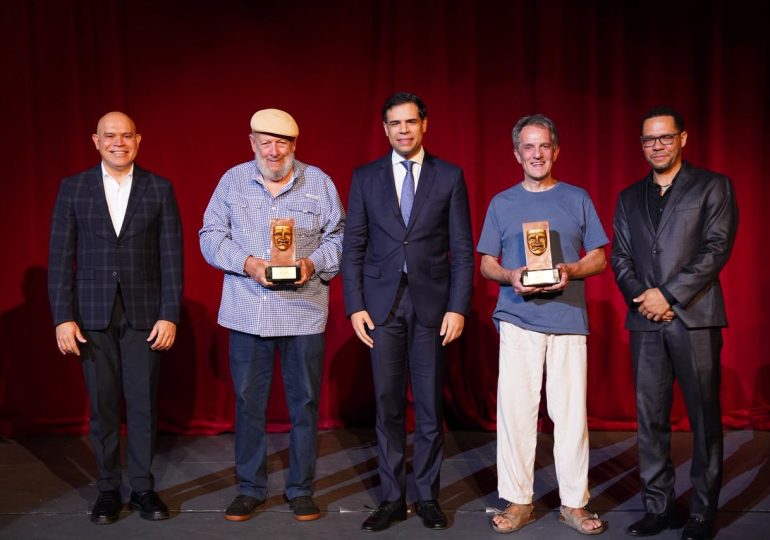
The Dominican Republic has officially launched the XII International Theater Festival 2025 (FITE RD 2025) in a grand ceremony held at the Palacio de Bellas Artes in Santo Domingo. The event, inaugurated by Culture Minister Roberto Ángel Salcedo, marks the start of a ten-day celebration of theater across the nation. This year’s festival, themed ‘El teatro somos todos’ (‘We Are All Theater’), runs from October 19 to 30 and spans multiple provinces, showcasing the government’s dedication to cultural accessibility and decentralization. Spain has been named the guest country, with the renowned Teatro Corsario serving as the festival’s guest of honor. The opening ceremony also paid homage to theater artists who passed away this year and honored cultural promoter Freddy Ginebra, founder of Casa de Teatro, for his significant contributions to the arts. Vice Minister Amaury Sánchez highlighted the festival’s role in fostering cultural equity and expanding access to the performing arts. FITE RD 2025 will feature 75 performances by 15 international companies from Latin America and Europe, 17 Dominican groups, and four state ensembles, alongside artists from the Dominican diaspora in the United States. Tickets, priced at RD$200, are available at the Teatro Nacional, reflecting efforts to make theater more inclusive. The festival commenced with Teatro Corsario’s rendition of ‘El alcalde de Zalamea,’ a masterpiece from Spain’s Golden Age.
作者: admin
-
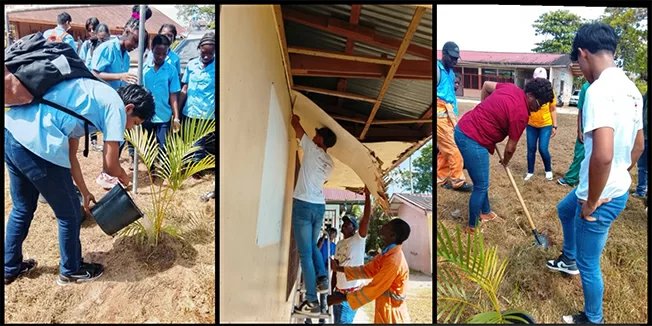
Diaspora Homecoming Summit gestart met boomplanting en investeringen in jeugd
The Diaspora Homecoming Summit Suriname commenced on Saturday in Paranam, marking a significant step towards fostering growth, hope, and sustainable collaboration between the diaspora and local communities. Held at the G.A. Kortschool in La Vigilantia, the event was inaugurated with the symbolic planting of a tree by the Diaspora Institute Netherlands (DIN) and the Diaspora Institute Suriname (DIS), alongside local partners. This gesture underscores the project’s commitment to youth empowerment and community development in Paranam. The initiative’s first phase includes the renovation of a classroom equipped with modern educational tools such as computers, school supplies, and a smartboard. Additionally, two students have been awarded full scholarships for four years, while an exchange program with a school in the Netherlands aims to provide international learning experiences. A second pillar of the project focuses on nutrition and agriculture. Through microcredits, local farmers are supported in cultivating papaya, cassava, and soeptayer, with the harvest used to provide students with nutritious soup and fresh fruit weekly, and eventually daily. The initiative also aims to establish a sustainable processing chain, including a pulp machine and freezing facilities, to ensure year-round access to healthy food. Organizers envision the Paranam model as a blueprint for other communities across the country, emphasizing that what begins with one tree, one classroom, and two students can grow into a movement that benefits generations to come.
-

Creole rhythms and global dreams: Boo, Sly call for cultural sound revolution
The celebration of Creole Month in Saint Lucia is deeply intertwined with its vibrant music scene. The harmonious blend of melodious voices, rhythmic drums, and resonant stringed instruments creates an atmosphere that is distinctly Saint Lucian, unparalleled anywhere else in the world. However, the question arises: should these unique sounds be confined to just one day or month of celebration? Is there potential to expand the influence of Creole music beyond the annual Jounen Kwéyòl festivities? These were the central questions posed to two renowned music practitioners, Ronald ‘Boo’ Hinkson and Sly, during a recent interview with St. Lucia Times. Hinkson, a leading jazz musician in Saint Lucia, advocates for integrating Kwéyòl sounds into more sophisticated and globally appealing formats. He has personally embraced this approach by infusing Creole rhythms and melodies into his jazz compositions, resulting in a sound that is both unique and distinctly Saint Lucian. Hinkson emphasized the importance of maintaining this cultural identity, stating, ‘It’s not just important in today’s age, it’s always been important because it’s our identity. It is what makes us unique, is what is indigenous to us, it is what makes us who we are and for that reason, I believe we must never disconnect from it.’ He further highlighted the need for deliberate efforts to incorporate indigenous rhythms into contemporary music, suggesting that this could elevate Saint Lucian music to international acclaim, much like Reggae has for Jamaica or Bouyon for Dominica. Hinkson also pointed out that Saint Lucian rhythms are already influencing other cultures, citing the hit soca single ‘The Greatest Bend Over’ by Yung Bredda as an example. Sly, another prominent musician, underscored the profound impact of Creole musical instruments on Saint Lucian culture, particularly the tambo, which he described as ‘second to none.’ He called for greater creativity in integrating traditional instruments like the banjo into modern music, suggesting that this could bridge the gap between traditional and contemporary sounds. As Saint Lucia continues to export its culture on the global stage, music remains a dynamic and essential part of its national identity, transcending the island’s 238 square miles and resonating with audiences worldwide.
-

VIDEO: Most government vehicles with ‘A’ plates to be recalled and given ‘G’ plates
Vehicle Shipped to Dominica an A.i creation
-
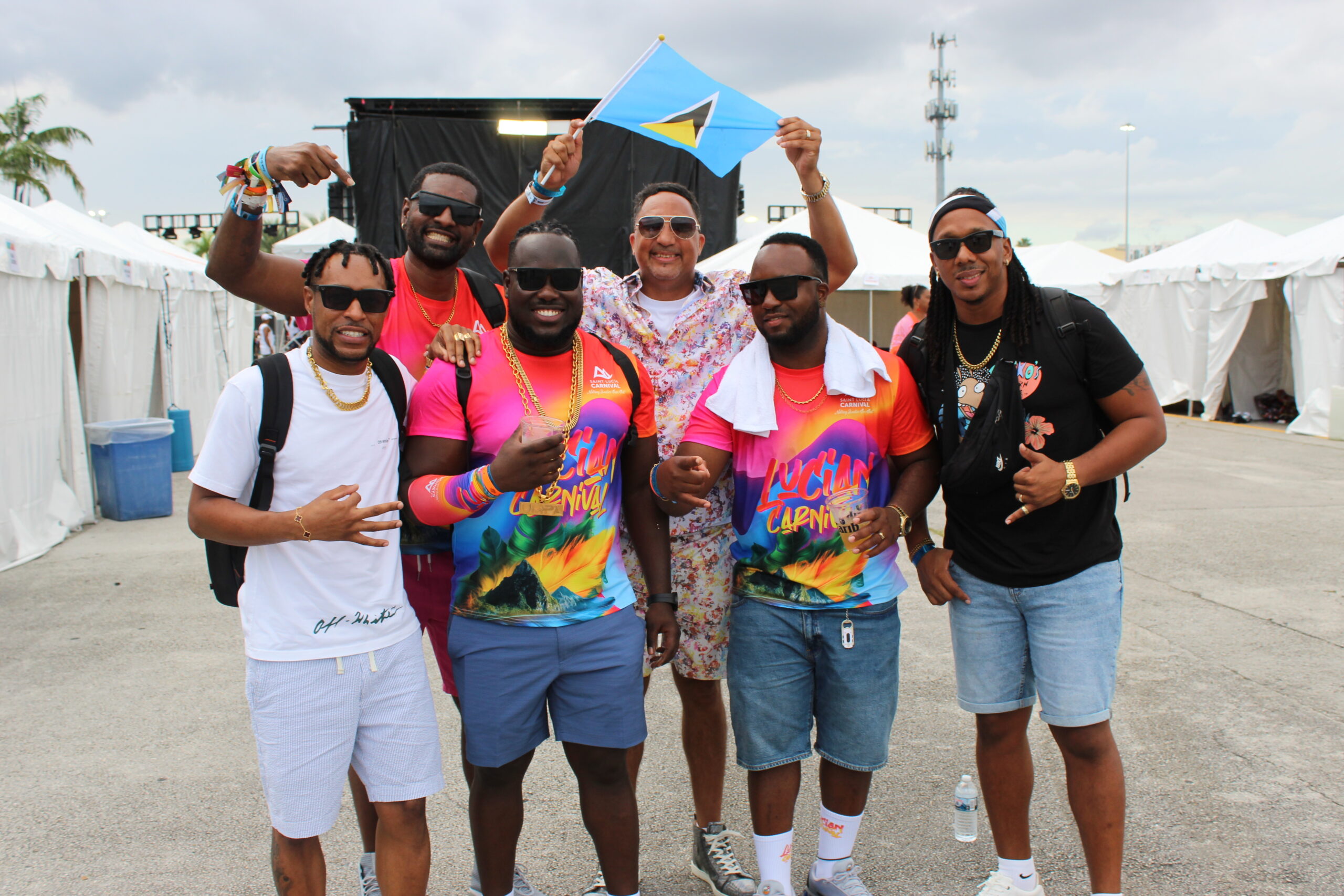
Lucian Carnival turns heads, moves feet in Miami
The Saint Lucia Tourism Authority (SLTA) unveiled the Lucian Carnival 2026 on the global stage during Miami’s Carnival celebrations last week. Held in Miami, Florida, the event marked a strategic effort to elevate the Lucian Carnival brand by showcasing the vibrant Dennery Segment, a musical genre deeply rooted in Saint Lucian culture. The genre, characterized by its fusion of English and Kwéyòl lyrics, has become synonymous with the island’s Carnival energy and cultural identity.
Three renowned Dennery Segment artists—DJ Sir Lancealot, Umpa, Blackboy, and Mighty—delivered electrifying performances that captivated the audience. Lancealot, credited with coining the term Dennery Segment, alongside Umpa, Blackboy, and Mighty, brought the infectious rhythms of Saint Lucia to life. Their performances not only thrilled the crowd but also highlighted the genre’s growing influence on regional and international Carnival scenes.
Geraine Georges, SLTA’s public relations manager, emphasized the strategic shift in promoting Lucian Carnival through its authentic music. “We recognize how the music has grown and how it excites regional and international carnivals,” Georges told St. Lucia Times. “What better way to showcase Lucian Carnival, which has grown tremendously, than through music that is authentically Saint Lucian?”
The event, attended by travel partners, media, and influencers, also featured Saint Lucian dancers demonstrating signature moves to the pulsating beats. The celebration continued at No Borders, an event showcasing Caribbean Soca artists, further amplifying the island’s cultural presence.
The culmination of Saint Lucia’s Miami Carnival participation was the Parade of Bands and mega concert on October 12 at the Miami-Dade County Fairgrounds. Umpa, Mighty, and Blackboy, backed by Lancealot and supported by Barry Hype, set the stage ablaze, with Saint Lucians in the crowd cheering passionately. Saint Lucia’s 2024 Groovy Monarch Nerdy and Arthur Allain, both veterans of past Lucian Carnival launches, also performed, adding to the event’s grandeur.
Brand Saint Lucia and Lucian Carnival were prominently featured on Revel Nation’s truck during the parade, further solidifying the island’s presence. The SLTA team, including Consul General Darrel Montrope and Director of Global Marketing Dexter Percil, fielded numerous inquiries about Saint Lucia and its Carnival, which were met with widespread recognition and enthusiasm.
Carnival enthusiasts from around the world expressed their admiration for Lucian Carnival, with many pledging to attend or return in the future. The event not only celebrated Saint Lucian culture but also positioned Lucian Carnival as a must-experience global phenomenon.
-
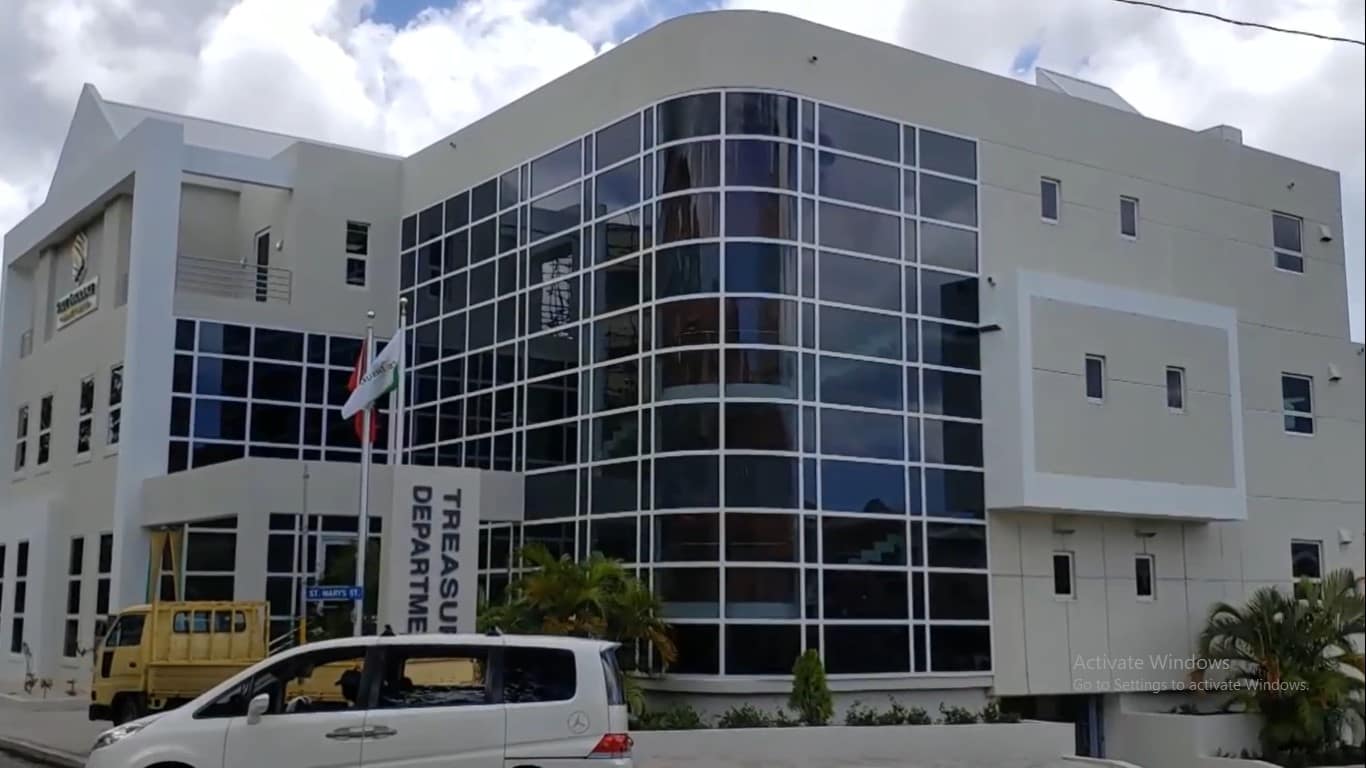
VIDEO: PM Says Some Treasury Staff Paid by Big Business to Fast-Track Large Payments, While Poor People Wait Years
In a startling revelation during his weekly radio address, Prime Minister Gaston Browne of Antigua and Barbuda has accused certain Treasury employees of accepting bribes from influential business figures to expedite large government payments. This alleged corruption has reportedly left smaller local suppliers and contractors waiting for years to receive their dues, while larger entities enjoy swift disbursements. Browne emphasized the inequity of this practice, which disproportionately affects small businesses that rely on timely payments to sustain their operations. To combat this issue, the Prime Minister has instructed the Accountant General to halt the issuance of significant payments or check exchanges without prior Cabinet approval. This directive aims to restore fairness and transparency in the government’s financial operations. Browne’s announcement has sparked widespread debate, with many calling for a thorough investigation into the allegations. The Prime Minister’s commitment to addressing these systemic issues highlights his administration’s focus on combating corruption and supporting local enterprises.
-
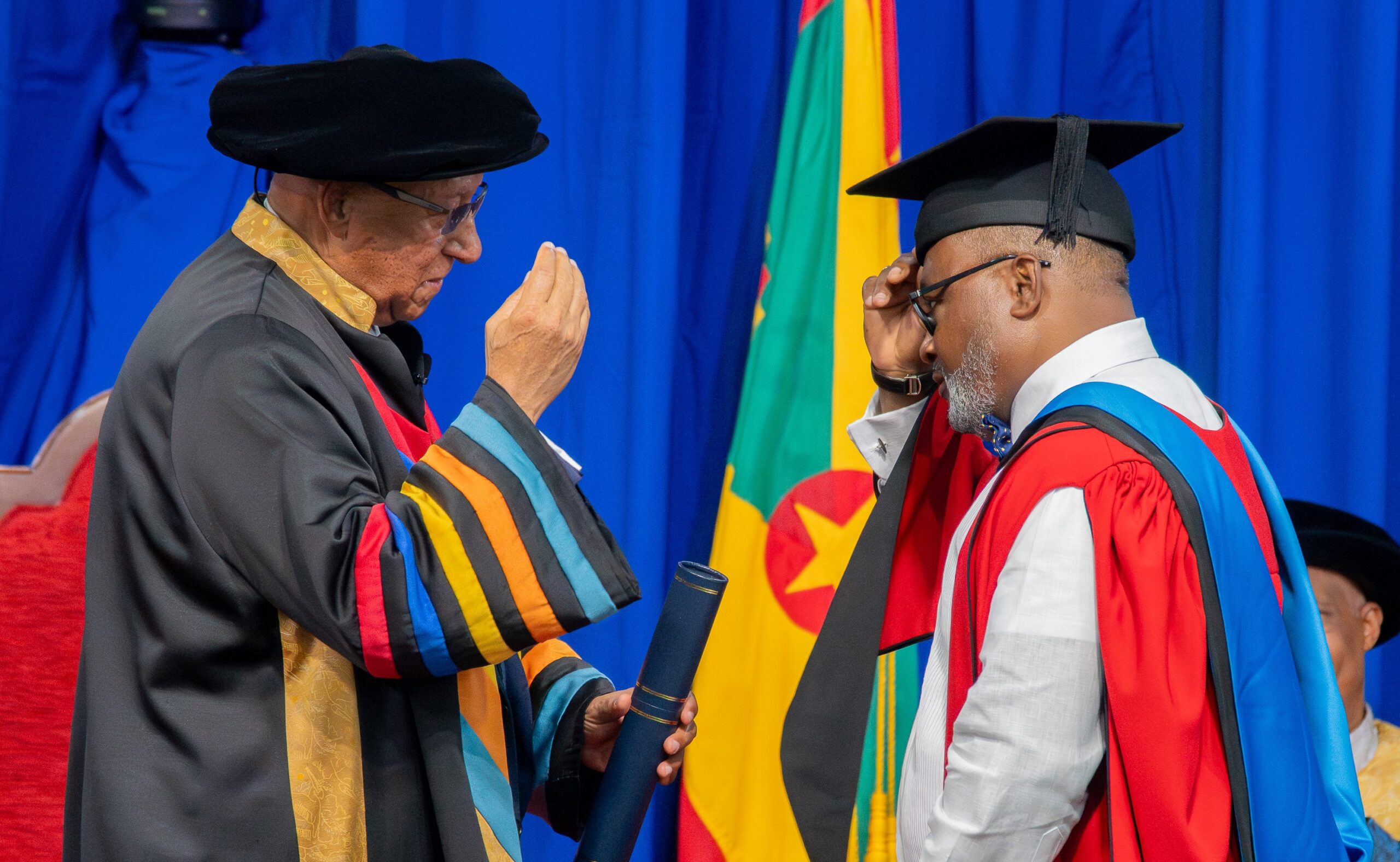
Rain fails to dampen UWI Cave Hill celebration of academic excellence
The University of the West Indies (UWI), Cave Hill campus, celebrated its 2025 graduating cohort on Saturday with a powerful message of connection and bridge-building. The dual ceremonies, held under the theme ‘Pelicans in an AI-driven Future – Where Tradition Meets Tomorrow,’ emphasized the importance of uniting purpose, action, and impact across the Caribbean and beyond. Despite a brief disruption caused by heavy rain, the events proceeded with a sense of solemnity and celebration, culminating in the conferral of awards at the Roy Marshall Complex. The highlight of the evening was the inspiring keynote address by honorary graduate Lyndon Gardiner, a trailblazing Caribbean aviation entrepreneur awarded the Honorary Doctorate of Laws. Gardiner urged graduates to leverage their education to build not just systems but societies, emphasizing that vision is key to creating lasting change. Valedictorian Shawnalee Gordon, who graduated with first-class honours in economics and finance, echoed this sentiment, reflecting on the challenges faced by regional students and the sacrifices behind academic success. She reminded her peers that their place at UWI was earned through courage and consistency, calling on them to use their education to contribute meaningfully to the social, economic, and environmental well-being of the Caribbean. The ceremonies underscored the transformative power of education and the responsibility it carries to shape a better future.
-

Saint Lucian boxing delegation heads to Guadeloupe
A formidable delegation of six boxers and two coaches from Saint Lucia is gearing up to compete at the 1st Annual Open International Boxing Tournament in Guadeloupe, scheduled for October 25-26, 2025. The Saint Lucia Boxing Association (SLBA) has announced the eight-member team, which includes some of the nation’s most promising emerging and elite talents, ready to make their mark on the international stage. The event, which will host participants from across the Caribbean and Canada, offers a unique opportunity for Saint Lucia’s athletes to gain exposure, experience, and developmental growth. The delegation features boxers Kyghan Mortley, John Didier, Kyle Marcel, Danail Cooman, Nacham Alex, and Orlando Monrose, supported by National Head Coach Conrad Frederick and Cuban Specialist Coach Yunior Quintero-Perez. David Christopher, president of the SLBA, expressed optimism about the team’s preparedness, emphasizing that the tournament is a stepping stone for future competitions such as the Commonwealth Games and Olympic qualifiers. The team will depart Saint Lucia on October 21, following final training and fitness assessments. The SLBA also acknowledged the invaluable support of sponsors, including the Saint Lucia Olympic Committee Inc. and the French Embassy to the OECS, for facilitating this international endeavor.
-
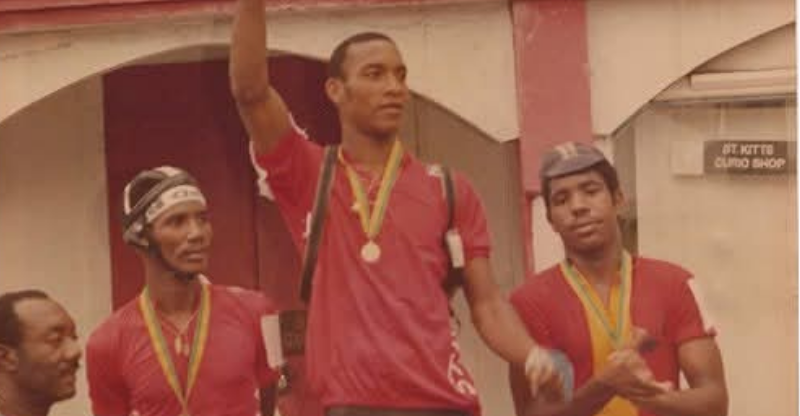
Cycling star Jean Louis dead at 66
The cycling community in Saint Lucia and beyond is mourning the tragic loss of Jean Louis, a revered figure in Caribbean cycling, who passed away on October 17 at the age of 66. Louis, a former champion cyclist, died in a tragic accident while riding his bicycle in Burlington, Ontario, Canada. He was struck by a vehicle and pronounced dead at the scene. Louis’s legacy extends far beyond his competitive achievements, as he was widely celebrated for his mentorship and unwavering support for younger cyclists. Born in the Anse La Salopwe community of La Toc, Louis rose to prominence in the 1980s, winning numerous titles, including the inaugural Organisation of Eastern Caribbean States Cycling Championships men’s title in 1987. His brother, Daniel Louis, who was named Saint Lucia’s Sportsman of the Year in 1985, credited Jean with introducing him to the sport. Jean Louis was known for his sportsmanship and dedication to fostering talent, often providing equipment and guidance to aspiring cyclists. Even after relocating to Canada, he remained deeply involved in the sport, participating in national championships as recently as 2023 and 2024 to support the next generation. Tributes poured in from cycling administrators, fans, and former athletes, including Saint Lucia Cycling Association president Cyril Mangal, who described Louis as a father figure and a pillar of the cycling community. Gregory Downie, a former cyclist, paid homage to Louis on Facebook, acknowledging the risks of road cycling and honoring his enduring legacy as a pioneer and champion. Louis’s contributions to Caribbean cycling will continue to inspire future generations.
-

Saint Lucian turns passion into purpose teaching Kwéyòl to a new generation
Centuries ago, on the plantations of colonial Saint Lucia, a unique language emerged from the fusion of French, African, and English influences. This language, Kwéyòl, became a symbol of resistance, rhythm, and resilience for the island’s people. For generations, it thrived in homes, markets, and hillsides, passed down orally but rarely written. Over time, English dominated public spaces, relegating Kwéyòl to informal use, often seen as less prestigious. However, in a wave of cultural revival, Kwéyòl is experiencing a resurgence, particularly among the younger generation, who are reclaiming it as a source of pride and identity. Leading this movement is Sylvie Soir Kwéyòl Smith, a Saint Lucian author and Creole enthusiast. Smith’s passion for Kwéyòl stems from her childhood immersion in the language, but it was her time abroad that deepened her commitment to preserving it. She realized that many people, even Saint Lucians, lacked understanding of Kwéyòl’s roots and significance. Determined to bridge this gap, Smith began sharing her knowledge on social media, starting with simple tweets in Creole. Her posts quickly gained traction, revealing a widespread desire to learn and write the language. This digital outreach evolved into a global movement, inspiring Smith to create *The Kwéyòl Phrase Book*, a practical guide for everyday use. The book has been met with overwhelming enthusiasm, helping locals and the diaspora reconnect with their heritage. Despite lingering misconceptions about Kwéyòl’s value, Smith remains dedicated to changing perceptions and fostering unity through language preservation. For her, Kwéyòl is more than a linguistic artifact—it’s a reflection of Saint Lucia’s shared history and a vital part of its identity.