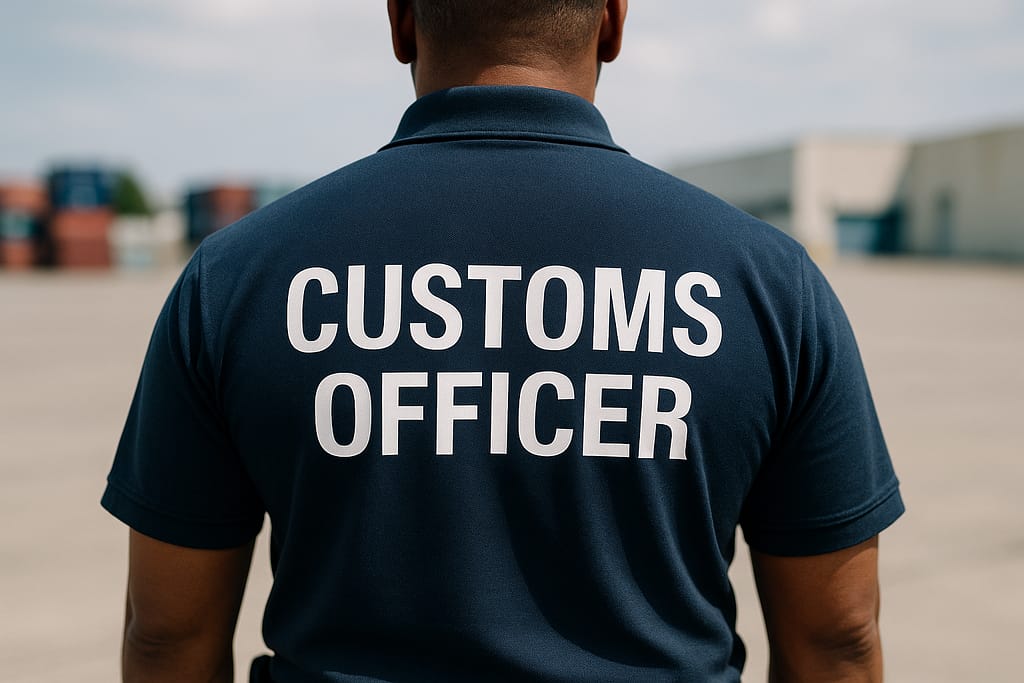
In a groundbreaking move to enhance border security and public involvement, the government has announced a $1 million allocation to empower private citizens to conduct customs spot checks. This initiative aims to bolster the efficiency and transparency of customs operations by leveraging community participation. The program will train selected individuals to identify and report suspicious activities at border checkpoints, ensuring a collaborative approach to national security. Officials believe this strategy will not only deter illegal activities but also foster a sense of shared responsibility among citizens. The funding will cover training, equipment, and operational costs, with detailed guidelines to be released soon. This innovative measure reflects the government’s commitment to modernizing security protocols and engaging the public in safeguarding national interests.
作者: admin
-
VIDEO: Long-serving heads of Statutory Authorities To Be Rotated, PM Warns
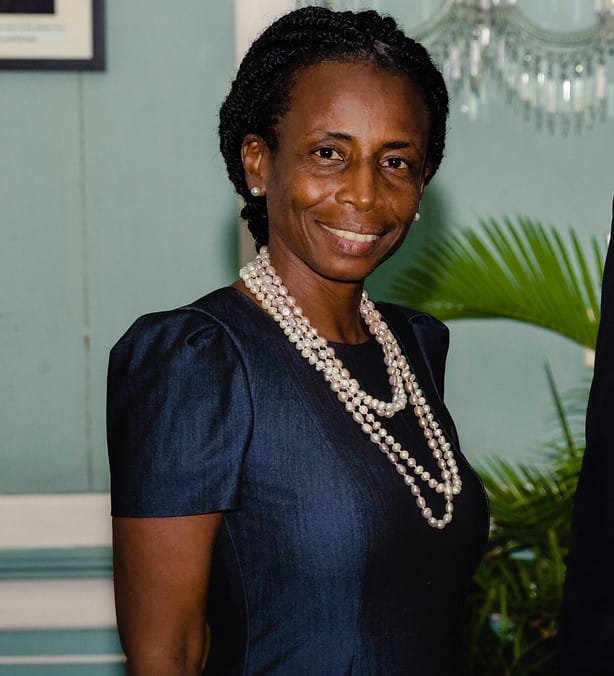
In a significant move aimed at fostering dynamic leadership, the Prime Minister has called for the rotation of long-serving statutory heads across various government bodies. Among those highlighted for potential reassignment is Mrs. Martin, a prominent figure within the National Parks Authority. The Prime Minister emphasized the necessity of fresh perspectives and innovative approaches in public administration, stating, ‘Martin must be moved too.’ This initiative is part of a broader strategy to rejuvenate leadership structures and ensure that public institutions remain responsive to contemporary challenges. The announcement has sparked widespread discussion, with many viewing it as a pivotal step towards modernizing governance and enhancing institutional efficiency.
-
VIDEO: PM Puts Port Manager on Notice
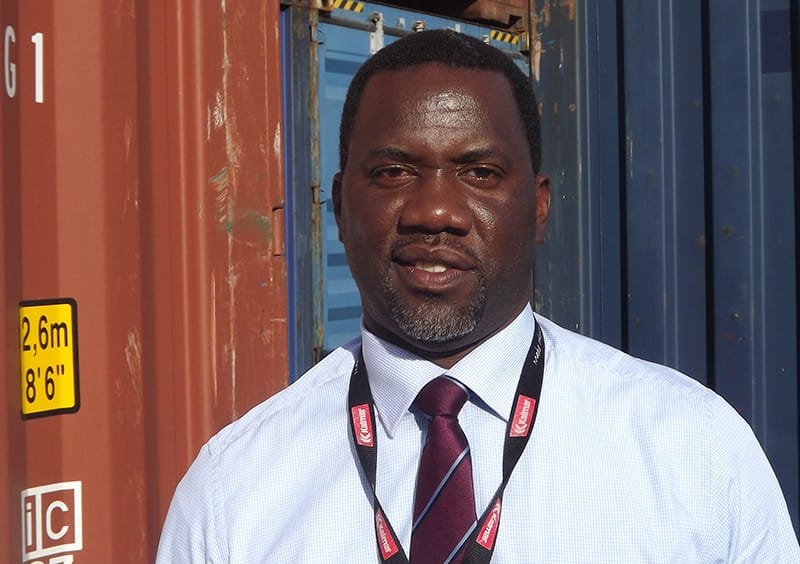
Prime Minister Gaston Browne of Antigua and Barbuda has issued a stark warning to Darwin Telemaque, the Manager of the Antigua and Barbuda Port Authority, regarding alleged customs irregularities. During his weekly radio address on Saturday, Browne revealed that he had received reports of containers leaving the port without the full payment of required duties. While the Prime Minister emphasized that there is currently no concrete evidence directly implicating Telemaque, he made it clear that any substantiated proof of misconduct would result in immediate termination. Browne’s statement underscores the government’s commitment to enforcing strict compliance with customs regulations and maintaining transparency in port operations. The warning comes amid heightened scrutiny of the port’s management practices, as the government seeks to curb potential revenue losses and ensure accountability. Telemaque, who has not yet publicly responded to the allegations, now faces increased pressure to demonstrate adherence to protocols. This development highlights the ongoing efforts by the Browne administration to address governance challenges and strengthen public trust in key institutions.
-
Directoraat Cultuur en AJLA Frans-Guyana tekenen intentieverklaring
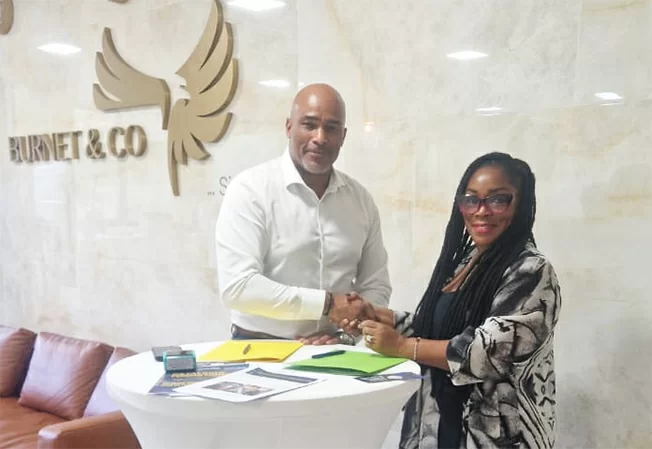
In a landmark move to foster cultural and community development, Roseline Daan, Cultural Director, and Patrick Burnet, President of the NGO Young Leaders in Action (AJLA), have announced a collaborative initiative in Cayenne, the capital of French Guyana. The partnership, formalized through a Memorandum of Understanding (MoU), aims to unite government ministries, non-governmental organizations, and the private sector in a series of impactful activities. These include promoting traditional culinary practices, organizing art and educational programs, mobilizing families and schools for community engagement, and sharing resources for project execution. Additionally, the collaboration will focus on cross-border environmental efforts, such as cleaning the Marowijne River and establishing a training center in Albina and Saint-Laurent for knowledge exchange. Burnet emphasized, ‘The Marowijne River is not a border; it is a bridge. By uniting the strengths of both sides, we are sowing the seeds for a future-oriented human, cultural, and economic partnership.’ The MoU is initially valid for two years, with the possibility of extension. Daan highlighted that while the agreement provides a framework for cooperation, it does not impose legally binding obligations. ‘We are neighbors, and it is crucial to strengthen bilateral relations at all levels,’ she stated.
-
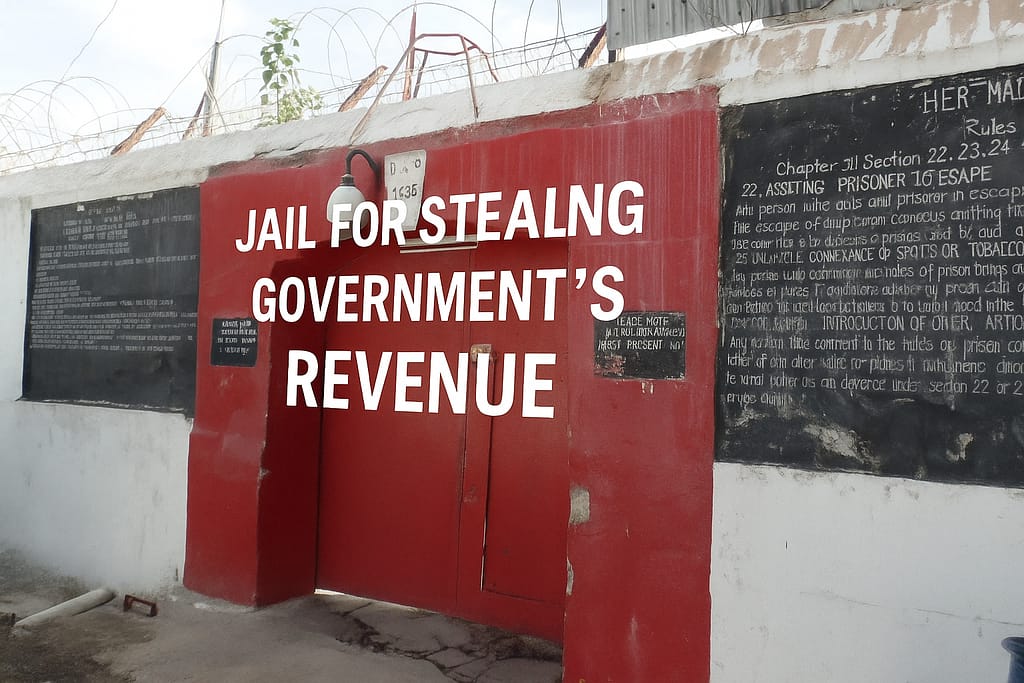
VIDEO: After restitution is paid, people will go to jail for stealing government’s revenue, PM Says
After restitution is paid, people will go to jail for stealing government’s revenue, PM Says
-

LETTER: The route to innovative solutions
The Caribbean stands at a pivotal juncture, where innovation is not merely an option but a necessity for building a stronger, safer, and more prosperous future. The region must break free from outdated models and embrace transformative thinking to chart a bold new path. Innovation, defined as the practical application of novel ideas, holds the key to unlocking economic, social, and functional value. It requires a shift from traditional silos to interdisciplinary collaboration, fostering synergy across sectors and islands.
-
The UWI presents Vice-Chancellor’s Forum on Free Movement in the Caribbean
The University of the West Indies (UWI) is set to host a pivotal Vice-Chancellor’s Forum on October 21, focusing on one of the Caribbean’s most pressing issues: the free movement of CARICOM nationals. Titled ‘Promises, Passports, and Possibilities: Free Movement, the CSME, and the Caribbean Regionalisation Project,’ the event will delve into the aspirations of the Caribbean Single Market and Economy (CSME) for seamless mobility across the region. The Forum will be globally accessible via UWI TV, providing a platform for scholars, policymakers, and industry experts to engage in constructive dialogue. Despite the provisions of Articles 45 and 46 of the Revised Treaty of Chaguaramas (RTC), which aim to facilitate unrestricted movement for leisure and employment, challenges such as immigration checks persist, hindering the vision of a unified Caribbean. The discussions will explore proposals to amend the RTC and the 2025 Protocol of Enhanced Cooperation, aiming for deeper regional integration. Countries like Barbados, Belize, Dominica, and St. Vincent and the Grenadines are actively pursuing the goals of the CSME, making this Forum crucial for transforming promises into reality. Chaired by Professor Canute Thompson, Pro Vice-Chancellor for Undergraduate Studies, and featuring remarks from UWI Vice-Chancellor Professor Sir Hilary Beckles, the event will include perspectives from prominent figures such as Dr. Ralph Gonsalves, Prime Minister of St. Vincent and the Grenadines, and Dr. Indira Rampersad, Head of the Political Science Department at UWI St. Augustine Campus. UWI TV will broadcast the Forum live, allowing global participation in the discussion. Tune in at www.uwitvglobal and www.facebook.com/uwitv to watch the expert discussions and engage in a question-and-answer session.
-
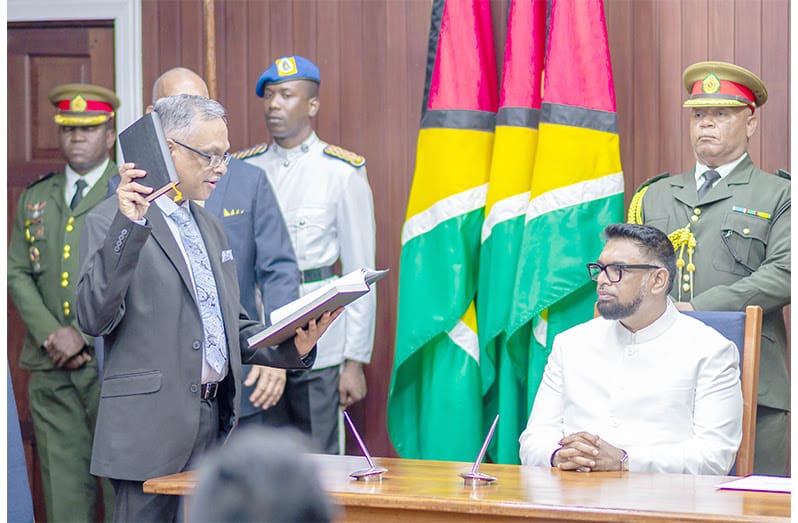
Justice Arif Bulkan Sworn In as Fourth President of the Caribbean Court of Justice
In a historic ceremony held on October 16, 2025, at the Office of the President of Guyana, the Honourable Mr Justice Arif Bulkan was officially sworn in as a Judge of the Caribbean Court of Justice (CCJ). The event, presided over by His Excellency Dr. Mohamed Irfaan Ali, underscored the significance of the CCJ as a symbol of Caribbean sovereignty and justice. President Ali lauded Justice Bulkan’s appointment, emphasizing that the CCJ represents justice rooted in Caribbean values rather than distant colonial influences. He described Justice Bulkan as a ‘man of intellect’ and expressed confidence in his ability to bring clarity, depth, and balance to the Court. President Ali also urged CARICOM member states to fully embrace the CCJ, calling it a crucial step toward realizing the region’s independence. The CCJ President, Justice Winston Anderson, welcomed Justice Bulkan, highlighting his distinguished career in human rights advocacy, particularly for indigenous and marginalized communities. Justice Roxane George, Chancellor of the Judiciary, reflected on Justice Bulkan’s academic brilliance and his consistent excellence throughout his career. In his response, Justice Bulkan expressed his deep honor in joining the CCJ, acknowledging its role in decolonization and regional integration. With a career spanning academia, activism, and international law, Justice Bulkan’s appointment marks a significant milestone for the CCJ and the Caribbean region.
-
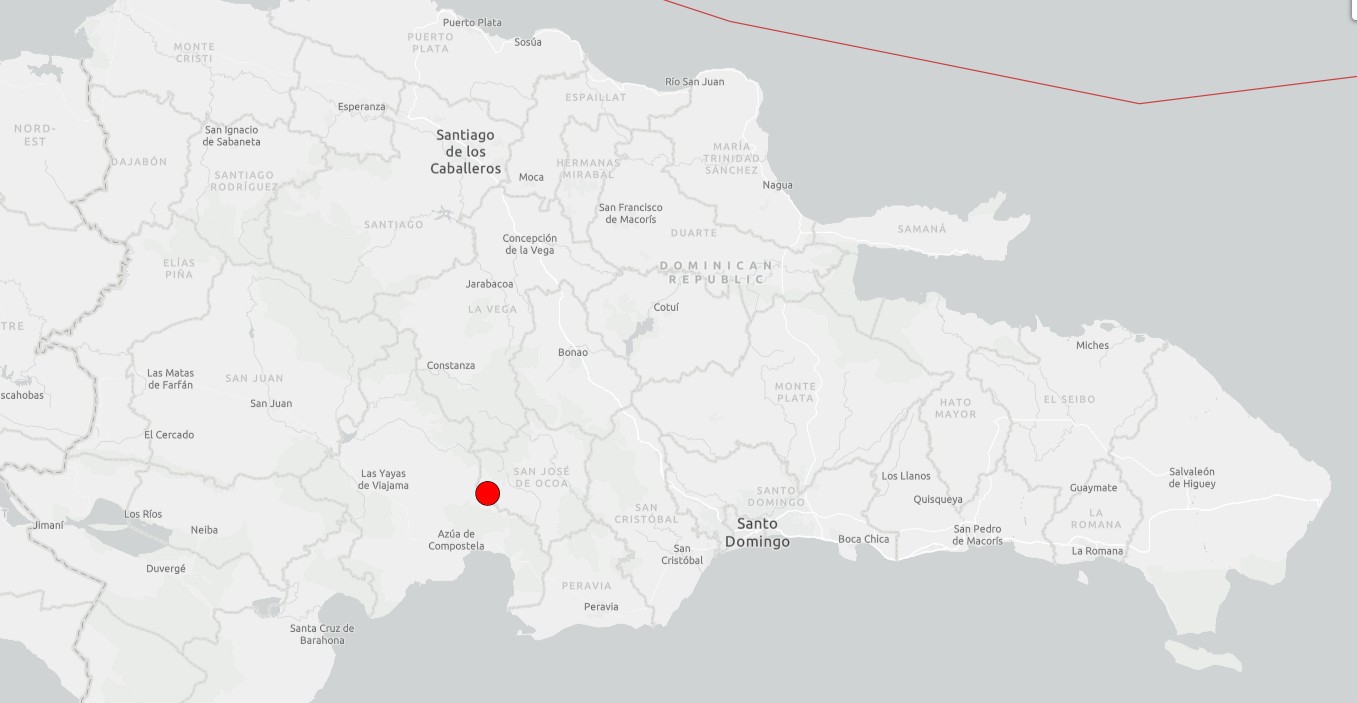
Did you feel it? A 4.5-magnitude tremor hits San José de Ocoa
A moderate earthquake with a magnitude of approximately 4.5 on the Richter scale jolted the Dominican Republic on the afternoon of October 20. The seismic event, which occurred at 3:13 p.m., had its epicenter in the Sabana Larga area of San José de Ocoa. The tremor was widely felt across Greater Santo Domingo, San Cristóbal, and several neighboring provinces. Despite the widespread sensation of shaking, there have been no immediate reports of structural damage or injuries. However, the quake did spark moments of alarm among residents, many of whom took to social media to share their experiences. Local authorities have urged citizens to remain calm and stay informed about any potential aftershocks. The incident serves as a reminder of the region’s vulnerability to seismic activity, prompting calls for enhanced preparedness measures.
-
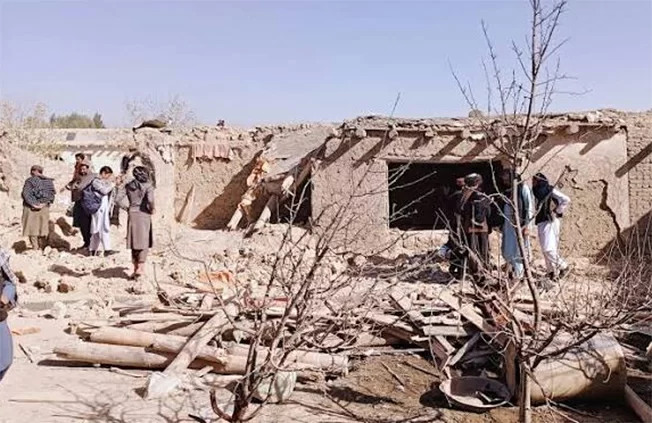
Burgers leven in angst na nieuwe luchtaanvallen in Afghanistan
Recent drone and aerial bombardments in Afghanistan have plunged the nation into heightened tension, with residential neighborhoods and bustling markets becoming primary targets. Reports from Kabul and southern provinces such as Kandahar and Paktika detail significant civilian casualties and extensive property damage. Families have fled en masse, while others remain confined indoors, paralyzed by fear. The Afghan government has accused neighboring Pakistan of orchestrating these attacks, a claim Pakistan vehemently denies, though it acknowledges “military threats along the border.” The ambiguity surrounding the perpetrators has only deepened public anxiety. Witnesses recount that the explosions occurred unexpectedly in densely populated areas, leaving children too terrified to venture outside. Schools have shuttered, and markets operate at reduced capacity. In border villages, residents seek refuge in mosques and basements, bracing for further violence. International mediators have brokered a temporary ceasefire between Afghanistan and Pakistan, but observers caution that the situation remains precarious. Aid organizations struggle to access affected regions, warning of a rapidly worsening humanitarian crisis if the violence persists. For the Afghan populace, feelings of insecurity and helplessness dominate, with the fear of renewed violence permeating daily life. Calls for international protection and political stabilization grow louder as the crisis deepens.