
The longstanding dispute between the Barbados Community College (BCC) and the National Union of Public Workers (NUPW) has been successfully resolved following a series of conciliatory talks facilitated by the Labour Department. The conflict arose when the College appointed an individual to a vacant position, sparking industrial action by over 50 staff members at the Eyrie campus, who demanded the appointment be revoked. Despite three unsuccessful rounds of negotiations, the intervention of the Chief Labour Officer, Allison Elcock, proved pivotal in mediating the dispute. Principal Annette Alleyne announced that both parties reached an agreement in principle during the mediation sessions. Alleyne emphasized the importance of mature discussions, which allowed both sides to understand each other’s perspectives. She also highlighted the College’s commitment to reviewing its processes and strengthening its social partnerships with stakeholders. Alleyne expressed gratitude to the Labour Department and the NUPW for their open and constructive dialogue, stating that the resolution underscores their shared dedication to fostering a positive and supportive working environment. The agreement is anticipated to improve relations between the College and the union and restore stability to the campus after weeks of tension.
作者: admin
-

Cabinet to Implement New Government Vehicle Policy Within 14 Days
The Cabinet of Antigua and Barbuda has unveiled a comprehensive government vehicle policy, set to be implemented within the next 14 days. This initiative aims to strengthen oversight over the use, allocation, and disposal of government-owned vehicles, marking a significant step toward improving fiscal responsibility and transparency.
Maurice Merchant, Director General of Communications, revealed the details during a post-Cabinet briefing on Thursday. He emphasized that the policy is a direct response to findings from a recent audit, which uncovered unauthorized vehicle purchases and mismanagement within the government fleet.
Under the new regulations, government vehicles will be allocated strictly based on official duties, with usage confined to authorized government business. Passengers must also be on official duty unless prior approval is granted or in emergency situations. Additionally, all vehicles must be parked at designated government locations after daily operations. Vehicles deemed unsuitable for use or exceeding five years of service will be disposed of through public auctions, in compliance with state asset disposal laws.
To ensure accountability, an advisory committee will be established to oversee vehicle allocation and usage across ministries and departments. Merchant also confirmed that vehicles purchased without Cabinet authorization will be auctioned to recover public funds. This decision follows an ongoing review by the Financial Secretary, which exposed irregularities in vehicle procurement.
The policy rollout comes on the heels of the government’s recent success in recovering EC$10 million from a dealership involved in unauthorized vehicle transactions. This move underscores the administration’s commitment to addressing financial mismanagement and safeguarding public resources.
By introducing these measures, the government aims to streamline its vehicle fleet, reduce unnecessary expenditures, and foster greater public trust in its operations.
-
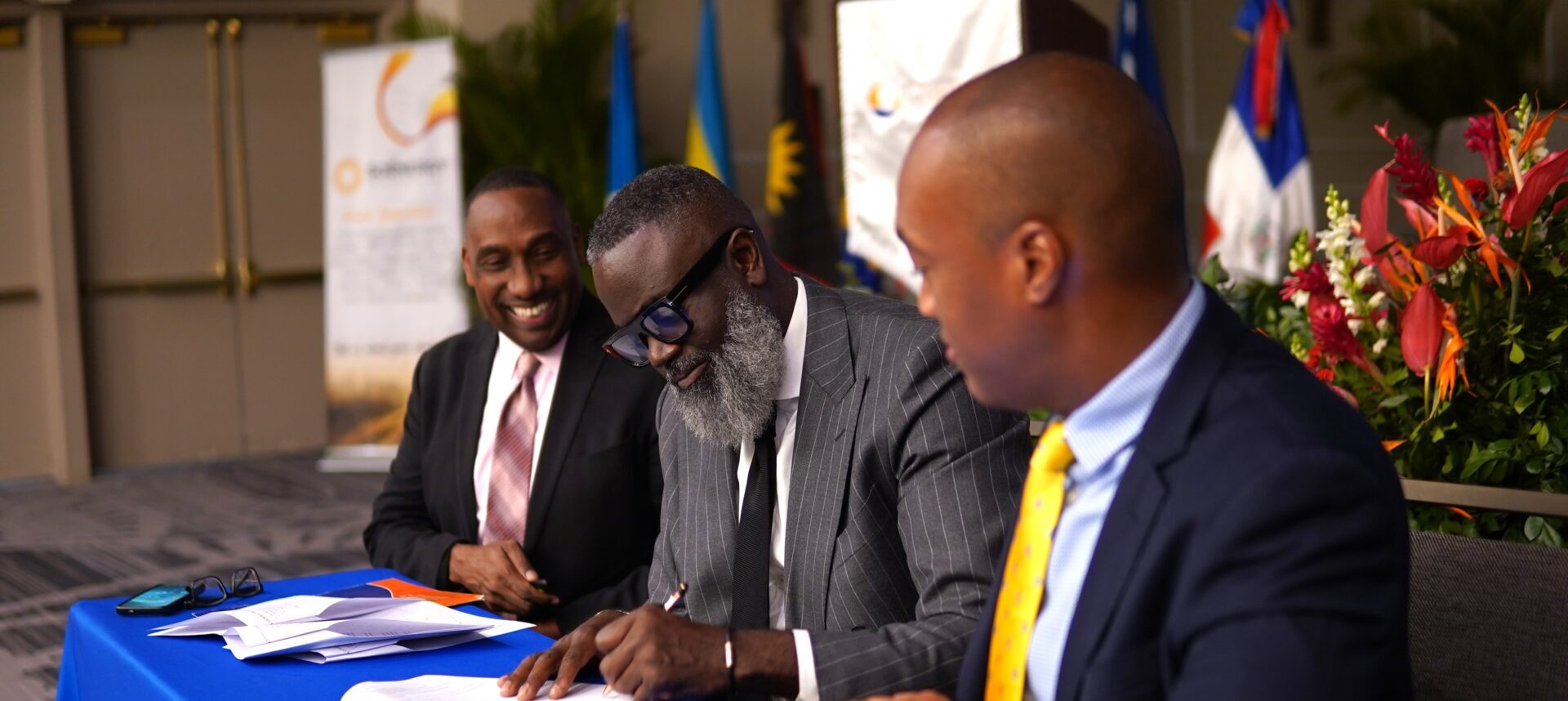
Integration of sustainable energy practices and regional tourism subject of new cross-sector agreement
The Caribbean Electric Utility Services Corporation (CARILEC) and the Caribbean Hotel and Tourism Association (CHTA), alongside its affiliate, the Caribbean Alliance for Sustainable Tourism (CAST), have formalized a groundbreaking Memorandum of Understanding (MOU) aimed at enhancing the Caribbean’s energy and tourism sectors. Signed on October 20, 2025, during the opening of the annual CARILEC Resilient Energy Community (CAREC) Conference and Exhibition in Santo Domingo, Dominican Republic, the agreement seeks to foster collaboration between these critical industries. The partnership focuses on promoting sustainable energy practices, accelerating renewable energy integration, and bolstering climate resilience within the region’s tourism and hospitality sectors. Additionally, it aims to support economic development and environmental responsibility. The MOU outlines a collaborative framework across five key areas: knowledge exchange and research, policy and regulatory enhancements, disaster preparedness and resilience, membership opportunities and joint promotional efforts, and workforce development and capacity building. CARILEC emphasized that this initiative aligns with its overarching goal of achieving a sustainable energy future for the Caribbean. Furthermore, CARILEC has expanded its membership criteria to include Large Commercial Prosumers—businesses and institutions with at least 20 kW of grid-connected generation capacity. This inclusion allows tourism operators and self-generating enterprises to participate directly in regional dialogue, share best practices, and influence policies for cleaner, more resilient, and economically sustainable energy systems. The signing ceremony featured Mr. Wayne M. Caines, Chairman of CARILEC’s Board of Directors, and Dr. Cletus Bertin, CARILEC’s Executive Director, who highlighted the partnership’s potential to bridge energy and tourism for tangible progress in renewable energy deployment and disaster resilience. Mr. Sanovnik Destang, President of CHTA, underscored the interconnectedness of tourism and energy, noting that hotels and resorts are among the largest energy users in the region. He cited renewable energy projects in Aruba, Barbados, and Dominica as examples of progress but emphasized the need for greater adoption. The MOU also establishes a Joint Working Group to develop annual work plans, monitor implementation, and evaluate progress. The agreement is set for an initial term of three years, with provisions for renewal by mutual consent. This alliance aims to empower Caribbean utilities and tourism stakeholders to collaborate toward a cleaner, more resilient, and energy-efficient future, strengthening sustainable economic growth and competitiveness across the region.
-

Perreira calls for early preparation ahead of WI tour to New Zealand
The West Indies cricket team is gearing up for a challenging Test series against New Zealand next month, following a disappointing 2-0 defeat to India. With little time to regroup, the Men in Maroon are under pressure to deliver a strong performance. Legendary commentator Joseph Reds Perreira has emphasized the critical need for thorough preparation to adapt to New Zealand’s unique playing conditions. Perreira, a seasoned observer of West Indies cricket, expressed concerns about the lack of information regarding the Test squad’s current training regimen. He stressed the importance of acclimatizing players to New Zealand’s green pitches and swinging balls, suggesting that a contingent of players should be sent ahead for at least a week of practice. Perreira also highlighted the need for immediate planning to avoid the short preparation time that hampered the team’s performance in India. Regarding the squad composition, he advocated for the inclusion of Jason Holder and Jomel Warrican, despite the latter’s limited success as a spinner in New Zealand. Additionally, Perreira raised concerns about the fitness and availability of key fast bowlers Shamar Joseph and Alzzari Joseph, whose participation remains uncertain. As the West Indies prepare for this crucial series, the focus is on strategic planning and player readiness to overcome the formidable challenge posed by New Zealand.
-
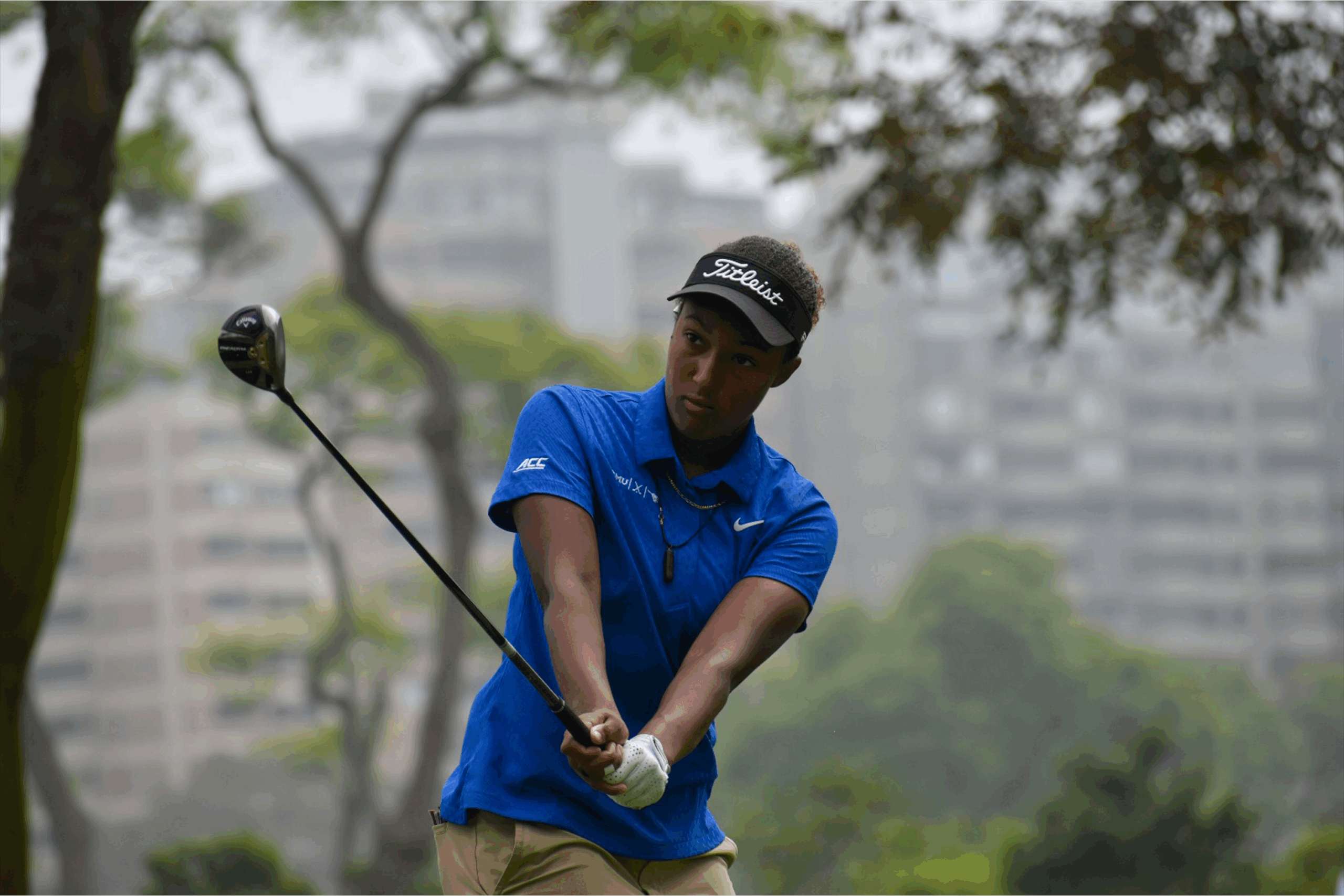
Odwin into final stage of LPGA qualifying
Emily Odwin, a trailblazing golfer from Barbados, continues to etch her name in the annals of her nation’s sporting history. Having already made waves as the first Barbadian to qualify for a major championship at the 2025 US Women’s Open, Odwin has now secured her spot in the final stage of the LPGA Q School. This prestigious pathway offers the opportunity to earn membership on the Ladies Professional Golf Association (LPGA) and Epson Tour. Her journey through the qualifying rounds has been nothing short of remarkable. After a challenging opening round of plus-2 74 at the Plantation Golf and Country Club in Venice, Florida, Odwin showcased her resilience with a stellar minus-3 69 on the second day. She maintained her momentum with a minus-1 71 in the penultimate round and concluded with a strong minus-2 70 on Sunday, finishing four below par at 284 over 72 holes. This performance has earned her a place in the Final Qualifying Stage, set to begin on December 4 in Mobile, Alabama. Odwin’s golfing journey began at the age of 11, representing Barbados in regional and international events. In 2021, she became the first Caribbean golfer to qualify for both the USGA Girls Junior and the USGA Women’s Amateur Golf Championships. A student-athlete at Southern Methodist University, Odwin has a decorated history, including victories at the Royal Westmoreland Ladies Open, the Caribbean Amateur Junior Championships, and the HJGT Tournament of Champions in 2019. Out of the 196 players who began this qualifying journey, only the top 45, including Odwin, have advanced to the final stage. Notable players such as Maria Fassi, Jennifer Song, Sarah Kemp, and Latanna Stone missed the cut. With the deadline for declaring professional status set for November 14, Odwin’s focus remains on securing her LPGA tour card and continuing to inspire future generations of Barbadian golfers.
-
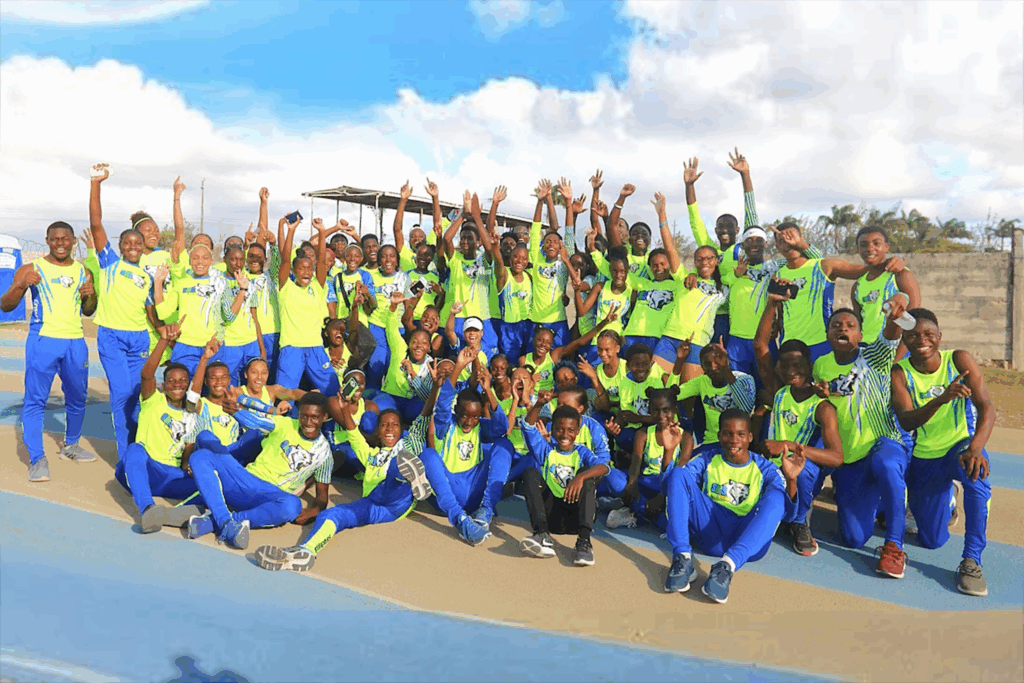
SMS dominates Southern Zone Cross Country Championships
St Michael School showcased an exceptional all-round performance to emerge as the undisputed champion at the Southern Zone Cross Country Championships held on Tuesday at Princess Margaret Secondary School in Six Roads, St Philip. The event, part of the Barbados Secondary Schools Athletics Championship (BSSAC), saw St Michael School dominate across multiple age categories, solidifying their reputation as a powerhouse in school athletics.
-

Hosein wants top order batsmen to come good in decisive ODI
West Indies spinner Akeal Hosein has emphasized the critical need for the team’s top-order batsmen to deliver in the third and decisive One Day International (ODI) against Bangladesh on Thursday. The regional side narrowly clinched victory in the second ODI on Tuesday, relying on a Super Over to secure a one-run win and level the three-match series at 1-1. However, the Windies’ batting collapses in both matches have raised concerns. In the first ODI, chasing 208, they crumbled from 79 for one to 133 all out, losing by 74 runs. Similarly, in the second ODI, they slumped from 82 for two to 133 for seven before a late resurgence led by Shai Hope’s unbeaten half-century, Justin Greaves’ 26, and Hosein’s 16 forced a Super Over. Hosein, who joined the squad as a replacement for the injured Jediah Blades, stressed that the team cannot continue to depend on the lower order for runs. He highlighted the challenges of facing skilled spinners with a worn ball and urged the top half to exhibit better batsmanship. Hosein acknowledged the team’s resilience in the Super Over but warned against complacency, emphasizing the importance of execution in the decisive match. He also praised the team’s spin-heavy strategy, noting that bowling 50 consecutive overs of spin against Bangladesh was a historic first for the West Indies in ODIs. Hosein expressed confidence in the team’s ability to learn from past mistakes and secure a series victory.
-
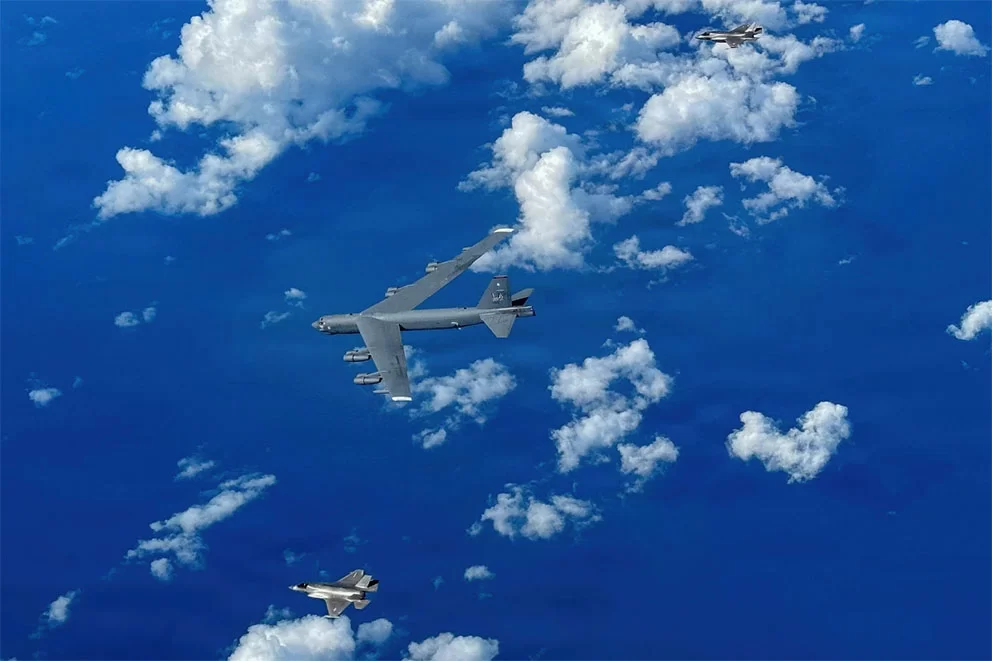
Amerikaanse troepenmacht groeit in Caribische regio en bij Venezuela
The United States military has significantly increased its presence in the Caribbean Sea and the waters off the coast of Venezuela since this summer, as part of the Trump administration’s intensified campaign against narcoterrorism. This strategic buildup includes a substantial deployment of naval vessels, advanced aircraft, and ground troops, marking one of the largest military mobilizations in the region in recent years.
-
Antigua and Barbuda Art Week 2025 to Showcase an Impressive Line-Up of Artists
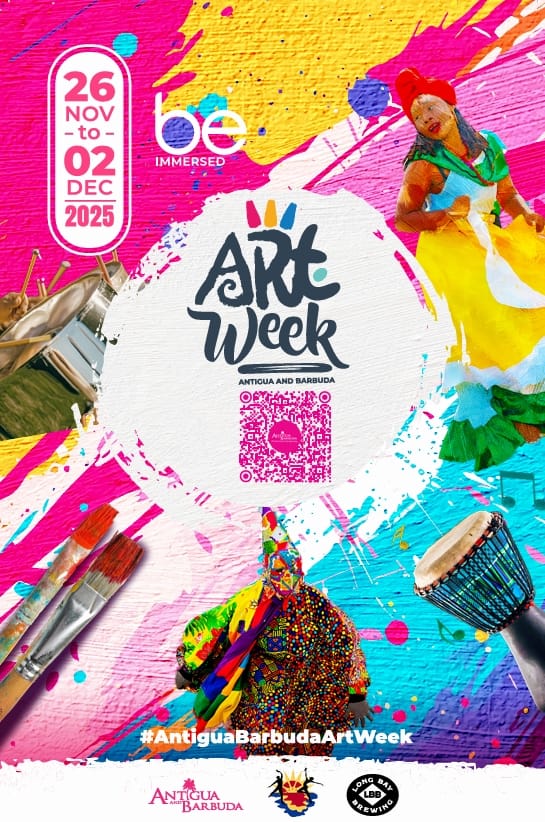
The third edition of Antigua and Barbuda Art Week is set to captivate audiences from November 26 to December 2, 2025, with a dazzling array of cultural activities. This year’s theme, ‘Culture in Colour,’ promises to highlight the artistic brilliance of over fifty local and international artists. The event will feature artist workshops, art exhibitions, and guided bus tours to studios and galleries across the twin-islands, offering a comprehensive immersion into the region’s creative spirit. Among the celebrated artists are Heather Doram, Mark Brown, and Makŏ Williams, alongside emerging talents from the Antigua and Barbuda College of Advanced Studies. A special tribute at the Barracks Studio in Redcliffe Quay will honor the legacy of late Antiguan artists, showcasing their enduring impact on the nation’s cultural identity. The week will also include live performances, interactive sip-and-paint sessions, and panel discussions, such as ‘The Future of Caribbean Creativity,’ featuring diaspora artists like Kwame Delfish and Odessa Whitlock. Fashion designer Garrett Javan will debut his latest collection, ‘ZOIGE,’ while the ‘Heart for Art’ installations and murals will provide Instagram-worthy photo opportunities. With events like ‘Mandalas and Mojitos,’ ‘Rhythm and Vibes,’ and ‘Brunch with the Arts,’ the festival promises to be a dynamic blend of art, music, and culinary delights. Organized by the Antigua and Barbuda Tourism Authority, the Department of Culture, and Long Bay Brewing, Art Week 2025 is a must-attend celebration of Caribbean creativity.
-

The International Seed Testing Association and IICA collaborate to upgrade seed testing and certfificationin region
In a landmark virtual ceremony, the International Seed Testing Association (ISTA) and the Inter-American Institute for Cooperation on Agriculture (IICA) formalized a groundbreaking partnership aimed at revolutionizing seed quality testing and certification systems across the Americas. The memorandum of understanding was signed by ISTA President Ernest Allen and IICA Director General Manuel Otero, marking a significant step toward agricultural modernization and food security in the region. The collaboration will focus on sharing technical expertise, training personnel, standardizing seed analysis protocols, and enhancing the capabilities of certification and quality assurance bodies. Ernest Allen emphasized the transformative potential of the agreement, stating, ‘This partnership is a bridge between our organizations. Just as a small seed can grow into something extraordinary, we expect this alliance to flourish into a robust collaboration benefiting all 34 IICA Member States.’ Manuel Otero highlighted the critical role of seeds in agricultural development, stressing the need for actionable strategies to improve quality of life across the hemisphere. The partnership will also promote regional technological innovation and facilitate greater participation in international seed trade, ensuring the Americas remain at the forefront of agricultural advancements.