作者: admin

  • Attorney General Appeals Ombudsman’s FOIA Decision

    Attorney General Appeals Ombudsman’s FOIA Decision

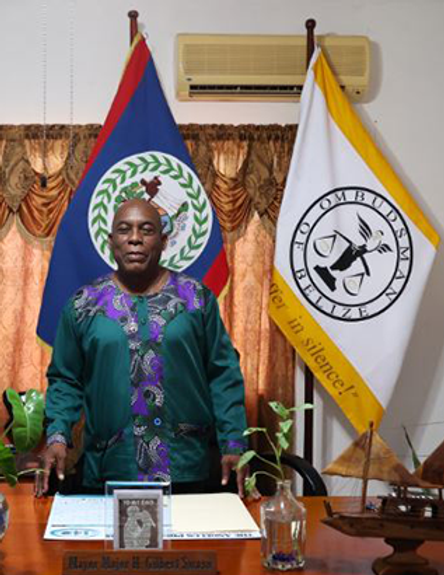
    The Attorney General of Belize has initiated a legal challenge against an Ombudsman’s decision mandating the disclosure of government payments to private law firms under the Freedom of Information Act (FOIA). On October 28, 2025, a Notice of Appeal was filed in the High Court, naming the Attorney General as the appellant and the Ombudsman as the respondent. The appeal seeks to overturn the Ombudsman’s October 10th ruling, arguing it contains legal errors. The filing references Part V of the FOIA, the Inferior Appeals Rules 2021, and Sections 31 and Sub-Part 8 of the Senior Courts Act. It also bears a General Registry stamp dated October 28, 2025. Part V of the FOIA specifically addresses the ‘Review of Decisions.’

    The Ombudsman’s decision stemmed from a review initiated by civic activist Jeremy Enriquez after the Attorney General’s Chambers denied a FOIA request for details on payments to private law firms retained by the Belizean government for redistricting-related litigation. The Ombudsman ordered partial disclosure, requiring the release of the names of attorneys or law firms involved and the total amounts paid to each, with redactions limited to legitimately exempt material.

    As of October 23, Enriquez reported no updates from the Ombudsman’s Office since the directive was issued on October 15, though the two-week compliance period had not yet expired. The October 28th appeal effectively bypasses the next procedural step outlined in Section 38 of the FOIA, bringing the matter directly before the High Court for resolution.

  • Relief Supplies Dispatched for Belizean Students After Storm Hits Jamaica

    Relief Supplies Dispatched for Belizean Students After Storm Hits Jamaica

    In response to the catastrophic impact of Hurricane Melissa, the Government of Belize, through its Ministry of Foreign Affairs, Foreign Trade, Culture & Immigration, has mobilized urgent relief supplies for approximately 75 Belizean students stranded in Jamaica and Santiago de Cuba. The aid package includes essential hygiene products and canned food, delivered via a Jamaica Defence Force aircraft that had sought refuge in Belize during the storm. Coordination of the distribution in Jamaica is being managed by Ms. Elecif Arthurs, Belize’s honorary consul in Kingston, while the Belizean Embassy in Havana is overseeing support efforts for students in Cuba. Foreign Affairs Minister Francis Fonseca expressed gratitude to Jamaica for safeguarding Belizean students during the hurricane and reiterated Belize’s unwavering commitment to their safety. The ministry has confirmed that all Belizean students in both countries have been accounted for. Hurricane Melissa, which struck Jamaica’s southwest coast with sustained winds of 185 mph and torrential rainfall, is considered the most powerful storm to hit Jamaica in recent history. The hurricane caused extensive damage, including widespread power outages, severe flooding, and the collapse of critical infrastructure across western Jamaica. This relief initiative comes amid public criticism in Belize regarding the perceived lack of immediate support for students in Jamaica following the disaster.

  • President Simons bezoekt scholen voor kinderen met speciale hulpvraag

    President Simons bezoekt scholen voor kinderen met speciale hulpvraag

    President Jennifer Simons emphasized the importance of inclusivity and support for children with special needs during her recent visit to several institutions dedicated to their care. On Thursday, the head of state toured Stichting Matoekoe, the Blindencentrum, the Kennedyschool, and the Mytylschool, where she expressed her deep appreciation for the tireless efforts of these organizations.

    President Simons highlighted the indispensable role these institutions play in society, ensuring that children with special needs receive the support they deserve for a dignified life. Her visit aligns with her broader vision of personally engaging with schools to understand their challenges and collaboratively address them. ‘I believe in giving personal attention. That way, we can tackle issues together,’ she stated. Despite their reliance on subsidies, the president was impressed by the institutions’ ability to maintain their facilities and develop impactful programs.

    Simons also underscored her commitment to advocating for these organizations at the policy level, a sentiment echoed by Matoekoe’s director, Delano Hoogvliets. ‘Social institutions don’t always get what they ask for, but these schools are actively finding ways to keep their operations running,’ she noted.

    The president pointed out a broader societal shortfall: ‘We, as a society, are not doing enough to guide these children toward adulthood where they can care for themselves. Independence, with some assistance, is crucial for everyone.’ As a gesture of appreciation, she presented each child with an envelope containing a Kirpalani voucher.

    Simons also highlighted the achievements of individuals with disabilities within the government, emphasizing the importance of nurturing these children to lead fulfilling lives. ‘We must help those who cannot stand on their own—that’s how we show our humanity,’ she said. While some challenges can be resolved with targeted attention, she acknowledged that larger, structural issues need to be addressed through government policy.

    Matoekoe, established in 1988, currently supports 42 children, 13 of whom reside permanently. Hoogvliets expressed gratitude for the president’s early visit, noting her long-standing support for the foundation. However, he identified funding as a persistent challenge, calling for improved subsidy alignment with institutional needs. ‘We hope to work with the president to enhance subsidies structurally, enabling better functionality for these organizations,’ he concluded.

  • Robinson Cabrera criticizes Santiago City Council over severe flooding

    Robinson Cabrera criticizes Santiago City Council over severe flooding

    Santiago de los Caballeros, a major city in the Dominican Republic, was hit by severe flooding on Thursday following heavy rainfall. The deluge inundated key streets and avenues, causing widespread disruption and damage. Robinson Cabrera, a councilman from the Dominican Liberation Party (PLD), publicly criticized the city’s inadequate urban planning and poor maintenance of drainage systems. Cabrera described the situation as unprecedented, stating, ‘Santiago is flooded like never before.’ He highlighted the extensive impact on homes, vehicles, and businesses, attributing the crisis to clogged storm drains and neglected catch basins. To illustrate the severity, Cabrera shared striking images on Instagram, depicting the city’s main roads transformed into rivers. In an official statement, he called on residents to assist by avoiding littering in public spaces but stressed that the primary responsibility lies with municipal authorities. The torrential rains submerged several neighborhoods, brought traffic to a standstill, and caused flooding in areas previously unaffected by such events. The incident has sparked renewed concerns about the city’s infrastructure and emergency preparedness.

  • Srefidensi-commissie biedt excuses aan en kondigt verbeterplan aan voor gymnastrade-oefeningen

    Srefidensi-commissie biedt excuses aan en kondigt verbeterplan aan voor gymnastrade-oefeningen

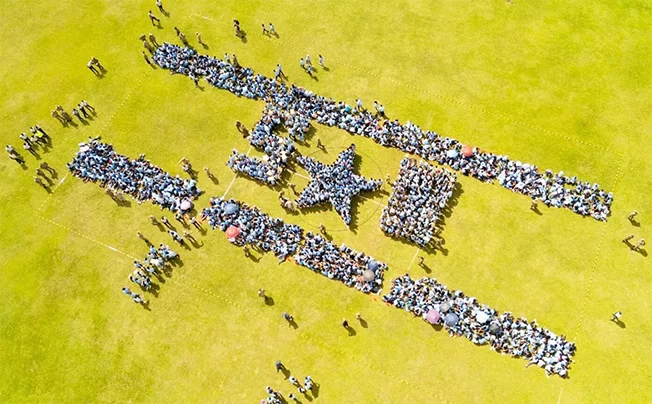
    The Srefidensi Committee has acknowledged significant organizational lapses during the preparations for the upcoming gymnastics parade, pledging to implement immediate improvements to ensure a safe and enjoyable experience for all participants. The Commission for the 50th Anniversary of Constitutional Independence has issued a sincere apology to students, teachers, and parents for the inconveniences experienced during the rehearsal sessions. ‘We recognize the shortcomings in our planning and take full responsibility to address them swiftly and effectively. Our aim is to restore confidence and enthusiasm among all children participating in these special sporting preparations,’ the commission stated. To enhance the upcoming rehearsal days, the committee has increased the number of first aid personnel and supervisors. Schools will also provide additional staff to bolster student safety and care. The Police Training Center has made toilets available for the second rehearsal day, and from November 1st, eight to ten portable toilets will be strategically placed to ensure adequate sanitation facilities throughout the event. Furthermore, water distribution has been reorganized, with each student receiving a personal water bottle for better hydration. The commission has also urged parents to ensure their children wear hats or head coverings for sun protection and to pack extra snacks, drinks, and a spare water bottle in a small backpack. ‘These small measures can significantly impact the children’s well-being,’ the committee emphasized. ‘We are working diligently to normalize the situation and hope to embody the spirit of Srefidensi through unity, trust, and pride in our youth.’

  • Column: Realiteit en waarheid zijn niet populair bij de VHP

    Column: Realiteit en waarheid zijn niet populair bij de VHP

    The VHP, once a beacon of honest governance, reform, and innovation, appears to have lost its moral compass entirely. Over the five years it held power, the party failed to prioritize the public interest, instead functioning as a network of influential figures, friends, families, and confidants who shielded one another from accountability. Since its electoral defeat on May 25, this image has only grown clearer. The VHP is no longer a national people’s party but a collection of individuals hiding under the same orange umbrella. Principles have been overshadowed by personalities, particularly those who thrive on applause and affirmation. While the party projects an image of internal harmony, a closer look reveals division, bruised egos, and a fear of challenging leadership. The cracks are now impossible to ignore. What stands out most is the party’s opportunistic opposition tactics since its defeat. Issues it could have resolved with its previous majority are now loudly condemned, while problems it once oversaw are disingenuously blamed on others. As society yearns for mature political self-reflection, the VHP prefers to plant political bombs—not to build, but to destroy. Chairman Chan Santokhi seems trapped in his own reality, dismissing the defeat with comforting falsehoods, as if the electorate misunderstood his achievements rather than the party itself. Outside the party’s walls, this belief has long evaporated. The lack of honesty was evident this week when spokesperson Dew Sharman questioned the integrity of Starnieuws, denying a report about the departure of senior board member Sidik Moertabat, who had confirmed his exit in an interview. Instead of acknowledging the facts, Sharman chose denial and discredited the media—a telling sign of the party’s character. This is not an isolated incident. Whenever internal issues arise, the VHP avoids political reality, addressing it opportunistically, as seen in its political appointments and dismissals of loyalists. This behavior reflects arrogance—a mix of power, self-deception, and fear of the truth. A party that claims to uphold values should know better. Democracy demands not compliance but courage—the courage to face the truth, even when it’s painful.

  • News : Zapping…

    News : Zapping…

    Haiti has officially transitioned to a state of normalcy following the passage of Hurricane Melissa. On November 30, 2025, the Haitian Hydrometeorological Unit (UHM), in collaboration with the General Directorate of Civil Protection (DGPC) and the National Risk and Disaster Management Plan, announced the lifting of the weather alert. This decision, marking a return to green-level conditions, signals the end of the hurricane’s influence on the country’s weather. Minister of National Education Antoine Augustin confirmed the resumption of school activities starting October 31, 2025. Meanwhile, the aftermath of the hurricane continues to unfold. The provisional death toll has risen to 30, with 20 injured and 20 missing, according to Civil Protection. In response, Minister of Economy and Finance Alfred Metellus activated the emergency fund to support recovery efforts, ensuring resources are available for Civil Protection, local communities, and relevant ministries. In other news, a police operation in Tabarre resulted in the deaths of four members of the ‘Kraze Baryè’ gang, led by Vitelhomme Innocent. On a brighter note, Haitian author Yanick Lahens was awarded the 2025 Grand Prize for Fiction by the French Academy for her novel ‘Passagères de nuit’ (Night Passengers), receiving widespread acclaim from the French Embassy in Haiti and the National Library of Haiti. Additionally, Haiti’s U-17 Grenadiers have secured support from 13 sponsors as they prepare for their first match against Egypt in the Qatar 2025 World Cup on November 4.

  • The humanity of a revolution stands up

    The humanity of a revolution stands up

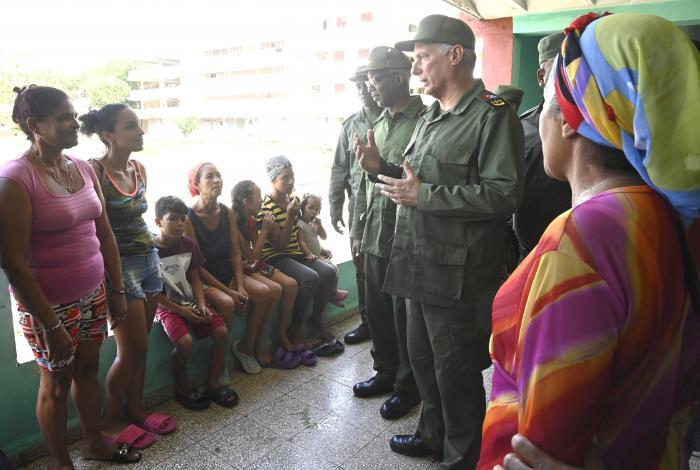
    Cuban President Miguel Díaz-Canel Bermúdez has initiated a comprehensive tour of Holguín, one of the regions most severely impacted by Hurricane Melissa, the most powerful hurricane in Cuba’s recorded meteorological history. Accompanied by key government officials, including Roberto Morales Ojeda, head of the Political-Ideological Work Body, and several deputy prime ministers, Díaz-Canel assessed the extensive damage and coordinated recovery efforts. The hurricane caused widespread destruction, including flooding, uprooted trees, and submerged villages, displacing thousands of residents. During his visit to the José Martí Pre-University Vocational Institute of Exact Sciences (IPVCE), which has sheltered 321 evacuees, the president emphasized the importance of prioritizing life and ensuring the safe return of displaced families to their homes. He also highlighted the resilience of the community and the effective response of local authorities. The president’s itinerary included visits to critical infrastructure, such as the Providencia photovoltaic solar park and the Vladimir Ilich Lenin General Hospital, both of which withstood the hurricane’s impact. Díaz-Canel underscored the need for organized and responsible recovery efforts, particularly in agriculture and housing, and commended the collaborative work of various government bodies. The provincial leadership, led by Joel Queipo Ruiz, reported significant challenges, including crop losses and damaged communications, but reaffirmed their commitment to safeguarding lives and accelerating recovery.

  • iciHaiti – Post-Melissa : Health sector review

    iciHaiti – Post-Melissa : Health sector review

    In the aftermath of Hurricane Melissa, which brought devastating winds and torrential rains to Haiti, Dr. Bertrand Sinal, the Minister of Public Health, convened a critical meeting with key health sector partners. The session focused on evaluating the hurricane’s impact and strategizing a response to ensure the continuity of essential health services across the nation. The assessment highlighted minimal damage to health facilities in most departments, with only minor incidents reported at Saint-Antoine Hospital in Jérémie and Immaculée Conception Hospital in Port-de-Paix. Additionally, a flash flood affected the courtyard of the South Departmental Hospital in Les Cayes. Dr. Sinal praised the dedication of health workers and the support from international organizations like PAHO/WHO and UNICEF. He emphasized the need for enhanced epidemiological surveillance and vigilance against potential health risks, particularly waterborne diseases, in the hurricane’s aftermath.

  • Education : Patriotic appeal to the Haitian scientific community in the diaspora

    Education : Patriotic appeal to the Haitian scientific community in the diaspora

    In a bold move to revitalize Haiti’s education system, Augustin Antoine, the Minister of National Education and Vocational Training (MENFP), has issued a heartfelt appeal to the Haitian scientific community abroad. The minister’s call seeks to transform the nation’s ‘brain drain’ into a ‘return of knowledge,’ fostering a renewed connection between Haitian researchers at home and those in the diaspora. This initiative aims to integrate research into Haiti’s public policies, economy, governance, and culture, ultimately building a ‘Haiti of knowledge.’

    Despite ongoing efforts, Haiti’s university system continues to grapple with significant challenges, including insufficient research, funding shortages, lack of scientific supervision, and outdated infrastructure. The recently established Public Universities in the Regions (UPRs) are particularly in need of technical support, mentorship, international partnerships, and sustainable resources to strengthen their operations and contribute to national development.

    Minister Antoine envisions the Haitian scientific diaspora playing a pivotal role in this transformation, not only as intellectual collaborators but also as strategic supporters of the National Education Fund (FNE), a cornerstone of the country’s public education policy. The Ministry plans to create a structured program of scientific and academic cooperation, enabling Haitian researchers abroad to contribute in three key areas: training teachers and school administrators, supporting the Departmental Directorates of Education (DDEs), and aiding the UPRs in research, innovation, and institutional development.

    This initiative represents more than just a resource-gathering effort; it is a call to unite the Haitian national community around a shared vision of knowledge, excellence, and progress. Minister Antoine’s appeal emphasizes the importance of reclaiming the identity of the Haitian scientific diaspora as the ‘voice, strength, and light’ of a resilient Haiti that continues to believe in its potential and refuses to surrender to adversity.