
Haiti is grappling with a series of significant developments across various sectors. Sunrise Airways has announced the launch of new domestic routes, connecting Port-au-Prince and Cap-Haïtien to Jacmel and Jérémie starting November 17, 2025. This expansion aims to enhance connectivity within the country. Meanwhile, the aftermath of Hurricane Melissa has severely impacted food security, with the World Food Programme reporting a 20% increase in households with low food consumption scores. Agricultural losses are catastrophic, with up to 90% of production destroyed in some areas, exacerbating the crisis. In sports, Haiti’s national football team, the Grenadiers, faced a crushing 1-8 defeat against England, adding to their recent struggles. Additionally, the investigation into the assassination of former President Jovenel Moïse has been reopened, with the Port-au-Prince Court of Appeal deeming the initial inquiry incomplete. On a lighter note, the inter-university basketball tournament saw UPLEH triumph over UNIQ, despite interruptions due to poor visibility.
作者: admin
-
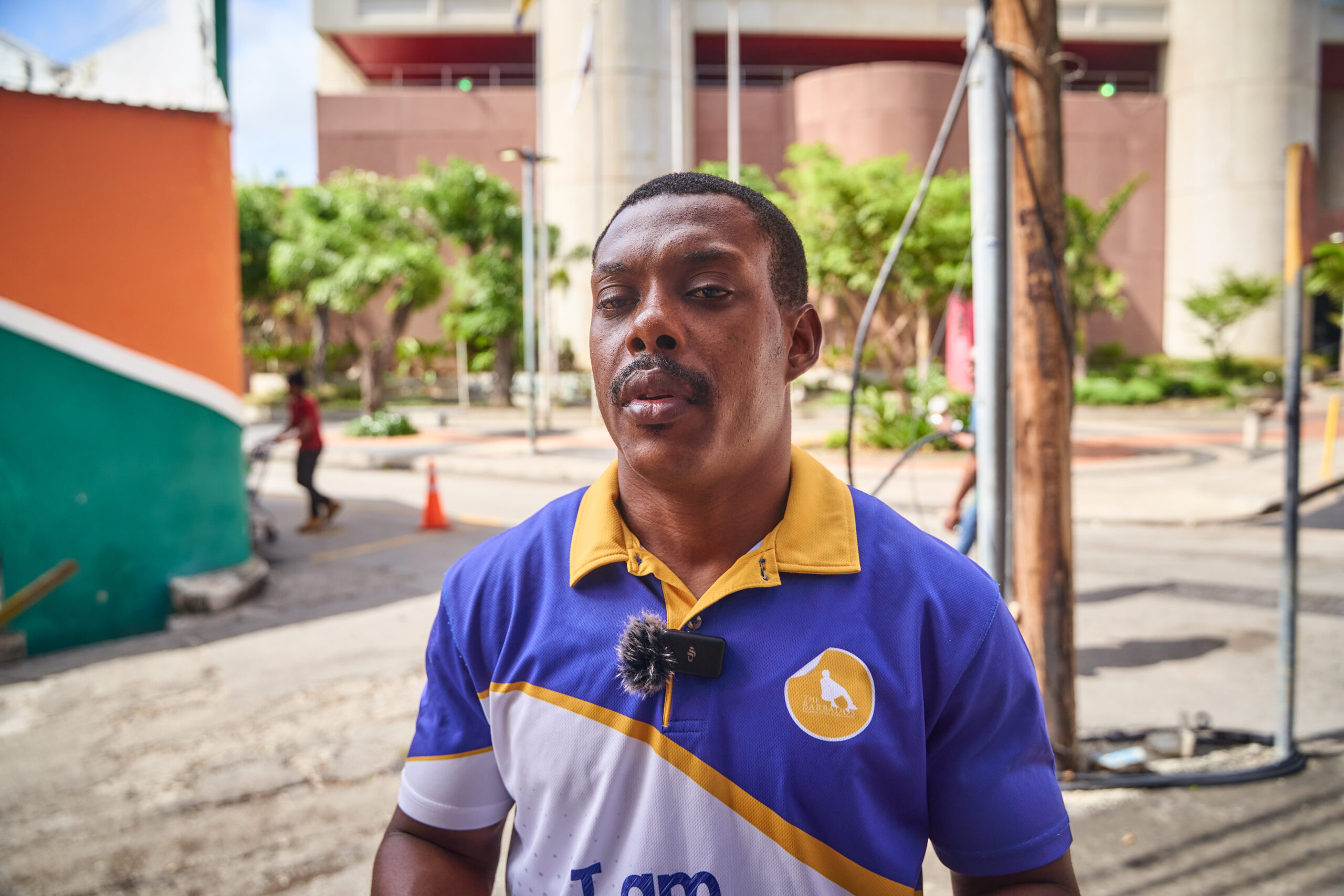
Homelessness advocate Saffrey eyes party politics as he signals run for Parliament
Kemar Saffrey, a prominent social advocate renowned for his dedication to addressing homelessness, has officially declared his intention to run in the upcoming general election. This marks his first formal step toward a parliamentary career, signaling his ambition to elevate his advocacy work to a national level. Saffrey, the founder and president of the Barbados Alliance to End Homelessness (BAEH), revealed that his interest in politics has been a long-standing pursuit, rather than a sudden decision.
-

ULP projects are about people — Peters
Keisal Peters, the Unity Labour Party (ULP) candidate for West Kingstown, has strongly refuted Opposition Leader Godwin Friday’s assertion that a New Democratic Party (NDP) administration would prioritize people over projects. Speaking at a ULP rally in Richmond Hill, Kingstown, Peters emphasized that every initiative undertaken by the ULP is fundamentally about the people. She cited numerous projects, including housing developments, the BERRY Project, fisheries expansion, the Rabacca Bridge, the Modern Medical Diagnostic Centre, the Acute Referral Hospital, and the Argyle International Airport, as evidence of the ULP’s commitment to the populace. Peters, a first-time candidate, is vying to unseat NDP Chairman Daniel Cummings, who has held the West Kingstown seat since 2010. In the 2020 elections, Cummings secured his third consecutive term, while the ULP achieved a historic fifth consecutive term, winning nine of the 15 seats despite losing the popular vote for the first time since 1998. Peters criticized the NDP’s lack of vision, particularly their opposition to the Argyle International Airport, which she described as a transformative project for St. Vincent and the Grenadines. She also highlighted her achievements, including the completion of the Edinboro road and the rehabilitation of the Edinboro Hard Court, which she funded during her tenure as foreign minister. Peters underscored the ULP’s dedication to youth empowerment, contrasting it with the NDP’s alleged reluctance to embrace young talent. She urged voters to support the ULP in the upcoming general election, emphasizing the importance of youth participation and the dangers of silencing their voices.
-
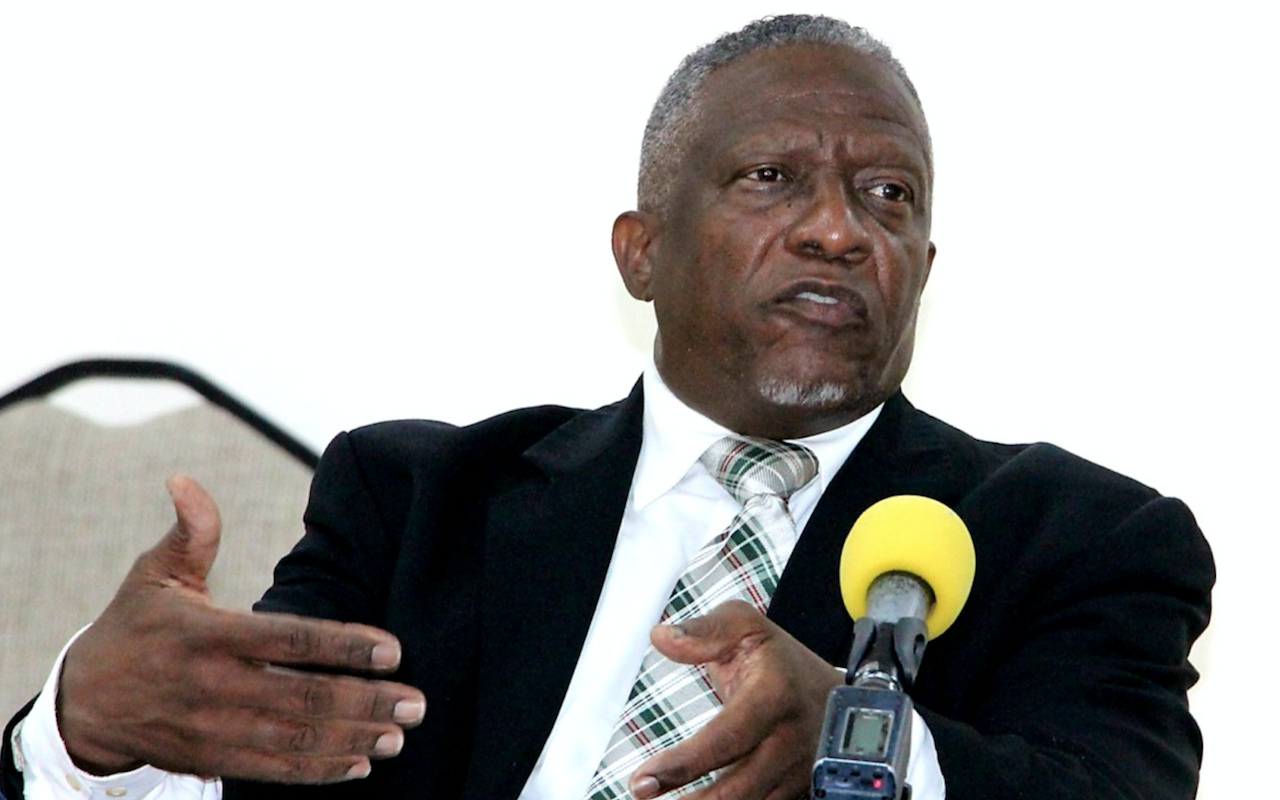
Pastor urges rethink on population policy, warns against ‘have more children’ message
A prominent pastor has called on the government to reassess its approach to population growth, emphasizing that merely urging citizens to “have more children” could exacerbate social and economic challenges without robust family, adoption, and moral support policies. Speaking at a press conference organized by Family Faith Freedom Barbados at the First Baptist Church on Constitution Road, Pastor Paul Leacock highlighted the need to focus on raising responsible citizens rather than simply increasing population numbers.
Leacock acknowledged the government’s desire to boost the island’s population but cautioned against irresponsible messaging. “Encouraging young parents to raise the population is valid, but simply saying ‘have children to repopulate the nation’ is inadequate. We need individuals who are raised as responsible citizens—people with strong moral values and the ability to contribute to the country’s sustainability,” he stated.
One critical area requiring immediate reform, according to Leacock, is adoption. He described the current adoption policies as “weak and ill-defined,” urging a comprehensive review. “If a parent cannot support another child, there are willing individuals ready to provide care. Strengthening adoption policies could alleviate pressures that lead some women to consider abortion,” he explained.
Leacock also proposed practical incentives, such as tax breaks for families, to support population growth. “From an economic standpoint, the government could offer tax credits for families with children or reduce taxes for parents. These measures are feasible and impactful,” he said, adding that support for marriage and stable households should be integral to long-term population planning.
The pastor underscored the moral and economic implications of an ageing society with a shrinking working-age population. “A large geriatric population without sufficient youth to sustain it will strain both the social system and the church. We must educate our youth and care for our elders,” he emphasized.
Leacock highlighted the church’s role in elder care, stressing that it cannot abandon vulnerable members even when families do. “Pastors must ensure elderly members are cared for, not neglected. If families abandon them, the church must step in,” he said.
Additionally, Leacock urged the government to reconsider its stance on publicly funded abortions, linking the issue directly to population sustainability. “We cannot solve our population challenges by ending the lives of others. Let’s prioritize preserving life,” he argued.
In conclusion, Leacock expressed his organization’s vision for a “sustainable Barbados—both morally and economically,” calling for a holistic approach to population growth that addresses societal and ethical dimensions.
-

Olieblokken 9 en 10 mogelijk voordeliger dan Granmorgu
Suriname has taken a significant step forward in its oil and gas sector by signing production-sharing contracts with global energy giants Chevron, QatarEnergy, and Petronas. The agreements, finalized on Wednesday, focus on oil blocks 9 and 10, which are expected to yield substantial benefits for the country and its state-owned oil company, Staatsolie. Unlike the Granmorgu area in Block 58, which holds vast deep-water reserves but requires high development costs, Blocks 9 and 10 are located closer to the coast in shallow waters of just 50 meters, significantly reducing expenses. Staatsolie’s CEO, Annand Jagesar, emphasized that Suriname will not bear any production costs but will earn revenue once oil production begins. The blocks are estimated to contain around 300 million barrels of oil, making them a profitable venture despite their smaller scale compared to Granmorgu’s 750 million barrels. The contracts stipulate that Suriname will benefit from tax revenues, profit oil, royalties, and income generated through Staatsolie’s subsidiary, Paradise Oil, which holds a 30% stake in Block 9 and 10% in Block 10. Additionally, the deals are expected to boost local employment and expertise. The partners are required to study existing geological data within the first three years and proceed with drilling in the second phase. Failure to meet these obligations will result in contract termination.
-

Former LIAT workers say SVG gov’t ignoring them
Former employees of the defunct regional airline LIAT (1974) Ltd. have voiced their frustration over the lack of progress in securing their severance payments. The workers, who lost their jobs when the airline collapsed in 2020 amid the COVID-19 pandemic, accuse the government of St. Vincent and the Grenadines of ignoring their plight. In a recent statement, they expressed deep disappointment with Prime Minister Dr. Ralph Gonsalves and Finance Minister Camilo Gonsalves for their handling of the matter. The workers highlighted their repeated attempts to engage with the government through formal letters, phone calls, and meetings, all of which have yielded no satisfactory resolution. Despite submitting a revised proposal in 2023, which included significant concessions on their part, the workers claim they have received no substantive feedback. The situation has left many in dire financial straits, with some losing their homes to foreclosure and others forced to migrate in search of work. The workers have called for a renewed commitment to human values and a more empathetic approach to labor issues, warning that the current treatment of workers is morally corrosive and undermines collective humanity.
-
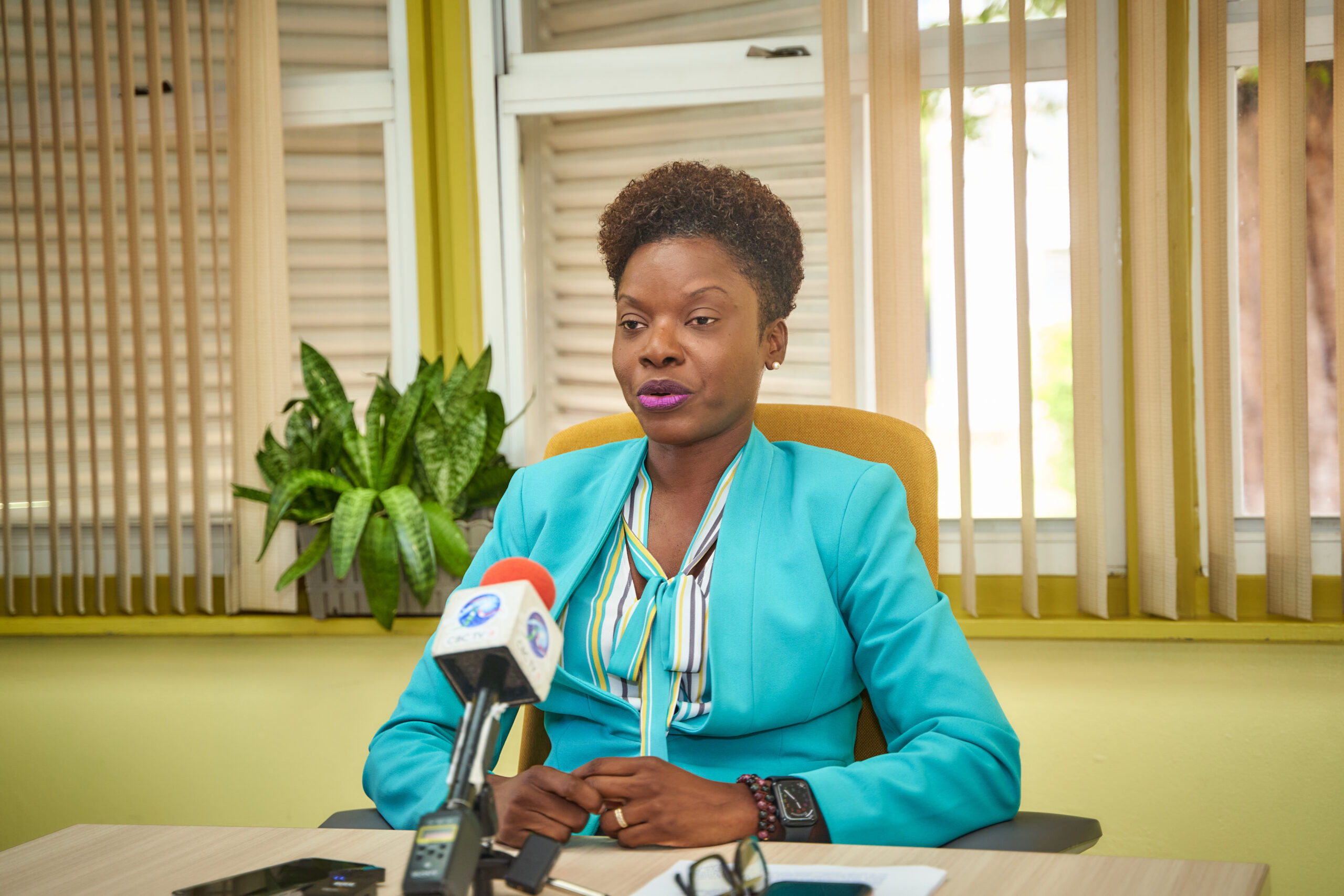
Curriculum, textbooks for review – education chief
In a significant move to transform the education system, Chief Education Officer Dr. Ramona Archer-Bradshaw announced on Thursday a sweeping overhaul of school curricula and textbooks. This initiative, part of a broader education reform agenda, aims to enhance teaching quality, support families, and improve literacy and numeracy among students. The announcement was made during the opening of a teachers’ workshop focused on improving mathematics instruction at the Seventh-day Adventist Conference Centre. Dr. Bradshaw emphasized that the review seeks to ensure students receive support not only in schools but also at home. As part of this transformation, the Ministry of Education has already begun rationalizing textbooks used in primary and secondary schools, with details on approved materials to be released shortly. Additionally, a parent education programme is being introduced to equip parents with resources to assist their children with schoolwork. This programme will include instructional videos on challenging mathematical concepts, such as fractions, accessible via the Ministry of Educational Transformation’s website. Dr. Bradshaw highlighted the interconnectedness of literacy and numeracy, stressing that strong reading skills are crucial for effective problem-solving in mathematics. To bolster literacy, the ministry has trained over 311 teachers in specialized programmes like Lindamood-Bell Seeing Stars and Snappy Sounds. From September, a daily reading period has been introduced in schools, with the ministry collaborating with the National Library Service to promote reading as a national movement. Dr. Bradshaw reaffirmed the ministry’s commitment to ensuring all students can read by the age of seven by 2026, expressing confidence in achieving this goal.
-
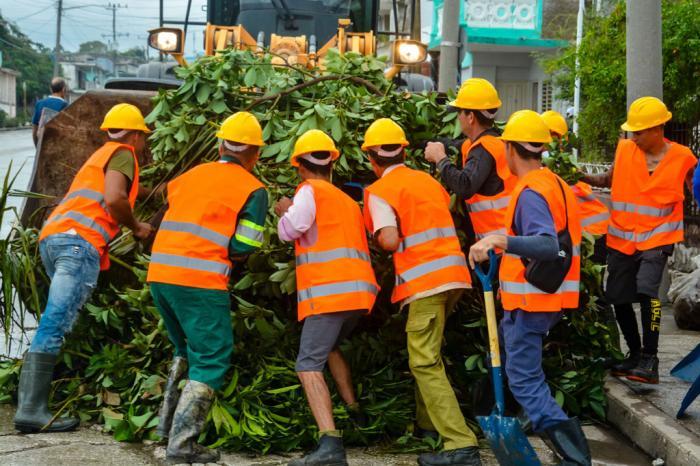
The noble resilience of this people is invincible
In the wake of Hurricane Melissa, Cuba has initiated extensive recovery efforts to address the widespread devastation across its eastern provinces. Preliminary estimates reveal that over 76,000 homes have been affected, with significant damage to infrastructure, crops, and essential services. President Miguel Díaz-Canel Bermúdez, addressing the nation during the National Defense Council meeting, praised the resilience and unity of the Cuban people, emphasizing that no lives were lost despite the severe material losses. The hurricane’s impact has been exacerbated by the ongoing U.S. economic blockade, which has strained resources and recovery capabilities. Over 1 million people were evacuated, with more than 54,000 still residing in shelters. Restoration efforts are underway, with electricity and water services being gradually reinstated in affected areas. The government has mobilized state agencies, international aid, and community participation to expedite recovery. President Díaz-Canel highlighted the collective spirit of the nation, stating, ‘In Cuba, we are all the state,’ and reaffirmed the commitment to ensuring no one is left behind. The recovery process is expected to be prolonged, but intensive work has already restored power and communications in several regions. The Ministry of Economy and Planning reported dynamic damage assessments, with thousands of homes partially or completely destroyed. Health and epidemiological measures have been prioritized to prevent disease outbreaks, while educational institutions are gradually reopening. International aid, including contributions from Germany, Norway, and Canada, has bolstered recovery efforts. The Cuban government remains steadfast in its resolve to rebuild and restore normalcy, underscoring the nation’s resilience and unity in the face of adversity.
-

What mechanisms are in place for receiving international donations in Cuba?
In response to the widespread devastation caused by Hurricane Melissa in eastern Cuba, the Cuban government has outlined the procedures for receiving and managing international donations. Granma interviewed William Díaz Menéndez, Director General of International Cooperation, and Zoe Hernández Portales, Director of ProCuba, both officials from the Ministry of Foreign Trade and Investment (Mincex), to provide clarity on the process. They explained that Decree Law No. 16 governs emergency situations, granting Mincex the authority to approve international donation offers. All legal entities in Cuba are permitted to manage and receive donations from various sources, including multilateral, bilateral, governmental, private, and individual contributors, including Cuban expatriates. Mincex oversees this process through its International Aid Group, ensuring that all state bodies report and coordinate donation offers for evaluation and approval. For in-kind donations, an expedited customs procedure is in place once Mincex grants approval, though designated importers must follow specific protocols. Financial donations can be directed to accounts in three Cuban banks: Banco Popular de Ahorro, Banco Financiero Internacional, and Banco Internacional de Comercio. The government clarified that there are no restrictions on donations, except for items with inherent limitations. A preliminary list of needed resources has been shared with Cuban missions abroad to facilitate the process. Both officials emphasized that while Cuba does not solicit aid, it deeply appreciates and facilitates the channels of solidarity offered during these challenging times.
-

Paliza backs salary indexation but warns it shouldn’t harm the poor
In a recent statement, José Ignacio Paliza, the Dominican Republic’s Minister of the Presidency, highlighted the potential benefits of salary indexation as a mechanism to enhance the purchasing power of workers, particularly the middle class. However, he stressed that such measures must not negatively impact the nation’s most vulnerable populations. Speaking after a meeting of the PRM Executive Directorate on Friday, Paliza underscored the importance of balancing economic reforms with social equity. The proposed salary indexation is part of a broader government reform initiative introduced last year to address persistent inflation and improve family incomes. Paliza acknowledged the challenge of compensating for potential revenue losses to the State but firmly rejected suggestions to fund the initiative by cutting subsidies or social programs. He pointed out that these programs support over 700,000 Dominicans and have been instrumental in reducing poverty to historic lows. Paliza’s remarks reflect the government’s commitment to fostering economic growth while safeguarding social welfare.