作者: admin

  • Fix broken support system before penalising parents, says advocate

    Fix broken support system before penalising parents, says advocate

    Child rights advocate Dr. Marsha Hinds-Myrie has strongly opposed a proposal by acting Director of Public Prosecutions Alliston Seale SC to penalize parents for their children’s misconduct, arguing that Barbados’ social support system is “completely broken.” Dr. Hinds-Myrie emphasized that policymakers must urgently address the lack of early intervention and assistance for struggling families, rather than resorting to punitive measures. She highlighted that while holding parents accountable may be justified in countries with robust support systems, such as the United States, Canada, or the United Kingdom, Barbados lacks the necessary infrastructure to provide adequate help to families in need.

    Dr. Hinds-Myrie questioned the feasibility of criminalizing parents when there are no accessible resources or programs to address behavioral issues in children. She pointed out the absence of structured interventions, such as anger management programs or community outreach initiatives, which are critical for supporting families. “If I have a child in Barbados who is eight years old and exhibits problematic behavior, where do I take that child?” she asked. “We do not have any of that in Barbados.”

    The advocate also criticized the acting DPP for proposing punitive measures despite being aware of the systemic gaps. She argued that parents cannot be held accountable when the social safety net is riddled with deficiencies. Dr. Hinds-Myrie linked current parenting struggles to historical failures in addressing children’s behavioral needs, recalling her teaching experience at the Parkinson School in the early 2000s. She noted that many of her former students, who had unresolved behavioral issues, are now parents themselves and face challenges in raising their children.

    Dr. Hinds-Myrie stressed the need for Barbados to focus on cultivating parenting skills and implementing structured programs to replace outdated practices like corporal punishment. “We do not put a real significant focus on cultivating parenting skills in Barbados,” she said. “This is part of my discomfort with just saying punish the parents.”
  • Rotary Club of Antigua Donates Over $40,000 in Lifesaving Equipment to Sir Lester Bird Medical Centre

    Rotary Club of Antigua Donates Over $40,000 in Lifesaving Equipment to Sir Lester Bird Medical Centre

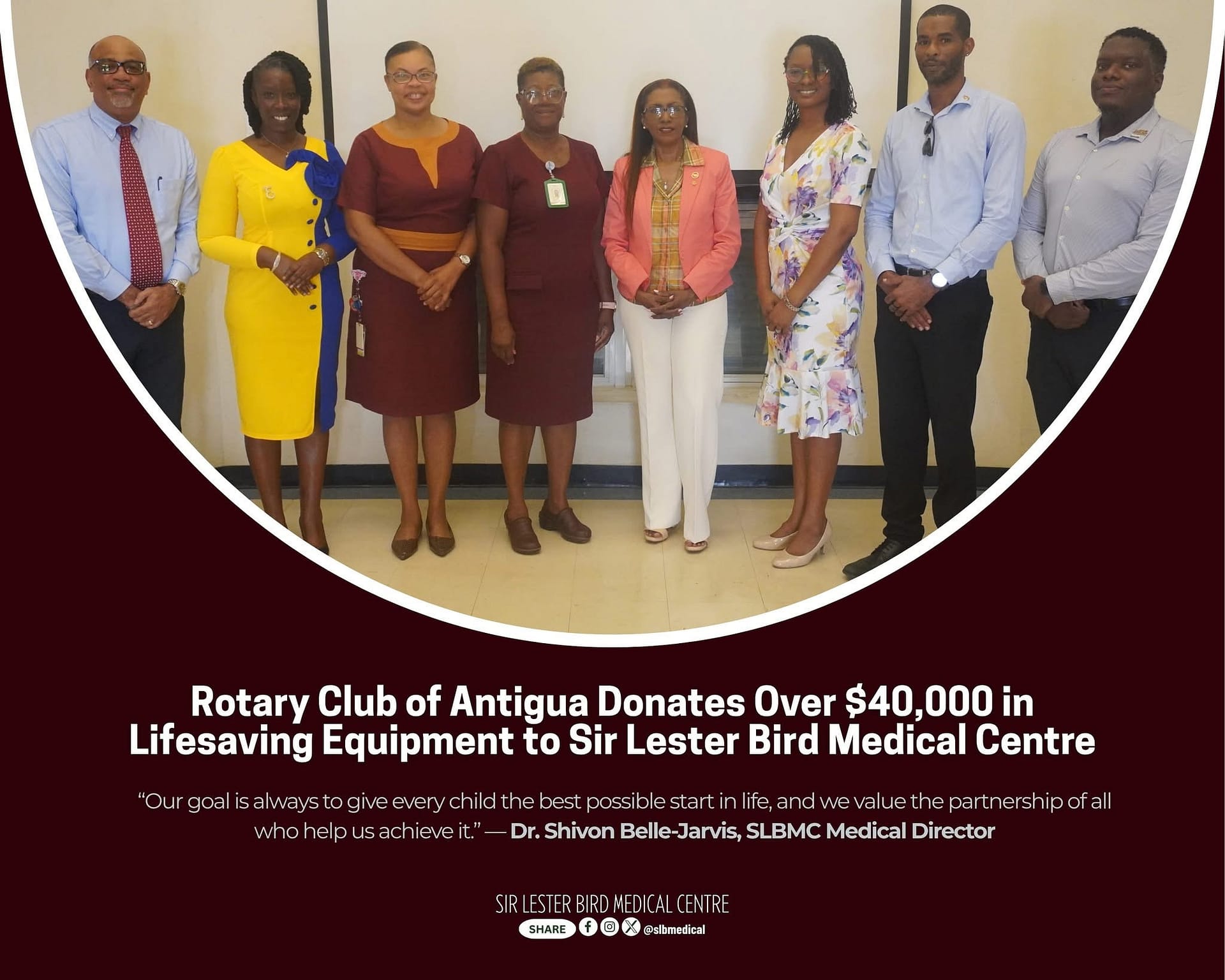
    The Rotary Club of Antigua (RCA) has reaffirmed its dedication to enhancing healthcare in Antigua and Barbuda by contributing over $40,000 XCD to the Sir Lester Bird Medical Centre (SLBMC). This generous donation, made during an official visit by Rotary District 7030 Governor Soraya Warner-Gustave, is earmarked for the acquisition of Bubble CPAP machines and pulse oximeters for the hospital’s Neonatal Intensive Care Unit (NICU).

    The Bubble CPAP (Continuous Positive Airway Pressure) machines are crucial for the care of premature and critically ill newborns, offering non-invasive respiratory support that aligns with international NICU standards. This technology significantly reduces complications and improves survival rates among preterm infants. Additionally, the donation includes several pulse oximeters, which are essential for monitoring oxygen levels in newborns, enabling the NICU team to provide faster and more efficient care.

    Michael Spencer, Past President of the Rotary Club of Antigua, emphasized the broader significance of the donation. ‘This is more than just equipment; it’s an investment in the future of our children,’ he said. ‘We are proud to support SLBMC in their mission to deliver high-quality neonatal care and ensure that even the tiniest patients receive the best possible start in life.’

    Dr. Shivon Belle-Jarvis, Medical Director of SLBMC, expressed profound gratitude for the contribution. ‘The Rotary Club’s support continues to transform what’s possible for our patients,’ she noted. ‘These Bubble CPAP machines and pulse oximeters have already made a tangible difference in the care we provide. Countless babies and their families are benefiting from this investment.’

    Elisa Graham, current President of the Rotary Club of Antigua, reiterated the organization’s commitment to community health. ‘Supporting the hospital and, by extension, the health of our nation, is something we take great pride in,’ she said. ‘Our work is only possible because of the generosity of our members and the community, who believe in Rotary’s mission of service above self.’

    Beyond the immediate equipment, the donation will also fund additional resources to further strengthen neonatal care at SLBMC, underscoring RCA’s ongoing partnership with the medical centre and its dedication to improving patient outcomes.

  • Joy Sharon’s mission to bring the joy – and power – of reading

    Joy Sharon’s mission to bring the joy – and power – of reading

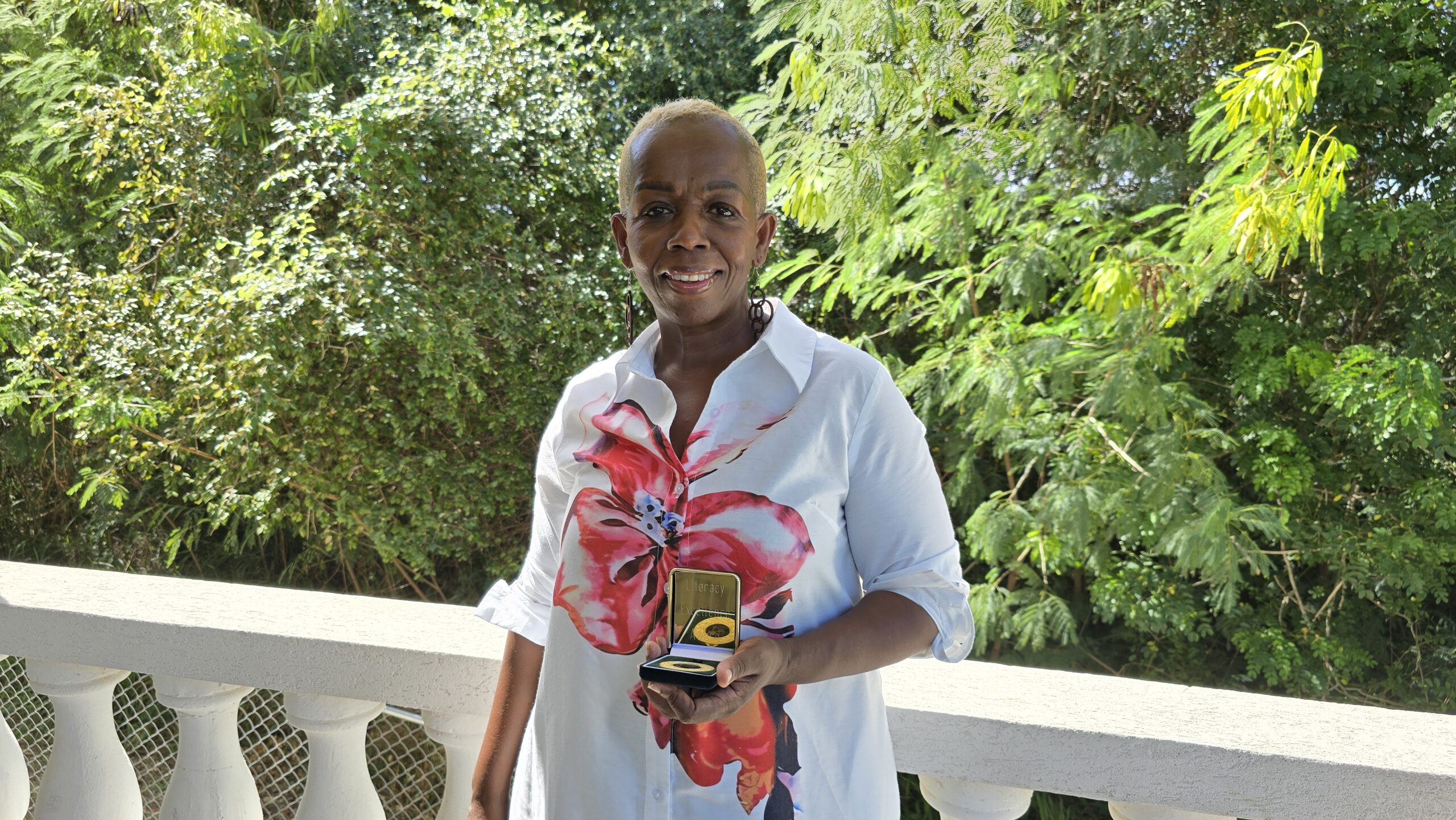
    Joy Sharon’s life is a testament to the transformative power of education. Growing up in a household marred by domestic violence, she turned her personal struggles into a mission to empower children, particularly those with dyslexia, through literacy. Now an award-winning literacy advocate, Joy is reshaping the educational landscape in Barbados, ensuring every child has the tools to read, write, and thrive.

  • Dyslexia overlooked as key factor in rising youth crime – educator

    Dyslexia overlooked as key factor in rising youth crime – educator

    Amid growing concerns over youth violence, literacy specialist Joy Sharon has highlighted a critical yet overlooked factor: undiagnosed dyslexia. Speaking on Friday, Sharon emphasized the urgent need for research and reform, citing mounting evidence linking low literacy levels to criminal behavior. She warned that the failure to identify and support dyslexic youth is contributing to a troubling rise in youth offending.

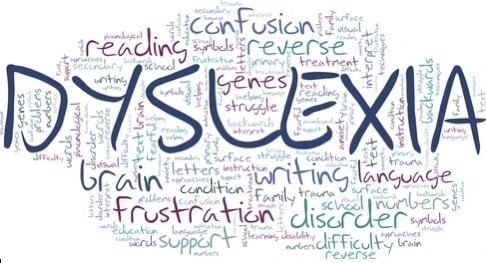
    Dyslexia, a lifelong language-based learning difficulty, affects reading, writing, and spelling due to challenges in processing language. It is unrelated to intelligence but involves difficulties in identifying speech sounds and their relation to words and letters. Symptoms often emerge when children start school, manifesting as struggles with reading fluency, poor spelling, and difficulty sounding out words.

    Sharon pointed to international studies showing that nearly half of prison populations are dyslexic, with some U.S. research indicating that 47% of inmates have the condition. “There’s an over-representation of dyslexia in the prison system,” she noted, stressing that this connection is being ignored in Barbados. She criticized the lack of attention to dyslexia in schools, where children with the condition often go unsupported, leading to severe emotional and academic consequences.

    Recent data from Barbados underscores the issue. A government study revealed that 95% of inmates convicted of violent crimes read at the level of a three-year-old. Cheryl Willoughby, director of the Criminal Justice Research and Planning Unit, called for a reevaluation of the educational system to identify and support children with learning challenges early. “We need to have proper monitoring systems within our schools,” she said, advocating for early intervention and the inclusion of social workers to address these issues.

    Superintendent of Prisons DeCarlo Payne highlighted a concerning trend of younger offenders entering Dodds Prison, with inmates as young as 15 or 16 committing increasingly violent crimes. In response, Minister of Home Affairs and Information Wilfred Abrahams announced a reform agenda focused on rehabilitation through educational opportunities, extending these programs to prison officers as well.

    Sharon urged schools to identify and support students with learning difficulties before they fall behind, emphasizing that early intervention is crucial not only for literacy but also for preventing long-term social consequences. “If you don’t know you have a learning challenge, you think there’s something wrong with you,” she said, stressing the impact on self-esteem and self-worth. Addressing dyslexia, she argued, is key to breaking the cycle of crime and incarceration.

  • LIVE: The Diocese of Roseau Jubilee Youth Festival

    LIVE: The Diocese of Roseau Jubilee Youth Festival

    In the digital age, social media platforms have revolutionized the way people interact and share information. The simple acts of sharing, tweeting, and pinning content have become integral to modern communication. These actions not only facilitate the dissemination of information but also foster a sense of community and connection among users. Social media engagement has evolved into a powerful tool for individuals and organizations alike, enabling them to reach a global audience with just a few clicks. The ease of sharing content has also led to the rapid spread of ideas, trends, and news, making social media a cornerstone of contemporary digital culture. As platforms continue to innovate, the ways in which people engage with content are expected to become even more diverse and dynamic.

  • Sugar output ‘set to fall’ due to poor rainfall – growers’ rep

    Sugar output ‘set to fall’ due to poor rainfall – growers’ rep

    The Barbados sugar industry is bracing for a significant decline in production next year, with prolonged dry weather during the summer months cited as the primary cause. Mark Sealy, Chairman of the Barbados Sugar Industry Limited (BSIL), issued the warning on Friday, emphasizing the urgent need for strategic adjustments in crop timing and farm efficiency to mitigate the impact.

  • Antigua and Barbuda considers tuition-free education for nationals at the UWI Five Islands Campus

    Antigua and Barbuda considers tuition-free education for nationals at the UWI Five Islands Campus

    The government of Antigua and Barbuda is actively exploring the possibility of providing tuition-free education for its citizens at the University of the West Indies (UWI) Five Islands Campus. Prime Minister Gaston Browne revealed that the administration is currently reviewing the proposal, which aligns with its ongoing efforts to support higher education accessibility.

    Browne emphasized that the government already subsidizes a substantial portion of student expenses through existing scholarship programs. ‘Nearly every student attending UWI Five Islands benefits from government scholarships,’ he stated. ‘Given this, we are now discussing the feasibility of eliminating tuition fees entirely. Since we are already covering most costs, it makes sense to make university education completely free for our nationals.’

    The Prime Minister highlighted that this initiative would reinforce the government’s dedication to broadening access to higher education and fostering sustainable national development. By removing financial barriers, the policy aims to empower more citizens to pursue advanced education, ultimately contributing to the country’s socio-economic progress.

  • Visioning the future: The strategic imperative

    Visioning the future: The strategic imperative

    In a world where change is inevitable, meaningful transformation requires more than mere chance—it demands strategic visioning. This disciplined process involves envisioning a preferred future and meticulously planning the steps to achieve it. At the national level, Barbados stands on the brink of significant change. Inspired by Singapore’s model of disciplined, long-term development, there is a growing consensus that Barbados can become the “Singapore of the Caribbean.” This vision, supported by both local residents and expatriates, is gaining traction in public discourse. While the journey will be gradual, it can be integrated into a rolling ten-year strategic plan, continuously refined and renewed annually. At the sector level, the recent devastation caused by Hurricane Melissa in Jamaica underscores the importance of resilience and innovation. Discussions among industry leaders highlight the need for strategic partnerships to protect critical infrastructure, such as burying power lines to mitigate future storm damage. At the corporate level, strategic visioning necessitates collaboration between government and private enterprises to align national development goals with business opportunities. Visioning, as a guiding compass, requires passion, persistence, and patience at all levels. It is the key to achieving a sustainable and prosperous future, step by step, decade by decade. As President Obama aptly put it, “Just learn how to get stuff done.”

  • Antigua and Barbuda’s National Culinary Team Arrives in Barbados for Regional Competition

    Antigua and Barbuda’s National Culinary Team Arrives in Barbados for Regional Competition

    The National Culinary Team of Antigua and Barbuda has made a grand entrance in Barbados, gearing up for the highly anticipated Taste of the Caribbean competition, hosted by the Caribbean Hotel & Tourism Association. The event, scheduled from November 16 to 18, will see the team showcase their culinary prowess against regional rivals. Upon their arrival on Friday, the chefs and bartender were welcomed with a Barbados Transport Board bus adorned in Antigua and Barbuda branding—a gesture orchestrated by the Antigua and Barbuda Tourism Authority. This initiative not only supports the team’s participation but also serves as a vibrant promotion of the nation’s culture and pride. Officials highlighted that the branded transport symbolizes a strong sense of national identity as the delegation embarks on their competitive journey. Over the three-day event, the team will face off against culinary experts from across the Caribbean, aiming to bring home accolades and further elevate their country’s reputation in the culinary arts.

  • Dominica’s Adejah Shillingford scores 100%, top performer in entire region for CCSLC math exam

    Dominica’s Adejah Shillingford scores 100%, top performer in entire region for CCSLC math exam

    Adejah Shillingford, a fourth-form student at Dominica Grammar School, has achieved an extraordinary milestone by securing the highest score in mathematics across the Caribbean in the Caribbean Certificate of Secondary Level Competence (CCSLC) exam. Despite her long-standing affinity for mathematics, Adejah admitted that her perfect score of 100% came as a surprise. Her mother, Adamah, echoed this sentiment, expressing pride in her daughter’s consistent academic excellence while acknowledging the unexpected nature of this achievement. Adejah took the exam in June 2025 as a third-form student and received her results in August, learning she had attained a ‘mastery’ level grade. However, it was only recently that she discovered she had outperformed every other student in the region. In addition to her math success, Adejah also achieved a ‘mastery’ score in English, missing just one question. The CCSLC exam, introduced in 2007 by the Caribbean Examination Council, emphasizes core knowledge, skills, attitudes, and values essential for secondary school graduates. Adejah’s preparation for the exam was unconventional; she did not formally study but relied on her consistent academic diligence and natural aptitude for numbers. Interestingly, she revealed that she is not an avid reader but prefers to simplify concepts to their essence for better understanding. Adejah aspires to become an accountant and attributes her success to her love for mathematics, which has been a lifelong passion. She shared valuable advice for fellow students, emphasizing the importance of using technology as a learning tool while avoiding plagiarism. Adejah also stressed the significance of active classroom participation and maintaining a positive mindset. ‘Tell yourself you are intelligent and you can succeed,’ she urged, highlighting the power of self-affirmation in achieving academic goals.