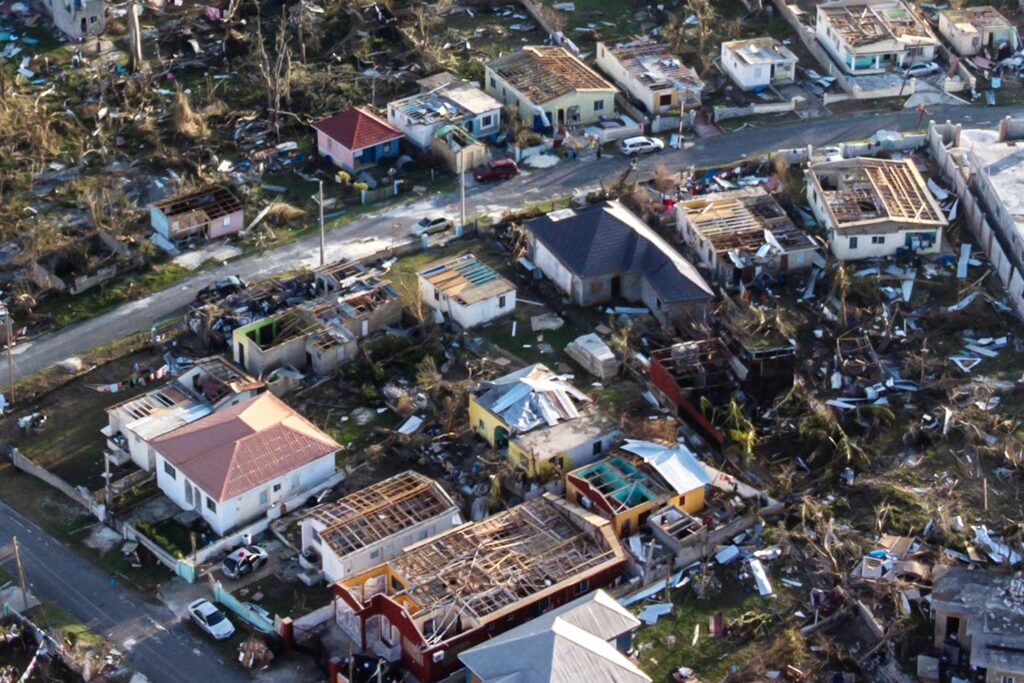
A Jamaican professional, who has worked with the United Nations and witnessed global disasters firsthand, recently returned to his homeland following the catastrophic passage of Hurricane Melissa. Traveling through Westmoreland, Ferris, Withorn, and Montego Bay, he encountered a landscape ravaged by the storm. The journey, which typically takes less time, was prolonged to three hours due to severely damaged roads, downed cable wires, and flooded pathways. The devastation was overwhelming, with trees stripped of leaves, homes and businesses missing roofs, and entire communities submerged in water. The scene was reminiscent of a nuclear blast, leaving the observer in disbelief. The emotional toll was profound as he revisited his hometown, witnessing the ruins of his primary school and the remnants of his grandmother’s house, where his cousin had narrowly escaped the storm. Despite the heartbreak, moments of hope emerged as he distributed food and water to survivors, receiving gratitude and hugs from those he helped. The experience underscored the resilience of the Jamaican people and the importance of community support in the face of disaster.
作者: admin
-

Towards a food-secure Jamaica
Food security remains a cornerstone of Jamaica’s sustainable development, playing a pivotal role in shaping the nation’s future. As the 21st century unfolds with its unique challenges, the need for innovative agricultural practices and robust research has never been more critical. These advancements are essential not only to meet the food demands of a growing population but also to ensure efficient storage and distribution systems, particularly in the face of economic volatility and environmental uncertainties.
-
The rise of volunteerism post-Melissa
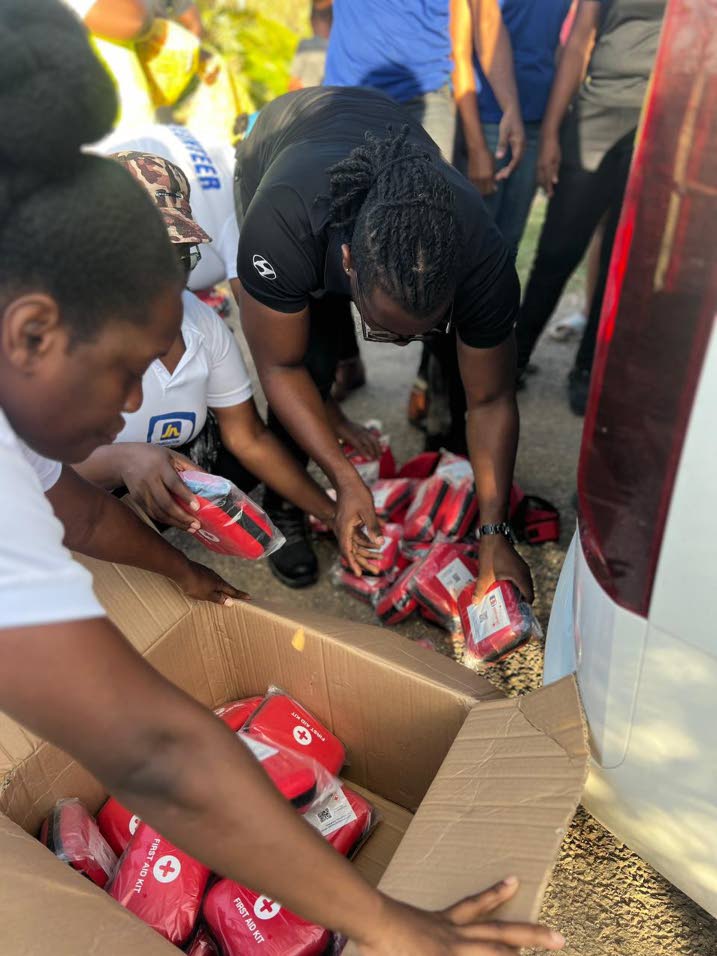
In the wake of Hurricane Melissa’s devastation in Jamaica, a remarkable wave of volunteerism has emerged, transforming a crisis into an opportunity for societal rebuilding and innovation. The hurricane has left tens of thousands of Jamaicans internally displaced, creating an urgent need for relief and recovery efforts. However, amidst the destruction, the response from both local and international communities has been nothing short of inspiring.
-

Melissa exposed what truly matters in our schools
In the wake of Hurricane Melissa, the education system has undergone a profound transformation, shedding outdated priorities and refocusing on what truly matters: the children. Before the storm, schools were preoccupied with enforcing trivial dress codes—debating hemlines, hairlines, and sock colors—as if these were the pillars of academic success. Some institutions even barred students from entering classrooms over grooming violations, turning school gates into battlegrounds of unnecessary discipline.
-

The Jimmy Cliff, Perry Henzell years
In 1969, a serendipitous meeting between Perry Henzell, an aspiring filmmaker, and Jimmy Cliff, a rising music star, at Dynamic Records in Kingston, Jamaica, marked the beginning of a transformative partnership. Henzell, seeking to create a soundtrack for his debut film, approached Cliff to compose and perform the music. Cliff, brimming with confidence, accepted the challenge without hesitation. This collaboration would later culminate in the iconic 1972 film *The Harder They Come*, which not only featured Cliff’s music but also cast him in the lead role of Ivan, propelling him to international stardom.
Cliff, who passed away on November 24, 2021, at the age of 81, left an indelible mark on both music and cinema. His portrayal of Ivan, inspired by the real-life criminal Ivanhoe “Rhyging” Martin, was a testament to his acting prowess. Henzell’s daughter, Justine, recalled the profound bond between her father and Cliff, describing it as a familial relationship that spanned over five decades. She highlighted Cliff’s ability to improvise and embody his character, a quality that Henzell, a director who valued authenticity, deeply appreciated.
The film’s soundtrack, featuring Cliff’s timeless tracks such as *Many Rivers to Cross* and *You Can Get It If You Really Want*, became a cultural milestone. Henzell, who had grown weary of his career in advertising, was driven by a desire to tell Rhyging’s story, a tale of rebellion and resilience. Cliff’s dual role as actor and musician brought Henzell’s vision to life, creating a cinematic masterpiece that resonated globally.
Cliff’s legacy extends beyond *The Harder They Come*. A two-time Grammy Award winner and Rock and Roll Hall of Fame inductee, he was also honored with Jamaica’s Order of Merit. His final birthday celebration in July 2021 was marked by a heartfelt conversation with Justine and her mother, Sally, reflecting the enduring connection between the Henzell family and the legendary artist.
-

Jimmy Cliff’s success with I Can See Clearly Now
Renowned music producer and musician Paul ‘Computer Paul’ Henton recently reflected on the success of Jimmy Cliff’s 1993 rendition of Johnny Nash’s classic ‘I Can See Clearly Now.’ Henton, who produced the track and played drums and keyboards, recalled his early confidence in the song’s potential. ‘I kinda expected it to take off,’ Henton shared in an interview with the Jamaica Observer. His belief was reinforced when a Disney executive, upon hearing a rough mix, exclaimed, ‘Wow, this is gonna be a hit.’ The song, featured on the ‘Cool Runnings’ soundtrack, became one of Cliff’s most celebrated works, charting globally and achieving certifications in multiple countries. Jimmy Cliff, who passed away at 81 on Monday due to pneumonia following a seizure, leaves behind a rich musical legacy. His version of ‘I Can See Clearly Now’ peaked at #18 on the Billboard Hot 100 and topped charts in France, among other countries. Henton fondly remembered Cliff as ‘easy-going’ and ‘one of the nicest artistes to work with,’ highlighting his kindness and writing prowess. The song’s enduring popularity is evident as it continues to receive airplay on mainstream radio in the U.S. Cliff’s career spanned decades, with numerous chart entries across genres, including eight on the Billboard Reggae Albums chart and three on the Billboard 200. His influence extended beyond music, cementing him as a stalwart of reggae and a global cultural icon.
-

‘Time to build stronger’
As Jamaica embarks on its recovery journey following the devastation of Hurricane Melissa, a leading property expert is calling on homeowners and contractors to seize this opportunity to fortify roof structures during repair efforts. Kerry Scott, Head of Real Estate and Properties at JN Properties, emphasizes that rebuilding presents a critical window to elevate construction standards and enhance the long-term durability of roofs. ‘While many are focused on replacing what was lost, this is the moment to build stronger,’ Scott stated. He advises that repairs to zinc roofs should include tightening fasteners and adding hurricane straps to bolster a home’s resilience against future storms. Scott, whose firm oversees more than 130 properties across Jamaica, underscores that a roof’s strength hinges on its design, material quality, and maintenance. Roofs constructed with hurricane-rated materials and reinforced connections between the roof and walls are far more likely to withstand extreme weather. ‘Secure truss connections and hurricane straps distribute wind forces evenly, reducing the risk of uplift. Proper installation of these elements significantly increases the roof’s chances of remaining intact under intense pressure,’ Scott explained. He also stressed the importance of regular inspections and maintenance, noting that seemingly minor issues like leaks or lifted sheets can escalate into major vulnerabilities during storms. Scott urged homeowners to address both visible damage and hidden weaknesses caused by the hurricane’s stress. Despite some roofs surviving the recent hurricane, Scott warned against complacency. ‘Even if a roof remains intact, strong winds can loosen connections or create hairline cracks. Professional inspections can identify these issues before they become costly or dangerous,’ he advised. Material choice is another critical factor, with galvanized steel, concrete tiles, and modern composites offering superior durability. Scott highlighted that lightweight or deteriorated materials are more susceptible to being blown away, urging homeowners to invest in high wind-resistant options installed by qualified professionals. For those considering long-term upgrades, Scott recommended concrete slab roofs, which provide added protection despite higher costs and maintenance requirements. ‘A well-constructed concrete roof can endure hurricane-force winds and even serve as a foundation for an upper floor. However, proper waterproofing and crack inspections are essential to prevent leaks and structural damage,’ he added. Verna McBean, a retired teacher from St. Elizabeth, shared her experience of transitioning to a concrete slab roof after losing her zinc roof during Hurricanes Ivan and Dean. ‘The house would have been destroyed if we had reinstalled the metal roof,’ McBean said, reflecting on Hurricane Melissa. Initially hesitant, she now feels secure and relaxed, noting that several neighbors have also adopted slab roofs. With Jamaica situated in a hurricane-prone region, Scott emphasized that reinforced roofing should be a national priority. ‘A sturdy roof not only reduces losses but also safeguards lives and livelihoods when the next hurricane strikes,’ he concluded.
-

A master in music
In a heartfelt letter to the editor, Christopher Samuda pays homage to Jimmy, a musical icon whose influence and artistry have left an indelible mark on the world. Jimmy’s music, characterized by its profound messages and universal themes, transcended geographical and temporal boundaries, resonating deeply with audiences across generations. His unique voice not only captured the essence of history and culture but also imparted invaluable lessons of resilience and hope. Through his art, Jimmy taught listeners to embrace the uncertainty of life while holding onto the promise of a brighter tomorrow. His legacy, a celebration of a wonderful world and beautiful people, continues to inspire and unite. Samuda expresses gratitude for Jimmy’s contributions to the Rock and Roll Hall of Fame, his intellectual depth, and the enduring message of unity encapsulated in his music. Jimmy’s life and work remain a timeless testament to the power of love and the human spirit.
-

Driving hope
In the wake of the catastrophic Category 5 Hurricane Melissa, which struck Jamaica’s southwestern coast on October 28, Stewart’s Automotive Group has spearheaded a substantial relief effort, mobilizing over $30 million to aid affected communities across St Elizabeth, Westmoreland, St James, Trelawny, and St Ann. Through its philanthropic arms, the Richard and Diana Stewart Foundation and the Kind Hearts Foundation, the group has distributed essential supplies—including food, water, mattresses, and clothing—to more than 2,000 families in western Jamaica.
-
Amputations: A national crisis in Trinidad and Tobago
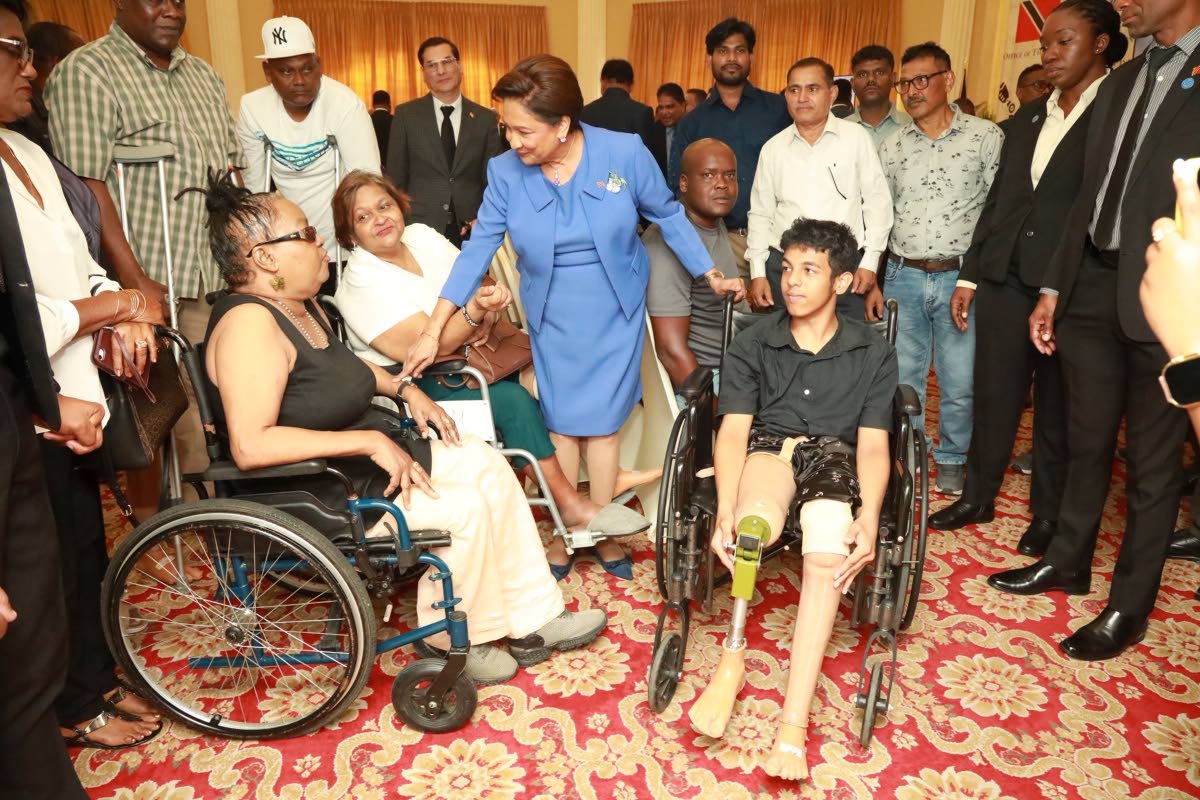
Trinidad and Tobago is confronting a growing health crisis characterized by a sharp increase in amputations, primarily driven by diabetes and vascular disease. Dr. Lemuel Pran, a consultant vascular surgeon and lecturer at the University of the West Indies (UWI), revealed that approximately 400 amputations are performed annually, based on a comprehensive study conducted between 2019 and 2023 across regional health authorities. Dr. Pran, who specializes in carotid surgery and diabetic foot management, described the situation as urgent and deeply concerning, emphasizing that the rate of amputations is alarmingly high compared to both regional and international benchmarks. The leading causes of amputations are infections in diabetic patients, accounting for 80% of cases, followed by vascular disease, trauma, and limb cancers. Delayed medical intervention, exacerbated by the use of home remedies and lifestyle factors such as poor diet and lack of exercise, significantly contribute to the crisis. Dr. Pran called for a multi-level approach to address the issue, stressing the need for improved public awareness, early detection, and better access to healthcare services. He also highlighted the challenges faced by amputees, including limited access to prosthetics and the emotional toll of losing a limb. In a positive development, Prime Minister Kamla Persad-Bissessar announced the establishment of an artificial limb center in Trinidad and Tobago, supported by India, which aims to provide prosthetic limbs to over 800 individuals. Dr. Pran urged citizens to prioritize their health, seek timely medical care, and pay attention to foot health to prevent complications.