
The Winter Tourism Season in Antigua and Barbuda commenced with grandeur on Saturday, November 22nd, as the Tourism Blast Off event lit up the Rising Sun Grounds. This year’s celebration, hailed as the most vibrant and expansive to date, marked the official start of Tourism Week, drawing an enthusiastic crowd and setting a high bar for cultural festivities. The evening was a dazzling showcase of local talent, featuring performances that highlighted the rich artistic heritage of the nation. Among the standout acts were the Schools’ Panorama Champions, Villa Primary School and Christ the King High School, whose young pannists delivered electrifying renditions that captivated the audience. The Junior Soca and Calypso Monarchs further energized the crowd with their dynamic performances. The event also featured appearances by renowned groups such as Showtime Productions, Lyrical Redz, Pandemonium Steel Orchestra, and Xxplosive Band, alongside other celebrated artists like Soca Villian and Island Prince. The day was a testament to the creativity, culture, and community spirit that define Antigua and Barbuda. Speaking at the opening ceremony, the Honourable Charles Fernandez, Minister of Tourism, Civil Aviation, Transportation and Investment, emphasized the inclusive nature of tourism, stating that the event aimed to showcase the nation’s finest talents and culinary delights. The festivities continued on Sunday with the annual Tourism Week Service of Thanksgiving at Kentish Pentecostal Church, where Apostle Dexter Laurence delivered an inspiring sermon and offered prayers for the sustained growth and prosperity of the tourism industry. The service underscored the unity and shared purpose that drive the sector. As Tourism Week progresses, the Ministry of Tourism expressed its heartfelt gratitude to all partners, performers, and attendees who continue to make these events a resounding success year after year.
作者: admin
-

Arbeid als Kompas voor de Toekomst van Suriname
Fifty years ago, Suriname chose to stand on its own feet, embarking on a journey marked by progress, setbacks, pride, struggle, growth, and disappointment. Today, on November 25, the nation not only celebrates its golden jubilee but also reflects deeply on its past and future. At the heart of Suriname’s resilience through every era has been one constant force: labor. It is the workers, craftsmen, nurses, farmers, entrepreneurs, teachers, youth, and elders who have formed the backbone of the economy, sustaining the nation even when policies and circumstances were unfavorable. Labor must once again take center stage in Suriname’s development, demanding strength, learning, discipline, tolerance, and unity. Progress is never automatic; it requires a working community that continually evolves and supports one another. The labor movement, too, deserves recognition for its pivotal role in the nation’s history. As Suriname celebrates 50 years as a republic, the labor movement must remain vigilant, ensuring that labor remains protected, strengthened, and just, even in times of growth. Suriname has made mistakes—sometimes due to inexperience, division, or short-term interests—but these errors need not be obstacles. They can serve as fertile ground for growth, transforming past missteps into wisdom for the future. Suriname, though small in size, is a nation of immense diversity, resilience, and character. A new Surinamese identity is needed—one that unites the courage of the Indigenous, the discipline of the Javanese, the pride of the Creoles, the determination of the Hindustanis, the creativity of the Maroons, the flexibility of the Chinese, and the hospitality of the Boeroes. These traits are not contradictions but the building blocks of a unified Surinamese character. To become a model of a small yet well-functioning nation, Suriname must embrace unity in vision, responsibility, and the belief that this country belongs to all its people. The power lies within the people, in their work, attitude, and willingness to do better than yesterday. On this 50th anniversary, the Surinamese Party of Labor (SPA) calls for cherishing and strengthening the good, honestly acknowledging and learning from the wrong, placing labor at the core of progress, building a national identity on the strengths of all cultures, and choosing a future where Suriname not only exists but thrives. Suriname can be a nation that transcends itself, determines its own course, and achieves greatness in its actions, regardless of its size. Together, with labor, unity, and pride, Suriname will continue to build its future.
-

Another independence day: fighting addiction at Verdun, Marina House
As Barbados commemorates nearly six decades of independence, Verdun House and Marina House in St. John stand as beacons of hope and healing, embodying the nation’s commitment to freedom—not just in terms of sovereignty, but in empowering individuals to break free from addiction and reclaim their lives. These residential rehabilitation facilities, nestled in the eastern parish of St. John, have become vital spaces for recovery and renewal. Verdun House, established earlier, initially served both men and women but later transitioned to gender-specific care. In 2015, Marina House was introduced as a dedicated facility for women, offering a more intimate and supportive environment for their healing journeys. Funded primarily by the Maria Holder Memorial Trust, Marina House accommodates 17 women, providing comprehensive support for their rehabilitation. Allison Gotip, Director of Clinical Services at both facilities, emphasizes the unique challenges faced by women with substance use disorders, including higher levels of trauma. She highlights the importance of gender-specific treatment, noting that women often process trauma differently than men. While more men opt for residential treatment, societal expectations often hinder women from seeking help. Gotip underscores the need for family support in enabling women to prioritize their recovery. The program has diversified its services to include outpatient care, making treatment more accessible and less intimidating. With a focus on evidence-based interventions tailored to Caribbean culture, the facilities have attracted clients from across the region and beyond. International accreditation and a commitment to confidentiality further enhance their credibility. The charity’s self-sustainability initiatives, including a vegetable farm and egg production, not only support the facilities but also provide therapeutic benefits for clients. The 90-day rehabilitation program boasts high retention rates, with a focus on long-term recovery and improved quality of life. Gotip and her team work tirelessly to ensure clients can rebuild their lives, relationships, and careers, offering them a genuine chance to start anew.
-
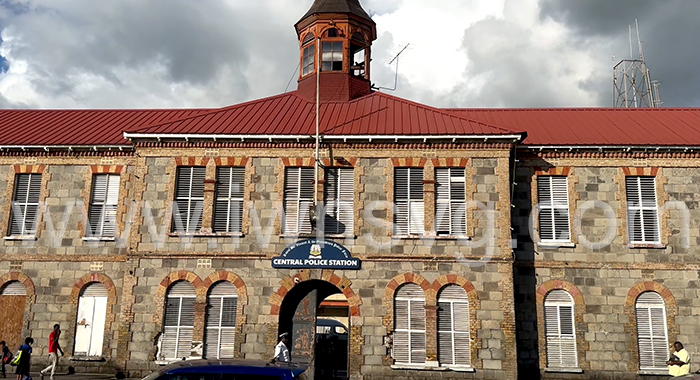
A crippled police force
In a poignant reflection on the state of law enforcement in St. Vincent and the Grenadines (SVG), a police officer has voiced deep concerns about the systemic failures crippling the Royal St. Vincent and the Grenadines Police Force. As the nation prepares for upcoming elections, the officer highlights the urgent need for accountability and reform to address the chronic issues plaguing the police force. The officer, who remains anonymous, describes a system marred by political interference, inadequate resources, and a lack of actionable policies. Despite the dedication of officers, the force is left underequipped, with police stations lacking functional vehicles and essential tools to combat crime effectively. The officer emphasizes that the failure to address these issues has left both law enforcement and citizens vulnerable, with criminals often staying one step ahead. The government’s inaction, described as both deliberate and cynical, has exacerbated the crisis, leaving the police force without the necessary support to fulfill its mandate of crime prevention and detection. As voters head to the polls, the officer urges them to prioritize public safety by demanding a clear, funded plan to restructure and resource the police force. The call for reform is not just about improving law enforcement but about ensuring the safety and security of all Vincentians. The officer concludes with a plea for voters to reject complacency and choose leaders who will take decisive action to address the challenges facing the police force and the nation as a whole.
-

LIVE from 10AM: Dominica’s 4th Meeting of the 3rd Session of the 11th Parliament
In the ever-evolving digital landscape, the phenomenon of live content sharing has emerged as a pivotal element of online interaction. Platforms enabling users to share, tweet, pin, and engage with live content are redefining the boundaries of real-time communication. This trend not only enhances user engagement but also fosters a sense of immediacy and community among participants. As live content continues to gain traction, it is reshaping the way information is disseminated and consumed, offering a dynamic and interactive alternative to traditional media formats. The implications of this shift are profound, influencing everything from marketing strategies to the dissemination of news and entertainment.
-

Wanted: Short-Term Apartment (Urgent)
An urgent request has been made for a short-term rental of a fully furnished one-bedroom or studio apartment. The desired lease duration is between one to three months, with a budget ranging from $1,200 to $1,800. The apartment must be move-in ready, including all necessary utilities. Interested parties are encouraged to contact via WhatsApp at (268) 779-9391. When responding, please provide details such as the cost, location, photos of the property, and information on which utilities are included. This is a time-sensitive search, and prompt responses are appreciated.
-

Flag-raising ceremony inspires students at Ellerton Primary
Ellerton Primary School in St George hosted a vibrant flag-raising ceremony on Monday, aimed at instilling a sense of leadership and national pride in its students. The event, led by youth advocate Taahir Bulbulia, emphasized the importance of independence and citizenship. Bulbulia engaged the students with an interactive call-and-response session, encouraging them to proudly greet their school and reflect on their roles as young Barbadians. He challenged them to consider how they could contribute to their country and improve their school and community. Bulbulia highlighted the significance of leadership in everyday life, urging students to support their peers and stand against issues like littering and bullying. He also inspired them to dream big, whether as athletes, singers, or artists, and strive to be the best in their chosen fields. Principal Karen Sealy-Cox provided a historical context, recalling Barbados’ first Prime Minister, Errol Walton Barrow, and the origins of the national anthem and pledge. The ceremony concluded with the raising of the national flag, the recitation of the pledge, and the singing of the anthem. As Barbados approaches its 59th year of independence, Bulbulia encouraged students to carry the same energy and leadership into their classrooms, homes, and communities, reminding them that they are the future leaders of the nation.
-
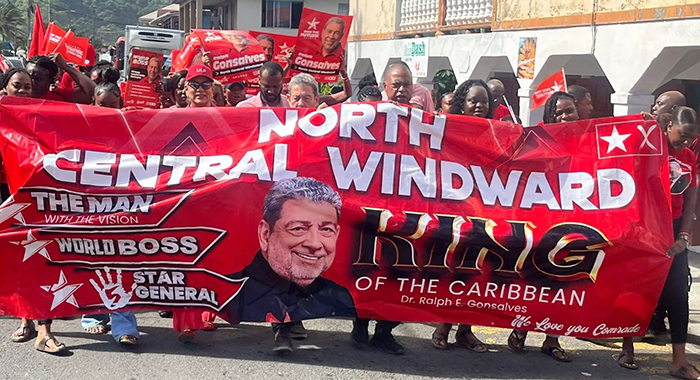
No to kings!
In 2001, the United Labour Party (ULP) ascended to power in St. Vincent and the Grenadines, promising governance but accused of ruling with an iron fist. Led by Ralph Gonsalves, a figure often described as power-hungry and Marxist, the ULP’s rise was marked by what critics call the ‘Roadblock Revolution,’ a manufactured crisis that propelled them into office. Over the past 24 years, Gonsalves has entrenched himself as a dominant figure, consolidating power through strategic maneuvers and alliances, including the merger of the St. Vincent Labour Party (SVLP) with his Movement for National Unity (MNU) to form the ULP. Critics argue that his leadership mirrors the allegorical ‘Animal Farm,’ where promises of equality gave way to authoritarian control. Gonsalves’ tenure has been characterized by accusations of nepotism, corruption, and the creation of a subservient electorate dependent on state handouts like Poor Relief, food vouchers, and home appliances. These tactics, critics claim, are designed to secure loyalty and perpetuate his rule. As the nation heads to the polls, many Vincentians express a desire for genuine governance—a leader who prioritizes the interests of all citizens, transcending political affiliations. The upcoming election presents an opportunity for change, with the New Democratic Party (NDP) positioning itself as an alternative to the ULP’s entrenched regime. The outcome will determine whether St. Vincent and the Grenadines continues under Gonsalves’ rule or embarks on a new path of inclusive governance.
-

16 Days of Activism to End Gender Based Violence Begins in Antigua and Barbuda
Antigua and Barbuda has officially commenced the 16 Days of Activism campaign, a global initiative aimed at eradicating gender-based violence. The campaign, which began on November 25th—the International Day for the Elimination of Violence Against Women—will run until December 10th, Human Rights Day. This year’s theme, “UNiTE to End Digital Violence against All Women and Girls,” underscores the growing concern over online harassment and abuse targeting women and girls. The Ministry of Social and Urban Transformation, through its Directorate of Gender Affairs, is spearheading the campaign’s coordination. Honorable Rawdon Turner, Minister for Social and Urban Transformation, emphasized the campaign’s significance, stating, “The 16 Days of Activism provides a crucial platform for government, civil society, the private sector, and citizens to advocate, learn, share experiences, and take meaningful action to raise awareness and ultimately eradicate gender-based violence.” A series of events have been planned to mark the occasion, including Orange Day, where citizens are encouraged to wear orange in solidarity with survivors, a media day to amplify awareness, and a high-level press conference addressing the national state of gender-based violence. Other activities include a Support and Referral Centre Open House, a youth parliament debate, a church service, a poster competition, and a panel discussion on digital gender-based violence. Minister Turner issued a rallying call to the nation, urging citizens to be fearless advocates for survivors and to contribute to making Antigua and Barbuda a regional leader in gender-based violence response. He reaffirmed the government’s commitment to advancing gender equality and eliminating gender-based violence through policies, programs, and legislation.
-

London University Honours Professor Sir Hilary Beckles
On Wednesday, 19 November 2025, the University of London bestowed the prestigious title of Honorary Doctor of Social Sciences upon Professor Sir Hilary Beckles. The ceremony, held on the university’s Foundation Day, commemorated its 189th anniversary and took place at Senate House, the institution’s administrative hub, under the patronage of Chancellor Her Royal Highness Princess Anne. During the event, orator Professor Kingsley Abbott lauded Sir Hilary for his decades of exceptional scholarship, leadership in higher education, and groundbreaking advocacy for social justice globally. Born into the ‘Windrush’ generation, Sir Hilary’s academic journey began in the UK, where he earned a PhD in Economic History from Hull University at just 24 years old. His career soared as he became the youngest professor at the University of the West Indies at 35, later serving as its Vice-Chancellor. Today, he holds dual roles as Chancellor of the United Nations University and Distinguished Chancellor’s Visiting Professor at Cornell University. In his acceptance speech, Sir Hilary dedicated the honor to the University of the West Indies, which he described as his academic ancestral home, tracing its roots back to the University of London in 1948. He also reflected on his time as a Senior Research Fellow at the university 39 years ago, where he published his first major academic work. The University of the West Indies, established in 1948 with 33 medical students, has since grown into a globally respected institution with nearly 50,000 students across five campuses and international centers. It offers over 1,000 programs in diverse fields and is recognized in the Times Higher Education rankings for its contributions to research and sustainable development. Its International School for Development Justice (ISD) further cements its commitment to fostering future leaders in sustainable development.