
Since the Surinamese government introduced the sports passport in 2018, the national football team has predominantly consisted of professional players born and trained abroad. This initiative also led to the recruitment of coaches with professional football backgrounds and ties to the country. Dean Gorré was the first in a series of such coaches, willing to work with an entirely amateur organization. While the goal was clear—qualifying for the World Cup—the path to achieving it was fraught with disagreements. Many expected Suriname to secure a spot in the 2022 World Cup, but when this didn’t happen, cracks in the collaboration began to show. Despite winning the Gold Cup, which signaled growth, the board lacked confidence in the team’s ability to advance, as evidenced by prematurely booked return tickets. A dispute over a player’s inclusion during the Gold Cup escalated, leading to Gorré’s dismissal in a press conference where he was publicly humiliated. Following this, the ‘Menzo I era’ began but was short-lived due to a lucrative offer in China. Winter then took over, assisted by Ten Cate, but failed to meet expectations, even missing the Gold Cup. The ‘Menzo II era’ saw an influx of new players and significant progress, culminating in Gold Cup qualification and a chance for direct World Cup entry. However, a loss in the final group match dashed these hopes, leaving Suriname to vie for a spot through intercontinental playoffs. Meanwhile, Gorré, undeterred by his dismissal, joined Curaçao’s football association. There, his leadership and collaborative efforts secured a coveted World Cup ticket, making history for Curaçao. While Suriname continues to struggle, Gorré and his team are celebrated for their historic achievement, highlighting the stark contrast between the two nations’ football trajectories.
作者: admin
-

6th Ordinary Session of the National Assembly of People’s Power, in its 10th Legislature, convened
Havana, Cuba – The National Assembly of People’s Power has officially announced the convocation of its 6th Ordinary Session, marking a significant moment in Cuba’s legislative calendar. President Esteban Lazo Hernández, exercising constitutional authority under Article 111, has scheduled the parliamentary gathering for December 18, 2025, at Havana’s Convention Center.
The session will commence at 9:00 a.m. with a comprehensive agenda focused on critical national issues. Central to the discussions will be the evaluation of Cuba’s Government Program measures designed to address economic distortions and stimulate growth. Lawmakers will examine the implementation effectiveness and socioeconomic impact of these ongoing reforms.
Additionally, the assembly will review proposed economic objectives and targets for the upcoming year, with particular emphasis on the draft State Budget Law for 2026. This budgetary deliberation comes at a crucial juncture as Cuba continues to navigate complex economic challenges.
The legislative schedule also includes accountability sessions featuring the Ministry of Science, Technology and Environment alongside the Provincial Government of Ciego de Ávila. The Ministry of Justice will present a report on its oversight activities, while various legislative bills will undergo thorough analysis and debate.
Preceding the main session, permanent working committees will convene from December 15-17 to examine over 90 agenda items affecting Cuban citizens’ daily lives. The official announcement, published November 26 on the parliamentary website, will be distributed to deputies, central state administration agencies, and relevant authorities. Full documentation will appear in the Official Gazette of the Republic and various media outlets for public transparency.
-
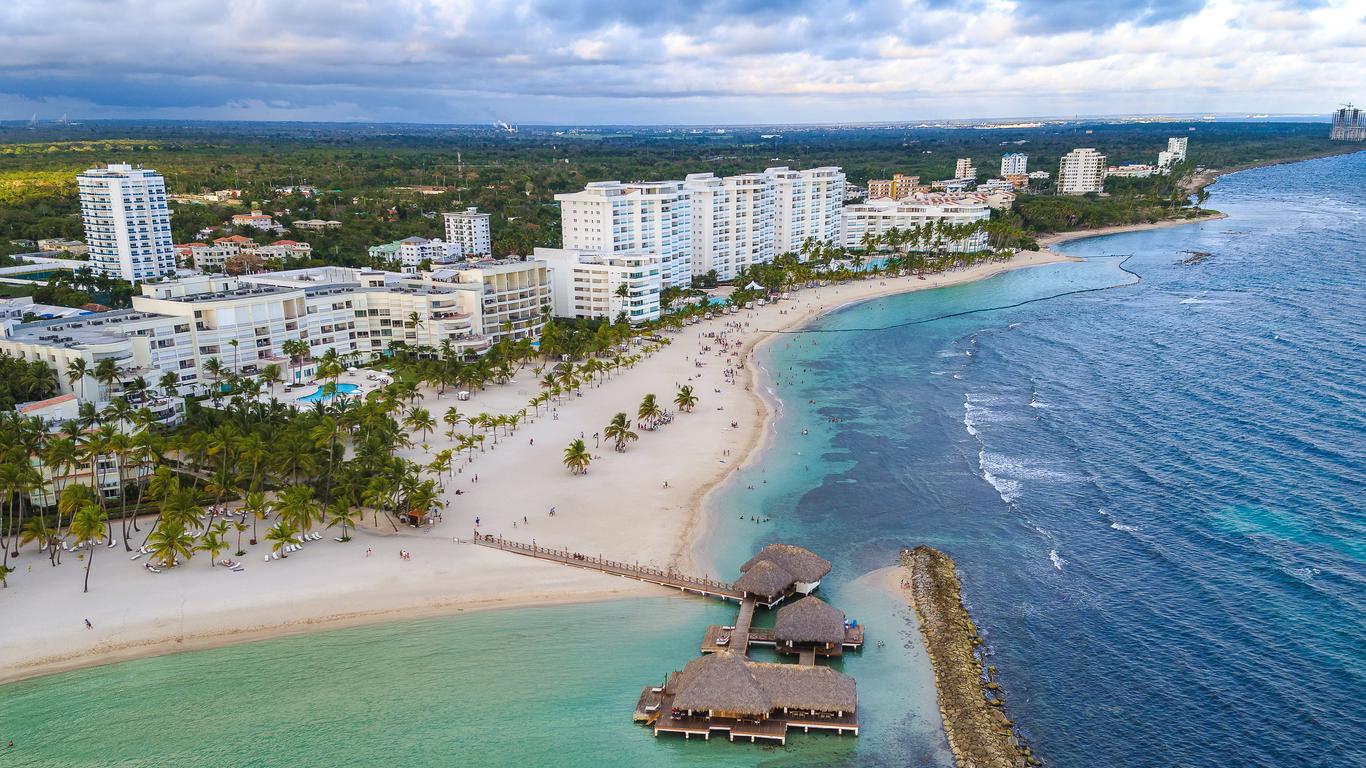
Location matters: Find a home in Dominican Republic that works for you
The Dominican Republic is rapidly gaining recognition as an ideal retirement haven, attracting growing numbers of international buyers seeking both future residences and income-generating properties. This Caribbean nation offers unique opportunities for investors to acquire real estate that can potentially fund itself through short-term rental operations while serving as a long-term retirement asset.
Strategic location selection forms the cornerstone of successful property investment. Prime locations combine beach proximity, tourist attractions, and essential amenities with robust infrastructure connections. Safety, neighborhood activity, and upcoming development projects significantly influence property valuation and rental appeal. Critical accessibility factors include walkability, road networks, and airport convenience alongside essential services such as supermarkets, pharmacies, and medical facilities.
Comprehensive market research begins with understanding regional cultural nuances and community dynamics. Prospective investors should engage with local Facebook groups and expat communities for authentic insights into safety records, construction quality, and living costs. Social media monitoring provides real-time updates on development projects and tourism trends, while visual platforms like YouTube offer virtual neighborhood tours. Google Maps facilitates practical distance measurements, though physical site visits remain invaluable for assessing day and night atmosphere.
Property type selection directly impacts maintenance requirements and revenue potential. Condominiums typically offer lower maintenance burdens and rental-friendly policies, while single-family villas provide greater privacy and higher nightly rates at the cost of increased upkeep. Vacant land purchases suit long-term construction plans but generate no immediate income.
Short-term rental success hinges on specific property features that appeal to vacationers. Beach proximity, modern interiors with reliable internet, outdoor living spaces, and guest-friendly amenities significantly enhance rental competitiveness. Market demand analysis through platforms like AirDNA, Airbnb, and local tourism portals provides crucial data for investment decisions.
Legal considerations require professional assistance throughout the acquisition process. Qualified real estate attorneys conduct essential due diligence including title verification, lien searches, and zoning regulation reviews. Knowledgeable real estate agents facilitate connections with mortgage brokers and legal professionals while providing critical market data and documentation support. This comprehensive approach ensures investors make informed decisions aligned with their financial objectives and lifestyle goals.
-
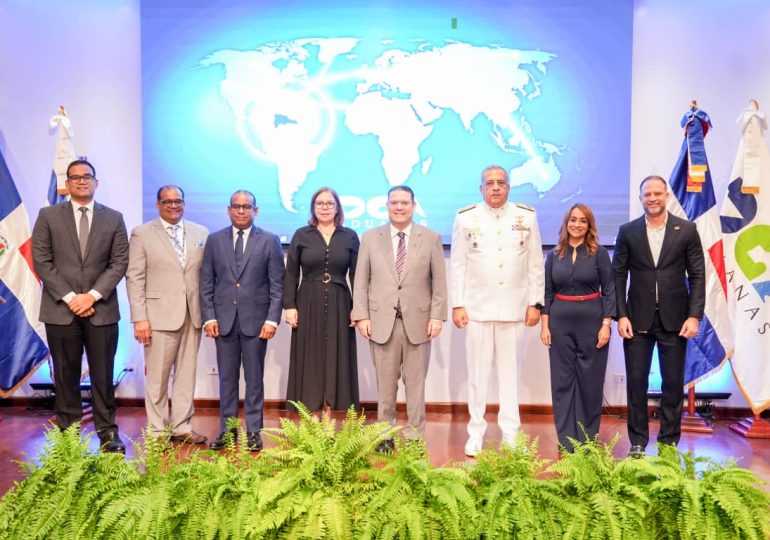
DGA publishes new Traveler’s Manual for tourists and Dominican citizens
The General Directorate of Customs (DGA) in the Dominican Republic has launched an innovative Traveler’s Manual designed to transform the border crossing experience for both international visitors and returning citizens. This comprehensive guide provides detailed clarification on customs regulations, specifically identifying which personal items can be imported or exported without incurring taxation. The initiative represents a significant step toward enhancing tourist satisfaction and strengthening the nation’s competitive position in the global tourism market.
The newly released manual offers exhaustive specifications regarding permissible items and quantity limits for personal luggage, encompassing categories such as pharmaceutical products, recreational equipment, alcoholic beverages, tobacco products, beauty products, nutritional supplements, and food items. It further establishes clear guidelines for duty-free purchases and gift allowances. The document emphasizes financial regulations, particularly the requirement to declare currency exceeding $10,000 USD, and mandates the use of the digital e-Ticket system for all travelers. Additionally, it provides directions for obtaining necessary permits for restricted items through the VUCE online platform.
Important prohibitions and restrictions are prominently highlighted within the manual, including fresh produce, controlled substances, uncertified electronic devices, and any items intended for commercial distribution. The guide also contains specialized sections addressing the importation of pets, animal feed products, and assistive technologies for individuals with disabilities, ensuring comprehensive coverage of potential traveler needs.
-
Maandinflatie loopt opnieuw op: prijzen stijgen verder in oktober
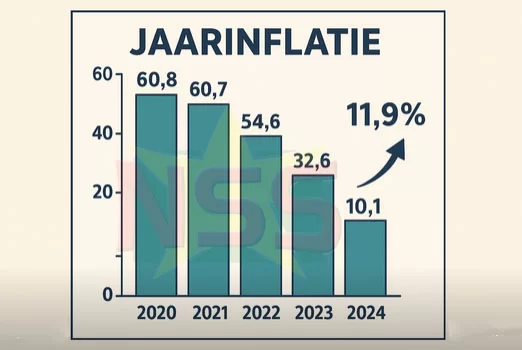
In October, consumer prices in Suriname experienced another upward surge, according to the latest data from the General Bureau of Statistics (ABS). The Consumer Price Index (CPI) for the month reached approximately 214 points, marking an increase compared to September. This rise reflects a 1.7% month-on-month inflation rate, while year-on-year inflation from October 2024 to October 2025 stood at a significant 11.9%. Although the pace of price increases has moderated compared to previous years, inflationary pressures remain a persistent challenge for households. Key drivers of this trend include higher costs for food and beverages, rising transportation expenses, slight increases in energy and utility prices, and more expensive services. The October CPI surpassed all previous months, indicating that life has become more costly, inflation shows no signs of leveling off, and households continue to feel the strain despite stable exchange rates. Structural vulnerabilities, such as heavy reliance on imports, fluctuating fuel prices, limited local production, exchange rate pressures, and uncertain international markets, keep Suriname susceptible to price volatility. As monthly inflation persists, the risk of further short-term price hikes remains a pressing concern.
-

A voice in Ramah crying above the noise
As the election season unfolds, the palpable tension and emotion across the nation symbolize a collective yearning for fairness, compassion, and meaningful transformation. From longtime friends to new acquaintances and coworkers, the recurring sentiment is clear: ‘We want change.’ This desire is not born out of bitterness or blind political allegiance but from a profound fatigue and a longing for leadership that listens, evolves, and remains accountable to the people.
-

De Surinaamse Nationaliteit 50 Jaar Later: Feiten, Wetgeving en Identiteit
On November 25, 2025, Suriname marked a dual milestone: 50 years of political independence and 50 years of Surinamese nationality. The Surinamese nationality, established concurrently with the republic itself, offers a unique historical perspective on the evolution of its nationality laws since 1975. Anastatia Kanapé-Pokie, Director of the Central Bureau for Civil Affairs, provided an in-depth analysis of this journey. The foundation of Surinamese nationality was laid by the Allocation Agreement (T.O.K.) between Suriname and the Netherlands, which determined nationality based on residency at the time of independence. Key provisions included the prohibition of dual nationality and specific criteria for acquiring Surinamese nationality. Since 1975, the Ministry of Home Affairs has overseen nationality matters under the Nationality and Citizenship Act (WNI), which has undergone several amendments to address issues of discrimination and adapt to modern realities. The 2014 revision was particularly significant, allowing for dual nationality in certain cases and ensuring gender equality in nationality acquisition. As of 2025, the Central Bureau for Civil Affairs reports 578,041 registered Surinamese citizens, 34,474 Surinamese nationals abroad, and 46,824 foreign residents from 101 countries. The evolution of Surinamese nationality reflects a shift from strict separation to a more inclusive system that acknowledges heritage, identity, and global realities.
-

Government launches bidding process for Amber Highway
The Dominican Republic has initiated a significant public bidding process for a crucial infrastructure project that will enhance transportation connectivity between major northern regions. Through the RD-Vial Trust, the Ministry of Public Works and Communications (MOPC) is seeking qualified contractors for the design and construction of a new roadway linking Santiago’s Northern Bypass with the existing Puerto Plata-Sosúa highway.
This strategic infrastructure development represents a critical segment of the broader Amber Highway initiative, aimed at improving regional transportation networks and stimulating economic growth. The procurement process commenced officially on Thursday, with comprehensive bidding documentation now available through multiple channels.
Prospective bidders may obtain the detailed Terms and Conditions either through physical collection at the RD-Vial Trust’s Purchasing and Contracting Department during standard business hours (8:00 a.m. to 4:00 p.m., Monday-Friday) or via digital download from the institution’s official online portal.
The tender mandates a dual-proposal submission system requiring both Technical (Envelope A) and Economic (Envelope B) proposals. Submission modalities include digital delivery through the Dominican State’s SECP platform or physical delivery in sealed envelopes. The deadline for physical proposal submissions is set for 12:00 p.m. on March 20, 2026, at the RD-Vial Trust Meeting Room, with technical proposal openings scheduled according to the tender’s Specific Conditions timeline.
A critical prerequisite for participation requires all bidding entities to maintain active registration within the State Supplier Registry (RPE), administered by the General Directorate of Public Procurement (DGCP), ensuring compliance with national procurement regulations and bid validity.
-

Shallow says Camillo resigned twice as Finance Minister
In a heated political climate ahead of St. Vincent and the Grenadines’ general election, Kishore Shallow, the New Democratic Party (NDP) candidate for North Leeward, has made startling allegations against Finance Minister Camillo Gonsalves. Shallow claims that Gonsalves attempted to resign from his ministerial role twice since late 2024, only to remain in office after his father, Prime Minister Ralph Gonsalves, promised him the premiership. These accusations were made during a rally in Campden Park, where Shallow also criticized the ruling Unity Labour Party (ULP) for what he termed ‘recklessness’ and disconnection from the public. Shallow, a first-time candidate, further alleged that he possesses incriminating files on ULP members, including details of a lucrative contract awarded to the Prime Minister’s brother-in-law. The Finance Minister’s alleged resignation attempts reportedly occurred in October 2024 and January 2025, with Shallow suggesting Gonsalves had plans to leave the country for a high-paying job abroad. Prime Minister Gonsalves, in response, dismissed Shallow’s claims and labeled him a ‘puny jackass,’ accusing him of mudslinging and attacking the wife of North Leeward incumbent Carlos James. The election campaign has been marked by intense rhetoric, with both parties making their final appeals to voters. The ULP, in power since 2001, has emphasized its stability, while the NDP has positioned itself as a fresh alternative to what it calls a ‘power-hungry’ and ‘money-grabbing’ administration.
-
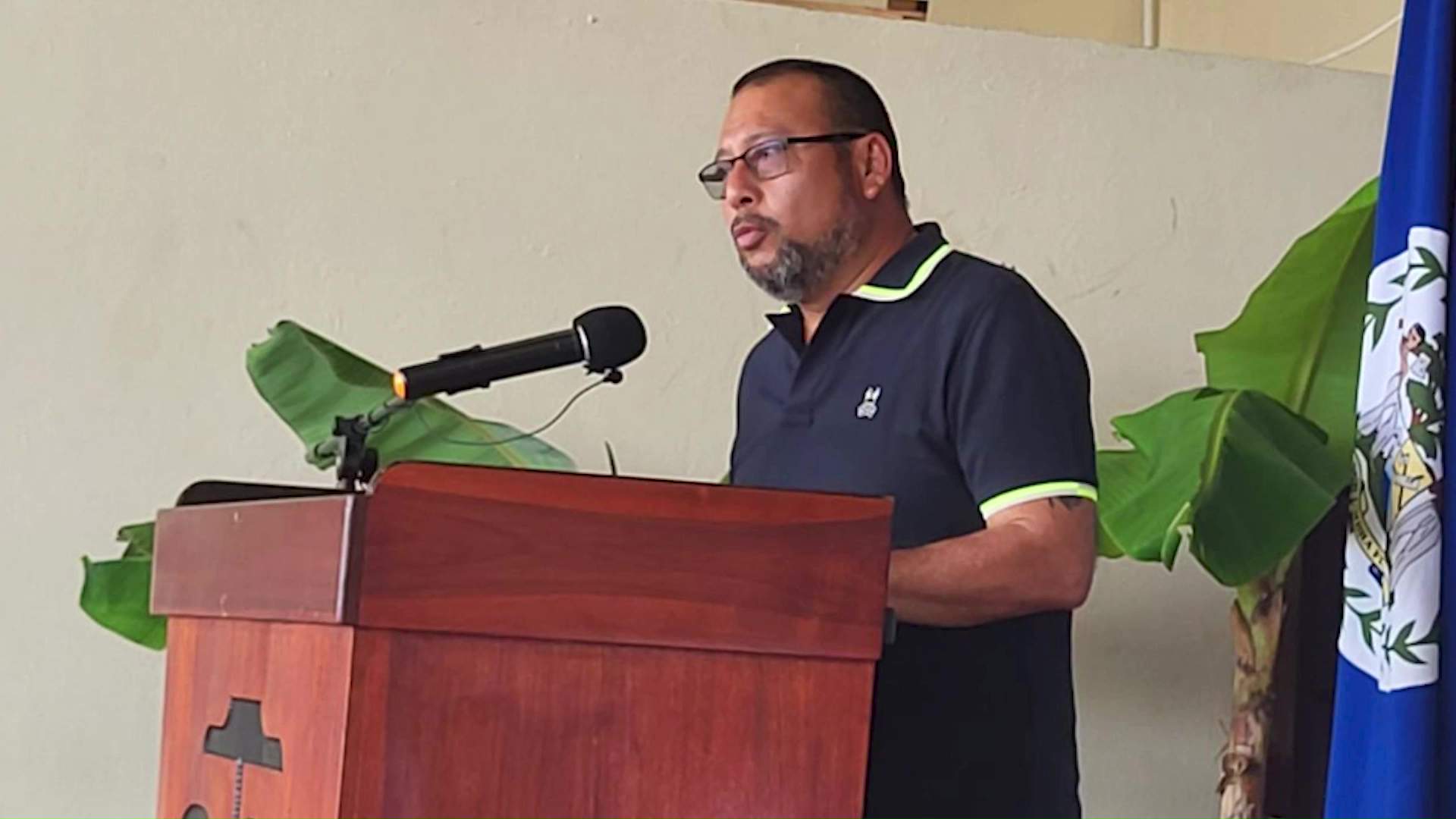
PM Briceño Doubles Down on Jose Mai’s Bad Back Story
The resignation of Jose Abelardo Mai, Belize’s long-serving Minister of Agriculture, has sparked widespread debate and speculation. Prime Minister John Briceño announced that Mai stepped down due to health concerns, specifically a chronic back injury from a horse-riding accident that requires surgery. However, this explanation has been met with skepticism, particularly on social media, where many believe it to be a cover-up for deeper issues. Mai’s departure follows weeks of controversy, including allegations from a Mexican news outlet linking him to criminal activities, which he vehemently denied as defamatory and politically motivated. Additionally, rumors of pressure from the U.S. Embassy have surfaced, though Briceño has dismissed these claims, asserting that no such request was made. The timing of Mai’s resignation is particularly puzzling, given his recent participation in an international agriculture conference in Brazil. Further complicating matters is an invoice for bulletproof vests under his ministry, which officials claim was related to an armed robbery investigation rather than cartel threats. As the public continues to question the true reasons behind Mai’s exit, Briceño maintains that the situation is a testament to Belize’s democratic values, where speculation is a natural part of public discourse. For now, Mai is out, and the agriculture portfolio has been reassigned.