作者: admin

  • NDP Sweeps St. Vincent Election in 14–1 Defeat for Gonsalves

    NDP Sweeps St. Vincent Election in 14–1 Defeat for Gonsalves

    In a seismic political realignment, St. Vincent and the Grenadines has witnessed a dramatic transfer of power as the opposition New Democratic Party (NDP) achieved an overwhelming electoral triumph. Preliminary results from Thursday’s general election reveal the NDP secured 14 of the 15 parliamentary seats, effectively ending the Unity Labour Party’s 24-year governance era.

    Prime Minister Ralph Gonsalves, among the world’s longest-serving democratically elected leaders who has governed since 2001, suffered a devastating defeat with his ULP retaining just a single seat. This electoral outcome represents the most significant political transformation in the nation’s recent history and conclusively terminates Gonsalves’ pursuit of an unprecedented sixth consecutive term.

    The international community has begun responding to this democratic transition. Jamaican Prime Minister Andrew Holness formally congratulated the nation through social media platform X, commending St. Vincent and the Grenadines for conducting a ‘peaceful and democratic process.’

    Diplomatic attention has particularly focused on the election’s implications for Taiwan-China relations, as St. Vincent remains one of Taipei’s few enduring diplomatic partners. Taiwan’s ambassador extended congratulations to the victorious NDP, despite the party’s previous indications about potentially reevaluating foreign allegiances. The NDP’s campaign manifesto, while suggesting consideration of strengthened relations with China, stopped short of advocating complete termination of ties with Taiwan.

    This 14-1 electoral outcome marks the ULP’s poorest performance since initially assuming power more than two decades ago, signaling a profound shift in the Vincentian electorate’s political preferences and potentially heralding a new chapter in the nation’s international relationships.
  • COMMENTARY: After the Silence: Rethinking Power, Renewal, and the Future of Opposition

    COMMENTARY: After the Silence: Rethinking Power, Renewal, and the Future of Opposition

    The recent electoral outcome in St. Vincent and the Grenadines represents far more than a simple political transition—it signifies a profound national awakening. After twenty-four consecutive years in power, Prime Minister Ralph Gonsalves’ Unity Labour Party (ULP) secured merely one parliamentary seat, reflecting a decisive public mandate for change that had been developing through years of unaddressed societal evolution.

    This political transformation emerged from a growing disconnect between the governing party’s internal culture and the country’s rapidly changing needs. The electorate’s quiet dissatisfaction manifested not through dramatic protests but through subtle indicators: diminishing supporter enthusiasm, visible public fatigue, and pervasive questioning of what continued leadership under the same establishment could genuinely offer. The result constitutes a fundamental rejection of leadership rooted in historical legacy rather than contemporary awareness.

    The ULP’s decline followed a predictable pattern common to long-governing parties: diminished self-reflection, insufficient新人 cultivation, and treating governance as an extension of personal legacy rather than dynamic public partnership. This approach created an irreparable breach between leadership and citizens that no amount of political rhetoric could bridge.

    Nevertheless, this political reset contains significant potential for national renewal. The reconstruction process must begin with genuine, defensiveness-free listening—conversations in homes, markets, and community spaces focused not on recapturing power but comprehending the nation’s contemporary reality. Meaningful opposition rebuilding requires structured mentorship programs, courageous embrace of emerging voices, and evidence-based policy development addressing current lived experiences rather than historical assumptions.

    A reformed opposition must establish broad national advisory committees capable of generating substantive solutions: economic relief frameworks, community safety initiatives, youth employment pathways, and modern governance standards. Investment in organizer training, communicative clarity, and research capabilities becomes essential. Most critically, demonstrating through consistent action a commitment to transparency, intellectual honesty, and shared leadership will determine whether the opposition evolves into an institution worthy of public trust based on future vision rather than past accomplishments.

  • A’ila Resorts gifts Saint Lucia Beach Park Facility

    A’ila Resorts gifts Saint Lucia Beach Park Facility

    In a significant enhancement to Rodney Bay’s coastal amenities, developers behind the multimillion-dollar A’ila Resorts and Residences and The LifeCo Holistic Wellness Hotel are constructing Saint Lucia’s first comprehensive beach park at Mount Pimard. This community-focused initiative, though not originally planned within the project scope, emerged as essential after recognizing the beach’s dual role as both recreational space and economic hub for local citizens.

    The pioneering A’ila Beach Park will establish new standards for public infrastructure with facilities including modern public washrooms, dedicated vendor booths, beverage bars, and a specialized children’s play area. This development strategically balances recreational enhancement with the creation of substantive economic opportunities for Saint Lucian entrepreneurs and service providers.

    Sean Bonet, Administrative Consultant for A’ila, characterized the project as embodying a genuine partnership with the community. “While developing a world-class tourism product remains our primary objective, we fundamentally want the people to participate in what we’re building—not merely through employment but through tangible community benefits,” Bonet stated. He specifically identified the beach park as the inaugural manifestation of this commitment.

    Addressing potential public concerns, Bonet provided explicit reassurance regarding perpetual beach access: “The project owners have no intention of impeding access to the beachfront. This facility at the base of our development concretely reflects our dedication to preserving and enhancing public enjoyment.”

    Industry professionals have welcomed the initiative, with sub-contractor Brent Nicholas describing the development as “commendable and valuable” for its dual focus on maintaining public accessibility while substantially upgrading amenities.

    The broader A’ila development, which commenced with a sod-turning ceremony in May 2024, will eventually comprise private villas, resort accommodations, and residential units. The Beach Park and the first phase—The LifeCo Holistic Wellness Hotel—are currently nearing completion, with official operations anticipated to commence in early 2026.

  • Cave Hill adds another major moot court win with Beijing victory

    Cave Hill adds another major moot court win with Beijing victory

    The University of the West Indies Cave Hill Faculty of Law has secured another landmark victory on the global stage, capturing the championship title at the 2025 International Space Law Moot Court Competition hosted by China University of Political Science and Law (CUPL) in Beijing.

    During the November 21-23 biennial event, which specialized in complex matters of international space law, the Barbadian delegation demonstrated exceptional legal prowess under the guidance of Interim Dean Dr. Antonius R. Hippolyte. The competition structure featured dual teams from both institutions, with UWI Cave Hill’s second team comprising Brianna Hardy and Charlie Adhar advancing through multiple rigorous rounds to reach the championship match.

    The final arbitration panel was presided over by Professor Guoyu Wang, Dean of the Academy of Air, Space Policy and Law at Beijing Institute of Technology and author of the competition’s factual scenario. Hardy and Adhar emerged as overall winners, with Hardy additionally receiving the Best Oralist award. Their colleagues Carina Blache and Ayodele Jones from Team 1 secured the prize for Best Written Arguments for the Applicant.

    Professor Wang commended the Caribbean delegates for their high-caliber advocacy skills and encouraged continued participation in international moot competitions. This achievement marks the second major international moot victory for Cave Hill in 2025, following their triumph as Best Academic Institution at the XV Annual Caribbean Court of Justice International Law Moot in Trinidad and Tobago last March.

    Campus Principal Professor Clive Landis celebrated the unprecedented success, describing the achievement as “out of this world” and emphasizing the institution’s growing global influence in legal education. The back-to-back victories demonstrate the exceptional quality of Cave Hill’s LLB program and its ability to prepare students for excellence in international legal advocacy.

    The faculty’s global engagement extends beyond competitive successes through strategic partnerships with institutions including Leuphana University and the University of Dayton School of Law, offering advanced postgraduate programs and cross-border learning opportunities that position Cave Hill as a hub for international legal thought leadership.

  • Hope farm institute set for early 2026 handover

    Hope farm institute set for early 2026 handover

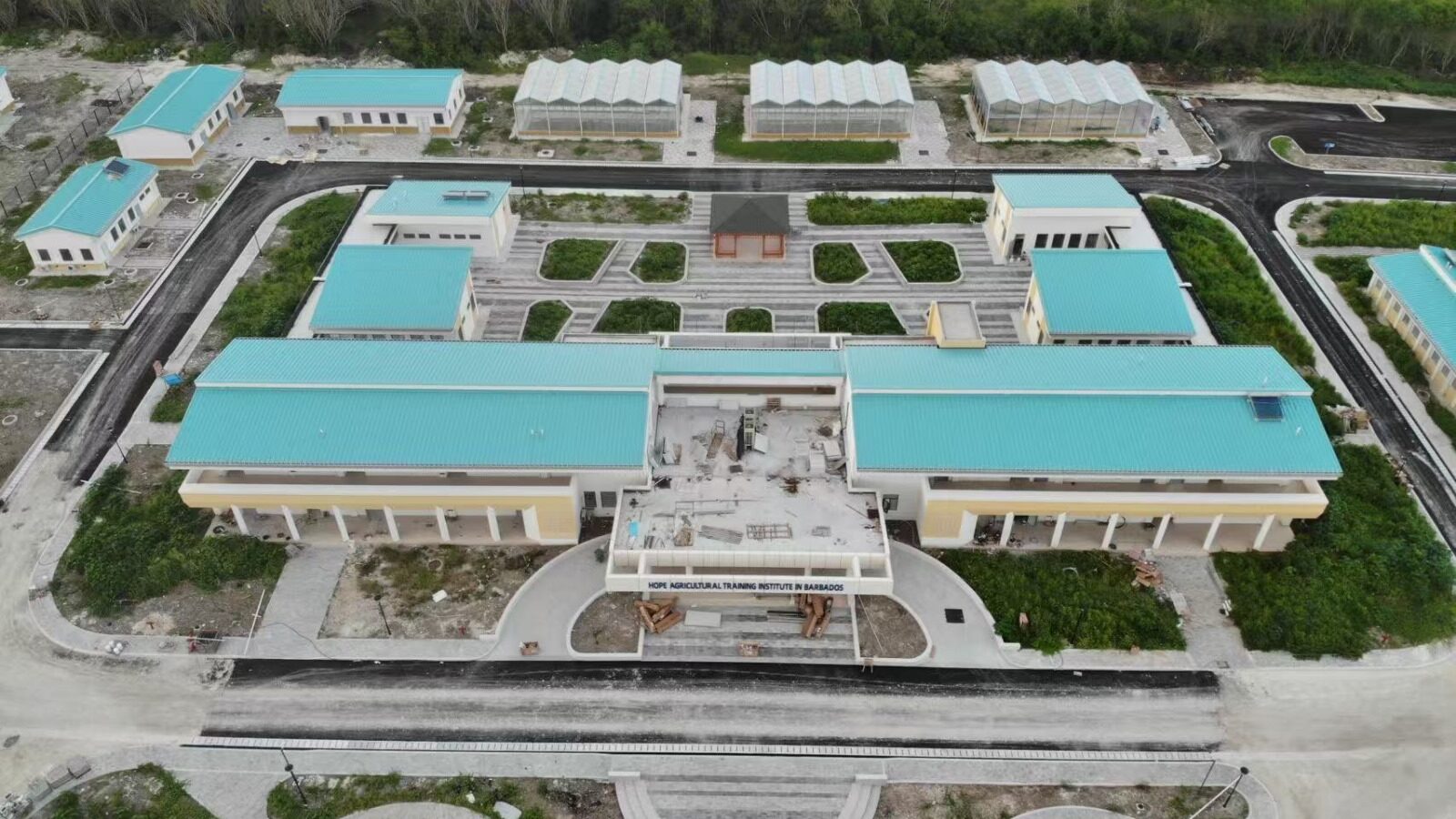
    The Hope Agriculture Training Institute (HATI), a multimillion-dollar educational facility in St Lucy, Barbados, is approaching its final construction phase with 98% completion achieved. Chinese contractors confirm the China-funded project remains on schedule for handover to Barbados’ Ministry of Educational Transformation by early 2026, despite recent weather-related setbacks affecting final paving and fencing works.\n\nDuring a site inspection at Hope estate, project officials from Shanghai Construction Group (SCG) and supervision firm SIPPR Engineering Group provided detailed progress updates. Wu Weizhong, SCG project manager, acknowledged that heavy rainfall had temporarily delayed asphalt paving and fencing operations, but emphasized the contractor’s proactive engagement with local suppliers to maintain timelines.\n\nFollowing construction completion, the facility will undergo comprehensive technical commissioning once water and electricity connections are established. \”We need to run the entire project to ensure all equipment and facilities operate smoothly,\” Wu explained, highlighting the rigorous testing phase ahead.\n\nThe project represents a significant bilateral cooperation effort between China and Barbados, with managers crediting the Ministry of Educational Transformation and Chinese embassy support for effective problem-solving. \”We believe solutions always outnumber problems,\” Wu stated, reflecting the collaborative approach.\n\nDesigned as an educational revolution in agricultural training, HATI will consolidate tertiary agricultural programs currently dispersed across multiple Barbadian institutions. The 57,000-square-foot complex will serve 300 students and 60 faculty members through three specialized zones: livestock facilities, academic/administrative buildings, and residential accommodations.\n\nNotable features include seven livestock sheds, three greenhouses, demonstration classrooms, repair workshops, and climate-resilient design elements. The facility incorporates ISO 9001 quality management standards and specifically addresses Caribbean environmental challenges through salt-spray corrosion resistance, hurricane resilience, and rainwater collection systems.\n\nDesign modifications implemented during construction include expanded elevator dimensions, 13 underground water storage tanks, and conversion to natural gas generators. The institute will feature full accessibility compliance with disability-friendly infrastructure throughout all facilities.\n\nBarbadian Minister of Training and Tertiary Education Sandra Husbands has previously characterized the project as \”a tremendous investment\” and \”a gift to the people of Barbados by the Chinese,\\” recognizing its potential impact on agricultural education and food security initiatives.

  • Finance minister reports growth in National Employment Programme

    Finance minister reports growth in National Employment Programme

    Dominica’s National Employment Programme (NEP) has reached a significant milestone with 3,587 interns actively participating as of October 2025, according to Finance Minister Dr. Irving McIntyre’s recent parliamentary address. The workforce development initiative continues to demonstrate substantial impact on both individual careers and broader economic stability.

    Established as a strategic bridge between academic training and professional employment, the NEP specifically targets unemployment reduction through comprehensive skills development and job placement services. The program has received reinforced governmental backing with an additional $15 million investment beyond originally budgeted allocations for the 2024-2025 fiscal period.

    Minister McIntyre emphasized the program’s dual benefit system: “NEP stipends generate continuous economic stimulus by flowing directly into local communities, supporting consumption patterns, small business sustainability, and family livelihoods.” This injection of capital creates multiplicative economic effects throughout Dominica’s economy.

    The program’s success metrics extend beyond immediate employment figures. Between June 2024 and July 2025, 291 participants completed the program, with many transitioning into permanent positions using acquired professional competencies. The minister characterized the initiative as “an essential professional launching path” that systematically builds resumes, enhances workplace confidence, and develops critical professional networks.

    Dr. McIntyre concluded his assessment by framing the NEP as “a true pillar of support for Dominica and its people,” highlighting its sustained contribution to national socioeconomic development through multifaceted interventions that address both individual career development and broader economic stimulation.

  • Ali congratulates newly-elected St Vincent Prime Minister

    Ali congratulates newly-elected St Vincent Prime Minister

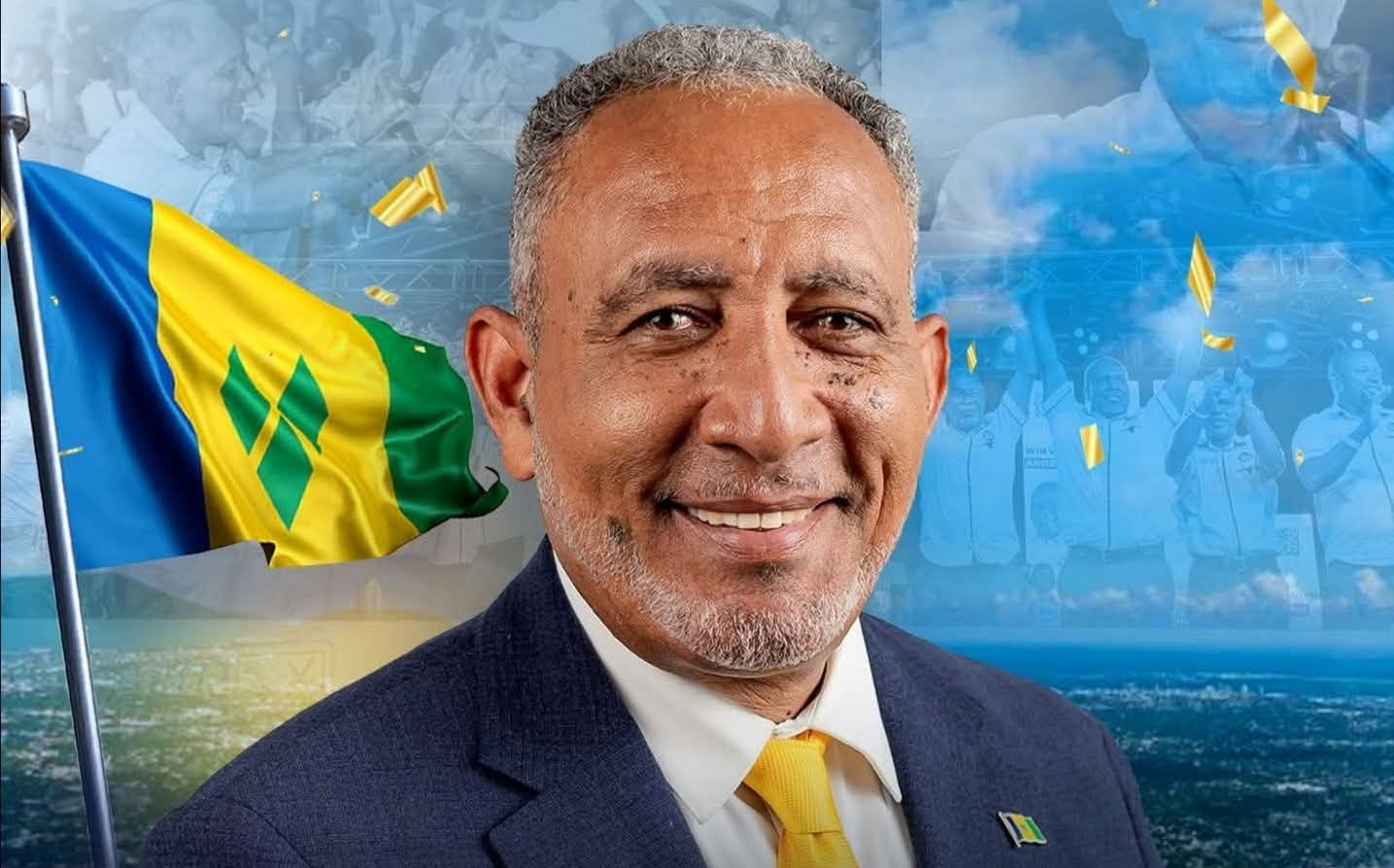
    In a significant political transition for the Eastern Caribbean, St. Vincent and the Grenadines has elected Dr. Godwin Friday as its new Prime Minister following a decisive electoral victory. The New Democratic Party (NDP), under Friday’s leadership, secured a remarkable 14-1 parliamentary majority in Thursday’s general elections, effectively ending the 25-year administration of Dr. Ralph Gonsalves and his Unity Labour Party.

    Guyanese President Irfaan Ali extended official congratulations to the incoming leader on behalf of the Cooperative Republic of Guyana. In his formal statement, President Ali expressed anticipation for strengthened bilateral relations between the neighboring Caribbean nations. “I look forward to working closely with the Prime Minister-elect to deepen the bilateral cooperation between Guyana and St. Vincent and the Grenadines and to advancing regionalism,” Ali stated, emphasizing the importance of regional unity amid evolving challenges and opportunities facing the Caribbean Community (CARICOM).

    The Guyanese leader simultaneously acknowledged the contributions of outgoing Prime Minister Gonsalves, recognizing his quarter-century of service to both his nation and regional integration efforts. “His long and dedicated service to the people of St. Vincent and the Grenadines and to Caribbean regionalism have earned him respect across our Community,” President Ali remarked, noting that Gonsalves’ contributions to CARICOM’s advancement would be long remembered.

    This political shift marks one of the most significant changes in Caribbean leadership in recent decades, potentially signaling new directions in regional diplomacy and cooperation frameworks. The transition occurs as Caribbean nations navigate complex global challenges including climate vulnerability, economic transformation, and evolving international partnerships.

  • SLM bespreekt luchtvaartkansen met premier St. Maarten

    SLM bespreekt luchtvaartkansen met premier St. Maarten

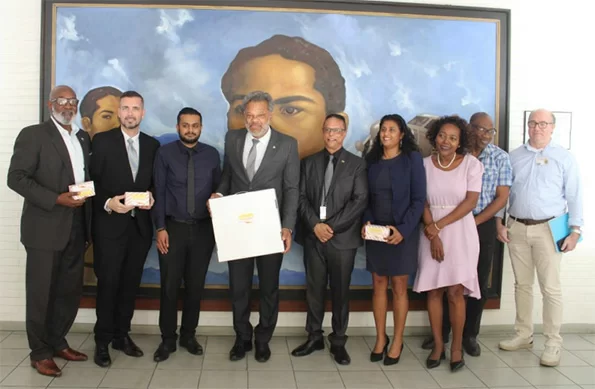
    In a significant development for Caribbean aviation connectivity, Surinam Airways (SLM) hosted a high-level delegation from St. Maarten led by Prime Minister Luc Mercelina this week. The airline described the meeting as a “historic moment” for regional air transport cooperation.

    The discussions, held in SLM’s operational command center referred to as the “cockpit,” focused on exploring new flight connections and cargo services between Suriname and St. Maarten. Both parties examined opportunities to enhance regional connectivity through additional routes beyond the direct connection between the two territories.

    According to official statements, the existing business case for this aviation partnership will be updated based on information exchanged during the talks. Subsequent follow-up discussions between the two parties are planned, with Surinam Airways expressing strong interest in potential collaboration. The meeting represents a concrete step toward strengthening economic and transportation ties between the Caribbean nations.

    This initiative could potentially open new tourism and trade corridors in the region, facilitating easier movement of passengers and goods between the Dutch Caribbean territories. The expanded connectivity would support economic development and cultural exchange throughout the Caribbean basin.

  • Constitutional reforms risk undermining independence – unions

    Constitutional reforms risk undermining independence – unions

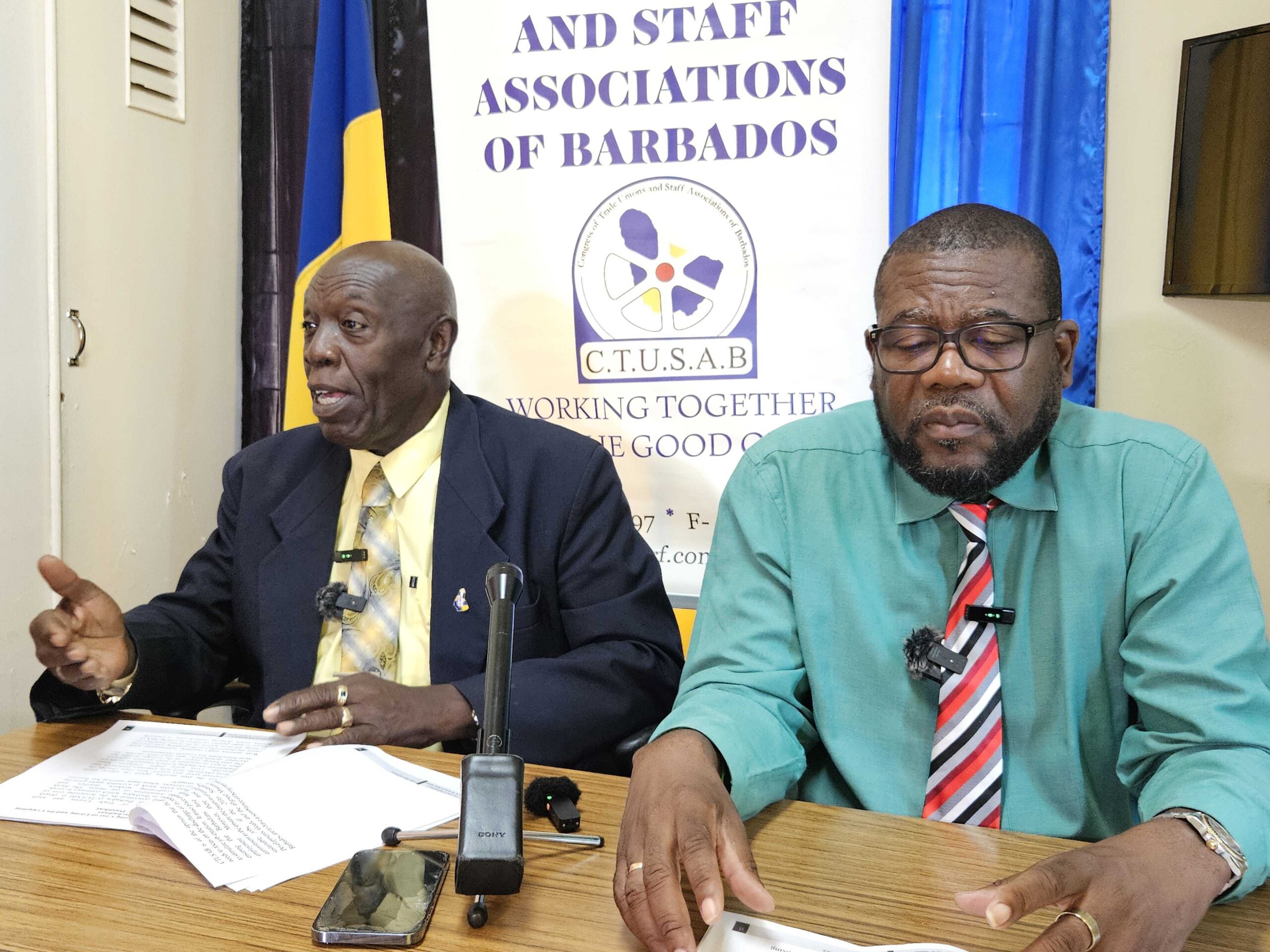
    The Congress of Trade Unions and Staff Associations of Barbados (CTUSAB) has issued a stern critique of the government’s proposed constitutional amendments, expressing grave concerns about the legislative process and potential implications for institutional independence. CTUSAB General Secretary Dennis DePeiza has demanded comprehensive national consultation before Parliament proceeds with the constitutional reforms introduced by Prime Minister Mia Mottley on Tuesday.

    The proposed Constitution (Amendment) Bill contains several significant provisions, including authorization for lawmakers to elect a Speaker from outside the House of Assembly, adjustments to constituency boundaries, and permission for government ministers to address the Senate directly during legislative debates. While acknowledging the potential merit of an independent Speaker concept, DePeiza emphasized that apparent benefits alone cannot justify constitutional changes without thorough public examination.

    DePeiza characterized the current approach as concerning within Barbados’ Westminster system of governance, describing the reforms as ‘overnight changes’ implemented without adequate public ventilation and feedback mechanisms. He specifically objected to the provision allowing ministers to advocate for measures in the Senate, arguing this could improperly influence a body designed for objective deliberation.

    The trade union leader further criticized the proposal that would maintain the Prime Minister’s authority to appoint an external Speaker, asserting this arrangement fundamentally contradicts the principle of independence. Instead, DePeiza advocated for presidential authority in appointing an independent Speaker, emphasizing that such decisions must reflect national interest commitments and impartial governance standards as Barbados transitions to its new presidency.

  • Many historic elements as Friday leads NDP to 14-1 victory

    Many historic elements as Friday leads NDP to 14-1 victory

    In a dramatic political upheaval, St. Vincent and the Grenadines has elected Godwin Friday’s New Democratic Party (NDP) to power, ending the 24-year rule of Prime Minister Ralph Gonsalves’ Unity Labour Party (ULP). The NDP secured a commanding victory, capturing 14 of the 15 parliamentary seats in Thursday’s general election.

    Prime Minister-designate Friday, 66, will become the nation’s seventh head of government after his party achieved the largest electoral victory since 1989. The outcome marks a significant rejection of the ULP’s bid for an unprecedented sixth consecutive term in office.

    The election results have reduced former Prime Minister Gonsalves, CARICOM’s longest-serving head of government, to the solitary opposition lawmaker in Parliament. This represents a remarkable fall for the 79-year-old leader whose party had dominated Vincentian politics for nearly a quarter-century.

    Celebrations erupted across the nation as preliminary results circulated, with the largest gathering occurring outside NDP headquarters on Murray’s Road in Kingstown. Supporters engaged in raucous victory celebrations featuring amplified music, street dancing, horn-blowing, and fireworks throughout Thursday night.

    Among the notable victories were Laverne Gibson-Velox, who defeated Finance Minister Camillo Gonsalves in East St. George, and Shevern John, who secured North Windward. Their elections mark the first time women have entered Parliament since 2001, breaking a significant gender barrier in Vincentian politics.

    The defeat raises profound questions about the ULP’s future, particularly after the losses of both the finance minister and Agriculture Minister Saboto Caesar, who had been identified as potential future leaders of the party.

    Friday, speaking via state media shortly after midnight, struck a conciliatory tone, emphasizing national unity and immediate action on campaign promises. “The election is behind us now,” he stated, “and I want to see this country come together and we put ourselves and our backs to the wheel and quickly work to build St. Vincent and the Grenadines for all of us.”

    The prime minister-designate announced plans for a public holiday on Friday to allow citizens to recuperate from the extended campaign period while celebrating the democratic process. He is expected to be sworn in during the afternoon alongside key members of his administration.

    Regional leaders quickly extended congratulations, with Jamaican Prime Minister Andrew Holness praising the “peaceful and democratic process” and St. Lucia’s Opposition Leader Allen Chastanet noting the victory as “a testament to your perseverance, your integrity and the trust the people have placed in your leadership.”

    Political analysts noted an average 5% swing away from the ULP, continuing a trend of dwindling support observed over recent elections. The outcome provides substantial material for regional political analysis given the decisive nature of the victory and the end of one of the Caribbean’s most enduring political eras.