作者: admin

  • Two manifestos, two futures: Which vision matches the Saint Lucia you want?

    Two manifestos, two futures: Which vision matches the Saint Lucia you want?

    As Saint Lucia prepares for its pivotal 2025 General Election, the nation’s two dominant political forces have unveiled fundamentally different governance philosophies through their detailed manifestos. The United Workers Party (UWP) has presented an extensive 78-page blueprint advocating for comprehensive systemic transformation, while the Saint Lucia Labour Party (SLP) offers a more focused 35-page document emphasizing incremental improvements and community-centric development.

    Despite their contrasting methodologies, both parties converge on addressing critical national challenges including public security, healthcare accessibility, economic pressures, educational reform, agricultural sustainability, and tourism development. The distinction emerges in their strategic implementation frameworks and philosophical approaches to governance.

    **Public Security Overhaul**
    The crime epidemic represents perhaps the most urgent concern for both parties. The UWP proposes a radical security architecture redesign through its Relief, Recovery, and Reform framework, featuring establishment of a Border Control Authority, enhanced forensic capabilities, expanded surveillance networks, and treatment of crime as a public health issue requiring early intervention programs. Conversely, the SLP emphasizes strengthening existing law enforcement infrastructure through increased police manpower, upgraded equipment, and community-based prevention initiatives.

    **Economic Stabilization Strategies**
    Addressing the escalating cost of living crisis reveals another philosophical divide. The SLP advocates for targeted social protection measures and price stabilization for essential goods, building upon current welfare programs. The UWP’s SOS Plan promises immediate financial relief through tax eliminations, reduced fuel prices, and free tertiary education, coupled with an investment-driven economic recovery model focused on infrastructure development.

    **Healthcare System Transformation**
    Both parties acknowledge the healthcare sector requires substantial investment, with mutual commitments to facility upgrades and a new hospital in Soufrière. The SLP prioritizes universal coverage expansion and mental health support within the existing system framework. The UWP proposes more fundamental restructuring through National Health Insurance implementation, digital health management systems, and an additional hospital in Dennery.

    **Tourism and Economic Diversification**
    As the nation’s primary economic engine, tourism receives significant attention in both manifestos. The SLP emphasizes sustainable tourism development with enhanced community benefits and agricultural linkages. The UWP envisions broader sector diversification through sports, wellness, and cultural tourism initiatives alongside global marketing expansion.

    **Educational Philosophy Divergence**
    The parties present contrasting educational visions reflecting their broader governance approaches. The SLP focuses on early childhood development, classroom modernization, and digital literacy integration. The UWP emphasizes workforce alignment through technical education expansion, industry partnerships, and adult retraining programs.

    **Agricultural Renaissance**
    Both manifestos recognize agriculture’s renewed importance for food security and climate resilience. The SLP proposes farmer capacity building and technological adoption, while the UWP outlines comprehensive modernization through land banking, irrigation networks, and processing infrastructure.

    **Creative Economy Development**
    The emerging creative sector receives unprecedented political attention. The UWP proposes formalization through dedicated institutions and legislation, while the SLP integrates creative industries within broader youth entrepreneurship initiatives.

    **Funding Realities**
    Ultimately, both visions confront the same fiscal constraints. The SLP’s approach suggests reliance on existing budgetary structures and gradual scaling, while the UWP’s ambitious agenda necessitates significant resource mobilization through economic recovery initiatives and external investment attraction. The electoral decision will ultimately hinge on which funding model voters find most credible and sustainable.

  • Temporary closure: Grenville Basketball Court

    Temporary closure: Grenville Basketball Court

    The Grenville Basketball Court will undergo a comprehensive month-long closure starting Saturday, November 29, 2025, through Wednesday, December 31, 2025, as announced by the Ministry of Youth and Sports. This temporary shutdown will enable critical facility enhancement work aimed at significantly improving user safety standards.

    The rehabilitation initiative forms part of a broader national strategy to upgrade sporting infrastructure across the nation. During this period, all basketball-related activities including training sessions, competitive games, and casual recreational use will be strictly prohibited at the Grenville location.

    Authorities strongly encourage athletes and community members to utilize alternative sporting facilities while these essential improvements are underway. The Ministry has expressed regret for any disruptions caused by the necessary closure, while simultaneously appealing for public understanding and cooperation throughout the enhancement process.

    For additional details regarding the renovation timeline or alternative facility options, concerned citizens may directly contact the Ministry of Youth and Sports via email at [email protected] or by telephone at (473) 440-6917/8.

    The Ministry reaffirmed its commitment to developing high-quality sports infrastructure throughout Grenville and nationwide, emphasizing that these temporary inconveniences will ultimately yield long-term benefits for the sporting community.

  • Syria denounces to UN recent Israeli aggression

    Syria denounces to UN recent Israeli aggression

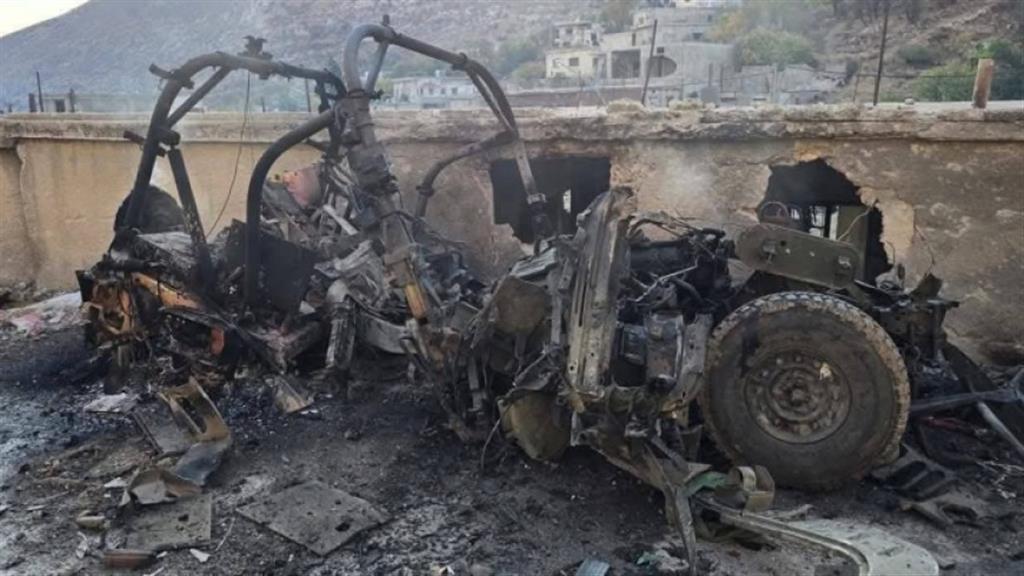
    In a recent interview with Al-Arabiya Al-Hadath, Syrian diplomat Olabi articulated Damascus’s firm stance on maintaining national advancement while countering external threats. The official emphasized that Syria would continue progressing “at all levels” without yielding to destabilizing provocations.

    Olabi clarified that any response from Damascus would be meticulously coordinated through established international channels, with the paramount priority being the protection of Syrian civilians. This approach underscores the government’s commitment to measured diplomacy amid regional tensions.

    The Syrian government is concurrently intensifying diplomatic campaigns to isolate Israel internationally and diminish support from its allied nations. This strategic initiative aims to reshape geopolitical dynamics through multilateral engagement rather than unilateral action.

    Referencing recent developments at the United Nations, the diplomat highlighted that during the latest Security Council session, the Israeli ambassador witnessed unanimous consensus among all fifteen member states. The council collectively condemned acts of aggression and reaffirmed support for Syria’s sovereignty and territorial integrity.

    Furthermore, Syrian representatives are actively engaged in efforts to renew the United Nations Peacekeeping Force’s mandate. This initiative seeks to enhance security mechanisms along separation lines and contribute meaningfully to long-term regional stability, demonstrating Syria’s commitment to diplomatic solutions within international frameworks.

  • FIHAV 2025 ends with Cuba’s economic highlights

    FIHAV 2025 ends with Cuba’s economic highlights

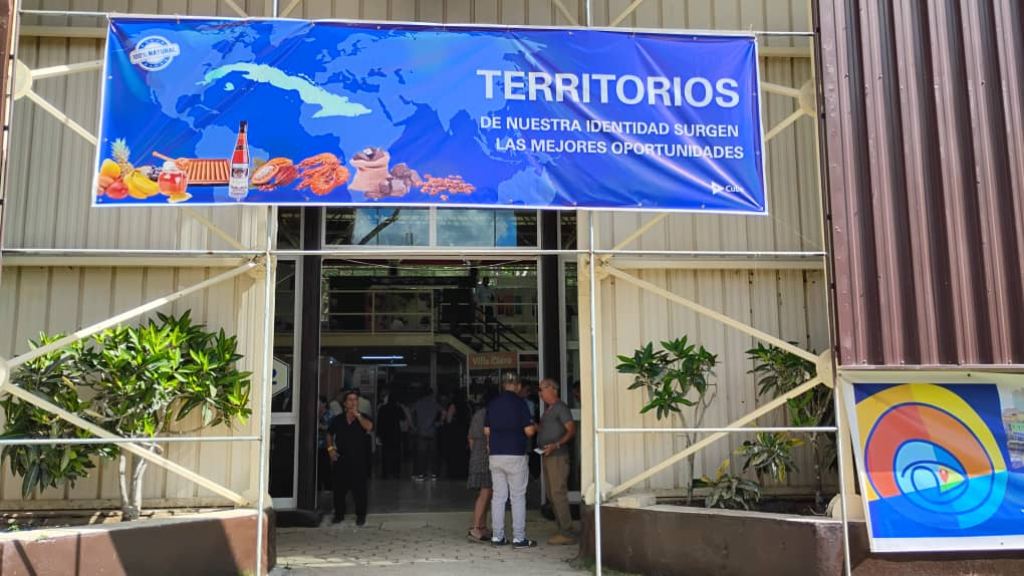
    Havana’s International Trade Fair has become the focal point for significant foreign investment policy revelations, with government officials detailing an ambitious macroeconomic stabilization program. Deputy Prime Minister and Minister of Foreign Trade and Foreign Investment Oscar Perez-Oliva presented these transformative measures during the 8th Investment Forum, capturing the attention of international companies and economic experts alike.

    The comprehensive reforms include the strategic expansion of Special Economic Zones beyond the established Mariel Special Development Zone (ZEDM) model. These new zones will target specific sectors including technology parks and real estate development, creating specialized hubs for foreign investment.

    Financial innovation forms a cornerstone of the new policy framework, particularly through Selective Swap Operations. This sophisticated financial mechanism enables targeted debt restructuring to generate foreign currency earnings and secure international financing. The government simultaneously introduced a groundbreaking real estate initiative that allows foreign investors to fund residential projects under specific conditions.

    All proposed business ventures must demonstrate financial self-sufficiency in foreign currency while adhering to stringent requirements for heritage conservation, energy efficiency standards, and implementation of renewable energy sources. These environmental and cultural protections form an integral part of the investment criteria, ensuring sustainable development aligns with economic objectives.

  • UK to Support Antigua and Barbuda’s Preparations for CHOGM 2026

    UK to Support Antigua and Barbuda’s Preparations for CHOGM 2026

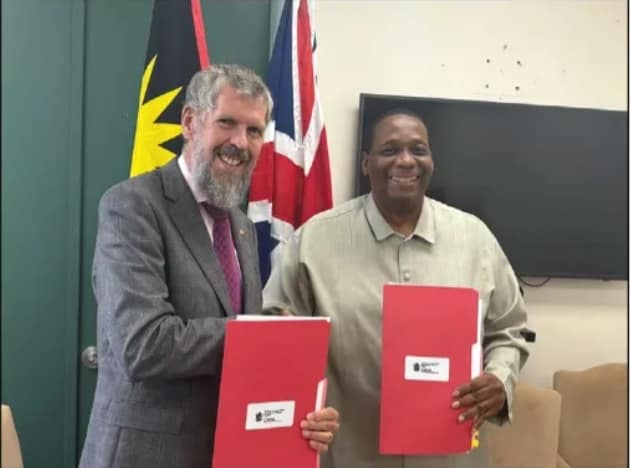
    In a significant diplomatic development, the United Kingdom has formally committed to providing specialized technical assistance to Antigua and Barbuda as the Caribbean nation accelerates preparations for hosting the 2026 Commonwealth Heads of Government Meeting (CHOGM). The cooperation framework was solidified through a Memorandum of Understanding signed on Thursday between Dr. Clarence Pilgrim, Permanent Secretary in Antigua and Barbuda’s Ministry of Foreign Affairs, and British High Commissioner John Hamilton.

    This agreement marks a pivotal advancement in Antigua and Barbuda’s strategic planning for what officials describe as a monumental national endeavor. Dr. Pilgrim emphasized the practical implications of the partnership, noting that a dedicated technical expert from the UK will be seconded to the Ministry of Foreign Affairs starting April 2025. This on-the-ground specialist will work to establish essential systems and operational frameworks necessary for executing a successful and historically significant international gathering.

    High Commissioner Hamilton highlighted the continuity of bilateral cooperation, referencing previous successful collaborations during the preparations for the Fourth International Conference on Small Island Developing States (SIDS4) in 2024. The UK’s decision to replicate this proven support model for CHOGM 2026 demonstrates confidence in the established partnership framework. Hamilton confirmed this technical assistance represents merely one component of broader UK support initiatives planned as Antigua and Barbuda progresses toward hosting the prestigious Commonwealth meeting.

    The agreement underscores the UK’s ongoing commitment to strengthening diplomatic ties within the Commonwealth network while supporting the institutional capacity building of member states. For Antigua and Barbuda, this partnership provides critical technical expertise that will enhance logistical planning, operational efficiency, and international protocol management capabilities ahead of the high-profile summit.

  • Turkiye reaffirms its firm support for Palestinian cause

    Turkiye reaffirms its firm support for Palestinian cause

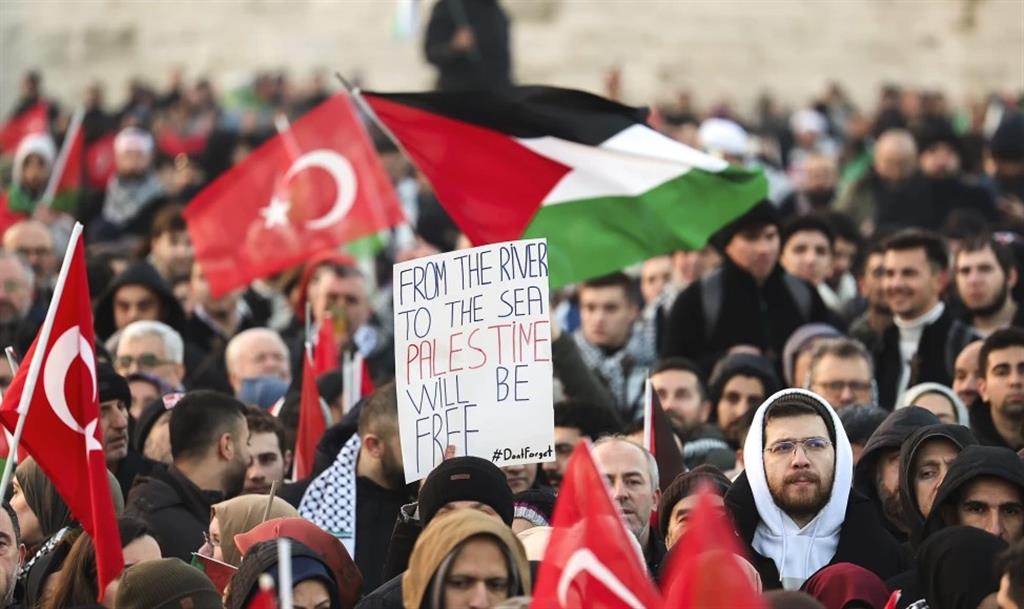
    The Turkish Ministry of Foreign Affairs has issued a decisive statement through its official social media channels, marking the International Day of Solidarity with the Palestinian People. The diplomatic communiqué emphasized Ankara’s continued and resolute backing of Palestinian aspirations for self-determination and statehood.

    In the declaration, Turkish authorities articulated their persistent advocacy for the establishment of an independent, sovereign Palestinian nation with territorial integrity. The proposed state would be founded upon pre-1967 borders with East Jerusalem serving as its designated capital, aligning with numerous United Nations resolutions that have historically addressed the Palestinian question.

    This annual observance, formally recognized by the United Nations General Assembly since 1977, serves as a global platform for nations to voice their support for Palestinian rights and condemn ongoing violations stemming from occupation. Turkey’s participation joins a chorus of international voices that utilize this date to reaffirm their diplomatic positions regarding one of the world’s most protracted geopolitical conflicts.

    The Turkish statement notably avoids any direct mention of Israel while simultaneously reinforcing the nation’s longstanding policy orientation toward the Palestinian cause. This positioning reflects Ankara’s careful diplomatic balancing act in the region while maintaining its principled stance on Palestinian self-determination.

  • Solidarity Meeting with Cuba begins with a march in Valparaiso

    Solidarity Meeting with Cuba begins with a march in Valparaiso

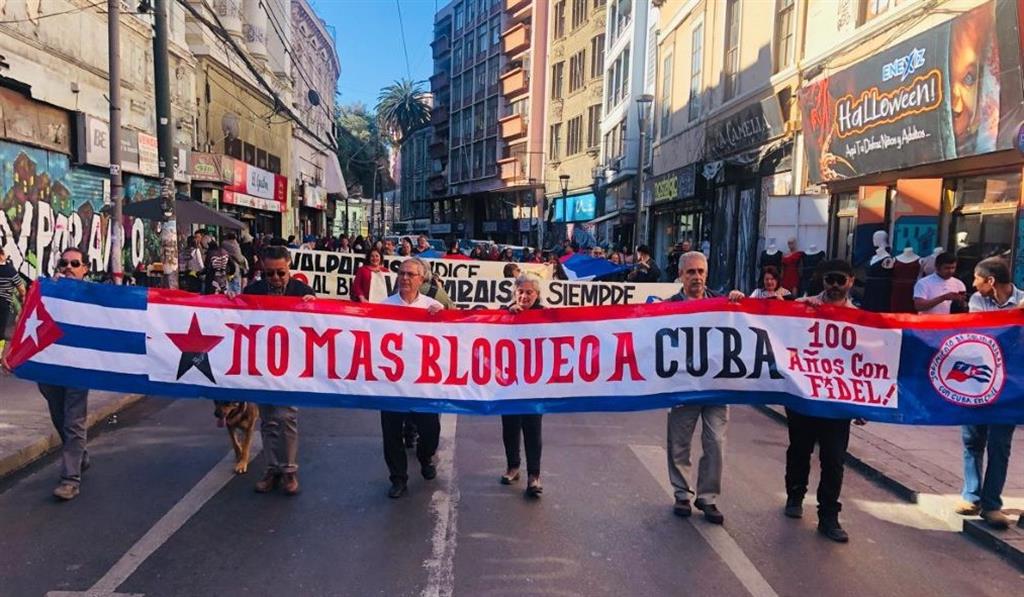
    Across multiple Chilean cities, a powerful coalition of solidarity activists united in a vibrant demonstration against the United States’ longstanding economic embargo against Cuba. The two-day event, organized by solidarity movement groups from Coquimbo, La Serena, Santiago, Talca, Valdivia, Ovalle, Concepcion, Valparaiso, and Viña del Mar, featured a spirited march through the streets followed by a political and cultural gathering at the Insomnia Theater.

    Protesters carried signs and waved flags while chanting slogans such as “A Tumbar, a Tumbar el Bloqueo Criminal” (Do Away, Do Away The Criminal Blockade), “Cuba Si, Bloqueo No” (Cuba Yes, Blockade No), and phrases honoring Fidel Castro’s legacy of resistance against American imperialism.

    Marisol Molina, head of the movement’s southern region, expressed both joy at the reunion of activists and deep concern about recent developments. She specifically highlighted President Donald Trump’s escalating threats in the Caribbean region, his administration’s tightening of the economic, commercial, and financial siege against Cuba, and the additional hardship caused by Hurricane Melissa’s recent impact on the island’s eastern region.

    The event attracted significant diplomatic presence, including Cuban Ambassador to Chile Oscar Cornelio Oliva, alongside other members of the diplomatic corps, city council members, academics, and representatives from various political and social organizations who gathered to show their support for the Caribbean nation.

  • Cuba and St. Petersburg strengthen historic bonds of brotherhood

    Cuba and St. Petersburg strengthen historic bonds of brotherhood

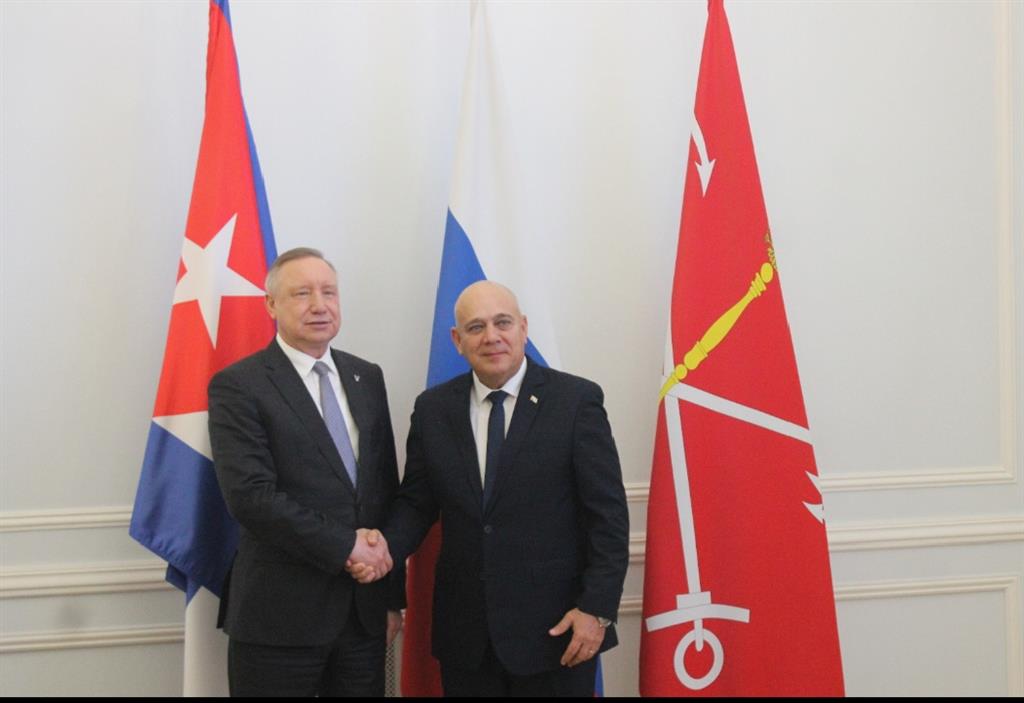
    In a significant diplomatic engagement, St. Petersburg Governor Alexander Beglov met with Roberto Morales, a high-ranking official from the Communist Party of Cuba, on Friday, solidifying the strategic alliance between Russia and Cuba. Governor Beglov emphatically declared that Russia would perpetually stand in solidarity with Cuba, reinforcing his nation’s commitment to defending what Russian officials frequently refer to as the ‘island of freedom.’

    The high-level discussion, part of Morales’ official visit to Russia, served as a platform to deepen bilateral ties. Beglov extended specific gratitude to Cuban President Miguel Diaz-Canel for the warm hospitality during recent exchanges, which facilitated productive dialogues on critical joint initiatives. The Governor emphasized the mutual dedication to preserving Cuba’s independence and sovereignty.

    In reciprocal remarks, Morales, the Secretary of Organization of the Central Committee of the Communist Party of Cuba, acknowledged the substantial advancements in relations linking St. Petersburg with key Cuban provinces, including Havana, Matanzas, and Santiago de Cuba. A central point of his address was the profound appreciation for the consistent political and material support from both the Russian government and its citizens. This support is crucial for Cuba’s ongoing struggle against the long-standing U.S. commercial and financial blockade, a policy maintained across multiple American administrations. Morales also thanked Russia for its prompt humanitarian assistance following the devastation of Hurricane Melissa.

    Prior to this meeting, the Cuban delegation was formally received at the St. Petersburg Legislative Assembly by its President, Alexander Belsky. Morales’ official tour, which commenced in Moscow on November 25 under the invitation of the United Russia party and the Communist parties of the Russian Federation, is scheduled to conclude on November 30. The visit underscores a shared objective to further broaden and intensify the strategic cooperation between the two nations.

  • Simons wil met Agro Werkgroep voedselzekerheid versterken

    Simons wil met Agro Werkgroep voedselzekerheid versterken

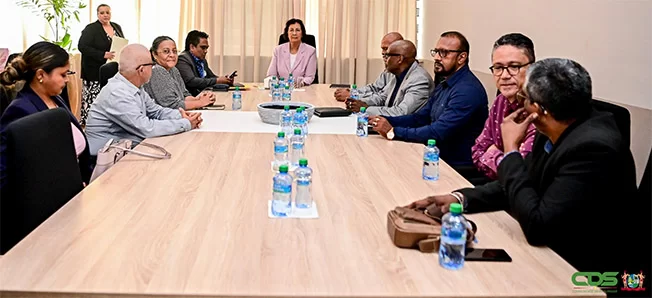
    President Jennifer Simons of Suriname officially inaugurated the Agricultural Task Force on Friday with a clear mandate to accelerate the development of the nation’s agricultural sector. The newly formed working group has been directed to deliver a comprehensive implementation plan within one year that will significantly increase domestic production of staple foods.

    Task Force Chairman Edmund Duiker revealed that President Simons has set an ambitious target of achieving at least 80% local production of basic food commodities. The initiative represents a strategic move toward enhancing food security and reducing dependency on imported food products.

    The multidisciplinary task force will conduct thorough assessments of existing challenges within the agricultural sector and engage in extensive consultations with all relevant stakeholders. Duiker emphasized the urgency of the mission, stating that tangible results must be visible as early as January, with priority given to measures that can be implemented rapidly.

    Reporting directly to the president every two weeks, the task force will maintain close oversight of progress. According to the Suriname Communication Service, the group comprises representatives from the President’s Cabinet, the Ministry of Agriculture, Animal Husbandry and Fisheries, and the Center for Agricultural Research in Suriname.

    A key focus area will be developing strategies to increase youth engagement in agriculture through educational initiatives and targeted programs. This approach aims to address long-term sustainability concerns while building a new generation of agricultural professionals.

    The establishment of this high-level task force signals the government’s commitment to transforming Suriname’s agricultural landscape and strengthening national food sovereignty through coordinated policy implementation and stakeholder collaboration.

  • Iran to miss World Cup draw amid travel restrictions

    Iran to miss World Cup draw amid travel restrictions

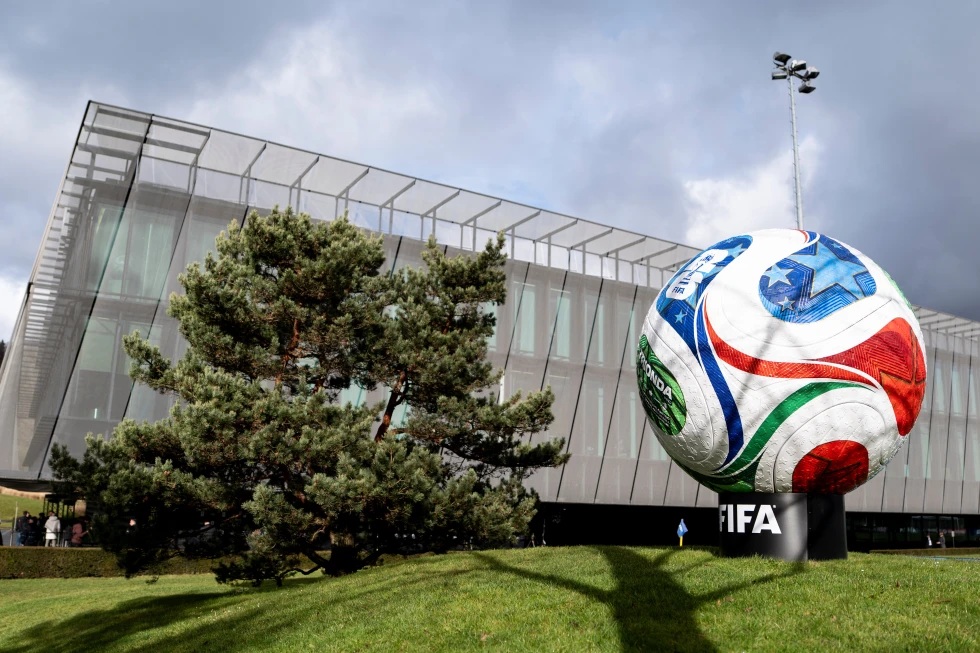
    Iran’s national soccer federation has announced it will boycott the official draw ceremony for the 2026 FIFA World Cup in Washington following the United States’ refusal to grant visas to members of its delegation. The decision, reported by Iran’s state-run IRNA news agency, represents a significant diplomatic incident at the intersection of international sports and politics.

    According to federation spokesman Amir-Mahdi Alavi, Iranian officials encountered “visa obstacles that transcend purely sporting considerations,” suggesting geopolitical tensions underlie the administrative decision. The delegation was expected to include Mehdi Taj, president of Iran’s soccer federation and one of Asia’s most influential football administrators who serves on two key FIFA committees overseeing World Cup operations.

    The development occurs against the backdrop of the Trump administration’s travel ban affecting citizens from twelve nations, including Iran, though exemptions were explicitly promised for athletes and sports officials participating in major international competitions. FIFA has been approached to mediate the situation, though world soccer’s governing body has not yet issued an official response.

    The White House maintained silence regarding the specific visa denials. This incident marks the latest chapter in the strained relations between the two nations, now impacting the global sports arena. The 2026 World Cup, jointly hosted by the United States, Canada, and Mexico, will feature a record 48 teams competing from June 11 to July 19.