
A 32-year-old resident of St. George is set to appear before the District ‘A’ Criminal Court this Tuesday to address a serious criminal charge. Chad Widmark Cox, whose residence is listed as Drax Hall Hope, stands formally accused of wounding another individual, Orvid Wilkinson. The alleged incident, which forms the basis of the charge, reportedly occurred on November 27, 2025. The court appearance marks a significant step in the judicial process, moving the case from investigation to formal legal proceedings. The specifics of the alleged wounding and the circumstances leading to the event have not been disclosed by authorities at this time. The outcome of Tuesday’s hearing will determine the subsequent course of the case, potentially setting dates for future hearings or a trial.
作者: admin
-

Scott’s Head Reunion and Enhancement Committee elects new executive, rolls out plans for Christmas and beyond
The Scott’s Head Reunion and Enhancement Committee has formally constituted itself as an independent organization following the election of its executive board, marking a significant milestone for community development in Dominica. With leadership spanning four countries—the United Kingdom, United States, Virgin Islands, and Dominica—the committee embodies a transnational commitment to regional improvement.
President Jeff Bellot leads a geographically diverse team including Vice President Cheryl Adams, Secretary Deborah Destouches, Treasurer Celia Tavernier, and Public Relations Officer Ivan ‘Ivoo’ Nicholas. Additional key members comprise Michael Junny Nicholas, Joanne Bleau, Selwin John Lewis, Julius Brown, and Heather Nicholas Jervier.
Building upon what organizers describe as an exceptionally successful pilot reunion in June 2025, the committee is now preparing for a comprehensive Parish of St. Mark Reunion in 2027. This expanded event will incorporate communities across Soufriere, Scott’s Head, Gallion, and Petit Bagatelle through collaborative partnerships with all relevant stakeholders.
The committee’s immediate focus centers on an ambitious Christmas Village scheduled from December 20, 2025, through January 2, 2026. The program features extensive nightly holiday light displays from 6 PM to midnight, alongside traditional dominoes tournaments, bingo competitions, nostalgic Christmas games, family movie nights, and carol performances by local church choirs.
The festivities will culminate in a grand raffle on Christmas Day with premium prizes including smart televisions, kitchen appliances, professional tool sets, and gift vouchers. Children’s activities will include dedicated raffles, complimentary toys, snacks, and age-appropriate games accompanied by live music performances.
Proceeds from these events will directly fund critical community infrastructure projects. Priority initiatives include providing secure trash bins to every Scott’s Head household to combat littering and constructing public restroom facilities in the town center to serve both residents and visitors. The committee has additionally announced plans for a praise and worship gathering during Easter 2026.
The organization is actively seeking financial support from individuals and institutions committed to environmental preservation, aligning with Dominica’s identity as the ‘Nature Isle.’ Interested parties can connect with the committee through their official Facebook page ‘Scott’s Head’ to contribute or obtain further information about their comprehensive community enhancement programs.
-

Antiguan Woman Sues Over Alleged Negligent Surgery
A 44-year-old Antiguan woman has initiated legal proceedings against a surgeon she alleges performed a negligent hiatal hernia operation that resulted in years of debilitating symptoms and significant financial losses. Ananthsa McDonald of Powell’s Estate filed the claim with the Eastern Caribbean Supreme Court on November 26, citing severe complications from a Nissen fundoplication procedure conducted in June 2020 that ultimately required corrective surgery in Germany.
The medical saga began when McDonald first experienced chest pain and breathing difficulties in May 2020, leading to the recommendation for surgical intervention. Contrary to expectations of a six-week recovery, her condition deteriorated markedly post-operation. She reported persistent swallowing difficulties, substantial weight loss, chronic chest and back pain, and overwhelming fatigue that severely impacted her quality of life.
Court documents reveal that McDonald made repeated attempts to seek follow-up care from her original surgeon but received inadequate medical attention. Instead of addressing her physical symptoms, she was reportedly advised to undergo psychiatric evaluation. The deteriorating health condition forced her to resign from multiple positions, including her role at the Ministry of Health and employment at La Bussola Restaurant and Royalton Antigua.
In a turning point in late 2021, a new physician diagnosed an abnormally tight esophageal junction and recommended immediate corrective surgery. McDonald traveled to Munich in January 2022, where German surgeons performed an extensive six-hour laparoscopic procedure. The surgical report documented extreme narrowing at the stomach entrance and significant esophageal dilation, noting the condition risked reaching a ‘point of no return’ without timely intervention.
The lawsuit alleges the initial surgery created an excessively tight gastro-esophageal junction and claims the medical team refused to release McDonald’s complete medical records, thereby delaying crucial secondary treatment. While McDonald has since resumed full-time work as a lecturer, she continues to experience some residual symptoms.
The plaintiff seeks comprehensive damages covering pain and suffering, loss of earnings between 2020-2022, breach of contract, and breach of statutory duty. Special damages include medical expenses, international travel costs, accommodation fees for the German treatment, and compensation for lost income during her period of disability.
The named surgeon has declined to comment on the allegations, and no defense had been formally filed at the time of the court documents’ release.
-

Grenada to repeal and replace CBI Act and regulations
In a significant move to strengthen governance and oversight, Grenada will completely replace its 2013 Citizenship by Investment legislation in 2026 following extensive legislative revisions. Finance Minister Dennis Cornwall announced the impending changes during his 2026 budget address to the Lower House on December 1, 2025, emphasizing that the overhaul will enhance the program’s integrity and regulatory framework.
The new 2023 Act currently enables foreign investors to obtain Grenadian citizenship through financial contributions to the National Transformation Fund (NTF) or investments in approved real estate developments. This pathway to permanent residence and citizenship will undergo substantial restructuring under the forthcoming legislation.
Concurrently, five Eastern Caribbean nations are establishing the Eastern Caribbean Citizenship By Investment Regulatory Authority, which will be headquartered in Grenada following parliamentary approval. This regional body aims to harmonize standards across participating nations by implementing uniform due diligence protocols, establishing minimum investment thresholds, and mandating biometric data collection for all applicants.
Minister Cornwall reported outstanding performance by Grenada’s Investment Migration Agency (IMA)—the rebranded Citizenship by Investment Programme—which had already surpassed its revenue targets by the third quarter of 2025 and was projected to exceed annual goals by approximately 10%. The IMA will accelerate digital transformation initiatives, deepen engagement with the diaspora community, expand into new markets, and enhance customer service capabilities.
Currently, eight projects are approved for CBI investments, including two new developments: the One True Blue Beach Hotel and Residence and the La Sagesse Collections. The forthcoming regional authority will enforce compliance and increase transparency across all member nations’ investment migration programs.
-
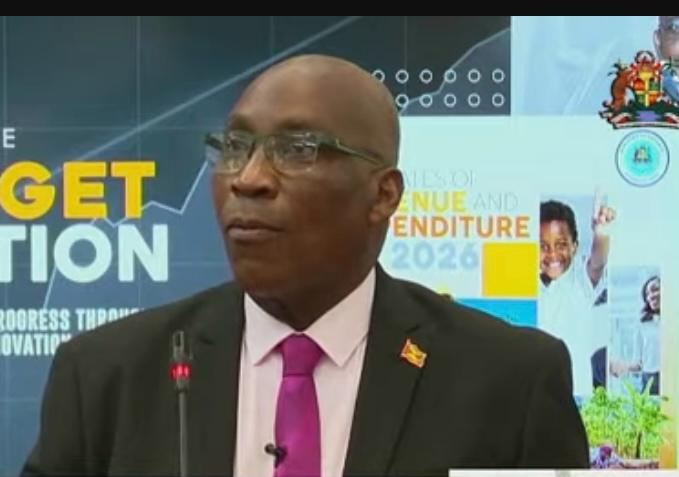
2026 budget is biggest ever and fully financed
The Government of Grenada has presented a historic EC$1.96 billion budget for fiscal year 2026, marking a significant increase of EC$47.1 million over the previous year’s allocations. Finance Minister Dennis Cornwall characterized this fourth budget of the Dickon Mitchell Administration as a transformative blueprint for national development rather than merely a financial plan.
Presented under the theme “Towards Vision 75: Powering Progress Through People’s Participation and Innovation,” the budget addresses a projected EC$309.8 million deficit through strategic financing mechanisms. The government plans to utilize EC$257.3 million from existing deposits, supplemented by limited domestic and external financing, demonstrating what Minister Cornwall described as “prudent fiscal management and sustainability.”
The budget framework reveals recurrent revenue projections of EC$1.3 billion, with grants totaling EC$37.6 million. Expenditure includes EC$1.1 billion for recurrent costs, EC$370.4 million for capital projects, and EC$206.7 million dedicated to strategic initiatives. Despite the deficit, the government maintains a current account surplus of EC$229.8 million.
Notable initiatives include establishing a dedicated regulatory body for the emerging oil and gas sector, creating a EC$50 million Housing Fund, launching a Youth Empowerment Agency, and implementing new green points for organic waste management. Minister Cornwall emphasized that hydrocarbon development would prioritize environmental assessments, maritime boundary negotiations with Venezuela and Saint Vincent and the Grenadines, and attracting credible investors through transparent frameworks.
The finance minister framed the budget within global uncertainties and regional dynamics, stating it reflects “faith in the creativity and capacity of our people” and represents “a statement of faith in our collective potential.” He emphasized that genuine progress emerges from citizen participation rather than top-down imposition, aligning with the administration’s commitment to building “a Grenada that is not only economically stronger, but socially just, environmentally resilient.”
-

Awardees share pride and gratitude at Independence Day ceremony
Barbados celebrated its most distinguished citizens during Sunday’s Independence and Republic Day Ceremonial Parade and National Awards Ceremony, where over seventy exceptional individuals received national recognition for their transformative contributions to Barbadian society and beyond. The prestigious Order of Freedom of Barbados—the nation’s highest honor—was conferred upon three exemplary figures whose lifetime achievements have left an indelible mark on their respective fields.
Cricket legend Joel Garner, Central Bank Governor Dr. Kevin Greenidge, and prominent financier-philanthropist Dr. Kurt Lambert stood among the honored recipients, each expressing profound humility and gratitude for the national recognition. Garner, reflecting on his iconic sporting career, paid heartfelt tribute to his support network: “We didn’t do it alone. They were with us in the trenches, bringing joy and happiness to people around us.” He credited his grandmother for keeping him grounded and emphasized steadfast dedication as the cornerstone of his success.
Dr. Greenidge, honored for his leadership in economic policy, dedicated the award to collective national effort, stating, “We couldn’t have gotten where we are without everyone, including Barbadians playing their part.” He revealed ambitious plans to modernize Barbados’ financial infrastructure, including the March 2026 launch of BIMPay—a transformative digital payment system.
Dr. Lambert, visibly moved by the recognition, recounted his journey from humble beginnings in Carrington Village to establishing a billion-dollar asset management firm in Zurich. His award acknowledged both his financial expertise and extensive philanthropic work across the African continent.
The ceremony also featured international recognition: Professor Benedict Oramah, former Chairman of Afreximbank, received an honorary Order of Freedom for strengthening trade and investment bridges between Barbados and Africa. He described the award as a symbolic “handshake across the Atlantic” and praised Prime Minister Mia Mottley’s leadership in building a united Global Africa coalition.
Child protection advocate Faith Marshall-Harris received the Order of the Republic for her justice reform work, emphasizing the significance of domestic recognition: “No matter what you do internationally, it’s great to be acknowledged at home.” She noted substantial improvements in Barbados’ court system and dedicated her award to the rights of young people.
The diverse group of honorees additionally included Attorney General Dale Marshall, Senator Reginald Farley, judicial pioneer Madam Justice Dr. Corlita Babb-Schaefer, Energy Minister Senator Lisa Cummins with her team, cultural icon Wendy Alleyne, and Reverend Wayne Kirton, collectively representing the finest achievements in Barbadian public service, culture, and humanitarian work.
-

Transport CEO, Chester Williams: “$300 is a Cap,” Not a Fixed Charge
In a decisive move to correct widespread misinformation, Transport CEO Chester Williams has clarified that the controversial $300 fee for new mandatory motorcycle training represents a maximum cap rather than a fixed charge. The clarification comes amid public concerns about the cost implications of the recently announced road safety initiative.
Williams emphasized that approved trainers would be prohibited from charging exceeding $300, with actual costs potentially ranging from zero to the capped amount. The program’s primary objective centers on enhancing road safety by ensuring riders receive proper instruction in vehicle maneuvering and traffic regulations.
The ministry has outlined an innovative approach to trainer certification, proposing to authorize experienced motorcyclists—including club members and riders with impeccable safety records—to conduct the training sessions. This strategy aims to leverage existing expertise within the riding community while expanding training capacity.
Addressing corruption concerns, Williams issued a stern warning against potential misconduct, stating that trainers certifying untrained individuals would face immediate license revocation. The CEO also dismissed notions that the program would require extensive institutional courses, clarifying that trainees need only complete 30-35 hours of flexible instruction arranged directly with certified trainers.
During recent consultations with motorcycle clubs, Williams encouraged members to pursue trainer certification, noting that approved clubs could establish their own training rates. Riders raised practical concerns regarding training motorcycle costs and business licensing requirements, which the ministry acknowledged as legitimate considerations.
Williams framed the initiative within broader road safety context, comparing vehicle operation to handling loaded firearms and characterizing highway fatalities as a national crisis demanding immediate intervention. The training mandate represents one component of the ministry’s comprehensive strategy to address this pressing public safety issue.
-
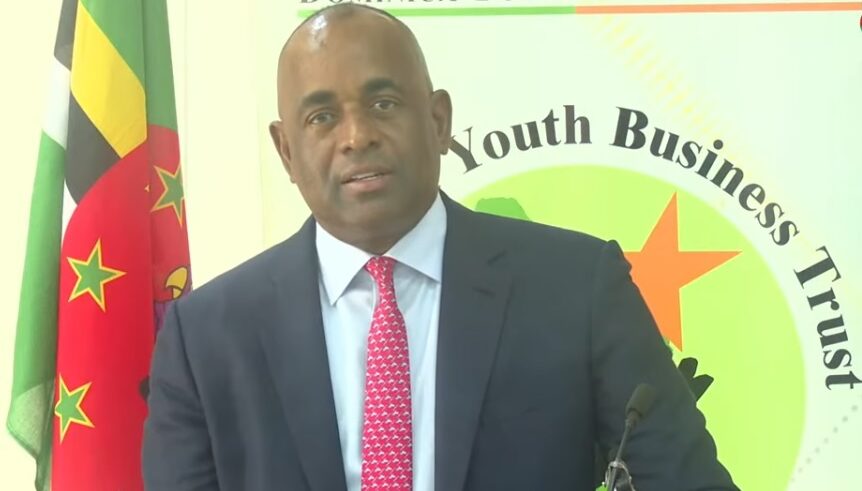
Skerrit calls for review and restructure of the Dominica’s youth business trust
In a significant policy address, Prime Minister Roosevelt Skerrit has declared comprehensive reforms for the Dominica Youth Business Trust (DYBT), calling for its fundamental restructuring after 21 years of operation. Speaking at the Trust’s 21st Graduation and Awards Ceremony at the State House Conference Centre, Skerrit questioned whether the current DYBT model remains “fit for purpose” in today’s economic climate.
The Prime Minister outlined several transformative measures scheduled for implementation in 2026. Most notably, he proposed doubling the maximum loan amount for young entrepreneurs from $20,000 to at least $40,000 per applicant, arguing that current funding levels often provide only “half or a third” of the capital needed to properly launch a business venture.
Skerrit also announced dramatic reductions in interest rates, criticizing the current 6-9% rates as “too high, especially for start-up businesses.” He committed to capping rates at no more than 3% through negotiations with financial institutions and extending this same rate ceiling to the AID Bank for its borrowers.
The restructuring plan includes significant organizational changes: upgrading the coordinator position to Chief Executive Officer, enhancing staff qualifications and compensation, and reviewing the Board of Trustees to grant them “greater flexibility and authority.”
In a bold financial move, the government will clear approximately $500,000 in existing debts owed by program participants, effectively providing a fresh start for both the Trust and its beneficiaries. Additionally, the Prime Minister pledged enhanced support for business plan development, ensuring that graduates receive assistance in modifying proposals to meet financial institution requirements rather than facing outright rejection.
These sweeping changes represent the most substantial overhaul of the youth entrepreneurship program in its two-decade history, signaling the government’s renewed commitment to fostering young business talent in Dominica.
-
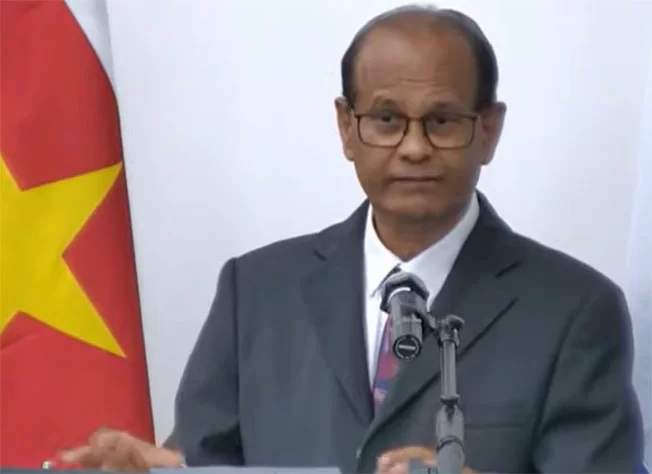
Parmessar: Visumbeleid Nederland moet eerlijker in gelijkwaardige relatie
During the extraordinary public session of the National Assembly convened for the state visit of King Willem-Alexander and Queen Máxima, opposition leader Rabin Parmessar of the National Democratic Party (NDP) articulated a vision for fundamentally transforming Suriname’s relationship with the Netherlands. The political leader emphasized the necessity of establishing a mature, business-oriented partnership characterized by mutual reinforcement rather than dependency.
Parmessar presented a comprehensive framework for bilateral cooperation spanning multiple sectors including trade, investments, agriculture, healthcare, tourism, and sustainable energy. He asserted that Suriname stands prepared to actively leverage these opportunities through pragmatic collaboration that delivers economic and social advancement for both nations.
The most pressing issue addressed was the Netherlands’ current visa policy toward Surinamese citizens. Parmessar characterized the existing application procedures as unnecessarily burdensome and frequently inhumane, calling for immediate revision. He argued that such practices contradict the fundamental principles of respect and equality that should define the bilateral relationship, presenting the royal visit as an opportune moment to address these concerns openly and concretely.
The opposition leader reiterated his party’s consistent stance against external interference while emphasizing the protection of national interests. He maintained that Suriname must engage in international partnerships from a position of strength and self-confidence rather than dependency.
Concluding his address, Parmessar advocated for using the state visit as catalyst for establishing tangible improvements rather than symbolic gestures—emphasizing fair procedures, business cooperation, and mutual respect as the foundation for a redefined relationship between the two nations.
-

Third Antiguan Baker Nominated for 2026 Caribbean Baking Awards
The culinary landscape of Antigua and Barbuda is experiencing a remarkable ascent as the islands celebrate their third baking professional securing a coveted spot in the 2026 Caribbean Baking Awards shortlist. This triple recognition significantly amplifies the nation’s standing within the regional gastronomic competition circuit.
Gabrielle Thomas has emerged as a contender for the distinguished Pastry Chef of the Year honor. Expressing profound appreciation for the accolade, Thomas remarked, ‘I am deeply grateful for this recognition,’ while extending heartfelt thanks to her family, friends, and community for their unwavering support throughout her culinary journey.
Thomas now joins compatriots Timoy Titus and Lana Williams in this year’s prestigious nominee circle. Titus, the creative force behind Teez Delights, has achieved his third consecutive nomination for Best Cake Designer—a testament to his consistent excellence. Simultaneously, Williams, founder of The Purple Rose Batter, has garnered recognition in the Innovative Baker of the Year category, highlighting the diverse talent emerging from the twin-island nation.
The prestigious awards ceremony is scheduled to take place in Saint Martin from July 24-26, 2026. The nomination process will conclude on February 1st, followed by the commencement of public voting on April 7th, allowing baking enthusiasts across the Caribbean to participate in celebrating regional culinary excellence.