作者: admin

  • The saga of CL Financial

    The saga of CL Financial

    The protracted liquidation saga of Caribbean conglomerate CL Financial has reached a critical juncture, with mounting calls for restoring shareholder governance after more than a decade under court-appointed supervision. The company’s dramatic collapse in 2009 during Trinidad and Tobago’s liquidity crisis created one of the region’s most complex corporate failures, prompting unprecedented state intervention that continues to reverberate through Caribbean financial markets.

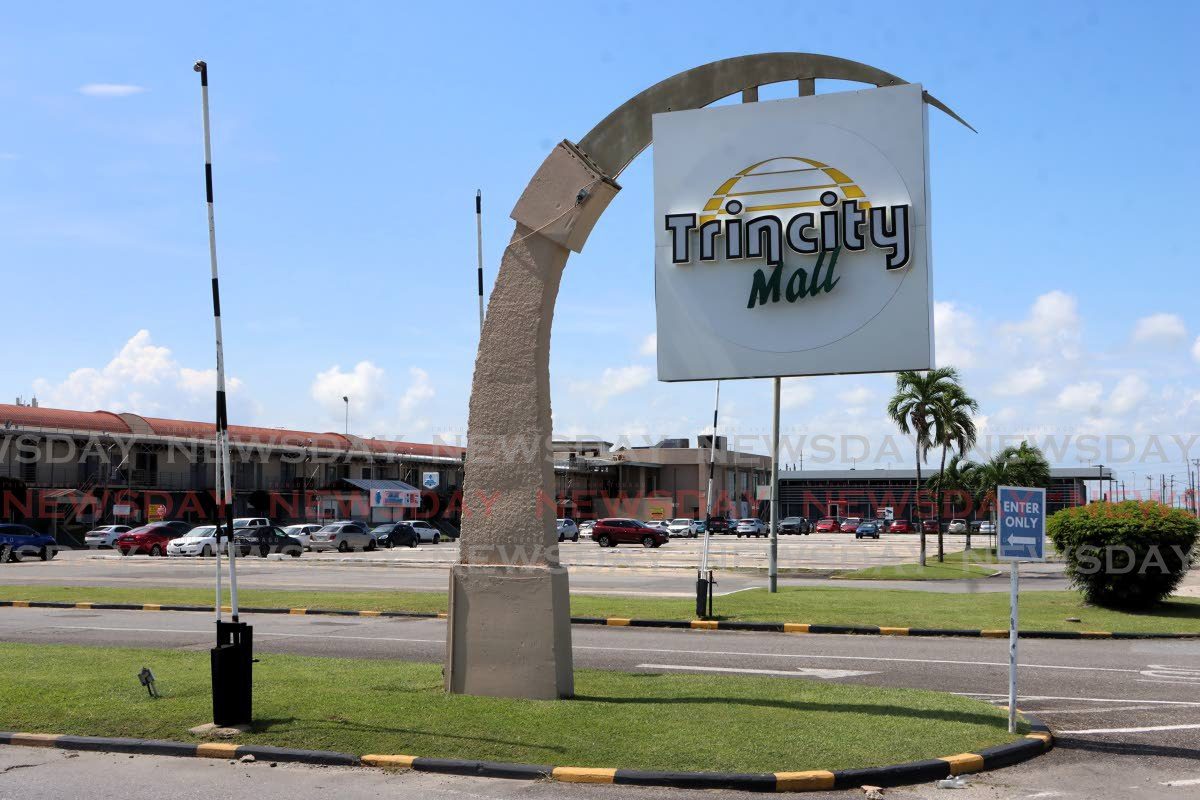
    Since January 2009, CL Financial has operated under the control of liquidators who have managed asset dispositions and operational decisions. However, growing concerns about transparency, accountability, and shareholder rights have sparked legal challenges and intensified demands for governance normalization. Recent developments, including the abandoned sale of Trincity Mall after shareholder legal intervention, highlight the escalating tensions between current oversight and ownership rights.

    Three fundamental arguments drive the movement for governance restoration. First, the extraordinary duration of liquidation—exceeding fifteen years—represents an unreasonable suspension of democratic corporate governance. Second, multiple court cases have revealed concerning transparency gaps, including questions about liquidators’ remuneration and asset valuation methodologies. Third, shareholder groups led by major stakeholders like Dalco Management have demonstrated increasing capacity and willingness to assume governance responsibilities.

    The case for shareholder restoration hinges on fundamental corporate principles: capital providers should retain governance rights through elected directors. While the initial crisis justified extraordinary measures to protect depositors and policyholders, the current phase requires normalized governance structures. A transition plan could maintain liquidators for asset realization while empowering shareholder-elected boards for strategic oversight, balancing creditor protection with ownership rights.

    Critics who cite ongoing stability concerns must acknowledge that perpetual external control undermines market confidence and corporate recovery prospects. The Caribbean financial ecosystem deserves resolution mechanisms that respect both crisis management necessities and long-term governance norms. CL Financial’s path forward should embrace modern corporate governance, independent auditing, and transparent operations to restore market confidence and enable strategic repositioning.

    This governance transition represents more than procedural change—it signifies the restoration of fundamental investment principles and offers a template for resolving complex corporate failures while respecting shareholder rights across emerging markets.

  • Family mourns ‘kind-hearted’ artist found stabbed on Fernander Road

    Family mourns ‘kind-hearted’ artist found stabbed on Fernander Road

    The tranquil community of Gambier Village was plunged into mourning Wednesday morning following the discovery of a fatally stabbed resident on Fernander Road. Police responded to the scene shortly after 7am where they encountered the lifeless body of 30-year-old Kevin Poitier, who sustained multiple upper body lacerations. Emergency Medical Services personnel confirmed the victim showed no vital signs upon their arrival.

    As news of the tragedy spread throughout the close-knit neighborhood, distraught family members, neighbors, and community supporters converged on the narrow roadway, many visibly emotional as they grappled with the shocking violence that claimed the life of a man universally described as kind-hearted and industrious.

    A relative of the victim, who requested anonymity, expressed profound grief while highlighting the incongruity of such violence in their community. ‘He was a talented artist and cook – what could possibly lead to this?’ the emotional bystander questioned. ‘Gambier has always maintained its tranquillity and serenity, but this incident suggests we’re becoming like everywhere else. The devastating loss is particularly painful for my wife, who recently helped me through the loss of my own brother.’

    Killarney Member of Parliament Dr. Hubert Minnis visited the scene to offer condolences and urged communal solidarity. ‘We are all one family, and we have utmost confidence in our police force’s investigation,’ Dr. Minnis stated. ‘I’ve spoken briefly with the grieving mother and plan to return after parliamentary sessions to provide further support to the family during this unimaginably difficult time.’

    Community members remembered Poitier as a perpetually positive presence whose caring nature belied any personal struggles he might have concealed. One mourner reflected: ‘Kevin was exceptionally respectful and helpful with an oversized heart. He consistently presented as bubbly and resilient – the last person who deserved such brutal violence. His loss leaves a tremendous void as someone’s son, brother, and uncle.’

    Law enforcement officials confirmed an individual is currently assisting with their investigation but declined to elaborate on potential motives or circumstances surrounding the stabbing. The investigation remains ongoing as authorities work to determine what led to this violent breach of Gambier Village’s longstanding peace.

  • Unsure of how to help? 10 ways to give back Christmas

    Unsure of how to help? 10 ways to give back Christmas

    In the aftermath of Hurricane Melissa’s catastrophic impact on Jamaica’s western regions, a remarkable spirit of communal solidarity has emerged alongside the profound devastation. The storm’s trail of destruction has prompted nationwide mobilization efforts, with Observer Online compiling a comprehensive guide for those seeking to contribute meaningfully during the holiday season.

    The curated list emphasizes practical, impactful assistance methods that address both immediate and long-term recovery needs. Among the most valuable contributions is volunteering at children’s homes, where staffing shortages are particularly acute during holidays. Engaging with young survivors through activities or basic assistance provides crucial emotional support following traumatic displacement.

    Gift initiatives targeting specific necessities represent another vital avenue for support. Families who lost homes and possessions require practical items including hygiene kits, blankets, infant supplies, and children’s toys to restore semblance of normalcy. Organized gift drives through community networks can significantly amplify these efforts.

    Infrastructure rehabilitation requires substantial material support, with rebuilding supplies like plywood, nails, cement, and tools being particularly needed. Collective funding initiatives enable contributors to participate in reconstruction even without direct construction experience. Community clean-up projects also welcome volunteer participation to remove debris and restore access routes.

    Food security has deteriorated dramatically post-hurricane, making soup kitchen volunteering and food bank donations especially valuable. Blood donation remains critically important for medical emergencies and ongoing treatments, while professional skills—particularly in healthcare, counseling, and education—can be volunteered to address specialized needs.

    The guide highlights often-overlooked vulnerable groups, suggesting personal check-ins with elderly or isolated individuals who may require assistance with groceries, medications, or simple companionship. Existing church and community initiatives welcome additional volunteers for coordinated distribution efforts.

    Digital fundraising platforms and traditional relief concerts offer remote contribution opportunities, with social media amplification proving unexpectedly effective in broadening donor reach. The collective response demonstrates how targeted, thoughtful assistance can significantly accelerate recovery while strengthening community resilience.

  • Darville says new hospital will not worsen flooding on Perpall Tract

    Darville says new hospital will not worsen flooding on Perpall Tract

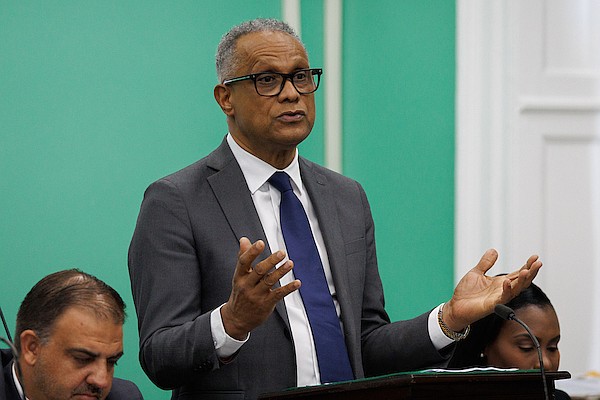
    A comprehensive civil engineering assessment has determined that the proposed multi-million-dollar specialty hospital in Nassau’s Perpall Tract area will not exacerbate flooding conditions in adjacent neighborhoods, according to Health and Wellness Minister Dr. Michael Darville. The findings, presented during parliamentary discussions concerning a $201 million borrowing resolution for the facility’s construction, indicate the hospital’s advanced drainage design may actually enhance flood protection for surrounding communities.

    The engineering evaluation, conducted by Caribbean Civil Engineering Group Limited, emerged from resident concerns voiced during a contentious Department of Physical Planning hearing in October. These apprehensions, formally documented in the town planning certificate, prompted regulatory authorities to mandate a detailed drainage strategy before granting project approval.

    Minister Darville revealed the completed drainage plan for the 50-acre site has been formally submitted to the Ministry of Works. The analysis included examination of well field infrastructure impacted by Tropical Storm Imelda’s heavy rainfall, identifying maintenance deficiencies including malfunctioning floodgates and obstructed drainage canals. The report proposes comprehensive mitigation measures featuring expanded drainage ponds and infrastructure improvements.

    Despite resident arguments that Tropical Storm Imelda’s flooding demonstrated the area’s unsuitability for development, officials clarified the hospital structures will be situated on elevated terrain seven to fourteen feet above sea level, outside the well fields themselves.

    Project updates include a revised construction budget of $268 million, reflecting $22 million in savings achieved through switching to reinforced concrete building materials. Financing arrangements include a $300 million concessional loan from China EXIM Bank. Construction is projected to span 30-36 months, with detailed documentation regarding labor composition ratios and technical specifications promised to be presented to parliament in the coming weeks.

  • ‘I forgive her, but I won’t forget’

    ‘I forgive her, but I won’t forget’

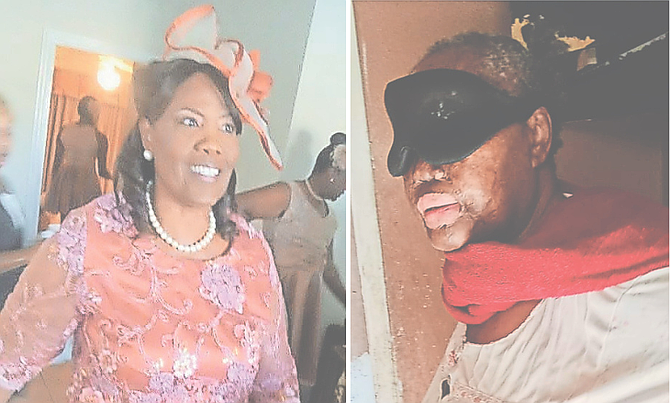
    Stephanie Ann Braynen, permanently blinded in a devastating 2020 acid attack, has expressed complex emotions following the Court of Appeal’s decision to uphold her attacker’s seven-year prison sentence. While relieved that Pandora McKenzie’s appeal for sentence reduction was denied just one year into her imprisonment, Braynen maintains the punishment constitutes ‘a slap on the wrist’ for what she describes as ‘premeditated attempted murder.’

    The November 2020 assault left Braynen with irreversible blindness and significant facial disfigurement. Despite undergoing specialized treatment at Miami’s Bascom Palmer Eye Institute, medical professionals could not restore her vision. The victim now depends on her pension and requires substantial support from her children for daily living, though she has developed adaptive skills to navigate her home environment.

    Braynen has raised serious concerns about the judicial handling of her case from its inception. She contends the initial charge of ‘grievous harm’ significantly underestimated the attack’s severity and suggests possible improper influence due to McKenzie’s son serving as a police officer. ‘The magistrate acknowledged this was attempted murder,’ Braynen recalled, ‘but indicated the seven-year term represented the maximum penalty allowable under the charged offense.’

    The legal proceedings extended across four years, culminating in McKenzie’s conviction on September 16, 2024. The recent appeal, filed on September 8, resulted in the appellate court affirming both the conviction and original sentence. Braynen expressed disappointment that the appellate judges didn’t enhance the punishment, noting: ‘When you appeal, you disrespect what you were supposed to get. They should have added more time.’

    Financial recourse remains unavailable as McKenzie lacks tangible assets for civil litigation. Adding to the tragedy, Braynen revealed that the man whose alleged affair motivated the attack has since divorced and remarried, regularly checking on her wellbeing and highlighting the senselessness of the violence.

    Despite her profound losses, Braynen demonstrates remarkable resilience, explicitly stating she refuses to harbor bitterness and has extended forgiveness to her attacker. ‘I feel sad for her. I don’t hate her. I forgive her. But I won’t forget,’ she stated. While dissatisfied with the sentencing outcome, she acknowledges closure in the judicial process: ‘I’m glad they see fit she must stay and finish her time. It is what it is. I will live it. And I thank God I lived through it.’

  • Seventh-day Adventists reject claims of providing gov’t with people’s personal data

    Seventh-day Adventists reject claims of providing gov’t with people’s personal data

    KINGSTON, Jamaica — The Jamaica Union Conference (JAMU) of Seventh-day Adventists and its humanitarian division, ADRA Jamaica, have formally refuted social media allegations accusing them of sharing personal data with the government. The claims suggested that information gathered during Hurricane Melissa relief operations was being funneled to Jamaica’s National Identification System (NIDS).

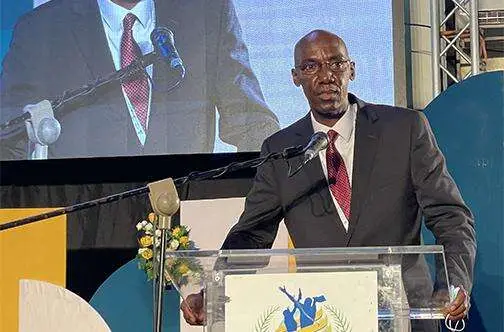
    During a press conference held Wednesday, JAMU Treasurer Pastor Adlai Blythe categorically denied these accusations. He explained that all data collected serves exclusively for internal record-keeping and coordinating relief efforts. “We conduct initial damage assessments to determine individual losses and coordinate our response accordingly,” Blythe stated. “As a registered charity, ADRA Jamaica gathers information solely for distributing aid to affected persons. This information is never shared with any external entity, governmental or non-governmental.”

    Blythe emphasized the organization’s compliance with data protection regulations, noting they employ a dedicated data protection officer to ensure protocol adherence.

    JAMU President Pastor Everett Brown provided additional context about their hurricane response preparedness. “Prior to Hurricane Melissa’s landfall, we allocated $500,000 across our five conferences to pre-position food and water supplies in strategic locations,” Brown revealed. Following the hurricane, the church deployed ADRA Jamaica staff and conference workers to assess needs and distribute relief materials.

    Brown clarified the funding sources for these efforts: “All deployed resources originate from international partners, the global Seventh-day Adventist church, and local contributions. We have received no governmental financial support for this initiative.”

    While expressing openness to future government collaboration, Brown stressed the current operation’s independent nature. “As a church embodying Christ’s mission, we respond to human needs wherever they exist. We stand ready to distribute materials through our nationwide network, but our current operations are independently funded through collaborative efforts, not government support.”

    ADRA Jamaica operates as a registered humanitarian agency serving vulnerable populations affected by disasters, poverty, and social changes, with presence in over 118 countries worldwide.

  • PSA President’s response to CPO offer: We want the cash

    PSA President’s response to CPO offer: We want the cash

    A significant dispute has emerged between Trinidad and Tobago’s Public Services Association (PSA) and the Chief Personnel Officer (CPO) regarding the payment structure of a $3.8 billion backpay settlement for public service workers.

    PSA President Felisha Thomas has taken an unequivocal stance against the government’s proposal to distribute the substantial backpay amount through a combination of cash and non-cash benefits. Thomas maintains that her mandate from union members requires full cash payment without alternative compensation mechanisms.

    The conflict intensified following December 2 statements from CPO Daryl Dindial, who outlined the government’s position that the massive payout needed careful financial management. Dindial explained that while a $500 million ‘advance on arrears’ would be distributed before December 23, the complete $3.8 billion settlement remains subject to ongoing negotiations regarding disbursement methods and timing.

    Dindial emphasized fiscal responsibility, stating: “We need to ensure the public doesn’t perceive government borrowing $3.8 billion as reckless. The government operates responsibly and has provided the CPO with broad negotiation guidelines.” He further noted that Finance Minister allocations hadn’t specifically provided for these arrears, requiring the ministry to identify appropriate funding sources.

    Thomas vehemently rejected these explanations, citing contradictory statements from Finance Minister Davendranath Tancoo, who told reporters on November 26 that the government indeed possessed sufficient funds for the payment. This contradiction prompted Thomas to question: “Is the CPO lying, or is he calling the finance minister a liar?”

    Despite the payment method disagreement, both parties confirmed that negotiations continue productively. The PSA and CPO have already reached agreement on multiple components including a ten percent wage increase for 2014-2019 periods, cost of living adjustments, new salary structures effective January 2014, and various allowance enhancements covering meals, housing, transportation, and vehicle provisions.

    Thomas affirmed that negotiation processes remain uninterrupted, noting: “I see nothing affecting negotiations. Both parties have their positions and we engage in discussion.” Further negotiations regarding the complete arrears payment are scheduled to resume in January.

  • Tobago decides

    Tobago decides

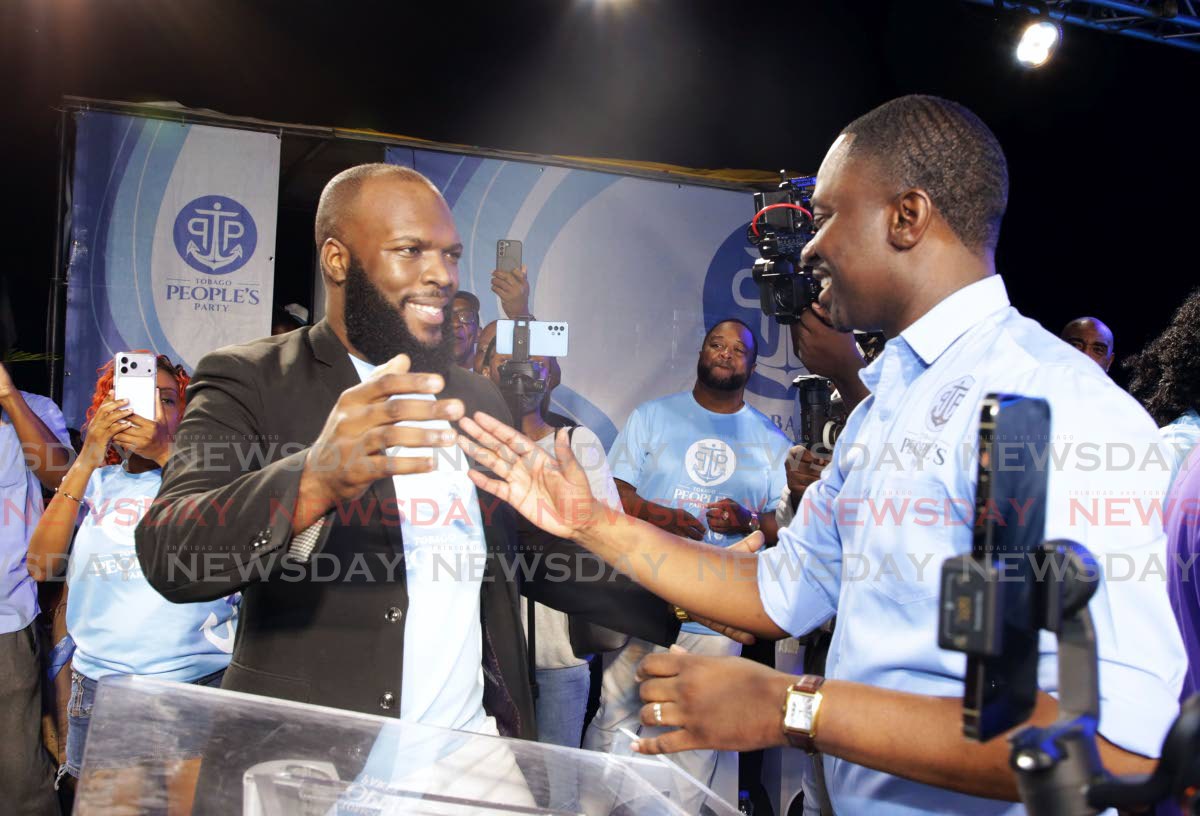
    The Tobago House of Assembly (THA) election campaign has commenced with profound implications that extend far beyond the island’s shores, marking significant shifts in Tobago’s political landscape. TPP leader Farley Augustine officially launched his campaign on December 1st amid extraordinary circumstances that have elevated foreign policy matters to unprecedented prominence in a local election.

    The upcoming vote, scheduled for January 12th, will serve as the first electoral test of the controversial decision to permit the United States to install military-grade radar systems at the ANR Robinson International Airport. This development has effectively transformed the local election into a de facto referendum on both Mr. Augustine’s leadership and Prime Minister Kamla Persad-Bissessar’s administration.

    Recent diplomatic efforts have eased initial tensions between Tobago and the central government regarding the radar installation. Following Mr. Augustine’s initial claims of being uninformed about the project details and the Prime Minister’s assertion that he didn’t require full disclosure, Attorney General John Jeremie and Defence Minister Wayne Sturge were dispatched to thoroughly brief the Tobago People’s Party leader.

    The TPP leadership has subsequently embraced the radar project, with former THA councillor Certica Williams-Orr characterizing it as a ‘Christmas gift’ and Tobago East MP David Thomas affirming its necessity. Mr. Augustine now expresses confidence that the equipment won’t be used for offensive operations, while acknowledging Trinidad and Tobago’s limited influence over US foreign policy decisions.

    This election represents the TPP’s first THA contest since its formation in 2023 when Mr. Augustine separated from Watson Duke’s Progressive Democratic Patriots. The party enters the race strengthened by its sweeping victory in both Tobago seats during the April 28th general election, potentially signaling the decline of Mr. Duke’s political influence.

    The opposition PNM faces its own challenges, attempting to recover from significant losses in both the 2021 and recent April elections. The defection of Keigon Denoon, the popular Tobago West constituency chairman, to the TPP further complicates the PNM’s path to recovery.

    Meanwhile, Prime Minister Persad-Bissessar has maintained strong ties with Mr. Augustine, even adopting the TPP’s ‘anchor’ motto during her November visit to Tobago. While hoteliers express concerns about potential negative impacts on tourism revenue from the radar installation, the Prime Minister’s administration has facilitated substantial economic benefits through licensing agreements that have generated billions in aggregate revenues.

    Tobagonians will ultimately deliver their verdict on these complex matters when they cast their ballots in January, determining both the island’s political direction and the broader implications of enhanced surveillance capabilities at Crown Point.

  • Financial checks every family should do before the new year

    Financial checks every family should do before the new year

    As the calendar year draws to a close amidst seasonal celebrations and holiday spending, financial experts emphasize the critical importance of year-end financial assessments. This period offers a strategic window for families to evaluate their fiscal health and implement protective measures for the coming year.

    Financial advisors recommend five fundamental checks to ensure financial stability entering 2026. First, insurance policies require comprehensive review, particularly following life events such as marriages, career changes, or income fluctuations. Coverage adequacy for health, life, and critical illness insurance must be assessed relative to age and family medical history to prevent potential financial vulnerabilities.

    Second, beneficiary designations demand verification—a frequently neglected yet crucial task. Ensuring accurate spelling and intended recipient listing in all policies can prevent protracted legal complications and unnecessary expenses. This simple five-minute verification process offers disproportionate long-term protection.

    Third, emergency fund evaluation remains paramount. Households should maintain minimum three-month expense reserves, assess any current-year withdrawals, and plan necessary replenishments for early 2026. Financial stability fundamentally depends on robust emergency preparedness.

    Fourth, debt audit procedures require systematic implementation. Listing all outstanding obligations—credit cards, loans, hire purchases—enables identification of high-interest liabilities. Developing strategic reduction or elimination plans for 2026 forms the foundation of financial liberation.

    Fifth, budgetary analysis provides critical insights. Examining actual versus projected expenditures helps distinguish necessary expenses from emotional spending patterns. Adjusting future budgets to align with financial objectives represents one of the most effective wealth-building strategies.

    These year-end financial rituals transform seasonal festivities into opportunities for creating family security and economic confidence. Professional financial guidance is recommended for policy reviews and goal establishment, providing families with protective assurance and financial clarity as they transition into the new year.

  • Collapse of BWIA’s deal with Canada

    Collapse of BWIA’s deal with Canada

    In 1967, the Trinidad and Tobago government faced a critical crossroads in preserving its national airline, BWIA, after the collapse of a highly anticipated Canadian rescue plan. Despite prolonged diplomatic efforts, Canada’s Air Canada partnership proposal foundered due to one fundamental requirement: the unwillingness of other Caribbean governments to join a regional consortium.

    Canadian Prime Minister Lester B. Pearson conveyed the setback with diplomatic nuance in correspondence with TT’s leadership, noting, ‘In a matter as complex as this… reactions have not been forthcoming quickly, or in a clear-cut fashion. What information we have received has not in fact been uniformly encouraging.’ This diplomatic phrasing masked the stark reality that regional cooperation efforts had failed.

    Simultaneously, an alternative proposal emerged from New York investment firm R.W. Pressprich & Co. International Ltd. and Trans World Airlines (TWA). Their July 1967 proposition outlined a radical restructuring: a multinational Caribbean carrier with 60% government ownership (TT, Barbados, Guyana, Jamaica) and 40% private investment, though profit distribution would favor investors at 60%.

    Initially skeptical due to previous regional disappointments, the TT government found Pressprich unexpectedly flexible. By August 29, the firm amended its proposal to invest directly in BWIA’s existing structure without requiring prior commitments from other governments. The revised terms exempted TT from additional capital injection while maintaining existing debt guarantees and offering appropriate economic incentives.

    A significant sweetener emerged in the form of a proposed Hilton hotel development at Rocky Point, Tobago, recognizing the symbiotic relationship between airline seats and hotel beds. This tourism infrastructure component, backed by TWA’s technical expertise, added considerable appeal to the package.

    After intensive negotiations throughout September and October 1967, a memorandum of understanding was accepted by the TT government on December 5. This led to the formation of Caribbean International Ltd. as Pressprich’s investment vehicle, while TWA commenced comprehensive operational studies under the direction of senior aviation experts.

    The culmination arrived on May 24, 1968, with signed agreements between the TT government, BWIA, and Caribbean International Ltd., concluding a complex nine-month negotiation that salvaged the national airline through transatlantic investment rather than regional cooperation.