作者: admin

  • Stabbing in St Joseph leaves one man dead

    Stabbing in St Joseph leaves one man dead

    A violent incident in the St. Joseph area has resulted in a tragic loss of life, Dominica News Online confirms. The community is reeling from an alleged homicide that occurred on Thursday evening, leaving one male victim deceased from stab wounds.

    Initial reports indicate the victim sustained severe injuries during the altercation and subsequently succumbed to them. Law enforcement authorities have launched a comprehensive investigation into the circumstances surrounding the fatal stabbing, though specific details regarding motive or potential suspects remain undisclosed at this preliminary stage.

    The incident has sparked concerns among local residents regarding community safety and violent crime prevention. Emergency responders arrived at the scene following reports of the assault, but medical interventions proved unsuccessful in saving the victim’s life.

    Dominica News Online has committed to monitoring developments in this case closely and will provide subsequent updates as additional information becomes available through official channels. The identity of the deceased is being withheld pending formal notification of next of kin and completion of preliminary investigative procedures.

  • Grenada at a crossroads: Governance, reform, and the path forward

    Grenada at a crossroads: Governance, reform, and the path forward

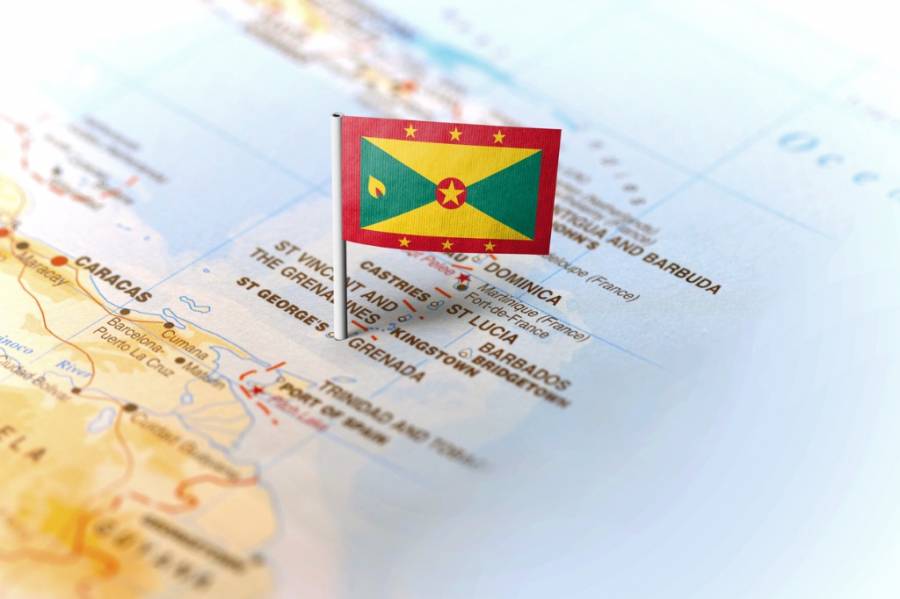
    Four years after Grenada’s landmark 2022 general election that brought Prime Minister Dickon Mitchell’s National Democratic Congress (NDC) to power, the nation stands at a critical juncture in its development trajectory. The political transition from Keith Mitchell’s New National Party (NNP) represented a profound public mandate for renewal and fresh governance approaches in the Caribbean nation.

    The previous administration’s legacy includes significant fiscal reforms implemented following Grenada’s early 2010s debt crisis. Through comprehensive debt restructuring, fiscal responsibility legislation, and economic stabilization measures, the country restored investor confidence and established a sustainable economic framework that continues to guide current policy.

    While maintaining these fiscal safeguards, the Mitchell administration has benefited from robust tourism recovery and sustained revenues from the citizenship-by-investment program. However, this economic model reveals Grenada’s persistent vulnerability to global shocks and natural disasters due to its heavy reliance on tourism and external conditions.

    Among the current government’s notable achievements has been the resolution of long-standing pension entitlements for public servants, addressing a contentious issue that had lingered through multiple administrations. This move represents significant progress in institutional confidence-building.

    The administration’s frequently articulated “Transformation Agenda” faces its true test in implementation. Beyond visionary rhetoric, meaningful progress requires concrete timelines, institutional capacity, and measurable outcomes in job creation, economic diversification, infrastructure development, and public service delivery.

    Youth opportunity emerges as the most pressing contemporary challenge. Despite periodic economic growth, many young Grenadians struggle to find stable employment or viable economic pathways. Tourism expansion alone cannot accommodate the aspirations of an increasingly educated and globally connected generation.

    The diaspora represents another crucial development dimension. Grenadians abroad contribute significantly through remittances, investments, and professional expertise—a substantial economic and social capital reservoir that could be further leveraged through deliberate institutional connections.

    Economic diversification remains Grenada’s fundamental long-term imperative. While tourism will continue as an economic pillar, sustainable development necessitates expansion into digital services, agricultural innovation, education services, and creative industries. This transition requires sustained investment in human capital, infrastructure, and institutional capacity.

    Ultimately, Grenada’s progress transcends partisan politics. The nation’s future resilience and shared prosperity depend on collective efforts across generations—a continuing national project shaped by citizens, institutions, and leaders committed to long-term development rather than short-term political gains.

  • Live ammunition training: Saturday, 7 March

    Live ammunition training: Saturday, 7 March

    The Royal Grenada Police Force (RGPF) has issued a formal public advisory regarding scheduled live-fire military exercises. The tactical training operation will be conducted at the Pearls’ Training Range in the Saint Andrew parish on Saturday, March 7th, 2026.

    The high-intensity drills will commence at 8:30 AM local time and conclude by 2:00 PM, encompassing a five-and-a-half-hour operational window. Security authorities have implemented stringent safety protocols, designating the entire perimeter as an active danger zone during this period.

    Law enforcement officials have specifically cautioned residents from Pearls and adjacent communities to maintain a safe distance from the designated area. The advisory extends special warnings to pet owners, maritime operators, and fishing vessel captains, urging extreme vigilance to prevent accidental entry into the restricted waterside vicinity.

    Commissioner of Police offices emphasized the non-negotiable nature of these safety measures, highlighting the irreversible risks associated with live ammunition exercises. While the training is essential for maintaining national security readiness, public cooperation remains fundamental to ensuring incident-free operations.

    The notice clarifies that all media content and contributor opinions remain outside the police force’s editorial responsibility, with dedicated channels available for abuse reporting.

  • Tourism sector, government outline steps to address water shortage

    Tourism sector, government outline steps to address water shortage

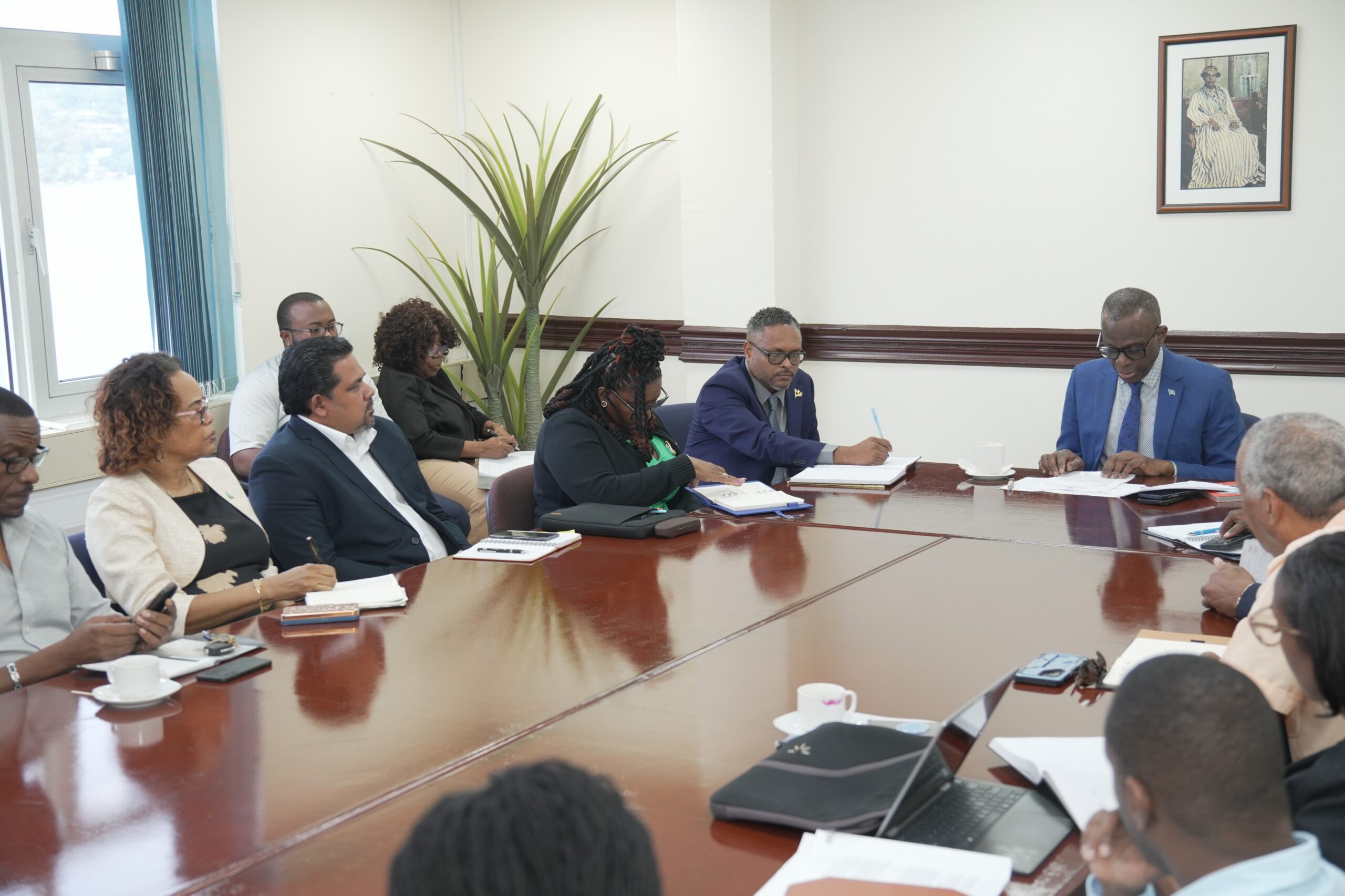
    Saint Lucia’s government and tourism industry leaders have initiated a coordinated response to the nation’s escalating water crisis through a high-level strategic meeting convened by Prime Minister Philip J. Pierre on March 4th. The urgent gathering brought together key ministers, water utility executives, and private sector representatives to develop immediate solutions for the island’s aging water infrastructure system.

    Prime Minister Pierre chaired the discussions that included Minister for Physical Development and Public Utilities Keithson Hermine Charles, Economic Development Minister Wayne D. Girard, and Tourism Ministry representative John Paul Estephane. The meeting also featured participation from Water and Sewerage Company (WASCO) leadership including Chairman Trevor Louisy and CEO Zilta George-Leslie, alongside permanent secretaries and Saint Lucia Hospitality and Tourism Association (SLHTA) delegates.

    According to official communications from SLHTA, the Prime Minister acknowledged the critical state of Saint Lucia’s water distribution network and emphasized the necessity for practical short-term interventions. The dialogue resulted in clear identification of investment priorities and collaborative opportunities between public agencies and private enterprises.

    Tourism sector representatives are now preparing to present a comprehensive action plan with proposed solutions within days. A follow-up working session scheduled for March 6th will focus on developing implementation timelines and securing financial resources for priority initiatives. These emergency measures include rehabilitation of the northern water pipeline, emergency water barging operations, incentive frameworks for commercial and domestic water harvesting, and formalized engagement strategies with water transportation services.

    SLHTA CEO Noorani M. Azeez stated: “We recognize the severe impact of water supply disruptions on tourism operations and our employees’ household needs. The Prime Minister’s commitment to practical stabilization measures provides encouragement amidst these challenges.” Azeez further highlighted that climate change has intensified dry-season vulnerabilities, making sustainable adaptation strategies including water harvesting, efficiency improvements, and resilience planning essential for the tourism-dependent island nation.

  • St. Kitts and Nevis citizens get visa-free travel to Ghana after landmark agreement  – WIC News

    St. Kitts and Nevis citizens get visa-free travel to Ghana after landmark agreement  – WIC News

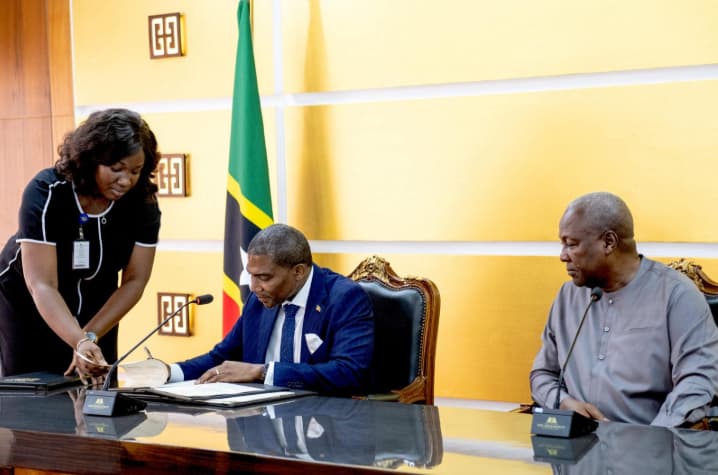
    In a significant diplomatic advancement, the Federation of St. Kitts and Nevis has established a landmark visa waiver agreement with Ghana, eliminating visa requirements for ordinary passport holders traveling between the two nations. This transformative agreement was formalized during Prime Minister Dr. Terrance Drew’s official state visit to Ghana from March 4, 2026, marking a new chapter in transatlantic relations.

    The agreement represents a substantial expansion of previous arrangements that only covered diplomatic and service passport holders. Ghanaian President John Dramani Mahama characterized the development as both ‘practical and transformative,’ emphasizing its potential to strengthen bilateral ties while fostering deeper people-to-people connections across the Atlantic divide.

    Prime Minister Drew articulated the agreement’s broader implications, stating: ‘This landmark arrangement will facilitate seamless travel between our nations, creating pathways for enhanced cultural exchange, educational cooperation, and expanded business and tourism opportunities.’ The Prime Minister further expressed optimism about the emerging opportunities to bridge African and Caribbean communities.

    Beyond the visa waiver, both nations signed a complementary agreement addressing healthcare workforce mobility. This arrangement will facilitate the transfer of qualified Ghanaian nurses to St. Kitts and Nevis, addressing staffing needs while providing professional development opportunities. President Mahama additionally highlighted Ghana’s commitment to supporting human resource development in St. Kitts and Nevis through structured labor mobility programs across key sectors.

    The bilateral discussions, described as highly productive by both administrations, focused on strengthening diplomatic coordination, expanding trade and investment frameworks, and deepening cultural cooperation. This agreement positions both nations as pioneers in South-South cooperation, potentially establishing a model for future Africa-Caribbean partnerships.

  • Drie woningen verwoest door brand in Nieuw Nickerie

    Drie woningen verwoest door brand in Nieuw Nickerie

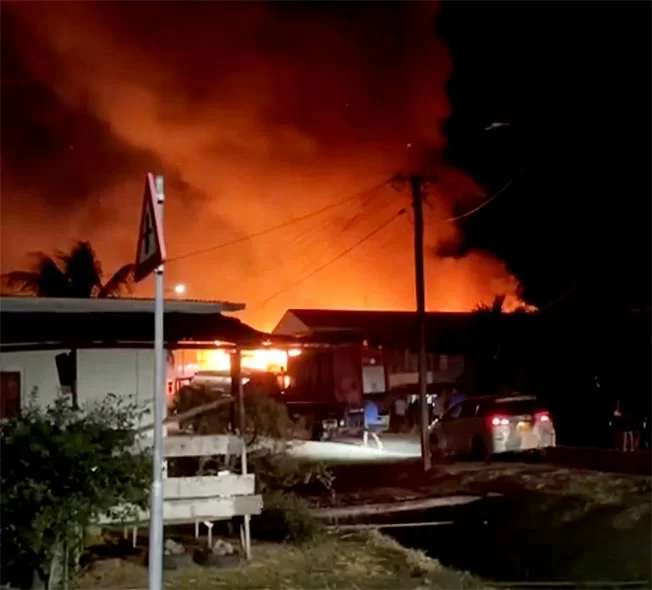
    A devastating fire erupted in the early morning hours on Thursday, completely destroying three multi-story residences on Emmastraat in Nieuw Nickerie. The blaze ignited at approximately 3:42 AM and was promptly reported to the local fire department.

    Upon arrival, firefighters discovered three closely spaced concrete and wood-constructed homes sharing the same property compound. The minimal separation between structures allowed flames to propagate with alarming speed, resulting in the total destruction of all three buildings and their complete contents.

    The properties, while connected to the national grid operated by Energie Bedrijven Suriname (EBS), lacked any form of fire insurance coverage. Preliminary investigations suggest the catastrophe began when an electrical fan caught fire in one residence, creating an ignition point that rapidly expanded to adjacent homes.

    Despite the extensive property damage, no casualties were reported as occupants managed to evacuate safely before the situation escalated. Firefighting crews successfully contained the conflagration, preventing further spread to neighboring structures. Authorities have launched a formal investigation to determine the exact cause of the blaze.

  • Rotary Club of Antigua Hosts Panel Discussion in Observance of World Obesity Day

    Rotary Club of Antigua Hosts Panel Discussion in Observance of World Obesity Day

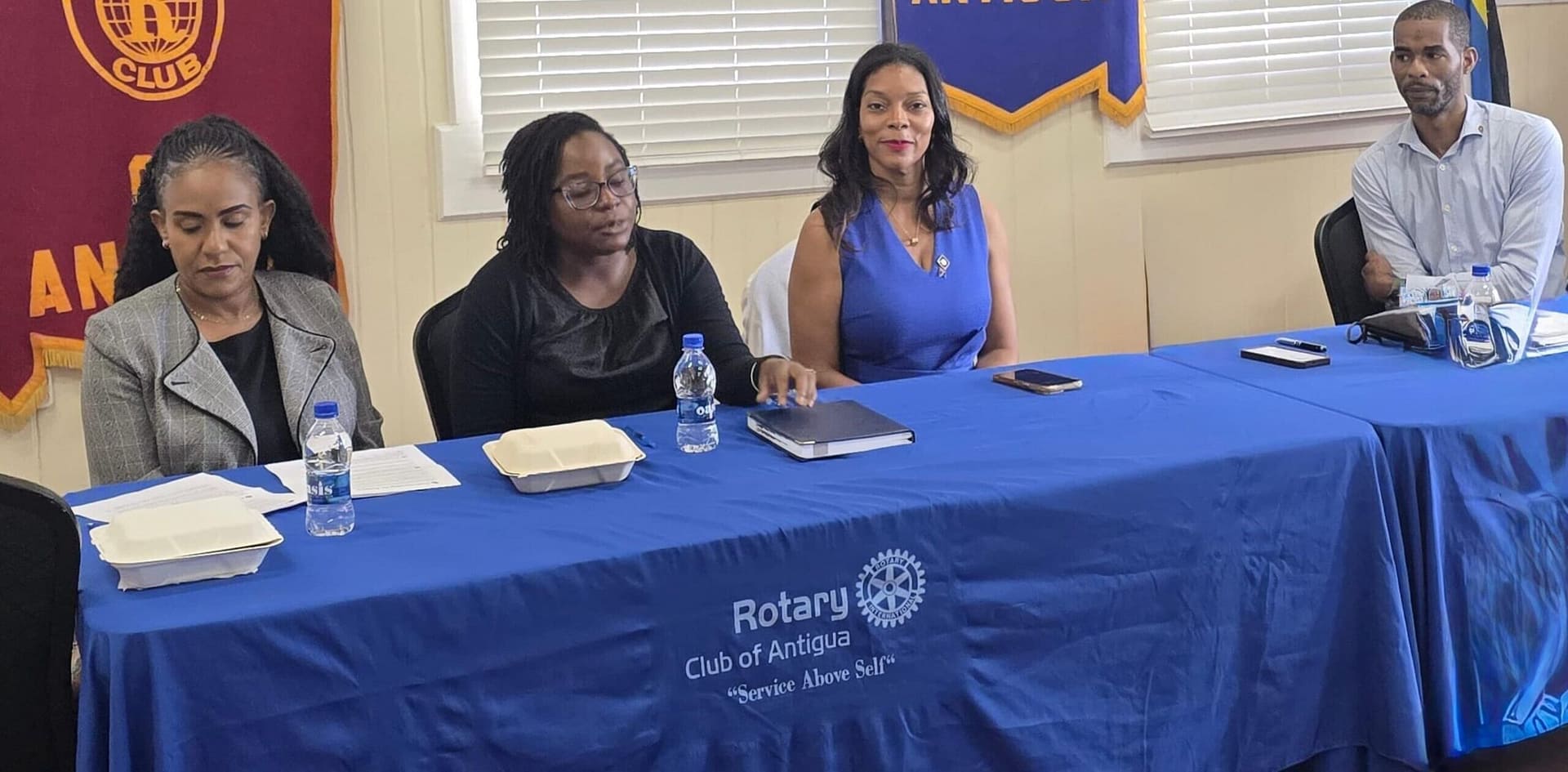
    The Rotary Club of Antigua has taken a decisive stand against the escalating global obesity epidemic by convening a high-level panel discussion in recognition of World Obesity Day on March 4. This event formed part of the broader Rotary Moves Initiative across Rotary District 7030, which prioritizes prevention, awareness campaigns, and the development of healthier communities.

    Distinguished medical experts comprising the panel included Dr. Sharon Cordner, a specialist in Internal Medicine; Mrs. Dorothy Graham-Charles, Nutrition Manager at the Medical Benefits Scheme Nutrition Centre; and Ms. Charity Dublin, Public Health Nutritionist representing the Ministry of Health, Wellness and the Environment. These professionals provided critical insights into nutritional science, preventive healthcare measures, and public health policy frameworks.

    The discussion highlighted alarming global projections indicating that approximately four billion people worldwide could be affected by overweight or obesity by 2035. Childhood obesity rates have demonstrated a particularly disturbing trajectory, surging nearly fivefold since 1975. This trend is especially pronounced in low- and middle-income nations, creating a pressing international health challenge.

    Medical experts emphasized that childhood obesity frequently persists into adulthood, significantly elevating risks for severe non-communicable diseases including diabetes, cardiovascular conditions, and various cancers. Current statistics reveal nearly three billion individuals globally already live with overweight or obesity, including over 400 million school-aged children.

    The Rotary Club of Antigua maintains that these concerning health outcomes are preventable through coordinated community action. The organization advocates for enhanced public awareness campaigns, support systems for healthier lifestyle choices, and strengthened partnerships across community organizations.

    “Tackling childhood obesity demands more than individual responsibility,” stated club representatives. “It requires comprehensive community engagement, evidence-based education programs, and policy initiatives that foster healthier environments for all citizens.”

    This panel discussion represents one component of the club’s sustained commitment to improving community health outcomes and empowering families to make informed nutritional choices. Through the Rotary Moves Initiative, clubs throughout the district continue to champion preventive measures, early intervention protocols, and equitable healthcare access.

    As World Obesity Day garners global attention, Rotary International encourages collective action among individuals, families, educational institutions, and organizations. By promoting understanding rather than stigmatization, prioritizing prevention from early childhood, and ensuring fair access to treatment, communities can potentially alter the course of this expanding public health challenge.

  • Rotary Club of Antigua announces winners of its first‑ever “Let Peace Prevail on Earth” Poster Art Competition

    Rotary Club of Antigua announces winners of its first‑ever “Let Peace Prevail on Earth” Poster Art Competition

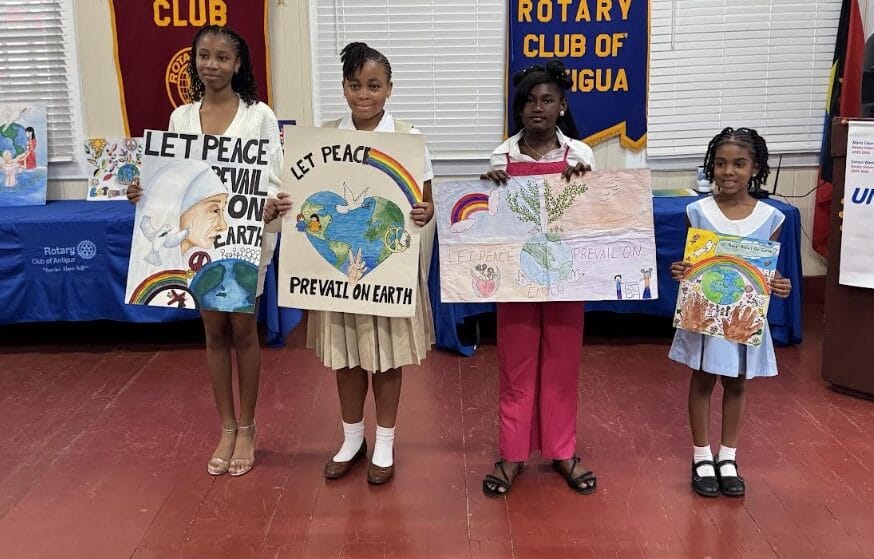
    ANTIGUA – In a landmark celebration of youth creativity and global citizenship, the Rotary Club of Antigua has successfully concluded its inaugural “Let Peace Prevail on Earth” poster art competition. The initiative, which engaged young artists from primary, secondary, and tertiary institutions nationwide, culminated in an awards ceremony at Rotary House on March 5, 2026.

    The competition challenged participants to visually interpret themes of peace, unity, and global harmony, resulting in an exceptional display of artistic talent and profound conceptual depth. Winners across four age categories received EC$500 cash prizes, custom peace poles, and art supplies, while several exceptional entries earned special recognition awards.

    Mr. Alvin Livingstone, speaking on behalf of the judging panel, praised the remarkably high standard of submissions. He emphasized that winning entries were selected based on three critical criteria: artistic merit, conceptual originality, and the powerful communication of peace in action. Each submission demonstrated thoughtful engagement with complex global themes through visual media.

    Rotary Club of Antigua President Mrs. Elisa Graham highlighted the competition’s alignment with Rotary International’s core peacebuilding mission. “Through service projects, youth engagement, and educational programs,” she stated, “Rotary addresses conflict’s root causes including poverty, inequality, and educational gaps. When youth articulate their peace visions, they become ambassadors of tolerance and unity.”

    President Graham further emphasized the competition’s philosophical significance: “Peace begins in our homes, schools, communities – and yes, on blank paper. These young artists learn that resolution comes through dialogue and collaboration, not division.”

    The ceremony recognized category winners including Peace-Marie Browne (St. Nicholas Primary), Haedriana Bent (Five Islands Primary), Deja Neke Philo (Christ the King High School), and Tianna Henry (Christ the King High School). Special awards celebrated Gabrielle Grant’s powerful peace message, Terresha Harris’s innovative color use, and Zoey Carter’s dual recognition for peace ambassadorship and conceptual originality.

    The event concluded with expressions of gratitude to parents, educators, judges, Rotarians, and sponsors whose support enabled this investment in youth potential and global citizenship development.

  • AGHS Alumnae Present EC$3,000 Donation Following Book Project

    AGHS Alumnae Present EC$3,000 Donation Following Book Project

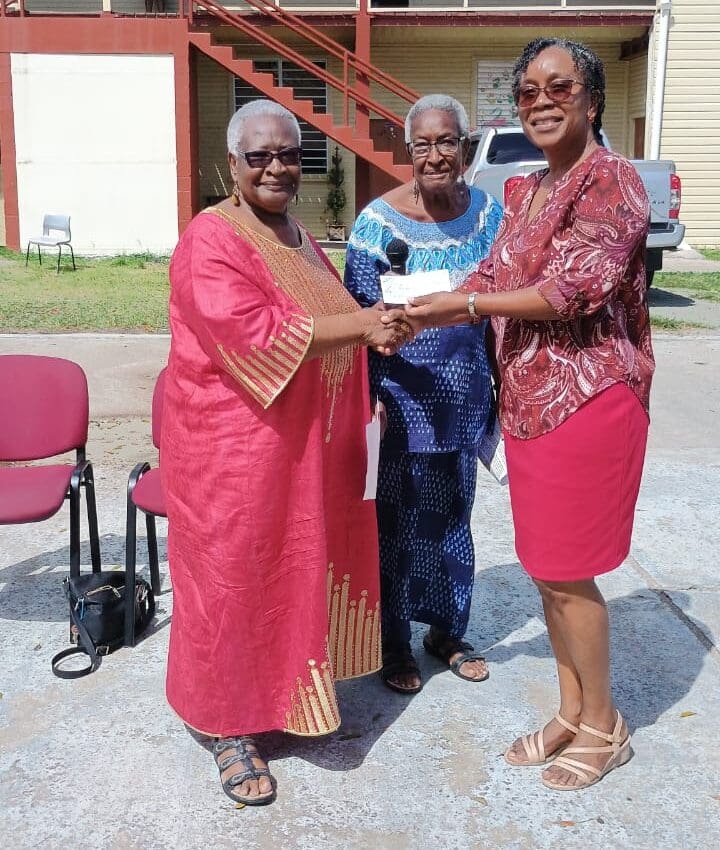
    In a significant demonstration of lifelong institutional loyalty, the Antigua Girls’ High School (AGHS) has been fortified by its global network of former students. The school administration formally accepted a substantial EC$3,000 financial contribution during a special assembly on Wednesday. The donation was presented by distinguished representatives of the alumnae association, Dr. Ermina Osoba (née Davis) and former Headmistress Evelyn Sheppard (née Davis).

    Principal Rosalind Beaser presided over the ceremony, extending profound appreciation for the timely contribution, which coincides with the institution’s recent 140th-anniversary observances. She lauded the graduates for their unwavering dedication to safeguarding the school’s heritage and for reciprocating their educational foundation with tangible support.

    The donation is intrinsically linked to a major legacy initiative: the publication of a commemorative volume chronicling the school’s history. The project originated from a digital conversation initiated by alumna Holly Peters (née Joseph), evolving into a collaborative effort to document personal narratives and professional accomplishments of students who have passed through the island’s exclusive public secondary school for girls. Published in 2024 by Tellwell Publishing, the volume serves a dual purpose as both a historical record and a fundraising instrument.

    This endeavor transcends mere nostalgia, highlighting the powerful, intergenerational connections fostered within the AGHS community. Financial returns generated from the book’s sales on major platforms, including Amazon and Barnes & Noble, will be channeled directly into the school’s development programs. This ongoing revenue stream promises to further underwrite a tradition of academic excellence that has characterized the institution for over fourteen decades.

  • Geothermal in Nevis and solar in St. Kitts key to energy transition, minister says

    Geothermal in Nevis and solar in St. Kitts key to energy transition, minister says

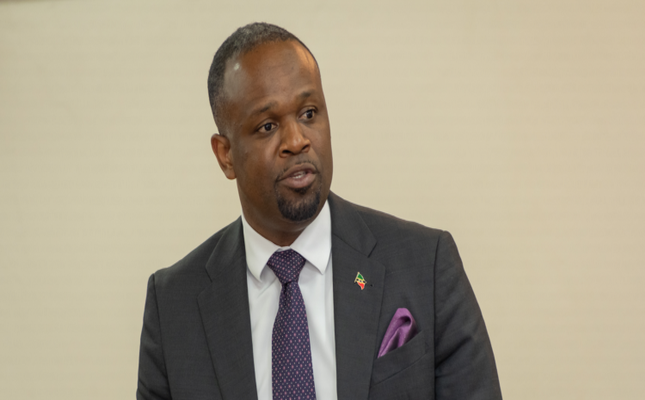
    The Federation of St. Kitts and Nevis is making substantial strides in its renewable energy transformation, with significant developments in both geothermal and solar power infrastructure. Energy Minister Konris Maynard confirmed the nation’s progress during recent statements made at the 50th CARICOM Heads of Government Meeting in Basseterre.

    Central to the energy transition is the long-awaited geothermal project on Nevis. The Nevis Island Administration is poised to announce the selected contractor for drilling operations, which will involve five specialized wells—three for energy production and two for reinjection purposes. This geothermal initiative alone could generate approximately 30 megawatts of clean electricity, representing a substantial portion of the islands’ 40-megawatt baseline energy requirements.

    Concurrently, St. Kitts is advancing a major solar energy project. Authorities are preparing to issue a Request for Proposals for a 50-megawatt solar power plant complemented by a 35-megawatt energy storage system. The innovative project is planned for the Basseterre Valley Aquifer area, where solar panels can be installed without disrupting the protected environmental zone.

    Minister Maynard emphasized the government’s comprehensive strategy: “Our objective is to maximize the renewable resources available to our Federation—specifically our abundant solar and geothermal potential.” While acknowledging previous explorations into St. Kitts’ geothermal capabilities, the minister explained the current focus remains on Nevis due to its more advanced development readiness and previously conducted studies.

    The government’s coordinated approach demonstrates a committed transition toward sustainable energy independence, leveraging the unique geographical advantages of both islands within the Federation.