作者: admin

  • Jamaica to benefit from Hurricane Melissa Recovery Funding

    Jamaica to benefit from Hurricane Melissa Recovery Funding

    WASHINGTON, DC — A monumental international recovery effort is taking shape for Jamaica following the catastrophic impact of Hurricane Melissa, with global financial institutions mobilizing a support package approaching US$6 billion. This collective response marks one of the largest disaster relief initiatives in Caribbean history.

    The International Monetary Fund has taken a leading role in the financial response, confirming US$415 million in emergency financing through its Rapid Financing Instrument (RFI). According to IMF Director of Communication Julie Kozac, the executive board is expected to approve this single-disbursement funding early next year, providing immediate liquidity without conditional requirements.

    The staggering scale of devastation became apparent through preliminary assessments from the Global Rapid Post-Disaster Damage Estimation (GRADE) initiative. Jointly conducted by the World Bank and Inter-American Development Bank, these evaluations indicate physical damage estimates reaching US$8.8 billion—representing approximately 41% of Jamaica’s entire economic output. Kozac characterized Hurricane Melissa as “the costliest hurricane in Jamaica’s recorded history.”

    Jamaica’s pre-established disaster risk financing framework has emerged as a critical factor in the immediate response phase. The system enabled rapid activation of US$662 million in emergency liquidity through multiple channels: US$37 million from national reserve funds, US$91 million from regional insurance mechanisms, US$150 million from catastrophe bonds, US$300 million from contingent credit facilities, and additional scalable funding from World Bank instruments.

    The comprehensive recovery package, currently under development through coordination between international partners and Jamaican authorities, aims to provide up to US$6.7 billion over a three-year reconstruction timeline. This sustained support will address infrastructure restoration, economic stabilization, and long-term resilience building.

    While financial mechanisms mobilize, ground operations continue across the island nation with emergency teams conducting search and rescue missions, debris clearance, and victim recovery efforts in the most severely affected regions.

  • U.S. Ambassador holds dialogue with Dominican pro-family organizations

    U.S. Ambassador holds dialogue with Dominican pro-family organizations

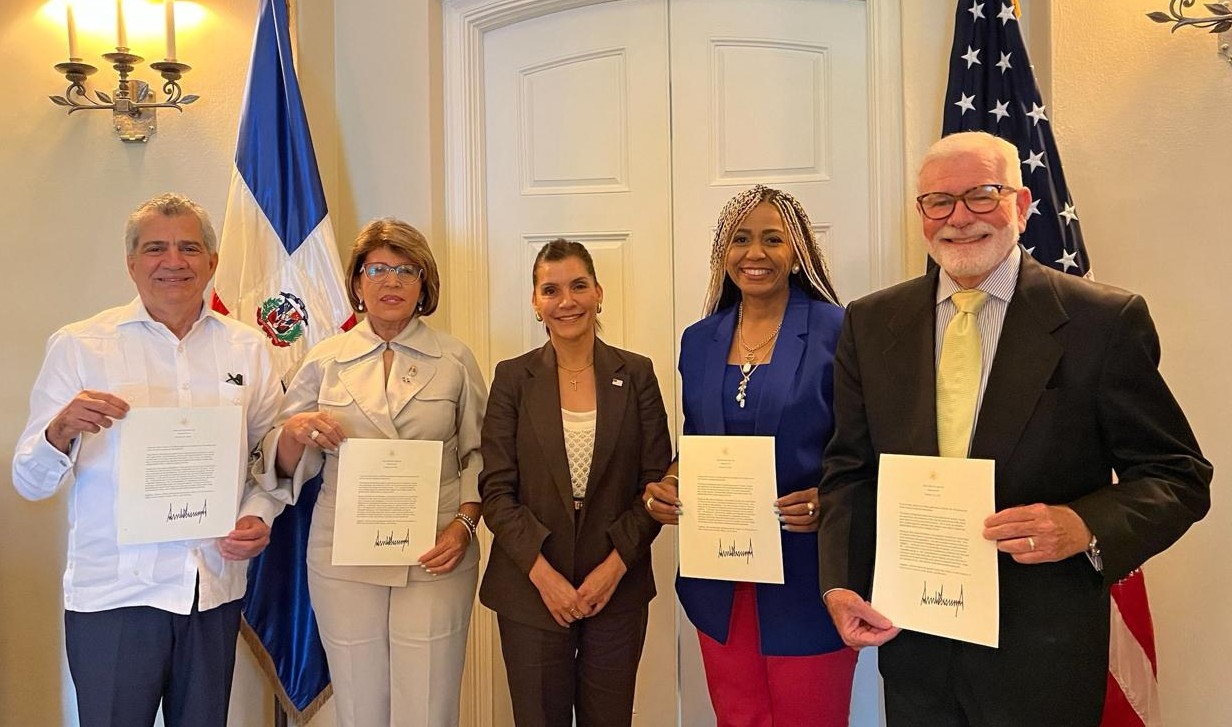
    In a significant diplomatic engagement, U.S. Ambassador to the Dominican Republic Leah F. Campos convened with multiple civil society organizations to foster collaborative participation in the nation’s legislative processes. The meeting brought together representatives from prominent groups including the Women’s Forum in Defense of Life and Family (Fomudevi), the Christian Action Group, the Happy Marriage Movement, and Youth With a Mission (YWAM).

    Ambassador Campos facilitated substantive dialogue by distributing copies of former U.S. President Donald Trump’s Geneva Consensus letter, using the document as a foundational text to encourage discussions on matters of mutual concern. The meeting established a platform for exchanging perspectives on governance and civic engagement.

    Damaris Patrocinio, president of Fomudevi, publicly acknowledged the ambassador’s receptiveness to collaboration, extending appreciation both during the proceedings and through social media channels. Patrocinio confirmed the organization’s commitment to partnering with the U.S. Embassy on initiatives aligning with common interests, specifically highlighting priorities surrounding life, family, national sovereignty, and Judeo-Christian ethical principles.

    Fomudevi additionally expressed gratitude to fellow participating organizations, emphasizing that the gathering transpired within an atmosphere of mutual respect and cordiality. The constructive environment reportedly reinforced shared values and enhanced cooperative dynamics among the diverse groups, potentially paving the way for future collaborative efforts in the Dominican Republic’s policy landscape.

  • Shallow to complete CWI term but will not Seek re-election amid new political role

    Shallow to complete CWI term but will not Seek re-election amid new political role

    In a significant development for Caribbean cricket governance, Dr. Kishore Shallow has announced he will complete his term as President of Cricket West Indies (CWI) despite recent election to political office, though he will not seek re-election when his current mandate expires. This decision follows Shallow’s successful electoral victory in St. Vincent and the Grenadines, where he secured the North Leeward constituency seat for the New Democratic Party administration.

    Addressing the region on Sunday, December 8th, Shallow acknowledged the complexity of balancing dual leadership roles but emphasized his commitment to seeing through organizational reforms already initiated under his presidency. “After considerable reflection, I believe ongoing projects require consistent leadership to reach completion,” Shallow stated. “Therefore, I will conclude my current term while formally declaring my intention not to pursue re-election.”

    The CWI president revealed he had received extensive congratulations from within the cricket community following his political success. He reiterated that his primary objective has always been strengthening CWI’s administrative framework to ultimately enhance team performance on the field.

    Shallow provided concrete metrics regarding reform progress, noting that over 70% of recommendations from the Wehby Report on governance restructuring have been implemented, with additional areas slated for review during the remainder of his term.

    Addressing concerns about potential conflicts of interest, Shallow highlighted precedents within international cricket governance. “Several colleagues at the International Cricket Council currently serve or have previously served as government ministers or parliamentarians,” he noted. A comprehensive due-diligence review confirmed no legal or ethical conflicts exist between the roles.

    Shallow further clarified that the CWI presidency is neither a salaried position nor a full-time occupation, with daily operations managed by CEO Chris Dehring and a professional staff of over fifty based in Antigua. He suggested his unique position could actually foster improved collaboration between regional governments and cricket administration, potentially creating new avenues for support without compromising organizational independence.

  • Column: Momenten die het hart raken

    Column: Momenten die het hart raken

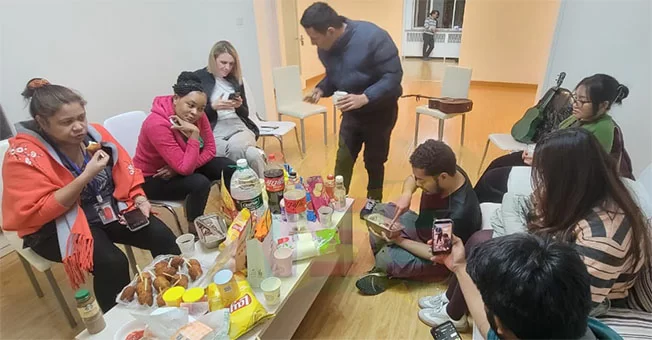
    In the heart of Beijing, an extraordinary tapestry of human connection unfolds as individuals from disparate corners of the globe create profound bonds through shared experiences. This narrative captures the essence of cultural exchange where simple acts—cooking, music, and household chores—become transformative moments that transcend linguistic and political barriers.

    Danish from Pakistan’s Balochistan region, previously unacquainted with culinary arts, prepared an unforgettable meal using spices from his homeland, Beijing roti, and local market ingredients. His cooking evolved into a sensory experience that nourished both body and soul.

    Meanwhile, Tanzil from Bangladesh, his family’s sole son, mastered domestic skills with guidance from Kay Marie of Trinidad and Tobago. From learning laundry operations to creating Bangladeshi chicken curry with potatoes, Tanzil’s culinary journey culminated in his beef curry becoming a workplace favorite.

    Mahdi from Afghanistan embodies the complex reality of cultural restrictions. His profound connection to music persists through headphones and a recently purchased flute, though he acknowledges these instruments cannot return with him to a homeland where foreign musical items face prohibition. His deliberate solitude in Beijing represents a cherished temporary freedom.

    Ioane from Fiji fulfills personal dreams amid this cultural convergence, acquiring a guitar and anticipating his first encounter with snow before returning home.

    These interactions occur against an unspoken backdrop of concern for troubling developments in their respective nations. Participants consciously compartmentalize these worries to fully embrace present connections, recognizing the transient nature of their time together.

    The emerging lesson transcends cultural exchange: these moments reveal how human connection persists despite geographical origins, political circumstances, or linguistic differences. Shared humanity manifests through the universal pursuit of warmth, understanding, and recognition.

    In an increasingly fragmented world, these Beijing gatherings demonstrate how friendship bridges divides. They affirm that human relationships—not language, tradition, or distance—define our capacity for empathy and mutual growth. Through vulnerability and imperfect companionship, these individuals discover resilience and hope in their collective experience.

  • Suriname kroont zich tot kampioen van Inter Guyanese Spelen 2025

    Suriname kroont zich tot kampioen van Inter Guyanese Spelen 2025

    Suriname has emerged as the decisive champion of the 2025 Inter Guyanese Games (IGS), held from December 5th to 7th in Georgetown. The Surinamese delegation showcased exceptional athletic prowess across multiple disciplines, securing the top position with an impressive total of 83 points.

    The competition witnessed Guyana claiming second place with 75 points, while French Guiana followed closely with 73 points. Suriname’s victory was characterized by dominant performances in swimming and volleyball, complemented by strong showings in chess, athletics, basketball, and futsal.

    Throughout the three-day sporting event, Surinamese athletes demonstrated remarkable combativeness, exceptional team spirit, and unwavering perseverance. Their consistent excellence across multiple disciplines highlighted both individual talent and collective coordination.

    This triumphant achievement at the IGS 2025 not only underscores the substantial growth and development of Suriname’s athletic programs but also serves as a powerful inspiration for the nation’s next generation of sports professionals. The successful campaign represents a significant milestone in Surinamese sports history, reflecting the country’s commitment to athletic excellence and international sportsmanship.

    The resounding victory provides momentum for Suriname’s sporting community as they look toward future regional and international competitions, building on this impressive demonstration of athletic capability and competitive determination.

  • Monorath bezoekt post Uitvlugt na inbeslagname 525 kilo drugs; veiligheid opgevoerd

    Monorath bezoekt post Uitvlugt na inbeslagname 525 kilo drugs; veiligheid opgevoerd

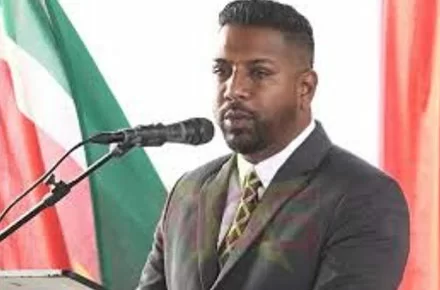
    In a dramatic nighttime operation, Suriname’s Minister of Justice and Police Harish Monorath personally visited the Uitvlugt police station following the seizure of a massive 525 kilograms of cocaine. The Saturday-Sunday raid resulted in the apprehension of three suspects and recovery of two firearms.

    Minister Monorath explained to media that his unscheduled visit was motivated by his desire to assess the situation firsthand and verify additional security protocols. ‘I wanted to see it myself,’ Monorath stated. ‘They had just finished counting. The shipment will be precisely weighed gram-by-gram on Sunday, with destruction scheduled between Monday and Wednesday.’

    The destruction process will temporarily utilize traditional methods despite recent procurement efforts for a specialized incineration oven for drug disposal. The minister confirmed that necessary funding hasn’t yet been released, requiring interim measures. Monorath pledged his personal presence during the destruction ceremony.

    Following the seizure, comprehensive security enhancements were immediately implemented around the Narco-unit’s entire perimeter. ‘I’ve mandated additional security throughout—external, internal, and surrounding areas are all being guarded by personnel,’ the minister emphasized.

    The drugs were initially brought to Uitvlugt Post, with authorities promptly notifying the minister. Addressing criticisms about his operational presence, Monorath firmly stated: ‘There is absolutely no question of interference. The police fall under my authority. I may orient myself onsite at any time.’

    The minister was accompanied during his inspection by the acting police commissioner’s deputy and the assistant prosecutor assigned to the case.

  • Abinader enacts reform of the Criminal Procedure Code

    Abinader enacts reform of the Criminal Procedure Code

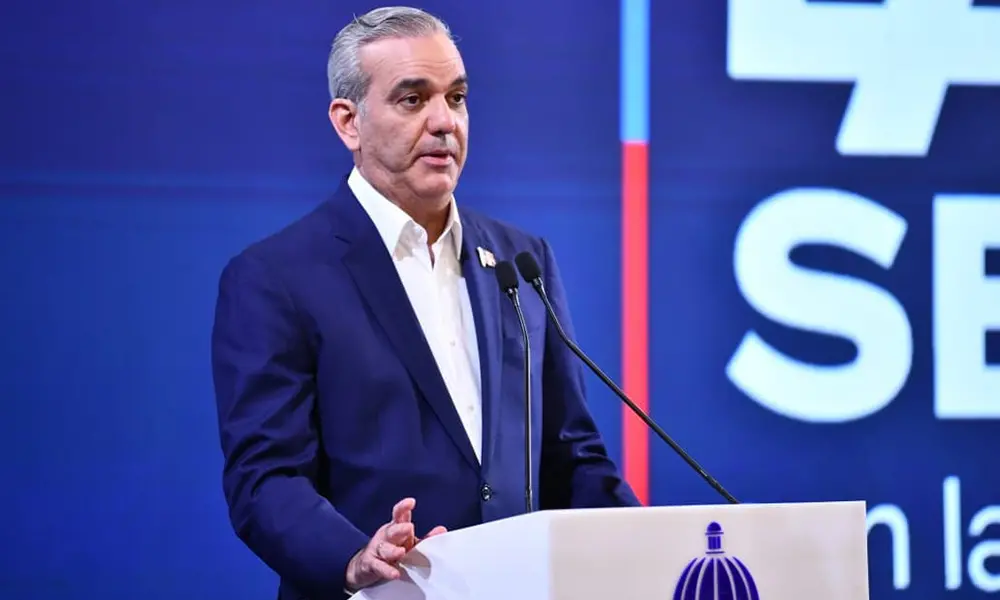
    SANTO DOMINGO – In a significant legislative advancement, President Luis Abinader has officially enacted Law 97-25, a comprehensive reform of the nation’s Criminal Procedure Code. The legislation, which received final approval from the Senate, represents a major step in modernizing the Dominican Republic’s judicial framework to align with contemporary democratic standards.

    According to Antoliano Peralta Romero, the Executive Branch’s legal advisor, the updated code integrates critical jurisprudence from both the Constitutional Court and the Supreme Court. The reforms are designed to transform the criminal process into a more agile and rights-centric system, reinforcing the social and democratic rule of law. The law is scheduled for publication in the Official Gazette and will be implemented in a phased manner, taking effect on Tuesday in the National District and expanding nationwide on Wednesday.

    The overhaul introduces a suite of modern conflict-resolution mechanisms. These include restorative justice programs, opportunity criteria, plea bargaining, conciliation, abbreviated procedures, and the conditional suspension of proceedings, applicable to offenses carrying sentences of up to five years. The legislation significantly bolsters the right to defense and enhances protective measures for vulnerable populations. It also provides precise definitions for when the rights of individuals under investigation are activated, including during summons and asset freezing procedures.

    Furthermore, the reformed code establishes transparent guidelines for arrests and the application of coercive measures, mandating stricter judicial oversight. It imposes clear maximum timeframes for judicial processes: four years for ordinary cases and five years for those deemed complex. In a move to streamline appeals, the reform abolishes the prerequisite of a ‘new trial,’ empowering higher courts to conduct proceedings directly under established trial rules.

    This transformative reform is the product of an extensive collaborative effort involving legislators, the Public Prosecutor’s Office, the Public Defender’s Office, the Judiciary, the Executive Branch’s Legal Counsel, and key representatives from the legal sector. This initiative, coupled with recent enactments like the Law on Extinction of Ownership and the new Penal Code, signifies a concerted push to establish a more modern, humane, and efficient criminal justice system in the Dominican Republic.

  • President Abinader honors Army members during Christmas luncheon

    President Abinader honors Army members during Christmas luncheon

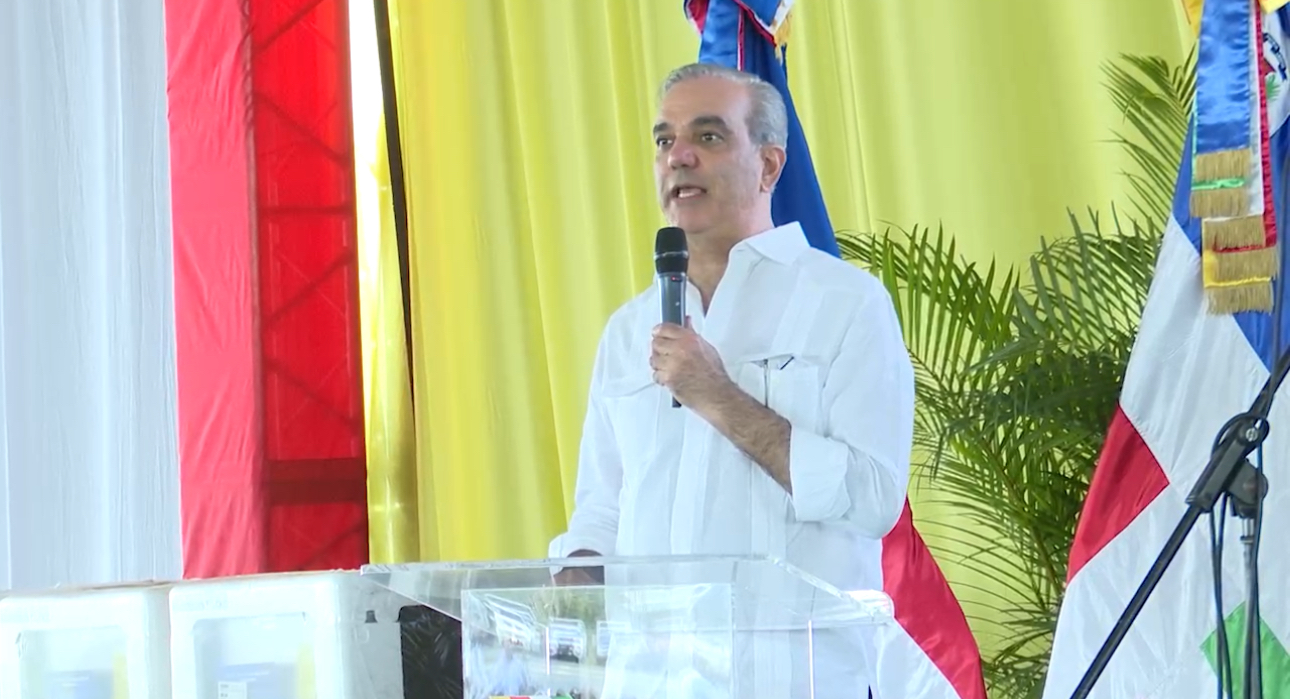
    SANTO DOMINGO – In a display of national unity and appreciation for military service, President Luis Abinader participated in a significant holiday gathering with over 2,500 soldiers this Sunday. The event, a traditional Christmas luncheon held at the 16 de Agosto Military Camp, served as a platform for the national leader to commend the Armed Forces for their unwavering commitment to the nation.

    Addressing the assembled troops, President Abinader articulated his profound pride in the institution, characterizing the military’s service as the ultimate embodiment of loyalty to the Republic. He placed special emphasis on the core values of integrity and dedication, describing them as the most valuable legacy that service members can impart to future generations of Dominicans.

    The ceremony transcended mere seasonal festivities, doubling as a formal reaffirmation of the administration’s commitment to enhancing the welfare of military personnel and their families. Looking forward, President Abinader concluded his address by extending his heartfelt wishes for the coming year, expressing optimism for continued national progress, success, and health for both the Army and the Dominican Republic throughout 2026.

  • Protecting the future of our girls

    Protecting the future of our girls

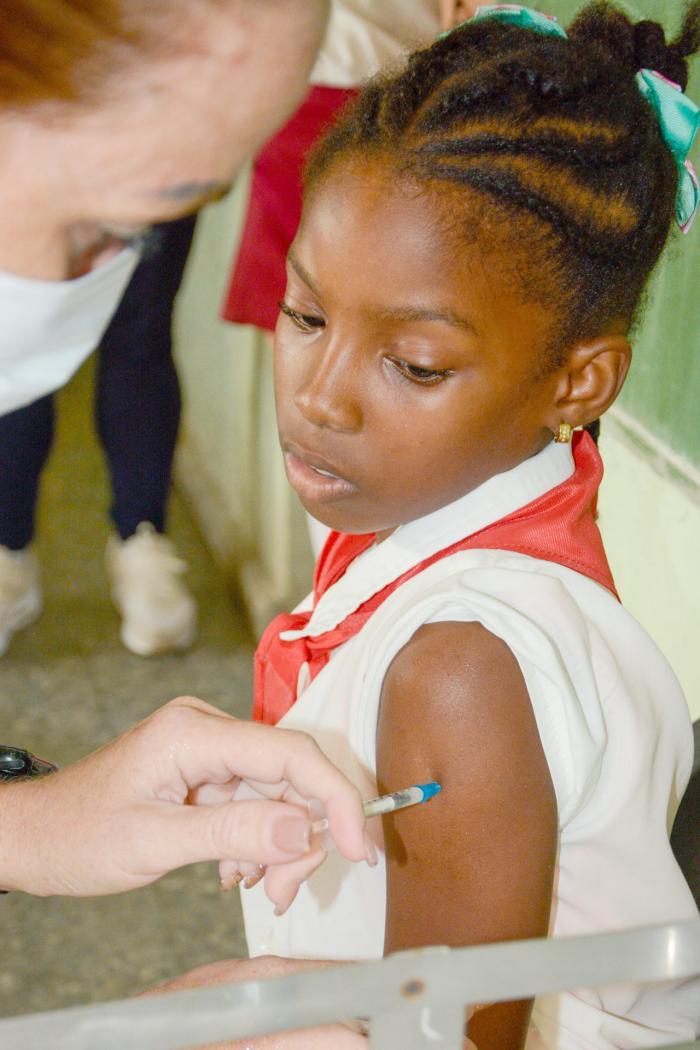
    In a significant public health advancement, Cuba has officially integrated the Cecolin HPV vaccine into its national immunization program with formal endorsement from the Pan American Health Organization and World Health Organization (PAHO/WHO). This strategic initiative, launched in October 2025, represents a crucial step toward eliminating cervical cancer through widespread preventive vaccination.

    The comprehensive vaccination campaign targets over 68,000 girls across the island nation, specifically focusing on those who have reached nine years of age. The Chinese-manufactured Cecolin vaccine, produced by Innovax, has received WHO prequalification, confirming its safety profile and immunological effectiveness. Medical authorities emphasize that the vaccine generates a more robust immune response than natural infection, ensuring durable protection against high-risk HPV strains.

    Health officials have addressed common parental concerns through detailed guidance. The vaccination protocol allows temporary postponement for girls experiencing acute infectious diseases but permits vaccination after recovery from conditions like dengue or chikungunya. The program will be administered through three primary channels: elementary schools with medical personnel present, polyclinic vaccination centers, and certified peripheral facilities in each region.

    The selection of nine-year-old recipients reflects scientific evidence demonstrating optimal vaccine effectiveness when administered before sexual debut and potential virus exposure. This approach creates both individual protection and community-wide herd immunity, significantly reducing viral circulation across population demographics.

    While the current phase exclusively targets female recipients due to cervical cancer representing approximately 70% of HPV-related cancers, health authorities note that high coverage in girls substantially reduces infection risks for males through indirect protection. The vaccine remains recommended even for individuals with previous HPV exposure, as it prevents future infection with high-risk types 16 and 18 despite not treating existing infections.

  • Great South : PAHO/WHO fights against maternal mortality

    Great South : PAHO/WHO fights against maternal mortality

    A significant multinational health initiative is underway in Haiti’s southern regions to combat the nation’s persistently high maternal mortality rates. The Pan American Health Organization/World Health Organization (PAHO/WHO), backed by the European Union’s Universal Health Coverage Partnership, is collaborating with Haiti’s Ministry of Public Health through its Family Health Directorate (DSF) to implement critical interventions across four southern departments.

    The comprehensive program has equipped 55 healthcare professionals with specialized training in Maternal Death Surveillance and Response (MDSR) systems, while simultaneously establishing seven dedicated committees within institutions providing emergency obstetric and neonatal care. This dual approach has enabled medical staff to better understand the root causes of maternal fatalities and implement evidence-based practices to enhance care quality.

    Parallel to these training efforts, medical teams have conducted detailed mortality reviews throughout the Grand Sud region, identifying specific risk factors and developing targeted corrective measures. The initiative has also revitalized departmental MDSR committees to improve monitoring of implemented recommendations and optimize coordination across different tiers of Haiti’s healthcare system.

    Notably in Grand’Anse department, the United Nations Population Fund (UNFPA) has provided co-financing for training activities, demonstrating crucial inter-agency cooperation in addressing Haiti’s maternal health challenges. This collaborative model aims to strengthen early detection of maternal risks and refine patient referral systems.

    The integrated strategy seeks to consolidate MDSR protocols at local levels, improve prenatal and obstetric care quality, and ultimately achieve sustainable reduction of Haiti’s maternal mortality ratio through coordinated action across all healthcare system levels.