作者: admin

  • Australia bans under-16s from social media in world-first crackdown

    Australia bans under-16s from social media in world-first crackdown

    SYDNEY, Australia — In an unprecedented global move, Australia has implemented a sweeping ban prohibiting citizens under 16 from accessing major social media platforms. The landmark legislation, effective immediately, targets tech giants including Facebook, Instagram, TikTok, YouTube, Snapchat, and Reddit with potential fines exceeding AU$49.5 million (US$33 million) for non-compliance.

    The Albanese government characterizes the measure as essential protection against what it describes as “predatory algorithms” exposing minors to harmful content including cyberbullying, sexual exploitation, and violent material. Prime Minister Anthony Albanese asserted that social media has frequently been “used as a weapon for bullies, a platform for peer pressure, a driver of anxiety, a vehicle for scammers and, worst of all, a tool for online predators.”

    The implementation mechanism places full responsibility on platforms to verify user ages through artificial intelligence analysis of photos or government-issued identification uploads. While current exemptions apply to services including Roblox, Pinterest, and WhatsApp, officials confirm the blacklist remains under continuous review.

    Parental responses reveal deep divisions, with some families welcoming the intervention as overdue protection against addictive scrolling. Mia Bannister, whose son Ollie died by suicide following online bullying and harmful diet content, described smartphones as “the greatest weapon we could hand them.” Conversely, affected teenagers expressed skepticism about both the feasibility and necessity of the restrictions, with 15-year-old Layton Lewis questioning whether “the government really knows what they’re doing.”

    Technology companies have universally condemned the approach as “rushed” and potentially counterproductive. YouTube warned the ban might drive young users toward “deeper, darker corners of the internet,” while multiple platforms are considering legal challenges. Digital rights organizations have already initiated efforts to reverse the prohibition.

    International observers from New Zealand to Malaysia are monitoring the Australian experiment closely as they contemplate similar measures. The government acknowledges implementation imperfections but emphasizes its commitment to refining enforcement mechanisms in what represents the most aggressive global stance against social media access for minors to date.
  • Countries urged to guarantee and safeguard human rights of citizens

    Countries urged to guarantee and safeguard human rights of citizens

    In a significant joint statement marking the International Day of Human Rights Defenders, the Inter-American Commission on Human Rights (IACHR) and the UN Human Rights Office for Latin America have issued a stark warning regarding the deteriorating environment for civic engagement across the Americas. The organizations are calling for urgent state action to protect and guarantee open civic spaces free from intimidation and reprisal.

    The IACHR, an autonomous organ of the Organization of American States (OAS), collaborating with its Special Rapporteurship for Freedom of Expression, expressed profound concern over a coordinated trend of actions designed to curtail fundamental rights. These include systematic efforts to limit freedom of association, freedom of expression, and meaningful participation in democratic decision-making processes.

    A primary concern highlighted is the escalating violence targeting activists, which encompasses killings, enforced disappearances, and direct threats intended to instill fear and forcibly halt human rights work. Beyond physical violence, the report details a concerning rise in the strategic use of legal and bureaucratic mechanisms to stifle dissent.

    This includes the arbitrary application of stringent new laws governing the registration and operation of non-governmental organizations. These laws often impose conditions not found in existing legal frameworks, creating a climate of legal uncertainty. Furthermore, states are enacting burdensome financial controls, including strict oversight of international funding sources and the imposition of severe tax penalties that are difficult for civil society groups to meet. In some cases, governments have explicitly restricted the use of foreign grants for essential activities like legal representation, critically hampering access to justice for vulnerable communities.

    The consequences of these measures are severe and tangible. Many organizations have been forced to reduce or completely suspend their activities, close offices, or practice self-censorship. Some defenders have chosen exile as a means of self-protection, while others abstain from participating in international forums for fear of criminalization upon their return.

    The joint statement also condemns the deliberate public delegitimization of human rights work by state actors, who frequently label defenders as ‘terrorists,’ ‘enemies of the state,’ or ‘defenders of criminals.’ This rhetoric further exacerbates risks and validates hostility towards activists.

    The IACHR and UN Human Rights remind states of their binding international obligations. While acknowledging a state’s right to regulate organizations, they emphasize that such regulations must not prevent, delay, or restrict their creation or operation. They explicitly affirmed that the right to freedom of association includes the right to seek, receive, and utilize resources—including foreign funding—without prior authorization or undue impediments.

    The organizations concluded that the protection of human rights defenders is ultimately a test of political will and institutional capacity, underscoring that their work is indispensable for strengthening democracy and the rule of law across the hemisphere.

  • Mayne files suit against Integrity Commission

    Mayne files suit against Integrity Commission

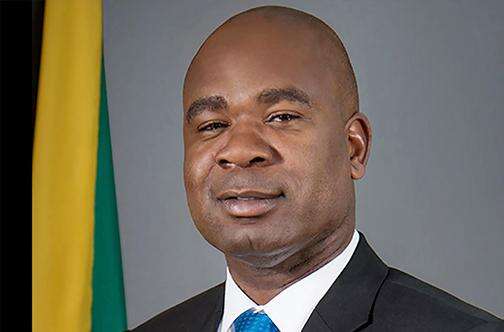
    KINGSTON, Jamaica — A significant constitutional confrontation has emerged between Jamaica’s parliamentary system and its anti-corruption watchdog. Government MP Zavia Mayne, representing St Ann South West, has initiated Supreme Court proceedings against the Integrity Commission and three of its senior directors: Craig Beresford, Roneiph Lawrence, and Kevon Stephenson.

    The legal challenge, filed as an application for judicial review on Monday, represents a direct response to an investigative report presented to the House of Representatives last week. That document had recommended criminal charges against Mayne for allegedly failing to disclose financial information regarding companies with which he maintains associations, without demonstrating reasonable cause for such omission.

    At the heart of Mayne’s constitutional argument lies a multi-faceted legal offensive. The parliamentarian seeks to invalidate both the investigation report dated July 14, 2025, and the subsequent ruling from the director of corruption prosecution that he face charges under Section 43(1)(b) of the Integrity Commission Act.

    The suit advances several substantive claims regarding constitutional overreach. Mayne contends the commission violated his right to privacy through unauthorized disclosure of investigative details, including personal information and the fact that his case had been referred to prosecutors. These actions, the filing argues, directly contravened constitutional protections enshrined in Sections 13(3)(j)(ii) and 13(3)(j)(iii) of Jamaica’s Charter of Fundamental Rights and Freedoms.

    Furthermore, court documents reveal Mayne’s assertion that the commission breached principles of natural justice by issuing adverse recommendations without affording him adequate opportunity to respond—a procedural requirement mandated by both common law and Section 16(2) of the Charter. The MP characterizes the investigative process as fundamentally flawed, describing the findings as “unfair, unreasonable and irrational” while claiming violation of his legitimate expectation to procedural fairness.

    The comprehensive legal action seeks multiple declarations regarding violations of natural justice principles. Additionally, Mayne is pursuing substantial financial compensation including stigma damages, aggravated and vindicatory damages, compensation for negligent investigation, and full legal costs—creating a potentially precedent-setting case regarding the limits of anti-corruption authorities’ powers.

  • A Time to Love spreads the festive spirit

    A Time to Love spreads the festive spirit

    The Sundar Popo Auditorium at the Southern Academy for the Performing Arts (SAPA) radiated with holiday cheer on November 23 as musician Joel John presented his spectacular Christmas concert, “A Time to Love.” The event showcased a remarkable fusion of musical genres, transforming traditional Christmas celebrations into a multicultural musical experience.

    Featuring an eclectic ensemble of performers, the concert delivered diverse interpretations of seasonal favorites through soca, soca parang, classic rock, R&B, and country arrangements. The live rock band provided vibrant accompaniment to locally crafted songs that reimagined Christmas music through Trinidadian cultural lenses.

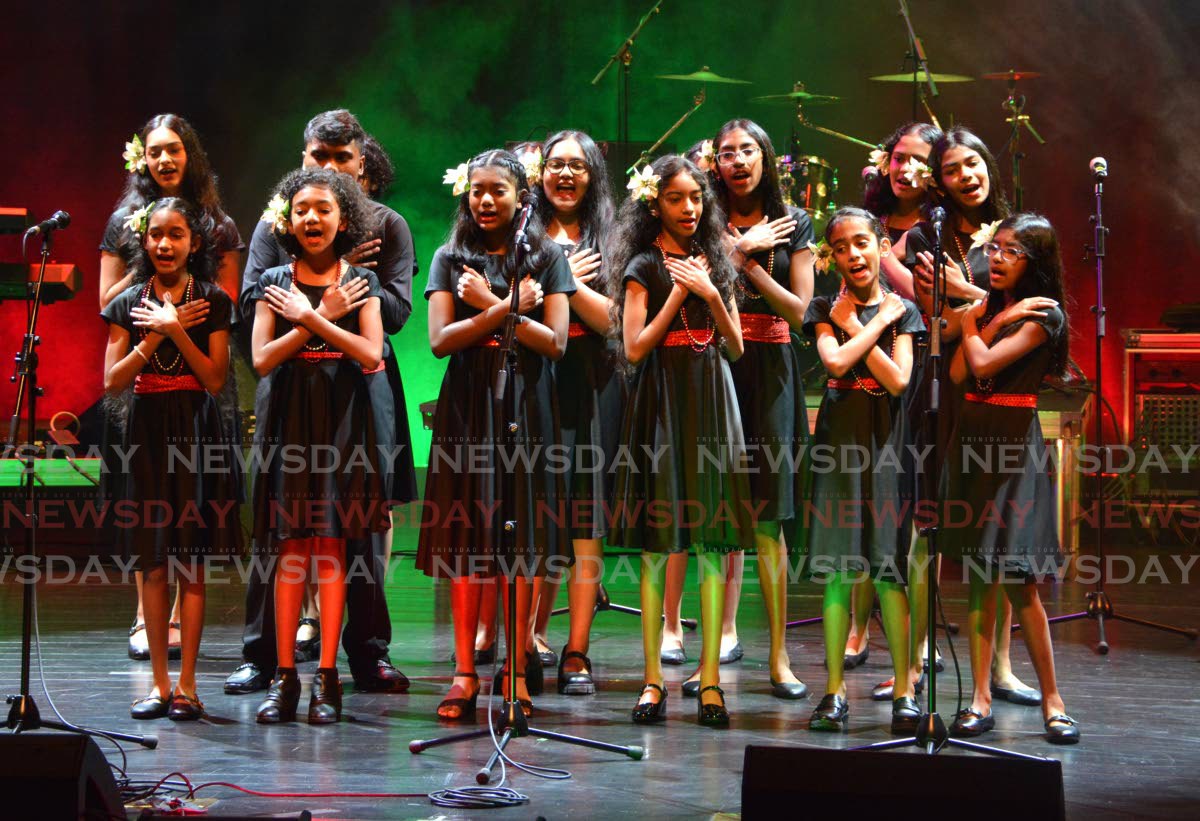
    Among the standout performances, The Trebles of T&T children’s choir, directed by Marilyn Lalla, delivered enchanting renditions including “Trini Christmas Is the Best,” captivating the audience with their youthful exuberance. Guest artist Meagan Leigh offered a memorable performance of Wham’s “Last Christmas,” while guitarist Veer Briggs, Michelle Xavier, Stephan Furlonge, and Zoe Webster each contributed their unique artistic interpretations.

    Soca Parang Queen Marcia Miranda electrified the venue with an immersive performance that included stepping into the audience during her delivery of “Three Little Birds,” “Letter to Mama,” and the playful “Bring Out De Ham.” The concert’s repertoire spanned classic favorites such as “What a Wonderful World,” “Can’t Help Falling in Love,” “Sweet Caroline,” and “Islands in the Stream,” creating a nostalgic yet fresh holiday experience.

    John, whose musical career spans 33 years and who recently established the Rhythm n Brews coffee shop at Gulf City Mall, expressed profound gratitude to attendees: “This production was our most ambitious show to date. Your overwhelming presence and the love we felt on stage reaffirm that this artistic journey is truly worthwhile.”

  • Blissful Windies

    Blissful Windies

    In one of Test cricket’s most remarkable fourth-innings performances, West Indies batsman Justin Greaves engineered an extraordinary comeback to secure an improbable draw against New Zealand at Christchurch’s Hagley Oval. The dramatic turnaround unfolded on December 6th as Greaves, batting at number six, crafted an unbeaten 202 runs to defy New Zealand’s bowling attack and rescue his team from certain defeat.

    The match situation appeared hopeless when Greaves joined Shai Hope at the crease with the scoreboard reading 72/4, chasing an insurmountable target of 531 runs. With over two sessions remaining on day four and the entire final day to survive, even the most optimistic Caribbean supporters had conceded defeat. However, what followed was a masterclass in determination and technical proficiency.

    Hope provided crucial support with a magnificent 140 before his dismissal, but the real drama unfolded through Greaves’ partnership with unlikely hero Kemar Roach. The 37-year-old fast bowler, possessing a Test batting average below 12, displayed unexpected resilience as he supported Greaves through the critical final stages. Their partnership transformed from mere resistance to genuine match-saving brilliance.

    The match context made Greaves’ achievement particularly significant. West Indies had won the toss and elected to bowl first on a moisture-laden pitch that initially favored seam movement. New Zealand posted 231 in their first innings, with the visitors struggling to 167 in response. The Black Caps then dominated the second innings with Rachin Ravindra (176) and captain Tom Latham (145) building what appeared to be an impregnable position.

    Greaves’ innings marked him as only the seventh West Indian batsman to score a double-century in a Test match’s fourth innings. His performance demonstrated both sensible shot selection and growing self-assurance, particularly impressive given his recent inconsistent form. The Barbadian right-hander tempered his natural stroke-play with disciplined defense and selective aggression, showcasing the technical adaptability required for Test cricket’s varying conditions.

    The drawn result represents a significant moral victory for West Indies, whose Test performances in recent years have frequently drawn criticism. This display of character and resilience against one of world cricket’s strongest home teams suggests promising development within the squad. Greaves’ historic innings, supported by Hope’s consistency and Roach’s determination, provides a blueprint for future success and reinforces the timeless cricket adage about the game’s “glorious uncertainties.”

  • Kaleidoscope Paints brings Xmas joy to orphaned children

    Kaleidoscope Paints brings Xmas joy to orphaned children

    In a heartwarming display of corporate compassion, Kaleidoscope Paints Limited transformed its San Juan compound into a festive wonderland on Sunday, hosting approximately 300 children from 14 orphanages across Trinidad for an unforgettable Christmas celebration themed ‘Colour Joy into Children’s Lives 2025′.

    The event, running from 1 pm to 5 pm, created a magical atmosphere where children encountered Santa Claus, animated clowns, traditional moko jumbies, and captivating puppet shows. The compound buzzed with excitement as youngsters enjoyed face painting, bounced energetically on inflatable castles, and listened to traditional parang music. Particularly memorable were the horseback rides provided by the TTPS Mounted Branch and the specially curated petting zoo that introduced children to the beauty of wildlife.

    Notable attendees included Rural Development and Local Government Minister Khadijah Ameen, Justice Minister Devesh Maharaj, Parliamentary Secretary in the Ministry of Trade Dr. Colin Neil Gosine, NCC chairman Peter Khanhai, and Feroze Khan. All expressed profound appreciation for being part of the meaningful event, with Minister Ameen actively participating in activities with the children.

    CEO Dale Parsons, who also serves as President of the TT Manufacturers’ Association, emphasized the deeper significance of the celebration: ‘This is not merely about gifts or entertainment—it’s about reinforcing that every child is cherished, valued, and loved during Christmas and always. The joy shared today becomes hope carried into tomorrow.’

    The initiative, supported by Kaleidoscope Paints’ dedicated staff and business community partners, continued a cherished tradition established by the company’s late founder Stephen S. Parson in the 1970s and 1980s. Now upheld by second and third generations, this legacy of community compassion ensures that vibrant colors of joy continue to brighten the lives of society’s most vulnerable children.

  • Wallerfield beat Porto in East West Corridor football opener

    Wallerfield beat Porto in East West Corridor football opener

    The Eddie Hart Savannah in Tacarigua witnessed a spectacular inauguration of the East West Corridor Football League on December 6, marking the commencement of an ambitious grassroots football initiative. Spearheaded by former Trinidad and Tobago national team captain David Nakhid—now serving as Senator and parliamentary secretary at the Ministry of Sport and Youth Affairs—the league represents a strategic effort to revitalize community football through his David Nakhid Academy (DNA).

    The opening match saw Wallerfield United secure a decisive 3-0 victory against FC Porto Arima. Revaldo Patrick emerged as the standout performer, netting two goals and earning the player of the match honor. Teammate Ronaldo Estick contributed the third goal, completing the dominant performance.

    Government support was evident with several officials in attendance, including MP for St Augustine Khadijah Ameen, Defence Minister Wayne Sturge, and Minister in the Ministry of Housing Anil Roberts. The event also drew former national footballer Ron La Forest and entertainment figures such as soca artist Olatunji Yearwood, who expressed enthusiasm about potentially forming a team due to the substantial financial incentives.

    The league features unprecedented prize money at the grassroots level, with $120,000 awarded to the champion team, $70,000 for second place, and $50,000 for third. Beyond monetary rewards, the tournament offers developmental opportunities, including planned scouting involvement from Spain and the United States, with an all-star team scheduled to travel to Spain post-tournament.

    Organizer Travis Mulraine confirmed matches will continue across six regional divisions—east, northeast, north, central, south, and Tobago—with over 40 teams competing through May. The upcoming weekend will feature a full schedule of games across all zones on December 11, 13, and 14.

  • Hope, scepticism as Trinidad and Tobago doctors bound for Guyana

    Hope, scepticism as Trinidad and Tobago doctors bound for Guyana

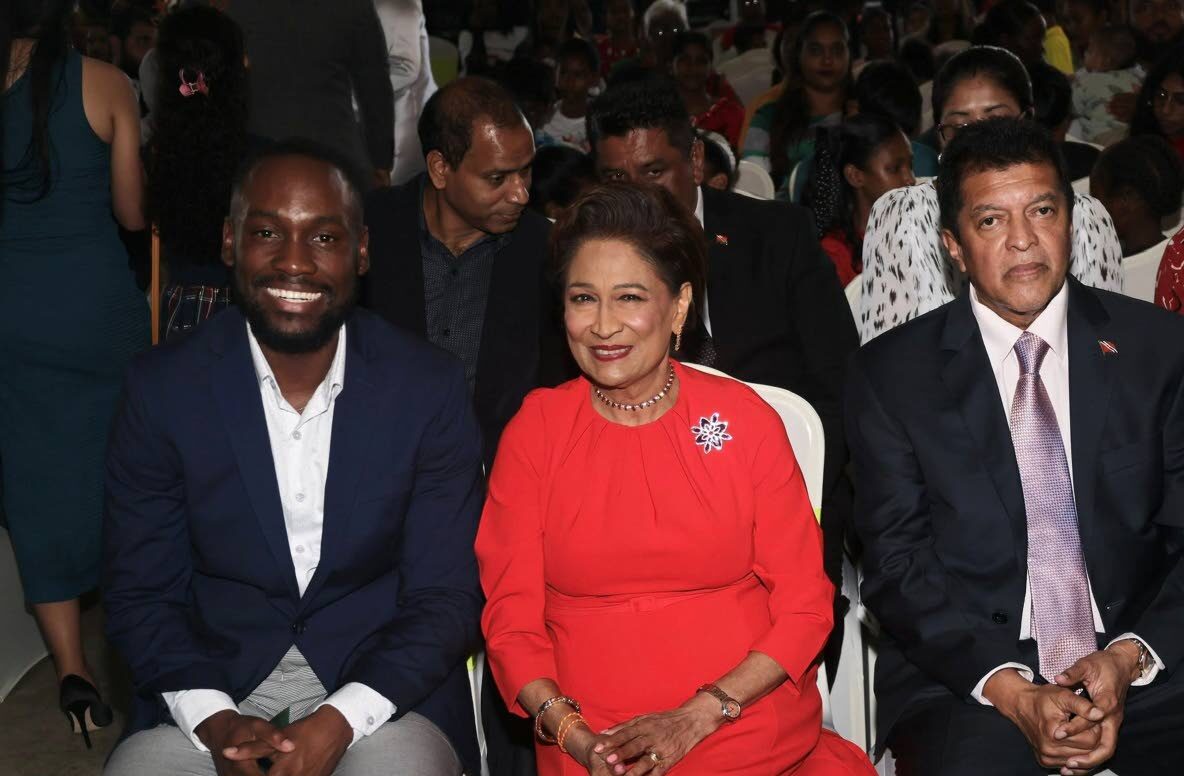
    In a significant development for Caribbean regional cooperation, Trinidad and Tobago has initiated a groundbreaking medical partnership with Guyana. Prime Minister Kamla Persad-Bissessar announced during the Couva Children’s Hospital re-dedication ceremony that approximately 50 Trinidadian doctors will form the inaugural contingent heading to Guyana.

    The Prime Minister revealed that while the Couva facility was originally envisioned as a regional medical hub, Guyana’s substantial investments in healthcare infrastructure have created new opportunities for collaboration. “Guyana will hire doctors from Trinidad and Tobago because we have so many well-trained doctors,” Persad-Bissessar stated, highlighting the surplus of medical professionals in her country.

    This initiative follows Guyana’s massive GY$4.6 billion investment in medical infrastructure, including a new 50-bed hospital in the Moruca Region equipped with advanced diagnostic technology, surgical facilities, and local oxygen production capabilities.

    The announcement has been met with enthusiasm by early-career medical professionals in Trinidad and Tobago. An anonymous neurosurgery trainee welcomed the initiative, noting the current market challenges where many junior doctors face unemployment or temporary contracts without benefits. Similarly, a young optometrist expressed hope that this would provide much-needed stability, acknowledging that “the industry isn’t expanding as fast as the students are graduating.”

    However, the initiative has raised concerns among nursing professionals. Idi Stuart, president of the Trinidad and Tobago Registered Nurses Association, warned of potential negative consequences for the nursing sector. While acknowledging the doctor surplus, Stuart emphasized the existing nursing shortages in specialized areas and expressed concern that competitive Guyanese salaries might attract Trinidadian nurses, exacerbating local shortages.

    Stuart questioned the allocation of educational resources, suggesting that funding should be redirected from medical programs to address nursing shortages. He criticized the approach of training professionals for export while the country faces financial constraints, stating that Trinidad and Tobago should be more judicious in aligning educational investments with domestic needs.

    The partnership represents both an opportunity for regional cooperation and a complex challenge in balancing domestic healthcare needs with international diplomatic initiatives.

  • Tobago Artist exhibition opens at Painters Art Studio

    Tobago Artist exhibition opens at Painters Art Studio

    The Painters Art Studio in Port of Spain will transform into a vibrant hub of Caribbean creativity with the inauguration of Tobago Artist 2025 on December 10. This groundbreaking exhibition showcases five exceptional visual artists who collectively represent the cutting edge of Tobago’s contemporary art movement.

    Curated to highlight diverse artistic approaches, the exhibition features Arletys Arias’ emotionally charged paintings exploring themes of memory and displacement, alongside Dunieski Lora’s vividly colored sculptural works that weave complex narratives through form and hue. Jason Nedd contributes technically refined pieces that capture the dual nature of island existence—both tranquil and multifaceted.

    Helen Evans pushes creative boundaries by merging traditional ceramic techniques with contemporary conceptual frameworks, while Martin Superville demonstrates his acclaimed expertise in portraiture and figurative works that have earned him recognition throughout regional art circles.

    The exhibition serves as a cultural bridge, designed to enhance the visibility of Tobago’s artistic community within Trinidad’s broader art ecosystem. Through a carefully selected array of paintings, sculptures, ceramic works, and mixed-media installations, the show presents both individual artistic journeys and shared Caribbean cultural heritage.

    Tobago Artist 2025 opens with an evening reception on December 10 from 5 PM to 9 PM at 45 Picton Street, Newtown, and will remain accessible to the public through December 14. Admission is free, providing an inclusive opportunity for art enthusiasts, collectors, and community members to engage directly with the artists and their creations.

  • Digital devices dilemma: Managing screen time during the holiday

    Digital devices dilemma: Managing screen time during the holiday

    As the holiday season approaches, pediatric experts are raising urgent concerns about the developmental risks associated with increased screen time among children. Dr. Melissa Rooplal, a consultant community pediatrician and child development specialist, emphasizes that the fundamental question isn’t about specific time limits but how digital devices displace essential childhood activities.

    Research reveals a troubling trend: children’s daily screen usage skyrocketed by approximately 84 minutes during the pandemic—a 52% increase from pre-pandemic levels—and these elevated patterns have persisted into the post-pandemic era. While traditional television viewing declines, children are consuming more fast-paced, highly stimulating content through platforms like TikTok, YouTube Shorts, and gaming applications.

    The developmental consequences are multifaceted. Early childhood learning, which thrives through hands-on experiences and social interaction, becomes compromised when screens dominate. Rapidly shifting digital content alters attention systems, making ordinary activities like story listening or toy playing seem dull by comparison. This neurological adaptation weakens children’s capacity for sustained attention, impulse control, and frustration management.

    Emotional regulation suffers when devices become primary soothing mechanisms, depriving children of opportunities to develop self-regulation skills. Social development falters as screen time reduces crucial face-to-face interactions necessary for learning empathy, sharing, and reading emotional cues. Physical health deteriorates through reduced active play, potentially contributing to obesity, poor posture, and sleep deficiencies—especially when evening screen use suppresses melatonin production.

    Dr. Rooplal recommends introducing screens only after 18 months, with strict adherence to slow-paced, educational content co-viewed with adults. She advocates for balanced tech gifting—prioritizing age-appropriate devices with parental controls alongside screen-free alternatives like puzzles, art supplies, and outdoor equipment. Critical strategies include device-free meals, screens only after outdoor activities, and mandatory screen blackouts one hour before bedtime.

    The expert concludes that intentional, informed parenting—focusing on consistent habits rather than strict elimination—can help children develop healthier relationships with technology while preserving essential developmental milestones.