作者: admin

  • Agriculture Ministry via Emergency Agricultural and Climate Resilience Project hand over equipment to 105 farmers

    Agriculture Ministry via Emergency Agricultural and Climate Resilience Project hand over equipment to 105 farmers

    The Government of Dominica, through its Emergency Agricultural Livelihoods and Climate Resilience Project (EALCRP), will officially transfer approximately EC$1 million worth of agricultural equipment to local producers on December 10, 2025. The ceremony at the DAPEX Warehouse Facility marks a significant milestone in the nation’s ongoing efforts to climate-proof its agricultural sector.

    As the EALCRP enters its final implementation phase, the project continues to support the Ministry of Agriculture, Fisheries, Blue and Green Economy in enhancing productivity nationwide. The event will showcase two critical initiatives funded through the Contingency Emergency Response Component: irrigation system distribution and beekeeping equipment provision.

    Ninety-five farmers and agribusiness operators will receive comprehensive irrigation kits containing water tanks, pumps, and durable polyethylene piping. These systems are designed to promote climate-resilient farming practices and optimize water management strategies.

    Concurrently, ten apiculture beneficiaries will obtain specialized beekeeping tools including honey extractors, hive components, wax melting vats, and filtration devices. This initiative aims to strengthen the honey production industry while increasing its climate adaptability.

    Over the past five years, the EALCRP has facilitated over EC$80 million in investments across Dominica’s agricultural and fisheries sectors. This substantial funding has supported diverse initiatives ranging from crop and livestock inputs to fishing gear provision and vessel construction. Significant infrastructure projects including the National Abattoir, Citrus Certification Facility, and multiple fish landing sites have been modernized through this program, benefiting thousands of stakeholders across the agricultural value chain.

    The December ceremony symbolizes the government’s sustained commitment to developing a climate-resilient agricultural economy. This approach emphasizes empowering local farmers, enhancing production systems, and safeguarding livelihoods against increasingly frequent climate-related challenges.

  • Mentale gezondheid centraal tijdens driedaags programma SAO

    Mentale gezondheid centraal tijdens driedaags programma SAO

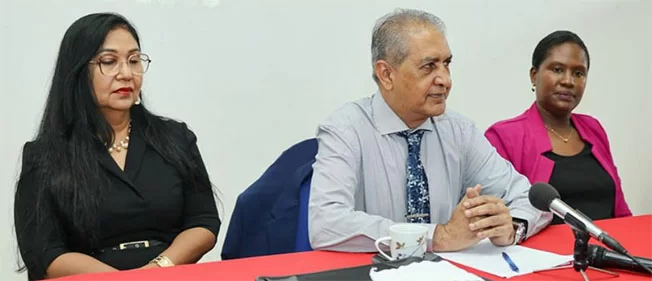
    Suriname’s Directorate of Welfare and Labor, in collaboration with the Foundation for Labor Mobilization and Development (SAO), has inaugurated a comprehensive three-day mental health awareness program at the SAO complex in Geyersvlijt. The initiative, which commenced on Monday, aims to educate 220 vocational trainees through group sessions limited to 25 participants each day until Wednesday.

    The preventive program focuses on critical mental health issues, including substance abuse recognition and addiction management. Participants receive specialized training on identifying early warning signs and accessing timely professional support. The Bureau of Addiction Care under the PCS delivers these sessions utilizing interactive presentations and multimedia materials to enhance engagement and knowledge retention.

    Deputy Minister Raj Jadnanansing officially inaugurated the thematic days, emphasizing the holistic development approach required for SAO trainees. “Our students must develop not only technical vocational skills but also social and mental resilience,” stated Jadnanansing during his opening address. He highlighted growing societal pressures facing youth, the dangers of substance abuse, and the critical importance of seeking professional help when needed. The Deputy Minister specifically referenced the government’s online support portal as a key resource for mental health assistance.

    The event featured additional addresses from Naomi Esajas-Friperson, Chairperson of the Supervisory Board, and Joyce Lapar, Director of SAO. Both officials urged young participants to make conscious lifestyle choices and remain receptive to the preventive information being offered. Their messages aligned with the program’s central theme: ‘Stop, Think, and Choose Consciously,’ reinforcing the importance of mindful decision-making in personal development.

  • Trump’s drug war hypocrisy and the Caribbean Lesson

    Trump’s drug war hypocrisy and the Caribbean Lesson

    The recent presidential pardon granted by Donald Trump to former Honduran leader Juan Orlando Hernández has laid bare the profound contradictions embedded within Washington’s foreign policy apparatus. Hernández, who faced extradition in 2022 and subsequent conviction in American courts for facilitating the smuggling of over 400 tons of cocaine into the United States, has now been absolved of all charges through executive clemency.

    This judicial reversal underscores how America’s decades-long ‘war on drugs’ has functioned primarily as an instrument of geopolitical convenience rather than a consistent moral campaign. Evidence presented during Hernández’s trial detailed extensive bribery schemes, state-level complicity, and narco-political operations at the highest echelons of Honduran governance—prompting federal prosecutors to formally designate his administration a ‘narco-state.’

    The pardon emerges against a backdrop of strategic utility. Honduras maintained its value to successive U.S. administrations by hosting American military assets and supporting Washington’s aggressive stance toward Venezuela and Central American affairs. Trump’s intervention consequently appears less motivated by judicial mercy than by preserving political influence, demonstrating how rhetoric surrounding ‘rule of law’ readily dissipates when strategic alliances hang in the balance.

    Simultaneously, the Trump administration intensified allegations against Venezuela, accusing President Nicolás Maduro and even artisanal fishermen of narcotics trafficking—despite consistent reporting from the DEA and UN indicating that cocaine primarily transits through Honduras, Guatemala, and Mexico.

    This dichotomy reveals the underlying mechanics of U.S. drug policy: compliant allies receive forgiveness while adversarial nations face relentless scrutiny. For Caribbean communities bearing witness to decades of anti-narcotics operations, this pattern resonates with painful familiarity. Regional institutions now face renewed imperatives to develop independent narcotics policies grounded in transparency rather than dependency.

    The pardon further jeopardizes the integrity of America’s judicial institutions, suggesting that legal accountability remains subject to political whimsy. It ultimately confirms that the war on drugs has generated military contracts and diplomatic leverage while failing to meaningfully reduce consumption, trafficking, or violence. What began as a moral crusade has devolved into a naked struggle for control—with the Hernández case serving as its most revealing epitaph.

  • Guyanese father appeals for action over stalled Antigua autopsy

    Guyanese father appeals for action over stalled Antigua autopsy

    A grieving father from Guyana finds himself trapped in bureaucratic limbo on the island of Antigua, awaiting overdue autopsy procedures for his deceased son who perished in a tragic road accident more than two weeks ago. Brian Bristol arrived on the Caribbean island on November 24th, just four days after his 40-year-old son Brenton Bristol died when their vehicle collided with a horse along Friars Hill Road. While an inquest concluded last week, critical post-mortem examinations remain pending due to operational failures within the local medical system.

    The distressed father revealed to Stabroek News that authorities have provided no formal communication regarding the unexpected delay, which sources attribute to a malfunctioning X-ray machine required by local protocol before autopsy proceedings can commence. Mr. Bristol has explored alternative options including private medical services but has received no response to his inquiries regarding expedited solutions.

    Brenton Bristol, a long-term Antigua resident and dedicated employee at Sandals Resort, died instantly at the accident scene. The driver, identified as a close family friend, survived with significant head injuries while the involved horse also succumbed to impact wounds.

    The elder Bristol, a former Guyana Defence Force officer currently residing in the United States, expressed profound feelings of helplessness as bureaucratic hurdles prevent the issuance of an official death certificate required for his son’s body to be released and repatriated. Local regulations additionally mandate that a family member must be present during autopsy procedures, further complicating the emotional and logistical challenges.

    Despite occasional communication from local police authorities, no concrete timeline has been established for resolving the technical issues. The frustrated father pleaded for transparency: ‘We cannot continue sitting in uncertainty. Please provide us with actionable information.’

    Mr. Bristol acknowledged the supportive efforts of Sandals Antigua staff members and both Guyanese and Antiguan community representatives who have assisted during his prolonged stay. The situation recently gained diplomatic attention as Robert Edwin Reis, Honorary Consul of Antigua and Barbuda for Guyana, has pledged to investigate the case following a weekend meeting with the bereaved father.

    In a poignant conclusion, Mr. Bristol questioned whether the silence and delays would be tolerated if the deceased held citizenship from Western nations, emphasizing the need for improved cooperation within the Caribbean Community (CARICOM) regarding cross-border citizen services and crisis management.

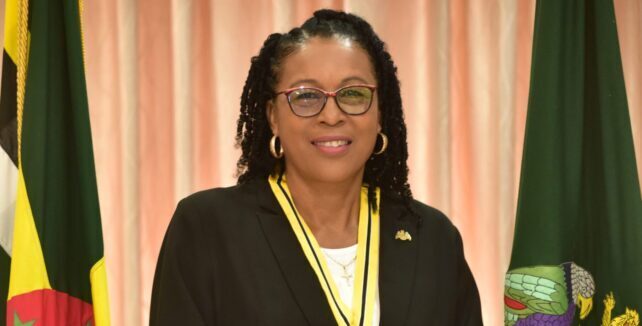
  • Dominica Integrity Commission facilitates observance of International Anti-Corruption Day 2025

    Dominica Integrity Commission facilitates observance of International Anti-Corruption Day 2025

    The Commonwealth of Dominica marked International Anti-Corruption Day on December 9 with a series of official ceremonies and recognition events organized by the nation’s Integrity Commission. This global observance traces its origins to the United Nations Convention against Corruption adopted on October 31, 2003, serving as an annual reminder of the continuous international battle against corrupt practices.

    The 2025 commemorations commenced on December 8 with an Ecumenical Service and Awards Ceremony at Bethesda Methodist Church, held under the patronage of Honourable Rayburn Blackmoore, Minister for National Security and Legal Affairs. The event highlighted the Commission’s unwavering dedication to promoting principles of honesty, transparency, and accountability within public institutions.

    A significant highlight of the ceremony involved President Sylvanie Burton presenting Compliance Awards to seven distinguished public officials. These recipients were honored for their sustained commitment and strict adherence to the standards outlined in the Integrity in Public Office Act, with many being among the longest-serving declarants who have maintained exemplary compliance throughout their careers.

    In a special recognition, the Commission bestowed the Outstanding Service Award upon Mr. Julian Johnson, the inaugural Chairperson of the Integrity Commission. The accolade celebrated his exceptional leadership, unwavering integrity, and substantial contributions to public service during his tenure.

    Looking ahead, the Commission announced plans for a Prize Giving Ceremony in January 2026 to honor winners of school competitions focused on anti-corruption themes. These educational initiatives, including essay, painting, and poetry contests organized under the theme “Uniting With Youth Against Corruption: Shaping Tomorrow’s Integrity,” represent the Commission’s proactive efforts to instill ethical values among Dominica’s younger generation.

    The Commission’s concluding statement reinforced its commitment to fostering transparent governance and accountability structures throughout the Commonwealth of Dominica, emphasizing the collective responsibility shared by all citizens in supporting ethical conduct in public life.

  • Interrogating political masculinity

    Interrogating political masculinity

    The pervasive influence of patriarchal structures continues to define political landscapes worldwide, creating significant barriers to gender equality in governance. Political masculinity—the entrenched system where masculine norms, values, and identities dominate political discourse and leadership paradigms—remains a critical yet under-examined aspect of modern politics.

    Globally, women’s participation in representational politics demonstrates a fragmented pattern despite their fundamental role as the backbone of political organizations. Female politicians carry the additional burden of balancing familial responsibilities with their careers, unlike their male counterparts who historically benefit from gender stereotypes that permit absence from domestic duties. This disparity highlights how traditional gender roles continue to disadvantage women in political spheres.

    The recent global surge in right-wing populism and nationalism has further complicated gender dynamics in politics. These movements typically embrace misogynistic and sexist ideologies that directly contradict feminist principles and gender equality initiatives. Notably, governments adhering to populist frameworks often disregard United Nations Sustainable Development Goals (SDGs), instead prioritizing the restructuring of societies around traditional gender roles. This regression normalizes gender-based violence and systematically marginalizes women’s visibility in public life.

    Even when women break through the proverbial glass ceiling, they frequently receive masculine descriptors such as ‘iron lady’—a phenomenon observed with former leaders including Margaret Thatcher (UK), Indira Gandhi (India), and Eugenia Charles (Dominica). Caribbean leaders like Portia Simpson-Miller (Jamaica), Mia Mottley (Barbados), and Kamla Persad-Bissessar (Trinidad and Tobago) have navigated similar patriarchal challenges within their political cultures, where sexist paradigms often remain unchallenged.

    The cult-like personalities surrounding populist leaders accelerate the masculinization of politics, frequently manifesting as authoritarian leadership styles that violate human rights principles. While strong leadership can coexist with human rights adherence, the traditional form of political masculinity—often labeled ‘toxic’—promotes negative outcomes through its emphasis on aggression, emotional suppression, and dominance. This authoritarian model concentrates decision-making power exclusively with the leader, demanding unconditional obedience while reinforcing gendered inequalities and suppressing diverse perspectives.

    Despite its documented drawbacks, political masculinity maintains global resilience, adapting to cultural shifts rather than disappearing. In many regions, leadership remains synonymous with traditionally masculine traits like toughness and dominance, celebrated as necessary for ‘strong’ governance. The upcoming 2024 US Presidential Elections will inevitably reflect these dynamics, echoing Michelle Obama’s recent observation about societal readiness for female leadership.

    The militarization of policy approaches through masculine frameworks consistently drowns out alternative solutions proposed by women and marginalized groups. Moving forward, the international community must embrace political harmony—a state of cooperative governance characterized by minimal conflict, mutual respect, and effective dialogue that prioritizes collective progress over divisive power struggles.

  • Peter David: Budget lacked “deep structural changes”

    Peter David: Budget lacked “deep structural changes”

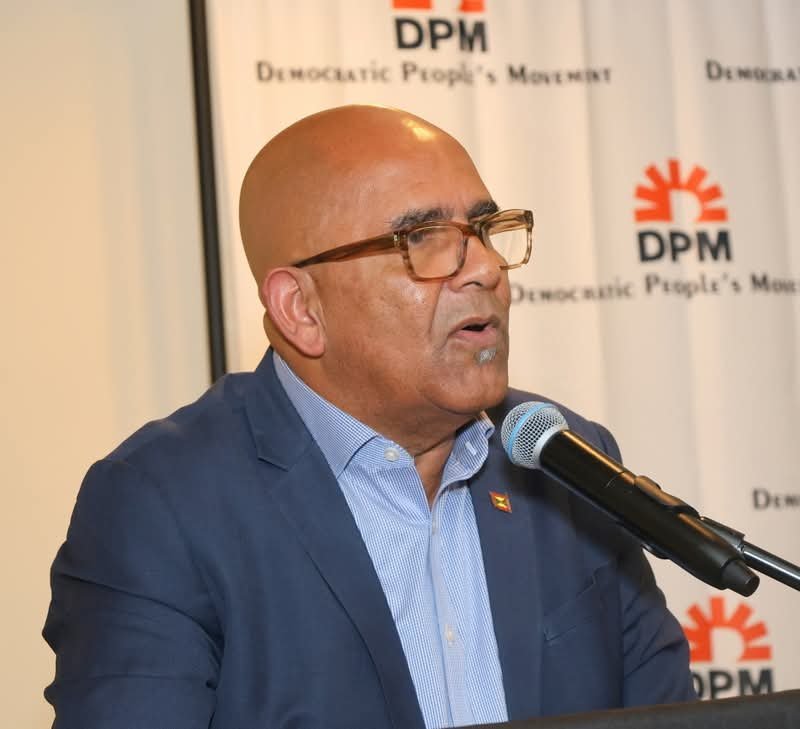
    Grenada’s parliamentary opposition has delivered a sharp critique of the EC$1.9 billion national budget presented by Finance Minister Dennis Cornwall on December 1st, characterizing the fiscal plan as inadequate for driving meaningful economic transformation.

    Peter David, Opposition MP for the Town of St. George and political leader of the Democratic People’s Movement, asserted that while the budget contained some positive elements, it fundamentally lacked the structural reforms necessary to revitalize Grenada’s economy. According to David, the expenditure allocations merely perpetuate existing patterns of resource distribution without addressing core developmental challenges.

    “What we are witnessing is essentially maintenance-level governance rather than transformative policy-making,” David contended during parliamentary debates. “The current approach applies temporary fixes rather than implementing the deep structural changes that would genuinely transform our nation as the government claims to intend.”

    David elaborated that authentic structural reform would involve comprehensive support systems for agricultural producers, young entrepreneurs, and enhanced community participation in decision-making processes. He emphasized that these measures constitute development priorities rather than partisan political issues.

    The opposition leader highlighted several critical areas requiring immediate attention, including youth entrepreneurship development, agricultural sector revitalization, and food price stabilization. With approximately 80% of consumed food being imported, David warned that without strategic intervention, grocery prices would continue their upward trajectory, placing additional burdens on Grenadian households.

    David painted a vivid picture of the economic anxieties facing ordinary citizens, noting that kitchen table conversations across the nation consistently revolve around concerns about medical expenses, educational costs, employment security, and basic subsistence. He framed the opposition’s critique as necessary advocacy for addressing these pressing public concerns through substantive policy recommendations.

    The Democratic People’s Movement leader concluded that without significant alterations to the budgetary approach, the government’s transformation agenda would remain unfulfilled, leaving structural economic challenges unaddressed.

  • Gov’t will not victimise; obstructionist workers should quit — Leacock

    Gov’t will not victimise; obstructionist workers should quit — Leacock

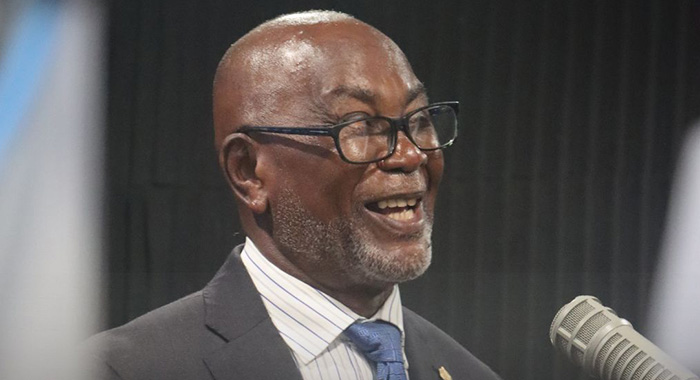
    In his first major interview since assuming office, St. Vincent and the Grenadines’ Deputy Prime Minister St. Clair Leacock has issued a firm directive to public sector workers: cooperate with the new administration or step aside. Speaking on Boom FM just days after being sworn in as Minister of National Security and Immigration, the four-term MP for Central Kingstown outlined his vision for governance without retaliation.

    The newly appointed minister addressed several contentious issues, including the status of Police Commissioner Enville Williams. Leacock declined to publicly evaluate the commissioner’s performance, emphasizing that Williams deserves “his own degree of privacy and protection” until a proper assessment is conducted. This stance comes amid social media speculation about alleged disrespect toward Prime Minister Godwin Friday, specifically regarding saluting protocols.

    Leacock, who holds the rank of major in the St. Vincent and the Grenadines Cadet Force, demonstrated nuanced understanding of police protocols. He noted that while officers are required to salute MPs, many younger officers might not recognize officials, and more experienced officers understand these courtesies. He dismissed claims of intentional disrespect, stating, “I don’t think outwardly, the commissioner of police will disrespect the prime minister.”

    The deputy prime minister revealed he had already met with Williams for three hours to discuss standards in the police force, including concerns about officers “sauntering about the city” rather than marching professionally. While acknowledging that police commissioners are appointed by the governor-general on the prime minister’s advice, Leacock emphasized that the New Democratic Party (NDP) administration is “not in the business of head-hunting.”

    However, Leacock issued a clear warning to those considering obstructionism: “If you know that your intention is to be an obstructionist, make life easy for us… If you know that you’re uncomfortable, you do not want to walk with this administration, then do the right thing; take leave of the office.” He stressed that while the government prefers continuity and best practices, it would act decisively when presented with sufficient evidence of non-cooperation.

    The minister also addressed broader governance issues, noting that some state board members had yet to resign despite protocol requiring them to do so when a new government takes office. He characterized this as a matter of good governance rather than “witch-hunting,” allowing the new administration to appoint its preferred leadership.

    Leacock concluded with a vision for national unity, moving beyond partisan divisions: “If we remain the divisive red party, yellow party, if we remain as colour-coded as we came into this paradigm, then we would lose our way… There has to be a reconciliation. There has to be a healing.” He described reciprocity as “the order of the day” for what he characterized as “a new Democratic Party administration for all Vincentians.”

  • Gonsalves will get only what he’s entitled to — Leacock

    Gonsalves will get only what he’s entitled to — Leacock

    A significant political confrontation has emerged in St. Vincent and the Grenadines regarding security provisions for former Prime Minister Ralph Gonsalves. National Security Minister St. Clair Leacock has declared that the opposition leader will receive “nothing more than what he’s entitled to” from the state, directly challenging Gonsalves’ expectations of continued privileges following his electoral defeat.

    The controversy began when Gonsalves, who served as prime minister from March 2001 until November 27, 2025, publicly stated his expectation of receiving “usual courtesies and privileges” consistent with practices in civilized nations. Without specifying details, he warned that any deviation would be brought to the attention of national, regional, and international communities for corrective action.

    Minister Leacock, who also serves as deputy prime minister, revealed that Gonsalves had initially been assigned a security detail of six police officers, including an inspector—a arrangement Leacock deemed excessive and inappropriate. By Monday, this detail had been reduced to two officers, with Leacock emphasizing that active opposition politicians typically don’t qualify for such comprehensive security coverage.

    The National Security Minister outlined specific limitations: any security personnel assigned would not wear uniforms to avoid creating the impression of official police endorsement, and officers would primarily function as drivers rather than providing household security. Leacock referenced historical precedents, noting that former Prime Minister Sir James Mitchell received only a police driver for official functions after leaving office, while former Opposition Leader Arnhim Eustace received similar limited assistance only after retiring from politics and experiencing health decline.

    Leacock questioned why Gonsalves, who hasn’t driven personally in over twenty years, couldn’t employ a private driver given his financial means. The minister confirmed that the matter remains under investigation, with the government seeking official cabinet records that might specify entitlements for former leaders. He committed to resolving the situation by week’s end, ensuring Gonsalves receives only legally mandated benefits.

    The dispute highlights ongoing tensions between the new administration and the former ruling party, with security provisions becoming symbolic of broader political reassessments in the post-election period.

  • Community mourns the loss of Ken Joseph, beloved coach and councillor

    Community mourns the loss of Ken Joseph, beloved coach and councillor

    The Newtown Youth Development Program (NYDP) has issued a moving tribute honoring the life and legacy of Ken “Ratin” Joseph, whose unexpected demise has created an profound emptiness within the Kingshill community. The 43-year-old met with a fatal bicycle collision on the evening of December 6th in proximity to the Ocean Edge Oasis Hotel.

    Joseph was celebrated as far more than a Kingshill resident—he stood as a foundational pillar of strength, service, and inspiration. To countless young individuals, he was affectionately known as “Coach,” investing innumerable hours mentoring aspiring athletes on football fields. His coaching methodology extended well beyond athletic techniques; he embedded essential values of discipline, collaborative teamwork, and unwavering perseverance, actively steering youth toward more promising futures.

    For the younger generation throughout Kingshill and Newtown, Joseph represented a consistent guiding force—an exemplary role model and a wellspring of motivation during both victorious moments and challenging times. Concurrently, he served with dedication on the Roseau City Council, channeling his profound community passion into tangible public service initiatives. Colleagues memorialize his relentless drive to enhance municipal unity, safety, and accessible opportunities for all citizens.

    The NYDP, an organization committed to uplifting disadvantaged youth through athletic engagement and life skill development, characterized Joseph’s influence as genuinely transformative. He was remembered not merely as a coach or public official, but as an authentic friend who engaged others with radiant positivity, heartfelt encouragement, and an unmistakable personal presence that made everyone feel recognized and valued.

    While Joseph’s absence resonates deeply across all facets of community life—from athletic grounds to governmental proceedings—the NYDP encourages residents to perpetuate his legacy by persistently supporting young people, administering kindness in service, and fostering mutual care within the community. The tribute concluded with shared condolences for his family, friends, and all who held him dear, expressing hope that comfort may be found in cherished memories, shared laughter, and the enduring impact of a purpose-driven life.