作者: admin

  • Minor door malfunction on Santo Domingo Metro’s Line 1 forces brief evacuation

    Minor door malfunction on Santo Domingo Metro’s Line 1 forces brief evacuation

    A routine operational incident occurred on the Santo Domingo Metro system Tuesday afternoon when a technical fault triggered precautionary safety measures. According to the Office for the Reorganization of Transportation (Opret), a door mechanism on a train car malfunctioned while servicing Line 1 at Pedro Livio Cedeño station.

    Metro personnel immediately implemented established safety protocols, directing passengers to disembark onto the platform to await the next available train. The disruption, described by authorities as a ‘brief incident involving the door system,’ was resolved within minutes without further complications.

    Opret officials emphasized that such mechanical events constitute normal occurrences within mass transit systems globally and are addressed through standardized response procedures. The agency confirmed that passenger transfers during such incidents typically require between four to eight minutes as part of routine operational protocols.

    While service promptly resumed normal operations, the event highlights ongoing challenges within the Santo Domingo Metro infrastructure, which has experienced multiple system failures throughout the year. These recurring technical issues have generated considerable frustration among daily commuters and resulted in periodic service interruptions across the network.

    The metro’s Line 1, which connects Villa Mella in Santo Domingo Norte to the Centro de los Héroes in the National District, remains operational following the incident, with authorities confirming full compliance with all safety standards throughout the event.


  • Gros Islet advance to two-day cricket final

    Gros Islet advance to two-day cricket final

    Gros Islet Cricket Club has decisively advanced to the championship match of the Saint Lucia National Cricket Association Premier League Two-Day tournament following a commanding 10-wicket victory against South Castries at Mindoo Phillip Park. The defending champions demonstrated exceptional all-round performance that underscored their tournament dominance.

    The match commenced with South Castries opting to bat first after winning the toss, though their innings quickly encountered difficulties at 70-7. Kester Charlemagne emerged as their batting savior, delivering a spectacular 57-run performance from just 43 deliveries that included four boundaries and six maximums. His aggressive partnership-building efforts, particularly a 45-run stand with Uriyah Charlemagne, propelled South Castries to a total of 140 runs.

    Gros Islet’s bowling attack was spearheaded by teenage sensation Daniel Lorde, who claimed an impressive 6-44 from 11.3 overs of off-spin bowling. The 15-year-old Castries Comprehensive Secondary School student fittingly captured Charlemagne’s crucial wicket among his six dismissals. He received solid support from Bjorn Fanis (2-11) and single wickets from Jeandell Cyril and Leon Alexander.

    The champions’ response was emphatically led by captain Jard Goodman, who dominated the crease with a magnificent 107 runs from 89 balls, featuring 10 fours and five sixes. Despite early batting partner dismissals, Goodman established a pivotal 51-run fourth-wicket partnership with Khanil Nelson (26) that solidified Gros Islet’s commanding position. Their first innings total of 210 established a significant 70-run lead.

    South Castries’ second innings showed marginal improvement with Ephron Charles contributing exactly 50 runs and Charlemagne adding 45, though their total of 146 proved insufficient against Gros Islet’s relentless bowling attack. Fanis excelled with 5-41 while Alexander claimed 3-31, setting a modest 78-run victory target.

    Goodman returned to complete the victory with an unbeaten 48 from 47 deliveries, guiding his team to 78-0 without losing a wicket. In post-match comments, the captain emphasized their consistent approach: “Regardless of tournament format, we back our skills and training. As defending champions with a younger unit, we embrace expectations and aim to dominate every match.”

    Gros Islet now awaits the winner of the upcoming semifinal between Central Castries and Babonneau to determine their opponent in the championship decider.

  • Pastor Rodney throws his hat in political ring, says it’s time for servanthood in governance, not self-aggrandizement

    Pastor Rodney throws his hat in political ring, says it’s time for servanthood in governance, not self-aggrandizement

    In a significant political development, Pastor Randy Rodney has announced his candidacy for office under the banner of the United Workers Party (UWP), framing his decision as a divine calling rather than a personal ambition. The announcement, made during a recent radio program on Q-95, marks a notable shift from the pulpit to the political arena.

    Rodney described his choice as the culmination of ‘prayerful reflection’ and ‘thoughtful consultation,’ characterizing it as an ‘assignment’ driven by purpose. He positioned his entry into politics as a direct response to a national crisis, asserting that Dominica stands at a critical ‘crossroads’ requiring leaders grounded in servanthood rather than mere policymaking. ‘Our nation needs leadership rooted in servanthood and guided by a genuine mandate to lift people,’ he declared.

    The pastor-turned-politician outlined a philosophy of governance emphasizing moral stewardship over personal gain. He criticized the current political climate for fostering division and unaccountable leadership, promising instead to champion transparency and integrity. Rodney committed to addressing the ‘bread and butter issues’ of ordinary citizens, condemning what he described as calculated impoverishment and wealth concentration among a privileged few over the past two decades.

    Rodney’s alignment with the UWP stems from his belief in the party’s constitutional safeguards against dictatorial leadership and its stated principle of ‘people before party.’ He contrasted this with the current administration, which he accused of being accountable to no one but itself. His platform calls for reduced partisan fighting, an end to cronyism, and serious consideration of citizens’ interests beyond superficial promises.

    The candidate acknowledged his imperfections while promising presence, listening, and action. His vision looks toward restoring unity and opportunity, enabling families to build futures as in ‘years gone by.’ Rodney concluded with an appeal to UWP delegates ahead of their upcoming conference, urging them to elect ‘leadership with a servant heart’ for the good of the Commonwealth of Dominica.

  • NEW DNO POLL: Should work on the International Airport be paused over freshly raised public concerns about the environmental impact?

    NEW DNO POLL: Should work on the International Airport be paused over freshly raised public concerns about the environmental impact?

    Growing environmental apprehensions surround the ongoing development of Dominica’s International Airport, with citizens and experts urging immediate governmental intervention. Former Chief Physical Planner Annie Edwards has emerged as a prominent voice demanding an immediate suspension of construction activities, citing severe ecological disruptions already observable in the Marigot region.

    The primary environmental concern centers on significant sediment discharge into local river systems, transforming previously clear waterways into turbid, brown flows. Edwards warns this sedimentation phenomenon represents just the initial manifestation of broader ecological damage. Additional alarms have been raised regarding potential encroachment into legally protected forestry zones, suggesting possible violations of environmental preservation statutes.

    This developing situation has sparked substantial public discourse, with media outlets initiating official polls to gauge citizen sentiment. The critical question posed to the public asks whether construction should be halted until all environmental compliance standards undergo thorough verification and are completely satisfied. These poll results, expected within fourteen days, are anticipated to influence governmental decision-making regarding the project’s continuation.

    The controversy highlights the enduring tension between infrastructural development and environmental conservation, particularly significant for Dominica’s ecology-sensitive landscape. Public commentary continues to expand across various platforms as stakeholders await both official responses and comprehensive environmental impact assessments.

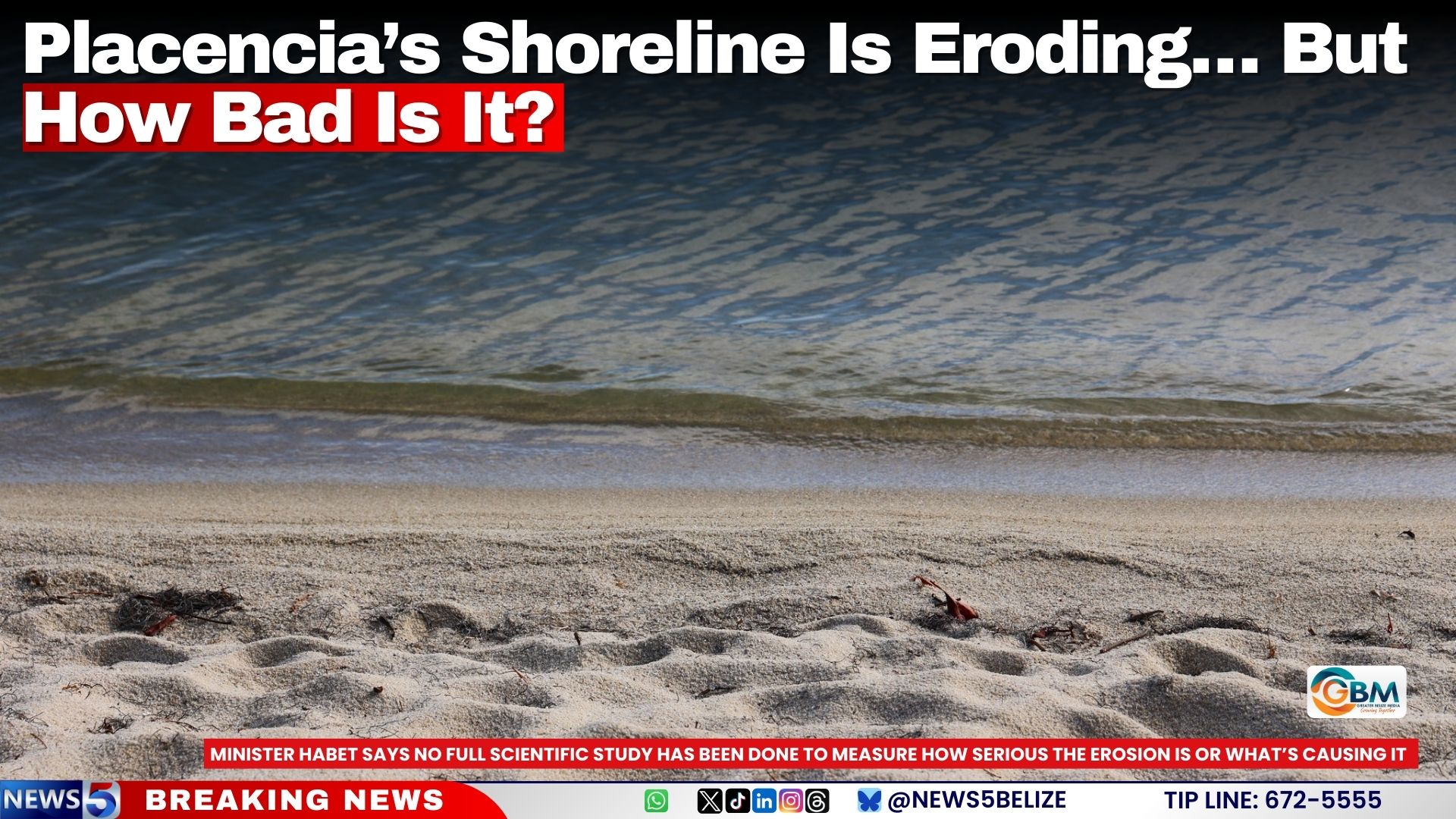
  • Placencia’s Shoreline Is Eroding… But How Bad Is It?

    Placencia’s Shoreline Is Eroding… But How Bad Is It?

    The Belizean government has initiated a landmark scientific investigation to address accelerating coastal degradation along the Placencia Peninsula. The Department of the Environment (DOE) has formalized a collaborative agreement with Placencia and Seine Bight Village Councils to conduct an exhaustive analysis of the erosion crisis threatening the region’s infrastructure and ecological stability.

    For decades, residents have witnessed the gradual disappearance of their shoreline, with beachfront properties sustaining damage and community anxiety growing about long-term viability. While localized initiatives emerged previously—including the 2016 formation of the Placencia Peninsula Citizens for Sustainable Development volunteer group that removed unauthorized coastal structures—these efforts remained fragmented and insufficient against the scale of the problem.

    During Monday’s memorandum signing ceremony, Minister Orlando Habet of Sustainable Development, Climate Change, and Solid Waste Management emphasized the unprecedented nature of the challenge: “This erosion is not only reshaping the coastline; it is affecting social well-being, economic stability, and community safety. It is causing a level of economic uncertainty along the peninsula that has never been experienced before.”

    The absence of comprehensive scientific data has historically hampered effective policy response. Although previous studies indicated erosion as a primary resident concern and linked it to uncontrolled development practices—with sand mining activities noted as early as 1987 exacerbating downstream erosion—no holistic assessment existed.

    The newly commissioned research will be conducted by environmental consultancy Community and Practice in partnership with coastal geomorphology specialists from the University of South Florida. Their multidisciplinary approach will map shoreline transformation patterns, identify sustainable sand sources for beach replenishment, and develop evidence-based mitigation strategies to preserve the peninsula’s future.

  • Apprenticeship summit charts path to skilled green workforce

    Apprenticeship summit charts path to skilled green workforce

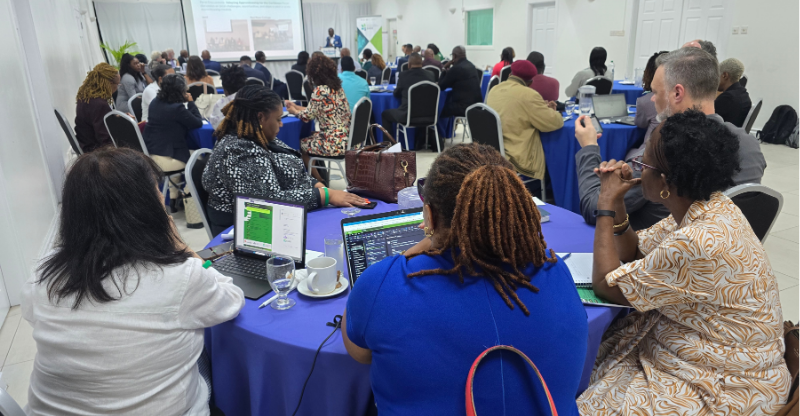
    Saint Lucia became the epicenter for Caribbean workforce development as regional technical education leaders convened for a groundbreaking two-day Apprenticeship Summit from December 4-5. The gathering, hosted under Canada’s Skills to Access the Green Economy (SAGE) programme at Rodney Bay’s Bay Gardens Hotel, marked a strategic effort to align vocational training with emerging environmental economic opportunities.

    Educators, policy architects, and industry representatives from across CARICOM member states collaborated to establish a standardized apprenticeship framework designed to equip workers with sustainable skills. Perry Thomas, Executive Director of Saint Lucia’s TVET Council, highlighted the summit’s critical mission: “We are rationalizing existing regional models to create a harmonized Technical and Vocational Education and Training system through the Caribbean Association of National Training Authorities.”

    The summit built upon pilot initiatives already implemented in six nations—Grenada, Saint Lucia, Dominica, Guyana, Belize, and Jamaica—which provided foundational data and implementation models. These programs demonstrated the potential for standardized trades training across diverse Caribbean economies.

    Pat Bidart, Senior Technical Advisor for SAGE, emphasized the practical implications: “We’re addressing skills gaps among existing tradespeople—carpenters, mechanics, and other technicians who possess partial knowledge but require comprehensive training. Enhanced skills development will directly improve housing construction, automotive repair, and multiple technical sectors.”

    The Canadian-funded initiative represents a coordinated response to both economic and environmental challenges, aiming to create a workforce capable of driving sustainable development throughout the region. Organizers expressed confidence that the summit would ignite the necessary passion and commitment to develop future-ready workers who can advance CARICOM’s green economic transformation.

  • Toerismesector slaat alarm: Goudwinning bedreigt voortbestaan Brownsberg Natuurpark

    Toerismesector slaat alarm: Goudwinning bedreigt voortbestaan Brownsberg Natuurpark

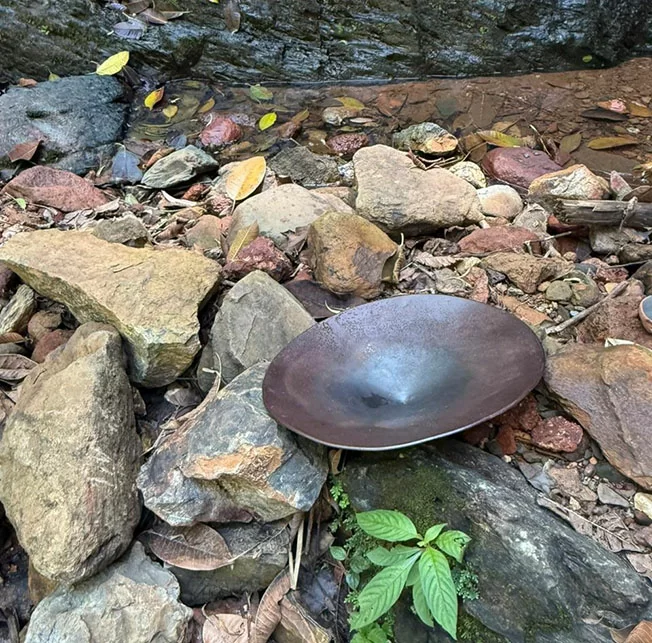
    The Suriname Hospitality and Tourism Association (SHATA) has issued an urgent environmental alert regarding the escalating crisis at Brownsberg Nature Park, an internationally recognized conservation and tourism destination in Brokopondo district. What initially began as concerns about inadequate maintenance has rapidly evolved into a full-scale ecological emergency due to proliferating gold mining operations.

    Multiple sites within the protected area now show severe degradation. The Witikreek area has been transformed into an active gold mining site, while guides at the Irene Falls recently confronted heavy machinery and experienced intimidation when attempting to document the destruction. Simultaneously, the Leo Valley sector continues to suffer from extensive deforestation and excavation caused by illegal mining activities.

    Industry representatives Dinesh Ramlal of Travel The Guianas, along with Dick Lock and Lieke Verwoerd of Unlock Nature, have formally communicated the tourism sector’s grave concerns to government authorities and relevant institutions. They emphasize the critical need for immediate intervention before Brownsberg sustains irreversible damage.

    SHATA’s communications underscore Suriname’s unique position: “As one of the world’s few nations where nature requires not restoration but merely protection, preserving Brownsberg has never been more urgent. In an era where healthy ecosystems are becoming increasingly scarce—and may soon hold greater literal value than gold—effective conservation is paramount.” The association notes that despite repeated warnings from NGOs, guides, tour operators, and concerned citizens, substantive protective measures remain absent.

    The association has outlined an eight-point action plan demanding:
    1. Immediate enforcement against illegal gold mining operations within and surrounding the park
    2. Establishment of a permanent security and surveillance outpost staffed by military police, regular police, or LBB personnel
    3. Development of a comprehensive, sustainable management strategy integrating conservation, security, and tourism
    4. Restoration of essential infrastructure including access roads and accommodation facilities
    5. Structured collaboration between government agencies, guides, tour operators, NGOs, and local communities
    6. Professionalization of the governing foundation STINASU
    7. Support for temporary initiatives including crowdfunding campaigns
    8. Creation of an investment-friendly framework for public-private partnerships

    SHATA maintains that while the situation remains critical, it is still reversible. With robust government intervention supported by tourism sector professionals and conservation experts, Brownsberg could be restored and repositioned as one of Suriname’s most valuable natural treasures.

  • Belize Celebrates Gales Point Traditions on UNESCO Heritage List

    Belize Celebrates Gales Point Traditions on UNESCO Heritage List

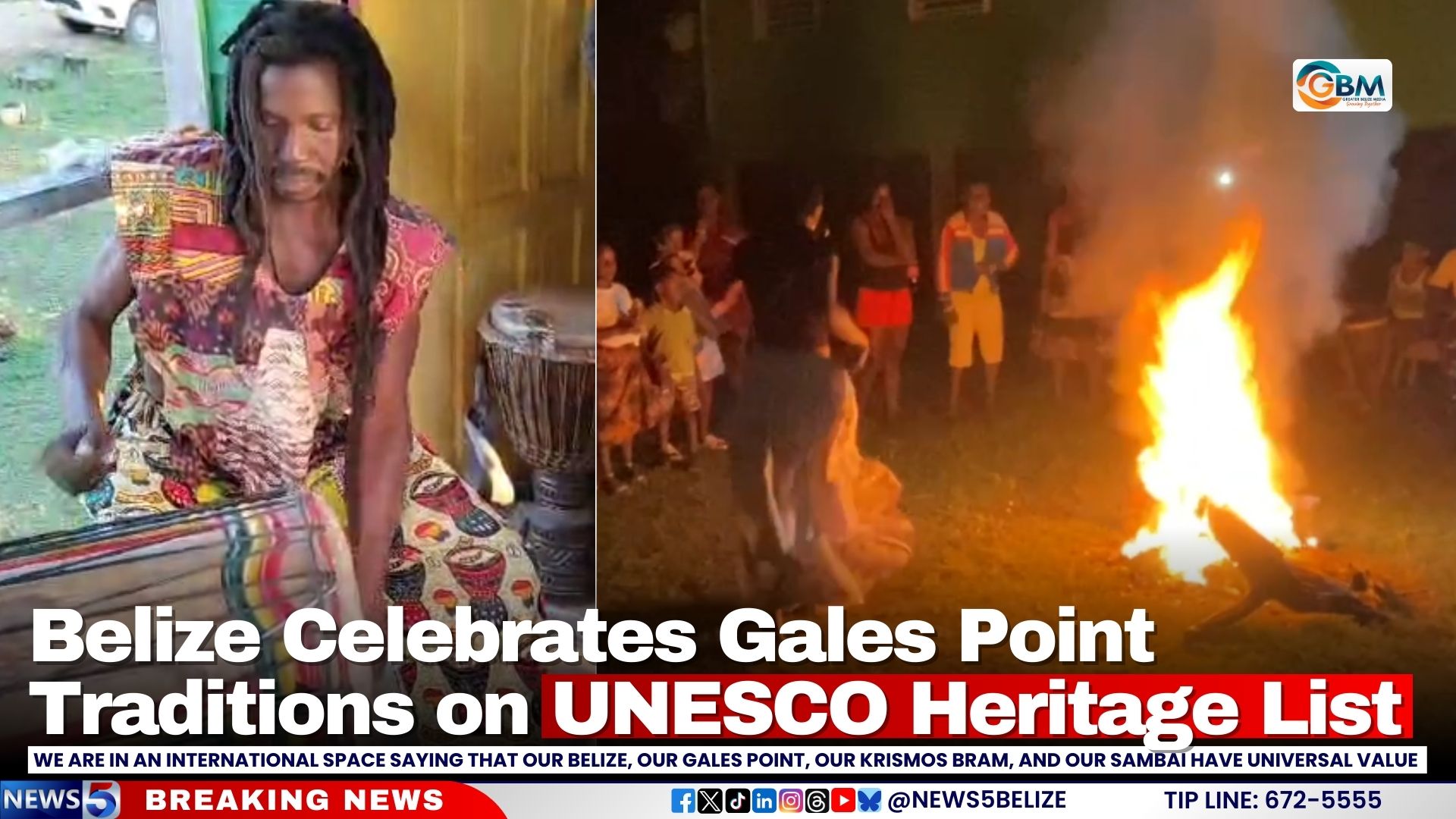
    The vibrant cultural traditions of Gales Point Manatee village in Belize have achieved global recognition as UNESCO officially inscribed the community’s Krismos Bram and Sambai practices on its Representative List of the Intangible Cultural Heritage of Humanity. The announcement emerged from the 20th session of UNESCO’s Intergovernmental Committee convening in New Delhi, India on December 9, 2025.

    This prestigious designation celebrates generations of cultural preservation through distinctive musical and dance traditions that form the community’s cultural heartbeat. The Krismos Bram and Sambai represent more than artistic expression—they serve as living connections to ancestral heritage, bringing together villagers and diaspora members annually for communal celebrations featuring traditional food, drink, and house-to-house dancing.

    Rolando Cocom, Director of the Institute for Social and Cultural Research, described the recognition as “a remarkable day for our communities to celebrate and enjoy the shared culture we have in Belize.” He emphasized that “the international community agreed with us that the living heritage of the Manatee Village is part of the shared human culture that we should all share and protect.”

    Selene Solis of the National Kriol Council highlighted the significance for the small community, noting the designation “elevates the visibility of this cultural event and brings visibility to a small community that isn’t often seen.” She added that the recognition affirms that “our Belize, our Gales Point, our Krismos Bram, and our Sambai have universal value” and represent “pillars of safeguarding” for future generations.

    The UNESCO acknowledgment validates decades of dedication by Gales Point families, elders, and cultural leaders who have maintained these traditions against modernization pressures, ensuring their continuity as pillars of Belizean cultural identity.

  • Grenada opens honorary consulate in Guyana

    Grenada opens honorary consulate in Guyana

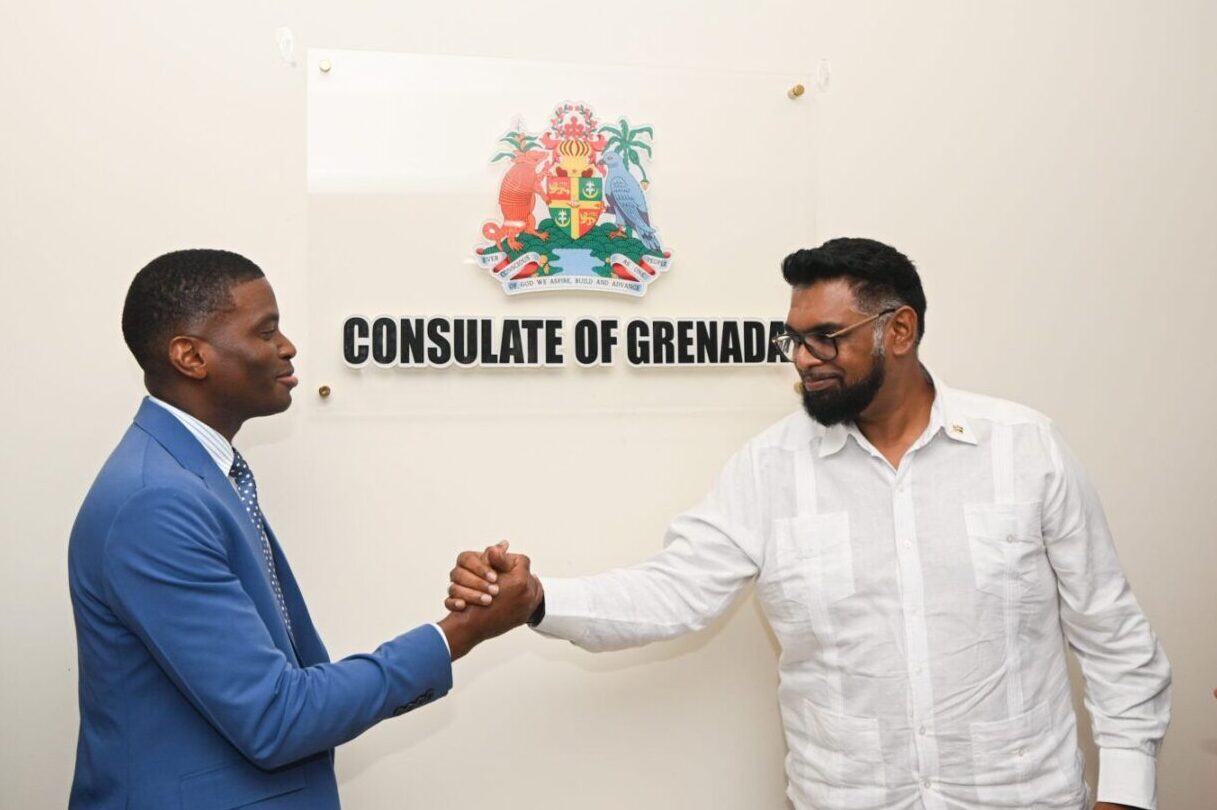
    In a significant move to bolster regional cooperation, Grenada has officially inaugurated an honorary consulate in Georgetown, Guyana, marking a new chapter in bilateral relations between the two Caribbean Community (Caricom) nations. The ceremony, held on Monday evening, was attended by high-level officials including Grenadian Prime Minister Dickon Mitchell and Foreign Minister Joseph Andall, alongside Guyanese President Irfaan Ali.

    President Ali articulated a visionary proposal for integrated tourism offerings, combining Grenada’s renowned ‘Spice Isle’ attractions—featuring beaches, yachting, and cultural charm—with Guyana’s world-class eco-tourism assets of rainforests, waterfalls, and wildlife. This synergy aims to create multi-destination packages, enhancing regional competitiveness while requiring improved air connectivity to realize its full potential.

    Prime Minister Mitchell emphasized the strategic importance of investing in regional partnerships, acknowledging Guyana’s ‘rock hard’ support during Grenada’s recovery from Hurricane Beryl in 2024. He critiqued the conventional practice of establishing distant diplomatic missions with nations lacking shared interests, affirming that this consulate represents a ‘deliberate step’ to strengthen political, economic, and diplomatic ties within the Caribbean backyard.

    The consulate will be headed by Komal Singh, a prominent Guyanese businessman and former Private Sector Commission chairman, who has been appointed as Honorary Consul. Singh pledged to function as a bridge for business, investment, education, and cultural exchange, stimulating Grenadian engagement with opportunities in Guyana.

    Beyond tourism, both leaders highlighted advanced discussions on regional food security, with plans to formalize an elaborate bilateral agreement by early next year. Guyana aims to become a reliable supplier of quality food at consistent prices, while also proposing joint investment in modernizing Grenada’s spice industry through enhanced processing and packaging capabilities.

    Foreign Minister Andall expressed optimism that the consulate would catalyze extended trade relations not only between Guyana and Grenada but across the entire Caricom bloc, signaling a collective stride toward economic resilience and regional integration.

  • UWP joins calls for halt to quarrying at Deux Branche

    UWP joins calls for halt to quarrying at Deux Branche

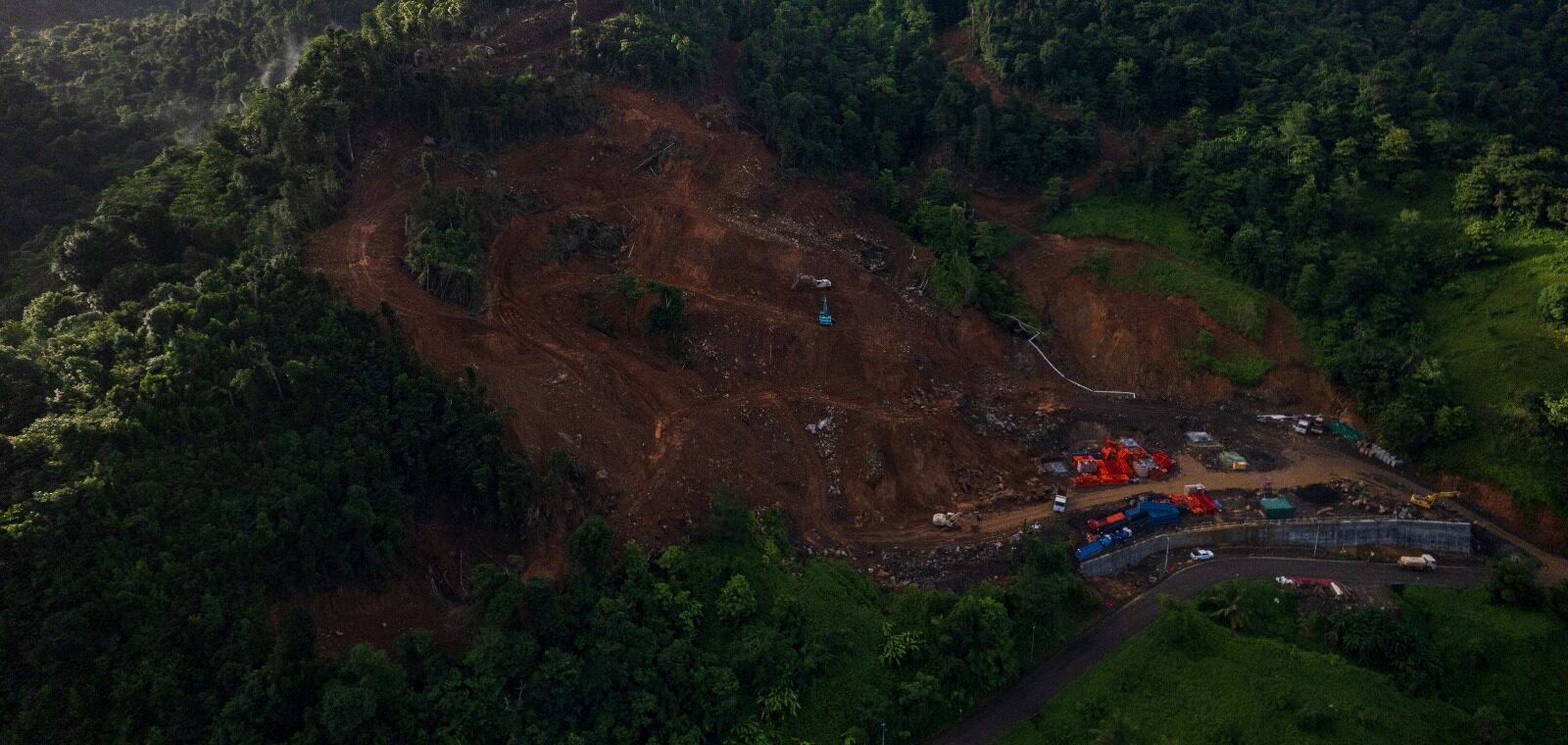
    A significant environmental and legal confrontation is unfolding in Dominica as the United Workers Party (UWP) – Team Dominica forms a coalition with residents of Concord, the Kalinago Territory, and Marigot, alongside environmental experts and geologists. The alliance demands an immediate halt to quarrying operations at Deux Branche in Concord, condemning them as unlawful and ecologically devastating.

    The UWP, in an official press release, detailed the extensive damage already inflicted, particularly on the Pagua River, which has suffered from severe sedimentation. This degradation has directly harmed local livelihoods, disrupting recreational uses, diminishing tourism prospects, and compromising traditional food sources for Concord communities.

    Central to the dispute is a alleged violation of the nation’s Physical Planning Act. The party asserts the operation lacks the mandatory planning approval, directly contravening Section 17(1) of the legislation. This statute explicitly requires prior authorization from the Development and Planning Authority for any development, a category which includes quarrying activities contingent on a completed environmental impact assessment (EIA).

    The UWP expressed profound disturbance over what it characterizes as a ‘blatant disregard’ for legal protocols, ostensibly justified by the international airport project and associated developments. These projects, the party contends, are generating substantial negative externalities and community stress spanning from Concord to Woodford Hill.

    Emphasizing non-negotiable environmental safeguards, the UWP underscored the critical function of EIAs. These studies are designed to meticulously evaluate social, ecological, and economic ramifications, identify potential hazards, and prescribe mitigation measures. In certain scenarios, an EIA may conclude that a proposed location is fundamentally inappropriate for development due to insurmountable environmental risks.

    A particularly alarming dimension of the controversy involves the quarry’s alleged encroachment into the Central Forest Reserve. This protected rainforest, established in 1952, constitutes a cornerstone of Dominica’s natural heritage. It acts as a refuge for rare species and unique ecosystems, protected under a suite of laws including the Forests Act, the Forestry and Wildlife Act, the National Parks and Protected Areas Act, and the National Forest Policy of 2022, all mandating conservation, sustainable management, and biodiversity protection.

    In its concluding remarks, the UWP issued a direct appeal to the Roosevelt Skerrit administration, urging an immediate cessation of the current operation and the pursuit of an alternative site for quarrying where environmental and social impacts would be substantially mitigated.