作者: admin

  • Equality for All Foundation unveils ‘Queer Agenda’ in Jamaica

    Equality for All Foundation unveils ‘Queer Agenda’ in Jamaica

    Jamaica’s Equality for All Foundation (EFAF) unveiled a comprehensive revision of its national Queer Agenda on Tuesday, presenting an evolved advocacy framework aimed at enhancing legal protections and social inclusion for LGBTQ+ citizens. Executive Director Glenroy Murray addressed diplomats, UN officials, civil society representatives, and media members at the launch event, emphasizing the document’s role in articulating concrete policy expectations from the government and broader society.

    The updated agenda reflects both measurable progress and persistent challenges since the original 2018 publication. Murray noted the intentional reclamation of the term ‘queer agenda’—historically weaponized against the community—as a positive assertion of policy priorities. Significant achievements highlighted include expanded mental health services, curriculum reforms at the University of the West Indies, training programs for over 150 social-service providers through EU partnerships, and sensitization initiatives with the Jamaica Constabulary Force supported by British diplomacy.

    Despite these advancements, Murray underscored alarming ongoing issues: 33% homelessness rates within the LGBTQ+ community, widespread discrimination, and insufficient legal safeguards. The document serves as a strategic roadmap across multiple pillars including security and justice, healthcare, education, housing, and family protections. Distributed copies outlined specific recommendations for creating a more inclusive Jamaica, with participation from international partners including Belgium and the United Kingdom, alongside local organizations like TransWave Jamaica and Jamaica Aids Support for Life.

    Murray concluded that while societal openness has gradually improved, formal recognition of the community’s contributions throughout Jamaica’s 63-year history remains inadequate, necessitating renewed commitment to structural change.

  • UDC to expand New Year’s Eve fireworks display to western Jamaica to uplift spirits

    UDC to expand New Year’s Eve fireworks display to western Jamaica to uplift spirits

    KINGSTON, Jamaica — In a significant expansion of its traditional year-end celebrations, Jamaica’s Urban Development Corporation (UDC) has announced it will extend its New Year’s Eve fireworks display across five parishes. This strategic decision aims to bolster morale and foster unity among communities in western Jamaica still recovering from Hurricane Melissa’s recent impact.

    The state-owned corporation revealed through an official statement on Thursday that alongside established fireworks viewings in downtown Kingston, Ocho Rios, and Montego Bay’s Harmony Beach Park, two additional locations—Black River in St. Elizabeth and Long Bay Beach in Negril—will host the celebratory displays. This represents a deliberate effort to bring accessible festive experiences to more Jamaican families during the ongoing recovery period.

    UDC officials emphasized that while this year’s celebrations will adopt a more restrained approach compared to previous years, the organization recognizes the profound importance of creating spaces for collective joy, reflection, and community bonding. The initiative specifically aims to provide a sense of normalcy and shared optimism as the nation looks toward 2026.

    ‘Each designated location will feature complimentary public viewing areas for the official UDC midnight countdown ceremony followed by fireworks displays,’ the corporation confirmed. These gatherings are designed to facilitate moments of shared anticipation and national unity, allowing communities to collectively celebrate resilience and hope for the future. The expanded program demonstrates the government’s commitment to psychological recovery through community engagement, acknowledging that emotional healing remains crucial alongside physical reconstruction efforts in hurricane-affected regions.

  • Putin reaffirms support for Venezuela’s Maduro over US tensions

    Putin reaffirms support for Venezuela’s Maduro over US tensions

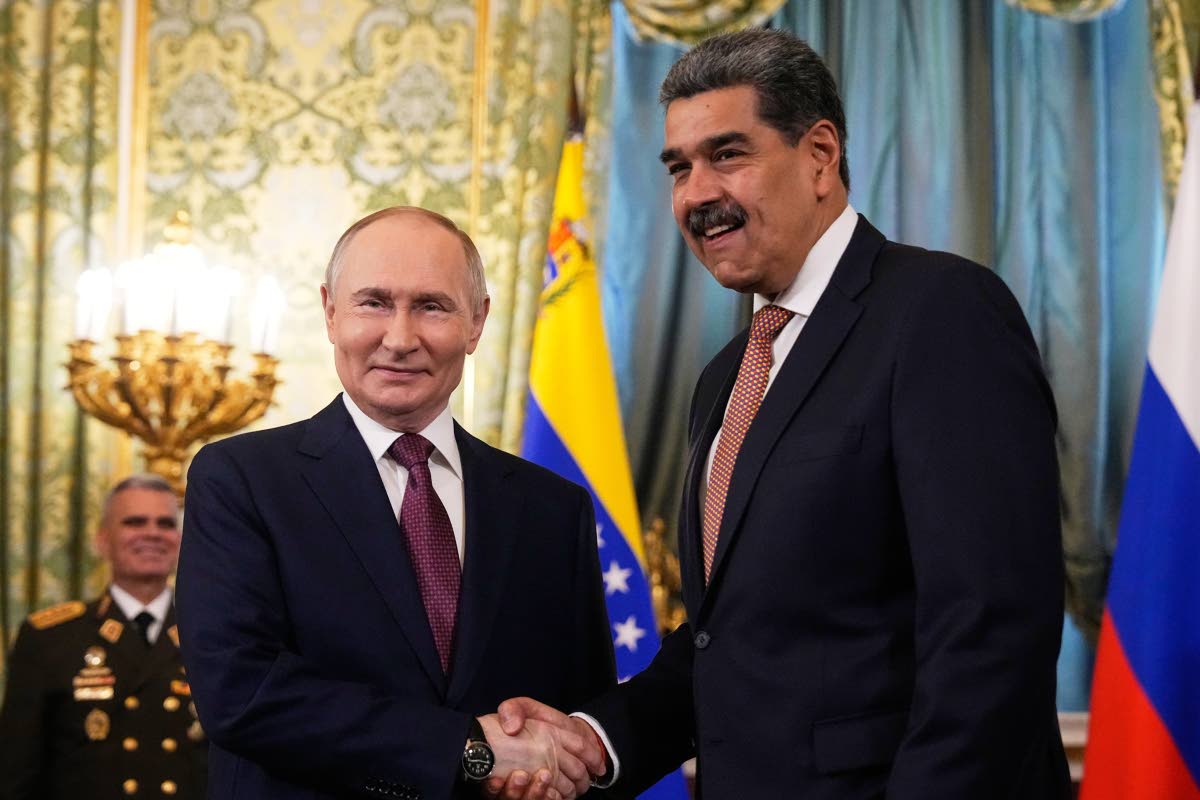
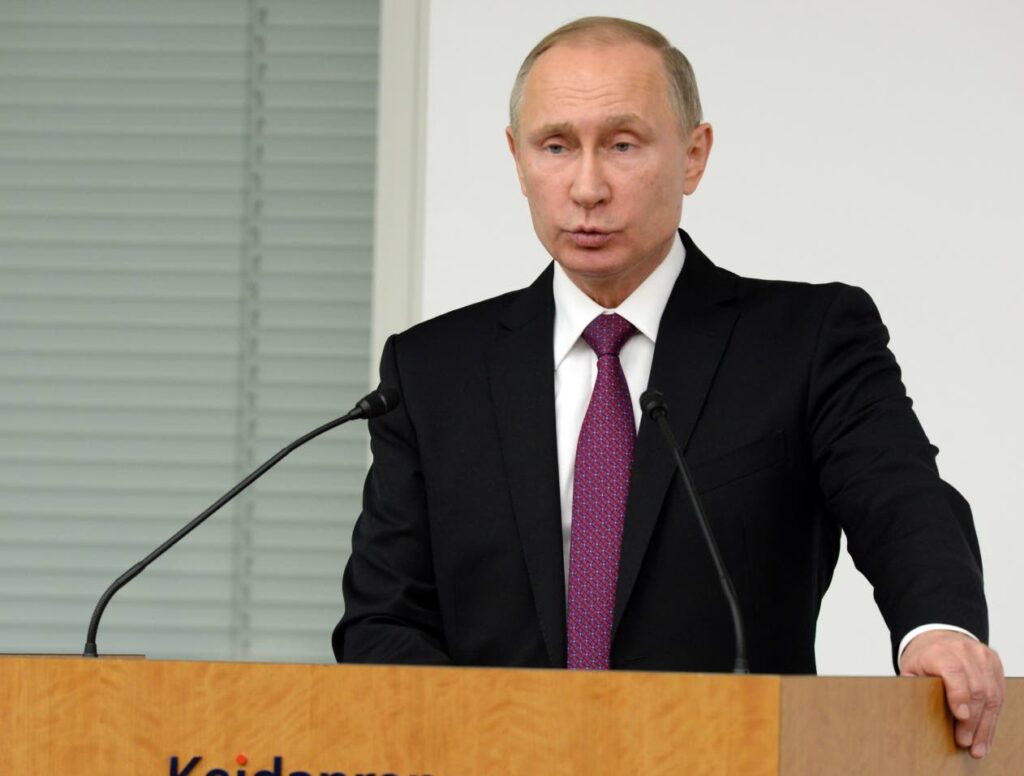
    MOSCOW—In a significant display of geopolitical alignment, Russian President Vladimir Putin has reinforced his nation’s strategic partnership with Venezuela during a high-level telephone discussion with President Nicolás Maduro. The Kremlin confirmed Thursday’s diplomatic exchange emphasized Moscow’s unwavering support for Caracas amid mounting international pressures.

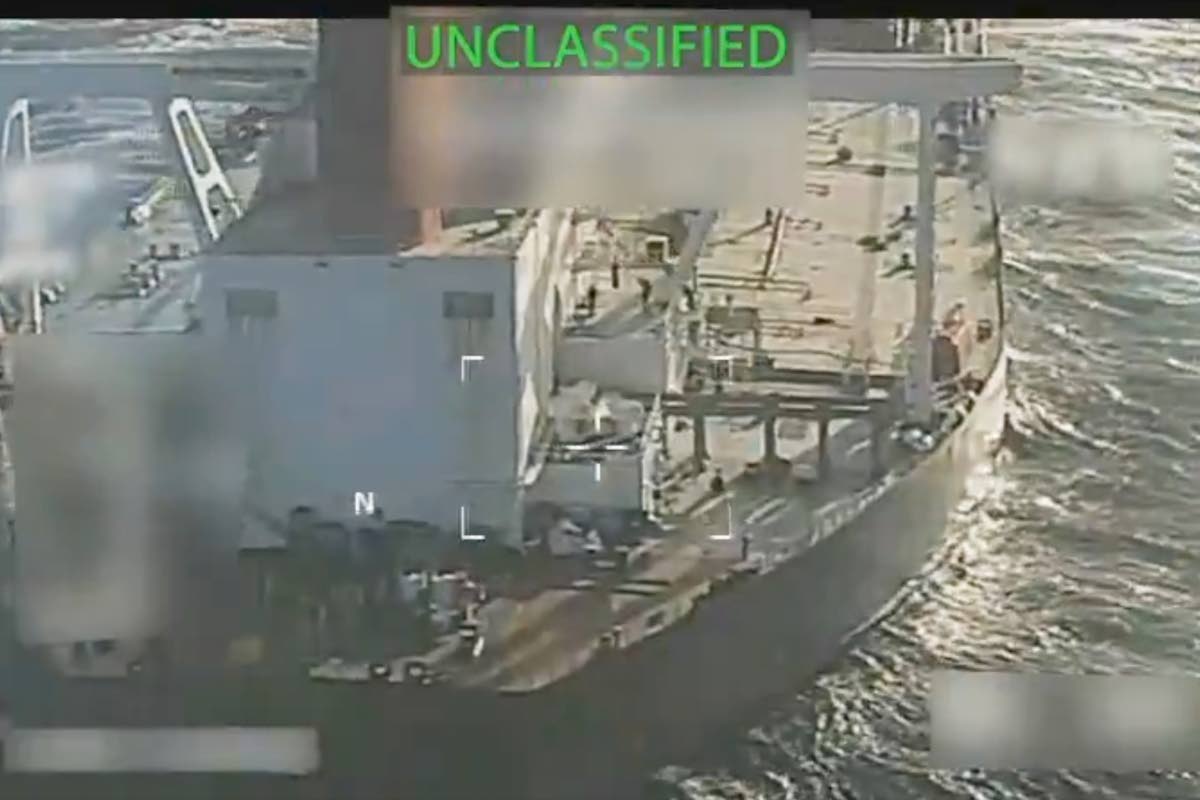
    The conversation follows a dramatic escalation in regional tensions after United States military forces executed a high-seas interception of a Venezuelan-flagged oil tanker. US special operations personnel conducted a helicopter-borne boarding operation, seizing the vessel in what Washington characterizes as anti-narcotics enforcement.

    This latest incident represents merely one facet of the complex confrontation between the Maduro administration and Western powers. The Venezuelan leader has consistently rejected allegations from US authorities that his government participates in narcotics trafficking, countering that these accusations serve as pretext for intervention motivated by Venezuela’s substantial petroleum reserves.

    Russia and Venezuela have cultivated increasingly robust bilateral relations throughout recent years, cemented by Maduro’s official visit to Moscow earlier this year. During that summit, the two nations ratified a comprehensive partnership agreement and the Venezuelan president participated in Russia’s annual military parade, signaling deepening defense cooperation.

    According to official Kremlin readouts, President Putin explicitly expressed solidarity with the Venezuelan populace and endorsed Maduro’s sovereign policies against external pressure. The Russian leadership’s statement emphasized support for Venezuela’s right to protect national interests and maintain political autonomy.

    The geopolitical standoff has intensified with the Trump administration deploying naval assets within operational range of Venezuelan territory. Maritime surveillance data indicates at least 22 vessel engagements in the Eastern Pacific and Caribbean regions, resulting in numerous casualties according to regional reports.

  • First Citizens lifts profit to $990m as assets surpass $49b

    First Citizens lifts profit to $990m as assets surpass $49b

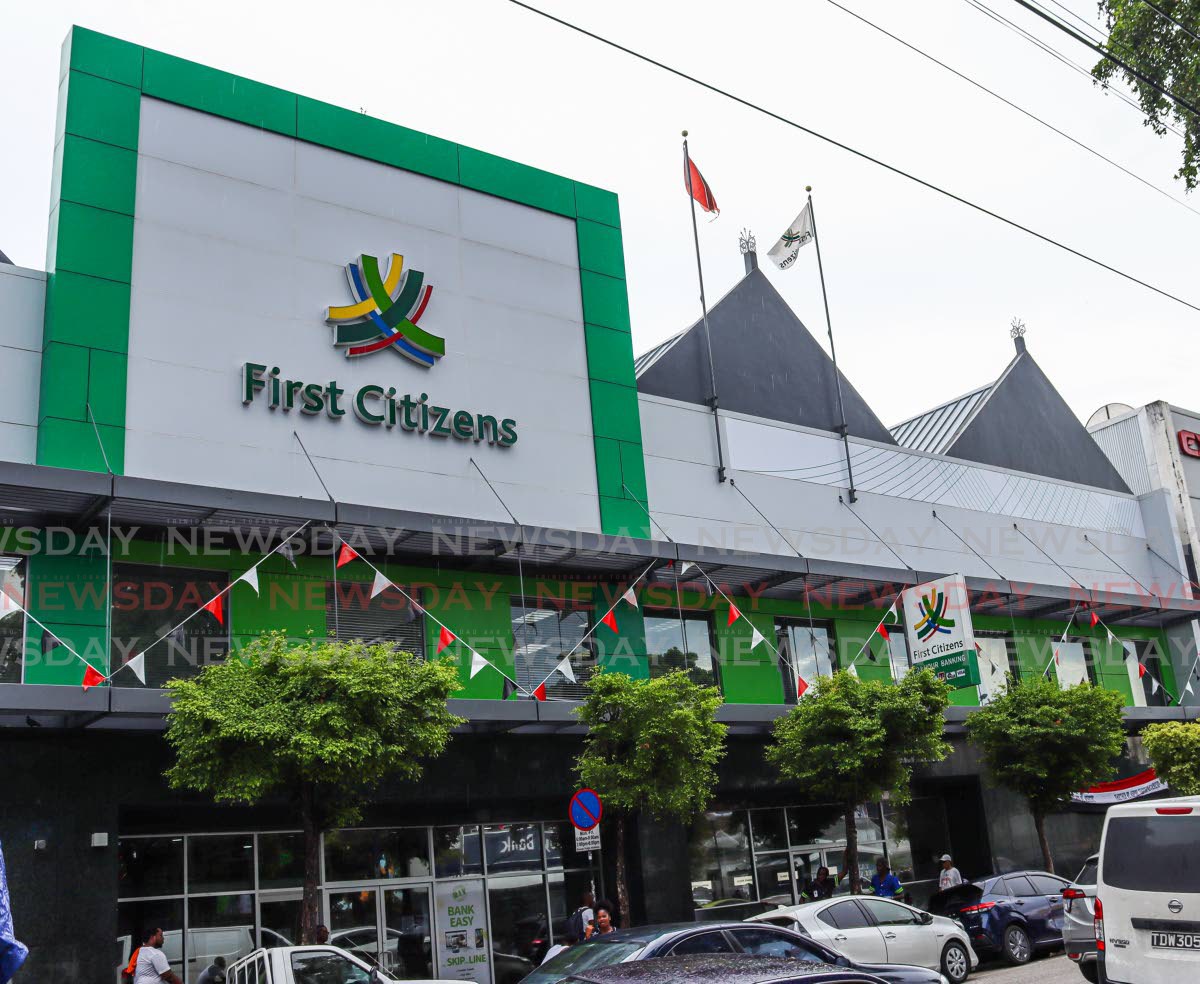
    First Citizens Group has demonstrated formidable financial resilience with an after-tax profit of $989.6 million for the fiscal year concluding September 30, 2025. The Trinidad-based financial institution revealed total assets soaring to $49.167 billion, marking another year of substantial growth and stability.

    Audited by PricewaterhouseCoopers, with engagement partner Sean Ramirez overseeing the process, the consolidated financial statements received an unmodified audit opinion on December 8, affirming their accuracy and compliance with accounting standards. The board officially approved these results on December 4.

    The group’s pre-tax profit climbed significantly to $1.365 billion, up from $1.270 billion in 2024. Revenue streams showed positive momentum with net interest income reaching $2.101 billion and fee and commission income growing to $552.9 million. Total net revenue expanded to $2.875 billion, bolstered by increased other income.

    Basic earnings per share stood at $3.93, calculated on a weighted average of 251.35 million ordinary shares. The balance sheet exhibited robust growth with total loans before allowances climbing to $24.198 billion. Net loans settled at $23.780 billion after accounting for a loan-loss allowance of $417.6 million.

    While non-performing loans experienced a slight increase to $776.6 million from $746.2 million the previous year, impairment expenses rose to $54.5 million from $13.7 million in 2024. Customer deposits, the group’s primary funding source, grew to $30.895 billion.

    Shareholders’ equity strengthened to $9.131 billion, supported by annual profits and a positive $149.8 million movement in other comprehensive income. This included an $86.6 million gain from re-measuring the group’s defined benefit plan and fair value gains on equity instruments.

    PwC highlighted the valuation of expected credit losses on credit-impaired demand loans as a key audit matter. These loans totaled $647 million with an expected credit loss allowance of $128 million, requiring significant judgment in collateral assessment and recovery estimation.

    Business segment performance varied: retail banking earned $447.1 million, corporate banking $635.4 million, treasury and investment banking $241.1 million, and trustee and asset management $38.3 million. Group functions contributed $1.179 billion, collectively generating $2.917 billion in pre-tax profit before consolidating to $989.6 million after tax.

    Operating costs remained substantial with administrative expenses at $854.9 million and other operating expenses at $634.3 million. Depreciation and amortization of intangible assets amounted to $102.1 million and $27.1 million respectively.

    Liquidity metrics remained solid with cash and bank balances at $2.130 billion and short-term investments totaling $2.695 billion. Net cash and cash equivalents stood at $1.959 billion after deducting amounts owed to other banks. Statutory deposits with the Central Bank were $2.268 billion.

    The group reported higher average interest rates on short-term deposits throughout the year. Equity method investments, including stakes in St Lucia Electricity Services Ltd, Term Finance Holdings Ltd and Infolink Services Ltd, totaled $285.2 million, generating $28.6 million in profit share.

    Dividend distributions reached $608.1 million during the year. Treasury share activities reduced recorded share capital from $458.6 million to $427.3 million, while retained earnings closed at $6.402 billion.

    PwC’s audit opinion confirmed that the financial statements ‘present fairly, in all material respects, the financial position of the Group as at 30 September 2025,’ validating the institution’s strong capital position and operational excellence.

  • Russia vows support for Venezuela’s sovereignty ‘struggle’

    Russia vows support for Venezuela’s sovereignty ‘struggle’

    In a significant display of diplomatic solidarity, Russian President Vladimir Putin and Venezuelan President Nicolás Maduro convened an urgent telephone conversation on December 11th, directly responding to the US Navy’s interception of a Venezuelan oil tanker in Caribbean waters. The high-stakes dialogue occurred amidst escalating tensions between Caracas and Washington, with the Venezuelan government condemning the US operation as “an act of international piracy.”

    The comprehensive discussion reinforced the strategic alliance between Russia and Venezuela, with both leaders celebrating the recent signing of 19 bilateral agreements across multiple sectors through the High-Level Intergovernmental Commission. These agreements demonstrate the deepening comprehensive alliance between the nations, with preparations already underway for the next commission meeting scheduled in Caracas for 2026.

    President Putin explicitly reaffirmed his unwavering support for Maduro’s administration in its efforts to maintain political stability, economic development, and social protection for the Venezuelan people. The Russian leader pledged continued diplomatic backing for Venezuela’s sovereignty and commitment to international law throughout Latin America.

    The timing of this strategic communication carries particular significance, coming just weeks after Maduro’s unexpected revelation of a “respectful and cordial” telephone conversation with US President Donald Trump approximately ten days prior to December 3rd. Maduro had characterized that exchange as potentially opening doors for diplomatic dialogue between the historically adversarial nations.

    During the Putin-Maduro call, special emphasis was placed on enhancing air and maritime connectivity between the two countries, with both leaders acknowledging the importance of existing direct routes to Moscow and St. Petersburg for strengthening economic, tourism, and cultural exchanges.

    Maduro shared Venezuela’s economic progress projections, including the country’s anticipated regional leadership with 9% growth this year. President Putin received comprehensive updates on these developments and extended congratulations to the Bolivarian government for its economic achievements.

    The alliance, initially established over two decades ago under late President Hugo Chávez, continues to strengthen, with both leaders reaffirming their commitment to the Joint Development Plan towards 2030. President Putin emphasized that direct communication channels between the nations remain permanently open, ensuring continuous diplomatic coordination amid ongoing geopolitical challenges.

  • Roberts predicts TPP sweep in THA elections

    Roberts predicts TPP sweep in THA elections

    In a bold political forecast, Housing Minister Anil Roberts has projected a comprehensive electoral triumph for the Tobago People’s Party (TPP) in the forthcoming Tobago House of Assembly (THA) elections scheduled for January 12. The prediction emerged during Senate deliberations on the Finance Bill 2025 on December 9, where Roberts engaged in heated exchanges with Opposition senators.

    Roberts systematically dismantled claims by PNM senators that the United National Congress (UNC) government had performed poorly since its April 28 general election victory. The UNC secured 26 parliamentary seats compared to PNM’s 13, with the TPP capturing two seats—creating an unconventional seating arrangement where TPP legislators occupy government benches despite no formal coalition agreement.

    The minister employed sharp sarcasm when referencing PNM’s electoral prospects, stating: ‘I expect the people of Tobago on January 12 will bring the PNM back’—a remark met with knowing laughter from government benches. He contextualized his prediction by recalling the PNM’s devastating 14-1 defeat by the Progressive Democratic Patriots (PDP) in the 2021 THA elections, noting that most PDP representatives subsequently defected to form the TPP in August 2023.

    Roberts attributed the anticipated TPP landslide to public disillusionment with PNM’s governance approach, accusing them of prioritizing ‘friends, family and financiers’ over public welfare. He vehemently defended Prime Minister Kamla Persad-Bissessar against claims of ethnic bias, praising her inclusive cultural policies and broad popular support.

    The political theater intensified as Roberts addressed temporary Opposition Senator Mustapha Abdul-Hamid—returning to Parliament after a 15-year absence—declaring that even the symbolic resurrection of PNM founder Dr. Eric Williams would fail to revitalize the party. Government senators expressed vigorous approval through desk-thumping applause as Roberts concluded that the population would never permit another PNM administration.

  • Guyana: Seized oil tanker was illegally flying our flag

    Guyana: Seized oil tanker was illegally flying our flag

    In a significant maritime operation, United States forces have intercepted and seized a large crude oil tanker off the coast of Venezuela on December 10th. The vessel, identified as the Motor Tanker SKIPPER (ex-ADISA) with IMO Number 9304667, was allegedly transporting sanctioned oil from Venezuela and Iran according to US authorities.

    The operation was confirmed by US President Donald Trump during a White House meeting, where he characterized it as ‘the largest tanker ever seized’ and hinted at additional undisclosed developments. US Attorney General Pamela Bondi subsequently revealed through social media that multiple agencies including the FBI, Homeland Security Investigations, and the Coast Guard executed the seizure warrant as part of ongoing efforts against illicit oil shipping networks.

    Complicating the situation, the Maritime Administration Department of Guyana (MARAD) disclosed that the seized vessel had been ‘falsely flying’ the Guyanese flag in international waters despite not being registered in the country. MARAD’s statement expressed concern about an ‘unacceptable trend’ of unauthorized use of the Guyana flag and pledged to collaborate with international partners to address such violations.

    The seizure occurs against the backdrop of increased US military presence in the Southern Caribbean, which the Trump administration justifies as part of counter-narco-terrorism operations. Meanwhile, the Maduro-led government in Venezuela maintains that US actions represent attempts to control the nation’s natural resources rather than legitimate security concerns, consistently denying involvement in drug trafficking activities.

  • Caribbean experts explore how AI can transform tourism

    Caribbean experts explore how AI can transform tourism

    A recent webinar organized by the National Institute of Higher Education, Research, Science and Technology (NIHERST) in partnership with the TT Multistakeholder Advisory Group (TTMAG) examined the transformative potential of artificial intelligence in reshaping the Caribbean tourism industry. The virtual event, titled “Harnessing Artificial Intelligence for the Future of Tourism,” brought together industry specialists, AI practitioners, and academic researchers to discuss digital innovation strategies.

    Julie David, Acting President of NIHERST, emphasized the webinar’s objective to introduce AI concepts and their specific relevance to tourism while exploring practical applications across hospitality services, travel planning, customer engagement, and destination management. The initiative aimed to stimulate innovative thinking, encourage collaborative partnerships, and drive technological advancements that would strengthen the regional tourism sector.

    Michael Ragoobar, NIHERST project assistant, delivered a keynote presentation followed by an expert panel discussion featuring prominent voices including tourism strategy specialist Dr. Auliana Poon, Incus Services Director of AI Leslie Lee Fook, TTMAG director Ajmal Nazir, and NIHERST research officers Ethan Blache and Mandela Sealy.

    Participants gained comprehensive insights into strategic AI implementation opportunities, practical applications for tourism businesses and small-to-medium enterprises, emerging regional trends in AI adoption, and policy considerations for successful technology integration. TTMAG director Dev Gosine highlighted AI’s capacity to enhance visitor experiences through personalized recommendations, improve operational efficiency in construction and transportation, and enable data-driven destination management through predictive analytics.

    Dr. Poon issued a compelling warning that traditional Caribbean tourism advantages centered on natural assets could become increasingly vulnerable without embracing technological innovation. The session concluded with interactive engagement between attendees and panelists exploring concrete AI applications for enhancing both visitor experiences and business operations. All participants received access to the webinar recording, summary documentation, and key insights.

  • Windies fight back, but Black Caps take 41-run lead into day 3

    Windies fight back, but Black Caps take 41-run lead into day 3

    WELLINGTON – An electrifying day of cricket unfolded at Basin Reserve on December 11 as New Zealand established a precarious 41-run lead against West Indies in the second Test, with eleven wickets tumbling throughout the dramatic second day’s play.

    The hosts, resuming at 24/0 in response to West Indies’ first-innings total of 205, were eventually contained for 278 after a declaration, securing a 73-run advantage. The Black Caps’ batting effort was spearheaded by debutant Mitchell Hay, who showcased remarkable composure with an aggressive 61 runs from 93 deliveries. His maiden Test half-century proved instrumental in pushing New Zealand past the visitors’ initial score.

    West Indies’ pace attack demonstrated moments of brilliance, particularly during the morning session. Veteran seamer Kemar Roach (2/43) produced a magnificent delivery to dismiss captain Tom Latham for 11, while Anderson Phillip (3/70) claimed the prized wicket of star batsman Kane Williamson with an unplayable ball that shattered the off-stump. Williamson had been building momentum with 37 runs from just 46 balls.

    The post-lunch session saw immediate breakthroughs as Roach and first-Test hero Justin Greaves removed Rachin Ravindra (5) and Devon Conway (60) within three balls, reducing New Zealand to 117/4. A stabilizing 73-run partnership between Hay and Daryl Mitchell (25) followed before Phillip struck again, with wicketkeeper Tevin Imlach taking a sharp leg-side catch confirmed by review.

    Despite reaching tea at 200/5, New Zealand suffered another quick setback as Hay’s aggressive innings ended with a catch by Roach at fine-leg off Ojay Shields (1/50). The lower order contributed valuable runs, with Zakary Foulkes remaining unbeaten on 23 before the declaration at 278/9. The hosts were forced to bowl without pacer Blair Tickner, who dislocated his shoulder on day one.

    West Indies faced a challenging final session in their second innings, stumbling to 32/2 after opener John Campbell (14) was bowled by debutant Michael Rae. Nightwatchman Anderson Phillip fell for a duck to Jacob Duffy following a successful review. Brandon King (15*) and Kavem Hodge (3*) will resume the innings on day three with West Indies still trailing by 41 runs.

  • Alexander: More radars needed across Trinidad and Tobago

    Alexander: More radars needed across Trinidad and Tobago

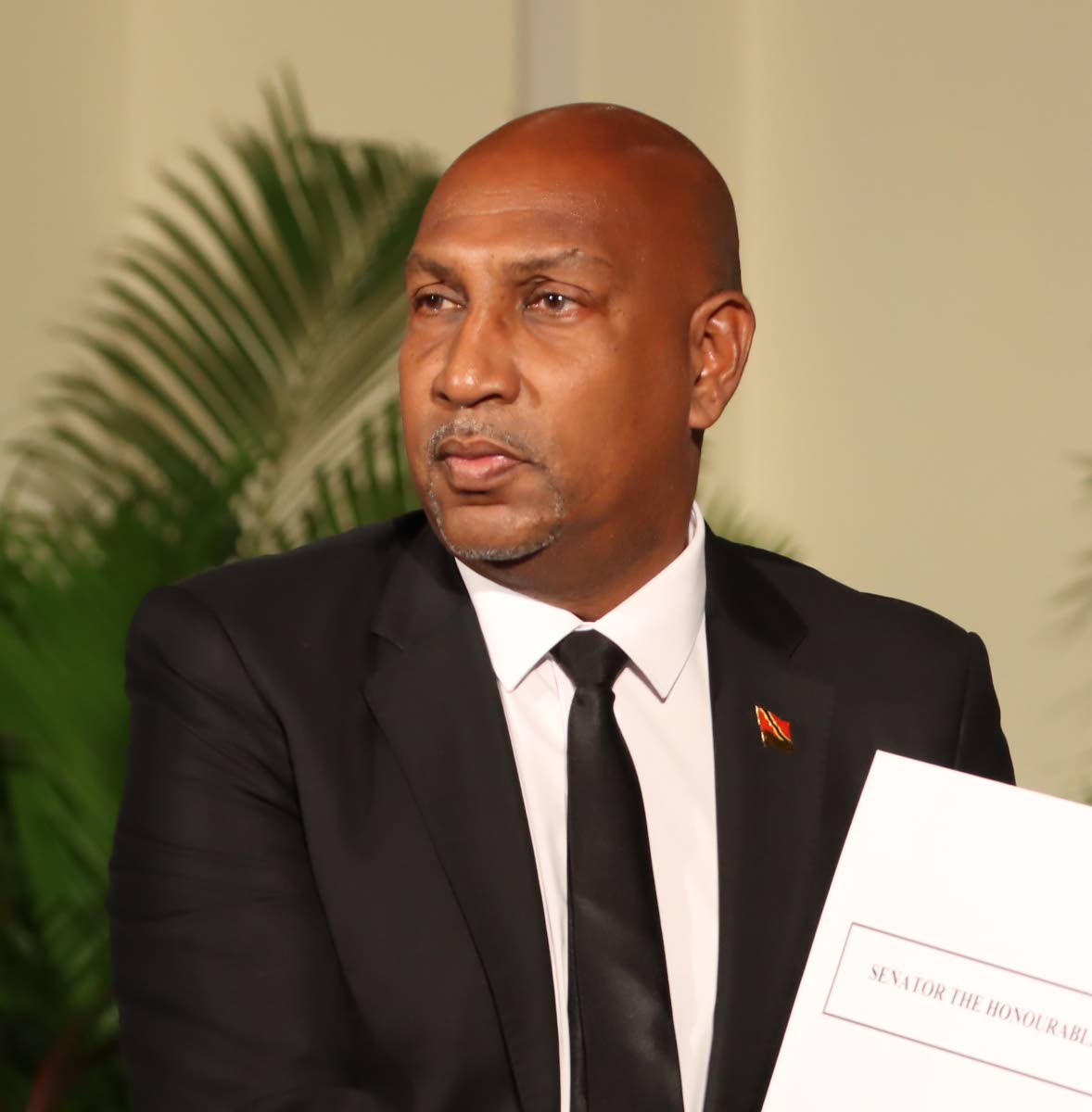
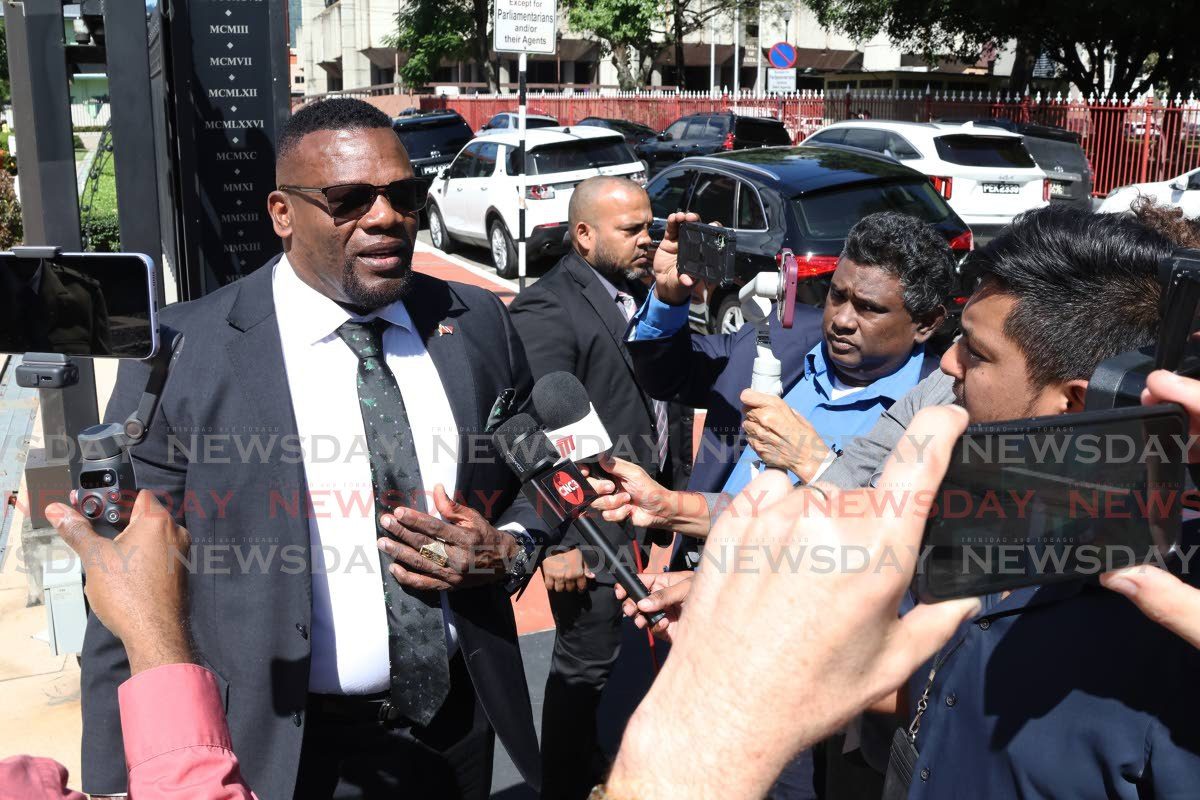
    Trinidad and Tobago’s Homeland Security Minister Roger Alexander has vigorously defended the recent deployment of radar technology in Tobago, asserting that additional systems should be implemented nationwide to enhance security measures. The minister’s comments came during a December 9 media briefing outside Parliament, addressing heightened security concerns following the abduction of businessman Derek Tardieu and his wife Clarabelle from their Monos Island residence on December 6.

    The couple remains missing with kidnappers demanding a $2.5 million ransom for their release. Minister Alexander emphasized that advanced radar technology could substantially improve protection for citizens residing in the archipelago’s outlying islands. “We must take a definitive stance against such criminal activities,” Alexander stated. “These perpetrators potentially arrived by vessel… to abduct citizens of our nation.”

    Rejecting a return to normalcy amid ongoing security challenges, Alexander revealed, “We witness similar incidents daily with unauthorized vessels entering our waters undetected. This precisely why we’re strategically deploying cutting-edge technology to prevent such occurrences.” The minister expressed personal commitment to encircling the nation with protective technologies if given sole authority.

    When questioned about potential United States military utilization of the radar system amid tensions with Venezuela, Alexander remained evasive, noting only that Trinidad and Tobago would “benefit from the situation” regarding foreign entities entering the country with malicious intent. Pressed on data-sharing arrangements, the minister described all operations as “joint ventures in and around TT” without providing specific details.

    Prime Minister Kamla Persad-Bissessar, separately addressing journalists, redirected technical inquiries to Defense Minister Wayne Sturge. While confirming Trinidadian military personnel access to radar data, she acknowledged unspecified external parties might have access but deemed such information potentially “too sensitive for public disclosure.” The Prime Minister emphasized that Minister Sturge possesses the comprehensive details regarding data-sharing protocols.