作者: admin

  • RDU–SAEP capacity building sessions with Concord farmers

    RDU–SAEP capacity building sessions with Concord farmers

    Seventeen agricultural producers from Concord, Black Bay, and neighboring communities joined nine specialists from the Rural Development Unit (RDU) and a Western District Supervisor from Grenada’s Ministry of Agriculture in a comprehensive Sustainable Land Management (SLM) training session on December 1, 2025. The capacity-building event was orchestrated by the RDU under the Climate Smart Agriculture and Rural Enterprise Programme (SAEP).

    This instructional gathering constitutes an integral component of the Capacity-Building Initiative within the Southern St George Water Supply Expansion Project (SSGWSEP), financially supported by the United Kingdom Caribbean Infrastructure Fund (UKCIF) through the Caribbean Development Bank (CDB).

    Aden Forteau, a distinguished Sustainable Land Management Specialist, facilitated the training by demonstrating crucial SLM methodologies encompassing natural resource protection, conservation, sustainable utilization, and rehabilitation of deteriorated zones. Participants received hands-on instruction regarding optimal soil and water preservation techniques, including reduced tillage approaches and rainwater collection systems. A particularly engaging segment involved constructing A-frames from basic materials like timber and twine—an essential tool for identifying contour lines that facilitate effective farming, drainage, and terracing operations to minimize slope erosion.

    The workshop emphasized practical implementation through live demonstrations, showing farmers how to incorporate these climate-adaptive strategies into their existing agricultural frameworks to enhance productivity while strengthening environmental durability.

    Kenly Edwards, Climate-Smart Agriculture Coordinator at the RDU, characterized this initiative as part of continuing endeavors to fortify community resilience and advance sustainable farming development throughout Grenada. Edwards confirmed that subsequent training sessions will proceed under the UKCIF-backed project to encourage responsible land management and climate-resistant agricultural methodologies.

    Dr. Stephen Fletcher, Director of the Rural Development Unit, observed that the RDU-SAEP’s inclusion as an executing partner for this project dimension demonstrates the escalating confidence that Nawasa (National Water and Sewerage Authority) maintains in the Unit and its personnel.

  • Grenada highlights efforts to attain land degradation neutrality

    Grenada highlights efforts to attain land degradation neutrality

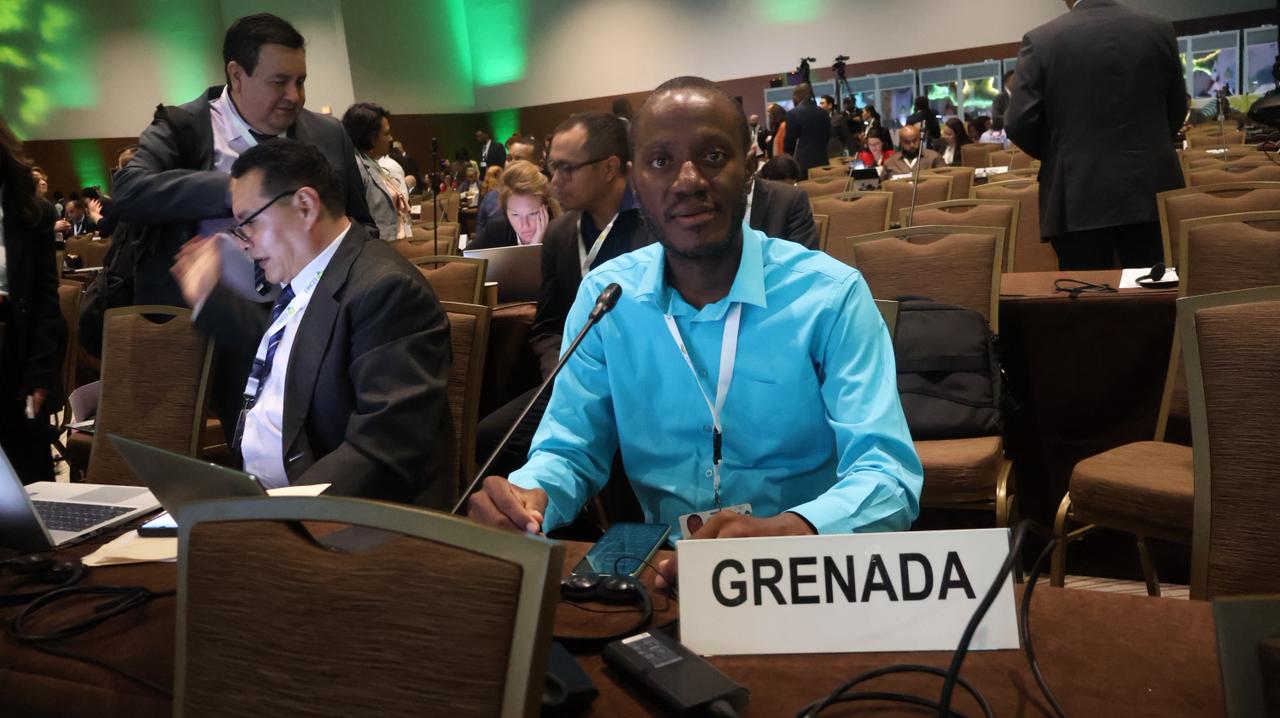
    Grenada’s innovative approach to combating land degradation has drawn international attention at the 23rd session of the Committee for the Review of the Implementation of the Convention (CRIC 23) of the United Nations Convention to Combat Desertification (UNCCD), currently underway in Panama.

    Joseph Noel, Grenada’s National Focal Point to the UNCCD, presented the nation’s comprehensive strategy addressing the dual challenges of developmental pressures and climate change impacts. “Pressures on land for agriculture, housing, infrastructure and tourism development continue to intensify alongside the devastating impacts of climate change and climate variability,” Noel stated during his address to the international assembly.

    The island nation has implemented three strategic initiatives through its Ministry of Agriculture, Lands and Forestry with partner support. These include the Caricom 25 by 25+5 Initiative, Caribbean SOILCARE Phases I & II funded by the Global Environment Facility (GEF), and the Caribbean Soil Information System (CARSIS). These programs are executed through the Partnership Initiative for Sustainable Land Management (PISLM) in collaboration with the Food and Agriculture Organization (FAO).

    Despite challenges including limited data availability and technical capacity constraints common to small island developing states, Grenada remains committed to its reporting obligations through the Performance Review and Assessment of Information System (PRAIS). Noel specifically acknowledged the support from organizations like PISLM and Apacheta, which have provided access to SIDS-specific, high-resolution datasets crucial for effective land management.

    Grenada continues to strengthen its national land governance systems while reinforcing international partnerships as it progresses toward its target of achieving Land Degradation Neutrality.

  • Diváli krijgt wereldwijde erkenning: sinds vandaag op UNESCO-lijst

    Diváli krijgt wereldwijde erkenning: sinds vandaag op UNESCO-lijst

    In a landmark decision during its 20th intergovernmental committee meeting in New Delhi (December 8-13, 2025), UNESCO has officially inscribed Deepavali (Diwali) on its Representative List of the Intangible Cultural Heritage of Humanity. The announcement was formally communicated by Indian Ambassador Subhash Gupta in Paramaribo, marking a significant global recognition for the festival of lights.

    Ambassador Gupta emphasized that UNESCO’s designation confirms Deepavali as a living tradition that continues to uplift hearts and minds worldwide. He characterized the festival not merely as an Indian celebration but as an integral component of Surinamese culture, representing enduring historical bonds and shared heritage between Suriname and India. Both nations, he noted, deeply connect with the festival’s universal themes: hope over despair, knowledge over ignorance, and light over darkness.

    Radjen Baldew, Chairman of the Hindu Media Organization (OHM), expressed elation at this international acknowledgment, describing it as an honor recognizing Deepavali as tangible cultural heritage not only for Sanátan Dharmis (Hindus) but for the entire global community. He extended congratulations to all who uphold the religious and spiritual values embodied by the festival.

    Indian Prime Minister Narendra Modi reinforced the significance through his social media platform, stating: “For us, Deepavali is intrinsically linked to our culture and values. It represents the very soul of our civilization, embodying enlightenment and justice.” He predicted this UNESCO recognition would further amplify the festival’s global popularity.

    Ambassador Gupta highlighted Suriname’s particular connection to Deepavali, noting the Indian embassy’s consistent participation in local celebrations through prayers, cultural performances, and community gatherings. He referenced the lighting of the world’s largest diya (lamp) using ghee at Independence Square as a symbol of this engagement. Gupta further praised Suriname’s official recognition of Deepavali as a national holiday, demonstrating the country’s commitment to inclusivity and appreciation for its Indian-descended population.

    Globally, Indian diplomatic missions are celebrating this achievement with various events. In Suriname, the embassy is collaborating with the Swami Vivekananda Indian Cultural Center for an evening celebration at the Arya Diwaker Hall, open to all attendees from 6:30 PM. Ambassador Gupta concluded with a hopeful message: “May the light of Deepavali shine brightly and guide us toward growth and peace.”

  • IICA, joins partners to promote tech solution to strengthen Costa Rica’s agri-food industry

    IICA, joins partners to promote tech solution to strengthen Costa Rica’s agri-food industry

    San José, Costa Rica – A strategic alliance of leading institutions has launched a comprehensive initiative to revolutionize Costa Rica’s agricultural sector through technological innovation. The Inter-American Institute for Cooperation on Agriculture (IICA), in partnership with the National Training Institute (INA), the Foreign Trade Promotion Agency (PROCOMER), and the Costa Rica–United States Foundation (CRUSA), recently convened the “Strengthening Costa Rica’s Agrifoodtech Ecosystem” event at IICA’s headquarters.

    The gathering showcased ten pioneering startups demonstrating cutting-edge solutions designed to address critical challenges in productivity, sustainability, and efficiency within the agri-food industry. This collaborative effort forms part of the broader Agrifoodtech initiative, specifically designed to accelerate market entry for innovative solutions and support the expansion of emerging agricultural technology enterprises.

    Lloyd Day, Deputy Director General of IICA, emphasized the global context driving these innovations: “Over the next 25 years, food production must double to meet worldwide demand. AgriTech startups will be absolutely pivotal in this endeavor. I maintain optimism that we can produce while protecting our planet—thanks to courageous individuals who study, invest, and make sacrifices to produce more with less.”

    The event highlighted remarkable technological diversity across multiple domains. Biovenko presented biotechnology solutions for enhanced crop growth and pest management, while Ag Tech introduced nanotechnology applications to streamline agricultural processes. Digital transformation was represented by S&G Solutions’ integrated platform for agro-industrial operations management and ROSSMON’s artificial intelligence tools for early crop disease detection.

    Mechanization and automation advances included Roldma Consultores’ modernization services and Green Xpo Lab’s integrated systems combining drone technology, satellite imagery, and data analytics for precision agriculture. The livestock sector saw innovations from H&A Química y Ambiente, offering comprehensive traceability platforms and sustainable agriculture consulting.

    Circular economy solutions emerged through Innovaciones Circulares’ technology converting pig farm residuals into high-value fertilizers for degraded soils. Cultura Fungi showcased their family-operated venture producing agrochemical-free gourmet and medicinal mushrooms.

    Byron Salas, CRUSA’s Executive Director, outlined three critical development areas: “First, our tremendous potential for innovation with global relevance; second, the need for an ecosystem that provides capital, prototyping models, and supportive policies; and third, the urgency of promoting women’s leadership in entrepreneurship by removing barriers to opportunity.”

    Participants reported significant benefits from the acceleration program. Lizzy Retana, Biovenko co-founder, noted: “The program provided essential tools for fundraising and internationalization strategies.” Similarly, Ana Cristina Trejos of Cultura Fungi emphasized: “This initiative pushed us to consider global market expansion while offering unparalleled guidance on legal matters and capital acquisition.”

    The event attracted over 100 participants and featured presentations demonstrating Costa Rica’s growing capacity for agricultural innovation that balances productivity with environmental stewardship.

  • U.S. ICE Arrests Several Belizeans with Serious Criminal Records

    U.S. ICE Arrests Several Belizeans with Serious Criminal Records

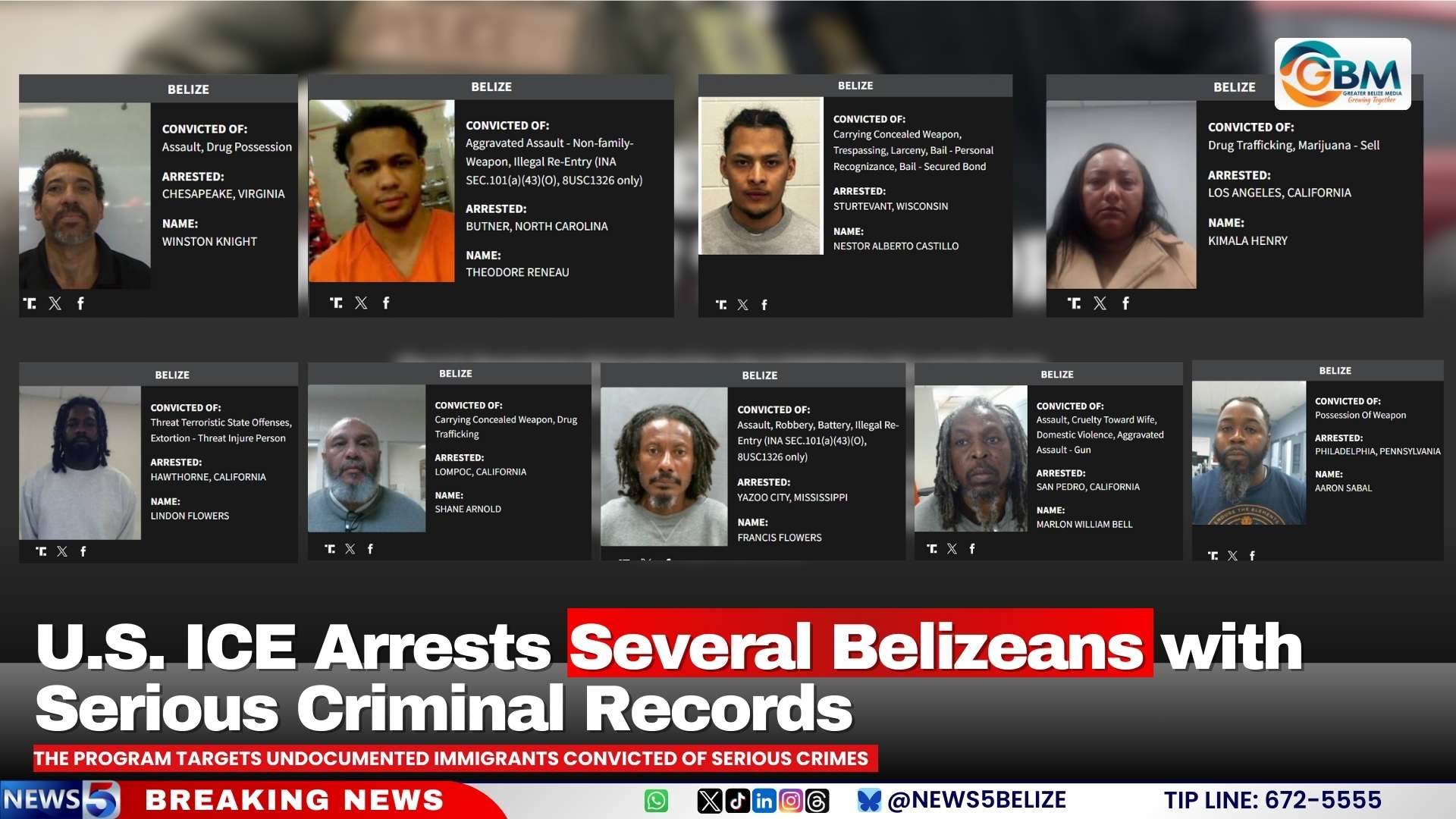
    In a significant enforcement operation spanning multiple U.S. states, Immigration and Customs Enforcement (ICE) has apprehended numerous Belizean nationals identified as high-risk offenders. This coordinated action forms part of the Department of Homeland Security’s (DHS) ongoing “Worst of the Worst” initiative, which prioritizes the identification, arrest, and removal of undocumented immigrants convicted of severe criminal acts, particularly those involving violence and repeated offenses.

    DHS officials confirmed that the operation specifically targeted individuals deemed substantial threats to community safety. The apprehended individuals, whose arrests occurred over a five-year period, are now undergoing prosecution prior to formal deportation processes. The agency emphasized that the enforcement drive is strictly based on criminal history and threat level, not nationality, applying equally to all undocumented immigrants who meet the criteria.

    The list of those detained includes multiple offenders with extensive criminal records:

    – Nestor Alberto Castillo (Wisconsin): Convictions for concealed weapon possession, trespassing, larceny, and bail violations.
    – Jomo Avila (California): Found guilty of sexual assault, aggravated domestic assault, failure to register as a sex offender, and child molestation.
    – Akeem Garnett (California): History of domestic violence, residential burglary, and illegal re-entry.
    – Aaron Sabal (Pennsylvania): Weapon possession conviction.
    – Marlon William Bell (California): Assault, spousal cruelty, domestic violence, and aggravated assault with a firearm.
    – Carlos Gomez (Kentucky): Aggravated assault and crimes against persons.
    – Francis Flowers (Mississippi): Assault, robbery, battery, and illegal re-entry.
    – Shane Arnold (California): Carrying a concealed weapon and drug trafficking.
    – Winston Knight (Virginia): Assault and drug possession.
    – Kimala Henry (California): Drug trafficking and possession with intent to distribute marijuana.
    – Ashley Rivers (Florida): Larceny and drug possession.
    – Lindon Flowers (California): Terroristic threats and extortion.
    – Theodore Reneau (North Carolina): Aggravated assault and illegal re-entry.

    This operation underscores ICE’s continued focus on enhancing public security by removing individuals with demonstrated histories of violence and criminal behavior from communities across the United States.

  • Agrarisch bedrijf Defensie krijgt impuls met nieuwe investeringen

    Agrarisch bedrijf Defensie krijgt impuls met nieuwe investeringen

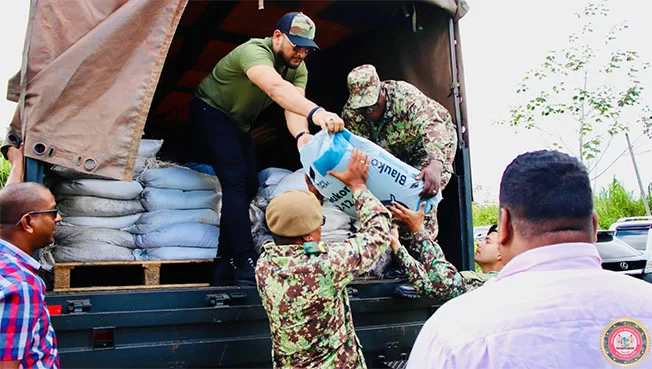
    In a significant move to bolster national food security and military self-sufficiency, Defense Minister Uraiqit Ramsaran personally oversaw the delivery of substantial agricultural resources to the Von Freyburg Defense Agricultural Enterprise in Saramacca on Tuesday. The deployment included fertilizers, operational equipment, and other essential supplies exactly one month after the minister’s initial inspection visit.

    The delivery fulfills Ramsaran’s previous commitment to modernize the defense agricultural sector. The occasion was marked symbolically by the planting of inaugural almond trees, initiating a comprehensive development project integrating recreation, education, and community engagement.

    ‘These represent not merely symbolic gestures but concrete investments toward establishing a modern, autonomous, and efficient agricultural center within our Defense infrastructure,’ Minister Ramsaran declared. ‘Today we advance further toward complete self-sufficiency—not as aspirational concept but as achievable objective through targeted actions and collective effort.’

    The minister outlined a vision for Von Freyburg to evolve into a multifunctional facility where both military personnel and civilians can learn, recreate, and take pride in developmental achievements. In collaboration with the Ministry of Agriculture, Livestock and Fisheries, greenhouse installations are scheduled for imminent implementation to facilitate modern, efficient cultivation methodologies.

    Ramsaran emphasized the triple focus on enhanced production output, superior quality standards, and increased operational independence. ‘Our objectives extend beyond agricultural production alone. We are creating an environment where recreation, education, and community development converge, thereby progressively building a stronger Defense institution,’ he concluded.

  • Briceño Defends Mai’s Resignation Once More

    Briceño Defends Mai’s Resignation Once More

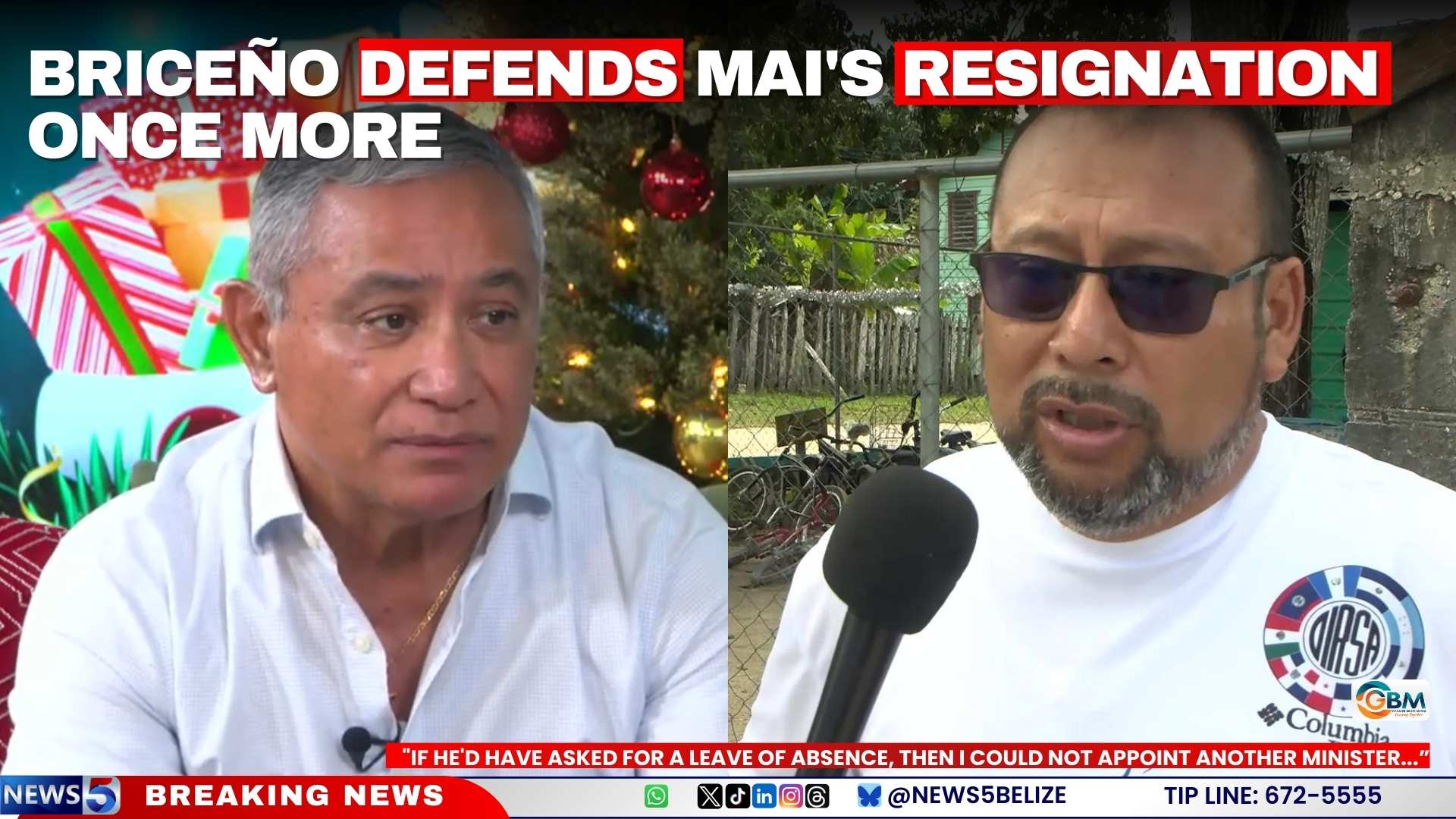
    Prime Minister John Briceño has once again publicly addressed the controversial resignation of former Agriculture Minister Jose Mai, seeking to quell ongoing speculation about the circumstances surrounding his cabinet departure several weeks ago.

    During a recent appearance on the ‘Open Your Eyes’ morning program, Briceño provided constitutional clarity regarding ministerial procedures, explaining that a formal resignation was necessary rather than a leave of absence. “Had he requested temporary leave, I would have been unable to appoint a replacement minister,” Briceño stated. “A leave of absence maintains ministerial status, necessitating a full resignation for cabinet restructuring.”

    The Prime Minister vehemently denied circulating allegations connecting Mai to cartel activities, dismissing them as “a narrative that lacks truth.” Despite persistent public scrutiny, Briceño maintained philosophical perspective: “We operate within a democratic framework where questioning is inevitable. Perhaps I should have permitted Minister Mai to personally articulate his reasons rather than attempting to provide explanations on his behalf.”

    Briceño further refuted claims that Mai’s oversight of the sugar portfolio influenced his departure, asserting the resignation “bears no connection” to these responsibilities. Instead, the Prime Minister highlighted Mai’s substantial contributions to agricultural development, describing him as “the most successful Agriculture Minister in the nation’s history” whose legacy is being overshadowed by current speculation.

    In a related development, Mai broke his silence during an exclusive interview this Tuesday, categorically denying all allegations against him. The former minister declared: “I have committed no wrongdoing or illicit activities, and no evidence exists to substantiate these claims.” Regarding potential political return, Mai expressed initial hesitation but suggested possible reinstatement within approximately twelve months following successful spinal surgery recovery.

  • DCA Demolishes Pringle Tent Amid Rising Tensions at Morris Bay

    DCA Demolishes Pringle Tent Amid Rising Tensions at Morris Bay

    Antigua’s political climate grew increasingly tense on Tuesday afternoon when state authorities dismantled a beachfront tent structure belonging to opposition parliamentarian Jamale Pringle at Morris Bay. The Development Control Authority (DCA), accompanied by police personnel, executed the removal operation while Pringle was engaged in parliamentary proceedings for the national budget debate.

    Eyewitness accounts confirm DCA officials arrived at the location shortly after noon and systematically disassembled the temporary structure without physical confrontation. The incident rapidly gained attention through community networks, drawing multiple opposition legislators to the scene where they consulted with gathered constituents.

    Local residents and vendor operators expressed profound apprehension following the demolition, interpreting the action as indicative of a broader regulatory crackdown on informal beachfront structures. Many voiced economic concerns, highlighting the potential threat to livelihoods dependent on coastal vending activities amidst current financial pressures.

    Neither the DCA nor law enforcement agencies have released official statements regarding the legal basis or timing of the enforcement action. The absence of public explanation has further intensified discussions regarding beach access regulations and property rights along Antigua’s coastline.

    The incident occurs against a backdrop of ongoing legislative discussions concerning public space utilization and commercial vendor regulations, highlighting escalating tensions between governance policies and community economic practices.

  • STATEMENT: CARICOM SG  Human Rights Day  ‘Human rights: our everyday essentials’

    STATEMENT: CARICOM SG Human Rights Day ‘Human rights: our everyday essentials’

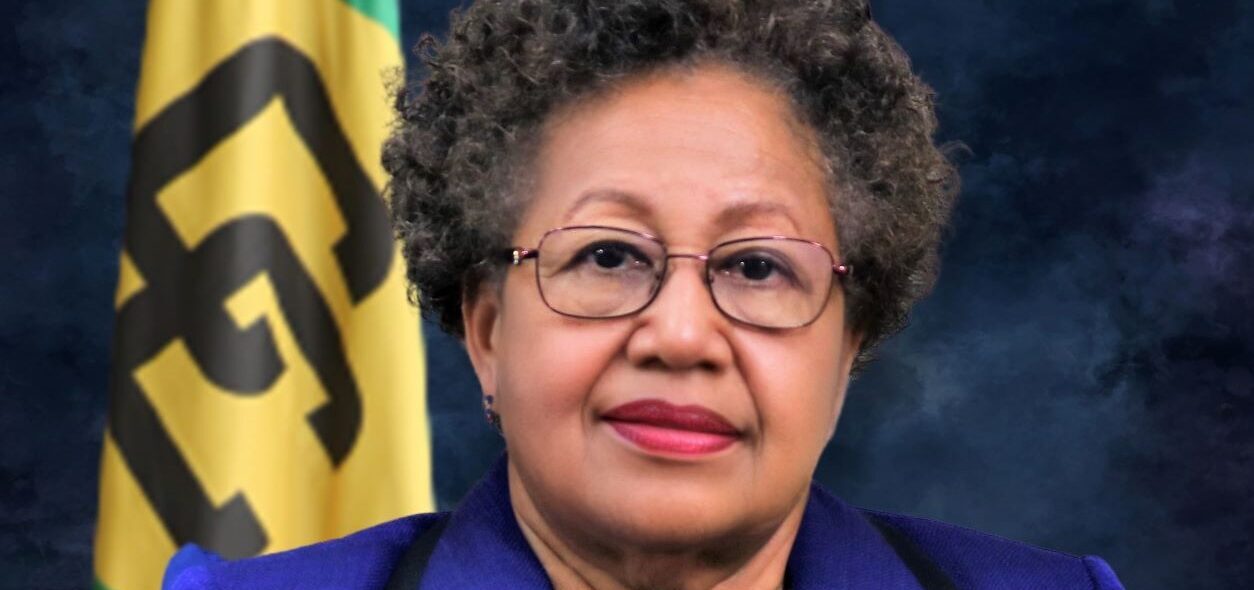
    On the occasion of Human Rights Day, CARICOM has issued a powerful reaffirmation of its dedication to upholding fundamental freedoms across Caribbean nations. Dr. Carla N. Barnett, representing the Caribbean Community, emphasized that the Universal Declaration of Human Rights (UDHR) continues to serve as the cornerstone document establishing essential entitlements including education, healthcare, and adequate living standards—critical components for societal advancement throughout the region.

    The declaration highlights that human rights principles are fundamentally rooted in equality, non-discrimination, and inclusion. While Caribbean nations have made significant strides in dismantling systemic barriers and enhancing participation among marginalized populations—including women, Indigenous communities, and persons with disabilities—persistent discrimination based on gender identity, sexual orientation, and economic status continues to impede the full realization of human rights for all citizens.

    CARICOM’s statement underscores the necessity of engaging younger generations in human rights advocacy, stressing that sustainable progress demands the active incorporation of youth perspectives in civic processes and decision-making frameworks at all governance levels.

    The organization also addressed emerging digital-age challenges, noting that the rapid expansion of information technology necessitates heightened focus on protecting privacy, combating online harassment and misogyny, and countering the proliferation of misinformation that threatens democratic values.

    This commemoration serves as both a reminder and call to action for the continuous global pursuit of dignity, freedom, and justice—elements intrinsically connected to human development and individual liberties. CARICOM maintains its unwavering commitment to promoting and safeguarding these fundamental rights as it works toward building a more equitable Community for all Caribbean peoples.

  • Alliances Francaises meeting held in Grenada to strengthen ties across region

    Alliances Francaises meeting held in Grenada to strengthen ties across region

    Grenada recently hosted a landmark gathering of Alliance Française directors from across the English-speaking Caribbean, marking a significant step in strengthening cultural and linguistic cooperation throughout the region. The RÉZO seminar, held throughout October, brought together leadership from ten Caribbean nations under the supportive guidance of the French Embassy’s Service de Coopération et d’Action Culturelle (SCAC).

    The three-day summit served as a dynamic platform for enhancing collaboration between the extensive Alliances Françaises network and French diplomatic cultural services. Participants engaged in profound dialogue centered on listening and mutual cooperation, working collectively to develop innovative strategies and projects. Their shared vision focused on creating a more inclusive, modern, and accessible French-speaking Caribbean that fully embraces multilingual diversity.

    Christiane Bourgeois, Regional Counsellor for Cooperation and Cultural Action at the French Embassy, emphasized the crucial role these institutions play in fostering cultural, educational, scientific, and economic connections. She highlighted how French priorities—including cultural promotion, sustainability, and human rights—align closely with the specific needs of Caribbean nations. Bourgeois particularly stressed the fundamental importance of dedicated local individuals in bringing the vibrant French-speaking community to life throughout the region.

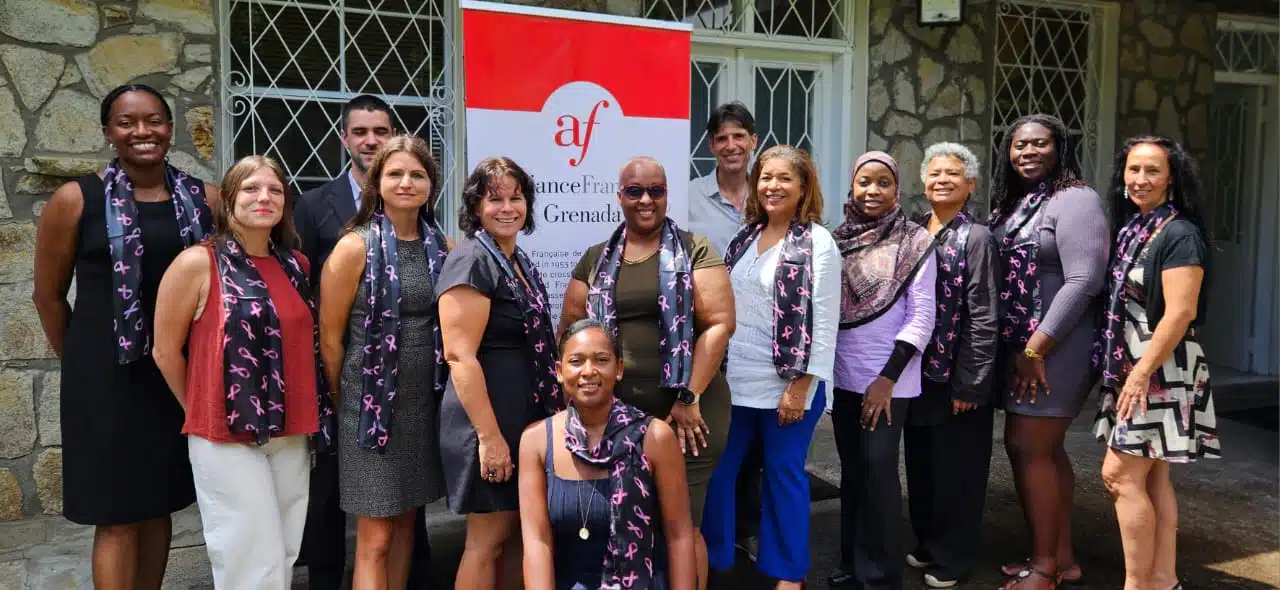
    The event featured significant symbolic gestures, including Bourgeois’s presentation of Pink October scarves, bracelets, and pins to Alliance directors. These items, in the signature pink colors, represented shared commitment and solidarity in the fight against breast cancer, demonstrating the network’s engagement with important social health issues.

    Jean-François Hans, Geographical Delegate at the Fondation des Alliances Françaises, joined remotely from Paris to reinforce the importance of maintaining continental cohesion and solidifying global presence. He underscored the Foundation’s role in upholding shared values, governance standards, and visual identity while supporting local teams to ensure consistent quality and ethics worldwide.

    The gathering notably addressed the unique challenges and opportunities within the Caribbean context, where logistical and human resource challenges are balanced against exceptionally rich cultural and linguistic diversity. Directors from Grenada, Saint Lucia, Barbados, Suriname, Saint Kitts and Nevis, Dominica, Trinidad and Tobago, Guyana, Jamaica, and Saint Vincent and the Grenadines shared insights on everyday operational challenges, local pride, and collective commitment to alliance strengthening.

    With origins dating back to 1883, the Alliances Françaises network now operates in over 135 countries with more than 820 branches globally, making it the world’s largest cultural network. In the English-speaking Caribbean alone, these ten alliances serve over 1,000 language learners annually while organizing hundreds of cultural events that promote French language and Francophone cultures throughout the region.