
作者: admin

  • Unión Médica performs the first robotic spine surgery in the Dominican Republic and the Caribbean

    Unión Médica performs the first robotic spine surgery in the Dominican Republic and the Caribbean

    SANTIAGO, DOMINICAN REPUBLIC – In a landmark achievement for Caribbean medicine, Clínica Universitaria Unión Médica del Norte (CUUMN) has successfully performed the region’s first robotic-assisted spine surgery using GLOBUS MEDICAL’s cutting-edge Excelsius GPS® system. This revolutionary procedure establishes the Dominican Republic as a leader in advanced spinal surgical technology.

    The groundbreaking operation was conducted by distinguished spinal surgeons Dr. Iohan S. Fernandez R. and Dr. Osmar Corona, who executed a minimally invasive posterior lumbar arthrodesis (MISS-TLIF) at the L4–L5 and L5–S1 levels. This sophisticated technique represents one of the most significant advancements in contemporary spinal surgery methodology.

    The Excelsius GPS® robotic navigation platform delivers millimeter-level precision during implant placement, substantially reducing reliance on continuous X-ray imaging. This technological innovation minimizes radiation exposure for both patients and medical personnel while enhancing procedural safety.

    This state-of-the-art system combines a fully stabilized robotic arm with integrated 3D and 2D navigation capabilities, optimizing the safety, efficiency, and reproducibility of spinal interventions. International clinical studies have demonstrated nearly 100% accuracy in lumbar fixation system placement alongside notable reductions in surgical duration.

    Patient benefits include reduced morbidity rates, lower infection risks, diminished postoperative pain, and accelerated recovery timelines. The minimally invasive approach facilitates smaller incisions, decreased blood loss, and minimal soft tissue damage, enabling patients to resume normal activities significantly faster.

    The historic procedure was supported by a multidisciplinary medical team comprising:
    – Dr. Iohan Sahil Fernández Román, Spine Surgeon
    – Dr. Osmar Corona, Spine Surgeon
    – Dr. Francisco Basora, Neurosurgeon
    – Dr. Saira Pérez, Anesthesiologist
    – Additional specialists including neurophysiologists, radiologists, and surgical technicians

    This medical milestone positions Clínica Universitaria Unión Médica del Norte as a pioneering institution in robotic spinal surgery, establishing new standards for medical innovation throughout the Caribbean region. The acquisition of the Excelsius GPS® system – the first of its kind in the Dominican Republic and Caribbean – reinforces the institution’s commitment to academic excellence, research advancement, and world-class medical care.

  • Low temperatures: Trough will bring isolated showers

    Low temperatures: Trough will bring isolated showers

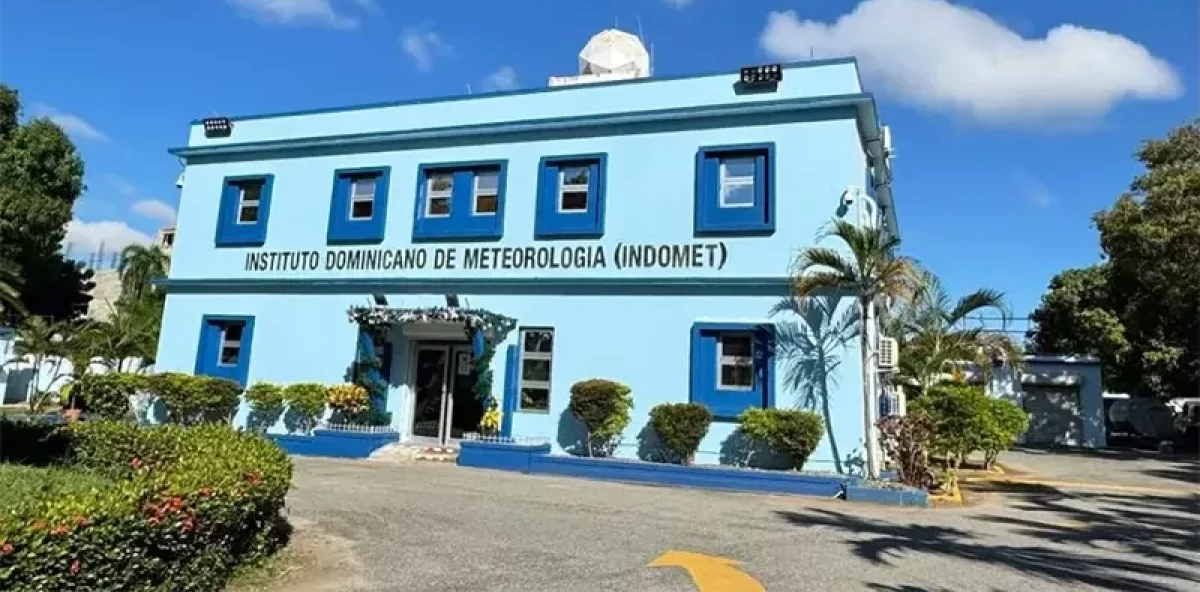
    The Dominican Institute of Meteorology (Indomet) has issued a weather advisory forecasting isolated showers accompanied by thunderstorms and gusty winds across multiple provinces on Thursday. Affected areas include La Altagracia, Hato Mayor, Samaná, María Trinidad Sánchez, Monte Plata, San Cristóbal, Peravia, Duarte, La Vega, Monseñor Nouel, San José de Ocoa, Sánchez Ramírez, Azua, Santo Domingo, and the National District.

    Meteorological analysis indicates this weather pattern will commence during morning hours with precipitation intensity expected to increase significantly throughout the afternoon. The atmospheric disturbance is attributed to a mid-level tropospheric trough system interacting with prevailing east/northeast wind patterns, creating optimal conditions for convective development.

    Temperature readings are projected to remain seasonally low, particularly during nocturnal and early morning periods. Mountainous regions and valleys will experience the most notable temperature decreases due to topographic influences and seasonal factors. Minimum temperatures are forecast between 20°C and 22°C, while maximum temperatures will range from 30°C to 32°C.

    Separately, the National Meteorological Service has issued a maritime warning for Atlantic coastal waters. Operators of fragile, small, and medium-sized vessels are advised to exercise extreme caution due to developing abnormal wave conditions that may pose navigation hazards. Marine operators should monitor updated forecasts and consider altering voyage schedules until oceanic conditions stabilize.

  • Veel kritiek in DNA op initiatiefwet Duurzaam Natuurbeheer: terug naar tekentafel

    Veel kritiek in DNA op initiatiefwet Duurzaam Natuurbeheer: terug naar tekentafel

    Suriname’s National Assembly witnessed intense parliamentary debate on Friday regarding the proposed Sustainable Nature Management Act, with widespread concerns about legislative preparation, institutional power imbalances, and inadequate protection for indigenous communities.

    The contentious legislation, designed to replace the outdated 1954 Nature Conservation Act, faced scrutiny from multiple parliamentary factions. Rossellie Cotino (NDP), chair of the rapporteurs committee, acknowledged Suriname’s need for modern environmental legislation to maintain its status as a heavily forested nation with minimal deforestation. However, she highlighted significant flaws in the current proposal.

    Central to the criticism was the concerning concentration of power within the National Environmental Authority (NMA). Cotino and other assembly members questioned why the legislation didn’t instead strengthen the existing Forest Management Agency (LBB) and establish clear management under a single organization. This overlap, critics warned, could create operational tension between LBB and NMA.

    Additional concerns included insufficient coordination with existing legislation such as the Hunting Act and Animal Protection Act, and the unusual absence of specified ministerial responsibility for implementation—a standard provision typically included in final provisions.

    Jerrel Pawiroredjo (NPS faction leader) emphasized that legislation shouldn’t be rushed, even with potential external funding at stake. International environmental organizations have pledged $20 million for sustainable projects, contingent on proper legislation. Parliamentary members, including Assembly President Ashwin Adhin, unanimously asserted that parliament wouldn’t be pressured by external factors.

    The legislation’s treatment of indigenous rights emerged as another critical issue. Jennifer Vreedzaam (NDP) delivered sharp criticism regarding the inadequate implementation of the Free, Prior and Informed Consent (FPIC) principle, noting that parliament had recently extensively debated the importance of consultation with indigenous and tribal peoples. She emphasized that FPIC represents a fundamental legal principle rather than optional consultation.

    Tashana Lösche (NDP) noted that while the law references areas traditionally used by indigenous and tribal communities, it fails to specify their exact locations or establish formal boundary demarcation. Steven Reyme (A20) questioned why the proposal doesn’t explicitly recognize collective land and usage rights, despite Suriname’s international obligations.

    One of the initiative’s proponents, Wedperkash Joeloemsingh (NDP), acknowledged during consultations that the law requires amendments and thanked members for their critical contributions. He emphasized that the legislation wasn’t intended as rushed work and wasn’t related to financial considerations, but rather aimed to establish clear responsibility allocation.

    The session has been adjourned until Monday for further deliberation.

  • Dominican Republic has its own version: Why has sangria become so popular in Dominican celebrations?

    Dominican Republic has its own version: Why has sangria become so popular in Dominican celebrations?

    In the vibrant social landscape of the Dominican Republic, sangria has undergone a remarkable tropical transformation, evolving from its European origins into a distinctly Caribbean celebration staple. While Spain and Portugal claim historical ownership of this beloved beverage, Dominican mixologists have masterfully reinterpreted the formula to align with local preferences and climate conditions.

    According to Edili Sánchez, a Tourism and Hotel Administration graduate and professional bartender, the Dominican version represents a significant departure from its Mediterranean ancestor. “Our sangria takes inspiration from the Spanish tradition but undergoes substantial adaptation to suit Dominican tastes,” Sánchez explains. “Where traditional sangria tends to be drier and more balanced, we’ve developed a profile that emphasizes aromatic intensity, fruit-forward characteristics, and subtle sweetness—perfect for chilled consumption during extended social gatherings.”

    The Dominican iteration incorporates several distinctive local elements that define its character:

    – Abundant tropical fruits including pineapple, watermelon, and occasionally mango
    – Incorporation of natural fruit juices alongside wine
    – Addition of rum or other regional spirits rather than exclusively brandy
    – Enhanced sweetness levels and generous ice portions suited to tropical climates

    These modifications create a more approachable, refreshing beverage that appeals even to those who typically avoid wine-based drinks.

    Sánchez emphasizes sangria’s natural alignment with Dominican social culture. “It’s fundamentally a communal drink—prepared in large pitchers, served in quantity, and perfectly complementing our tradition of extended conversation accompanied by snacks and laughter,” she notes. The drink’s informal elegance makes it ubiquitous at diverse gatherings including birthdays, family events, weddings, and business functions.

    Despite its popularity, sangria hasn’t displaced rum—the undisputed champion of Dominican celebrations. Instead, it occupies a complementary niche as a lighter, more versatile option that appeals to mixed audiences during lengthy events. Sánchez, who created the Swing Cremoso by Edili brand, concludes: “Sangria discovered its particular niche as a sophisticated yet accessible alternative that reflects our preference for non-aggressive drinks that promote unhurried enjoyment and social cohesion.”

    The global recognition of World Sangria Day on December 20 provides annual opportunity to celebrate how this European classic has developed a unique Caribbean identity while maintaining its essential spirit of conviviality.

  • CARICOM Voices Concern Over US Entry Restrictions on Antigua and Barbuda, Dominica

    CARICOM Voices Concern Over US Entry Restrictions on Antigua and Barbuda, Dominica

    The Caribbean Community (CARICOM) has formally expressed apprehension regarding recent immigration measures enacted by the United States government. On December 16, 2025, the US issued a proclamation imposing partial entry restrictions on nationals from Antigua and Barbuda and the Commonwealth of Dominica, prompting a diplomatic response from the regional body.

    While acknowledging the sovereign right of nations to regulate border entry, CARICOM’s Bureau of the Conference of Heads of Government highlighted several significant concerns. The organization emphasized that the decision was implemented without prior consultation, despite the potential for adverse consequences on legitimate travel and people-to-people exchanges. The move is particularly troubling for these small island states, where such restrictions could substantially impact social and economic well-being.

    Additionally, CARICOM raised questions regarding the ambiguous status of existing visas beyond January 1, 2026, noting that the lack of clarity creates uncertainty for travelers and diplomatic relations. The regional group has called for immediate engagement between US authorities and the governments of affected nations to clarify the proclamation’s provisions and address outstanding issues.

    Reaffirming its commitment to international cooperation, CARICOM emphasized the importance of dialogue founded on mutual respect, shared interests, and adherence to the rule of law. The organization continues to prioritize regional prosperity and the welfare of Caribbean citizens through diplomatic channels, hoping to resolve the matter in accordance with the longstanding partnership between the United States and CARICOM member states.

  • Teething problems snag MV Konawaruk 1899

    Teething problems snag MV Konawaruk 1899

    In a strategic move reinforcing its territorial claims, Guyana officially commissioned the MV Konawaruk 1899 ferry on the Essequibo River this Friday, despite encountering operational challenges during its maiden voyage. The vessel, acquired from Greece for approximately US$5 million, was ceremoniously named to reference both a significant geographical area in Region Eight (Potaro-Siparuni) and the pivotal 1899 Arbitral Tribunal Award that established the land boundary with Venezuela.

    The commissioning ceremony, led by Prime Minister Mark Phillips, underscored the vessel’s symbolic importance in the ongoing territorial dispute with Venezuela, currently under deliberation at the International Court of Justice (ICJ). The ferry is designated to serve the Parika-Supenaam route, a critical transportation corridor for agricultural cargo including rice, paddy, and machinery from Region Two.

    However, the inaugural journey revealed significant technical shortcomings. At both the Parika and Supenaam terminals, vehicle access proved problematic due to misalignments between the ferry’s bow door and the docking facilities. Security vehicles risked damage during boarding, necessitating temporary wooden planks for safe passage. The most pronounced issue occurred at Supenaam Stelling, where the bow door failed to land flush with the bridge, causing a 15-minute delay and requiring direct intervention from Maritime Administration Director-General Stephen Thomas and engineering staff.

    Public Works Minister Juan Edghill confirmed that while adjustments had been made to mooring facilities to accommodate the newly acquired vessel, additional modifications would be necessary. The government’s naming convention for marine craft—after rivers and significant locations—continues with this acquisition. The existing Chinese-made Sabanto and Kanawan ferries will remain operational on the Parika-Supenaam route, with another Greek vessel expected next month for deployment on the Georgetown-North West District route.

  • ALERT : CFI warns the public about a scam

    ALERT : CFI warns the public about a scam

    The Investment Facilitation Center (CFI), Haiti’s official governmental investment promotion agency, has issued an urgent public warning regarding an elaborate financial scam operation that is fraudulently utilizing its institutional identity. This sophisticated scheme, primarily circulating through Facebook via the “Trading forex” page, promotes a bogus investment program under the deceptive title “Haiti Investment-CFI.

    The fraudulent operation lures potential victims with unrealistic promises of substantial financial returns through foreign exchange trading investments. In an official statement released on December 20, 2025, CFI authorities categorically denied any association with this criminal activity, emphasizing that the center neither offers such investment schemes nor solicits financial contributions from the public under any circumstances.

    CFI officials have characterized the unauthorized use of the agency’s name and official logo as both illegal and intentionally deceptive. The center has advised all citizens to exercise extreme caution and refrain from transferring any funds to the fraudulent organization.

    As Haiti’s legitimate government entity responsible for promoting and facilitating private investment, the CFI clarified its actual mandate focuses exclusively on assisting entrepreneurs and investors with administrative procedures and regulatory guidance. The agency emphasized it does not manage investment funds or guarantee financial returns, distinguishing its legitimate services from the false promises of the scam operation.

    The institution has directed the public to verify all communications through its authenticated channels, including its official Facebook presence at www.facebook.com/CFIHAITI and its primary website at www.cfi.ht, to confirm the legitimacy of any investment opportunity claiming CFI affiliation.

  • Court of Appeal Quashes Oscar Selgado Conviction Over Unfair Trial

    Court of Appeal Quashes Oscar Selgado Conviction Over Unfair Trial

    In a landmark judicial decision that has sent shockwaves through Belize’s legal community, the Court of Appeal has unanimously overturned the conviction of attorney Oscar Selgado, declaring his original trial fundamentally unfair and in violation of constitutional protections. The appellate court’s scathing judgment, delivered on December 19, 2025, exposed critical flaws in the judicial process that led to Selgado’s controversial ten-year sentence for abetment of murder.

    The case centered on allegations that Selgado solicited the murder of Marilyn Barnes, a key witness in disciplinary proceedings that threatened his legal career. Prosecutors had argued that Selgado offered legal services to Giovanni Ramirez in exchange for carrying out the killing. However, the appellate judges determined that the trial court improperly admitted hearsay evidence after accepting that Ramirez was too fearful to testify, thereby depriving the defense of cross-examination rights.

    The court identified multiple systemic failures, including the mysterious disappearance of critical video evidence from court custody and the reliance on unreliable voice identification techniques. In their strongly worded decision, the justices emphasized that ‘justice required more’ than the procedures followed in the original trial.

    The ruling mandates Selgado’s immediate release and bars any retrial, citing the unavailability of the key witness. This decision has ignited intense scrutiny of Belize’s justice system, raising troubling questions about evidence preservation, witness protection protocols, and the adequacy of legal safeguards for defendants. Legal experts are now examining the implications for future criminal proceedings and public confidence in judicial institutions.

  • Selgado Acquitted Amid Missing Evidence Controversy

    Selgado Acquitted Amid Missing Evidence Controversy

    The acquittal of Oscar Selgado has ignited serious concerns regarding procedural integrity within the justice system. After enduring over twelve months in pretrial detention, Selgado was released when critical audio evidence—reportedly held by four separate government departments—mysteriously failed to materialize in court.

    Legal representative Arthur Saldivar has launched a scathing critique of the evidentiary handling, suggesting systemic failure across multiple institutions. “The Director of Public Prosecutions possessed these recordings, as did the police department,” stated Saldivar. “The registry and magistracy also should have maintained copies. Yet none produced the evidence when required.”

    This case bears striking resemblance to the recent Budna controversy, where surveillance footage from four separate cameras similarly vanished from official records. Saldivar emphasized this pattern represents “a blatant undermining of the justice system” that effectively railroaded his client.

    While Selgado reserves all legal rights regarding his wrongful imprisonment, his immediate focus remains on caring for his ailing mother who suffered a stroke during his incarceration. The case continues to raise fundamental questions about evidence preservation protocols and accountability within law enforcement and judicial agencies.

  • Deadly Crashes Trigger Tough Rules for Prefab Transport

    Deadly Crashes Trigger Tough Rules for Prefab Transport

    A sweeping regulatory shift in Belize’s transportation policy has thrown the nation’s prefabricated home industry into disarray following two fatal nighttime accidents within a three-week period. The Ministry of Transport has mandated that all oversized prefab structures must now be disassembled into components before highway transport, effectively prohibiting the traditional practice of moving complete units.

    The abrupt policy change, implemented without industry consultation, has drawn fierce opposition from home construction leaders who describe the measures as catastrophic for their business models. Representatives from four major prefab manufacturers and a leading transport company from Spanish Lookout presented a unified front against the regulations, arguing that the rules essentially constitute a full operational shutdown.

    Industry executives maintain that their safety protocols exceed regulatory requirements, citing comprehensive lighting systems, multiple escort vehicles with strobe lights, and full illumination of transported homes. They contend that drunk driving—not inadequate safety measures—was the primary factor in the recent tragedies. The new requirements would fundamentally transform their operational methodology, potentially eliminating the cost advantages that make prefab homes accessible to Belizean consumers.

    Beyond immediate business impacts, stakeholders warn of cascading effects including increased consumer costs, disrupted government housing projects, and potential foreign investment withdrawal. The industry has requested formal communication and consultation with transport authorities, with a critical meeting scheduled for Tuesday to address the escalating crisis.