作者: admin

  • Cold temperatures to mark the end of 2025 across the country

    Cold temperatures to mark the end of 2025 across the country

    SANTO DOMINGO – An unseasonable cold snap has descended upon the Dominican Republic, with meteorologists attributing the phenomenon to a persistent polar air mass. According to expert analysis from Jean Suriel, the unusually cool conditions are forecast to extend through the final week of 2025, marking a notably chilly conclusion to the year.

    Substantial temperature drops have been recorded nationwide, with the mountainous interior experiencing the most severe conditions. The town of Constanza registered a brisk 7°C (approximately 45°F) in the early morning hours, while the high-altitude region of Valle Nuevo reported temperatures dipping below freezing. Other elevated areas consistently saw readings between 9°C and 13°C (48°F to 55°F).

    The Cibao region in the north witnessed lows ranging from 13°C to 17°C (55°F to 63°F). Notably, the cooling effect has even reached the typically warmer southern coastal zones, where overnight and early morning temperatures have fallen to between 18°C and 22°C (64°F to 72°F). This pattern underscores the extensive reach of the current meteorological system, affecting populations and agriculture across diverse climatic zones of the country.

  • Over 425,000 passengers pass through Las Américas Airport during Christmas season

    Over 425,000 passengers pass through Las Américas Airport during Christmas season

    Santo Domingo’s Las Américas International Airport (AILA) is witnessing unprecedented passenger volumes during this year’s Christmas season, primarily fueled by the massive return of the Dominican diaspora. Official data reveals that between December 1st and 23rd, the airport processed more than 425,000 travelers, with approximately 70% being Dominican nationals residing overseas—particularly in the United States and European countries. Projections indicate that diaspora travelers will constitute nearly 80% of December’s total passenger traffic, highlighting this annual homecoming tradition.

    Aerodom, the airport’s operator, reported exceptionally high activity during the first half of December alone, handling over 230,000 passengers and approximately 4,000 flight operations. While airport functions have maintained overall orderliness, some travelers experienced operational challenges including baggage delivery delays and confiscation of food items—particularly turkey meat—due to stringent agricultural health regulations implemented by the Ministry of Agriculture to protect domestic poultry production.

    In response to the seasonal surge, authorities have significantly enhanced health and security protocols. The Ministry of Public Health has intensified epidemiological surveillance at all arrival points, conducting symptom screenings for influenza-like illnesses and establishing coordinated response protocols with the national 9-1-1 emergency system. Simultaneously, the Specialized Airport and Civil Aviation Security Corps (CESAC) has bolstered security personnel and implemented reinforced control measures across AILA and other national airports to ensure safe and efficient passenger transit during this peak travel period.

  • COE reports high accident rate during first day of Christmas Safety Operation

    COE reports high accident rate during first day of Christmas Safety Operation

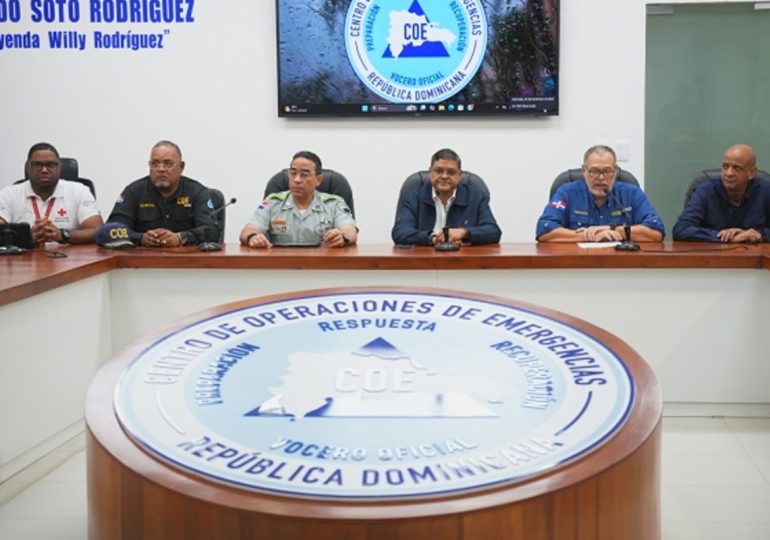
    SANTO DOMINGO – Dominican authorities reported a sobering toll from the inaugural 24-hour period of Operation Awareness for Life, the nationwide holiday safety initiative spanning Christmas and New Year 2025-2026. The Emergency Operations Center (COE) documented six fatalities and 63 traffic accidents between 6:00 AM December 24 and 6:00 AM December 25, underscoring the dangers of heightened seasonal road activity.

    Motorcycle-related incidents dominated accident statistics, constituting 48 of the total reported cases. Fatality analysis revealed three deaths each from motorcycle collisions and passenger vehicle accidents. Notably, only one death occurred within an established traffic safety checkpoint while five transpired beyond these controlled zones.

    Beyond traffic incidents, medical personnel addressed 165 poisoning cases – including 131 alcohol intoxication incidents (nine involving minors) and 34 food poisoning emergencies. Geographical distribution showed San Cristóbal, Santo Domingo, National District, San Pedro de Macorís, Duarte and Sánchez Ramírez as provinces with the highest incident concentrations.

    Preventative measures formed a crucial component of the operation. The National Institute of Transit and Transportation (Intrant) conducted nearly 8,000 public transport inspections nationwide, administering 321 substance tests to drivers which yielded six positive results. Simultaneously, Digesett traffic authorities performed over 8,200 traffic violation inspections, implemented vehicle impoundments for regulatory non-compliance, and delivered more than 10,000 roadside assistance interventions.

    Officials emphasized these statistics represent merely the operation’s initial phase, renewing urgent appeals for public vigilance and strict adherence to traffic regulations throughout the remainder of the holiday period.

  • Economy : Note on the monetary policy of the BRH (4th quarter 2024-2025)

    Economy : Note on the monetary policy of the BRH (4th quarter 2024-2025)

    Amid persistent global economic headwinds and domestic turmoil, Haiti’s Central Bank (BRH) has implemented a cautiously conservative monetary approach during the fourth quarter of 2024-2025. The international landscape remained constrained by ongoing geopolitical conflicts, restrictive trade measures, and diminished growth patterns, collectively exacerbating inflationary trends worldwide.

    Haiti’s internal situation presented even more severe challenges, with protracted socio-political unrest and widespread security instability severely constraining economic operations. These conditions have intensified price escalation pressures and dramatically worsened food scarcity across the nation.

    In response to these dual pressures, the BRH adopted a protective monetary strategy focused on preserving exchange rate consistency, curbing inflationary surges, and reinforcing the banking sector’s defensive capabilities. Economic metrics reveal a concerning trajectory: the Overall Economic Activity Indicator registered a 2.4% contraction during the first three quarters of the fiscal year.

    The human impact of this crisis is staggering, with official statistics indicating approximately 1.4 million internally displaced citizens and 5.7 million Haitians experiencing severe food insecurity—including one million children in critically vulnerable conditions.

    Inflation reached 31.9% annually by September 2025, representing a significant increase from the 28.4% recorded in June. This inflationary spiral stems from crippled domestic production capabilities and recurrent supply chain interruptions.

    Fiscal operations showed increased government spending (up 15.4%) alongside modest revenue growth (5.7%), while trade imbalances widened with exports declining 8.41% to $635.93 million and imports surging 10.78% to $3,642.7 million. Despite these pressures, the exchange rate remained notably stable at approximately 130.69 gourdes per U.S. dollar.

    Looking forward, Haiti’s economic recovery prospects remain intimately tied to global economic developments and—most critically—domestic security improvements. The central bank has committed to continuing its supportive stance toward small and medium enterprises and productive sectors including tourism, while maintaining its dual focus on exchange rate stability and inflation containment.

  • Aqueduct pipe rupture in Sabana Iglesia triggers emergency measures

    Aqueduct pipe rupture in Sabana Iglesia triggers emergency measures

    SANTIAGO PROVINCE – A critical infrastructure failure has triggered a large-scale emergency response in the Dominican Republic’s Santiago province. On Thursday, December 25th, at 11:20 a.m., the primary intake pipe of the Cibao Central aqueduct ruptured in the community of La Zanja, Sabana Iglesia.

    The Santiago Water and Sewerage Corporation (Coraasan) has confirmed the incident resulted in no human casualties. However, the severity of the damage prompted an immediate declaration of an emergency status for the area. Heavy machinery and specialized technical crews were swiftly deployed to the site to initiate urgent repair operations.

    This conduit is the principal raw water supply line for the Noriega and Dura Moca treatment systems, boasting a substantial conveyance capacity of 5 cubic meters per second—equivalent to 115 million gallons daily. Consequently, the rupture has forced the complete shutdown of both the Dura Moca and Cibao Central aqueducts.

    The service interruption has left an estimated 800,000 residents across multiple communities without access to running water, creating a significant public utility crisis. In parallel with the engineering efforts, Coraasan’s social management division is actively conducting on-the-ground assessments. Their mission is to evaluate the broader impact on local families and coordinate necessary aid and support services.

    Authorities have committed all available institutional resources to expedite the restoration process, though a definitive timeline for full water service resumption has not yet been established. The situation remains dynamic as repair work continues around the clock.

  • Nippes : Construction of the departmental incinerator for biomedical waste

    Nippes : Construction of the departmental incinerator for biomedical waste

    The Nippes Department of Haiti is witnessing a significant enhancement to its healthcare infrastructure with the ongoing construction of a specialized biomedical waste incineration facility. This strategic initiative, vigorously championed by Departmental Health Director Dr. Esther Ceus Dumont, represents a critical advancement in regional public health and environmental safety.

    During a recent inspection of the construction site, Dr. Dumont emphasized the facility’s vital role in establishing secure disposal protocols for medical waste generated by both public and private healthcare institutions. She characterized the incinerator as an indispensable tool for mitigating health hazards, safeguarding community wellbeing, and ensuring ecological preservation—addressing a longstanding deficiency in the department’s waste management capabilities.

    Financial backing for this essential project is provided by the World Bank, with operational oversight delegated to the Project Management Unit and Haiti’s Ministry of Public Health under Minister Dr. Sinal Bertrand. The Haitian construction company SOPEC PLUS has been entrusted with the physical execution of the project.

    The path to construction required considerable institutional coordination. The designated plot, adjacent to the Departmental Health Directorate offices, had been subject to unlawful occupation. Through Dr. Dumont’s determined leadership, a collaborative effort involving police, judicial authorities, the General Directorate of Taxes, and the Ministry of Planning successfully reclaimed the property for its intended public use.

    Construction is now advancing at an accelerated pace, reflecting the unwavering commitment of health authorities to see this crucial public health project through to completion, marking a new chapter in medical waste management for the Nippes region.

  • Justice : The Government releases 23 prisoners for the holiday season

    Justice : The Government releases 23 prisoners for the holiday season

    In a significant humanitarian gesture during the 2025 holiday season, Haitian authorities granted freedom to 23 individuals who had been held in prolonged pretrial detention for minor offenses. The releases occurred on December 24th following an extensive case review process conducted by a high-level government delegation.

    The delegation included Justice Minister Patrick Pélissier, Women’s Rights Minister Pedrica Saint Jean, Government Commissioner Fritz Paterson Dorval, and Court Dean Bernard Saint-Vil. Their visit to the Center for the Re-education of Minors in Conflict with the Law (CERMICOL) spanned several hours and involved meticulous examination of detention files.

    Those released included vulnerable populations specifically identified for clemency: five women, one minor girl, thirteen minor boys, and four men. All had been incarcerated for several years despite facing only minor charges. Justice Minister Pélissier emphasized that the government carefully excluded anyone accused of serious crimes including rape, violent offenses, or kidnapping from this holiday pardon initiative.

    The action was implemented in strict accordance with Haitian legal provisions, with officials noting they considered the complex legal, social, and human circumstances of each individual case. The releases represent both a compassionate holiday gesture and a practical step toward addressing Haiti’s chronic issue of prolonged pretrial detention, particularly affecting women and juveniles in the judicial system.

  • Butcher calls for action on meat imports amid sales ‘slump’

    Butcher calls for action on meat imports amid sales ‘slump’

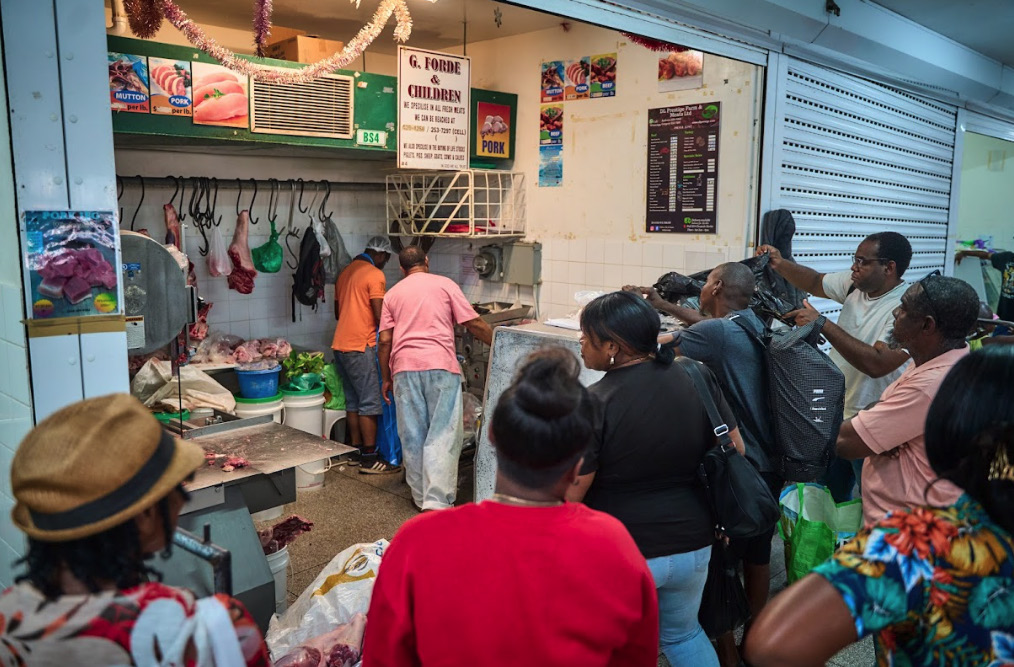
    Barbadian meat producers faced a challenging Christmas season despite apparent market activity, with local butchers reporting diminished sales attributed to overwhelming meat imports. Kadeem Layne of DL Prestige Farm and Meats Ltd., while acknowledging steady customer support, confirmed overall sales had declined compared to previous years during the crucial holiday period.

    The persistent influx of imported meat has created significant inventory challenges for small-scale farmers and butchers throughout Barbados. Unlike some producers who reduced output in response to market pressures, Layne maintained full production levels, resulting in substantial leftover pork inventory and live animals remaining on farms.

    A critical factor exacerbating the situation has been the termination of supermarket contracts with local producers. Layne revealed that this development has forced farmers to avoid selling at reduced prices, creating downstream challenges in funding reproduction cycles for future livestock.

    The local producer proposed two potential solutions: either reducing import volumes or establishing better coordination between importers and domestic producers. As an alternative approach, Layne suggested implementing a system where local surpluses are sold before introducing imported meats to the market.

    Contrary to assumptions about production capacity, Layne asserted that Barbados possesses sufficient livestock to meet national demand. The actual challenge lies in processing capabilities, particularly for premium cuts preferred by hospitality establishments. Tenderloins, spare ribs, and other high-end restaurant cuts require specialized processing consistency that currently creates market gaps filled by imports.

    Price instability has further complicated the landscape, with the standard pork price of $9.50 per pound undermined by occasional sales as low as $7 per pound due to oversupply pressures. Layne emphasized that such pricing is unsustainable long-term and called for enhanced support mechanisms to ensure the viability of Barbados’ local meat industry.

  • ‘Nick of time’: City retailers see late Christmas shopping surge

    ‘Nick of time’: City retailers see late Christmas shopping surge

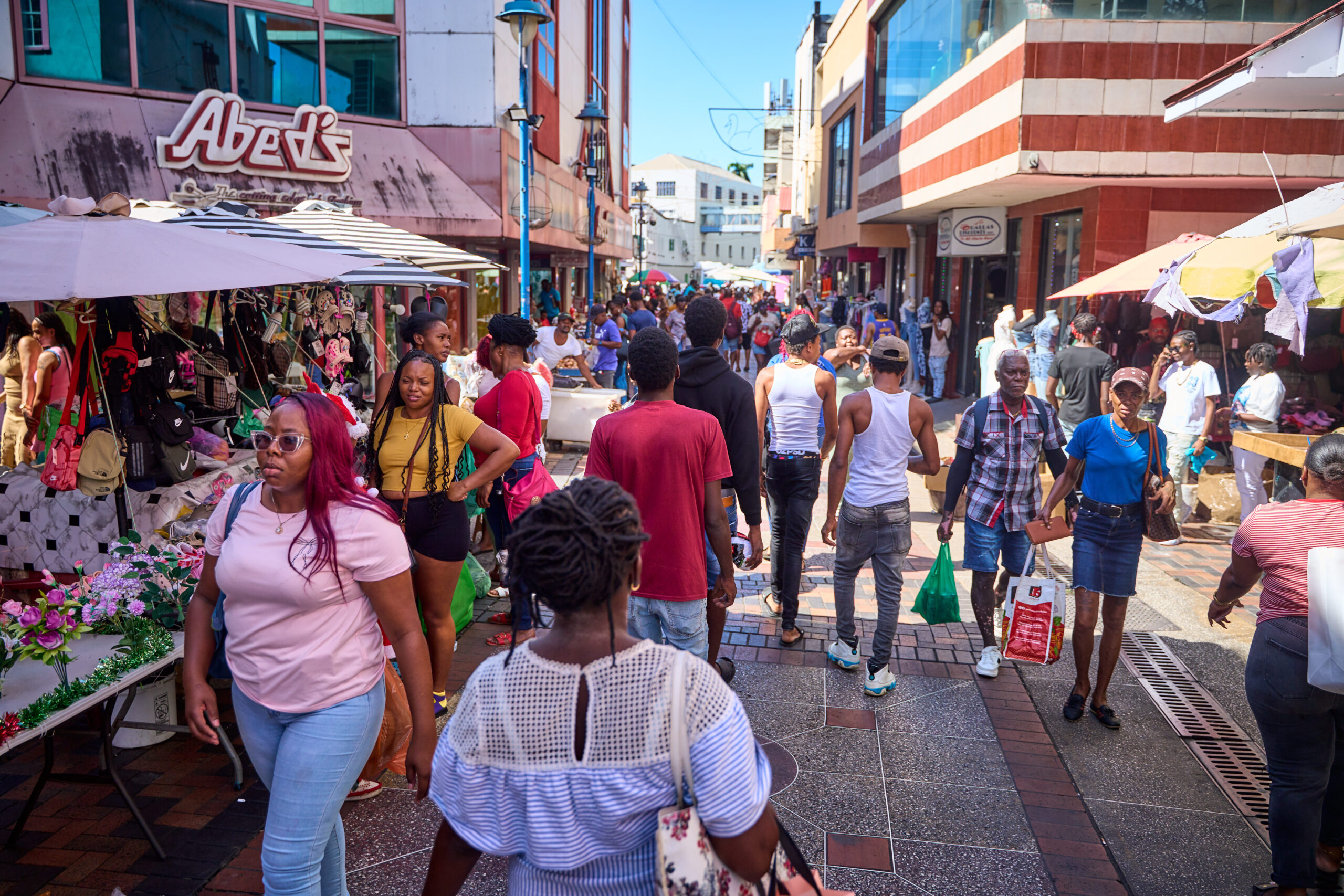
    Barbadian retailers witnessed a dramatic uptick in holiday shopping during the final days preceding Christmas, marking a significant shift from the cautious consumer behavior that characterized most of December. According to retail managers across Bridgetown, the delayed spending surge was primarily fueled by recent pay cycles and last-minute purchasing patterns that transformed the retail landscape in the week before the holiday.

    Stacey Wharton, Operations Manager at Bridgetown Duty Free, reported a noticeable transformation in shopping activity beginning December 18th, coinciding with typical pay periods for Barbadian workers. “December commenced rather quietly, but we observed a substantial increase in business around the 18th, which aligned with most Barbadians’ payday,” Wharton noted. While activity experienced a minor dip following the initial surge, foot traffic notably intensified again from Tuesday through Christmas Eve.

    Premium fragrances and cosmetics emerged as the season’s top performers, followed closely by designer leather accessories and children’s toys. Household items including curtains, bathroom mats, and tablecloths also experienced robust demand as consumers finalized their holiday preparations. The store’s complimentary gift-wrapping service proved particularly attractive to customers, necessitating the recruitment of 80-100 additional seasonal staff to manage increased volumes.

    At FW Woolworth, Managing Director Martin Bryan characterized the season’s first half as “subdued,” with meaningful activity materializing only during the final shopping days. Bryan reported strong sales in toys, clothing, toiletry sets, perfumes, and gift-wrapping supplies, though he suggested overall traffic appeared diminished compared to previous years.

    Supply chain complications emerged as a significant challenge across the retail sector. Hiranand Thani, proprietor of The Royal Shop, described an uneven season with fewer strong shopping days than typical years. “Our primary challenge this year involved securing inventory,” Thani explained. “For certain brands where we typically receive good supply, we encountered severe shortages. If we ordered five pieces of an item, we might receive only two.”

    Thani attributed these shortages to international supply and shipping constraints affecting shipments from the United States and Asia, including complications arising from tariff structures affecting distribution channels.

    Contrasting this narrative, Eddy Abed, Managing Director of Abeds, reported exceptionally strong performance across all three locations following months of strategic preparation. “Customer traffic became exceptionally robust over the past ten days,” Abed stated, describing demand as both “strong” and “sustained.” The retailer’s early operational planning, which began in November, and a nine-month procurement strategy helped mitigate supply chain disruptions affecting other retailers.

    Despite the last-minute surge, several retailers remained cautious about declaring the season an outright success, with many opting to withhold year-over-year comparisons until completing comprehensive post-holiday analyses.


  • Cheapside vendors report mixed sales as rising costs bite

    Cheapside vendors report mixed sales as rising costs bite

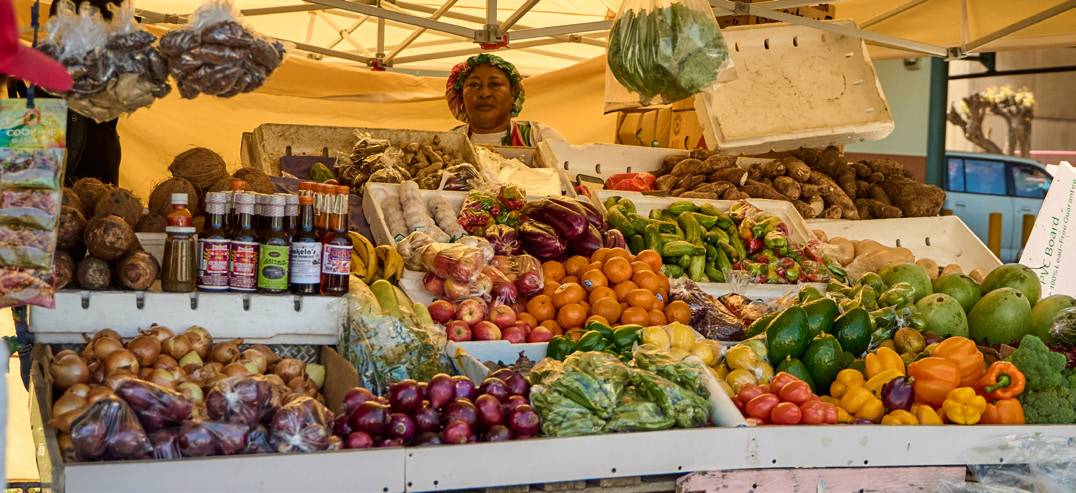
    Christmas shopping at Bridgetown’s Cheapside Market reveals a tale of contrasting fortunes this holiday season, with persistent inflation and tightened consumer budgets creating uneven trading conditions for local vendors. While foot traffic remains consistent, purchasing patterns show marked changes from previous years as shoppers grapple with elevated food prices.

    Multiple vendors report experiencing volatile business cycles, attributing the instability to sharp increases in produce costs—particularly for imported vegetables. Nadine Prince, one market operator, detailed how essential items like sweet peppers, flavor peppers, and local tomatoes have reached unprecedented prices, with some climbing to $12 per pound. This inflationary pressure has forced both sellers and customers to reconsider their purchasing habits, resulting in smaller transactions and quicker shopping trips.

    Consumer behavior has shifted noticeably, with shoppers prioritizing essential herbs and peppers over traditional root vegetables like yams and potatoes. Afua Merson observed that while sales haven’t collapsed completely, customers are making more calculated purchases, often adjusting their budgets to secure necessary items despite financial constraints.

    Amid the general trend of restrained spending, some vendors report more positive outcomes. Angela Greene described steady sales leading into Christmas, noting that success largely depends on stocking high-demand products that align with current consumer preferences.

    The overarching narrative emerging from the market underscores how macroeconomic pressures are reshaping festive traditions, with both vendors and customers demonstrating adaptability in the face of economic challenges while maintaining gratitude for continued community support.