During the 80th session of the UN General Assembly on September 23, 2025, U.S. President Donald Trump openly questioned the effectiveness of the United Nations, echoing sentiments shared by leaders worldwide. While acknowledging the UN’s potential, Trump criticized its inability to address critical global issues, particularly in resolving conflicts like the ongoing crisis in Gaza. His remarks highlighted a growing frustration with the organization’s perceived inefficacy, driven by the dominance of a few powerful states in the Security Council. This imbalance has led to the sidelining of the UN Charter and international humanitarian law, raising concerns about fairness and equity in global governance. The intensification of Israel’s operations in Gaza, coupled with a deepening humanitarian crisis, underscored these criticisms. Meanwhile, global diplomatic responses have broadened, with several nations, including the UK, Canada, and France, recognizing the State of Palestine. Trump argued that such recognition would reward Hamas, while most countries condemned Hamas but affirmed Palestinians’ right to statehood. The divergence extended to climate change, with Trump dismissing it as a ‘con job,’ contrasting sharply with small states’ urgent calls for action. China’s commitment to reducing emissions by 2035 was noted, but the U.S.’s retreat from climate leadership has left a void, allowing other nations to shape global norms. Despite these challenges, small Caribbean states continue to value the UN as a platform for advocacy, though its credibility is strained by uneven rule application and volatile financing. The UN remains indispensable for small states, but its limitations are increasingly apparent.
作者: admin
-

Antigua and Barbuda’s Kiara Kwenga to Represent at Regional Tourism Youth Congress
Antigua and Barbuda’s Junior Minister of Tourism, Kiara Kwenga, is set to represent her nation at the Caribbean Tourism Organization’s (CTO) Regional Tourism Youth Congress. The event, scheduled for October 2 at the Hilton Barbados Resort, will gather young delegates aged 14 to 17 from 16 CTO member states and territories. Each participant, serving as a ‘Junior Minister or Commissioner of Tourism,’ will present innovative ideas and research on the future of Caribbean tourism. Organized in collaboration with the Barbados Ministry of Tourism and International Transport and Barbados Tourism Marketing Inc., the Congress is a cornerstone of CTO’s youth development initiatives. It aims to foster critical thinking, enhance communication skills, and provide a platform for young visionaries to shape the region’s tourism sector. Sharon Banfield-Bovell, CTO’s Director of Resource Mobilization and Development, emphasized that the event is more than a competition; it’s a pathway to nurturing future leaders and innovators in tourism. Beyond the Congress, participants will engage in the broader State of the Tourism Industry Conference (SOTIC), including a master class by Ed Limon of Winged Whale Media and a career-focused workshop led by Davina Layne. Last year’s top honors went to Nevis representative Keyana Warner, and this year, Kwenga and her peers will aim to impress judges with fresh perspectives on strengthening the Caribbean’s tourism industry. The 2025 Youth Congress is supported by Breeze Travel Solutions, Carnival Corporation & plc, Caribbean Media Exchange (CMEx), Marketplace Excellence (MPE), and Winged Whale Media. The SOTIC conference runs from September 30 to October 3 at the Hilton Barbados Resort.
-
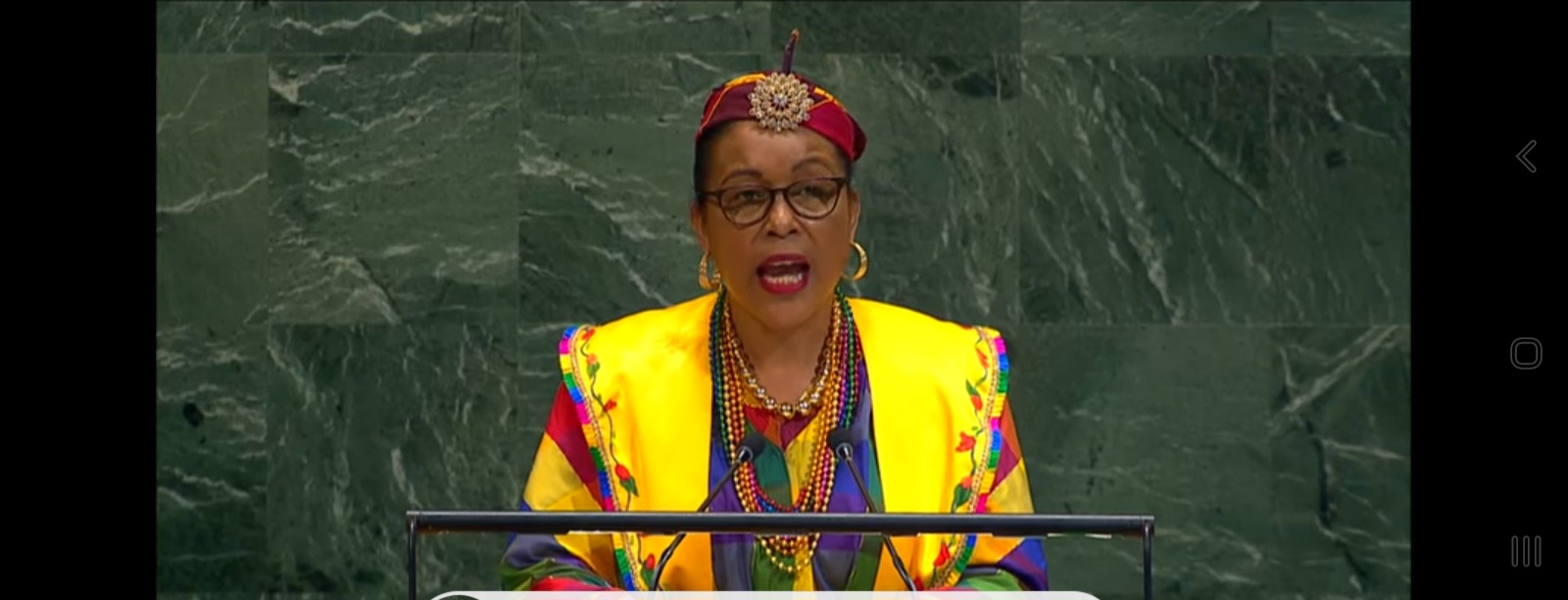
President of Dominica pushes for global accord in a dualistic reality at 80th UNGA
In a compelling address at the 80th General Debate of the United Nations General Assembly, Her Excellency Sylvanie Burton, President of Dominica, championed the cause of global solidarity and the rights of small nations to self-determination. Speaking at the UN Headquarters in New York City, President Burton drew a stark comparison between the developed and developing worlds, likening the current global power dynamics to Charles Dickens’ “A Tale of Two Cities.” She emphasized the need for a fairer international system where all countries, irrespective of their size, have an equitable voice in shaping global policies, particularly on pressing issues like climate change and security. President Burton questioned the existing system, asking whether resources and decision-making are truly shared equitably or if power merely perpetuates itself. She also expressed Dominica’s steadfast support for Haiti, advocating for a Haitian-led solution to the country’s crisis and highlighting Haiti’s historical contributions to justice and freedom. Furthermore, President Burton condemned sanctions and interventions, calling for the immediate lifting of unjust embargoes on nations like Cuba and Venezuela. She stressed the importance of respecting the sovereignty of these countries and urged global powers to seek diplomatic solutions to international disputes. President Burton warned against military conflicts in the Caribbean, reaffirming the region as a zone of peace. She concluded her speech by appealing for reforms to ensure small nations have a meaningful role in global decision-making processes, particularly on climate and security issues, and underscored the importance of unity, stating, “We are always stronger, wiser, and better together.”
-
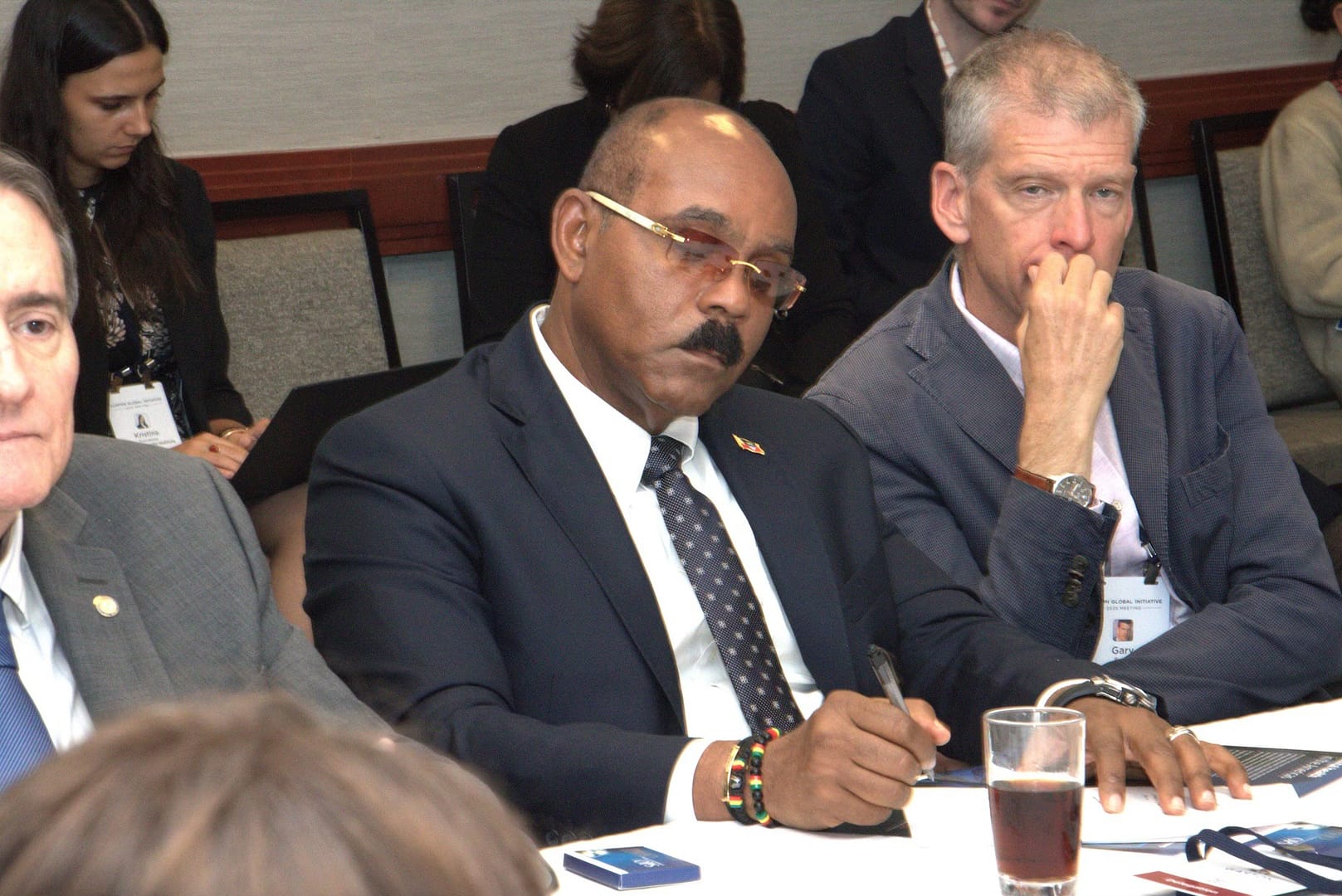
Prime Minister Browne Invites PAHO to Host 2026 Regional Summit in Antigua and Barbuda
New York, USA — September 25, 2025: On the sidelines of the United Nations General Assembly, Prime Minister Gaston Browne of Antigua and Barbuda co-chaired a high-level Clinton Global Initiative (CGI) roundtable titled ‘Political Action & Investment for Mental Health Equity.’ The event, held in collaboration with Dr. Jarbas Barbosa, Director of the Pan American Health Organization (PAHO/WHO), brought together government officials, health agencies, philanthropists, and private investors to transform commitments into scalable, funded programs across Small Island Developing States (SIDS) and the Americas. Prime Minister Browne emphasized that mental health is a critical development and productivity issue, urging for policy reforms supported by sustainable financing, measurable outcomes, and accessible services integrated into schools, workplaces, and communities. He stated, ‘Mental health equity demands political will and real money. For small islands on the climate frontline, investing in mental health is an investment in resilience, productivity, and human dignity.’ Key discussions highlighted the economic impact of untreated mental health issues, which cost the global economy trillions in lost productivity. Participants agreed on the necessity of integrating mental health into schools and workplaces, embedding psychosocial support in disaster preparedness, and addressing climate-related mental health challenges such as PTSD, anxiety, and eco-anxiety. The roundtable also explored financing strategies, advocating for the alignment of public budgets, philanthropy, and private capital to expand primary health care, suicide prevention programs, workforce training, and digital mental health access. Prime Minister Browne announced plans to co-host a Regional Mental Health Summit in Antigua and Barbuda in 2026 with PAHO, focusing on actionable outcomes, including primary care integration, youth mental health, and climate-related psychosocial support.
-
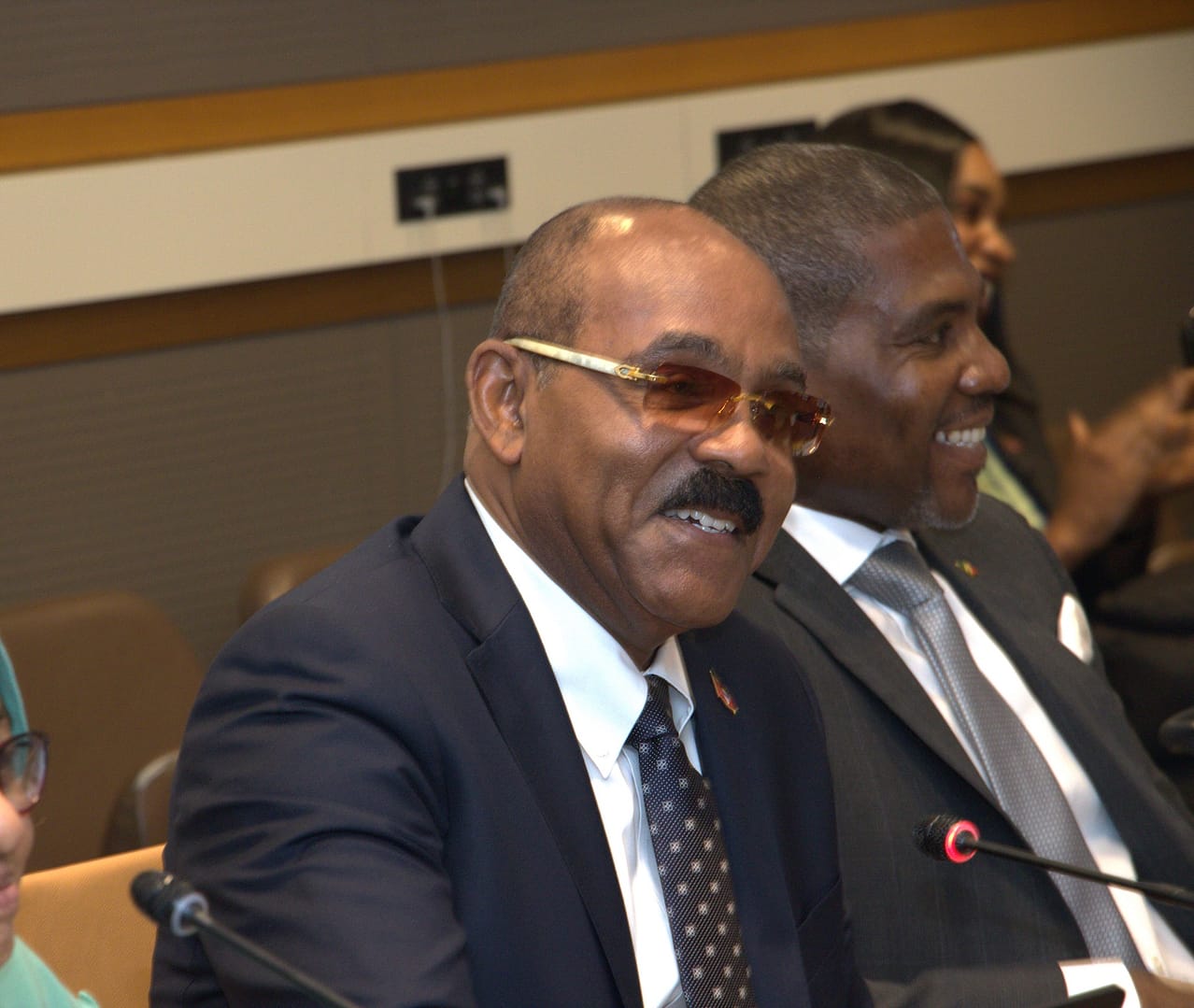
Prime Minister Gaston Browne Champions Universal Eye Health; Announces 2026 Global Summit on Eye Health
Prime Minister Gaston Browne of Antigua and Barbuda has taken a bold step in advocating for universal eye health, addressing a United Nations side-event titled “The Value of Vision: The Case for Investment.” The event, held on Wednesday, emphasized the urgent need for global investment to combat avoidable vision loss and its far-reaching social and economic impacts. Reflecting on the 2021 UN Resolution “Vision for Everyone,” co-sponsored by Bangladesh, Ireland, and Antigua and Barbuda, Browne highlighted the slow progress in addressing vision impairment, which continues to hinder millions from leading dignified lives. He stressed that investing in eye health is not merely an act of charity but a strategic economic move that enhances productivity, prosperity, and resilience, particularly for small nations like Antigua and Barbuda. Citing a recent study by the International Agency for the Prevention of Blindness (IAPB), Seva Foundation, and the Fred Hollows Foundation, Browne outlined the potential global benefits of scaling vision care, including $447 billion in annual economic returns, 22 million new jobs, and 13 million additional school years for children. To translate this momentum into tangible outcomes, Browne announced that Antigua and Barbuda will host the inaugural Global Summit on Eye Health in 2026. This summit aims to bring together leaders, private sector stakeholders, and civil society to commit to actionable, time-bound initiatives that restore sight, potential, and hope. Browne called on governments, investors, and development partners to align their policies and portfolios with universal eye-health goals, emphasizing the need for innovation, data-driven strategies, and large-scale delivery. He concluded with a stark choice: either allow vision loss to continue robbing the world of talent and productivity or act decisively to reap the immense benefits that are within reach. The time for action, he asserted, is now.
-
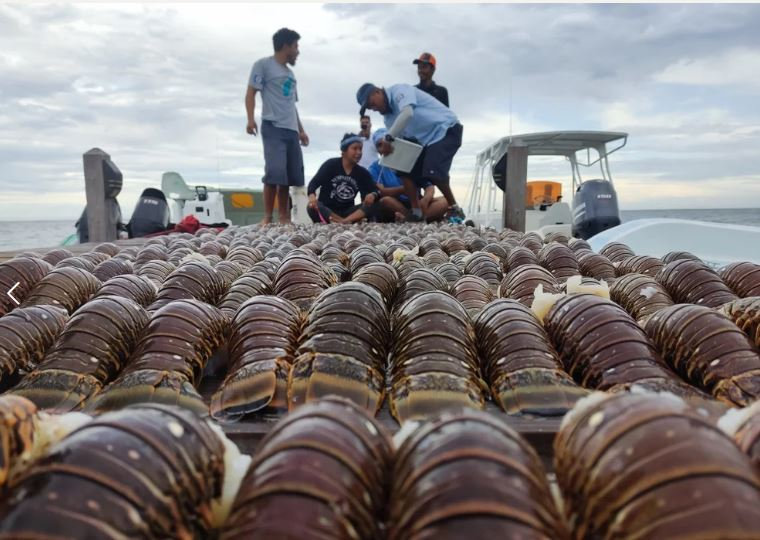
Marine Exports See Boost in August 2025
Belize’s export performance in August 2025 remained largely stagnant, with marine products emerging as the sole standout in an otherwise flat trade landscape, according to the Statistical Institute of Belize (SIB). The SIB reported a significant $1.3 million increase in marine export revenues, climbing from $4.5 million in August 2024 to $5.7 million this year. This growth was primarily driven by heightened international demand for lobster meat, a key foreign exchange generator for the nation. Marine exports, encompassing shrimp, conch, whole lobster, and various fish species, have traditionally been a cornerstone of Belize’s export economy. However, the sector has encountered persistent challenges in recent years, including the collapse of the farmed shrimp industry and intensifying competition in global seafood markets. Despite these obstacles, lobster continues to hold its ground as a prized commodity, with steady demand from markets in the United States and Europe. The recent revenue boost signals a potential recovery for the industry, which plays a vital role in supporting the livelihoods of coastal communities and small-scale fishers across Belize.
-
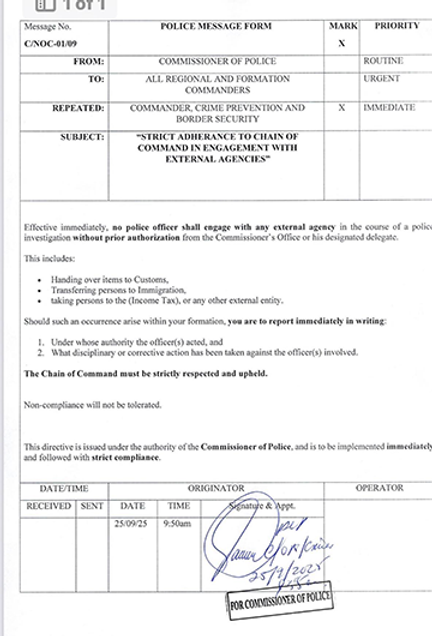
Police Crackdown on Unauthorized Engagement with External Agencies
The Belize Police Department has introduced a stringent new policy emphasizing the importance of adhering to the chain of command when collaborating with external agencies during investigations. Issued on September 25, 2025, and signed by the Commissioner of Police, the directive mandates that no officer may engage with outside entities—such as Customs, Immigration, or the Income Tax Department—without prior approval from the Commissioner’s Office or an authorized representative. This rule is effective immediately and applies to all scenarios involving the transfer of items, individuals, or sensitive information to external bodies. The directive leaves no ambiguity: any violation must be reported in writing, detailing the officer’s authorization source and the disciplinary measures taken. The Commissioner underscored the policy’s importance, stating, ‘The Chain of Command must be strictly respected and upheld. Non-compliance will not be tolerated.’ The policy aims to prevent unauthorized actions that could disrupt investigations, create confusion, or undermine the Police Department’s authority. By requiring approval, the Department ensures accountability and careful handling of sensitive matters. Additionally, the directive safeguards the Department against allegations of corruption, favoritism, or procedural irregularities, establishing a uniform standard for all officers. While the policy may introduce delays in operations due to the need for clearance, it is designed to foster discipline and mitigate risks. For officers, it serves as a clear reminder that adherence to the chain of command is not optional but mandatory.
-
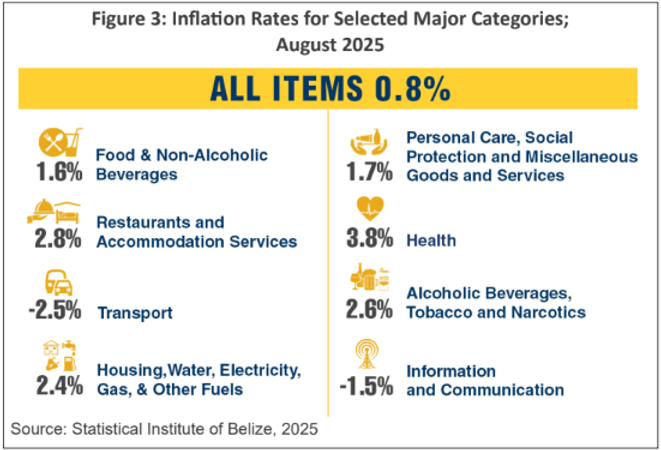
Food, Rent, and Gas Push Inflation Up 0.8% in August; Fuel Prices Ease Burden
In August 2025, Belizeans experienced a mixed economic landscape as rising costs in essential sectors like food, housing, and liquefied petroleum gas (LPG) were partially offset by declining fuel prices, resulting in an overall inflation rate of 0.8 percent compared to the previous year. According to the Statistical Institute of Belize, the Consumer Price Index (CPI) rose to 120.7, up from 119.7 in August 2024. The most significant contributors to this increase were the ‘Housing, Water, Electricity, Gas and Other Fuels’ category, which surged by 2.4 percent, and ‘Food and Non-Alcoholic Beverages,’ which climbed by 1.6 percent. Together, these categories represent nearly half of household expenditures, amplifying their impact on consumers. Housing costs were driven by a $12.24 year-over-year increase in the price of a hundred-pound LPG cylinder, reaching $130.04, alongside a 1.7 percent rise in home rental prices. Food inflation was fueled by higher prices for bread, bakery products, and meats, with beef steak and chicken breast prices soaring by 10.7 and 8.5 percent, respectively. Non-alcoholic beverages also saw a 4.4 percent increase, primarily due to higher costs for purified water, juices, and soft drinks. Additional notable price hikes included health services (up 3.8 percent), restaurants and accommodation (up 2.8 percent), and personal care items like deodorants and lotions (up 1.7 percent). Alcoholic beverages and tobacco rose by 2.6 percent, led by cigarette prices. However, these increases were partially mitigated by a 2.5 percent decline in transport costs, driven by lower gasoline and diesel prices. Regular gasoline dropped by $0.90 per gallon, diesel by $0.67, and premium gasoline by $0.62. Information and communication costs also fell by 1.5 percent, reflecting cheaper cell phones. Inflation varied significantly across municipalities, with Punta Gorda experiencing the steepest rise at 2.7 percent due to broad-based increases in food, LPG, and personal care items. In contrast, Orange Walk recorded a slight decline of -0.2 percent, benefiting from lower fuel, garment, and vegetable prices. Month-to-month, consumer prices increased by 0.2 percent between July and August 2025, primarily due to higher diesel, vehicle, and restaurant costs. Year-to-date inflation for the first eight months of 2025 stood at 1.3 percent, largely influenced by rising food, housing, and personal care expenses, while transport and communication costs trended downward.
-
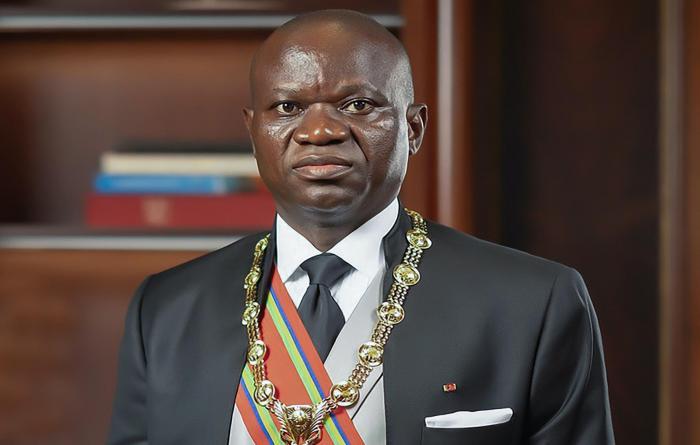
President of the Gabonese Republic arrives in Cuba today
His Excellency Brice Clotaire Oligui Nguema, President of the Gabonese Republic, has commenced an official visit to Cuba, marking a significant moment in bilateral relations between the two nations. The visit, which began on Friday, September 26, 2025, and will conclude on September 29, underscores the growing diplomatic ties and mutual commitment to fostering cooperation. This marks President Oligui Nguema’s first official trip to Cuba since assuming office in May 2025. During his stay, he is scheduled to engage in high-level discussions with Cuban President Miguel Díaz-Canel Bermúdez. The talks are anticipated to focus on expanding the contractual framework of bilateral relations, reflecting the shared aspirations of both nations to strengthen their partnership. Additionally, President Oligui Nguema will participate in various activities and visit key sites of interest, further solidifying the cultural and diplomatic bonds between Gabon and Cuba.
-
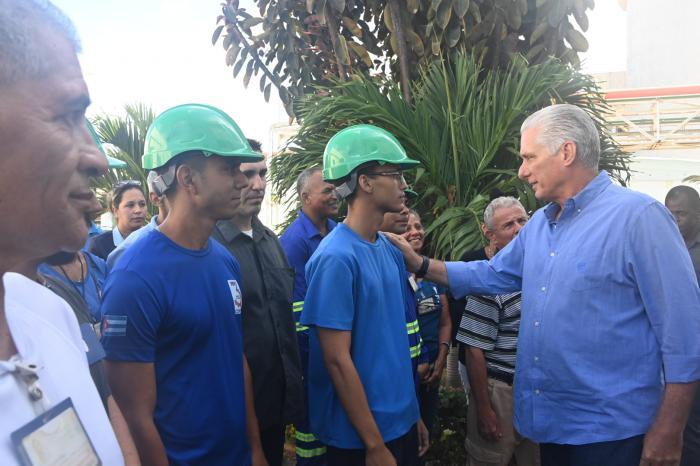
In the midst of the difficult context, we are betting on collective intelligence
In a concerted effort to address Cuba’s ongoing energy crisis, President Miguel Díaz-Canel Bermúdez embarked on a comprehensive tour of the nation’s thermoelectric plants. His visit included the Antonio Maceo plant in Santiago de Cuba and the Lidio Ramón Pérez facility in Holguín, where he engaged with executives and workers to assess the recovery of the National Electric System (SEN). The President’s tour comes at a critical juncture, as the country grapples with prolonged blackouts and significant generation deficits.
At the Renté plant, General Director Jesús Aguilar Hernández provided an update on the facility’s operational status. Despite facing numerous unforeseen outages, the plant is progressing toward stability, particularly with the recent activation of its 70-megawatt (MW) block five following partial maintenance. Units six and three are currently generating 50 MW each, while unit four remains in technical shutdown since 2023. However, a recovery strategy is underway as part of the Government Plan to bolster the SEN. Light maintenance is scheduled for December on units six and three, aiming to enhance the plant’s capacity by year-end.
President Díaz-Canel emphasized the importance of quality maintenance across all units, including corrective work on block five, to ensure sustained energy recovery. He lauded the tireless efforts of Cuba’s electrical workers, describing their work as ‘heroic’ and ‘intensive.’ The President also highlighted the government’s strategy to strengthen the SEN, which includes expanding thermal and distributed generation and advancing the construction of photovoltaic solar parks. Notably, these solar facilities are already generating over 600 MW during daylight hours, with nearly all planned parks either operational or under construction.
During his visit to the Lidio Ramón Pérez plant in Felton, President Díaz-Canel was briefed on the facility’s current output of 200 MW, limited by boiler corrosion. Strategies to address these issues and recover block two, damaged by a fire in 2022, were discussed. The President underscored the plant’s strategic importance to eastern Cuba and reiterated the government’s commitment to improving working conditions for employees, including specialized medical care, wage increases, and enhanced safety measures.
Accompanied by key government officials, President Díaz-Canel’s tour reflects Cuba’s determination to overcome its energy challenges through collective effort and strategic planning.