作者: admin

  • Child’s body found

    Child’s body found

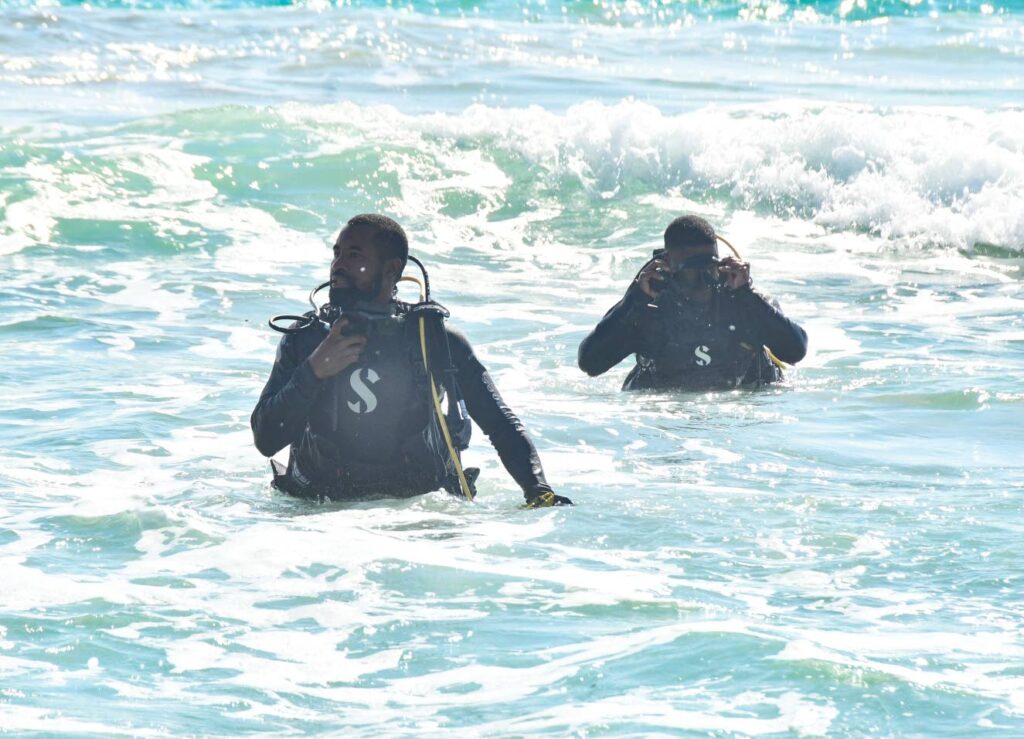
    A multi-agency search operation in Jamaica has concluded with the recovery of one victim while continuing for two others following a devastating drowning incident at Sand Hills beach in Hellshire, St Catherine. The Jamaica Defence Force (JDF) confirmed late Friday that the body of a child was recovered and transferred to Marine Police custody, though official identification remains pending.

    The tragedy unfolded Thursday afternoon approximately at 3:00 PM when three individuals encountered difficulties while swimming in prohibited waters. According to Senior Superintendent of Police Leighton Gray, commanding officer for St Catherine South Police Division, the sequence began when 13-year-old Aaron Russell experienced distress in the water. Family member Aliyah Dawkins attempted rescue, followed by Constable Shamar Grant who responded as both Dawkins and Russell struggled against strong currents.

    Despite rescue efforts, Dawkins was retrieved unresponsive by Marine Police and Coast Guard units. Although CPR was administered during emergency transport to Spanish Town Hospital, she succumbed to her injuries. The search for Constable Grant and young Russell continued through Thursday night and resumed Friday at 6:00 AM with expanded resources.

    The incident has highlighted significant safety concerns as the beach area features prominent signage indicating swimming prohibitions. The property is privately owned and unlicensed for public recreational use, yet according to SSP Gray, local residents frequently utilize the area to escape crowded public beaches.

    Search efforts have incorporated assets from the JDF’s Maritime Air and Cyber Command, Marine Police, Coast Guard, and approximately a dozen local fishermen who volunteered assistance. Authorities have emphasized the dangers of swimming in unauthorized areas and urged heightened supervision of children during holiday periods, particularly as the incident occurred during festive celebrations.
  • Peas please

    Peas please

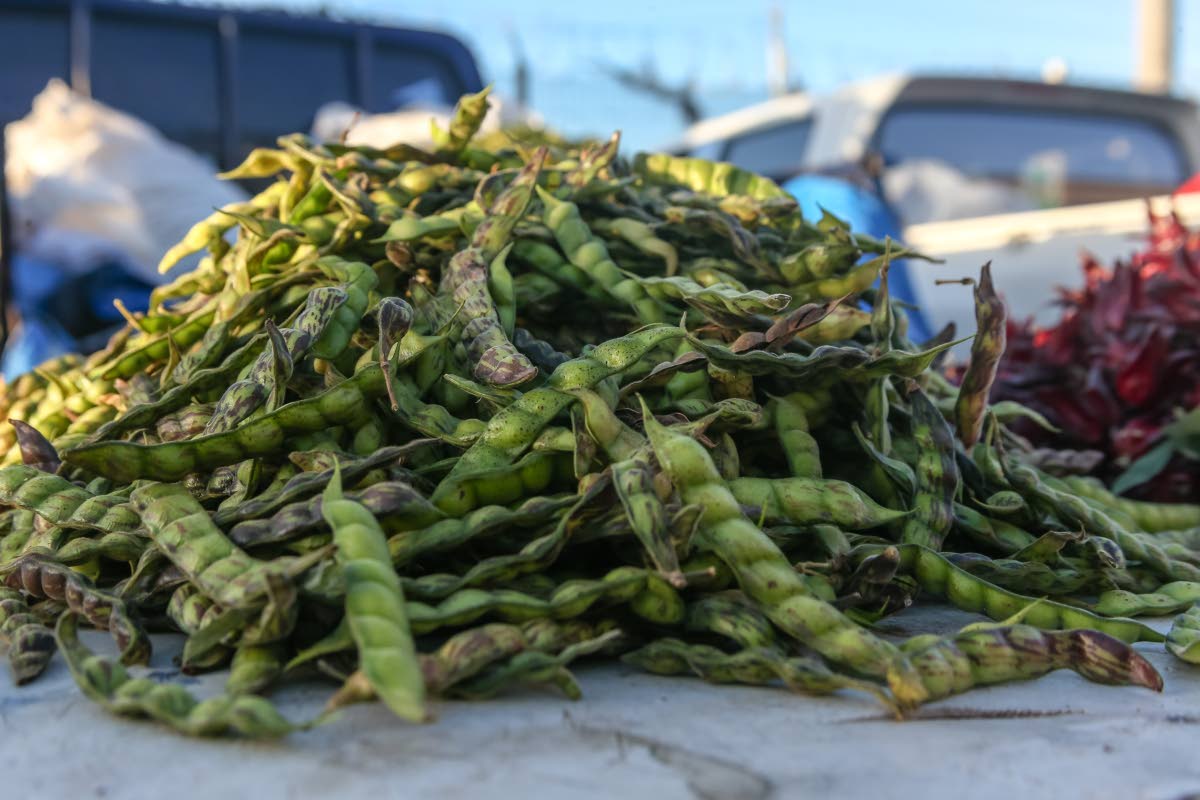
    As the new year unfolds, Caribbean culinary traditions welcome the seasonal arrival of pigeon peas, a legume variety that graces markets from December through March. Food expert Wendy Rahamut highlights the remarkable versatility of these peas, which feature prominently in diverse culinary applications ranging from traditional rice dishes and hearty soups to innovative plant-based burgers and even vegetarian lasagna.

    Selecting quality peas requires discerning observation: optimal specimens appear in plump pods with peas nearly bursting through, while smaller peas or visible worm damage typically indicate less desirable second-crop varieties. Rahamut recommends purchasing fresh or frozen peas to enjoy their distinct flavor profile throughout the year.

    The article presents three meticulously crafted recipes demonstrating the pea’s culinary adaptability. Chicken Pelau incorporates the legumes into a complex layered dish where marinated chicken undergoes caramelization with brown sugar before combining with pumpkin, coconut milk, and parboiled rice. Pigeon Pea Patties blend cooked peas with sautéed aromatics, crushed potato, and fresh herbs like parsley and thyme, formed into patties for shallow frying. Most innovatively, Pigeon Pea Piononos feature plantain rings stuffed with seasoned pea mixture and baked until achieving a perfect crust.

    Each recipe provides precise measurements, detailed preparation techniques, and serving specifications, embodying the cultural significance of pigeon peas in Caribbean cuisine while offering practical guidance for home cooks seeking to explore this seasonal ingredient.

  • Caricom leaders meet on US invasion of Venezuela

    Caricom leaders meet on US invasion of Venezuela

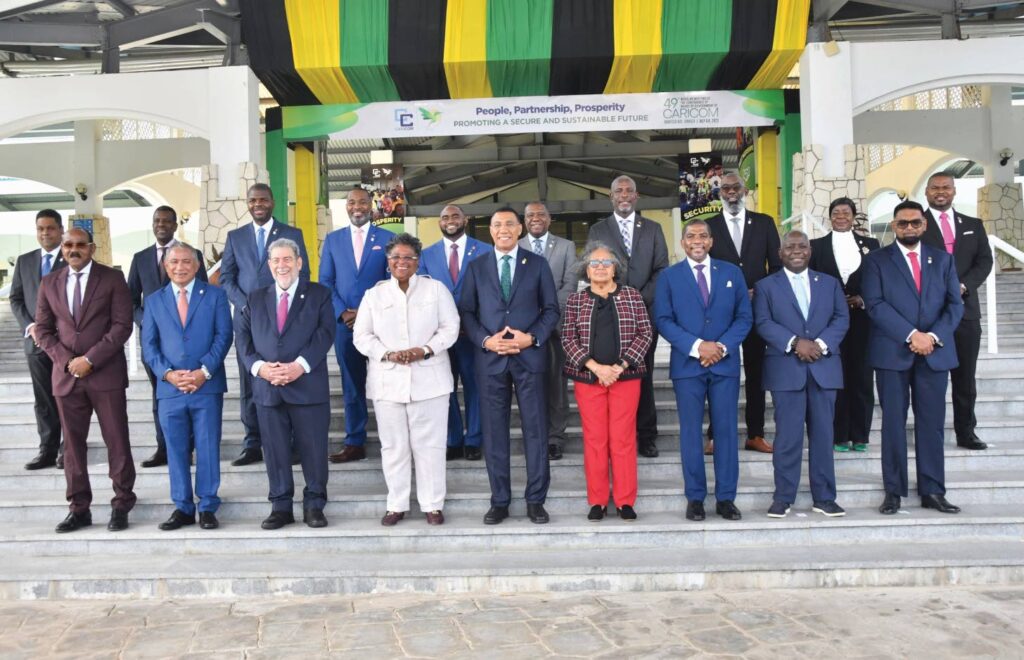
    GEORGETOWN, Guyana – Caribbean Community (Caricom) leaders convened an emergency session early Saturday following the United States’ military incursion into Venezuelan territory and the reported capture of President Nicolas Maduro along with his spouse. The regional body, representing 15 member states, issued an official communiqué through its Secretariat characterizing the development as a matter of “grave concern” with potential ramifications for neighboring nations.

    The brief two-paragraph statement confirmed that the integration bloc is “actively monitoring the situation” and pledged to keep Caribbean citizens informed as additional intelligence becomes available. This emergency diplomatic mobilization reflects the region’s apprehension about destabilizing effects from foreign military actions within their sphere.

    In a significant regional development, Trinidad and Tobago’s Prime Minister Kamla Persad-Bissessar explicitly distanced her nation from the operations. Through an official statement disseminated on social media platform X on January 3rd, 2026, the Prime Minister clarified that “Trinidad and Tobago is NOT a participant in any of these ongoing military operations” initiated by the United States earlier that morning. This declaration highlights divisions within the hemisphere regarding appropriate responses to the Venezuela situation and demonstrates Caricom members’ cautious approach to the escalating crisis.

  • Guyana activates security plan as US bombs Venezuela

    Guyana activates security plan as US bombs Venezuela

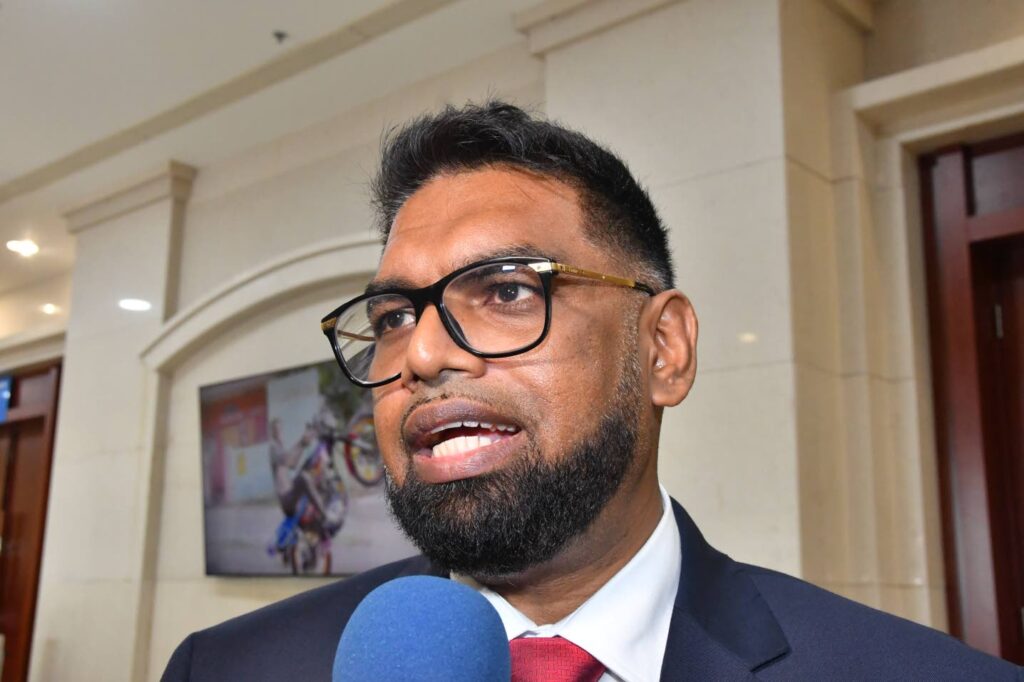
    GEORGETOWN, Guyana – In response to recent United States military operations targeting sites within Venezuela, Guyanese President Dr. Irfaan Ali announced the full activation of the nation’s security apparatus on Saturday. The decisive move aims to safeguard national stability and protect citizens amid escalating regional tensions.

    President Ali confirmed that the Guyana Defence Force and allied security services have been placed on high alert, implementing comprehensive monitoring protocols to assess the evolving situation. He assured the public that all necessary measures are being taken to ensure their safety and security.

    Diplomatic channels have been vigorously engaged, with President Ali providing detailed briefings to Dr. Carla Barnett, Secretary-General of the Caribbean Community (CARICOM). Additionally, Brigadier Omar Khan, Chief of Defence Staff, has initiated communications with regional security partners to coordinate a unified response.

    Concurrently, plans are underway to convene an emergency summit of CARICOM leaders to address the crisis collectively. President Ali also disclosed direct consultations with Alistair Routledge, President of ExxonMobil Guyana, regarding the security of the country’s vital offshore oil operations, which produce nearly one million barrels daily. Both parties confirmed a state of heightened vigilance and close cooperation.

  • Maduro, wife captured as US strikes Venezuela

    Maduro, wife captured as US strikes Venezuela

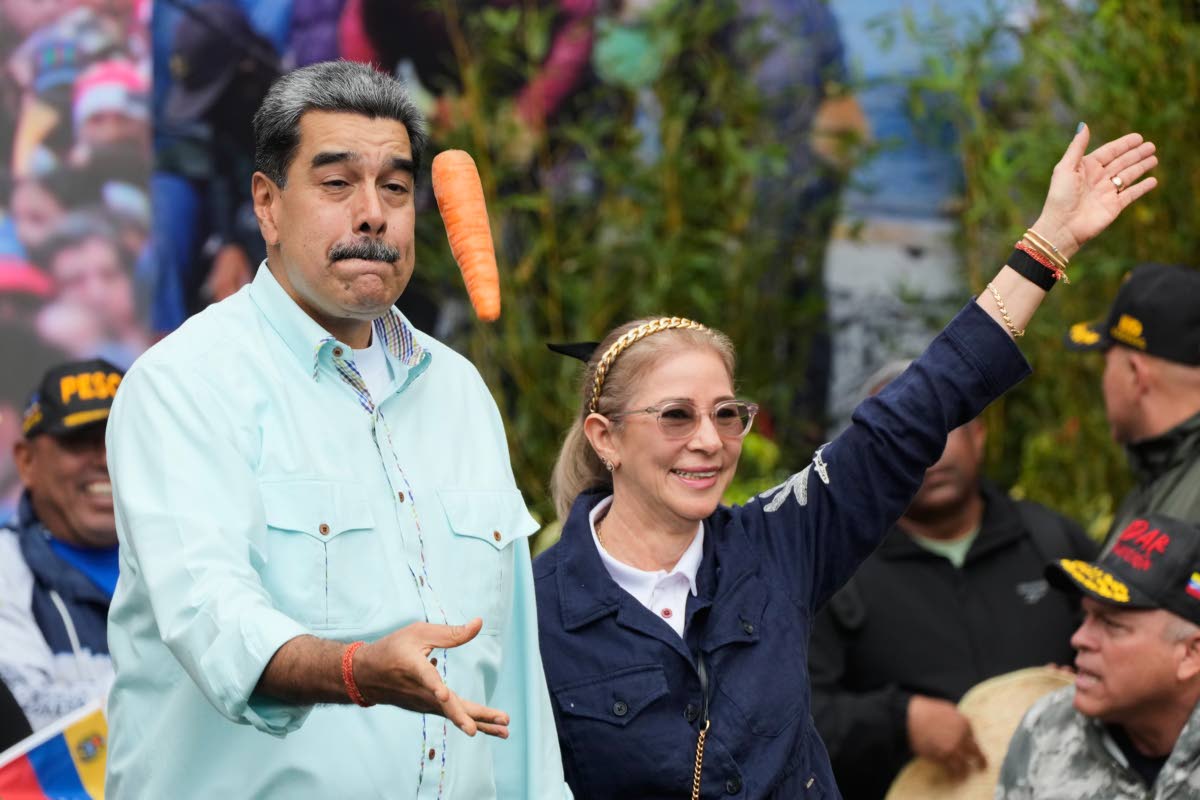
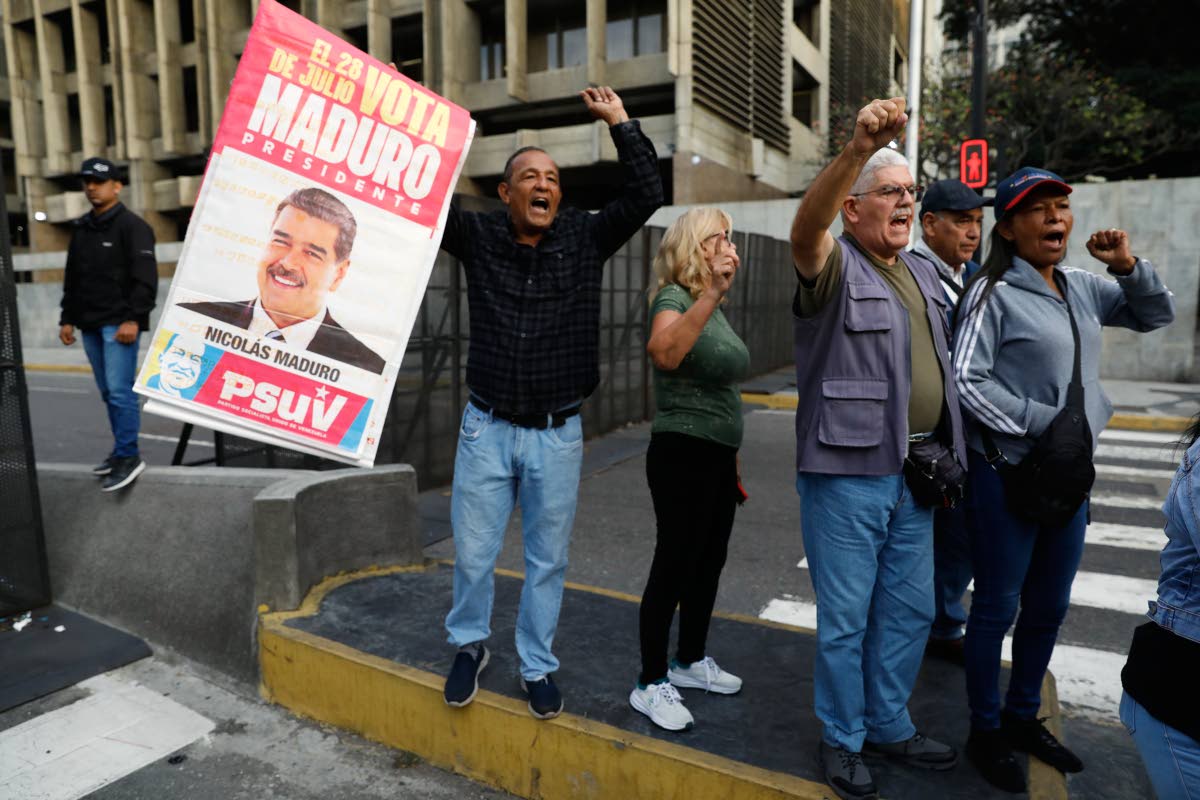
    In a dramatic escalation of tensions between the United States and Venezuela, President Nicolas Maduro and his wife Cilia Flores were apprehended by US military forces on January 3rd. The operation, authorized by US President Donald Trump, marks a significant turning point in the longstanding political conflict between the two nations.

    According to international media reports, the capital city of Caracas witnessed multiple explosions around 1:50 AM local time, resulting in numerous casualties among government officials, military personnel, and civilians. The military intervention followed months of missile strikes targeting suspected narco-traffickers in the Caribbean Sea and Eastern Pacific, which had previously claimed over 100 lives.

    President Trump confirmed the operation through social media, characterizing it as a ‘large-scale strike against Venezuela and its leader.’ He further stated that the action was coordinated with US law enforcement agencies and that Maduro and his wife had been successfully transported out of Venezuelan territory.

    The US administration has scheduled a news conference at 11 AM at Mar-a-Lago, Florida, to provide additional details regarding the operation.

    International reaction has been immediate, with Trinidad and Tobago’s Prime Minister Kamla Persad-Bissessar clarifying that her nation was ‘not a participant in any of these ongoing military operations’ and reaffirming Trinidad and Tobago’s ‘peaceful relations with the people of Venezuela.’

    The Caribbean Community (CARICOM) has convened an emergency meeting to address the military action, expressing concern over potential implications for neighboring countries. Meanwhile, Caribbean Airlines confirmed that its operations have remained unaffected despite the geopolitical developments.

  • What we know about the US attacks on Venezuela

    What we know about the US attacks on Venezuela

    CARACAS, Venezuela — In a dramatic escalation of long-standing tensions, United States military forces executed a series of airstrikes across multiple locations in Venezuela in the early hours of Saturday. The operation, which represents a significant intensification of Washington’s campaign against the left-wing government of Nicolas Maduro, reportedly resulted in the capture and removal of the Venezuelan president from the country.

    The military action commenced shortly before 2:00 AM local time (0600 GMT), with residents of the capital Caracas and surrounding regions reporting explosions and aircraft overhead. The strikes continued for approximately seventy-five minutes, with social media footage depicting helicopter sorties and missile impacts creating substantial fireballs and columns of smoke across the night sky.

    Former US President Donald Trump announced on his Truth Social platform at 0921 GMT that American forces had ‘successfully carried out a large scale strike against Venezuela’ and confirmed that both Maduro and his wife had been ‘captured and flown out of the Country.’ Several hours after the initial attacks, US Senator Mike Lee corroborated these claims, citing Secretary of State Marco Rubio’s statement that military operations had concluded following Maduro’s apprehension.

    Primary targets included Fort Tiuna, Venezuela’s most extensive military complex located in southern Caracas. This strategic installation houses the defense ministry, a military academy, and residential quarters for armed forces personnel. AFP correspondents observed significant flames and smoke emanating from the complex, with visible damage including bullet-marked armored vehicles and trucks at secured entrances. Civilian evacuations were underway as residents fled the area with personal belongings, with one anonymous woman stating she was leaving ‘because they nearly killed us.’

    Additional strikes targeted La Carlota airbase east of Caracas, where journalists documented burning armored vehicles and destroyed transportation infrastructure. Explosions were further reported in the port city of La Guaira, the north-central city of Maracay, the Caribbean coastal town of Higuerote, and regions along the Colombian border—a known corridor for narcotics trafficking.

    Venezuelan Defense Minister Vladimir Padrino López accused American forces of deliberately targeting residential areas with missiles and rockets, though these allegations remain unverified. Official casualty figures have not been released, with government authorities acknowledging they are still gathering information ‘on the dead and injured.’

    The circumstances surrounding Maduro’s capture remain unclear, particularly given the president’s documented practice of frequently changing residences to evade potential capture. Venezuelan Vice President Delcy Rodríguez has demanded that the United States provide ‘proof of life’ for both Maduro and his wife, Cilia Flores. Russia, a key Venezuelan ally, has similarly called for immediate clarification regarding the president’s status.

    International reactions have been sharply divided. Russia, Iran, and Cuba—all longstanding partners of Venezuela—condemned the military action as an act of aggression. They were joined in their criticism by left-wing governments in Mexico, Brazil, and Colombia. Russia’s foreign ministry characterized the operation as a ‘deeply concerning’ violation of international norms. The European Union’s top diplomat, Kaja Kallas, urged Washington to exercise restraint and adhere to international law during communications with US Secretary of State Marco Rubio. Notably, Argentina’s right-wing President Javier Milei, a vocal supporter of Donald Trump, emerged as one of the few Latin American leaders to express support for the military intervention.

  • JTA to conduct assessment of schools over the weekend

    JTA to conduct assessment of schools over the weekend

    Jamaica’s educational system faces a pivotal moment as the new academic term approaches, prompting the Jamaica Teachers’ Association (JTA) to initiate comprehensive facility assessments across the island nation. The unprecedented evaluation comes in response to the devastating aftermath of Category 5 Hurricane Melissa that struck in October, particularly affecting western and southwestern regions.

    JTA President Mark Malabver, speaking at the reopening of the association’s western Jamaica office, revealed the organization’s plan to conduct ground-level verification of school preparedness throughout the weekend. The initiative aims to determine actual operational capabilities rather than theoretical readiness, acknowledging that many educational institutions sustained substantial damage during the catastrophic weather event.

    Malabver articulated profound concerns regarding the practical realities of resuming classes, emphasizing that reopening decisions must consider both infrastructure limitations and human factors. The teachers’ union maintains that each institution requires individualized assessment based on localized conditions rather than blanket policies.

    Beyond structural considerations, the JTA president highlighted concerning student welfare issues, noting parallels to pandemic-era attendance challenges. He called for systematic tracking of missing students through mandated guidance counselor interventions, recognizing that many children face hurricane-related trauma and displacement.

    The human impact extends beyond students, as Malabver acknowledged widespread psychological distress among educators. Many teachers continue experiencing personal hardships that affect their professional capacity, necessitating compassionate, case-by-case consideration from school administrators and boards.

    This multifaceted approach reflects the complex intersection of infrastructure recovery, mental health considerations, and educational continuity in post-disaster scenarios, positioning the teachers’ association as both advocate and practical partner in Jamaica’s educational rehabilitation.

  • NGC on shutdown: ‘Nutrien held TT to ransom’

    NGC on shutdown: ‘Nutrien held TT to ransom’

    In a sharply worded statement issued January 2, Trinidad and Tobago’s National Gas Company (NGC) has accused Canadian fertilizer giant Nutrien of holding the nation “to ransom” by deliberately shutting down operations despite government efforts to maintain its presence. The NGC asserts that Nutrien’s closure decision stemmed exclusively from profit-maximization motives rather than legitimate operational constraints.

    The controversy emerged following criticism from former Energy Minister Stuart Young, who blamed the current administration for the plant shutdown that will eliminate hundreds of jobs. The NGC responded by detailing how Nutrien had rejected multiple compromise proposals while attempting to secure favorable long-term gas contracts and maintain legacy port rates.

    According to the state company, the dispute originated from Nutrien’s resistance to updated pier user charges at Savonetta and concerns about natural gas supply reliability. The Canadian company, which produced approximately 85,000 tonnes of ammonia and 55,000 tonnes of urea monthly from its Trinidad facility, ceased operations in October after negotiations stalled.

    The NGC revealed that during five separate negotiation sessions, Nutrien representatives threatened to launch a public relations campaign portraying the company as a victim of government pressure. In one particularly contentious incident, National Energy officials were served with an injunction application while en route to what was supposed to be a good-faith negotiation meeting.

    Countering Young’s allegations, the NGC statement highlighted that the previous administration had allowed pier user contracts to expire without renewal since 2018, resulting in over $500 million in lost revenue. The former administration also waived $14.35 million in “take or pay” liabilities owed by Nutrien in August 2024 and permitted downstream companies to manipulate payment terms, creating a de facto $160 million overdraft facility.

    The gas company emphasized that most petrochemical producers in Point Lisas Estate do not repatriate US dollar revenues to Trinidad, instead maintaining foreign accounts in financial hubs including New York, London, Zurich, and Brussels. Despite Nutrien’s departure, NGC has successfully reallocated the gas supply to other downstream customers and fulfilled its Atlantic LNG commitments, generating significant financial benefits for the nation.

  • Unease in Caracas after US strike

    Unease in Caracas after US strike

    In an unprecedented military operation, United States forces have captured Venezuelan President Nicolás Maduro and his wife following a large-scale assault on the South American nation. The dramatic events unfolded in the early hours of January 3rd, when explosions rocked Venezuela’s capital city of Caracas at approximately 1:50 AM local time.

    President Donald Trump confirmed the operation through social media, characterizing the action as a decisive strike against the Venezuelan leadership. According to international media reports, the military intervention resulted in multiple casualties among government officials, military personnel, and civilians caught in the crossfire.

    The operation marks a significant escalation in the ongoing tensions between the United States and Venezuela, following months of missile strikes targeting suspected narcotics trafficking operations in the Caribbean Sea and Eastern Pacific regions. These previous engagements had already claimed over 100 lives before culminating in the ground assault that resulted in Maduro’s capture.

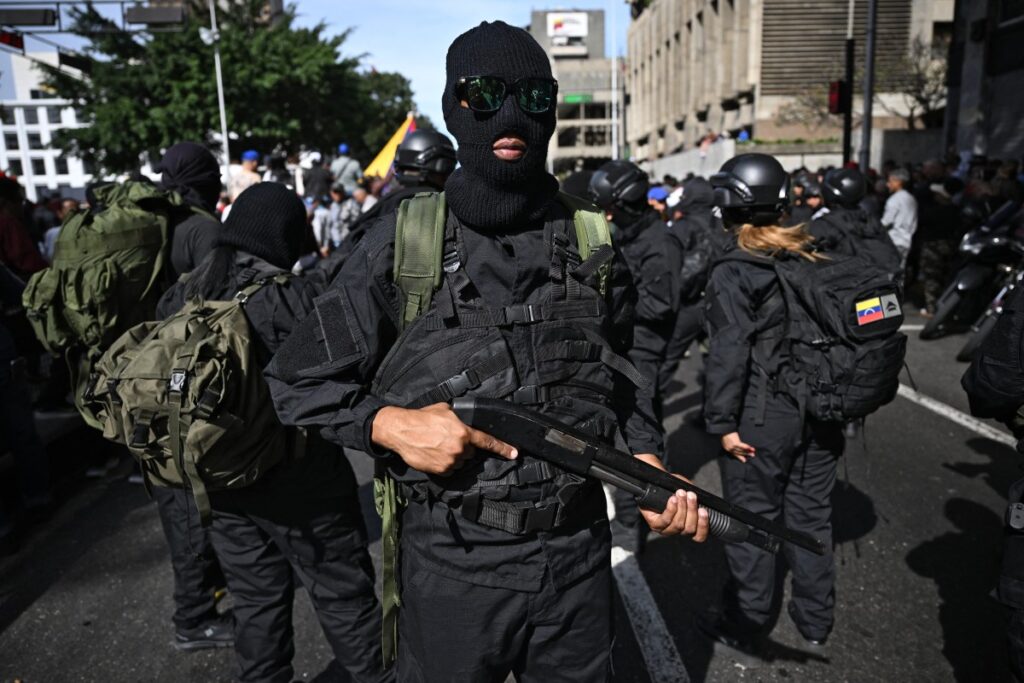
    Eyewitness accounts and photographic evidence depict a city in chaos, with pedestrians fleeing through streets as low-flying aircraft buzzed overhead. The port of La Guaira showed significant damage with destroyed containers littering the area, while smoke billowed from La Carlota airport and various locations throughout the capital.

    National Guard armored vehicles swiftly deployed to secure key areas, particularly around the Miraflores presidential palace, as residents evacuated buildings in the vicinity. The successful extraction of Maduro and his wife from Venezuelan territory represents one of the most significant geopolitical developments in recent Latin American history, with potentially far-reaching implications for regional stability and international relations.

  • Residents told mud volcano still active

    Residents told mud volcano still active

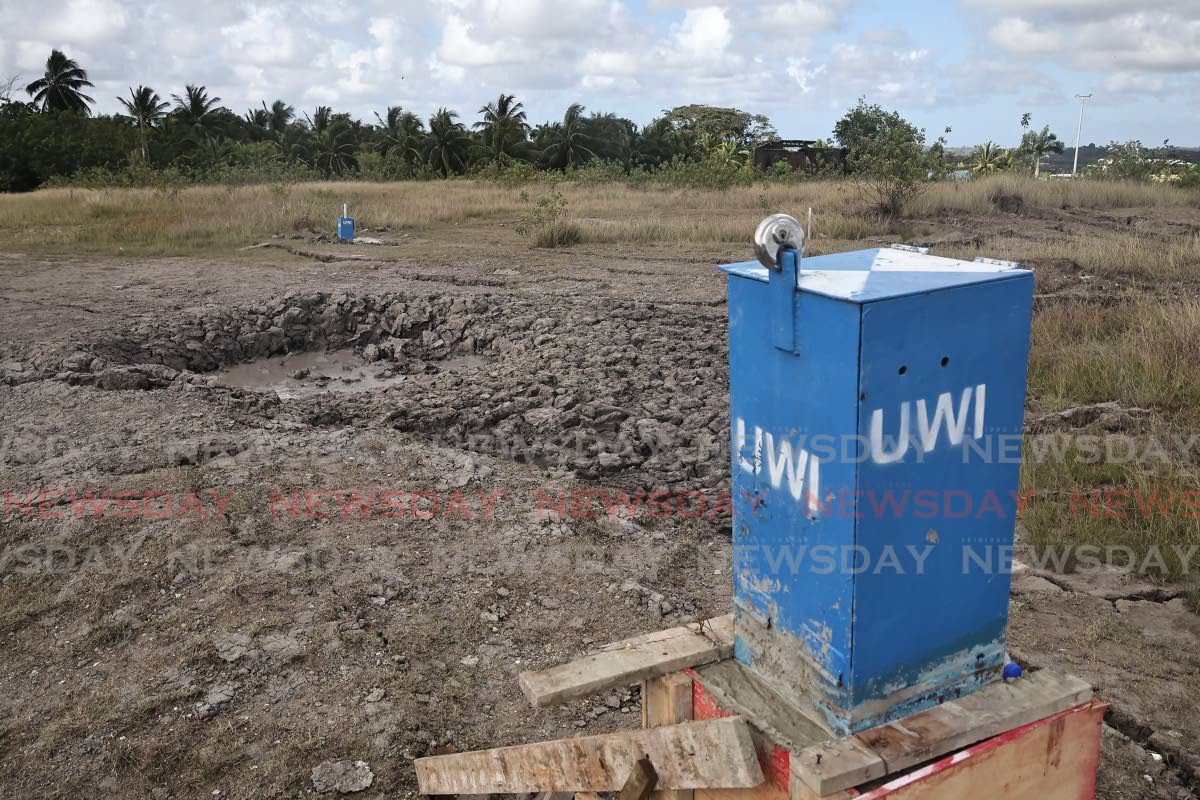
    The Piparo mud volcano in Trinidad continues demonstrating significant geological instability, with researchers from the University of the West Indies (UWI) documenting multiple new fractures emerging around the site in recent days. According to the team’s third official update issued on January 1st, sophisticated monitoring systems have captured the underground structure essentially ‘breathing’ through cycles of pressure accumulation and subsequent release via both existing and newly formed surface cracks.

    At monitoring well #3, positioned adjacent to the primary vent, instrumentation recorded pressure fluctuations displaying a general downward trajectory. While this pattern indicates temporary pressure alleviation, the persistent variability confirms the system remains actively unstable rather than achieving equilibrium. Simultaneously, at northwest monitoring well #6, scientists observed another zone of oscillating pressure, where fractures developing between December 29th and 30th precipitated a sharp pressure decline from approximately 61 to 59 pounds per square inch (PSI). Following this abrupt release, pressures resumed their cyclical rise and fall, confirming the volcano’s ongoing activity.

    The report emphasized that despite these temporary pressure releases through surface fractures, substantial risks persist for adjacent communities. Current advisories consequently maintain warnings for residents to remain vigilant, avoid the main crater and fractured zones, report emergent cracks or gas emissions, and adhere to guidance from emergency authorities.

    This heightened activity follows a significant event on December 24th that induced substantial ground movement, partially destroying at least two residences, collapsing roadways—rendering one completely impassable—and disrupting utility services. UWI’s assessment suggests this activation potentially stemmed from tectonic compression or human-induced environmental alterations, notably absent typical triggers like seismic activity or prolonged rainfall.

    Researchers also identified that mud and pressure flows are migrating northwestward away from the principal vent. In response to these developments, the UWI team has issued an urgent appeal for enhanced funding to bolster monitoring capabilities, improve eruption prediction models, and develop more effective risk mitigation strategies. This data would subsequently inform comprehensive risk assessments and detailed hazard zoning maps for vulnerable communities.

    The Office of Disaster Preparedness and Management recently coordinated a meeting at the Piparo Community Center, convening first responders including the Fire Service, Police Service, Electricity Commission, and regional disaster management units. During this session, UWI researchers presented their scientific findings to inform and refine emergency response planning.