
Church leaders in Belize have clarified that the recent cannabis referendum in Caye Caulker does not contravene their 2022 agreement with the government. They assert that the referendum is a localized initiative and not a national policy shift. Senator Pastor Louis Wade, a key figure in the churches’ “No” campaign, emphasized that the 2022 pact with the Government of Belize—which mandates a national referendum before any legalization of cannabis—remains unbroken. Wade explained that the Caye Caulker vote is not driven by the Cabinet and lacks unified ministerial support, thus it does not breach the agreement. He stated, “Absolutely not, because there are ministers who have clearly expressed their opposition and have called for amendments to the Referendum Act to prevent such occurrences in the future. However, if the government proceeds with legalization based on a ‘yes’ vote, that would constitute a breach, and we would address it accordingly.” Wade further noted that the churches became formally involved after the Elections and Boundaries Commission restricted recognized participation to organizations represented by the four Senate social-partner seats. While the churches would have preferred a community-led “No” campaign, their formal recognition was necessary to ensure the effort’s legitimacy. Operationally, the churches are deploying scrutineers and a volunteer committee to oversee the election process, underscoring the localized nature of the exercise. Additionally, the churches have requested the petition signatures that initiated the referendum, citing concerns from island residents who claim their names were included without consent. The 2022 agreement between church leaders and the government explicitly requires a national referendum before any legalization of cannabis. Wade maintains that only Cabinet action to legalize based solely on the Caye Caulker results would violate this pact. In the absence of such action, the referendum serves as a local gauge of public opinion rather than a precursor to national policy change.
作者: admin
-

Youth signals outside court spark concern
Barbados is grappling with a surge in gang-related activities, as young men charged with violent offenses openly display apparent gang signs outside courtrooms. This alarming trend has heightened public concern and underscored the growing influence of gang culture amidst the nation’s ongoing struggle to curb street violence. The situation has prompted urgent calls from sociologists for deeper research and targeted interventions to address the root causes of youth involvement in gangs. Dr. Dwayne Devonish, Professor of Management and Organisational Behaviour at the University of the West Indies (UWI) Cave Hill, emphasized the need for comprehensive studies to understand the factors driving gang affiliation. According to Dr. Devonish, the Criminal Justice Research and Planning Unit identified six dominant gangs across 50 local neighborhoods in Barbados, with membership ranging from 15 to 50 individuals, typically aged 17 to 40. While he cautioned against assuming all individuals displaying gang signs are active members, he acknowledged the cultural significance of such gestures. Dr. Devonish highlighted the critical role of schools, which have increasingly become recruitment grounds for gangs, and stressed the importance of vigilance from law enforcement and state agencies. He also pointed out a troubling trend where gang affiliation is now seen as a badge of honor among young Barbadians, signaling loyalty and toughness. This normalization of criminality, coupled with declining public confidence in law enforcement, poses a significant challenge that requires immediate and focused action to reverse.
-
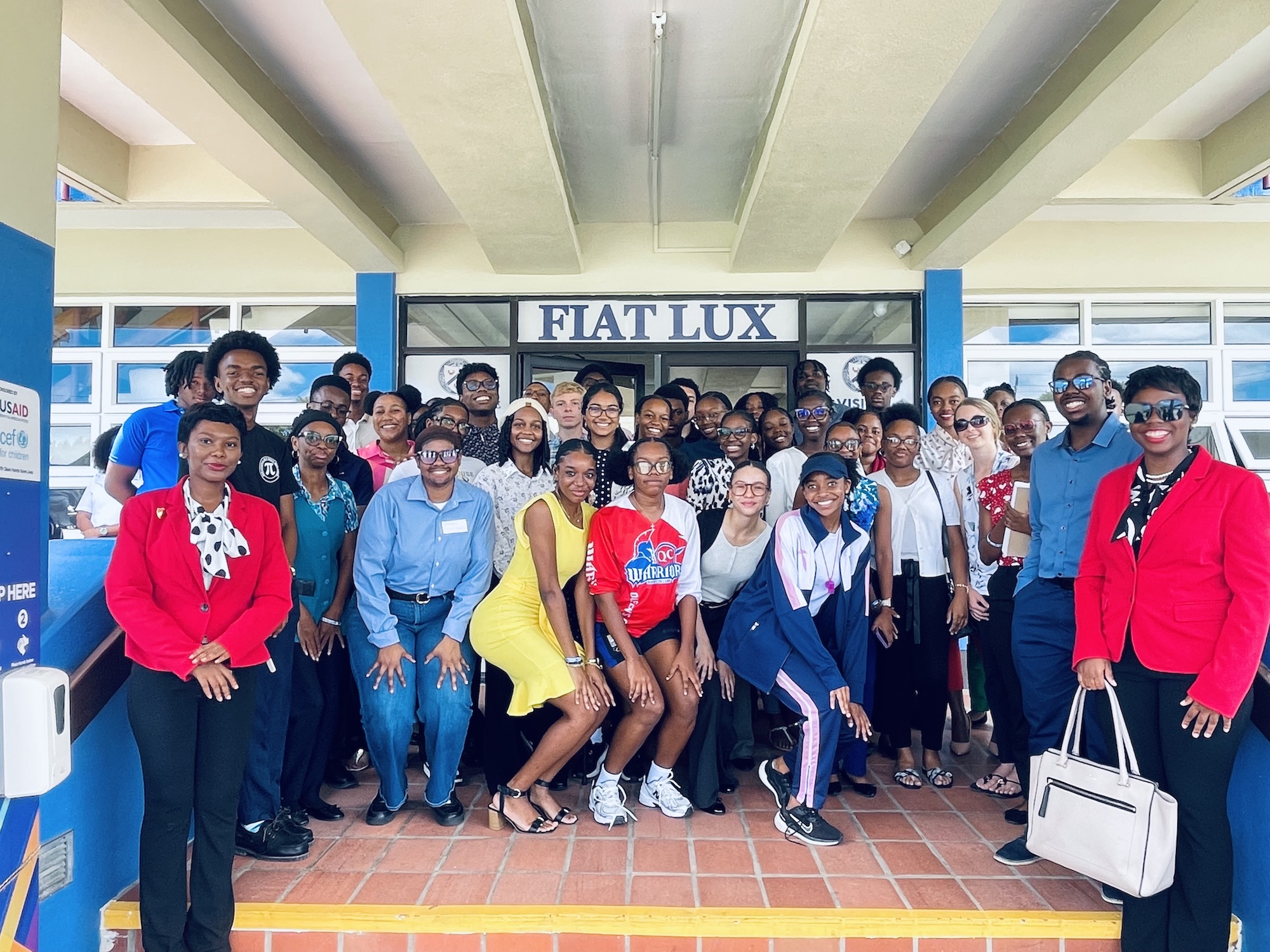
Queen’s College week blends tradition with fun for Class of 2026
For students, alumni, and staff of Queen’s College (QC), QC Week transcends a mere schedule of events. It is a profound blend of pride, nostalgia, and joy, culminating in a heartfelt farewell for the Class of 2026 as they prepare to etch their names into the school’s illustrious 142-year history. The week-long celebration commenced at St. Augustine Anglican Church in St. George, where Reverend Yolanda Clarke delivered an inspiring sermon. The resonant school song underscored the deep connection among alumni, staff, parents, and students, setting the tone for the festivities. The spirit of unity continued during Monday’s joint assembly in the school hall, where attorney Kamisha Benjamin urged students to seize opportunities and craft their own narratives of excellence. One of the week’s highlights was the role-reversal event orchestrated by the graduating class. Teachers donned student attire while students assumed the role of educators, infusing the school with laughter and creativity. This activity symbolized the seniors’ desire to leave a lasting mark of ingenuity and pride as they bid farewell to their alma mater. Sharon Callender, a staff representative on the QCA Committee, remarked, “This graduating class organized themselves to swap places with the teachers, creating a memorable and lighthearted experience.” The celebrations continued with “I Love QC Day!” on Friday, encouraging students and alumni worldwide to proudly display their QC colors, ties, and wristbands. The week concluded with a karaoke lime at Pelican Village on Saturday and a luncheon at Coconut Court Hotel on Sunday. For the Class of 2026, QC Week was a poignant farewell, filled with pride, cherished memories, and the assurance that they are part of a legacy that continues to shine brightly.
-

No agreement yet with U.S. company to supply cheaper fuels to Guyana
Nearly eight months after the Guyana government announced plans to secure cheaper fuels for its citizens through a partnership with U.S.-based Curlew Midstream, Vice President Bharrat Jagdeo revealed on Thursday that no formal agreement has been signed. The deal, which aimed to establish a storage facility in Guyana, has been delayed due to significant differences in the terms. Negotiations were suspended until after the September 1 general and regional elections. Jagdeo emphasized that the government would only proceed with an agreement that ensures long-term benefits for Guyana while delivering immediate cost reductions. The proposed project involved procuring fuels through Curlew Midstream and building a tank farm to store additional fuel, potentially lowering procurement costs by 20% to 35%. Jagdeo reiterated the government’s commitment to thorough due diligence, stating that they would not rush into any agreement that could harm the country’s future. The project, initially announced in February 2025, also envisioned Guyana becoming a fuel hub for the Caribbean and northern Brazil, with Curlew Midstream investing $300 million in a state-of-the-art depot capable of storing 750,000 barrels of various fuels.
-

UDP Slams Government Over Free Movement Rollout
The United Democratic Party (UDP) has launched a scathing critique of the Belizean Government’s management of the October 1 implementation of the CARICOM Free Movement of Nationals policy, which includes Belize, Barbados, Dominica, and St. Vincent and the Grenadines. The UDP claims that Belizeans were inadequately informed about the policy’s practical implications, leaving both citizens and employers in the dark. During a press conference, UDP leader Hon. Patrick Faber highlighted that while Barbados conducted detailed briefings to prepare its citizens, Belize failed to provide comparable information. Faber argued that the lack of communication has created widespread confusion, with many Belizeans unaware of the policy’s full-scale effects. The Government, however, has outlined that the policy permits indefinite stays for nationals of the four countries, with registration systems in place for accessing healthcare and education. Security measures include vetting by CARICOM’s IMPACS and the Advanced Passenger Information System (APIS) to screen for potential threats. Despite these assurances, Faber expressed concerns about Belize’s readiness to handle the additional pressures, citing existing challenges such as crime, healthcare deficiencies, and economic strain. The UDP emphasized the need for clear communication, consultation, and safeguards to protect Belizeans and the economy, warning that the current approach risks fueling uncertainty and undermining public confidence.
-

Leaked Emails Reveal 70 Drug Planes Landed in Belize
Leaked emails from Mexico’s defense ministry have unveiled a startling revelation: at least 70 drug-laden aircraft landed in Belize between 2020 and 2021. These flights, originating from airstrips near Maracaibo, Venezuela, were part of a sophisticated cocaine pipeline channeling narcotics through Belize and into the United States. American officials reportedly issued dozens of alerts to Mexican authorities, highlighting Belize’s previously underestimated role as a significant player in regional drug trafficking. On average, nearly one aircraft touched down every five days during this period, utilizing remote Belizean airstrips as drop-off points before the drugs were transported northward. Despite law enforcement efforts to dismantle one network in 2020, the so-called “air bridge” between Venezuela and Central America remains operational, albeit at a reduced frequency. Jesús Romero, a former U.S. naval officer who investigated these routes, noted that traffickers increasingly turned to Belize as a “pressure valve” to evade heightened surveillance in Guatemala and Honduras. The scale of these operations prompted the U.S. government to officially designate Belize as a major drug transit country on September 15, 2020. This designation underscores the leaked documents’ findings: Belize is not merely a stopover but a critical corridor in the flow of cocaine into the United States.
-
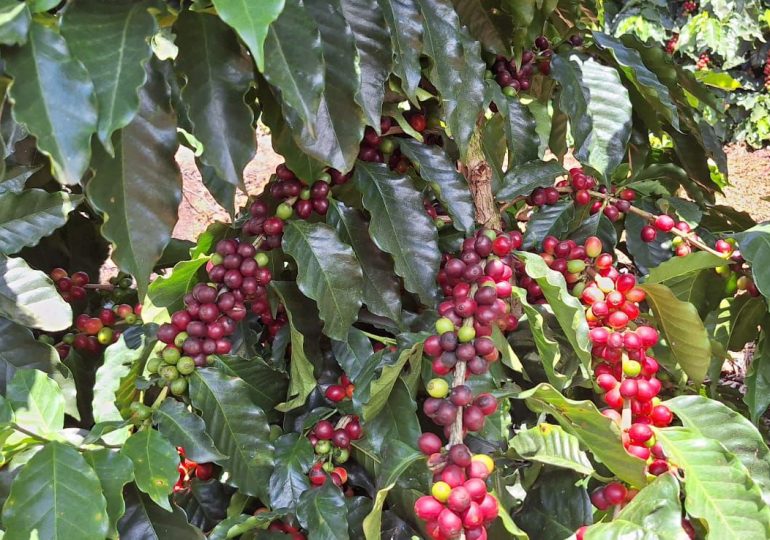
Dominican coffee harvest at risk amid severe labor shortage
The Dominican Republic is on the brink of losing its most promising coffee harvest in a decade, jeopardizing over RD$6 billion in potential income for coffee-producing families. This year, farmers anticipate producing more than 300,000 quintals of coffee—the highest yield since 2013—coinciding with historic highs in international coffee prices, where a quintal is valued at RD$21,500. However, a severe labor shortage threatens to derail this economic boon. In the southern region alone, producers expect over 120,000 quintals, but many fear the crop could spoil due to insufficient workers for harvesting. Traditionally reliant on Haitian laborers, farmers now face restrictions that have left them without viable alternatives. Compounding the crisis, heavy rains in October have accelerated the ripening process, heightening the urgency. Producers are criticizing the government for its inaction, highlighting that neither the Dominican Coffee Institute (INDOCAFE) nor the Ministry of Agriculture has implemented contingency measures. ‘Every pound of coffee that falls to the ground represents 21 pesos lost forever,’ lamented one grower, warning that without immediate intervention, this golden opportunity for rural communities could turn into an economic disaster.
-
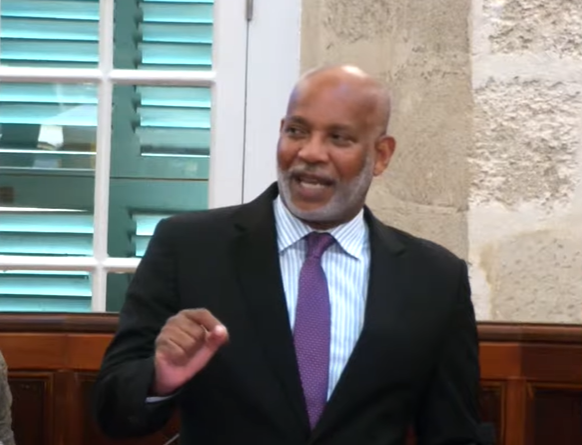
Marshall: Downgrade based on US law, not global measures
Barbados is formulating a comprehensive action plan to address the United States’ decision to downgrade its human trafficking efforts, Attorney General Dale Marshall announced on Thursday. This comes in response to the US State Department’s criticism that the island nation failed to prosecute trafficking cases or assist victims for the third consecutive year. The downgrade, which moved Barbados from Tier 2 to the Tier 2 Watch List in the 2025 Trafficking in Persons (TIP) Report, has prompted Bridgetown to intensify its efforts to reverse the decision. Marshall expressed confidence that the proposed measures would persuade the US to reconsider its assessment. He emphasized that the downgrade was based on US domestic law, specifically the Trafficking Victims Protection Act, rather than international standards. Marshall defended Barbados’ commitment to combating human trafficking, stating that the government takes the issue ‘very seriously’ and has redoubled its efforts in recent years. However, he acknowledged that the number of trafficking cases in Barbados is relatively low, which influences the scale of the response. The Attorney General also rejected Washington’s recommendation to establish specialized courts for trafficking cases, citing feasibility concerns. Barbados has previously been on the Tier 2 Watch List between 2011-2013 and 2019-2021. The TIP Report highlighted several shortcomings, including the absence of trafficking investigations, prosecutions, or victim assistance during the reporting period. While the government has conducted public awareness campaigns and screened vulnerable populations, these efforts were deemed insufficient to maintain its Tier 2 status. The US also criticized provisions in Barbados’ Trafficking in Persons Prevention Act that allow fines instead of imprisonment for sex trafficking, arguing that such penalties undermine the severity of the offense. Systemic issues, such as limited resources, court backlogs, and the prioritization of other crimes by law enforcement, were also cited as contributing factors. Despite these challenges, Barbados remains determined to address the concerns and improve its standing in future TIP reports.
-

GY$5 billion PPP election campaign spending “a blatant lie” – PPP General Secretary
In a recent press interaction, People’s Progressive Party (PPP) General Secretary Bharrat Jagdeo vehemently refuted allegations that his party spent GY$5 billion on its campaign for the September 1 general and regional elections. Labeling the claim as a ‘blatant lie,’ Jagdeo asserted that the PPP’s expenditure was only slightly higher than the GY$300 million reportedly spent by the opposition coalition, A Partnership for National Unity (APNU). He emphasized, ‘We didn’t spend much more than APNU, so let that be your guide.’ When questioned about the potential advantages of incumbency, Jagdeo countered that such benefits were also utilized by the previous APNU+Alliance For Change administration, including the use of a Guyana Defence Force (GDF) helicopter by then-President David Granger. Jagdeo also addressed concerns about access to publicly-funded state media, questioning how it could have disadvantaged opponents financially. He highlighted the PPP’s strategic shift to a digital campaign, citing its cost-effectiveness compared to traditional newspaper advertising. ‘We didn’t advertise in the newspapers much. Nobody reads the newspapers, and our digital campaign cost us an unbelievably low sum,’ he stated. Jagdeo further noted that the PPP’s 2025 campaign spending was significantly lower than in 2020, when the party heavily invested in high-priced newspaper ads. The PPP General Secretary criticized the media for not disclosing the source of the GY$5 billion claim, stating, ‘That’s what people do, they hide behind sources. If I was to come here every time and hide behind a source, then we would never find the truth.’ International election observer missions have previously raised concerns about the PPP’s incumbency advantage, but Jagdeo dismissed these as unfounded.
-
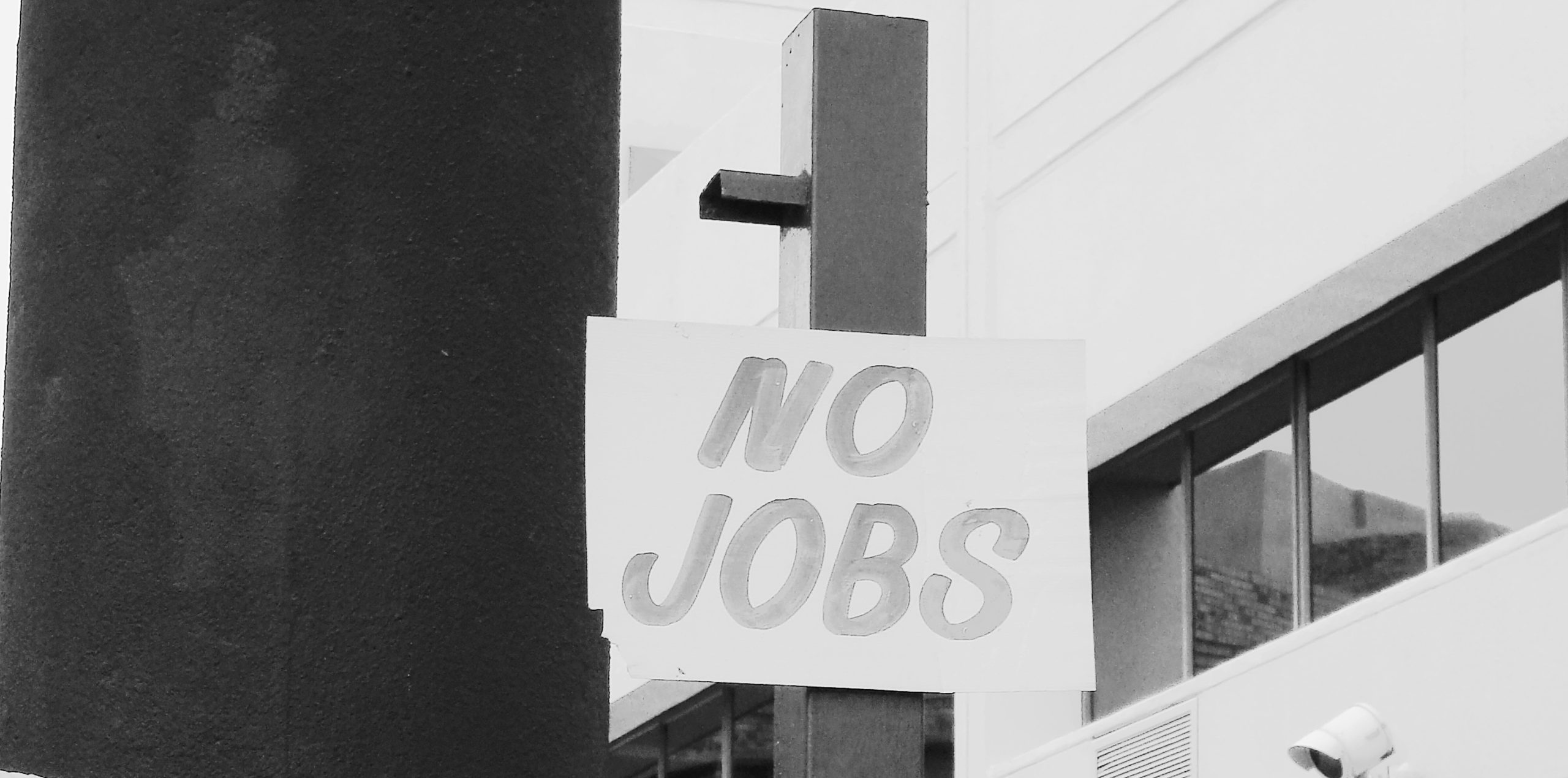
Legislators warn of economic and migration crisis if HELP program ends
In Santo Domingo, a coalition of legislators, economists, and Haitian representatives is advocating for the renewal of the Haiti Economic Enhancement Program (HELP) Extension Act. They caution that its discontinuation could result in the loss of approximately 25,000 jobs in Haiti and the Dominican Republic, while simultaneously exacerbating migration pressures. Dominican Senator Omar Fernández (Fuerza del Pueblo) emphasized that the program has been instrumental in attracting investment to the border region and serving as a deterrent to illegal migration. He warned that its termination could lead to an influx of unemployed Haitians seeking opportunities in the Dominican Republic. Economist Edita Rodríguez Salce highlighted the broader economic repercussions, noting that the program’s end would adversely affect both nations and threaten the free trade zone sector, which employs thousands in companies producing for renowned brands like Victoria’s Secret, Calvin Klein, and Klass. William Charpentier, coordinator of the National Roundtable for Migration and Refugees, described the potential dismantling of the program as a devastating blow to Haiti, which is already grappling with political and economic collapse. He criticized the inconsistency of international support, pointing out that while governments express solidarity with Haiti, critical initiatives like HELP are allowed to lapse. The closure of the textile sector, one of Haiti’s few remaining economic lifelines, would further deepen the country’s ongoing crisis.