
In a landmark collaboration, the Caribbean Development Bank (CDB), Saint Lucia’s Youth Economy Agency (YEA), and the Ministry of Agriculture, Fisheries, Food Security, and Rural Development have celebrated the successful completion of the Boys-to-Men Mushroom Agribusiness Employment Pilot Project. This initiative, designed to tackle critical issues of food security and youth unemployment, has empowered 50 young men with essential skills in mushroom farming and business management. The program, which emphasizes environmentally sustainable practices, aligns with Saint Lucia’s broader objectives of sustainable development and food self-sufficiency. Michel Thomas, Senior Operations Officer at CDB, highlighted the project’s dual focus on reducing the nation’s reliance on food imports and creating viable employment opportunities for vulnerable youth. With a contribution of approximately USD74,000 through the Caribbean Technological Consultancy Services program, the CDB has played a pivotal role in making this initiative a reality. Thomas Leonce, Chairman of the YEA, emphasized the project’s transformative potential, stating that it equips young men with entrepreneurial skills and fosters innovative solutions for sustainable development. Implemented across communities such as Gros Islet, Cul De Sac, and Piaye, the project reflects a collaborative effort involving government ministries, trainers, mentors, and local stakeholders. It also supports CDB’s broader Youth Economy Project, which has provided USD6.7 million in loans and grants to young entrepreneurs aged 18 to 35. Michel Thomas reiterated the Bank’s commitment to youth empowerment and agricultural development, underscoring the importance of nurturing resilience and economic opportunity for future generations.
作者: admin
-

Gardiner, Rudder awarded UWI honorary degrees
The University of the West Indies (UWI) has announced that aviation pioneer Lyndon Gardiner and cultural entrepreneur Pierce Antonio “Boo” Rudder are among 11 distinguished individuals set to receive the institution’s highest academic honor during its 2025 graduation season. The ceremony, themed ‘Pelicans in an AI-driven future: where tradition meets tomorrow,’ will span from October 11 to November 8 across UWI’s Five Islands, Cave Hill, St Augustine, Mona, and Global campuses. Gardiner, a visionary entrepreneur from North Caicos, revolutionized regional air travel through his leadership of interCaribbean Airways. Starting as a modest one-man operation in the 1990s, he transformed Air Turks & Caicos into the largest privately-owned airline in the Caribbean. Today, interCaribbean connects 27 destinations across 17 countries, fostering regional unity and creating hundreds of jobs. Beyond aviation, Gardiner has made significant contributions through scholarships at UWI, medical transport partnerships, and disaster relief initiatives. Rudder, a cultural administrator and entrepreneur, has dedicated his life to advancing Barbadian culture and identity. He has managed the Blue Rhythm Combo, led the Musicians’ and Entertainers’ Guild of Barbados, and served as CEO of the National Cultural Foundation. His advocacy for copyright reform has empowered Caribbean creators to protect their intellectual property. Additionally, Rudder has excelled as a national sports administrator, leading the Barbados Rifle and Pistol Federation and representing the island internationally. His creative endeavors include producing the CD ‘Rush Hour’ and authoring ‘Marching to a Different Drummer.’ In 2019, he was awarded the Gold Crown of Merit for his contributions to culture, business, and sport. The two honorees will be recognized for their outstanding achievements during the UWI Cave Hill Campus graduation ceremony on October 18, 2025. Other notable honorees include reggae icon Marcia Griffiths, academic leaders Professor Niranjan Kissoon and Professor Gene D. Morse, and the late Jamaican business executive Donald Wehby.
-
As yard turns to mud, St Andrew man blames drainage works
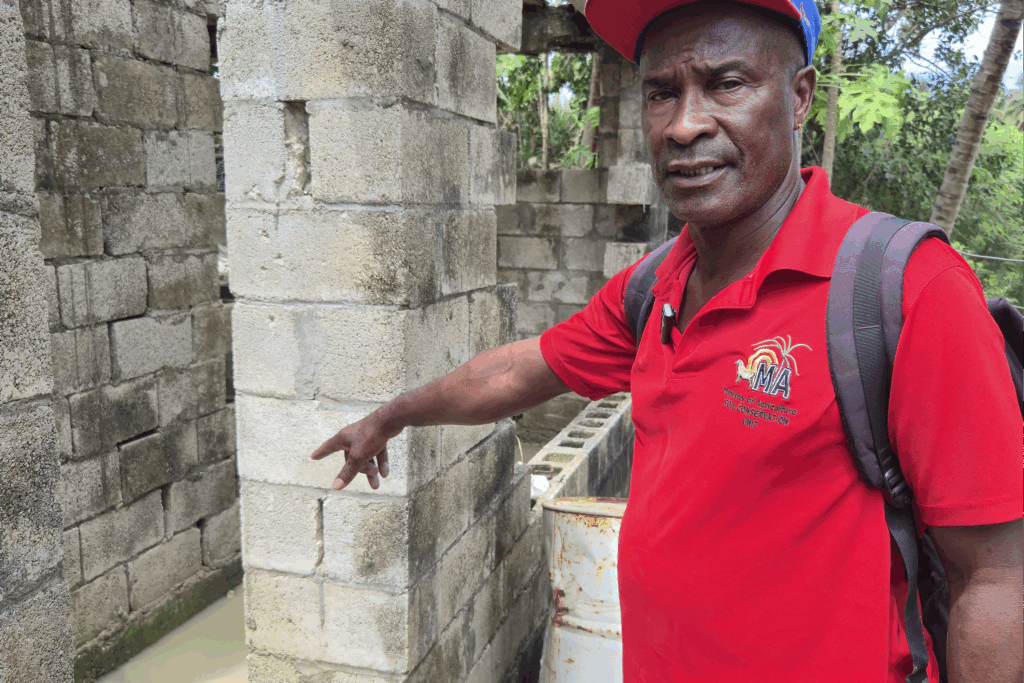
A St Simons homeowner, Keith Lowe, faced a distressing situation as relentless overnight rains transformed his yard into a muddy swamp, reigniting fears of flooding and sparking criticism of recent drainage modifications he claims have exacerbated the issue. On Tuesday, Lowe’s property in St Andrew, Barbados, was submerged in mud—a scenario mirrored in other parts of the island. The Barbados Meteorological Services (BMS) had issued a flash flood warning on Monday, predicting up to 50 millimetres of rain by Tuesday midday. Meteorologists cautioned that the heavy downpours could lead to severe runoff, soil erosion, and road blockages. Social media was flooded with images of the devastation, including Lowe’s own posts showing water encroaching beneath his home. Lowe recounted how water from the nearby road flooded his cellar, leaving behind thick mud. He expressed concern that continued rainfall could damage his home. Lowe attributed the flooding to recent road resurfacing and drainage changes, which he believes have redirected water toward his property. Despite his warnings to workers about the slope of his property, the kerb was lowered, worsening the situation. Lowe criticized the authorities for ignoring local input, stating, “We leave it to the experts, and the experts are failing at everything.” He also highlighted the placement of a new pipeline in front of his door, which has limited his ability to protect his home. By Tuesday evening, a government team visited the site, promising to raise the kerb and redirect water away from his property. However, with more rain forecasted, Lowe fears the measures may come too late. The BMS extended the flash flood warning until Wednesday morning, warning of potential flooding in low-lying areas due to saturated soils.
-

Gajadien: Gratie mag geen politiek instrument worden
Assembly member Asis Gajadien has expressed deep concerns regarding the recent handling of pardon requests submitted to President Jennifer Simons. Gajadien emphasized that the process must be conducted with “utmost care” to safeguard the rule of law and Suriname’s international reputation. He highlighted that Article 109 of the Constitution explicitly requires the president to seek advice from the judge who imposed the sentence or their successor before granting any pardon. “This provision is not a mere formality but a cornerstone of our democratic legal system,” Gajadien stated. “It ensures judicial independence and public trust in fair legal proceedings.” Gajadien further stressed that pardons are exceptional legal remedies, reserved for “extraordinary circumstances involving humanitarian or equity considerations.” He warned against using pardons as political tools or undermining judicial authority. “The manner of application, through political platforms, adds a concerning dimension to this issue,” he noted. Gajadien urged the president to consider not only legal requirements but also societal interests and Suriname’s international credibility when addressing pending pardon requests. He cautioned that premature or inadequately justified pardons could damage the government’s image and send the wrong signal to the international community, which closely monitors Suriname’s commitment to good governance and integrity. “Society deserves the assurance that justice is administered fairly, transparently, and without bias,” Gajadien concluded, calling on the coalition and the president to prioritize the rule of law, social stability, and the moral authority of the office above all else.
-

CARICOM STATISTICS DAY: Secretary General urges unified approach to regional statistics strategy
Caribbean Statistics Day, celebrated on October 15, 2025, coincides with the culmination of the 2024-2025 Year of Statistics in CARICOM, marking a dual milestone. This year also commemorates the 50th anniversary of the Standing Committee of Caribbean Statisticians, highlighting the indispensable role of robust data systems in driving development and resilience across the Caribbean Community. CARICOM emphasized that the commemorative year has focused on standardizing and harmonizing statistical practices among member states. Key initiatives, such as the CARICOM Quality Assurance Framework, the CARICOM Code of Good Statistical Practices, and the Generic Statistical Business Process Model, have been successfully integrated into routine operations, streamlining the entire statistical lifecycle from data collection to dissemination. Currently, CARICOM is advancing its twelve-year Regional Strategy for the Development of Statistics, a comprehensive plan designed to fortify statistical infrastructures and ensure policymakers have access to accurate, timely data. Member governments are actively enhancing legal and institutional frameworks, allocating resources to National Statistical Offices, and prioritizing digital transformation to modernize statistical operations. CARICOM underscores the importance of a unified regional approach to address data gaps and elevate standards. On Caribbean Statistics Day, the Community reaffirmed its commitment to strengthening national and regional statistical processes, guided by the theme, “Improving Lives through Statistics: Strengthening and Innovating Together.” This vision reflects the collective aspiration for progress through collaboration and innovation.
-
CXC engages Guyana on AI in education
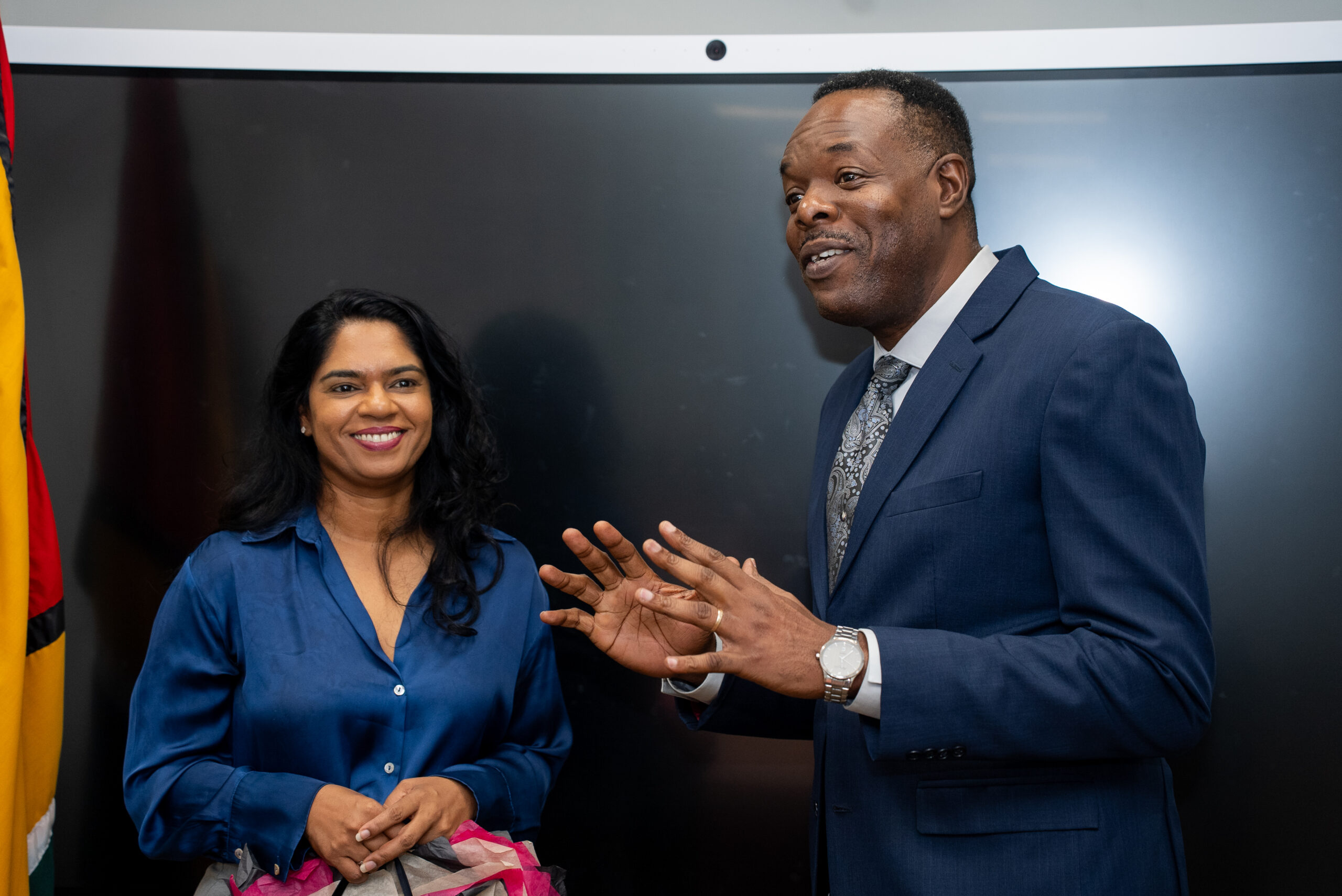
The Caribbean Examinations Council (CXC) recently concluded a pivotal regional engagement series in Guyana (October 8-11), bringing together over 300 educators, students, employers, and stakeholders to deliberate on the ethical and responsible implementation of Artificial Intelligence (AI) in educational assessments. This initiative, part of CXC’s broader transformational agenda, underscores the organization’s commitment to aligning with the educational policy goals of its member states. Dr. Wayne Wesley, CXC Registrar and CEO, emphasized the importance of embracing AI responsibly during the sessions, which also highlighted innovations like the Caribbean Targeted Education Certificate (CTEC). This modularized qualification aims to expand access to certification for out-of-school youth, part-time students, and adult learners. During a courtesy visit to Guyana’s Minister of Education, Sonia Parag, Dr. Wesley outlined CXC’s ongoing AI initiatives, which align with the Ministry’s strategic objectives. Parag praised CXC’s efforts, noting their consistency with national educational priorities. The engagement series, which began in Barbados in mid-September and extended to Jamaica, Trinidad and Tobago, and the OECS, will culminate in an online webinar on October 17. Dr. Nicole Manning, CXC’s Director of Operations, lauded the overwhelming participation and constructive dialogue across the region. Key outcomes include a consensus on allowing students to use AI tools for ideation and enhancements in their School-Based Assessments (SBAs) for the May-June 2026 examinations, provided proper referencing is maintained. Looking ahead, CXC will host a Regional Education Conference in Jamaica (October 28-30) in collaboration with the Ministry of Education, Youth, Skills, and Information. Titled ‘Navigating the Digital Age: Rethinking Teaching, Learning, and Assessment,’ the conference will convene top Caribbean educators to strategize on advancing the region’s educational transformation agenda.
-

LETTERS TO THE EDITOR: The mockery of democracy – unmasking the corrupt electoral reform process in Dominica
In the verdant landscapes of Dominica, often hailed as the ‘Nature Isle of the Caribbean,’ the essence of democracy is under severe threat. Prime Minister Roosevelt Skerrit and his Dominica Labour Party (DLP) have maintained a tight grip on power for over two decades, raising concerns about the island’s democratic integrity. The introduction of electoral reforms in 2025, ostensibly aimed at enhancing transparency and fairness, has instead been criticized as a calculated move to entrench the ruling party’s dominance. The sidelining of the Electoral Commission, a constitutionally mandated body designed to ensure free and fair elections, has further fueled accusations of authoritarianism. The reform process, which included the tabling of three key bills in December 2024, was marked by chaos and suppression of dissent. Protesters outside the House of Assembly were met with tear gas and rubber bullets, while inside, debate was stifled by the DLP’s overwhelming majority. The InterAmerican Commission on Human Rights (IACHR) has expressed grave concerns over the lack of public scrutiny and the erosion of voter registration safeguards. The deliberate marginalization of the Electoral Commission and the exploitation of vulnerable citizens for voter harvesting have drawn widespread condemnation. Skerrit’s government, bolstered by passport-sale revenues and international alliances, has been accused of turning state machinery into a partisan tool. The 2022 snap elections, boycotted by the opposition and marked by low turnout, set the stage for this escalation. Skerrit’s relentless pursuit of unfair advantage, coupled with his unfulfilled promises of clean governance, has led to growing calls for accountability. Dominica now stands at a crossroads, with its citizens and international allies urged to take a stand against this erosion of democratic principles. The choice is stark: reclaim democratic birthright or succumb to the twilight of one-man rule.
-

VS blaast weer boot op nabij Venezuela; 6 doden
In a dramatic military operation, the US Navy destroyed a boat in international waters near the Venezuelan coast on Monday, resulting in the deaths of six individuals, as confirmed by former President Donald Trump. The targeted vessel was allegedly involved in drug trafficking, prompting the US government to label the operation as a strike against ‘narcoterrorists.’ Trump released a video showing the moment the boat exploded, emphasizing the action as part of America’s broader campaign against illegal drug networks. The US administration defended the operation, asserting its legality under international law and its alignment with efforts to combat organized crime. However, the incident has drawn criticism from legal experts and human rights advocates, who question the transparency and justification of such attacks, particularly in the absence of publicly disclosed evidence. Critics argue that the move sets a concerning precedent for unilateral military actions in international waters, raising questions about adherence to international legal standards.
-
CBH Participates in Disaster Management Exhibition
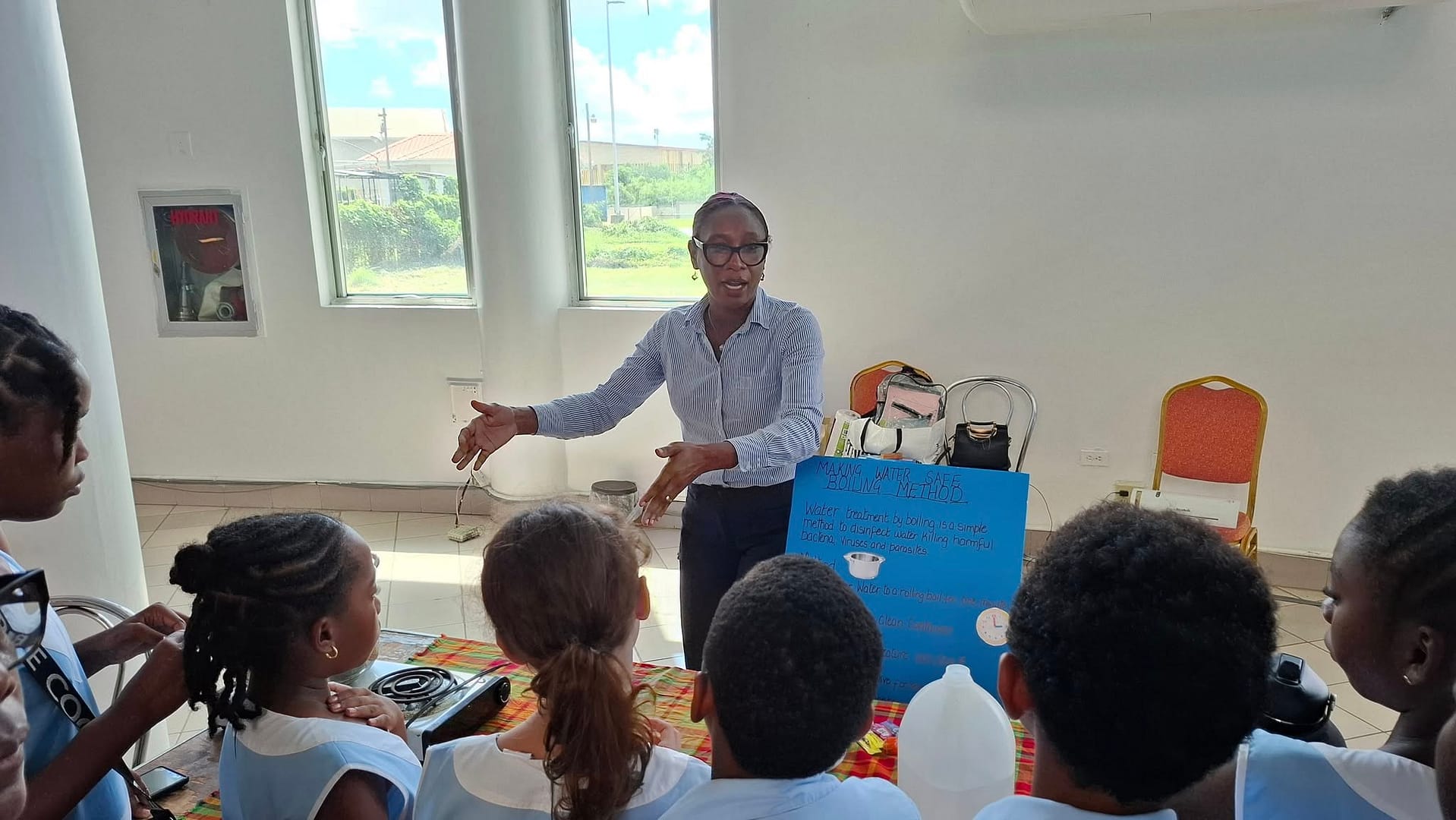
On October 14th, the Central Board of Health (CBH) actively participated in a Disaster Management Exhibition organized by the National Office of Disaster Services (NODS). The event, themed ‘Fund Resilience, Not Disasters,’ was held at the Multipurpose Cultural Centre and attracted hundreds of students accompanied by their teachers. Various agencies showcased their roles and responsibilities before, during, and after disasters, emphasizing the importance of preparedness and resilience. The CBH team, known for its focus on public health areas such as food safety, vector control, and sanitation during disasters like hurricanes, chose to spotlight water safety and hygiene practices at this exhibition. At one display table, the team demonstrated practical methods to ensure water safety, including boiling, adding unscented household bleach, and using chlorine tablets. They stressed the critical need for using potable water to prevent health risks. Another display used props to illustrate the dangers of walking or playing in floodwaters, explaining how these waters can become contaminated by damaged septic tanks and pit latrines, harboring harmful germs that can cause illness. Through these interactive displays, participants gained essential knowledge on making water safe for consumption and the importance of avoiding contact with floodwaters after heavy rains or storms. The exhibition served as a valuable platform for educating the public on disaster resilience and health safety measures.
-
Community Road Repairs Underway in Tyrell’s, Bathlodge, Clare Hall and Golden Grove
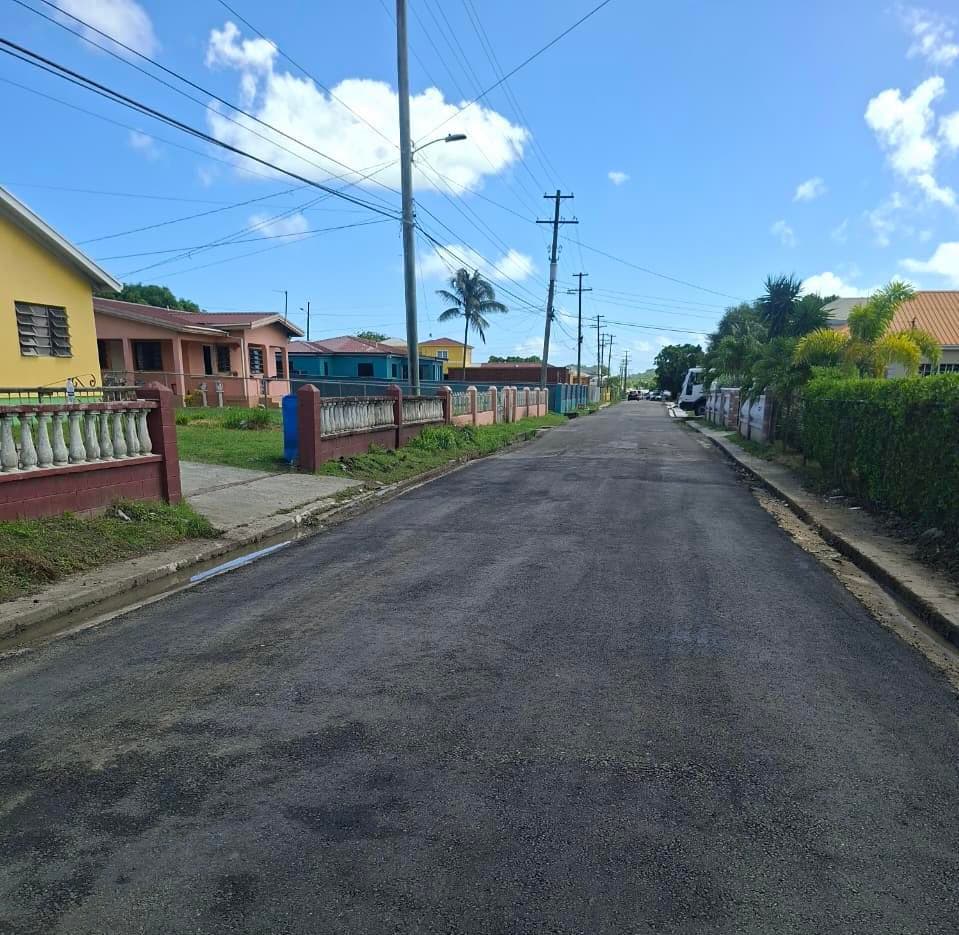
The Ministry of Works has initiated a widespread road repair campaign targeting several key areas, including Tyrell’s, Bathlodge, Clare Hall, and Golden Grove. This initiative aims to bolster road infrastructure in preparation for the impending rainy season. In Bathlodge, crews are currently engaged in base preparation, while patching teams are actively working in Clare Hall and Golden Grove. Officials have emphasized that these efforts are part of the ministry’s broader strategy to enhance community infrastructure and ensure safer, more reliable roadways. The ministry has also expressed appreciation for the recent favorable weather conditions, which have enabled the continuation of work following delays caused by earlier rainfall. This project underscores the government’s commitment to improving public infrastructure and addressing the needs of local communities.