
The Chinese Arrival Dragon Boat Festival, held at the Chaguaramas Boardwalk on October 11 and 12, witnessed thrilling performances from teams Aquaholics and Bluebloods. Over the two-day event, numerous races were conducted across various distances, including 200m, 500m, and 1,000m, alongside traditional dragon dances. Aquaholics showcased their prowess by securing victories in the premier open 200m, premier mixed 200m, and premier women’s 200m events. In the premier open race, they narrowly edged out Bluebloods with a time of 53.35 seconds, while Bluebloods clocked 55.57 seconds. Bluebloods, however, excelled in the Under-16 open standard race and the Under-16 200m small event. Both teams also triumphed in the 1,000m events. Aquaholics led the premium mixed race with a time of 7:01.04, while Bluebloods dominated the Under-21 open category, finishing in 6:00.48. Other notable winners included St Joseph’s Convent’s Blue Dragons in the Under-21 women’s race and Sea Serpents in the 500m Under-21 women’s event. The festival also featured an exhibition race for beginners and non-competitive athletes, where Chinese Exhibition emerged victorious.
作者: admin
-

From content to commerce
In the evolving landscape of modern business, attention has become the new currency. However, mere attention is no longer sufficient to sustain success. The year 2025 marks a pivotal shift where every scroll, like, and comment represents a micro-transaction in culture. Creators, once content with being digital celebrities, are now transforming into founders, curators, and architects of immersive, creator-led experiences. These businesses bring digital storytelling to life through cafes, tours, events, and tangible products, fostering a sense of belonging among consumers. The future of business lies at the intersection of content and community, where storytelling extends beyond the digital realm into real-world spaces that make people feel part of a narrative. This global phenomenon is not confined to major markets; it is also gaining momentum in the Caribbean. Creators like Jamel ‘Certified Sampson’ Sampson, Kyle Boss, and Gervail ‘Jr Lee’ Lee are turning digital influence into thriving physical businesses, from ice cream shops to comedy tours. The data underscores this trend, with Goldman Sachs projecting the global creator economy to reach US$480 billion by 2027. However, scaling this movement requires a supportive ecosystem, including stronger digital infrastructure, investment in innovation, and government recognition of creators as cultural exporters. As Caribbean entrepreneurs embrace this shift, the focus is on building creator-led experiences that will define the next decade of business. To aid this transition, digital strategist Keron Rose is hosting a workshop titled the Digital Revenue Roadmap, offering insights on monetizing digital presence and creating sustainable income ecosystems. The time has come for Caribbean entrepreneurs to move beyond products and craft experiences that resonate globally.
-
Strengthening industrial resilience
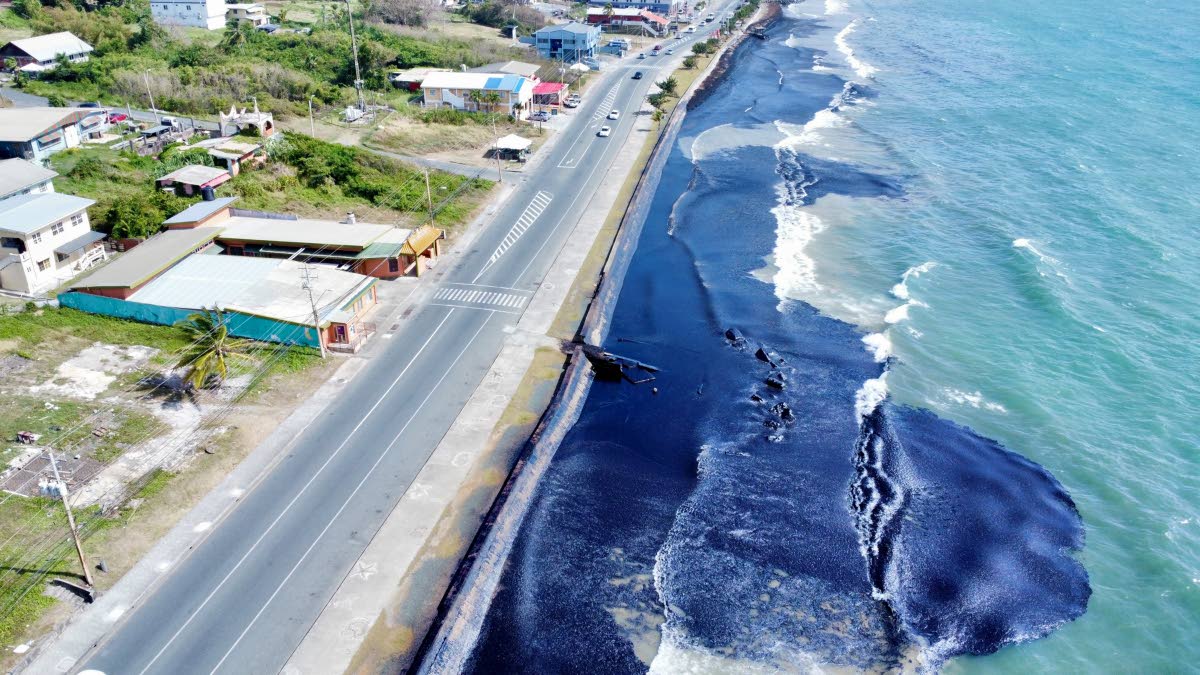
As Trinidad and Tobago (TT) marks the International Day for Disaster Risk Reduction on October 13, the nation confronts a pivotal juncture in safeguarding its industrial and energy sectors. These sectors, the backbone of TT’s economy, are grappling with aging infrastructure, climate vulnerabilities, and inadequate emergency response capabilities. While natural disasters like hurricanes and floods often dominate risk discussions, the threat of industrial disasters looms equally large. TT’s reliance on oil and gas—spanning upstream, midstream, and downstream operations—has left it exposed to systemic risks as critical assets, including pipelines, tanks, and flare systems, operate beyond their intended lifespans. Without sustained reinvestment, these once-cutting-edge systems have become national liabilities. Industrial emergencies, such as the 2013 oil spill and the 2024 barge disaster off Tobago’s coast, underscore the cascading impacts of such incidents, which disrupt livelihoods, ecosystems, and economic stability. The region’s history of pipeline failures, chemical spills, and oil leaks highlights the urgent need for robust emergency preparedness. However, TT faces significant gaps in both equipment and responder competency. Outdated fire suppression systems, gas detectors, and spill containment gear, coupled with insufficient training, hinder effective crisis management. To address these challenges, TT must elevate its standards, ensuring that emergency responders meet internationally recognized benchmarks. Certifications aligned with global best practices, modern technologies, and methodologies are essential to fostering credibility, confidence, and international collaboration. Industrial resilience is not merely a technical necessity but a strategic imperative for sustaining foreign investment, infrastructure development, and economic diversification. As climate change amplifies the risk of natural disasters triggering industrial failures, TT must prioritize a culture of competence, transparency, and accountability. The nation’s ability to thrive in a new energy era hinges on its capacity to manage industrial risks effectively. Investments in training, certification, and equipment are investments in resilience, safeguarding people, communities, and economic continuity. TT stands at a crossroads: it can either react to disasters or build a system capable of preventing them. The choice will shape the nation’s safety, reputation, and prosperity for generations to come.
-

61 qualify for Carifta Artistic Gymnastics Champs
A total of 61 gymnasts have earned the honor of representing Trinidad and Tobago at the upcoming second Carifta Artistic Gymnastics Championships, scheduled to take place from December 6 to 7 at the National Cycling Centre in Balmain, Couva. The selection process was rigorous, with athletes competing in the Carifta trials held on October 11 and 12 at the National Cycling Velodrome in Couva. The trials were overseen by four international judges from the Pan American region, led by head judge Mabel Moreno from Colombia, ensuring a fair and transparent selection process. Among the standout qualifiers are Sidney Charles and Dailia Burke from Tots & Tumblers, who will compete in the FIG senior elite category for athletes aged 16 and over. Additionally, Zariah Dopwell-Gittens, Yliana-Rose Sancho, and Asia Ali from Olympic Wolfpack, along with Kaydence Fortune from Tots & Tumblers, will vie for honors in the PAGU 1 division for gymnasts aged nine to 11. The trials saw participation from 172 athletes across 12 local clubs, with eight clubs securing spots on the national team. The TT Gymnastics Federation emphasized the transparency of the selection process, with results announced immediately after each session and no disputes raised. The qualifying gymnasts achieved the highest all-around scores and met the minimum score criteria set prior to the trials. The event promises to showcase the talent and dedication of Trinidad and Tobago’s gymnasts on a regional stage.
-
Dream Team, Merikins Youth Club start SFA Big 6 with wins
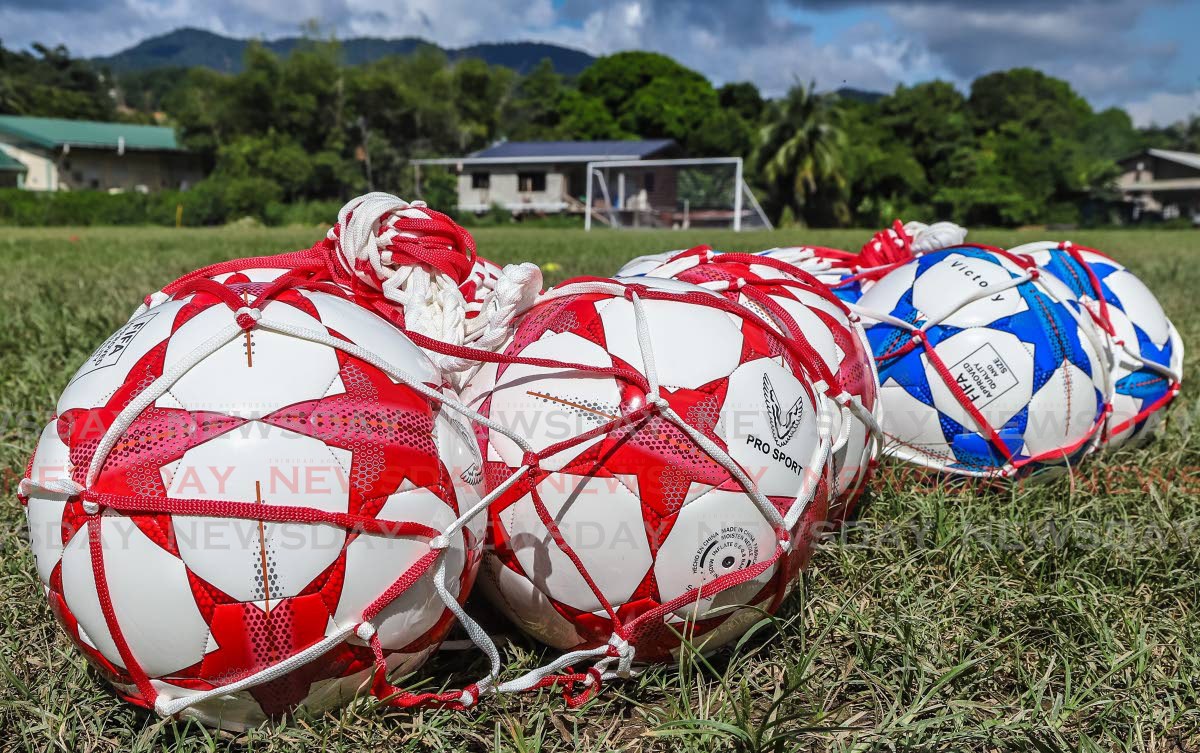
The Southern Football Association’s (SFA) ‘Big 6’ competition commenced on October 12 with a series of exhilarating matches, showcasing the prowess of local football teams. At the Moruga Sporting Facility, Merikins Youth Club secured a commanding 3-1 victory over Cedar Hill SC. Nikel Rawlins was the standout performer, netting two goals, while Kellon Williams added another to the tally. Cedar Hill’s lone goal came from Quinn Rodney, a former Shiva Boys’ Hindu College star. Meanwhile, at Union Hall, Dream Team edged out Moruga FC with a 2-1 win, thanks to goals from Duane Edwards and Jarelle Sutherland. Kieon LaRode managed to score for Moruga FC. In Erin, Trippy FC clinched a narrow 1-0 victory against Fyzabad FC, with Mickell Charles delivering the decisive goal. The excitement continued from the previous week’s SFA Executive Cup quarterfinals, where Charles also made his mark by scoring in Trippy FC’s 2-1 win over Cedar Hill. Attiba Marshall shone for Moruga FC, scoring twice in their 2-1 victory over Fyzabad FC. In other quarterfinal action, Mascall FA triumphed over Dream Team with a 3-2 scoreline, thanks to goals from Quacy Cooper, Matthew-Lee Cummings, and Tevin Turner. Ste Madeleine Strikers advanced to the next round by default, as Smart Football Aces were unable to compete, resulting in a 3-0 walkover.
-

Schoolboys shot in Maloney, Brasso Caparo, residents concerned — Children under fire
Residents of Building 16 in Maloney Gardens were left in shock after a violent shooting incident on October 15. At approximately 4 a.m., two masked gunmen forcefully entered an apartment, targeting a man and his nine-year-old son. The father, initially mistaking the intruders for police, attempted to flee to his son’s room but was pursued and shot. The boy sustained a gunshot wound to his heel, while the father was hit in his toe. Both victims were rushed to the hospital and are reported to be in stable condition. Police recovered eight spent 9mm shell casings at the scene, highlighting the severity of the attack. The incident has left the community on edge, with many parents expressing fear for their children’s safety. A resident, speaking anonymously, described the situation as heartbreaking, emphasizing that gun violence has become a grim norm in the area. Another mother, who heard the gunshots, recounted how she instructed her children to lie on the floor while she prayed for their safety. The community, once considered relatively safe, is now grappling with escalating violence, prompting some residents to consider relocating. A teenage boy lamented the loss of order in the neighborhood, stressing that children should never be victims of such violence. Meanwhile, a long-time resident, known as “Mama,” reflected on the changing dynamics of the community, urging parents to prioritize their children’s safety. The incident underscores the urgent need for measures to address gun violence and restore peace in Maloney Gardens.
-

World Food Day: Let us be better together
As the world commemorates the 80th anniversary of the Food and Agriculture Organization (FAO) on World Food Day, Dr. Qu Dongyu, FAO Director-General, reflects on the organization’s monumental achievements and the pressing challenges that lie ahead. Established in 1945, FAO’s mission has been to eradicate hunger and ensure global food security. Over the decades, the organization has made significant strides, from eradicating the rinderpest virus to establishing the Codex Alimentarius food safety standards and nearly tripling global rice yields. Despite these successes, chronic undernourishment persists, affecting 8.2% of the global population today, a stark contrast to the two-thirds who faced inadequate food supply in 1946. The world now produces enough calories to feed its population, yet disparities in access and distribution remain. Recent crises, such as the 2019 desert locust outbreak and the COVID-19 pandemic, have underscored the interconnectedness of global agrifood systems and the need for international cooperation. FAO’s initiatives, including the Hand-in-Hand Initiative and the One Country One Priority Product program, aim to address these challenges by promoting sustainable agriculture, enhancing market access, and leveraging digital technologies. Dr. Qu emphasizes the urgency of collective action to combat transboundary threats like climate change, pests, and diseases, which threaten to reverse decades of progress. The FAO’s vision of ‘four betters’—better production, nutrition, environment, and life—guides its efforts to ensure no one is left behind. As Dr. Qu concludes, hunger is not inevitable, and with shared purpose and collaboration, the world can achieve a food-secure future for all.
-

Opposition to Garvey’s visit
In 1927, the Universal Negro Improvement Association (UNIA) in Trinidad and Tobago eagerly prepared for Marcus Garvey’s anticipated visit. However, the Trinidad Guardian’s editorial on December 11, 1927, vehemently opposed his arrival, accusing Garvey of making extravagant promises during his visits to British Honduras and Jamaica. The editorial urged the government to bar Garvey, labeling him an ‘undesirable immigrant’ and warning of his potential to deceive the public for personal gain. This stance sparked outrage among the working class, with a letter to the Labour Leader condemning the editorial as a ‘gross insult to the Negro race.’ Garvey, undeterred, expressed his intention to visit Trinidad in 1928, dismissing the opposition as beneath his dignity. Despite his plans, the Legislative Council passed the Expulsion of Undesirables (Amendment) Ordinance, widely seen as an attempt to block his visit. Garvey ultimately canceled his trip. Nearly a decade later, in 1937, Garvey sought permission to visit Trinidad again, assuring Governor Murchison Fletcher of his non-political intentions. After consultations, Fletcher allowed Garvey to land, recognizing that existing evidence did not justify a ban. This decision marked a significant shift in the colonial government’s stance toward the prominent Afro-Caribbean leader.
-
Another CL Financial probe
In a renewed twist to the long-standing saga of CL Financial (CLF), a High Court judge has halted the sale of a key asset of the defunct conglomerate, prompting Commissioner of Police Allister Guevarro to direct the Anti-Corruption Investigation Bureau (ACIB) to probe the transaction. This development, reported on October 13, marks another chapter in the tumultuous history of CLF, which collapsed in 2009, leading to a $28 billion state bailout. The ACIB’s investigation comes over a decade after it first launched a criminal probe into former CLF executives for their role in the company’s downfall. This time, the bureau is examining allegations of irregularities in the sale of group assets, including the Trincity Mall, which was sold for $505 million in 2024. Shareholders and creditors have raised “grave concerns” about these transactions, which occurred even after the Central Bank relinquished control of Clico, CLF’s former insurance arm, in 2022. The public’s demand for transparency grows as questions linger about the ACIB’s recent transfer from the police to the Office of the Attorney General. Past investigations, such as the Colman Enquiry initiated by former Prime Minister Kamla Persad-Bissessar, have yielded little accountability, with key figures like CLF’s Lawrence Duprey passing away before justice could be served. As Ms. Persad-Bissessar returns to power, there is hope that the findings of the Colman Enquiry will finally be published, though concerns remain that this latest probe may follow the same inconclusive path as its predecessors.
-
CAL ‘nineyears late’troubling
In a recent development that has raised significant concerns about governance and accountability, the audited financial statements of Caribbean Airlines Ltd (CAL) for the year 2016 were tabled in the House of Representatives—nine years after their due date. This delay, highlighted in a letter to the editor by Motilal Ramsingh, underscores a broader issue of systemic negligence within public sector institutions.
The financial documents were referred to the Public Accounts (Enterprises) Committee, chaired by Senator Vishnu Dhanpaul, with MP Colm Imbert serving as vice-chair. Notably, both individuals have previously held the position of Minister of Finance and are well-versed in financial stewardship. Dhanpaul, who also served as a permanent secretary and a member of CAL’s board, is no stranger to the intricacies of corporate governance.
The nearly decade-long delay in presenting these accounts is not an isolated incident but rather indicative of a pervasive culture of weak accountability and a blatant disregard for statutory reporting obligations. Such lapses erode public confidence, impede effective parliamentary oversight, and undermine the credibility of financial governance across the public sector.
The situation is further exacerbated by the recent change in CAL’s board and the departure of key executives, which has laid bare the farcical nature of accountability within the organization. This episode serves as a stark reminder of the urgent need for systemic reforms to restore public trust in institutions.
As Ramsingh aptly notes, this incident should not be met with wry amusement among those once responsible for oversight but should instead prompt serious reflection and corrective action. The restoration of public trust in governance mechanisms is imperative to ensure transparency and accountability in the future.