作者: admin

  • Russian army takes Komarovka town in Sumi region

    Russian army takes Komarovka town in Sumi region

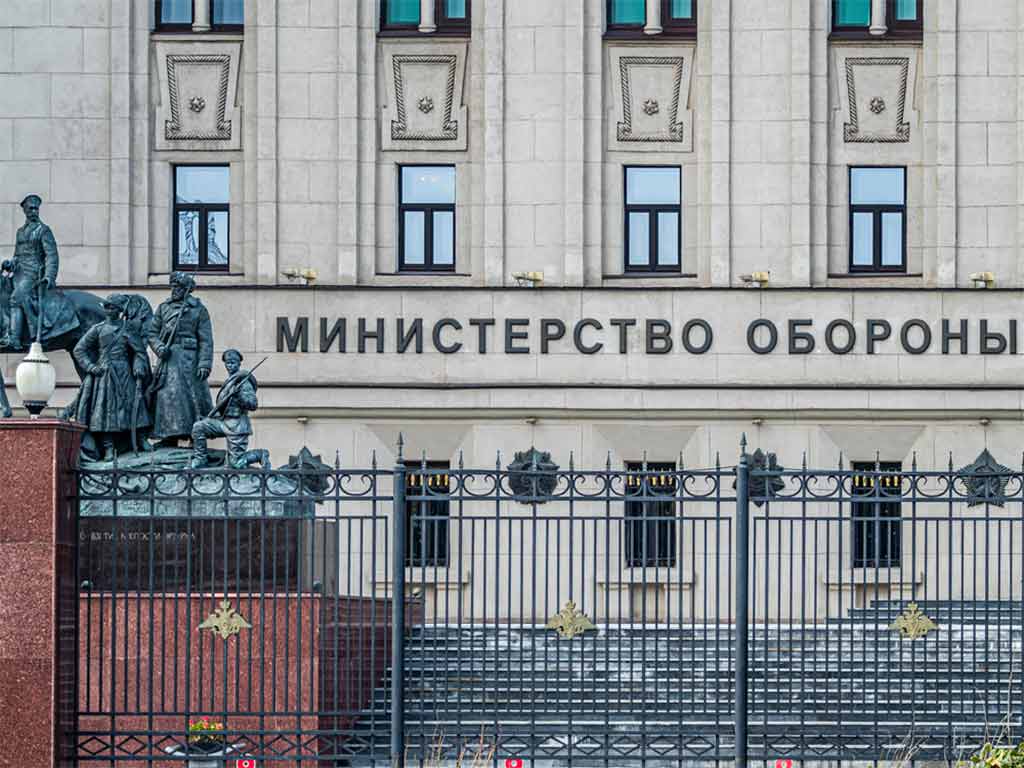
    Russian military officials announced significant battlefield developments on Wednesday, reporting the capture of Komarovka, a strategically positioned town in Ukraine’s northeastern Sumy region bordering Russia’s Kursk oblast. The operation was attributed to the Northern Troops Group, which described their tactical maneuvers as ‘active and decisive actions’ in an official statement disseminated via Telegram.

    Concurrent with this territorial advance, Russia’s Defense Ministry released comprehensive casualty figures purportedly inflicted upon Ukrainian forces within a 24-hour timeframe. The data, segmented by operational theaters, indicates substantial personnel losses across multiple fronts: approximately 190 soldiers attributed to the Northern Group’s operations, with additional casualties reported by other military divisions—up to 440 by the Central Group, over 300 by the Eastern Group, nearly 200 by the Western Group, around 125 by the Southern Group, and more than 55 by the Dnieper Group.

    The report further detailed extensive material losses allegedly suffered by Ukrainian troops, including the destruction of two main battle tanks, 26 armored combat vehicles, and 95 military transport vehicles. Ukrainian artillery capabilities were reportedly diminished by the loss of 11 pieces alongside one Czech-manufactured Vampire multiple rocket launcher system. Russian forces also claimed to have neutralized critical support infrastructure, encompassing five electronic warfare stations, one counter-battery radar station, one AN/TPQ-50 surveillance radar, and 14 ammunition and equipment storage facilities.

    In a notable assertion of aerial defense superiority, the ministry stated that seven precision-guided aerial bombs, six U.S.-supplied HIMARS rockets, and 260 unmanned aerial vehicles were intercepted and destroyed during the same operational period.
  • Italy Highlights Cuba’s firm resistance to US aggression

    Italy Highlights Cuba’s firm resistance to US aggression

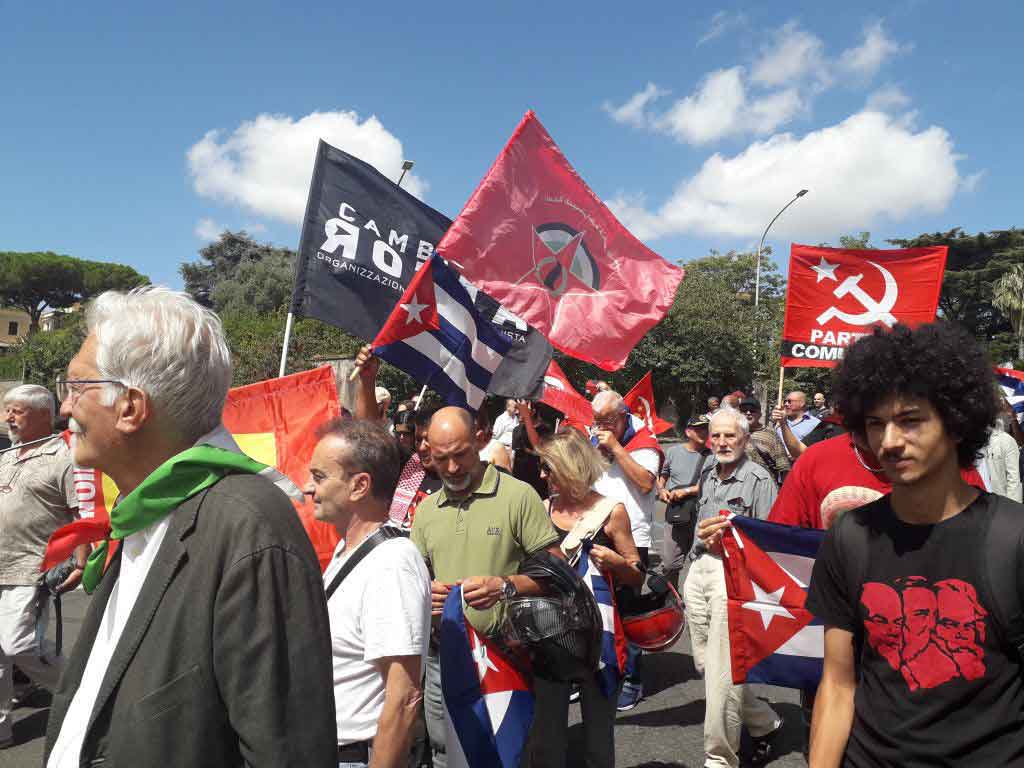
    In a penetrating geopolitical analysis, Italian economist and Network of Communists leader Luciano Vasapollo identifies Cuba as a persistent target of US imperialism due to its symbolic significance as an alternative societal model. The defense of Cuba, he argues, extends beyond military and diplomatic dimensions into a continuous multi-front conflict encompassing economic, cultural, symbolic, and social domains.

    Vasapollo, who co-founded the Italian chapter of the Network of Intellectuals in Defense of Humanity, contends that the escalating US aggression toward Cuba—particularly alongside concurrent attacks on Bolivarian Venezuela—represents neither historical coincidence nor temporary foreign policy divergence. This coordinated offensive against both nations instead exposes the fundamental character of the current geopolitical phase: imperial forces targeting regions where experiments in solidarity-based cooperation, social planning, and regional integration present viable alternatives to financial capital’s global market dominance.

    The analyst emphasizes that these nations face retaliation precisely because they have successfully challenged hemispheric hegemony despite internal contradictions and operational challenges. By constructing frameworks of cooperative solidarity, socially-oriented planning, and regional integration, they have established practical alternatives to the global capitalist market structure.

    This aggressive escalation, Vasapollo concludes, represents the logical manifestation of capitalism’s organic crisis. Drawing from Italian Marxist philosopher Antonio Gramsci’s theoretical framework, he characterizes this as a system that can no longer maintain control through ideological hegemony and increasingly relies on coercive measures to preserve its dominance.

  • Search continues for people after landslide in DRC

    Search continues for people after landslide in DRC

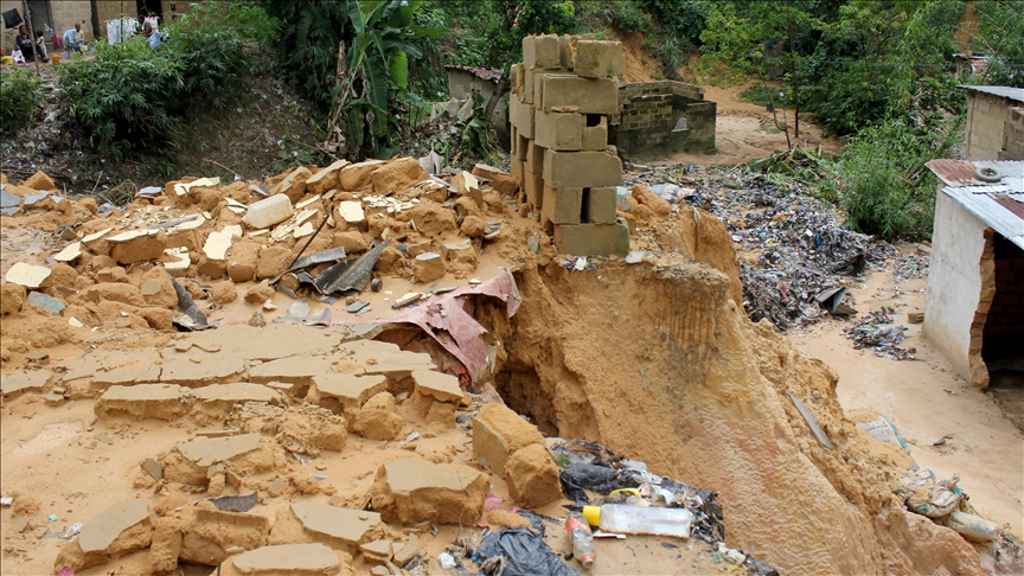
    A catastrophic landslide struck the Burutsi region of the Democratic Republic of Congo on Wednesday, resulting in a significant loss of life and widespread destruction. The disaster has so far claimed 19 lives and left four individuals with serious injuries. Rescue teams continue to work tirelessly as more than a dozen people remain unaccounted for, believed to be trapped beneath the rubble.

    During the ongoing rescue operations, the situation was further complicated when a local resident assisting with recovery efforts suffered a fall, resulting in a fractured left leg. This incident was confirmed by the administrative secretary of the Luberike group, the administrative division that encompasses Burutsi, in a statement to Actualité.CD.

    The landslide’s destructive path has rendered numerous homes uninhabitable, displacing a substantial number of residents. Those who have lost their dwellings are currently seeking shelter and refuge in local schools, which have been repurposed as emergency accommodation centers.

    In response to the crisis, local authorities have issued a heartfelt appeal for collective solidarity. They are urgently calling for public assistance to support the victims, intensify the search for the missing, and provide essential medical care for the injured. The community is mobilizing to address the immediate humanitarian needs arising from this tragic event.

  • James, Wahid crowned junior chess champions

    James, Wahid crowned junior chess champions

    In a display of strategic mastery, Justin James and Chelsea Wahid have successfully defended their national titles at the Saint Lucia Chess Federation’s National Junior Under-20 Championships. The tournament unfolded across two competitive days on January 4 and 11 at the Cocoville headquarters in Rodney Bay, Gros Islet, drawing a significantly larger field than previous years.

    Justin James, an 18-year-old scholar from Sir Arthur Lewis Community College, dominated the Absolute category with an impressive score of 5.5 points from 6 rounds. His victory marks a consecutive championship win, solidifying his status as the nation’s premier junior chess talent. The runner-up position was claimed by D’yorni Cilpa with 5 points, while Chelsea Wahid secured third place with 4.5 points.

    In the Female division, Women’s Candidate Master Chelsea Wahid demonstrated exceptional skill to retain her crown. The 17-year-old International School Saint Lucia student achieved a winning score of 4.5 points. Kiara Lambert followed in second position with 3.5 points, and Shekinah Leonce completed the podium with 2.5 points.

    The championship witnessed remarkable growth in participation, attracting 16 competitors from nine educational institutions—doubling the attendance from the previous year. Participants engaged in six rounds of classical chess under the Swiss system format, employing standard time controls of 60 minutes per player with a 30-second increment per move.

    The national chess calendar continues with the Senior National Championships, scheduled to commence on January 18 at the same venue. This elite competition will span four consecutive weekends utilizing a round-robin tournament structure.

  • China defends international law against US stance

    China defends international law against US stance

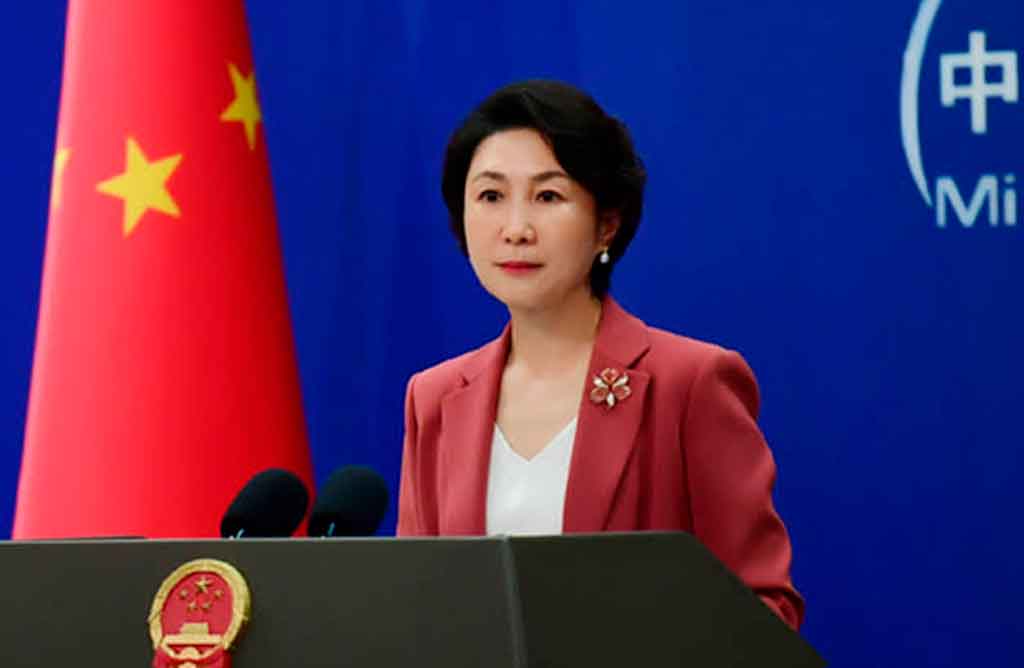
    In a striking diplomatic contrast, China has positioned itself as a defender of the international legal order while responding to recent statements from former US President Donald Trump that questioned the authority of global governance frameworks. Foreign Ministry spokesperson Mao Ning articulated Beijing’s firm position during a press briefing, emphasizing that international law remains an indispensable mechanism for peaceful dispute resolution among nations.

    The Chinese spokesperson presented a comprehensive vision of global governance centered on multilateral cooperation, stating that upholding international legal principles is fundamental to preserving international fairness and justice. This stance serves as a direct counterpoint to what Chinese officials characterize as unilateral and aggressive actions by the United States against sovereign nations including Venezuela and other countries that diverge from Washington’s strategic interests.

    Mao Ning further elaborated that major global powers bear special responsibility in demonstrating respect for the authority of international law and faithfully implementing their obligations under various international agreements. This perspective was reinforced by Chinese Foreign Minister Wang Yi, who emphasized that the sovereignty and security of all nations must receive comprehensive protection within the framework of international law.

    The emerging philosophical divide occurs against the backdrop of intensifying global debates regarding the future of multilateralism and the international system established following World War II. Beijing has explicitly rejected the concept of any single nation acting as the ‘world’s policeman’ or assuming the role of international judge, instead advocating for a collective approach to global governance through established international institutions and legal frameworks.

  • OP-ED: CARICOM faces a unity-defining moment

    OP-ED: CARICOM faces a unity-defining moment

    The Caribbean Community (CARICOM) confronts a severe foreign policy challenge following recent US military operations in Venezuela, exposing deep divisions among its 14 sovereign member states. Since September 2025, American military actions in the region have triggered contrasting responses that threaten the bloc’s cohesion.

    CARICOM leadership now navigates complex pressures stemming from the revived ‘Donroe Doctrine’ and concurrent US policy demands toward member nations. The organization faces the formidable task of formulating a unified foreign policy response to the Trump administration’s renewed emphasis on spheres of influence and strategic competition.

    Two distinct camps have emerged within CARICOM. Barbados exemplifies the traditional foreign policy approach, with Prime Minister Mia Amor Mottley delivering a blunt assessment of the January 3 US military action in Venezuela. Her position aligns closely with UN Secretary-General António Guterres, who termed the intervention ‘a dangerous precedent’ that risks regional instability and violates international norms.

    Conversely, Trinidad and Tobago has pursued a markedly different course, emphasizing regional peace concerns while simultaneously reaffirming commitment to Washington’s intervention logic. The nation’s prominent role in ‘Operation Southern Spear’ has raised eyebrows within CARICOM, particularly as US interventionism appears resurgent in Latin America and the Caribbean.

    The crisis unfolds against broader geopolitical shifts, with the United States withdrawing from numerous international organizations and treaties it previously established. This retreat from multilateralism particularly concerns CARICOM members, who rely heavily on UN-based international law and multilateral frameworks to protect their interests as small states.

    The upcoming Fiftieth Regular Meeting of CARICOM Heads of Government assumes critical importance as members seek common ground. While some unity exists on certain US policy aspects—such as hosting deported migrants—the fundamental question remains whether the bloc can overcome its divisions during this unity-defining moment.

    Dr. Nand C. Bardouille of The University of the West Indies observes that CARICOM leadership recognizes the summit represents a test the regional grouping cannot afford to fail, given the high stakes for Caribbean sovereignty and international law principles.

  • French PM faces two no-confidence motions

    French PM faces two no-confidence motions

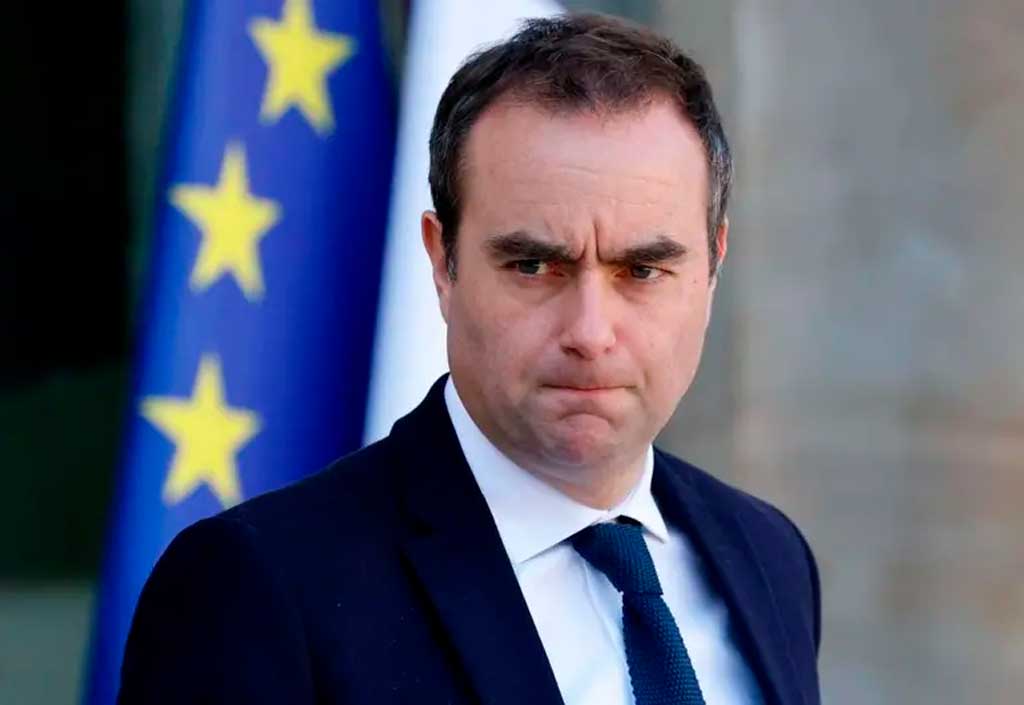
    The French government confronts simultaneous no-confidence motions from opposing political flanks as agricultural discontent escalates over the EU-Mercosur trade agreement. The left-wing La France Insoumise (LFI) and far-right National Rally (RN) parties separately introduced measures to challenge Prime Minister Élisabeth Borne’s administration, though both initiatives face probable defeat due to lack of cross-party support.

    Political analysts indicate neither motion will secure the required 289 votes in the 577-seat National Assembly, with both the Socialist Party and conservative Republicans explicitly rejecting alignment with either political extreme. Current projections suggest maximum support of approximately 200 votes, insufficient to topple the government.

    The motions center on President Emmanuel Macron’s handling of the EU-Mercosur trade pact, which has sparked substantial farmer protests across France. While Macron ultimately opposed the agreement—with France casting a dissenting vote last week—opposition parties argue this stance emerged from domestic pressure rather than genuine policy conviction.

    Evidence suggests Macron previously indicated support for the trade initiative during November meetings in Belém, Brazil, creating perception inconsistencies that have fueled political criticism. The agreement, scheduled for formal signing in Asunción, Paraguay, has drawn fierce opposition from French agricultural sectors fearing unfair competition from South American producers.

    Hundreds of farmers escalated protests this week, entering Paris with tractors to demonstrate against the trade deal. Agricultural groups announced planned demonstrations outside the European Parliament in Strasbourg on January 20th, maintaining pressure on both French and EU authorities regarding the controversial agreement.

  • Venezuela: acting president recalls meeting with UAE envoy

    Venezuela: acting president recalls meeting with UAE envoy

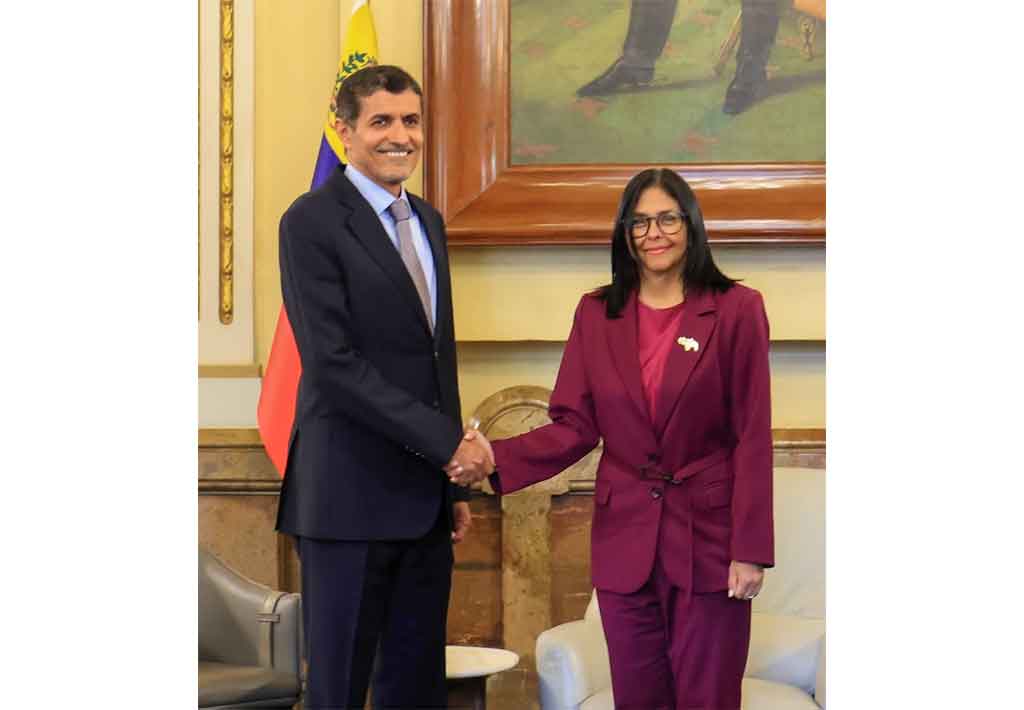
    Venezuelan President Nicolás Maduro has announced the receipt of a significant diplomatic communication from the United Arab Emirates, emphasizing solidarity and enhanced cooperation between the two nations. The development emerged from a high-level meeting at Miraflores Palace, Venezuela’s presidential headquarters, where officials from both countries convened to strengthen their longstanding diplomatic relationship.

    According to an official statement released through presidential channels, President Maduro characterized the communication as a substantive message conveying unity and mutual support from both the Emirati government and its citizens. The discussions primarily centered on expanding investment opportunities across multiple sectors within the South American nation, building upon diplomatic relations that have been maintained for over five decades.

    The bilateral meeting produced commitments to advance joint projects specifically designed to promote economic development and improve welfare conditions for both populations. Venezuelan officials highlighted that the dialogue focused on creating frameworks for sustainable development and mutual economic benefit.

    Venezuela’s delegation included several key government figures: Vice President for Economic Affairs Calixto Ortega, Foreign Minister Yván Gil, and Minister for Ecological Mining Development Héctor Silva. Their participation underscored the comprehensive nature of the talks, which addressed economic, diplomatic, and resource development cooperation.

    The engagement represents a continued effort by both nations to deepen their international partnership despite global economic challenges, with particular attention to investment frameworks that support Venezuela’s development objectives while creating opportunities for Emirati economic involvement.

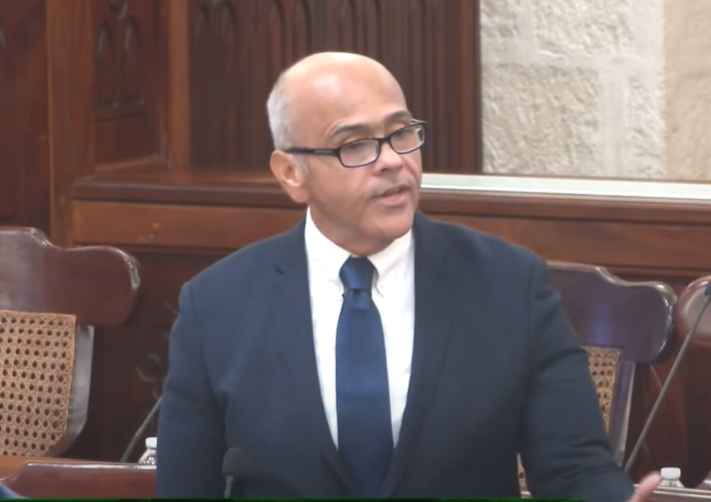
  • Duguid defends govt and HOPE project amid corruption claims

    Duguid defends govt and HOPE project amid corruption claims

    In a fiery session of Barbados’ House of Assembly on Tuesday, Senior Minister Dr. William Duguid delivered a vehement rebuttal against corruption allegations leveled by Opposition Leader Ralph Thorne regarding the government’s HOPE Housing Project. The senior official dismissed the claims as “absolute nonsense” and “bold-faced poppycock” during heated exchanges that culminated in a parliamentary vote to correct a procedural error concerning land allocation.

    The controversy emerged as legislators voted to rescind an earlier resolution approving the transfer of two land parcels at Sargeant’s Village, Christ Church, which Dr. Duguid attributed to an “administrative error” in the previously passed version. The minister, who holds a senior position in the Prime Minister’s Office, specifically addressed Mr. Thorne’s assertion that $60 million in state funds had improperly benefited private individuals, declaring these allegations entirely unfounded.

    Dr. Duguid mounted a robust defense of the state housing program, which targets low-income residents through developments at Vespera Gardens in St. James, Concordia in St. Philip, and Pool in St. John. “HOPE has done a fantastic job,” the Christ Church West MP asserted, adding that “there have been no infelicities, as far as I am concerned.”

    The former housing minister challenged the opposition leader to substantiate his claims, particularly regarding the allegation that “Cabinet took up $60 million of taxpayers’ money… to enrich private individuals.” Dr. Duguid provided clarification on the Pool development, explaining that while a contract was initially signed for 1,000 housing units, the HOPE board had only approved the purchase of 50 units. He emphasized that despite subsequent ratification of the larger contract, “not one cent” was actually disbursed.

    Citing the Auditor General’s report on HOPE, Dr. Duguid noted the assessment concluded the organization had “achieved modest returns on its programmes” without any findings of corruption or failure. However, the infrastructure minister acknowledged the administration had made mistakes while pursuing aggressive housing policies to address growing demand.

    Dr. Duguid contextualized the housing challenges by referencing natural disasters that disrupted construction efforts, noting that Hurricane Elsa and Hurricane Beryl had destroyed hundreds of homes across Barbados. The government consequently diverted resources from affordable housing initiatives to emergency repairs, addressing approximately 1,400 damaged properties at a cost of millions originally allocated for housing development.

    “We are not perfect. Perfection is for the divine; people will make mistakes, and this, from what I can see, was an administrative error,” Dr. Duguid conceded in his closing remarks to the parliamentary assembly.

  • Police Urge Vehicle Owners to Secure Vehicles at All Times

    Police Urge Vehicle Owners to Secure Vehicles at All Times

    The Royal Police Force of Antigua and Barbuda has issued a stark public safety alert following a concerning surge in vehicle thefts across the nation. Law enforcement authorities report that a pattern of owner negligence—primarily leaving vehicles unsecured with keys inside—is directly enabling criminal enterprises.

    This security crisis has manifested prominently in the St. John’s and Old Parham Road districts, where recent incidents highlight a troubling trend. In a specific case from January 13th, 2026, an orange Suzuki Ignis was stolen from St. John’s Street during morning hours. Police investigation confirmed the vehicle was unattended with its ignition keyed. Similarly, a white Kia Sorento vanished from Old Parham Road overnight between January 12th and 13th.

    Beyond the property loss, police intelligence indicates stolen vehicles are being repurposed to facilitate other serious criminal operations, thereby multiplying the threat to community safety. In response, the Police Administration is mandating heightened public vigilance and has released a comprehensive security protocol.

    The essential guidelines for vehicle owners include: never leaving keys in the ignition under any circumstances; consistently locking all doors and windows regardless of parking duration; opting for well-lit and secure parking areas; and immediately reporting any suspicious behavior to authorities.

    The force emphasizes that community cooperation is indispensable in combating this crime wave. Citizens possessing any information related to these thefts or associated criminal activities are urged to contact the Criminal Investigations Department (CID) or their nearest police station immediately.